

Is this the sweet smell of success?
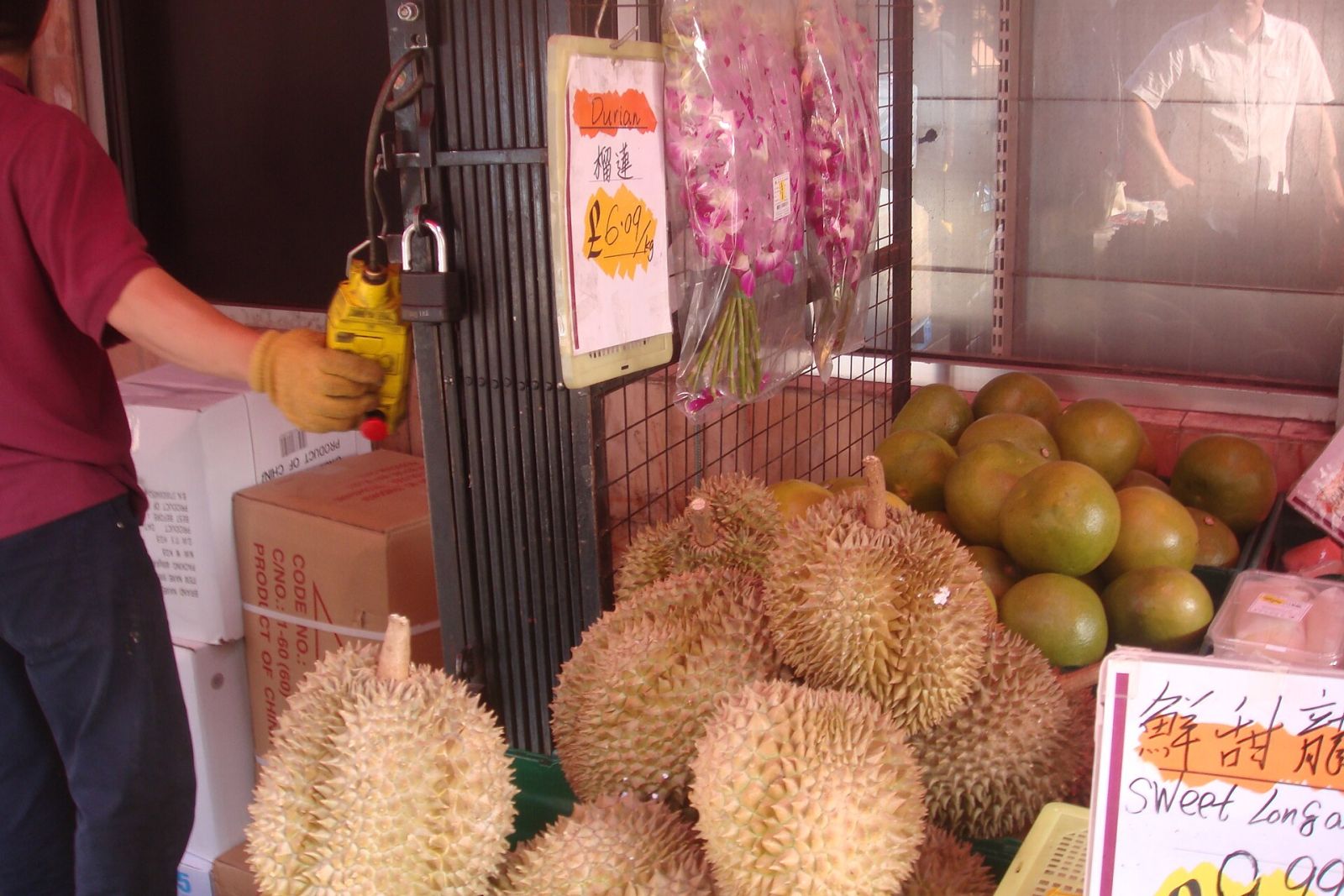
The Indonesian outlet Kompas reports that the Plaza Asia shopping mall in the city of Tasikmalaya, West Java, is selling a J-Queen durian for 14 million rupiah (roughly $1,000) apiece, dozens of times more than the ordinary, run-of-the-mill version you'd find at the supermarket.
Images circulating on social media show the fruit on display in the mall, resting on a red satin cushion beneath a protective plexiglass case.
Partner links: booking through them supports the blog at no extra cost to you.
The spiky fruit isn't the most obvious candidate for such lavish treatment.
While its flavor and creamy texture have made it a favorite across Southeast Asia, its powerful smell has earned it plenty of critics.
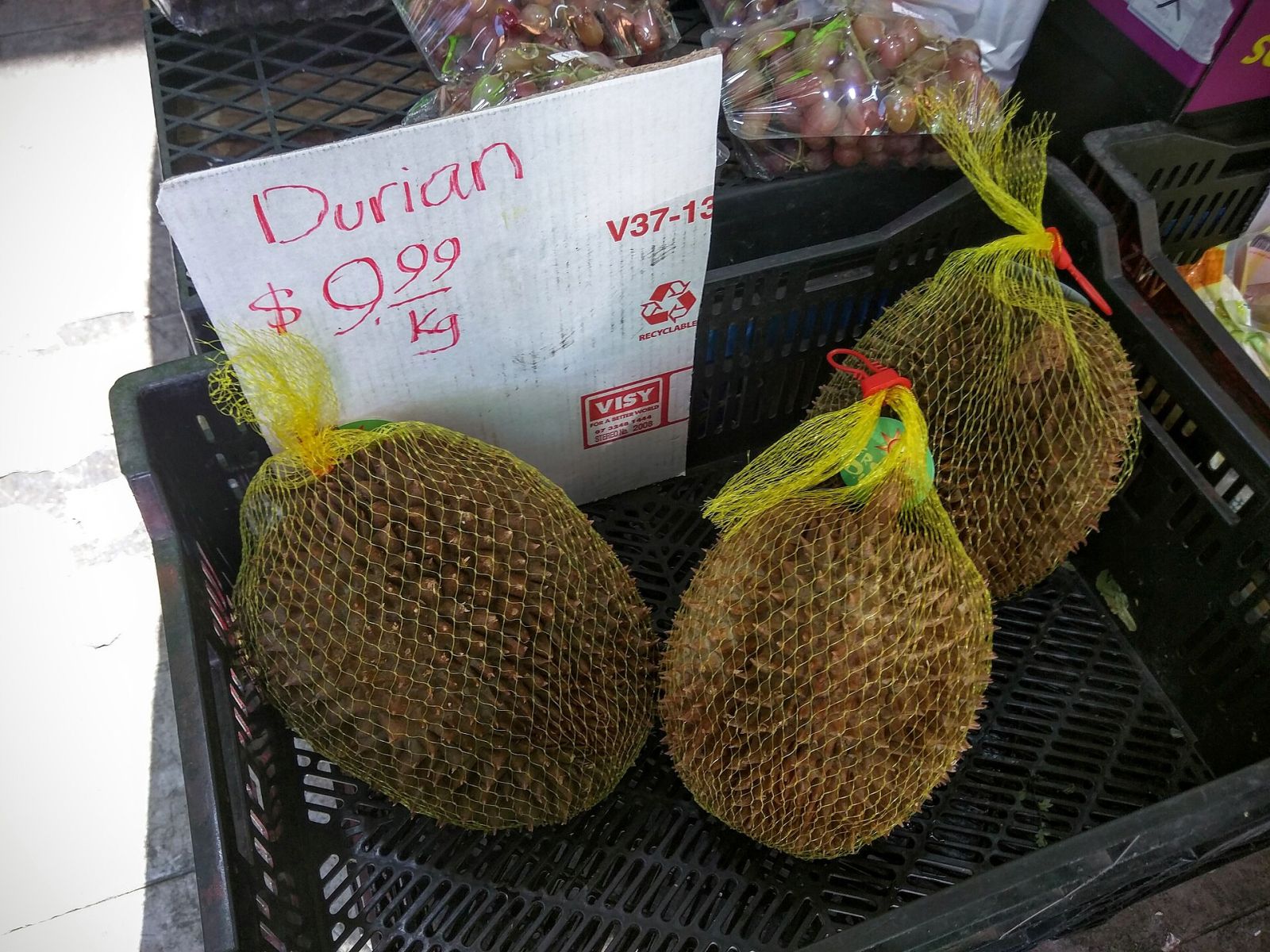
Singapore has banned the fruit from its metro system, and many hotels forbid durians altogether because of the notorious odor, which some critics compare to rotting food or dirty socks.
Indeed, even Indonesians, who call it the "King of Fruits," are known to struggle with its aroma.
Last year, a shipment of durian temporarily grounded an Indonesian flight after passengers complained about the fruit's smell filling the cabin.
J-Queen Is a Brand-New Variety
J-Queen is a new durian hybrid, bred from several premium varieties, according to its creator, a 32-year-old psychology student named Aka from the Islamic University of Indonesia (UII) in Yogyakarta.
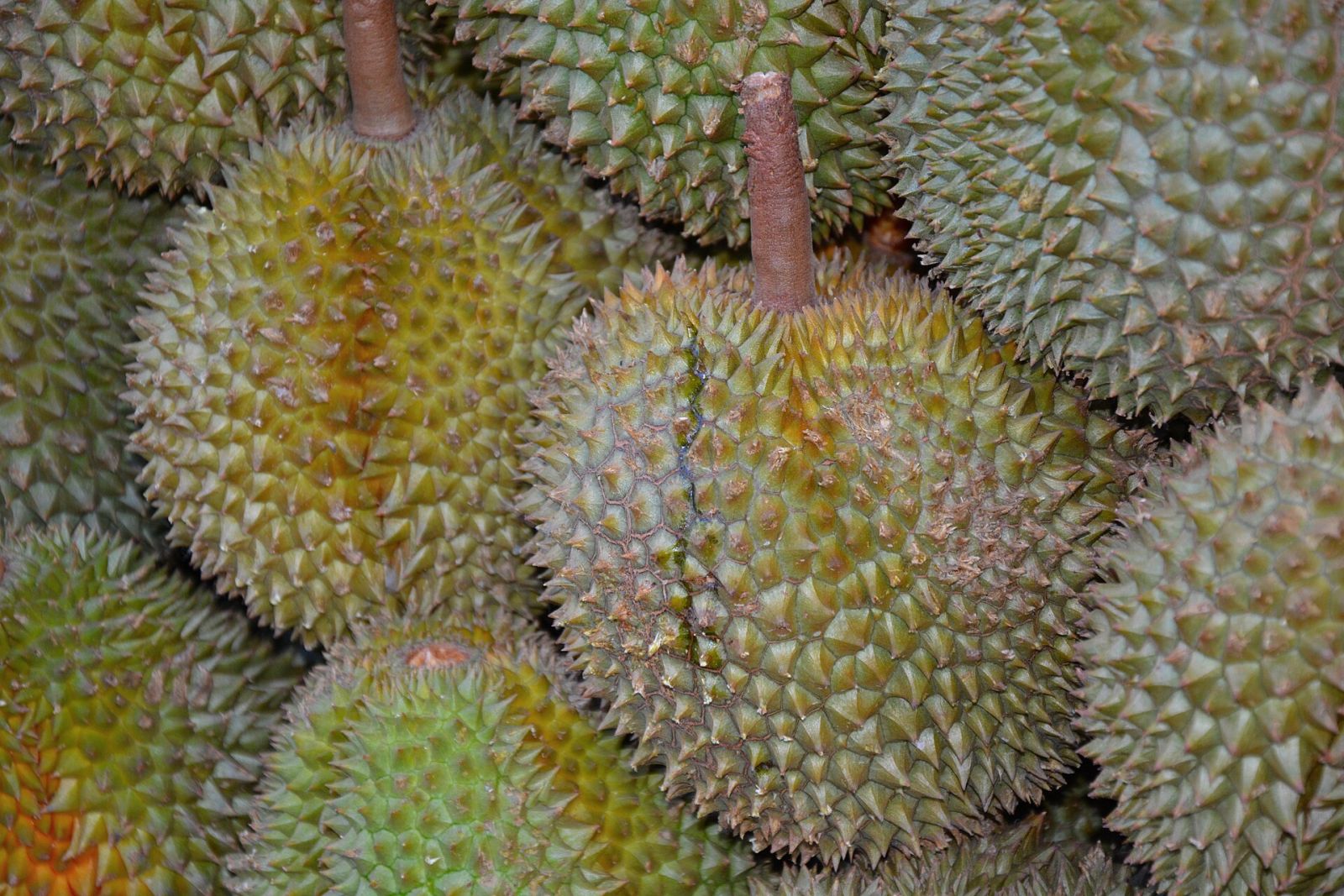
A Tasikmalaya native, he says his durian is so sought after and so pricey because his tree produces only 20 fruits every three years.
He says he is the sole owner of the variety and has never shared its seeds with anyone.
The spiky, sharply scented fruit is divisive at the best of times, but Kompas reports that, beyond its rarity, the flavor of this particular durian is quite unusual: a blend of peanut and buttery notes.
The durian itself is perfectly round, unlike its elongated relatives. When its menacing outer shell splits open, the flesh inside comes in round segments rather than the usual oval shape. The fruit also has a yellow-gold color, unlike the pale, custard-like hue of most durians.
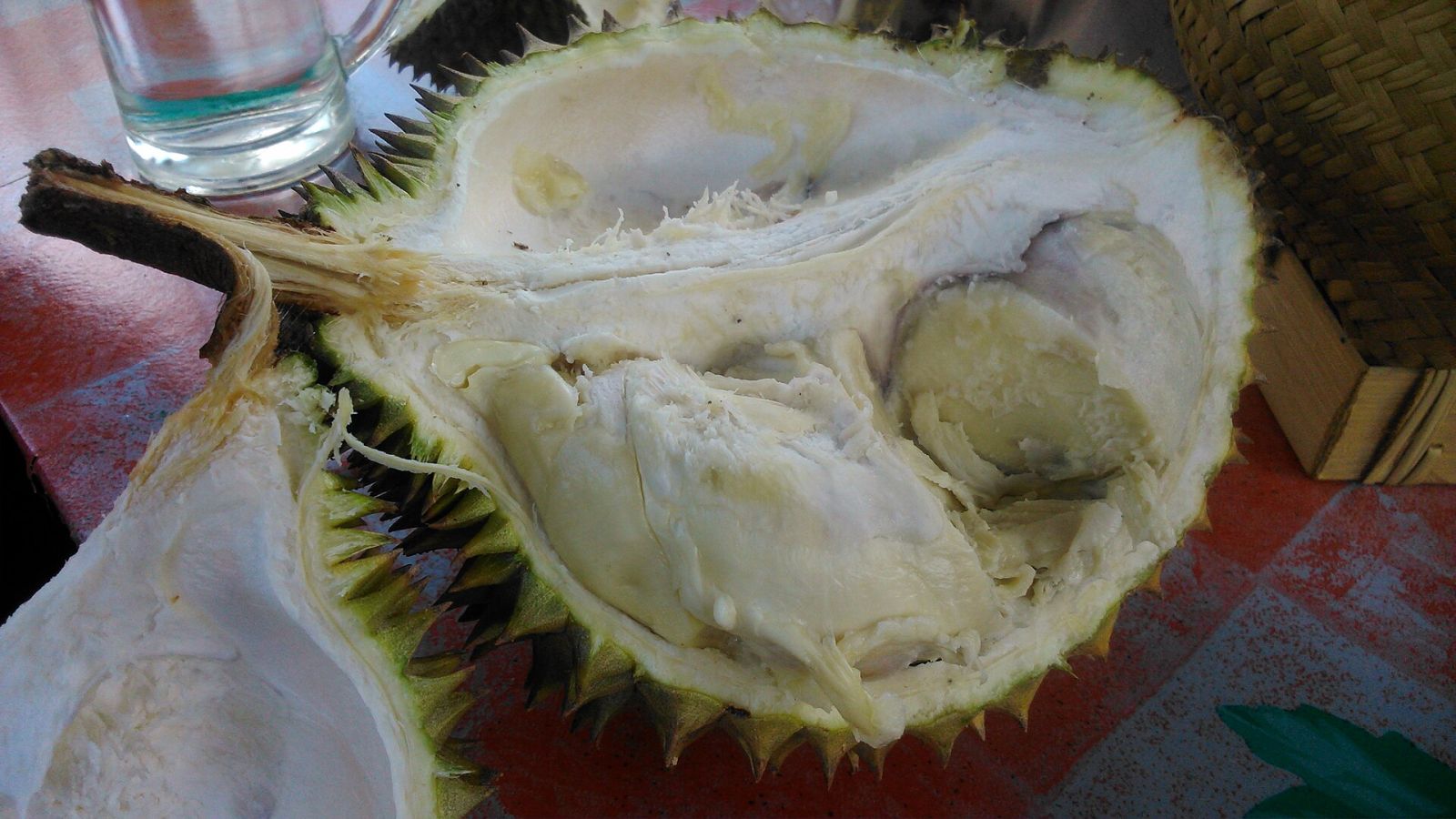
Aka says his reasons for producing this durian hybrid, which costs several times the average Indonesian's monthly wage of around $183, according to figures from the economic research firm CEIC Data, are altruistic.
"My goal is to improve the welfare of farmers by creating wonderful durians. I have durian orchards in Kendal, Pekalongan, Banyumas, Pangandaran and Gunung Tanjung, Manonjaya, Tasikmalaya," he told Kompas.
So are these fruits, widely regarded as the gold standard of the durian world, flying off the shelves?
A representative for the Plaza Asia mall told Coconuts Jakarta, an Indonesian blog, that two of the four durians they brought in have already sold, while the remaining two have been given festive packaging for Chinese New Year and are expected to sell soon.