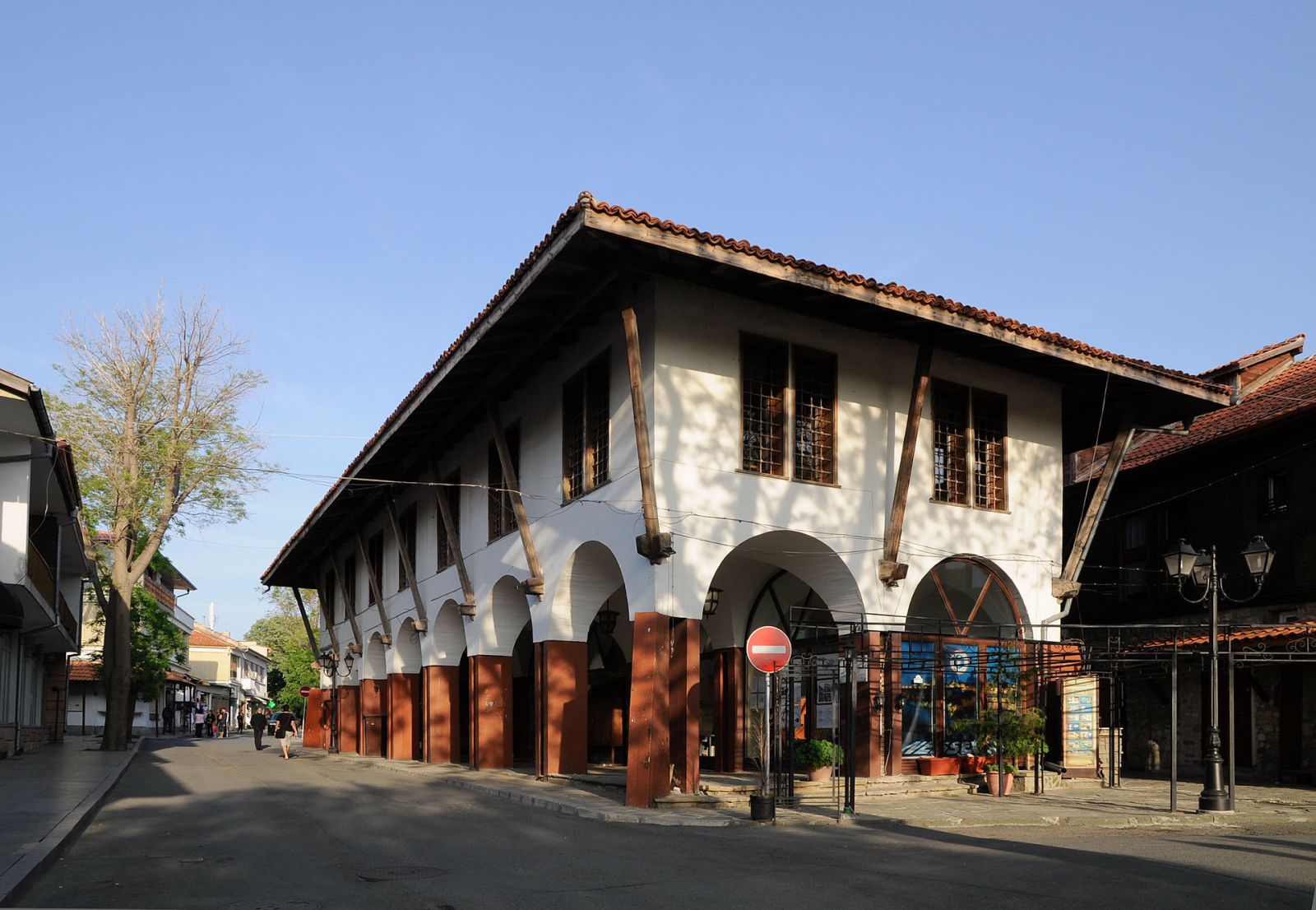


Here is the short answer on what to see in Bulgaria: one week is enough to cover Sofia with Rila Monastery, Plovdiv with its old town and Roman theatre, then the coast with Nesebar and Sozopol. The country is compact, the capital sits about five hours from the sea, and that is exactly why Bulgaria gets underrated: people fly in for the beach at Sunny Beach and never suspect that two hours away a medieval royal capital clings to cliffs above a river.
Below are six places worth the drive. For each one: where it is, why it stands out, and an honest downside, because perfect destinations do not exist.
Sofia: the Nevsky cathedral and Roman ruins underfoot
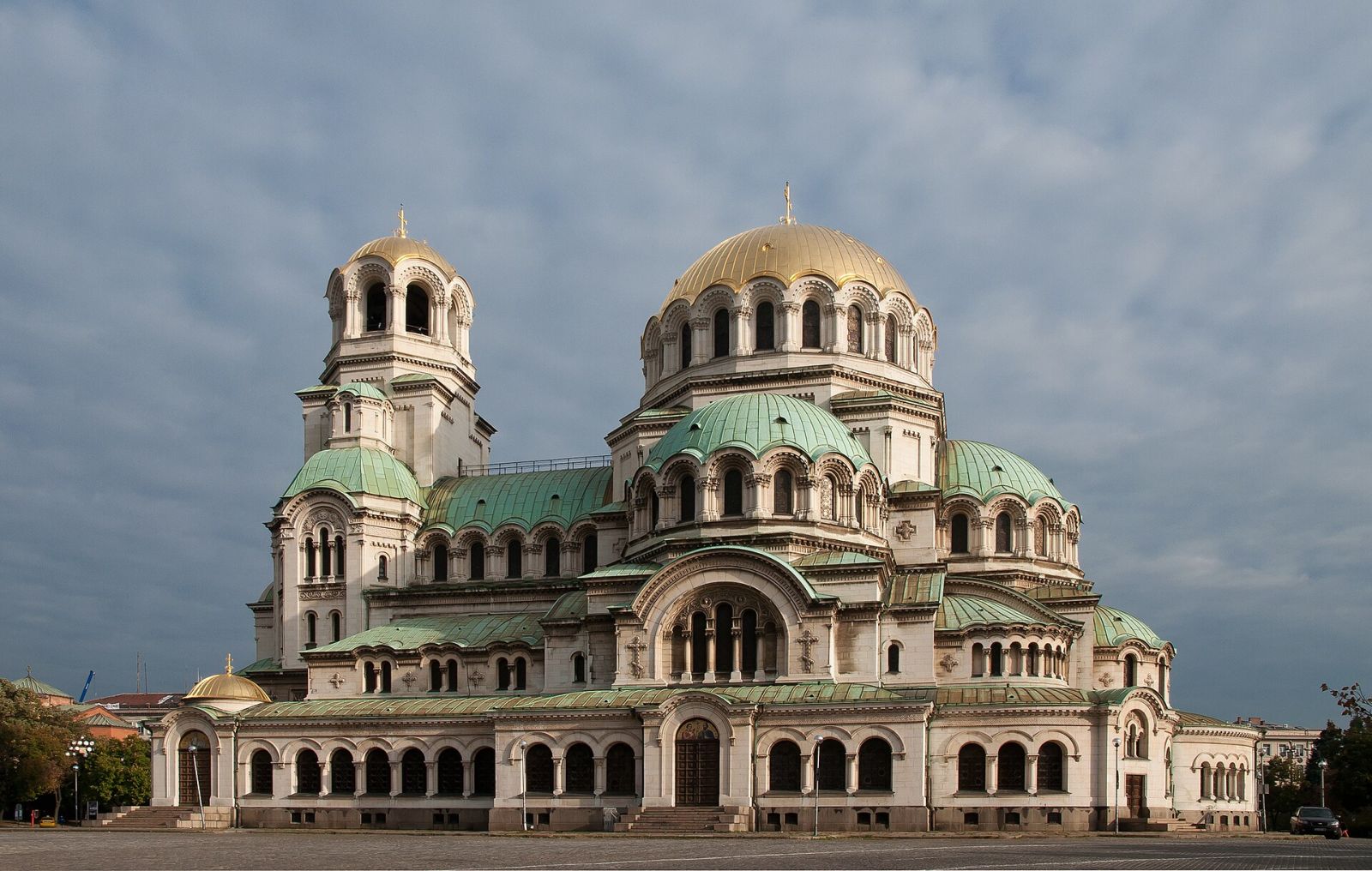
Many travellers rush through the capital, which is a mistake. The signature shot of Sofia is Alexander Nevsky Cathedral: gold domes, room for seven thousand worshippers, one of the largest Orthodox churches in the Balkans. Entry is free, interior photography costs a small fee, and the crypt holds a serious icon collection.
The second reason to linger hides literally below street level. Metro construction unearthed ancient Serdica, the Roman city that modern Sofia stands on. Sections of its streets and baths now sit right inside the underpasses by Serdika station, framed by a mosque, a synagogue and several churches. A handful of religions and two thousand years of history on a single crossroads is a rare combination anywhere in Europe.
Add Vitosha Boulevard with its cafes and the view of Vitosha mountain: in winter locals ski there straight from the city. With half a day to spare, ride out to Boyana Church on the outskirts: tiny and plain outside, it hides frescoes from 1259 that art historians call a forerunner of the Renaissance a century before Giotto. It is a UNESCO site, visits run in small groups for just a few minutes, so book a morning slot. Sofia's honest downside is the grey socialist-era sprawl around the centre, so two days is plenty.
Rila Monastery: why the frescoes justify a mountain trip
This is the country's holiest site and a UNESCO landmark, tucked into the Rila mountains at over a thousand metres, roughly 120 kilometres from Sofia. Followers of Saint Ivan of Rila founded the monastery back in the 10th century; its current look dates from a rebuild after a 19th-century fire. Striped black-and-white arcades, red domes, green slopes all around: it looks as if a painter designed the whole complex for a postcard. That is one of only two metaphors in this text, promise.
The real draw is not even the architecture but the frescoes by Zahari Zograf on the main church's porch: the Last Judgement scenes with devils and sinners reward a full hour of staring. The oldest structure in the courtyard, the stone Hrelyo Tower from the 14th century, survived every fire. Check current visiting hours on the monastery's official site, rilskimanastir.org. One drawback: in high season the courtyard fills with tour groups between 11:00 and 15:00, so either arrive early or stay overnight nearby and walk in after 16:00 when the buses leave.
Plovdiv: an old town and a theatre two thousand years old
Plovdiv claims a spot among Europe's oldest continuously inhabited cities; settlement on its hills goes back some six thousand years. The old town here is no stage set but a living quarter of the Bulgarian Revival: brightly painted 19th-century houses with timber bay windows lean over the cobbles, and many now house museums and galleries.
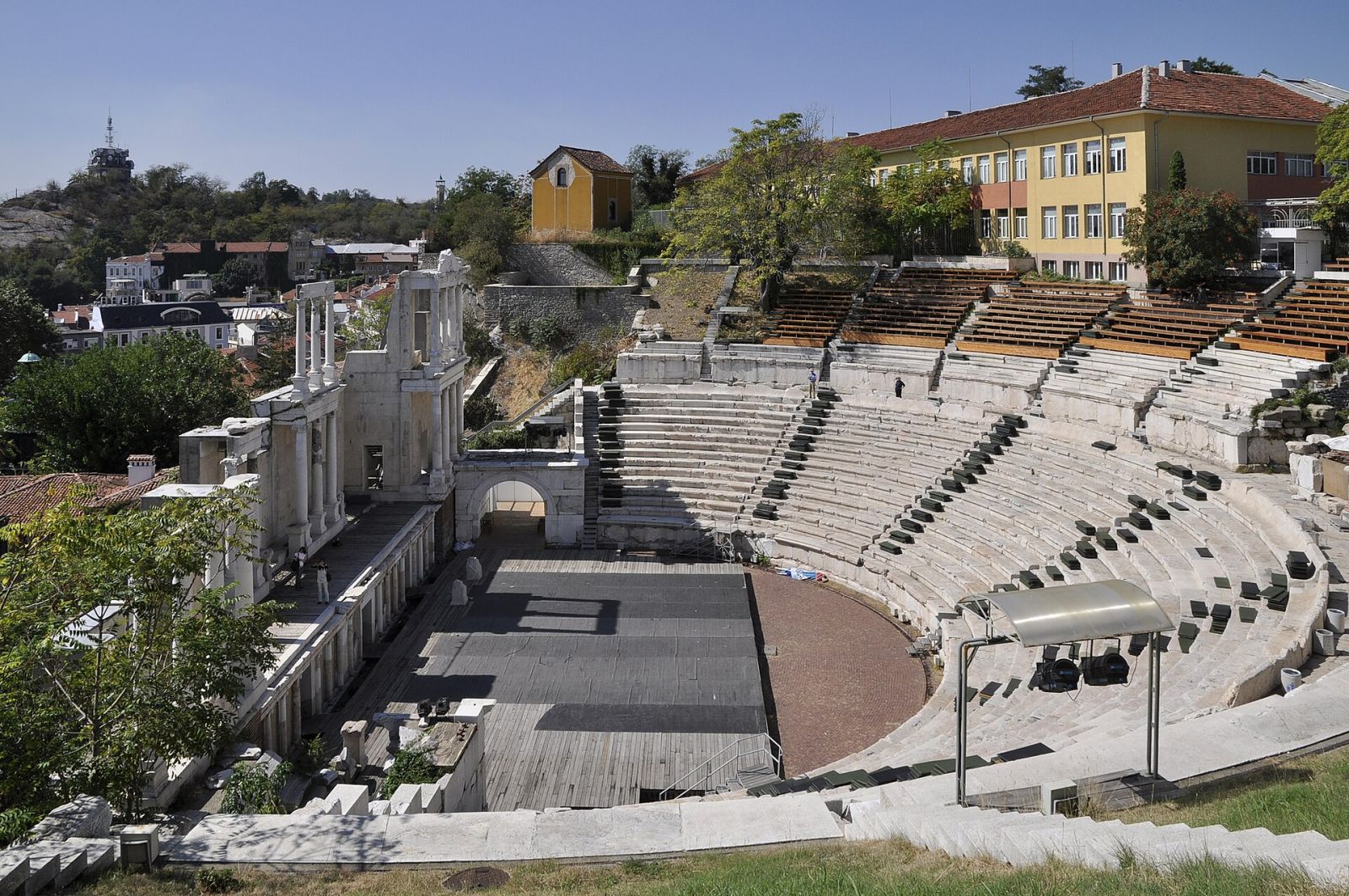
The crown jewel is the ancient theatre of Philippopolis, built under Emperor Trajan. It was only excavated in the 1970s, then restored, and today operas and open-air concerts play on the same marble benches the Romans sat on. Catching a performance on a warm evening is an experience of its own. Next door lies Kapana, a former craftsmen's district turned into a maze of bars, coffee shops and workshops. Plovdiv's only real minus is seasonal: in July and August the hills bake at over thirty-five degrees, so walk in the morning.
Veliko Tarnovo: the tsars' capital above the river
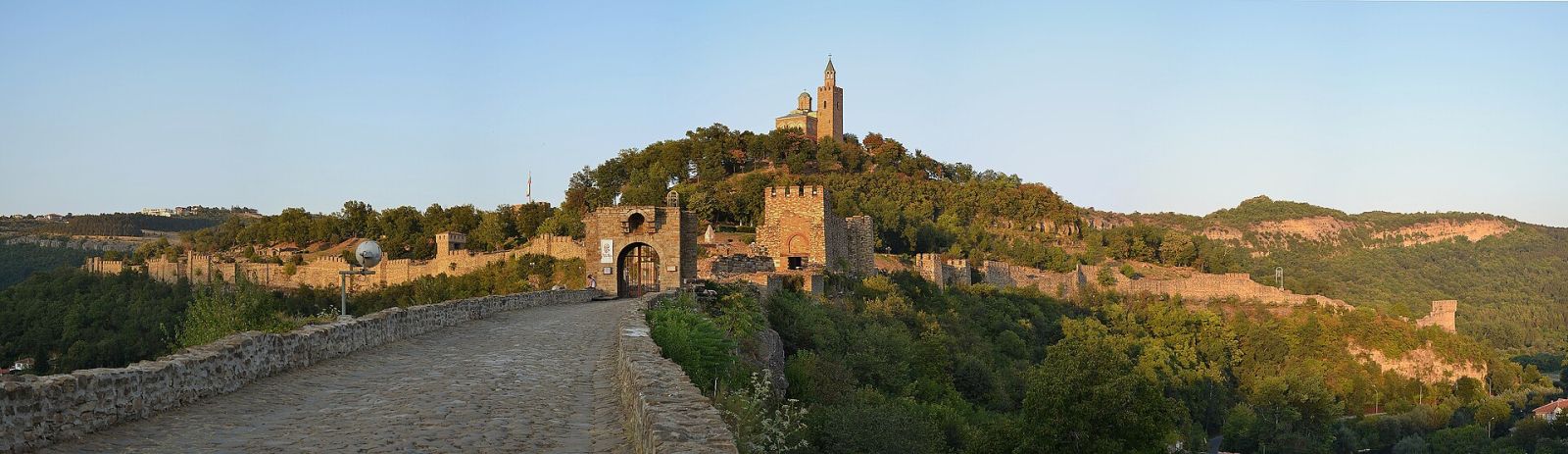
Between Sofia and the sea lies the former capital of the Second Bulgarian Empire. The houses of Veliko Tarnovo stack in tiers on cliffs above a bend of the Yantra river, and the streets themselves induce mild vertigo. The main sight is Tsarevets fortress: restored walls, a patriarchal cathedral with strikingly modern, almost avant-garde murals inside, and a panorama that repays the climb.
In summer the fortress hosts a sound-and-light show: floodlights, bells and lasers retelling the rise and fall of the empire. The schedule floats depending on group bookings, so confirm it at the local tourist office. Add Samovodska Charshia, a lane of working blacksmiths and potters. The downside: the terrain is merciless on the knees, and rolling luggage or a stroller turns into a workout.
Nesebar or Sozopol: which old seaside town to pick
Both towns sit on small peninsulas, both began as Greek colonies, both are packed with timber Revival houses. Their characters differ, though, so here is a quick comparison.
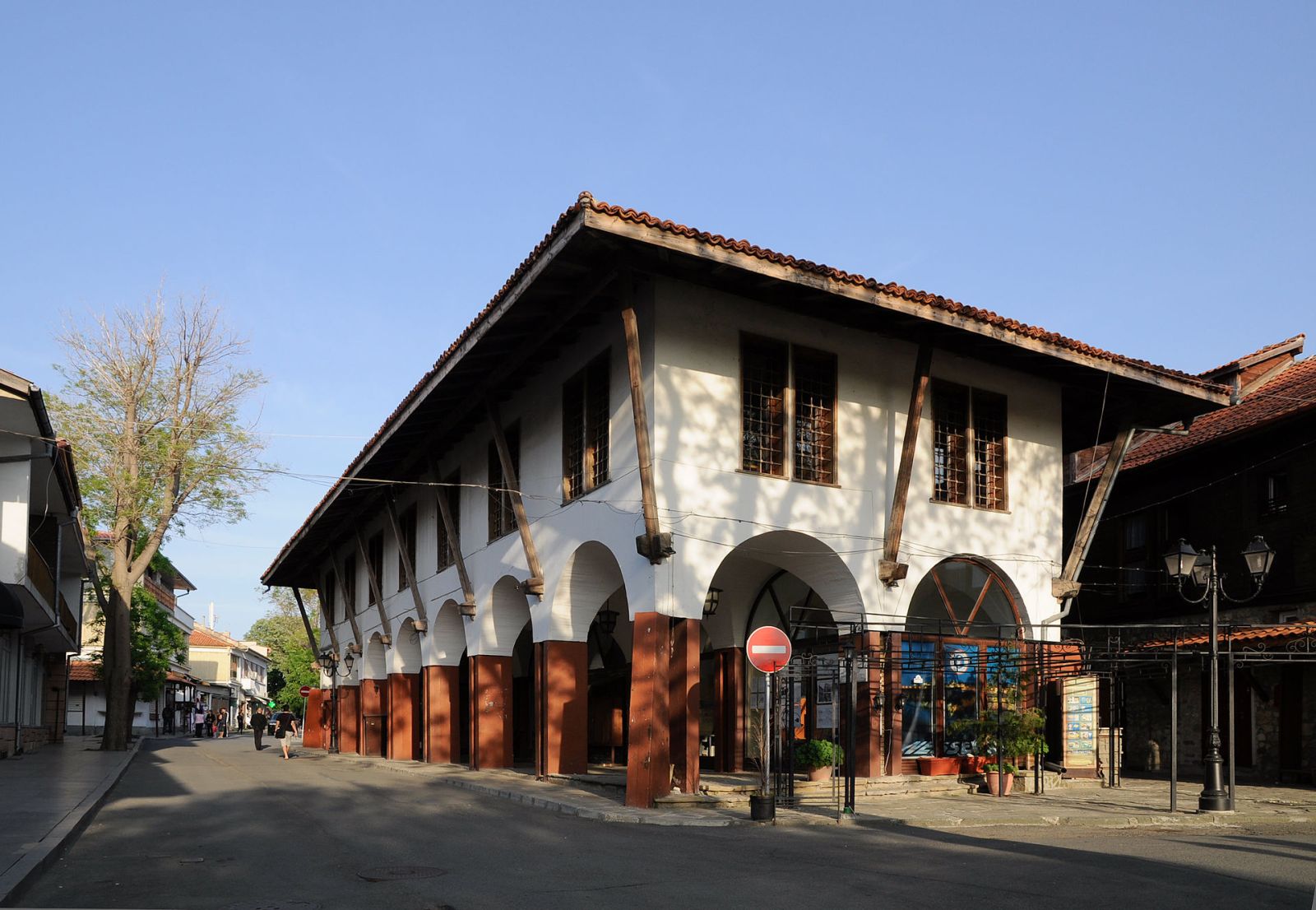
| Criterion | Nesebar | Sozopol |
|---|---|---|
| Status | UNESCO site, ancient Mesembria | Ancient Apollonia, no UNESCO listing |
| Highlight | Medieval churches, including Christ Pantocrator | Fishing-town atmosphere, the Apollonia arts festival in early September |
| Crowds | Very busy, Sunny Beach is next door | Noticeably calmer, more local visitors |
| Best for | Seeing the maximum number of churches in a day | Settling in by the sea for a few days |
A practical tip: reach Nesebar before ten in the morning or towards evening, because at midday the old town becomes one continuous stream of excursions from the nearby resorts. Sozopol in September, with the sea still warm and the seasonal noise fading, may be the most pleasant spot on the whole coast.
How to build the route, and when to go?
The logistics are simple. Sofia and Rila Monastery pair naturally: most visitors do the monastery as a day trip from the capital, by bus with a change in Dupnitsa or on an organised tour. Then Plovdiv, about an hour and a half from Sofia by bus or train. Next Veliko Tarnovo, and finish on the coast: Nesebar and Sozopol sit about an hour apart via Burgas. A week covers it all; ten days adds proper beach time.
As for timing: May, June and September are best for the cities and the monastery, warm but not punishing. The sea is swimmable from mid-June to late September. In winter the main reason to come is skiing on Vitosha or in Bansko. One last piece of advice: do not try to squeeze everything into three days. Bulgaria wins not with a checklist of blockbuster sights but with the sheer density of history per square kilometre, and that needs time to sink in.