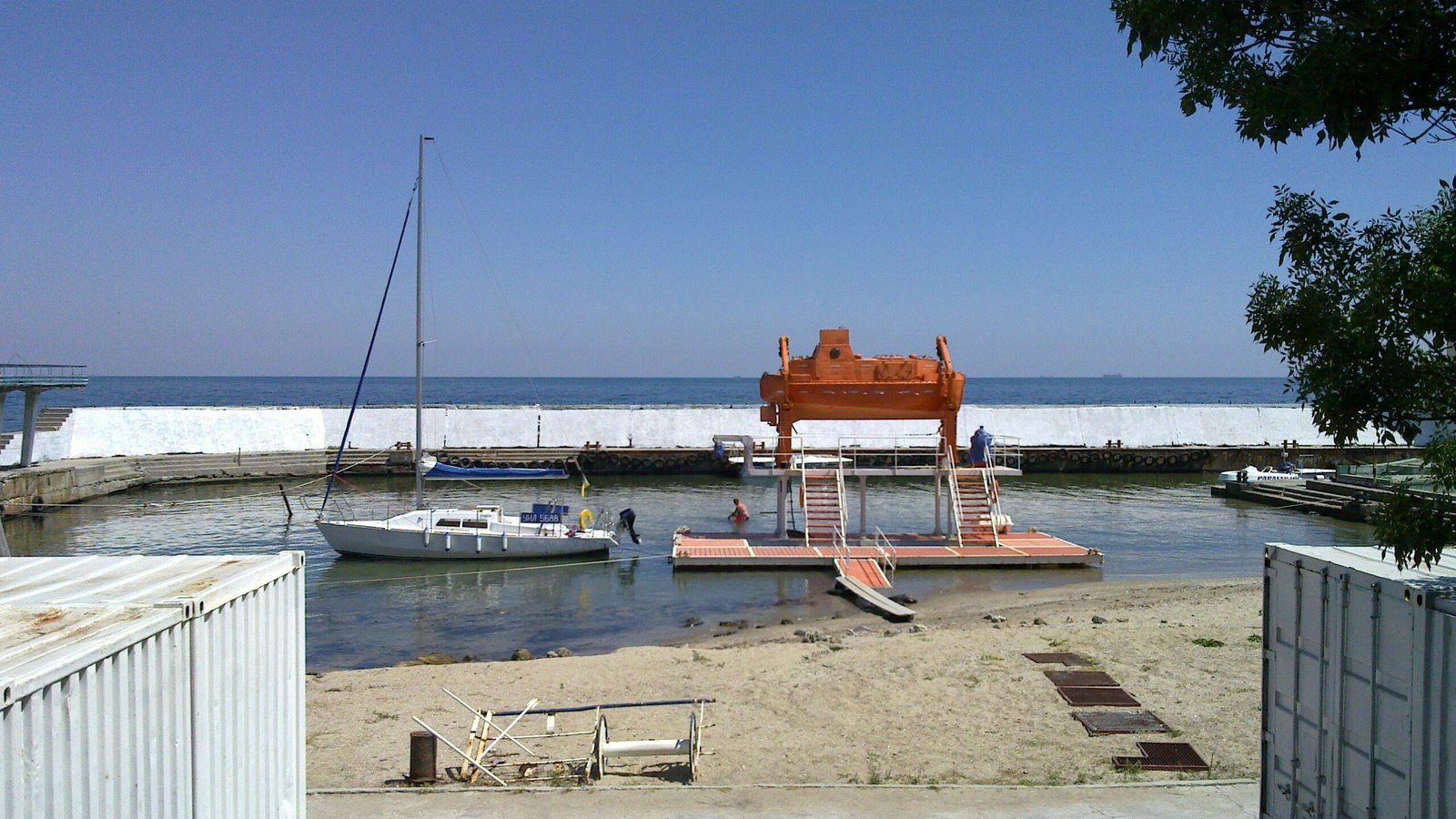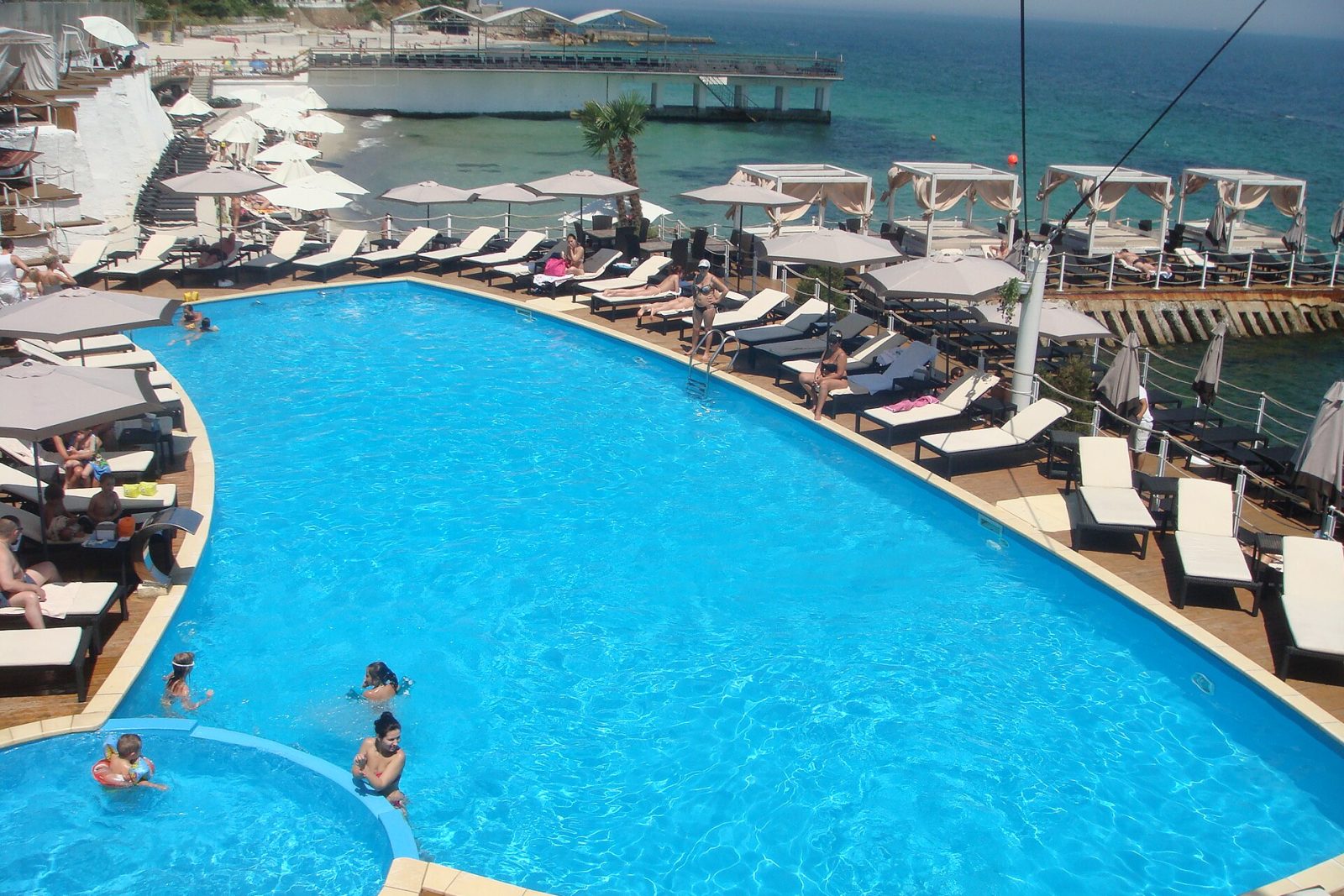


The sea in Ukraine is really two very different seas, and it pays to know which is which. The Black Sea is deeper, saltier and cooler, warming up to a comfortable swim only around July; the Sea of Azov is shallow, almost fresh and heats up as early as late May, which is why families with small children and budget travellers have always favoured it. One honest thing up front: right now the map is drawn by the security situation, not by any guidebook. Parts of the coast are off limits, open beaches can carry swimming bans, so check a resort's current status against official sources before you go.
What follows is a practical breakdown: how the Black Sea differs from Azov, which resorts are actually reachable, who each one suits, when to go, and what's genuinely wrong with the Ukrainian coast. No gloss, honest downsides included.
Black Sea or Azov: which one to pick
The difference hits you the moment you wade in. The Black Sea means Odesa and the string of resorts to its west: salty water, a seabed that drops off quickly, and a colour that edges towards turquoise on a clear day. Azov, the shallowest sea on the planet, lets you walk waist-deep a hundred metres from shore in places, and it is warmer, murkier and barely salty. If you actually want to swim, the Black Sea is the logical call. For families with toddlers and anyone watching the budget, Azov is the traditional pick, warmer and cheaper.
One practical detail worth knowing: the Azov coast is famous for long sand-and-shell spits, such as Fedotova or the Berdiansk Spit, where the sea laps in from both sides. The Black Sea beaches vary more, from the sandy spits of the Odesa region to pebble stretches beneath the city's cliffs.
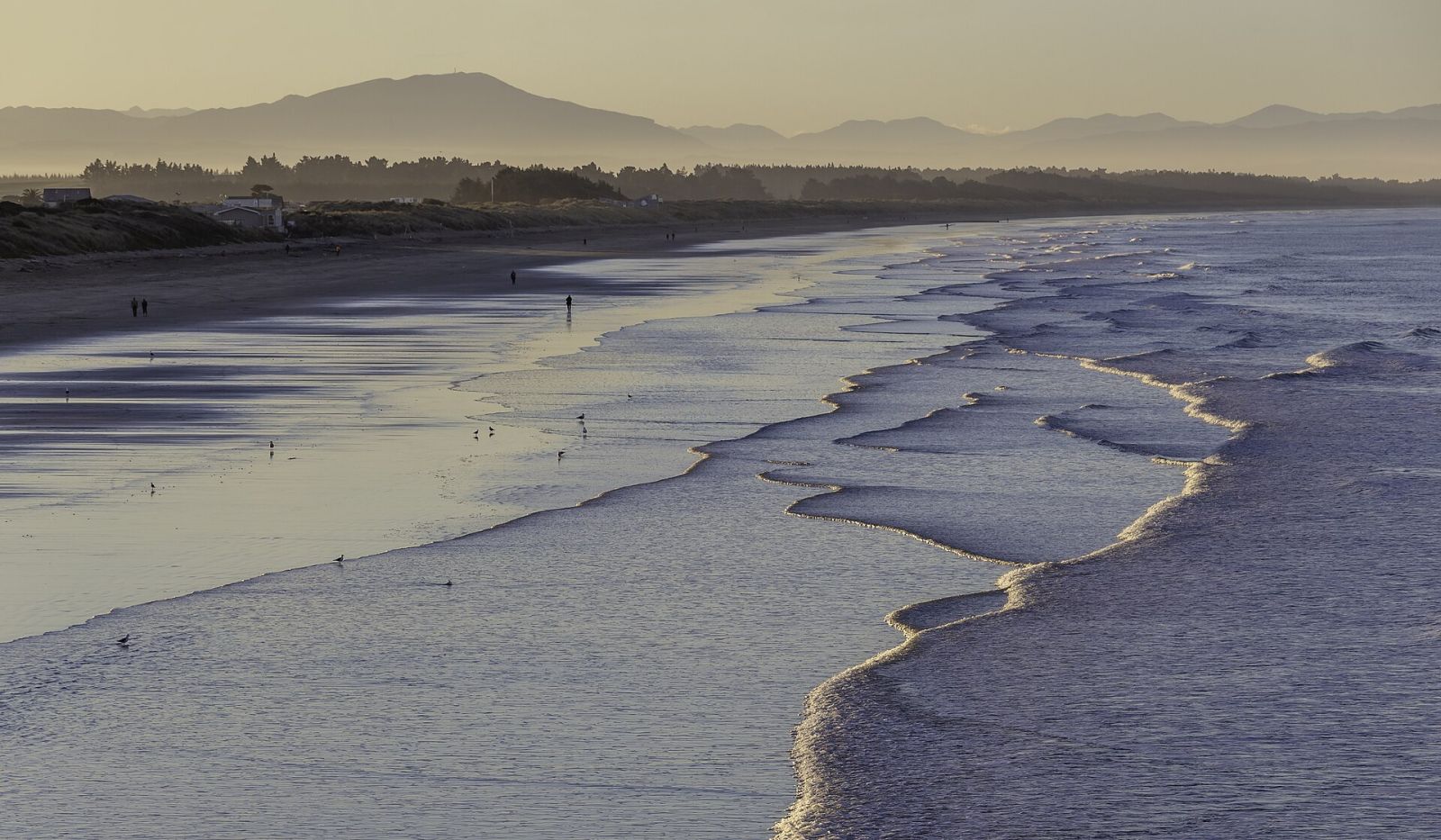
The Black Sea: Odesa and the resorts nearby
The anchor of the whole Black Sea holiday is Odesa. City beaches run from Lanzheron through Arkadia to Velykyi Fontan, and people come here less for perfect water than for the atmosphere, the promenades, the cafes and the nightlife right by the shore. Water quality inside a big city is nothing special, so many prefer to swim well away from the centre.
For a proper beach holiday, head west of Odesa towards the mouth of the Dniester. The main names are these:
- Zatoka. The best known and loudest resort in the region, a narrow spit between the sea and a liman, one unbroken line of holiday bases, cafes and fairground rides. Sand, a gentle entry into the water, maximum entertainment, and in return dense construction and July crowds. A choice for those who want buzz and company rather than quiet.
- Karolino-Buhaz. Zatoka's neighbour on the same spit, a touch calmer, with a wider strip of beach. A compromise between full infrastructure and a bit of space.
- Serhiivka. A resort on the isthmus between the sea and the Shabolat (Budaky) liman, known not only for its beach but for mud therapy. Families and older travellers come here for the pairing of sea and treatment.
Who the Odesa-region Black Sea suits: anyone who wants genuinely salty water and developed services close at hand, and is willing to pay a little more than on Azov.
The Sea of Azov: warm shallow water for less money
For years the Azov coast was the country's main family and budget sea. The classic resorts here are Kyrylivka, with its celebrated Fedotova Spit, and Berdiansk, with a long spit and mud lakes nearby. The water is warm and shallow, the bottom sandy, prices historically below Odesa's, and the season starts earlier.
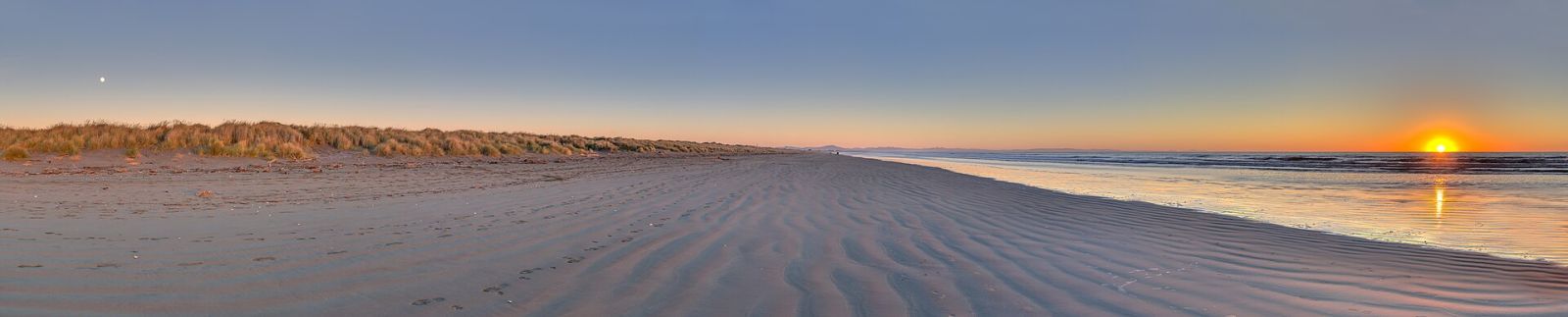
Here full honesty is needed, without which this article would be false. Kyrylivka, Berdiansk and almost the entire Azov coast lie in Zaporizhzhia Oblast, which is currently under Russian occupation and not accessible for a free holiday. So if you are planning your sea in Ukraine trip for the coming season, Azov cannot yet be part of the plan: we describe it as a marker for the future, not an offer for this year. The stretch of coast genuinely open to Ukrainians today is the Black Sea shore of the Odesa region, and even there restrictions apply.
Limans and mud: when people come to heal, not to tan
A separate reason to head south is not the beach but the water and silt of the limans, coastal salt lagoons. The Kuyalnik Liman near Odesa is famous for its highly saline brine and therapeutic mud; the water is so dense that it floats a person to the surface, much like the Dead Sea. Serhiivka runs a balneological resort on the mud of the Shabolat Liman, drawing people with joint and skin complaints.
The logic is simple: the limans are a holiday alongside the sea, not instead of it. A salt bath and mud in the morning, an ordinary swim in the sea a couple of hundred metres away in the afternoon. The one rule is to skip self-treatment: mud and brine have contraindications, so with any serious condition it is a doctor's advice first, a booking second.
When to go?
The Ukrainian sea calendar is simple but has its wrinkles. Azov warms up fastest and is fit for children by late May. The Black Sea reaches genuinely warm water by mid-July and holds it through August. The most underrated window is September, the so-called velvet season, when the heat eases, the water is still warm, the crowds thin out and prices drift downwards.
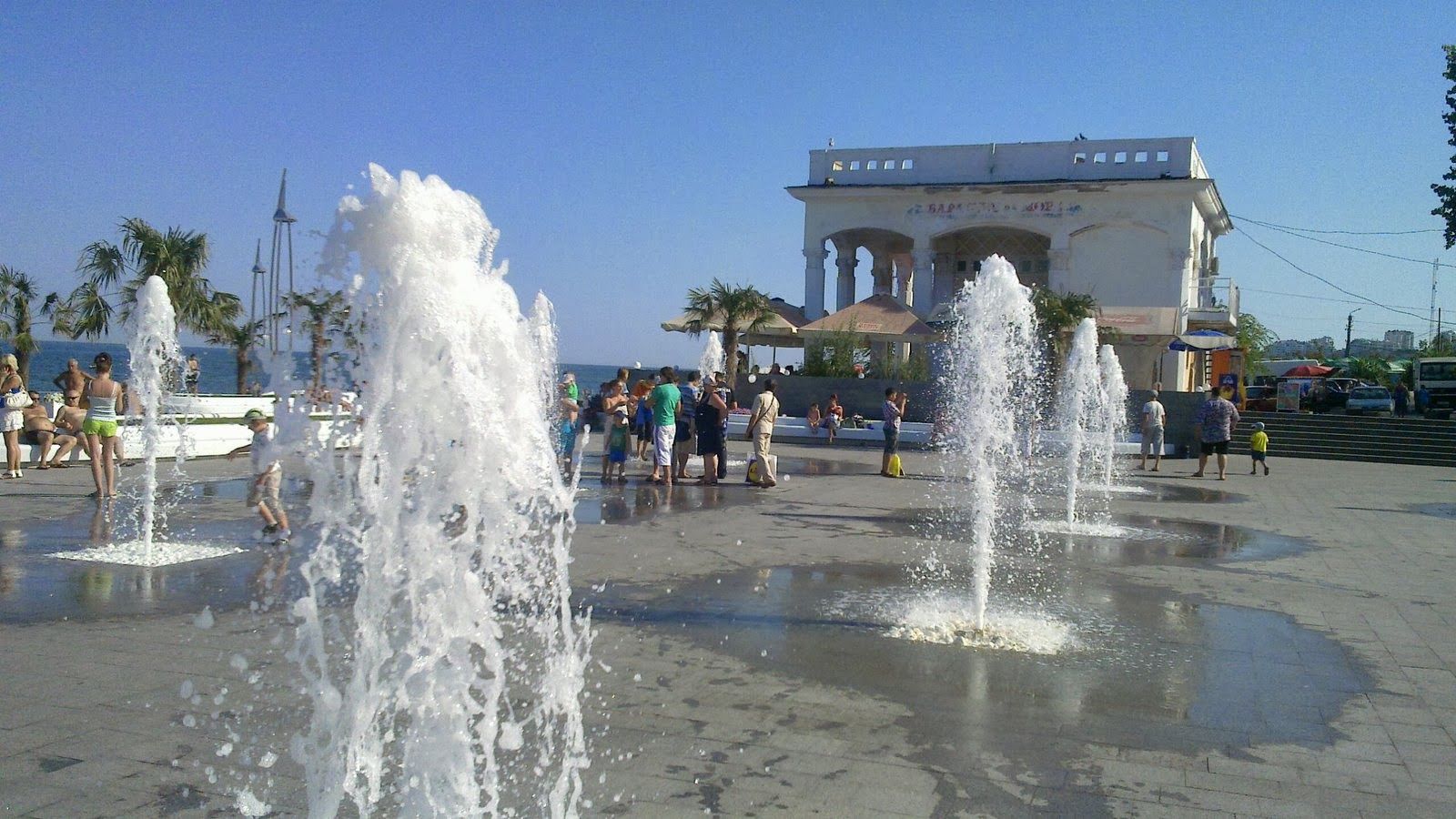
Peak season, from mid-July to mid-August, brings the warmest water, the priciest lodging and the biggest crush all at once. Given a choice, aim for late June or September: there is still, or already, plenty of sea, and you spend fewer nerves and less money.
| Resort | Sea | Best for | What makes it stand out |
|---|---|---|---|
| Odesa | Black | Young travellers, couples, city-by-the-sea fans | Beaches plus promenades, cafes and nightlife |
| Zatoka | Black | Groups, fans of buzz and rides | Maximum entertainment, dense build-up, noise |
| Karolino-Buhaz | Black | Those who want Zatoka but calmer | Wider beach, slightly fewer crowds |
| Serhiivka | Black plus liman | Families, older travellers, wellness | Sea right next to mud therapy |
| Kyrylivka | Azov | Families with toddlers, on a budget | Warm shallow water, Fedotova Spit (now off limits) |
| Berdiansk | Azov | Families, fans of mud lakes | Long spit, liman mud (now off limits) |
| Kuyalnik | Liman | Those coming to heal, not to swim | Salty brine and mud, the water floats you |
The honest downside: jellyfish, infrastructure and safety
Now for what the brochures leave out. The first and best known nuisance is jellyfish. In August, especially on Azov and the Black Sea shallows, the water in places is thick with barrel jellyfish; they are not deadly, but a big one can deliver a stinging burn, and a swim through jellyfish soup is a doubtful pleasure. The second is patchy infrastructure: well-kept bases sit next to chaotic construction, water cleanliness is a fair question at the height of summer, and prices jump at peak with little regard for the quality of service.
And the thing that cannot be left unsaid. The Ukrainian sea right now is not only about tanning. Because of the war, access to much of the coast is closed, open beaches can carry mine danger, swimming bans and curfew limits, and the picture shifts fast. So plan any seaside trip against official announcements from local authorities and military administrations, not against last year's reviews.
The bottom line, unvarnished. A full sea in Ukraine holiday today means, above all, the Black Sea coast of the Odesa region, and even there it calls for attention to safety. The Azov resorts and the far-off spits stay in memory and in plans for the future. For salty water with a city right beside it, head to Odesa and Zatoka. For quiet and wellness, look towards Serhiivka and the limans. And always weigh the final decision against the current situation, because this year it counts for more than any beach ranking.