

Serbia packs more into one week than some countries manage in two: a capital crowned by a fortress above the meeting point of two rivers, the deepest gorge on the Danube, a wooden village built by a film director, and mountain lookouts over the emerald Drina. Prices still feel refreshingly sane, and for many travelers, Ukrainians included, entry is visa free. Here are six places to visit in Serbia that justify the trip, with honest downsides and a route that actually makes sense.
Belgrade and Kalemegdan: where to start
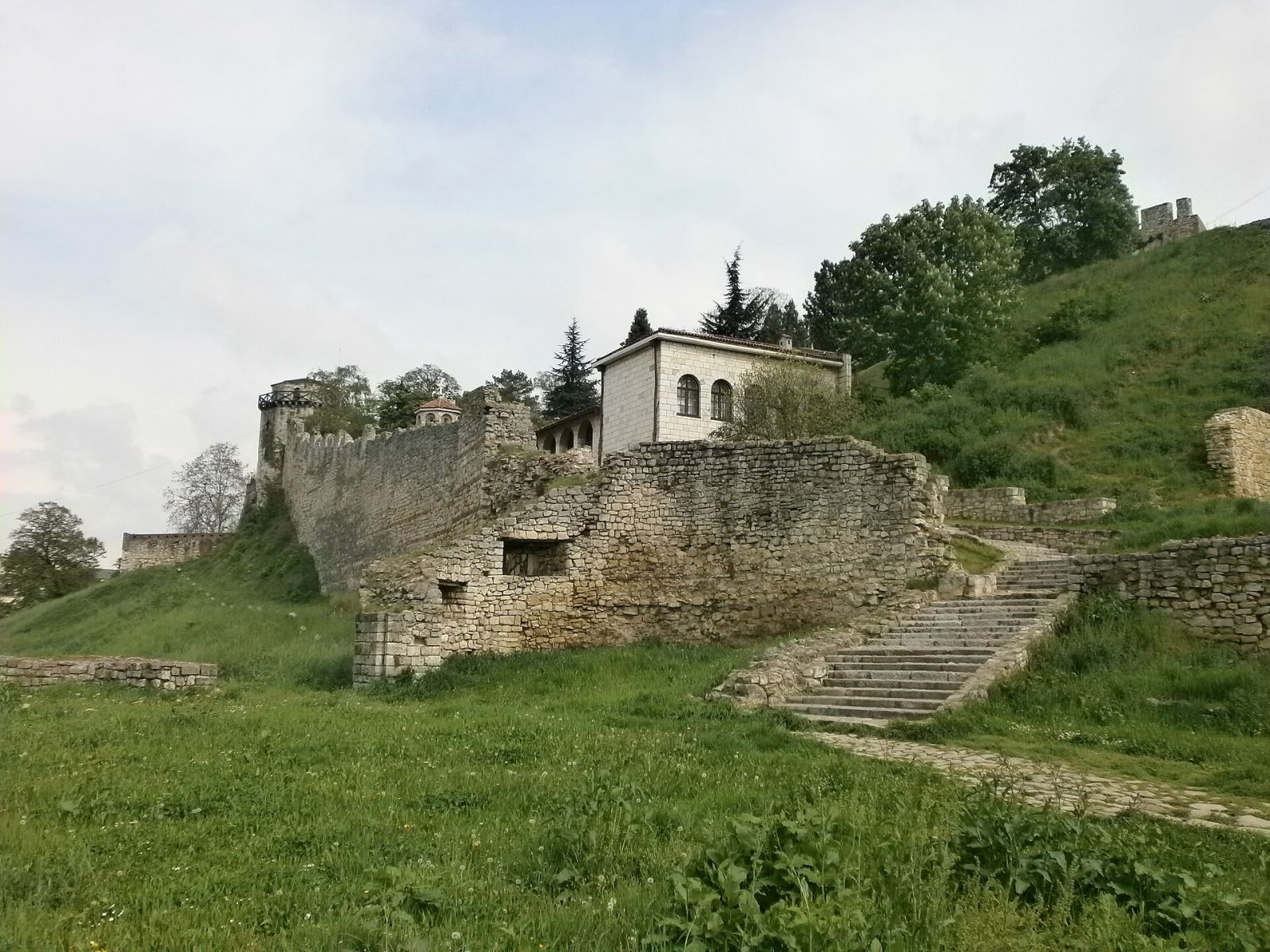
Belgrade is no postcard beauty. The city is eclectic, scuffed around the edges, and it wins you over with sheer energy: kafanas hum late into the night, and the Sava riverbanks have turned into a strip of floating barge clubs. The magnetic center is Kalemegdan Fortress, perched above the spot where the Sava flows into the Danube. Entry to the grounds is free and you can wander for hours: Roman wells, Ottoman gates, a military museum, and the Victor monument with that textbook view over the confluence. Come an hour before sunset for the best light and a thinner crowd.
From the fortress, stroll down pedestrian Knez Mihailova street, then cut over to Skadarlija, the cobbled bohemian lane of taverns and live music. One more essential stop is the Church of Saint Sava, one of the largest Orthodox churches in the world, staggering in scale outside and crowned inside by a dome mosaic completed only recently. Give Belgrade two full days. Anything less feels rushed.
Novi Sad and Petrovaradin: the Serbian Athens an hour away
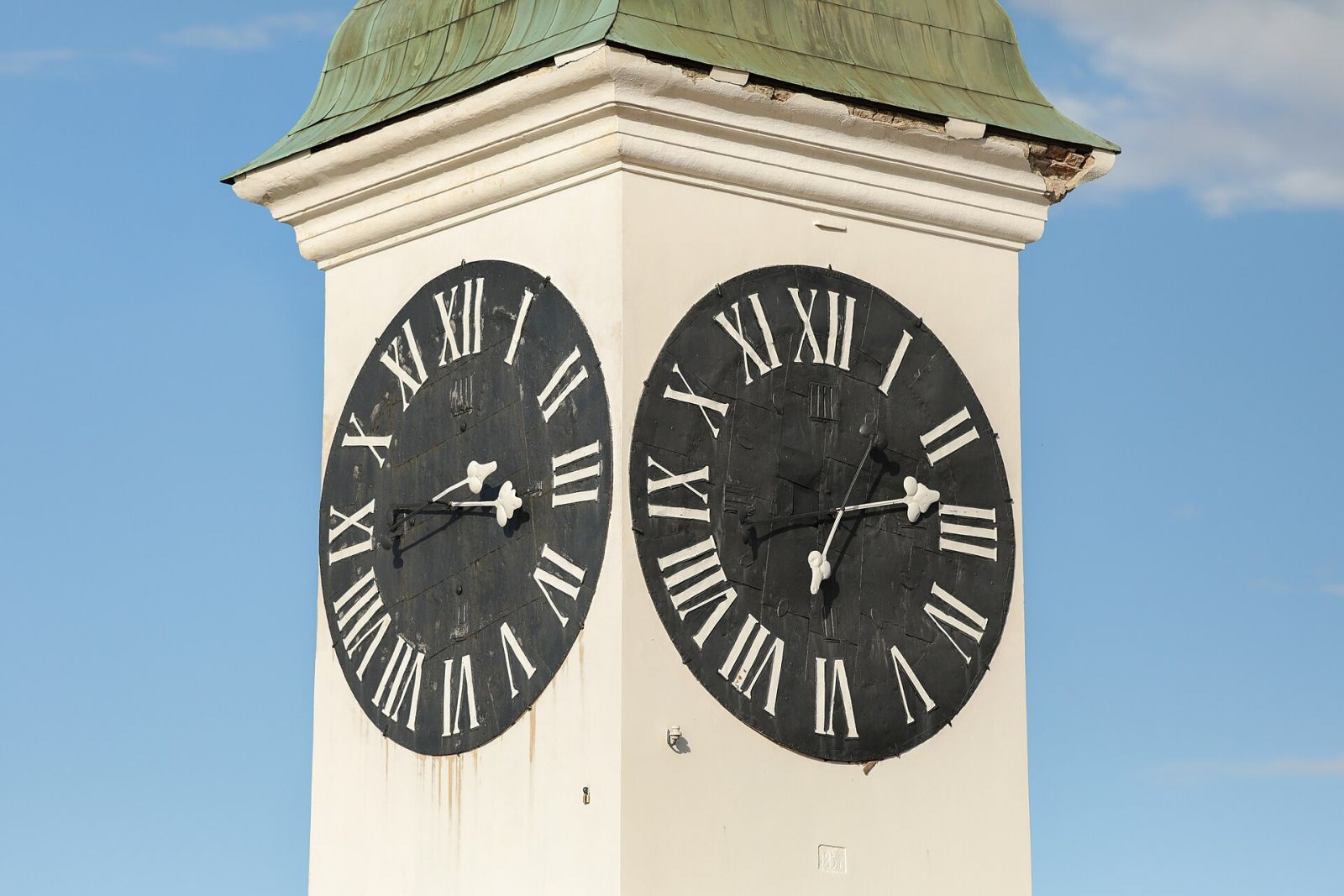
Novi Sad, capital of the Vojvodina region, has a different pulse: Austro-Hungarian facades, an unhurried pace, cafes spilling onto Liberty Square. Across the Danube rises Petrovaradin Fortress, nicknamed the Gibraltar on the Danube. Expect kilometers of underground galleries, artists' studios tucked into the casemates, and a clock tower with a famous quirk: the long hand shows hours and the short one minutes, designed so fishermen on the river could read the time from afar.
If your trip lands in July, check the dates of the EXIT festival first. It takes place inside the fortress itself, accommodation prices spike, and train tickets vanish. The rest of the year, Novi Sad makes a perfect day trip from Belgrade, especially since the Soko high speed train covers the distance in roughly 36 minutes.
Djerdap Gorge: where the Danube narrows to 150 meters
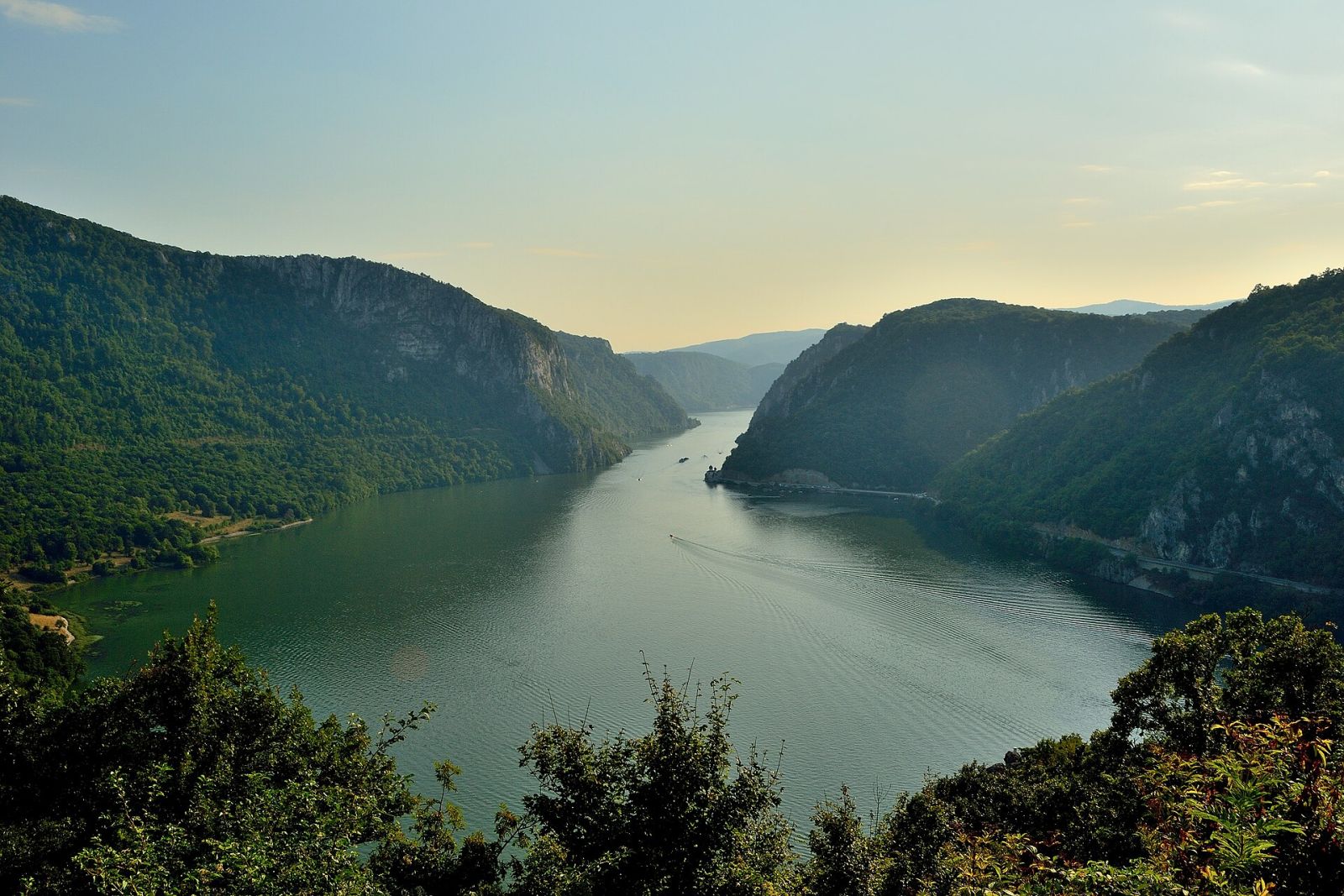
Eastern Serbia is underrated, which is a shame. Djerdap, also known as the Iron Gates, is the longest and deepest gorge on the Danube: the river slices through the Carpathians along the Romanian border, and at its tightest point, the Great Kazan, it squeezes to about 150 meters across while plunging up to 80 meters deep. You feel the scale physically, especially from the Ploce viewpoint or from a boat on the water.
On the drive from Belgrade, do not skip Golubac Fortress, whose nine towers step down to the very edge of the Danube, or Lepenski Vir, an archaeological museum built over a settlement more than eight thousand years old. From the Romanian bank, the rock carved face of King Decebalus, the largest rock relief in Europe, stares back at you. Check current routes and visitor center hours on the Djerdap National Park website. The honest downside: public transport barely reaches this area, so rent a car or join a day tour from Belgrade.
Fruska Gora: sixteen monasteries on a single mountain
Between Novi Sad and Sremska Mitrovica stretches Fruska Gora, a low forested ridge that is both a national park and a spiritual heartland: sixteen Orthodox monasteries from the 15th to 18th centuries survive on its slopes, earning it the nickname of the Serbian Mount Athos. The best known are Krusedol, with its deep burgundy frescoes, and Novo Hopovo, painted in the Byzantine tradition. The atmosphere is quiet, tourists are few, and the monks welcome visitors as long as you dress modestly.
Pair the monasteries with the town of Sremski Karlovci at the foot of the ridge: a baroque center, Serbia's first gymnasium school, and tastings of bermet, a local dessert wine once served aboard the Titanic. The wineries here are family run cellars beneath ordinary houses, a far warmer experience than any large commercial estate.
Drvengrad: the village Kusturica built for a film and never took down
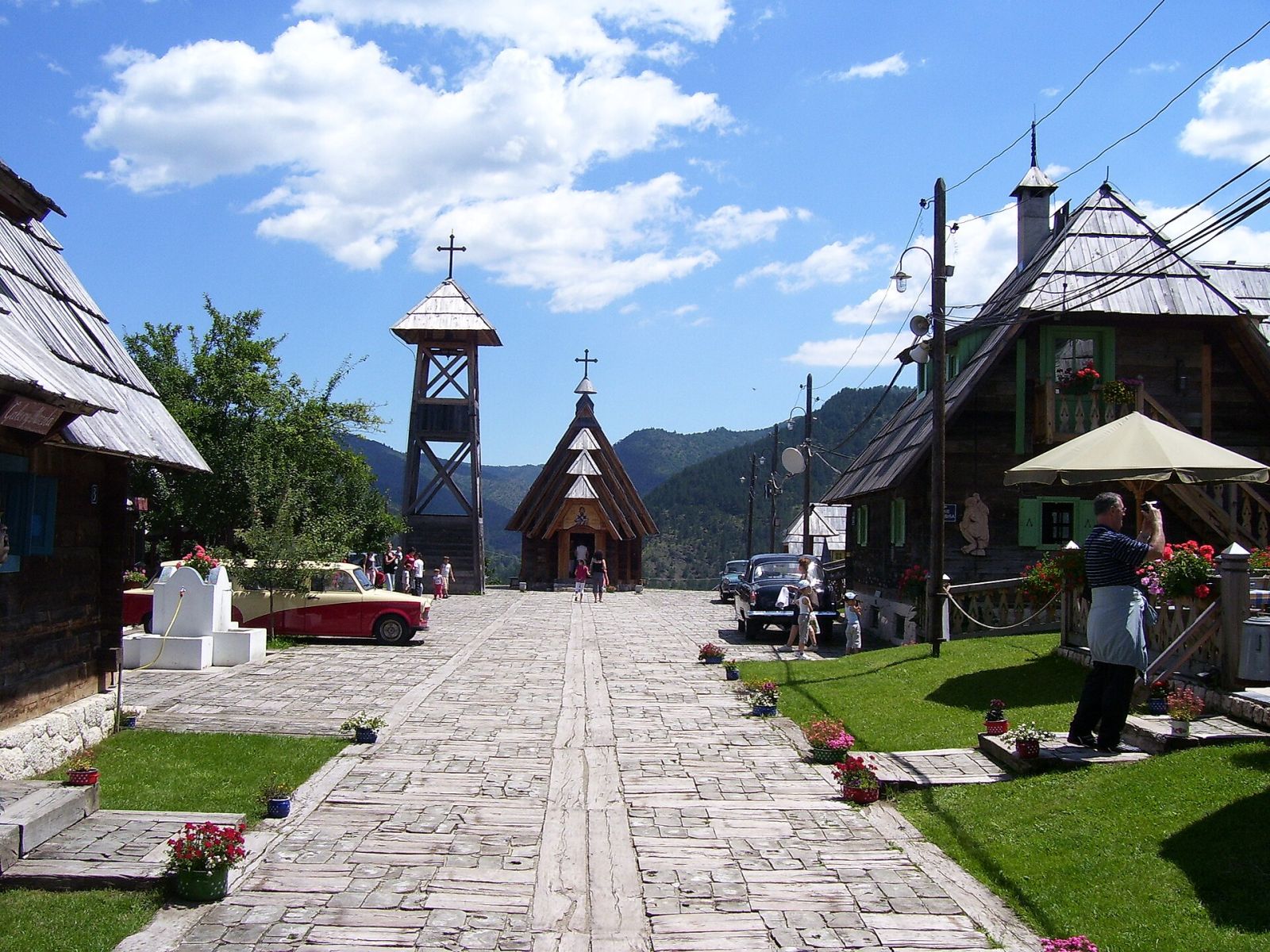
In the west of the country, on Mecavnik hill near the village of Mokra Gora, stands Drvengrad, a timber ethno village that director Emir Kusturica built as a set for his film Life Is a Miracle and then turned into a miniature dream town. Streets are named after Fellini, Tarkovsky, and Maradona; there is a cinema, a gallery, a church, and a hotel, and every winter the village hosts the Kustendorf film festival. It looks like a fantasy assembled from Balkan villages, and it is absurdly photogenic.
Next door runs the area's other star, the Sargan Eight narrow gauge railway. A heritage train spends a good two hours looping through a figure of eight, some twenty tunnels, and winding mountain switchbacks. Book tickets ahead in high season, as tour groups fill the carriages fast. The obvious drawback: without a car the journey is long, about four hours from Belgrade, so it makes more sense to overnight in Mokra Gora or on Tara than to attempt a day trip.
Tara Mountain: the Drina canyon and Serbia's finest view
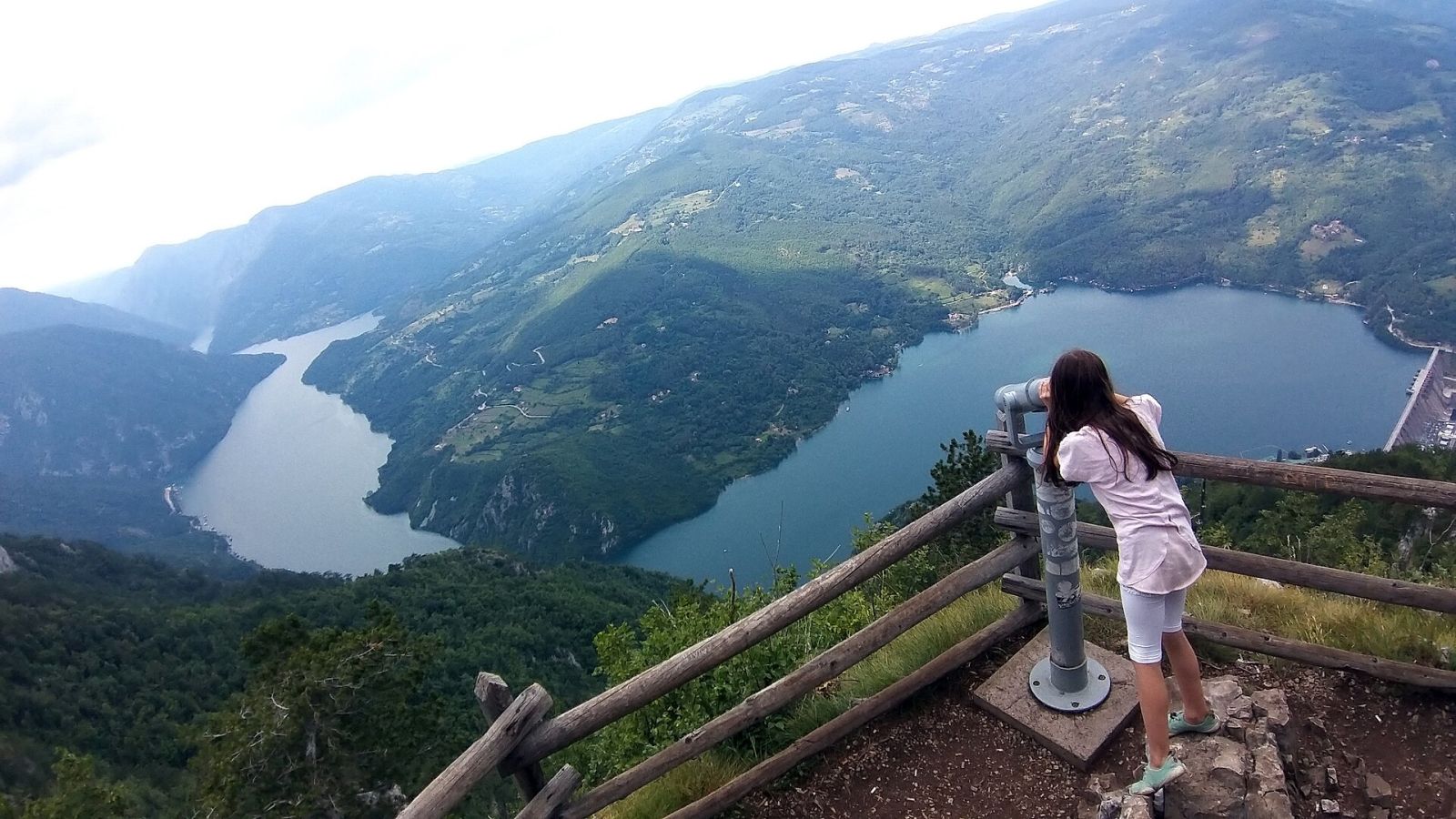
Tara National Park borders Mokra Gora, so the two naturally form one leg of the route. The headline spot is the Banjska Stena viewpoint, hanging more than a thousand meters above the Drina canyon: the river bends below in an improbable shade of green, with the Bosnian bank rising opposite. Reaching it is an easy forest walk from the parking area, manageable for almost anyone.
The second icon is the tiny house perched on a rock in the middle of the Drina near Bajina Basta. Local swimmers built it back in 1968 as a shelter, the river has swept it away several times, and each time it gets rebuilt. Tara also shelters one of the last stands of the Serbian spruce, and brown bears are the resident heavyweights, so stick to marked trails and park rules.
Building the route: how many days for what
| Location | Time from Belgrade | Days needed |
|---|---|---|
| Belgrade and Kalemegdan | starting point | 2 days |
| Novi Sad and Petrovaradin | 36 min by Soko train | 1 day |
| Fruska Gora and Sremski Karlovci | 1-1.5 h by car | 1 day |
| Djerdap and Golubac | 2.5-3 h by car | 1-2 days |
| Drvengrad and the Sargan Eight | about 4 h by car | 1 day |
| Tara Mountain and Banjska Stena | about 4 h by car | 1-2 days |
That adds up to seven or eight days at a comfortable pace. With only five days to spare, cut the east: Djerdap is spectacular, but the drive devours hours, while the west with Drvengrad and Tara sits more compactly together.
When to go?
The sweet spots are May to June and September to early October: everything is green or golden, warm without the furnace heat, and the mountains are perfect for walking. July and August in Belgrade can push past 35 degrees Celsius, though that is also peak festival season. Winter mostly makes sense for Kustendorf in Drvengrad and cheap city breaks, and mountain roads on Tara demand caution then. One last tip: build slack into your schedule, because Serbia is the kind of country where a planned hour in a kafana quietly becomes three.