

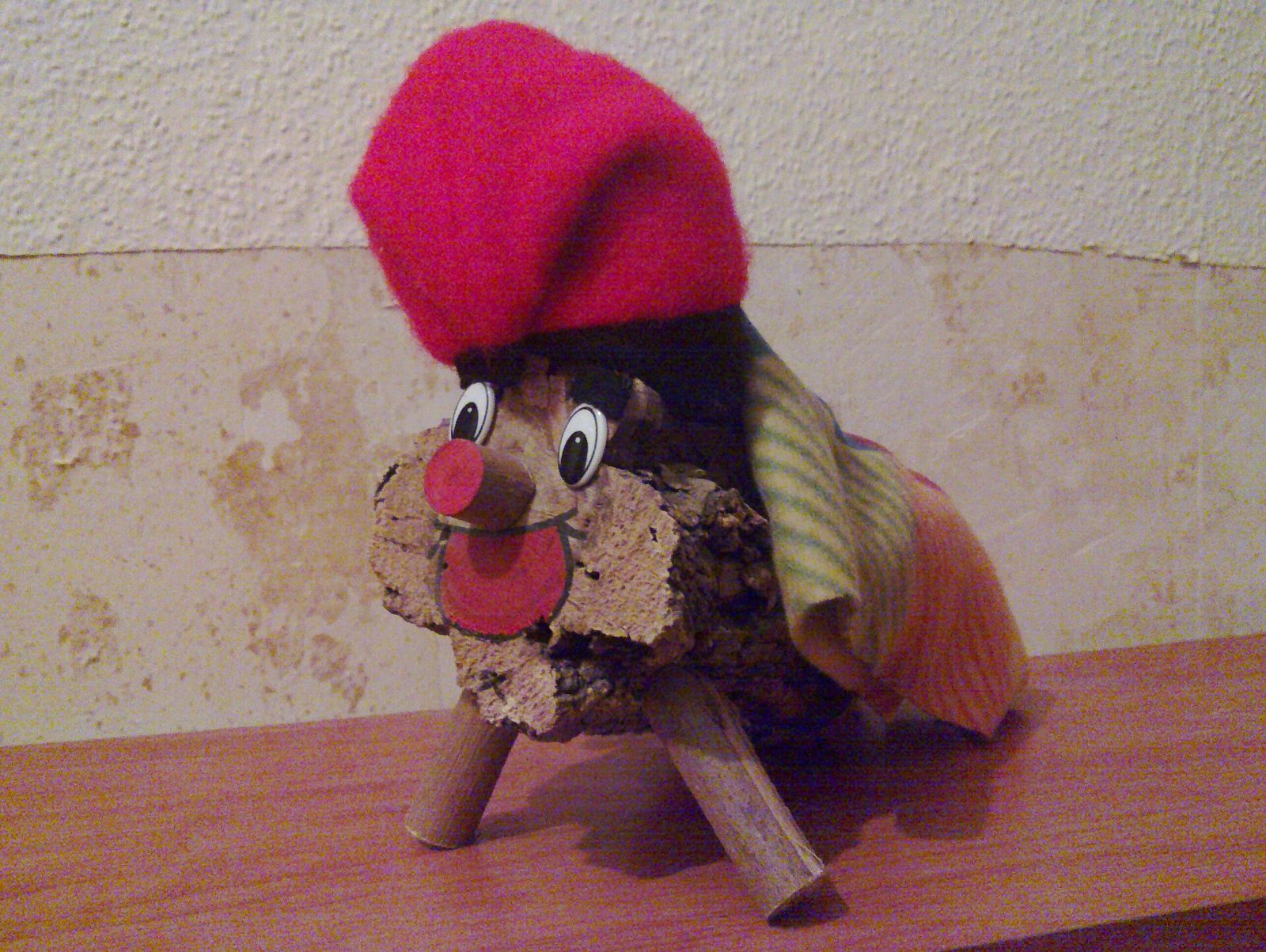
From 8 December, in plenty of Barcelona flats, a log with a painted face and a little red cap lies under a checked blanket, and every evening the children feed it bread crusts and tangerines. On Christmas Eve or on the morning of the 25th the log gets whacked with sticks to a song, the blanket comes off, and there are sweets underneath. His name is Caga Tió, which translates, if you are being honest, as "the pooping log". Christmas in Barcelona runs on exactly this mix: devout old nativity scenes, a family table that lasts three days, and a sense of humour that makes visitors blush at first and then buy a log of their own.
Caga Tió: the log that gets fed and then beaten
The character's proper name is Tió de Nadal, the Christmas log, and the cruder nickname stuck because of the opening line of the children's songs. The tradition is alive in Catalonia and parts of Aragon, and every town has its own lyrics. The plot never changes: the log is asked to deliver torró, almonds and sweets rather than salted herring, and is threatened with the stick if it refuses. The beating, of course, is the giggling, shrieking kind.
The grown-ups, meanwhile, slip the presents under the blanket. When the log is "empty", the last thing to drop out is something dismal, a herring, a head of garlic or an onion, and that is the signal the fun is over. Modern Tiós have little legs, a smiling mouth and a red Catalan barretina cap. They come in every size and budget, from tiny souvenirs to logs a child can barely manage.
Fira de Santa Llúcia: the market by the cathedral
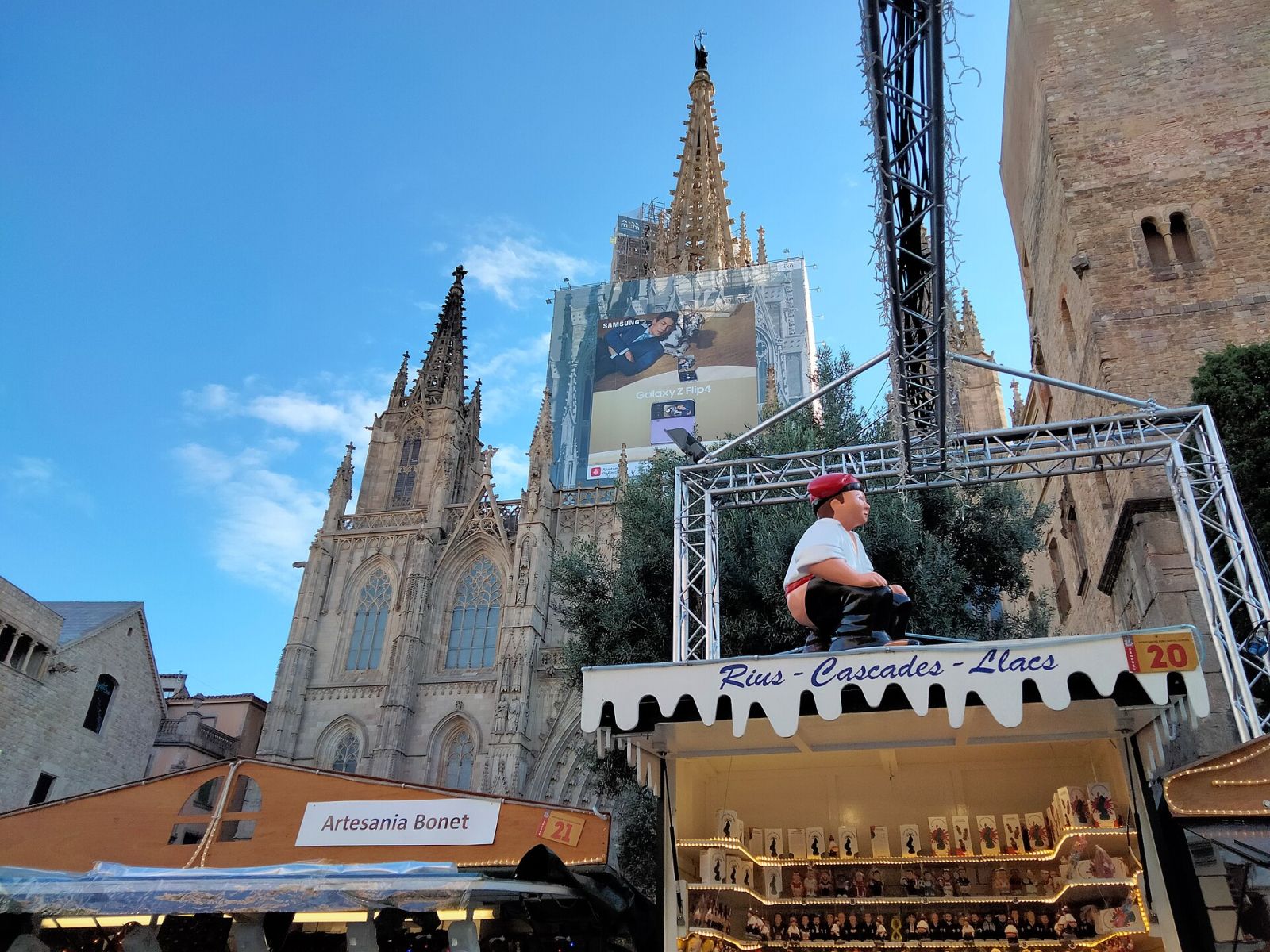
The best place to buy your own Tió is the Fira de Santa Llúcia, the Christmas market on the square in front of the cathedral. The organisers cite 1786 as the first confirmed date of the fair, which certainly puts it among the oldest in Catalonia. In 2025 it had 215 stalls, and more than 160 of them sold nothing but Christmas goods: nativity figures, moss for the manger, greenery, trees, cork bark for the mountains and foil for the rivers. The rest sell ceramics, costume jewellery and small leather goods.
The market usually runs from late November to 23 December and entry is free. Early announcements put the 2026 opening on 28 November, but check exact dates and hours on the official Fira de Santa Llúcia website. It looks best in the evening, with garlands over the stalls and the cathedral lit up, and that is also when it is most crowded. If you like to study the figures without being jostled, come on a weekday morning.
The caganer: who is squatting in the corner of the crib
In a Catalan nativity scene, a pessebre, there is one more character besides Mary, Joseph, the Magi and the shepherds, usually tucked behind a bush. This is the caganer, a peasant in a barretina, crouching with his trousers down on business nobody mentions at the table. The figure has been in folk nativity scenes since at least the 18th century, and there are several explanations: fertilised soil as a sign of a good harvest, a reminder that everyone is equal, or plain peasant humour. Children hunt for him every year, like a game of spot the difference.
The market by the cathedral sells classic caganers and "modern" ones too, shaped like footballers, singers and other famous people. Some find it a good-natured joke, others think it goes a bit far. Either way, the caganer is never put front and centre: his place is modest, in a corner, so that he is hard to find.
Plaça de Sant Jaume: a star instead of a crib
For many years the city put up its nativity scene on Plaça de Sant Jaume, between the City Hall and the seat of the Catalan government, with a new design every year and a new argument every year. Since 2024 there has been no traditional crib on the square itself. In 2024 it held a huge 20-pointed star nine metres across, and in 2025 the facades were covered by a light show called Symphony of Stars. The classic pessebre moved indoors, into the City Hall courtyard, where the Barcelona Nativity Makers' Association builds it. The city has not yet said whether it will return to the square in 2026, so check the programme closer to December.
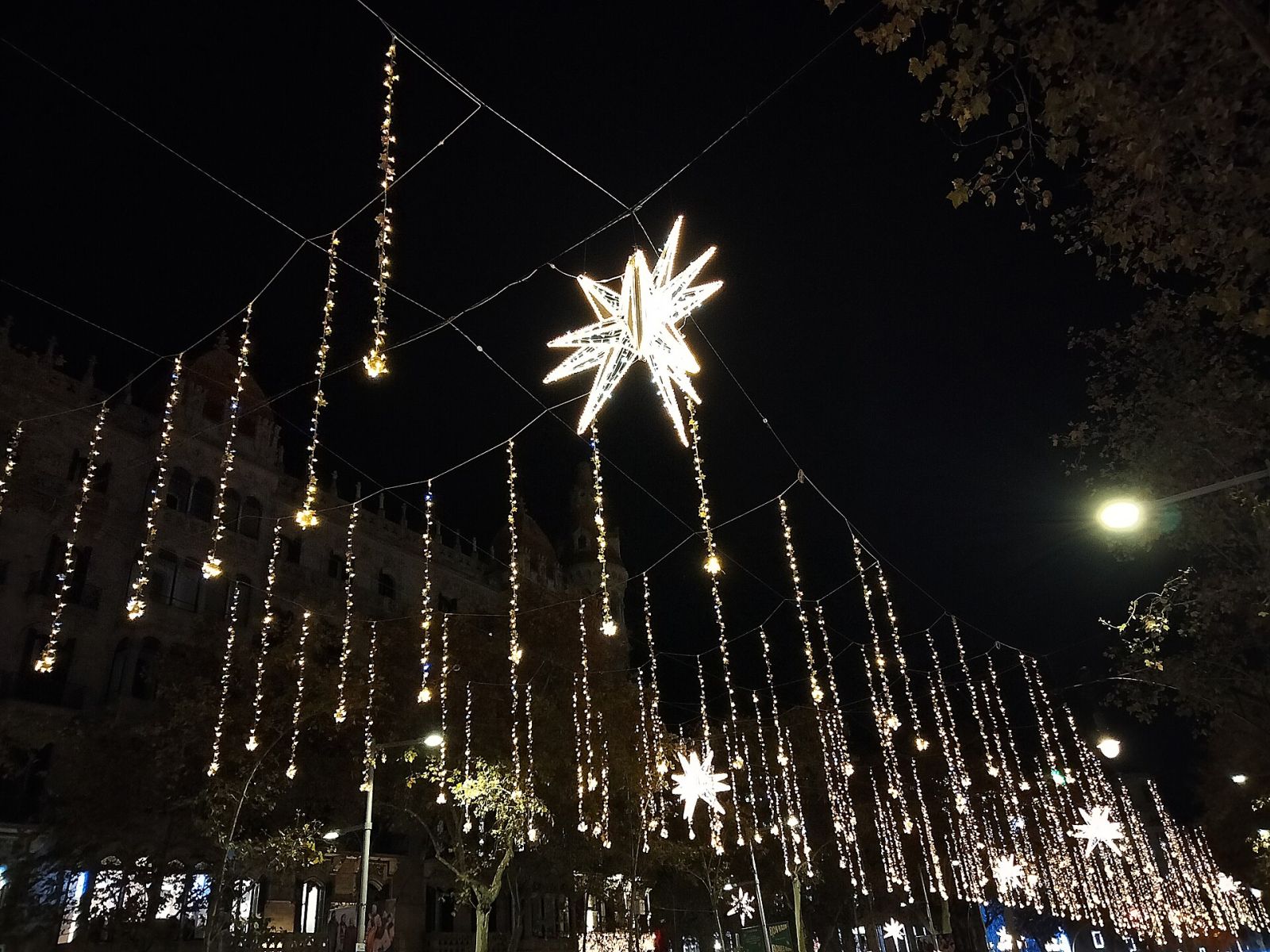
The lights on Passeig de Gràcia and Portal de l'Àngel
Barcelona switches on its festive lights in late November: in 2025 it happened on 22 November, and they stayed on until Three Kings. The most impressive stretch is Passeig de Gràcia, running up from Plaça de Catalunya to the Diagonal past Gaudí's houses, while the pedestrian shopping street Portal de l'Àngel becomes the densest crowd in the city in December. The City Council publishes a map of the lit streets and the whole festive programme on its official Barcelona Christmas page.
On the table: galets, torró and neules
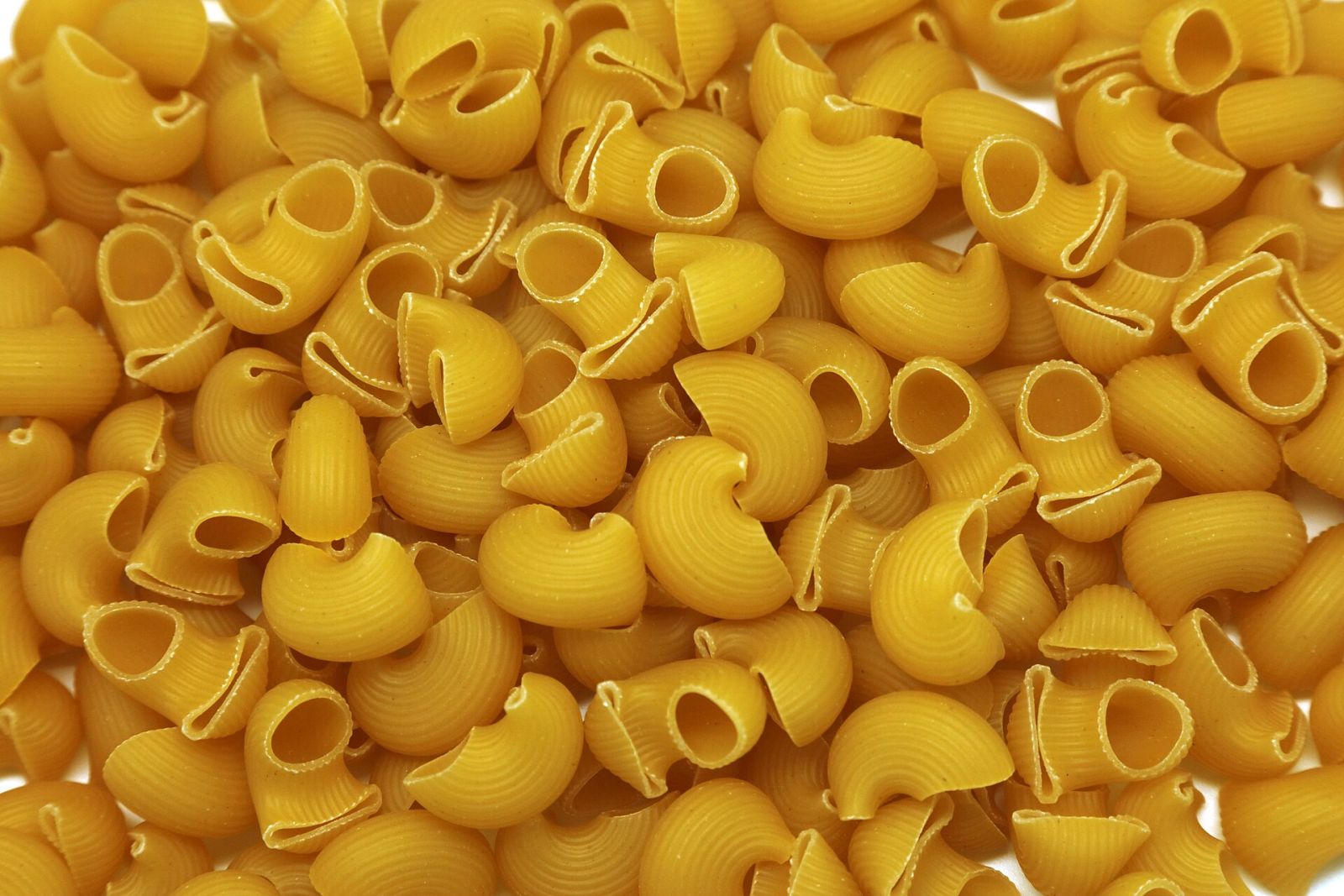
The main meal is lunch on 25 December, and it opens with sopa de galets. This is escudella, a broth simmered with meat and bones, served with giant pasta shells called galets that fill up with the soup. The second course, carn d'olla, is the meat from that broth, together with a large meatball called a pilota. 26 December is also a holiday in Catalonia, Sant Esteve, when the table gets canelons, baked pasta tubes filled with the minced leftovers of the day before. Thrifty and very good.
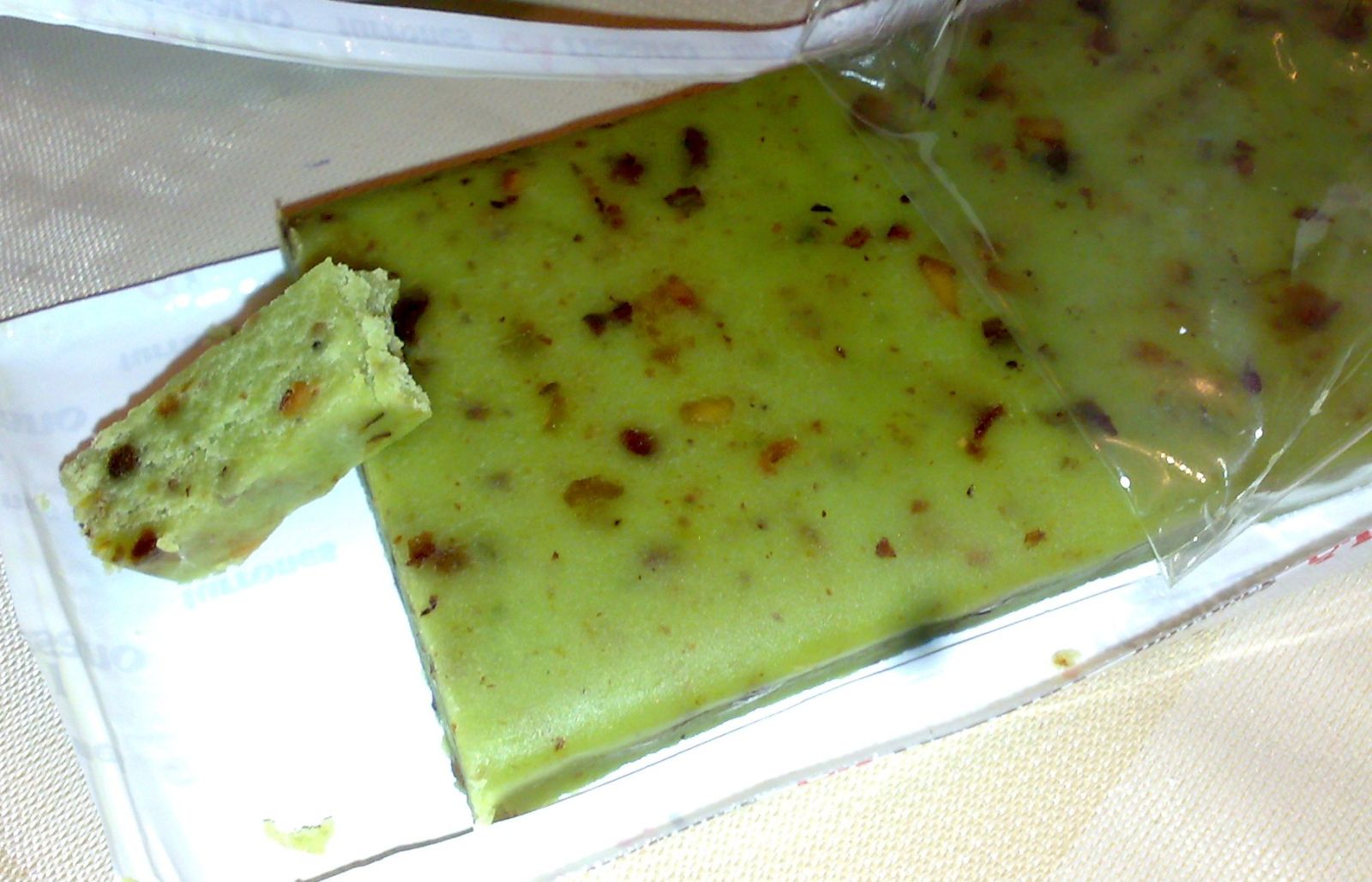
Dessert is torró, almond and honey nougat, hard or soft, plus a Catalan version with burnt cream. It comes with neules, thin crisp rolled wafers that people dip into a glass of cava. Torró is on sale everywhere, from supermarkets to the old confectioners of the Gothic Quarter, and in December people buy it by the kilo.
5 January: the kings arrive by sea
In Catalonia the presents traditionally come not from Santa, and not only from the Tió, but from the Three Kings. On the evening of 5 January they sail into the Moll de la Fusta waterfront on an old sailing ship, and then the Cavalcada de Reis parades through the city: floats, music, confetti and sweets thrown into the crowd. Children bring bags, and some adults bring umbrellas held upside down to catch more. Naughty children get coal, though it is sugar coal sold by the same confectioners. On 6 January families eat tortell de Reis, a marzipan ring cake with a little king and a dried bean hidden inside: whoever finds the bean pays for next year's cake.
The beach in December: fourteen degrees and an empty Barceloneta
December in Barcelona is mild. Daytime highs are usually around 14 to 16°C, warm enough to sit in the sun in a jumper, while nights drop to about 7 to 9°C. Only a handful of people swim in winter, with the sea at roughly 13 to 14°C, but a walk along Barceloneta without the crowds, coffee in hand, is pleasant almost every day. If warmth matters more to you than markets, compare the options in our guide to where to go for winter sun.
Plan around the holidays. On 25 and 26 December and on 1 and 6 January most shops are closed, museums keep shorter hours, and restaurants close early on Christmas Eve. We checked these dates at the end of October 2026, but the City Council publishes its lights and nativity programme closer to December, so look at the latest version before you travel.
Table: Barcelona's Christmas by date
| When | What happens | Where | Tip |
|---|---|---|---|
| from 8 December | Caga Tió "eats" under the blanket | at home, logs are bought at the market | a small Tió makes a great present for children |
| late November - 23 December | Fira de Santa Llúcia, figures and caganers | square in front of the cathedral | weekday mornings are quieter |
| late November - 6 January | festive lights | Passeig de Gràcia, Portal de l'Àngel | walk after 18:00 |
| mid-December - 5 January | traditional pessebre | City Hall courtyard, Plaça de Sant Jaume | check hours on the council website |
| 25-26 December | sopa de galets, canelons, torró and neules | at home and in restaurants | book a table well ahead |
| 5-6 January | Cavalcada de Reis, tortell de Reis | Moll de la Fusta, city centre | claim a spot on the route an hour early |
The easiest timing is mid-December or the first days of January, so that you catch both the market and the kings. For what to see in the city between festive errands, see our guide to what to see in Barcelona. And a log in a red cap will fit in your hand luggage, unless you got carried away and bought the biggest one.