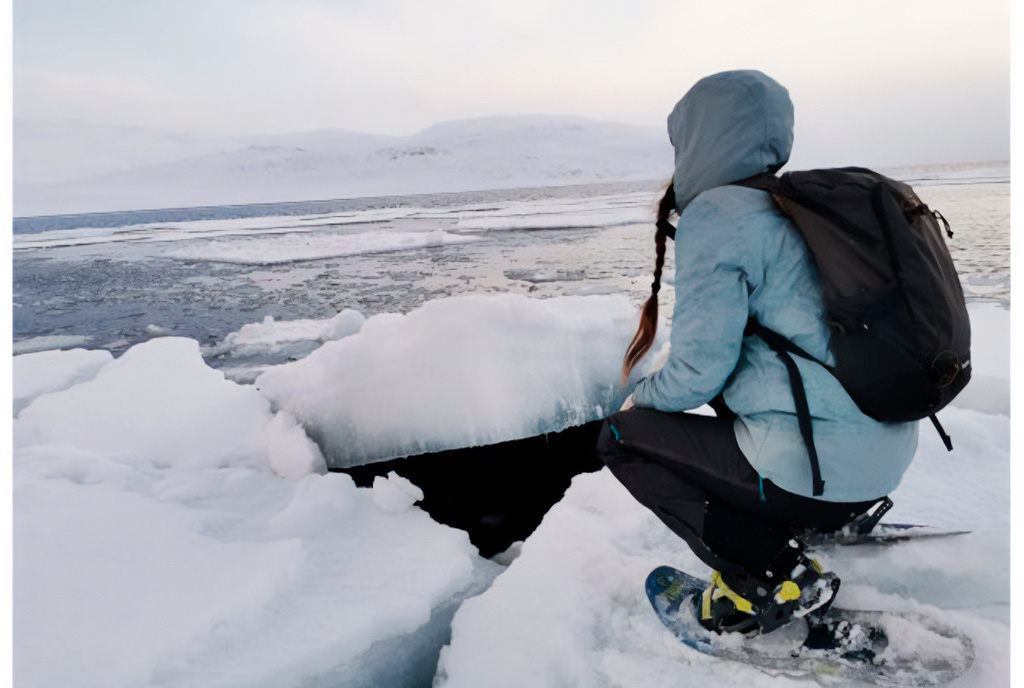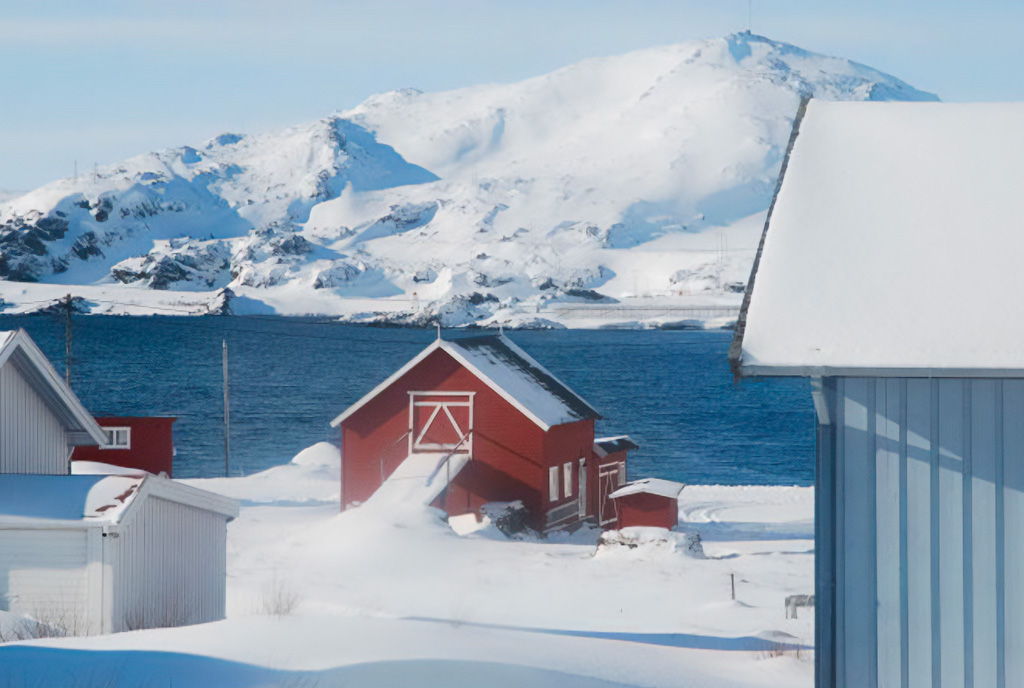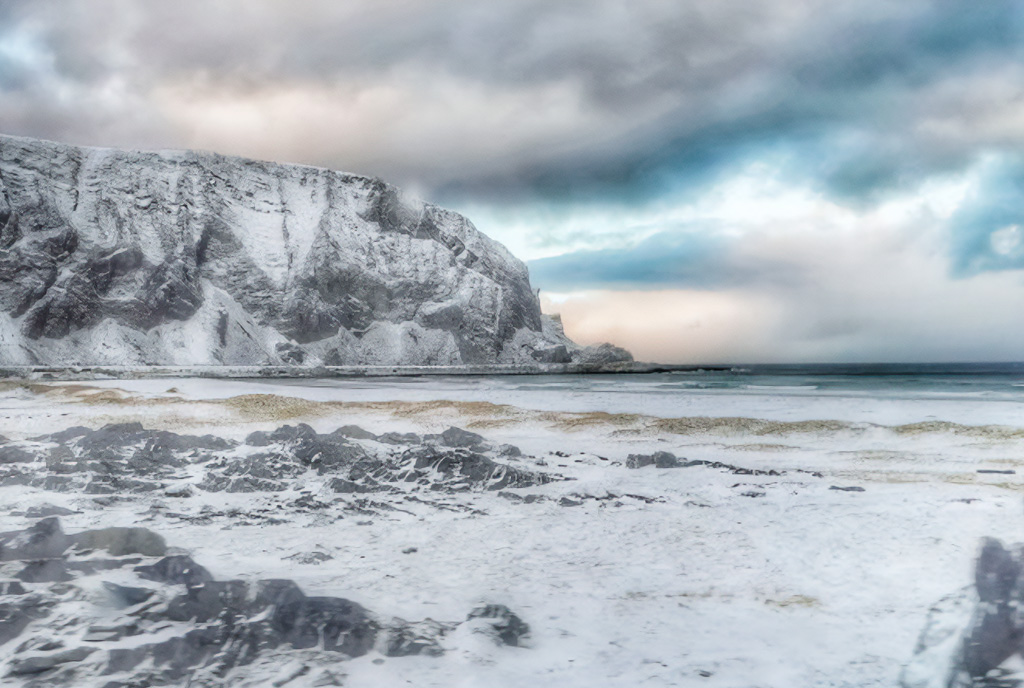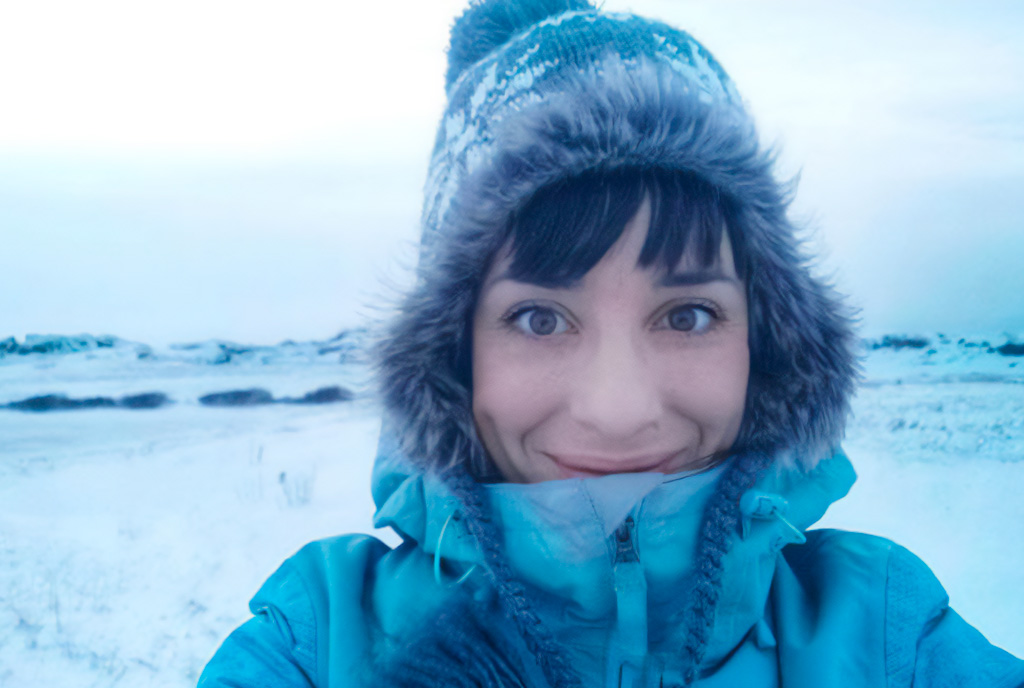


For most of us, the pandemic meant solitude we never asked for. But for a few, it was a chance to go looking for that solitude. And where better to find it than above the Arctic Circle?
Valentina Miozzo, in fact, went even further. She moved to the far north of Norway (above the Arctic Circle) not just in the middle of a pandemic, but right as the 24-hour polar nights were looming on the horizon. It was a baptism of fire, but she managed it.
"December and January were two months of complete darkness," she says.
Partner links: booking through them supports the blog at no extra cost to you.
Miozzo, from the northern Italian region of Emilia-Romagna, watched her life get turned upside down by the pandemic.
A nature and hiking guide who accompanied Italians on trips abroad, she also ran a blog about sustainable tourism in Italy, the popular Viaggiare Libera. "Everything revolved around tourism," she says. "My life was always on the move; I was away from home about six months a year."
Then the pandemic hit. Like so many others in the travel industry, Miozzo's life came to a sudden standstill.
Unable to work as a guide, she kept blogging and doing promotion online. But after Italy came through one of the strictest lockdowns in the world and headed into the summer of 2020 with the virus seemingly under control, she got itchy feet again.
So when someone reached out to her on Instagram in September with an offer to head above the Arctic Circle and run a guesthouse, she barely hesitated.
"Was I afraid? No, I saw it as a wonderful chance to visit places I might never have chosen on my own," she says.
"Since I could no longer do my travel-related work, this was a way to travel and live in a different reality; in a more static way, of course, but in a part of the world I didn't know and that fascinated me."
Two days later she said yes; a month later she had arrived in Kongsfjord, roughly 2,400 miles north of her former home near Modena in Italy.
The contrast could not have been sharper. Modena is a city of 185,000 people, famous for its food, its Michelin-starred restaurants (Massimo Bottura is based there) and its 12th-century cathedral.
Kongsfjord, on the other hand, has just 28 residents and no medieval architecture to speak of.
"The nearest supermarket is 25 miles away," Miozzo says. "The nearest hospital is almost 200 miles away, and the airport (a tiny local one, obviously) is 25 miles away."
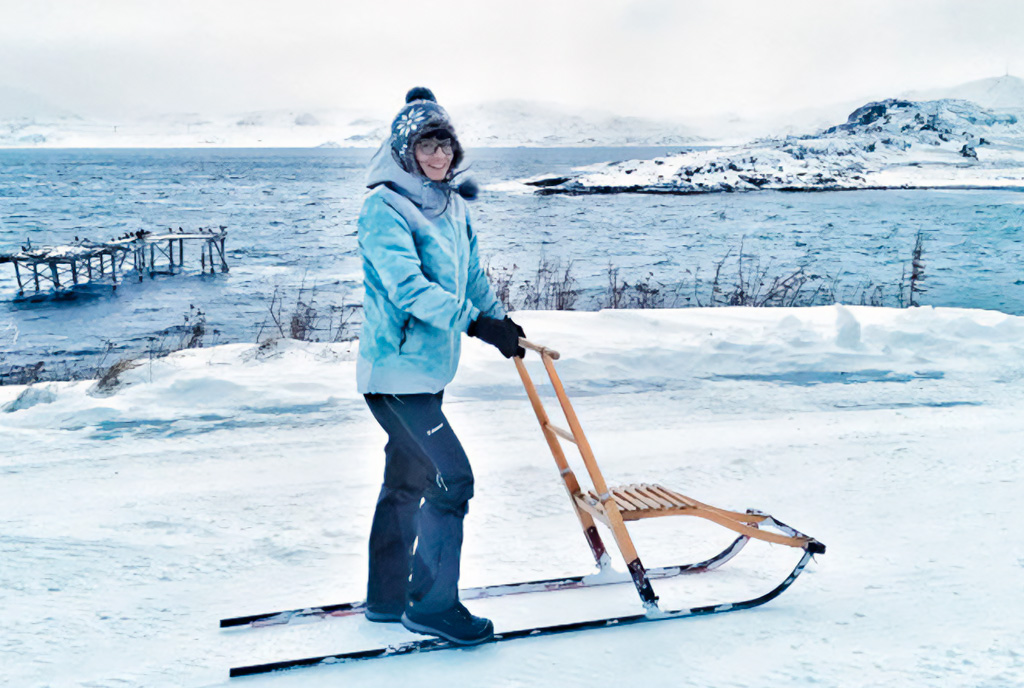
"In winter there were winds of 75 miles per hour and ice everywhere, so getting around is hard." Residents head out for groceries once a week or every two weeks, if the roads are clear. The route to the airport and the supermarket in Berlevag is a winding, twisting coastal road hemmed in by cliffs; in bad weather it's impassable.
Dark, dark nights

"I had no expectations; I deliberately avoided forming any, because I was curious to find out," she says. Still, she had some sense of what lay ahead: "I knew I was going somewhere very, very isolated; they warned me. I knew it was extreme and that it was Arctic tundra, but I had never been to Norway."
"The polar nights set in soon after I arrived."
Ready for anything, though, she wasn't fazed by the round-the-clock darkness.
"It was an incredible experience, living two months completely in the dark. It wasn't unsettling; if anything, it's harder to live with the light."
Yes, that's 24/7 sunshine. From mid-May to mid-July, Kongsfjord bathes in the midnight sun. "For two months there's no sunset, and your body doesn't accept that it's night while the sun is shining, so it's harder to sleep," she says.
"But apart from that, it's not annoying; in fact, it's a beautiful way of life."
In truth, she says the extreme weather taught her something profoundly important.
"When I traveled to hot countries, you draw your energy from outside, from other people, from the climate, from the atmosphere. You interact with others, and there's the sun."
"When you end up somewhere like this, completely isolated, you learn to find energy within yourself. And it's an amazing discovery, especially when there's no light for two months and you have to force yourself to wake up."
Multicultural Kongsfjord

So what kind of people choose such an extreme way of life?
Miozzo describes Kongsfjord's 28-strong population as "multicultural," with Germans, Latvians, Italians and Thais living alongside locals and communicating in English. "They were all very welcoming and kind to me," she says.
She grew especially close to another Italian who works at the B&B, Eugenia, and says that despite Kongsfjord's cosmopolitan population, some things don't change. "Maybe it's a stereotype that we Italians talk louder and gesture while we speak, and they don't. I definitely noticed [a difference in] our communication styles."
A place like nowhere else

This isn't the first time Miozzo has spent long stretches abroad; 18 years ago she spent three years in London. But lately she'd been focusing more on hotter climates, spending three months each in India, Indonesia and Senegal, plus a year in Southeast Asia. Which makes her decision to head to the Arctic all the more surprising.
But she says it's impossible to compare the Arctic to anywhere else, because it simply isn't like anything else. In fact, she says, northern Norway is a different world compared to the south of the country.
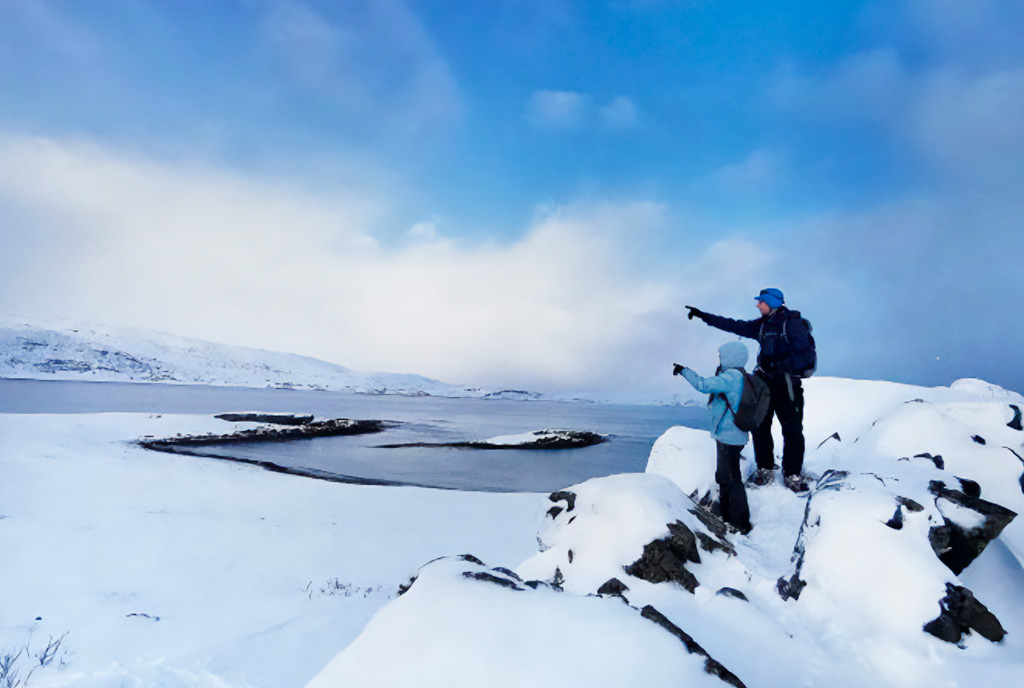
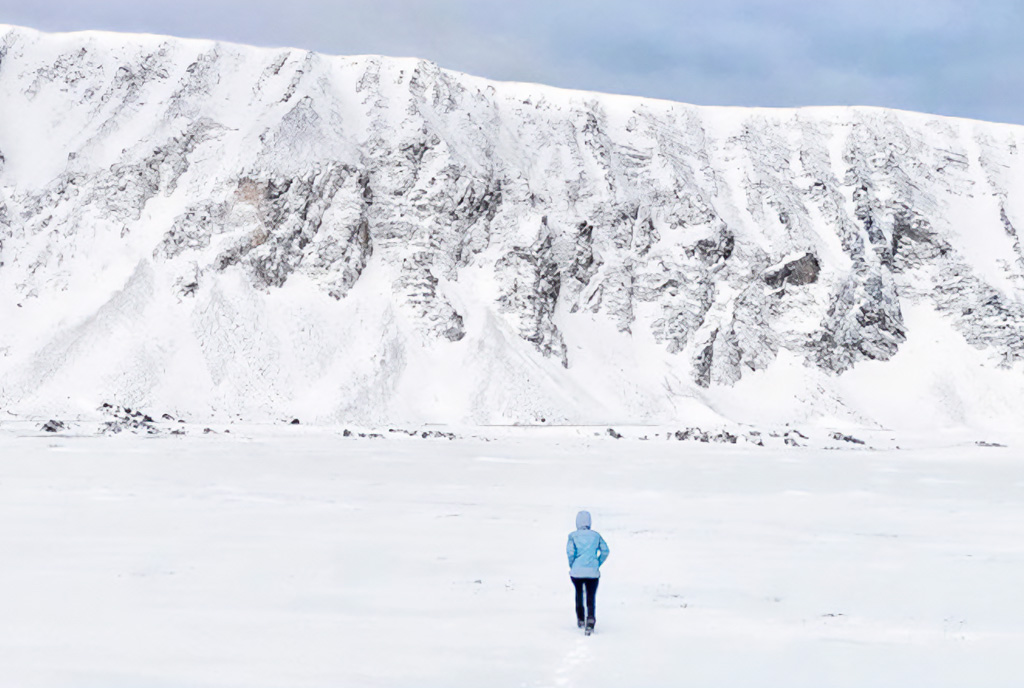
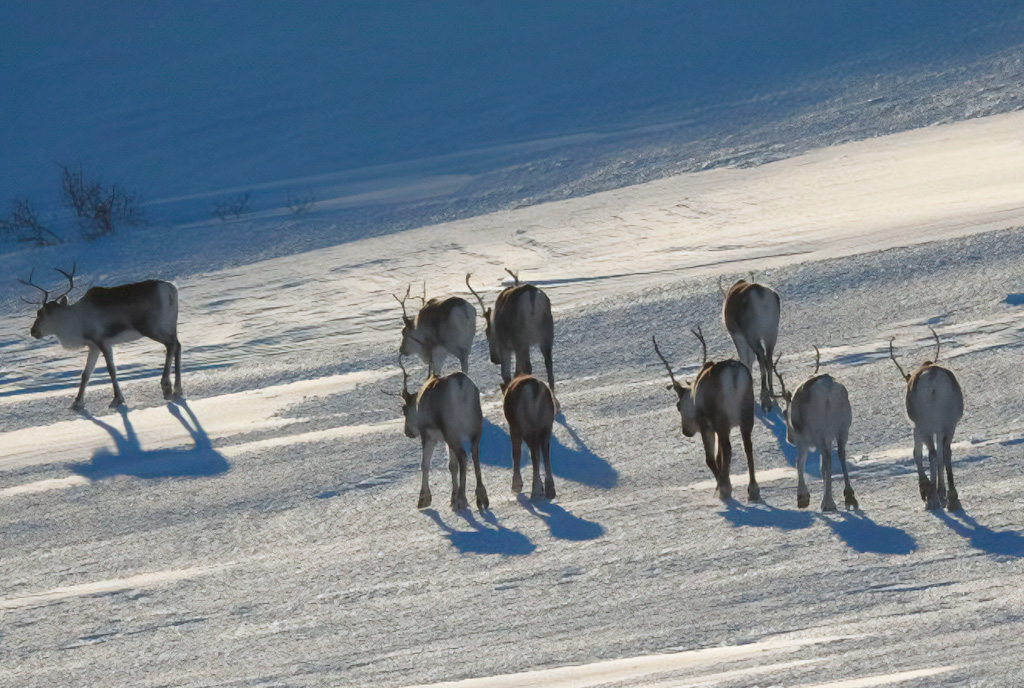
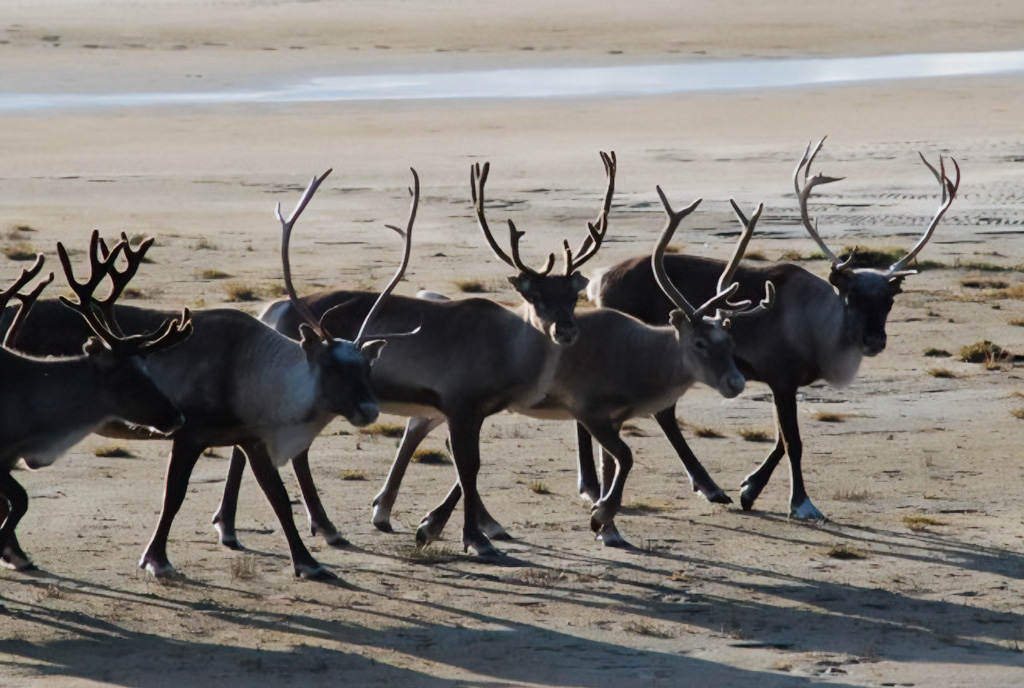
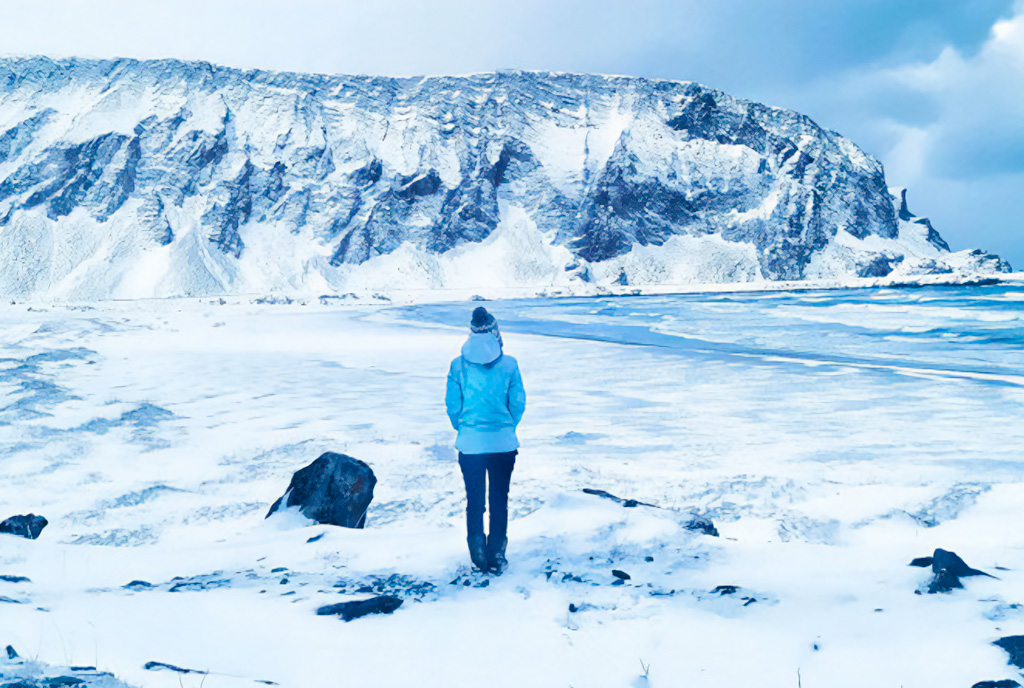
"The climate, the light, the darkness: it's all different. This is real tundra. Trees don't grow; it's a truly wild landscape. We have red foxes and Arctic foxes, and reindeer everywhere."
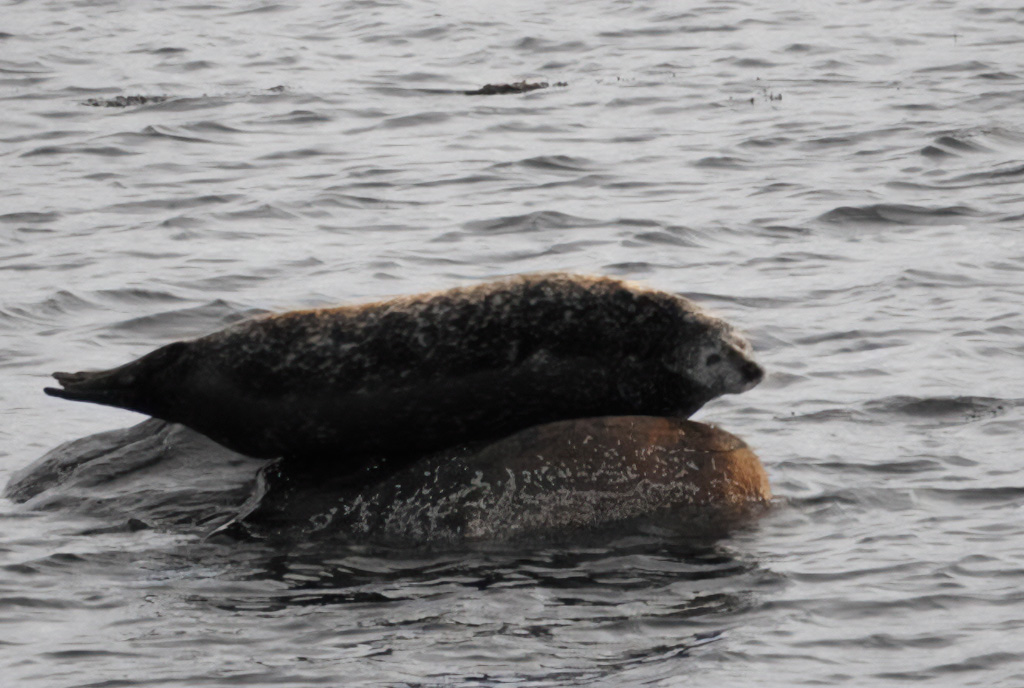
"There are whales, dolphins, orcas and countless seabirds; this place is known for birdwatching. And there are seals, which are gorgeous."
"I wasn't living in Norway. I was living in the Arctic tundra."
The tundra was also free of Covid. Kongsfjord had yet to see a single case of Covid-19, and although towns across Norway were under restrictions, the village's sheer isolation meant life could carry on as usual.
"I didn't wear a mask for seven months," Miozzo says.
Reopening

The reopening of travel, as the pandemic comes under control, worries Miozzo.
"Before the pandemic there was a kind of tourism tied up with exhibitionism and your presence on social media," she says.
"You had to show that you were abroad, so you'd take a selfie with a tiger or an Indigenous person. Travel was losing its meaning as a tool for personal growth, for self-discovery."
"And social distancing is all about fear: not only of being infected, but of infecting others. So it will definitely affect the interactions we have with people in places now. Things like hugs are part of normal human interaction, so we'll do it less, and we'll try a different way of connecting and conveying our interest in another culture."
"It will definitely change the way we travel, but we've yet to see exactly how."
As a blogger writing about sustainable tourism, she has been championing slow travel since 2007, and she hopes another side effect of the pandemic will be that we travel longer and more slowly. And she thinks our view of nature and outdoor tourism may shift.
"We should have a greater awareness of how powerful nature is, now that we've seen it in the pandemic, and that should make us think of people as an integral part of nature, rather than as something to be looked at like in a museum or simply used," she says.
"Rather, we should be in touch with it, respect it, preserve it. Save it."
Arctic life forever?

Miozzo's official stint at the guesthouse ended two months ago, but her time in the Arctic left such a mark that she stayed on in Kongsfjord, renting a house instead. "It's been wonderful to stay here," she says. But now she's getting ready to leave, at least for a while.
Not that she's heading back to Italy. Instead, she bought a car together with Eugenia, and they're heading north to the ultra-remote Svalbard archipelago (the northernmost year-round inhabited settlement on the planet, just 650 miles short of the North Pole, where people share the streets with polar bears). After a month traveling there, they'll head south to the Lofoten Islands, where they'll work at another guesthouse.
And after that? "I've built beautiful relationships and a sense of solidarity with the people of Kongsfjord; it's as if we've formed a family, I'm bonded with them now, so I'll definitely come back in the future to visit," she says.
By autumn she expects her work as a guide to return, so she's thinking about going back to Italy. Though, as she says it, she sounds torn.
"Honestly, I don't know; anything could happen," she says.
"I chose my career for this very reason: I can work while traveling. And I've always left the door open to whatever life offered."