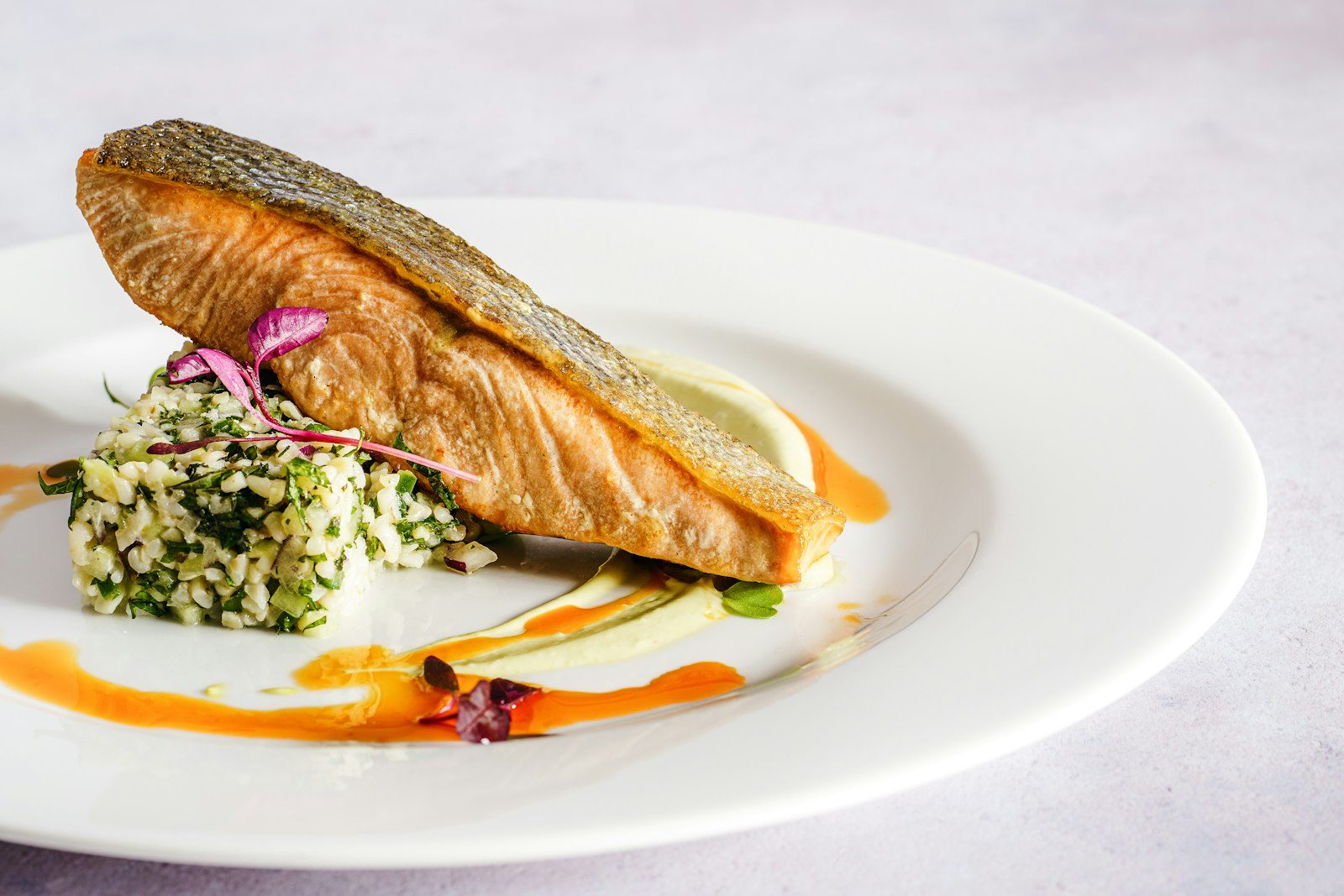


If you are short on time but still want the real thing, here is a short list: salmon three ways, winter cod called skrei, crispy knekkebrod flatbread with brunost, meaty meatballs with lingonberry sauce, and coffee in the form of a fika with a cinnamon bun. Scandinavian food is rarely spicy or fussy, but it is almost always honest to the ingredient: fish, bread, dairy, berries. And yes, the bill will surprise you more than any of the flavors, but more on that below.
Norway and Sweden cook in similar ways, though not identically. A shared foundation (the sea, the forest, the long winter) produced two different food cultures, and for a traveler the fun is precisely in comparing them.
Where to start if it is your first time
There is no need to chase exotica like the fermented herring surstromming: that is more of a dare than an everyday meal. The basic set that shows off the cuisine without any risk is much simpler.
Partner links: booking through them supports the blog at no extra cost to you.
- Salmon as gravlax (cured with salt, sugar and dill) or hot smoked.
- Skrei: seasonal cod that Norway catches only in winter.
- Knekkebrod: thin dry crispbread, the base of a Scandinavian breakfast.
- Brunost: a brown cheese with a caramel flavor, a very Norwegian thing.
- Meatballs with lingonberry and potatoes.
- Fika with a cinnamon or cardamom bun.
Salmon here is served differently than at home
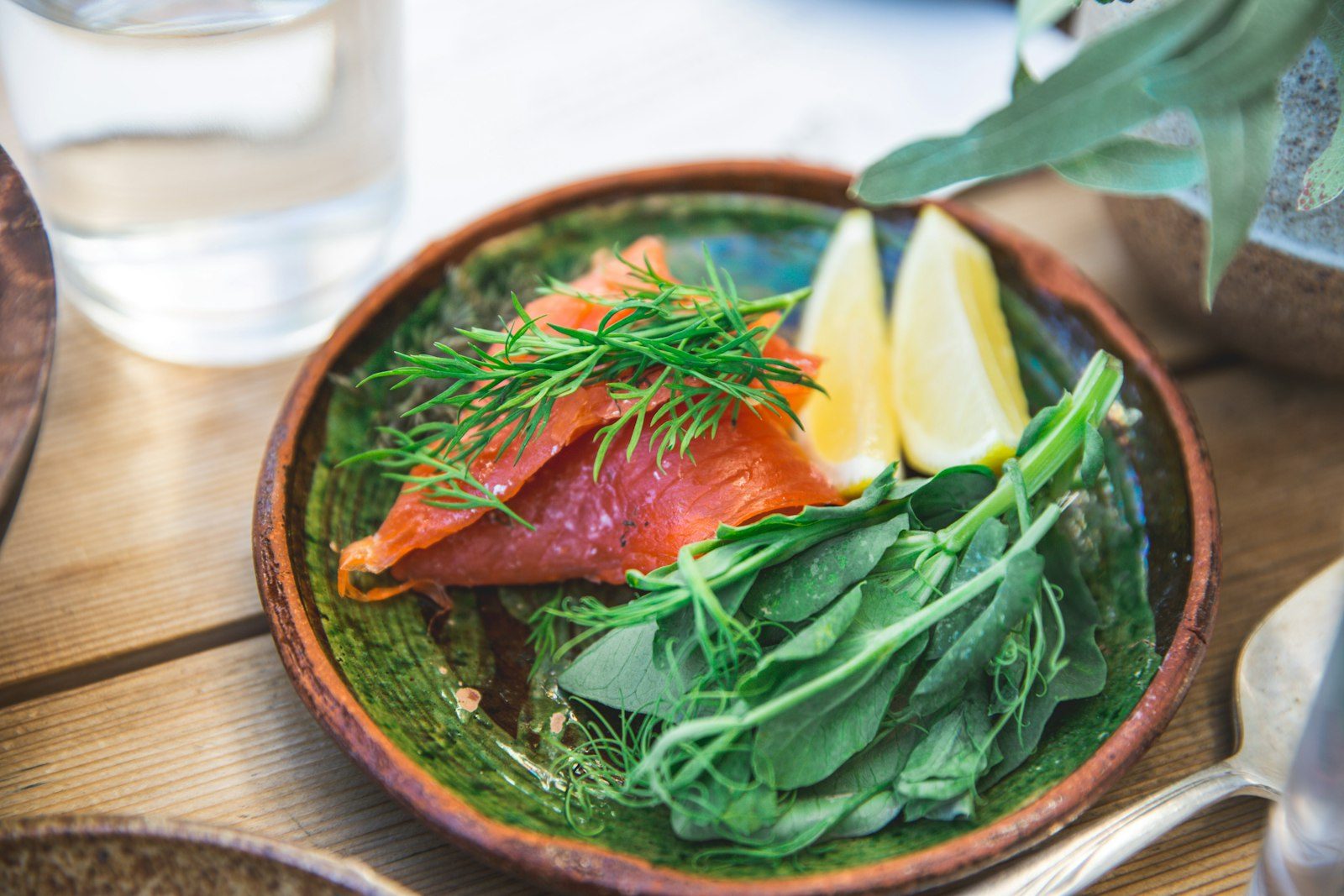
Norway feeds salmon to half the world, and on its home turf the fish is rarely fried until dry. The most telling version is gravlax: the fillet is not smoked or cooked but cured under salt, sugar and dill for a few days, until the fish turns firm and translucent. The taste is delicate, slightly sweet, with no smoky note.
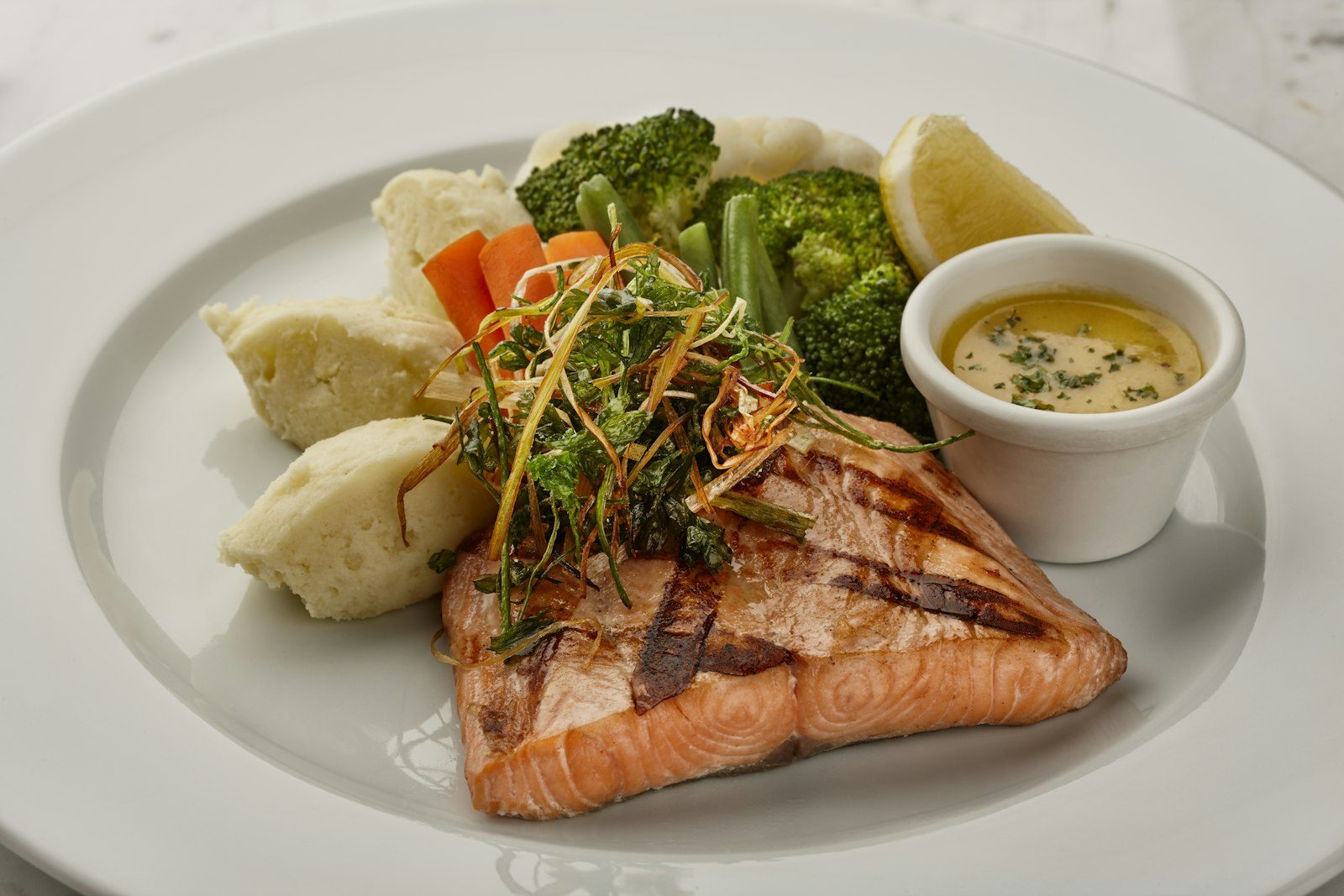
The second classic version is hot or cold smoked salmon. It goes on knekkebrod, into a salad, or simply next to an egg at your hotel breakfast. You will also find a fresh grilled salmon steak in almost any cafe near the water, but it is the cured and smoked versions that best reveal the local tradition.
Skrei: the cod people travel for in winter
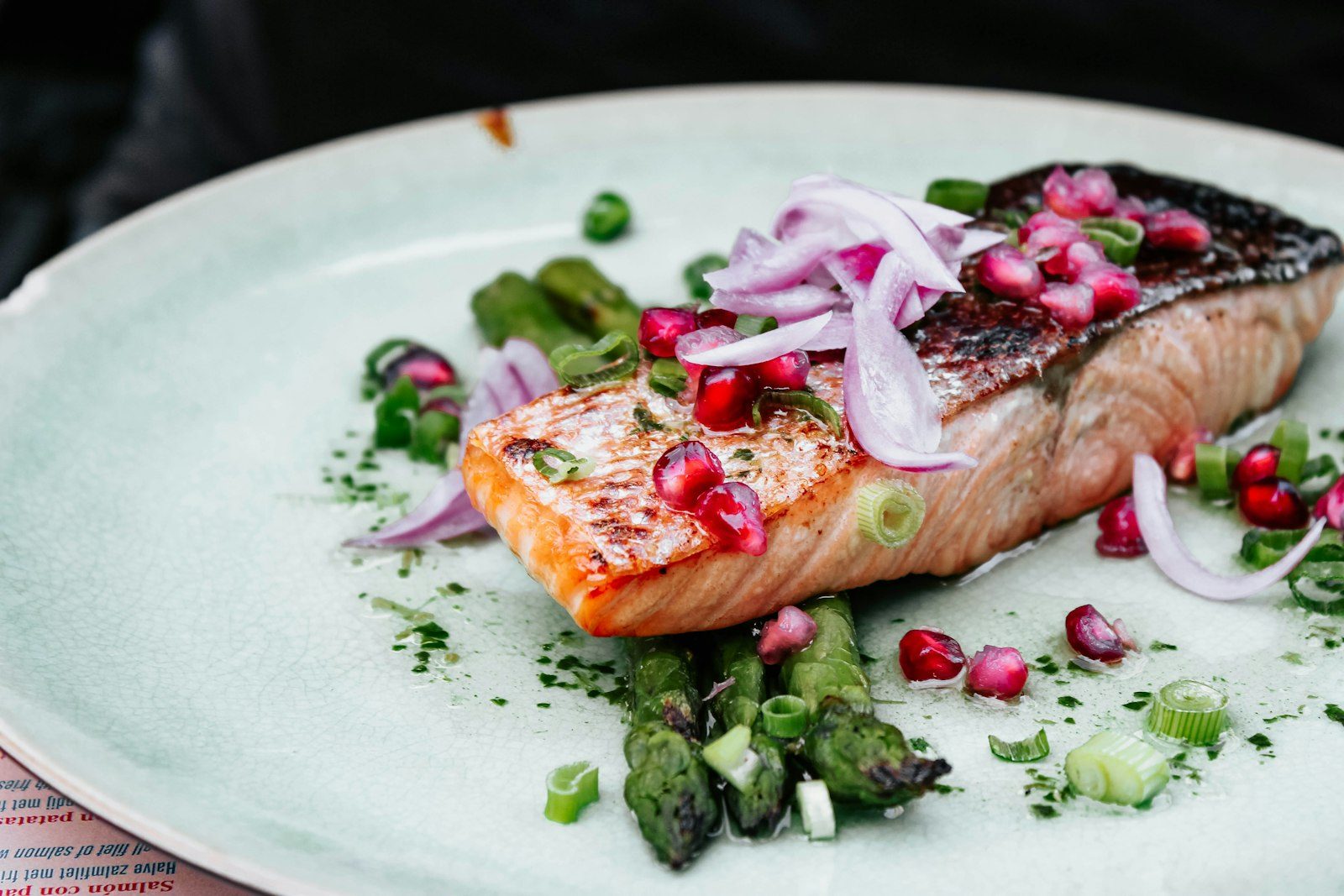
Skrei is not a species of fish but a specific winter cod that, roughly from January to April, travels from the Barents Sea to Norway's northern coast to spawn. A journey of about a thousand kilometers makes the flesh springy and lean, which is why skrei is considered one of the finest cods in the world. It is served plainly: poached fillet with potatoes, cod liver and roe, sometimes with melted butter.
The main caveat is simple: out of season (from around May onward) you will not find fresh skrei, only ordinary cod. If this dish is your goal, plan for winter.
Knekkebrod and brunost: everyday food worth tasting
Knekkebrod is a crispy dry flatbread, often rye or wholegrain, eaten every day in Sweden and Norway. On its own it is neutral; the whole point is what goes on top: butter, cheese, smoked salmon, pate, a boiled egg.
Brunost (in Norway more often brunost or gudbrandsdalsost) looks like a slab of caramel soap, and it tastes like a sweet and salty cheese made from condensed and caramelized whey. Norwegians slice it into thin ribbons with a special spatula-knife and lay it on warm bread or waffles. The taste is unusual, so take a small portion to try before buying a whole block.
Meatballs: Norwegian kjottkaker versus Swedish kottbullar
These are the same category of dish, but with a difference the locals notice at once. Swedish kottbullar are small and dense, made from a mix of pork and beef, seasoned with allspice; they are served in a creamy sauce with lingonberry jam, mashed potatoes and pickled cucumber. These are the ones you tried at the furniture store, except in their homeland they taste better.
Norwegian kjottkaker are larger and coarser in texture, closer to a cutlet than to a ball; the sauce is darker and meatier, and the lingonberry is right there too. If you have to choose, order kottbullar in Sweden and kjottkaker in Norway, and you will have an honest comparison over a single lunch.
What fika is and why it is more than coffee with a bun
Fika is the Swedish habit of taking a break for coffee with something sweet and a chat, usually twice a day. It is not a snack on the run but rather a small ritual: people really do stop working for it.
The classic pairing with coffee is a kanelbulle, a cinnamon bun with cardamom, or the seasonal semla, a cardamom bun with almond paste and whipped cream, traditionally eaten in winter and closer to Lent (February and March). In Norway the cinnamon equivalent is called skillingsbolle. A tip for travelers: fika is the cheapest way to feel the local culture, since a bun with coffee costs a fraction of a restaurant meal.
Why is food in Scandinavia so expensive?
The short answer: high wages, high taxes and costly logistics. A restaurant pays its staff by local standards, VAT is added on top, and some produce is shipped from far away, because farming at these latitudes is limited. Add it all up and even a simple dish costs noticeably more than in Central Europe.
Norway is generally pricier than Sweden, especially in restaurants. Oslo bites hardest: prices there run 10-25% higher than in Bergen or Trondheim. That is why seasoned travelers strike a balance: they take a dish or two at a cafe or restaurant and cover the rest with the supermarket and fika.
How to eat well without going broke
The easiest saving is supermarkets (in Norway that is Rema 1000 and Kiwi, in Sweden ICA and Coop): ready-made salads, smoked salmon, bread and cheese cost a fraction of a restaurant. It is cheaper to take a hot meal at midday, when cafes run a lunch menu, and keep dinner light. Tap water here is clean and free, so you can skip the bottled kind.
How much a meal costs: rough 2026 prices
Below are ranges, not exact price tags: they shift, so double-check before your trip. The rough exchange rate: 100 Norwegian kroner is about 9 euros, and 100 Swedish kronor is also about 9 euros.
| Item | Norway (NOK) | Sweden (SEK) | Approx. (EUR) |
|---|---|---|---|
| Coffee at a cafe | 30-65 | 35-60 | 3-6 |
| Cinnamon bun | 35-55 | 35-55 | 3-5 |
| A portion of meatballs | 180-260 | 150-200 | 14-24 |
| Lunch at a budget cafe | 150-250 | 120-160 | 11-23 |
| Dinner for two, mid-range restaurant | 700-1400 | 700-900 | 65-125 |
These prices are approximate, as of 2026, for big cities; in Oslo they sit closer to the upper end, in smaller towns lower.
When to look for seasonal dishes
Some of the most interesting food is tied to the time of year, so it is worth planning ahead.
| Dish | Where to look | Best time |
|---|---|---|
| Skrei (winter cod) | Northern Norway, the coast | January-April |
| Semla (cream bun) | Sweden, cafes | February-March |
| Fresh seafood, fish | Bergen, the fish market | Year-round |
| Berries, mushrooms, game | Both countries | Late summer, autumn |
What to bring home and where to be more adventurous
Of the edible souvenirs, the easiest to carry home are brunost (it is dense and does not melt quickly), a pack of knekkebrod and a jar of lingonberry jam. Fresh fish is harder to transport, but vacuum-packed smoked salmon from a shop near the airport will survive the trip just fine.
If it is your first time in Scandinavia, stick to the tried-and-true set: salmon, meatballs with lingonberry and fika with a bun will cover the food program without any risk. But if you have been here before and have already tried the basics, lean toward the seasonal: winter skrei, fresh seafood at the Bergen market, game in autumn. That is exactly where Scandinavian food stops being predictable and starts to surprise.