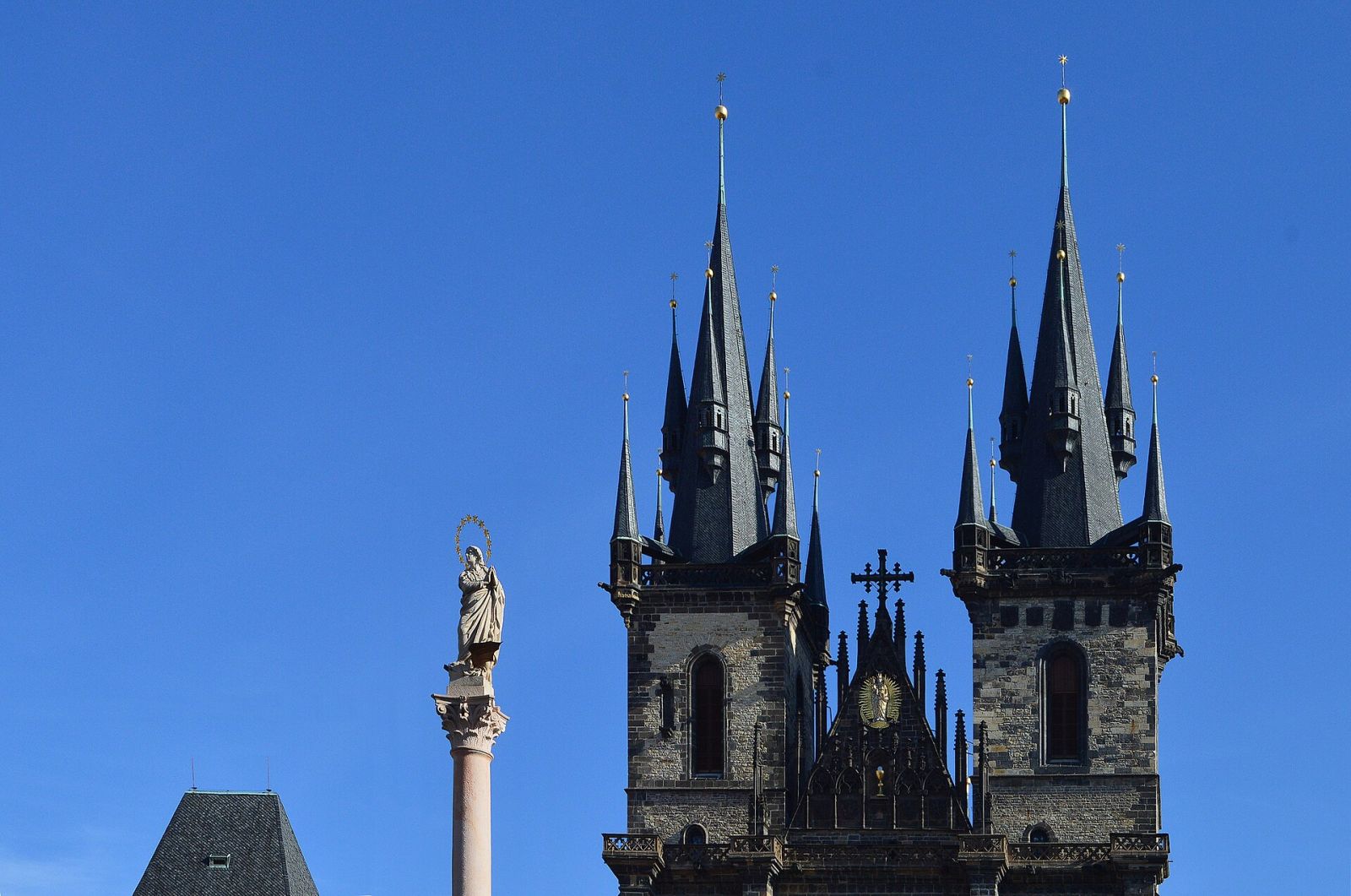
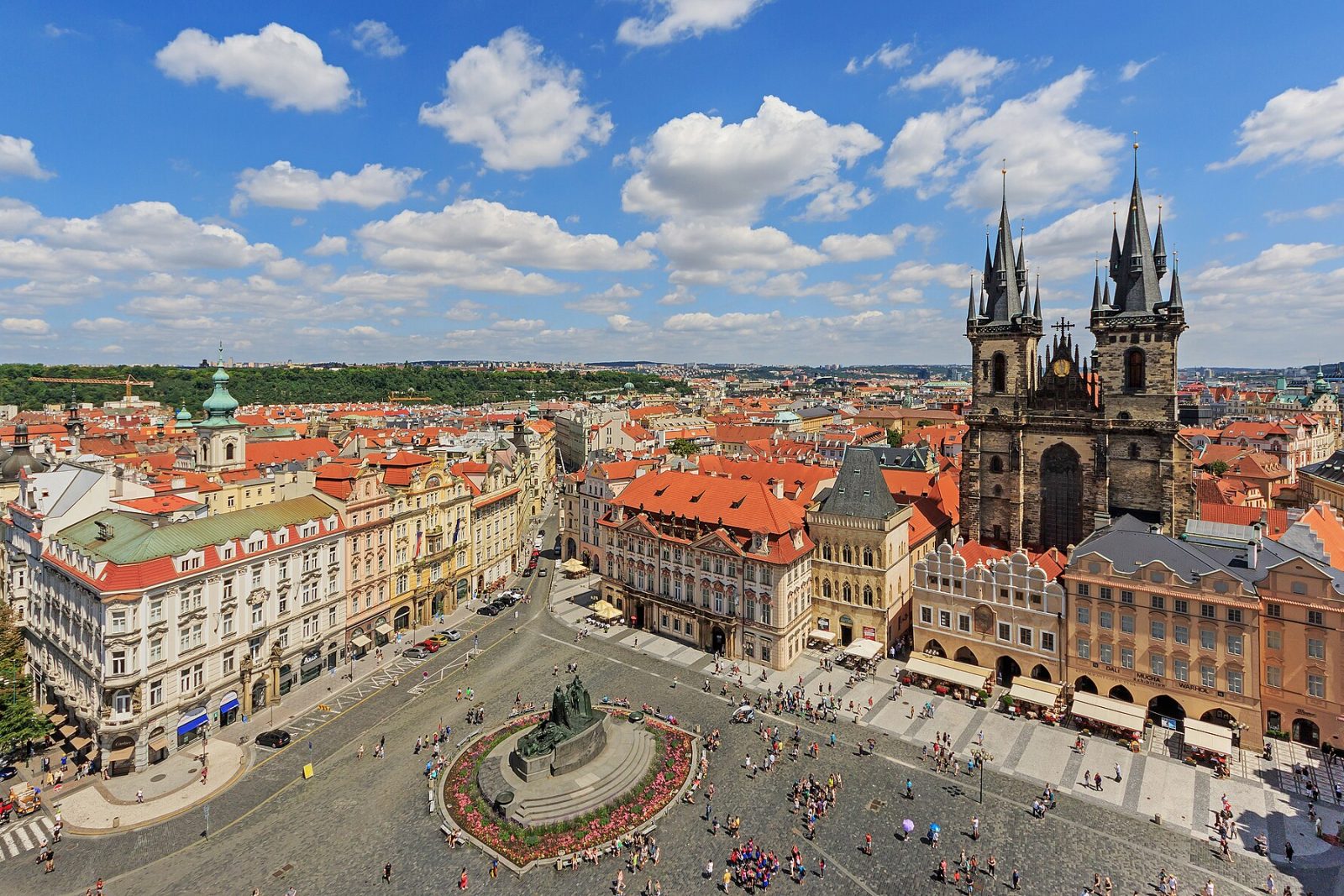
Short version: the most beautiful cities in Europe aren't a single «perfect» list, they're a question of which kind of beauty speaks to you. If you want gothic spires and tiled roofs, head to Prague or Tallinn. Drawn to the Renaissance and painting, then Florence. Love water in the frame, and it's Porto above the Douro, Budapest on the Danube, or Dubrovnik over the Adriatic. Below are ten real cities, each with its own hook and an honest downside, because none of them is flawless.
One caveat up front that saves you disappointment: almost all of these cities are beautiful not because there's no crowd, but in spite of it. So half the battle isn't «where» at all, it's «when to go».
Ten cities at a glance
First a table to choose from, then the specifics on each.
| City | Country | What makes it unique |
|---|---|---|
| Prague | Czechia | An entire gothic and baroque old town that survived intact, Charles Bridge and Prague Castle above the river |
| Florence | Italy | Birthplace of the Renaissance: Brunelleschi's dome, the Uffizi gallery, the jewellers' bridge Ponte Vecchio |
| Porto | Portugal | Colourful facades in azulejo tiles, the Ribeira waterfront, port wine cellars across the Douro |
| Budapest | Hungary | The Danube between two cities, a neo-gothic parliament, historic thermal baths |
| Dubrovnik | Croatia | Unbroken city walls above the sea, a marble old town, «Game of Thrones» filming sites |
| Vienna | Austria | Imperial grandeur: the Schönbrunn and Hofburg palaces, the museum quarter, coffee house culture |
| Bruges | Belgium | Medieval canals, the Belfort bell tower, a quiet beguinage, Europe's best chocolate |
| Hallstatt | Austria | A postcard village on an alpine lake between mountains and a waterfall |
| Seville | Spain | The Moorish Alcázar, a vast gothic cathedral, Plaza de España, the home of flamenco |
| Tallinn | Estonia | One of the most complete medieval old towns on the Baltic, towers and city walls |
Prague and Tallinn: gothic that survived
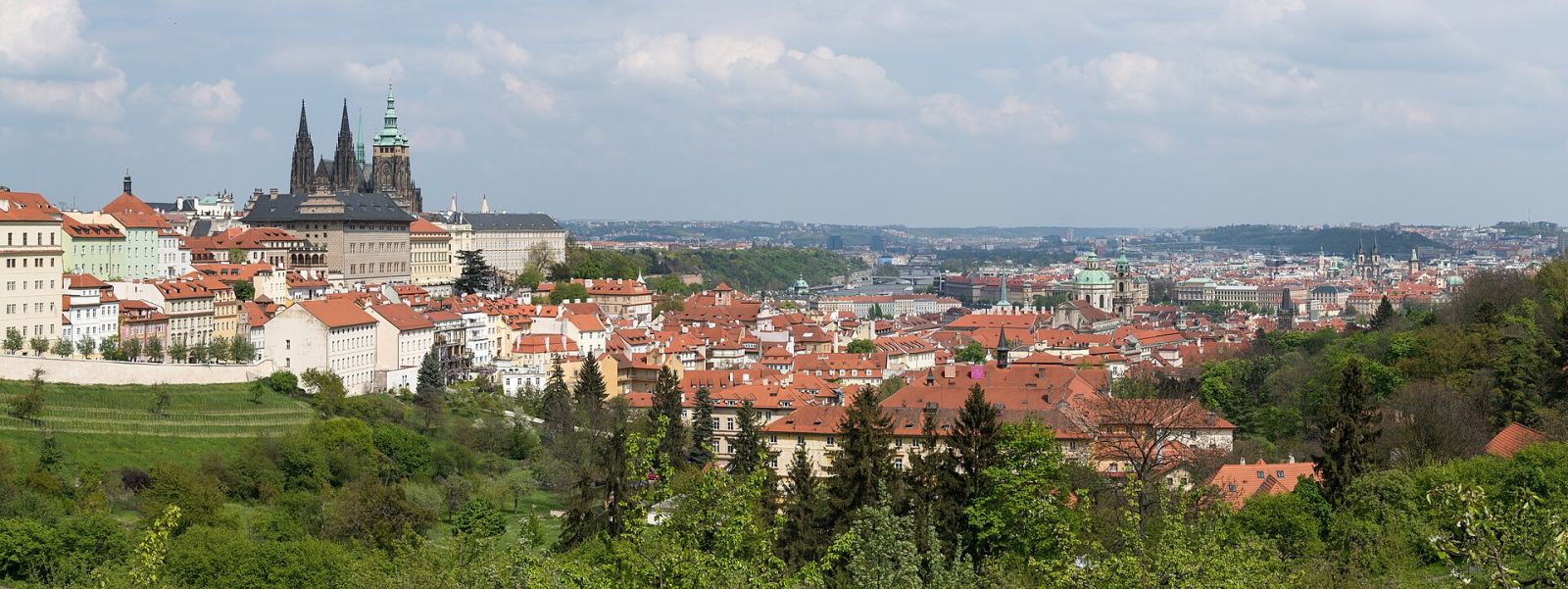
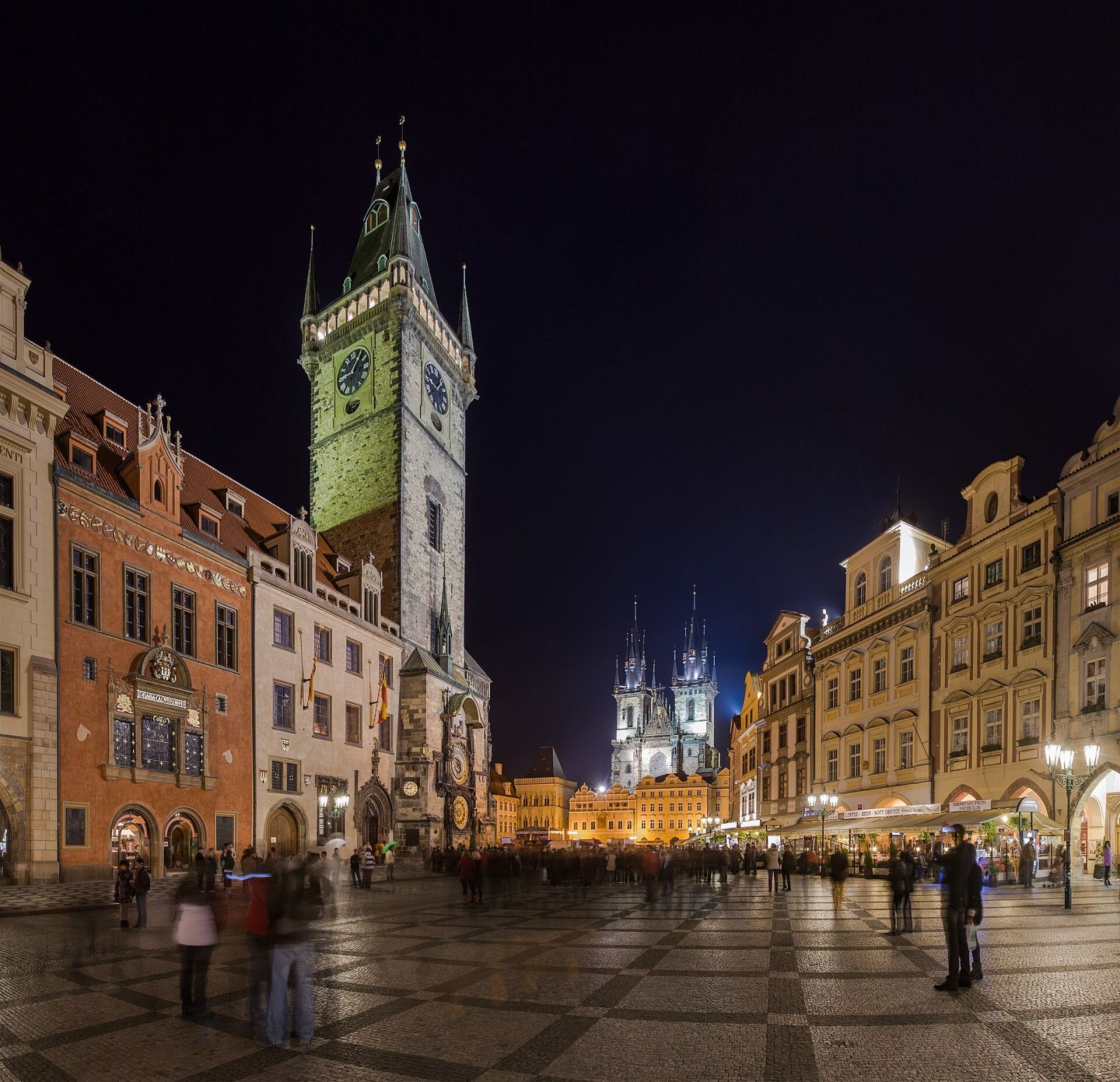
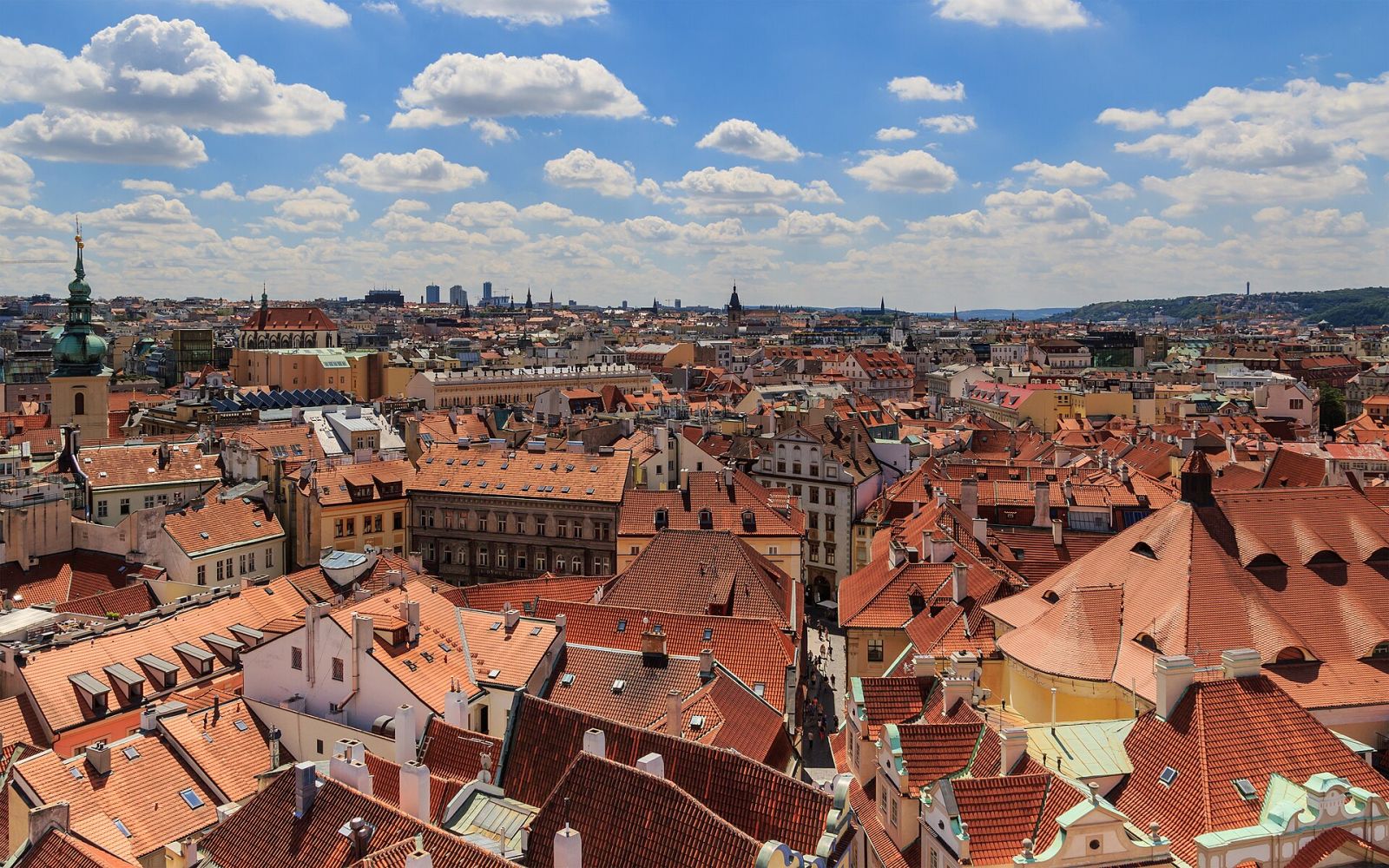
These two share something rare: their historic cores were barely touched by war, so what you see isn't restoration but the real medieval thing. Prague is grander. The astronomical clock on Old Town Square, Charles Bridge lined with statues, the castle on the hill lit up at night. Tallinn is more intimate and cheaper: the narrow cobbled lanes of Toompea, defensive towers, viewpoints over a sea of red roofs.
Prague's honest downside is that by day Charles Bridge becomes one solid river of people, and central prices stopped being «Eastern European» long ago. Walk your route before nine in the morning or after seven in the evening, and the difference is enormous. Tallinn's weak spot is the season: the warm months are short, and in winter it gets dark early and blows a proper Baltic chill.
Florence and Vienna: when beauty is about art
Florence is a city where the Renaissance is simply lying in the street. Brunelleschi's red cathedral dome is visible from everywhere, the Uffizi holds Botticelli and Leonardo, and on Ponte Vecchio the goldsmiths still work as they did centuries ago. It's compact, all of it on foot.
Vienna plays a different league: the imperial one. The Schönbrunn palace and its park, the Hofburg winter residence, the Opera, the museum quarter, and coffee houses where you can sit an hour over a single mélange. Both share an obvious catch. In Florence, without a pre-booked ticket you'll queue an hour or two for the Uffizi or the Accademia, and summer in the city is stifling. Vienna is simply expensive, and to some it feels a touch sterile, a little too polished.
Porto, Budapest, Dubrovnik: cities over water
Here the star is water and the way each city tumbles down to it. Porto hangs above the Douro in terraces of colourful houses clad in blue-and-white azulejo tiles. Below is the Ribeira waterfront, and across the double-deck Dom Luís bridge, on the far bank, the cellars where port wine ages. Downside: the city sits on steep hills, so brace for a lot of climbing up and down, and in autumn and winter it often drizzles.
Budapest is beautiful precisely because it's really two cities on the banks of the Danube: hilly Buda with its castle and Fisherman's Bastion, flat Pest with the giant neo-gothic parliament. Add the open-air Széchenyi thermal baths. Downside: summer can bring genuine heat, and some districts outside the tourist core look run-down.
Dubrovnik is that very picture with the city walls hugging the old town above the turquoise Adriatic. Walking the ramparts full circle is an adventure in itself. But this is where the sharpest downside of the whole list lives: in season, cruise ships dump thousands of people here every day, the marble main street Stradun becomes impassable, and summer prices bite.
Bruges and Hallstatt: tiny, but this is where the postcards come from
Bruges is Flemish medieval with canals, which earned it the nickname «Venice of the North». The Belfort tower on the main square, boats on the water, a quiet beguinage of old houses and, of course, Belgian chocolate and waffles at every turn. Hallstatt is even smaller: not a town but a mountain village over a mirror lake, arguably the most photographed in Austria.
Both share the same vulnerability, and it's worth knowing in advance. They're tiny. Bruges fits into one full day, Hallstatt into half of one, and during daytime hours both choke on day-trip coach groups. The fix is identical: stay the night. Once the buses roll out by evening, you get the same postcard village, only without the crush, in complete silence.
Seville: beauty that knows how to be merciless
Seville in southern Spain is Andalusia distilled: the Moorish Alcázar with its gardens, one of the world's largest gothic cathedrals crowned by the Giralda tower, the fairy-tale semicircle of Plaza de España, and living, not touristy, flamenco in the evening bars. In atmosphere it's one of the most passionate cities in Europe.
Now the honest downside, which matters here more than anywhere: summer heat. From June to August the daytime temperature regularly tops forty, and walking by day is physically hard. So Seville is a clear case of «the right month»: go in April or May, when the orange trees bloom and the city throws its Feria, or in autumn. In summer, leave it to the locals.
When should you go so you don't spoil it?
The main rule for all ten: avoid July and August if you can. Peak summer means maximum people, maximum prices and, in the south, exhausting heat. The best balance comes in two windows: late April through early June, and September into the first half of October. The weather is already (or still) mild, and the crowds are noticeably thinner.
| City | Best time to go | When to be careful |
|---|---|---|
| Prague, Vienna, Tallinn, Bruges | May-June, September | July-August (crowds), deep winter (cold and early dark) |
| Florence, Dubrovnik, Porto | April-June, September-October | July-August (heat, cruise crowds, peak prices) |
| Seville | April-May, October | June-August (extreme heat, 40+) |
| Hallstatt, Budapest | May-June, September | Peak summer by day (crowds in Hallstatt, heat in Budapest) |
How to get there from Ukraine in 2026
Good news: no visa needed. All these cities are in Schengen countries (Croatia joined the zone in 2023), so Ukrainian citizens only need a biometric passport, with visa-free stays of up to 90 days within any 180. Bring insurance and proof of accommodation and a return route, the standard things asked at the border.
The harder part is logistics, because there are no direct flights from Ukraine right now. There's one working route: overland transit to a neighbouring country (Poland, Slovakia, Hungary, Romania) by bus or train, then a low-cost flight onward. The handiest hubs are Warsaw, Krakow, Budapest and Vienna, all reachable from western Ukraine, with a short hop to any city on the list. Visa-free and transit rules do change now and then, so check the current details on official sources before you buy tickets.
One last thought instead of a summary. The most beautiful cities in Europe aren't competing with one another, they're simply different. Pick not «the highest-rated» but the one that matches your mood and your season, and even a Dubrovnik or a Hallstatt packed by day will show you the very picture you came for.