

Across the green hills above Budapest runs a rail line linking stations tucked deep in the forest. It isn't the fastest train service in the world, but it may be one of the most charming.
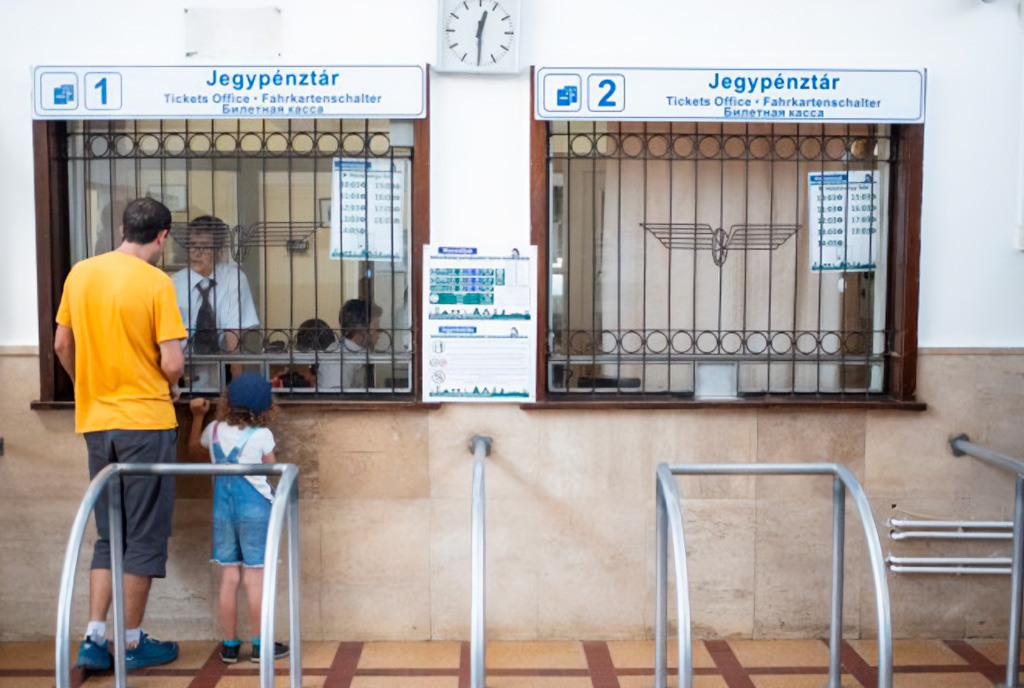
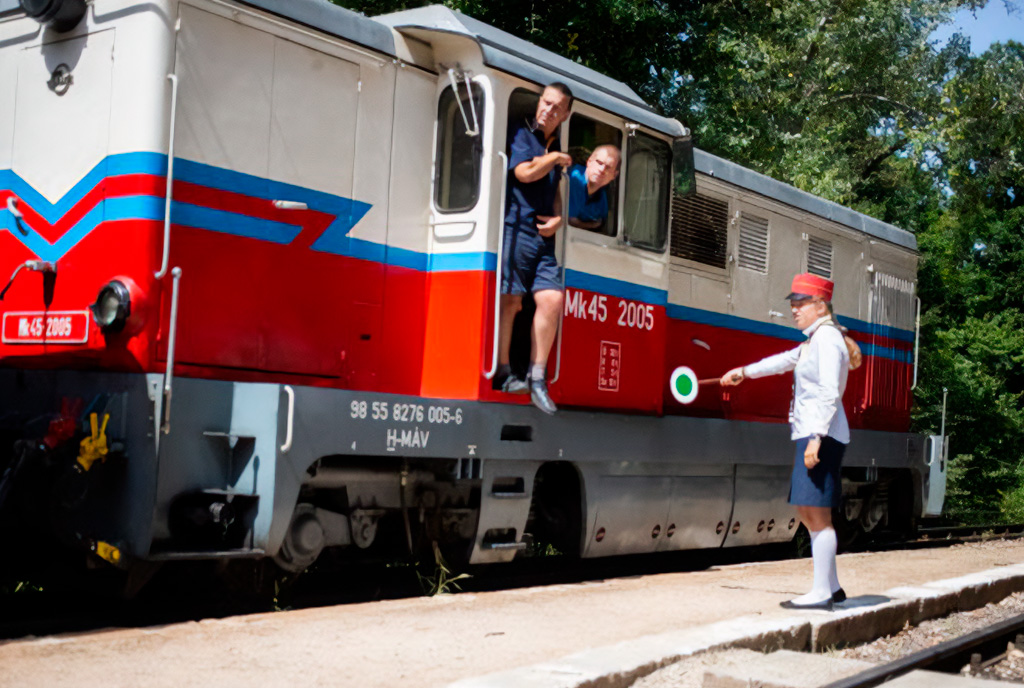
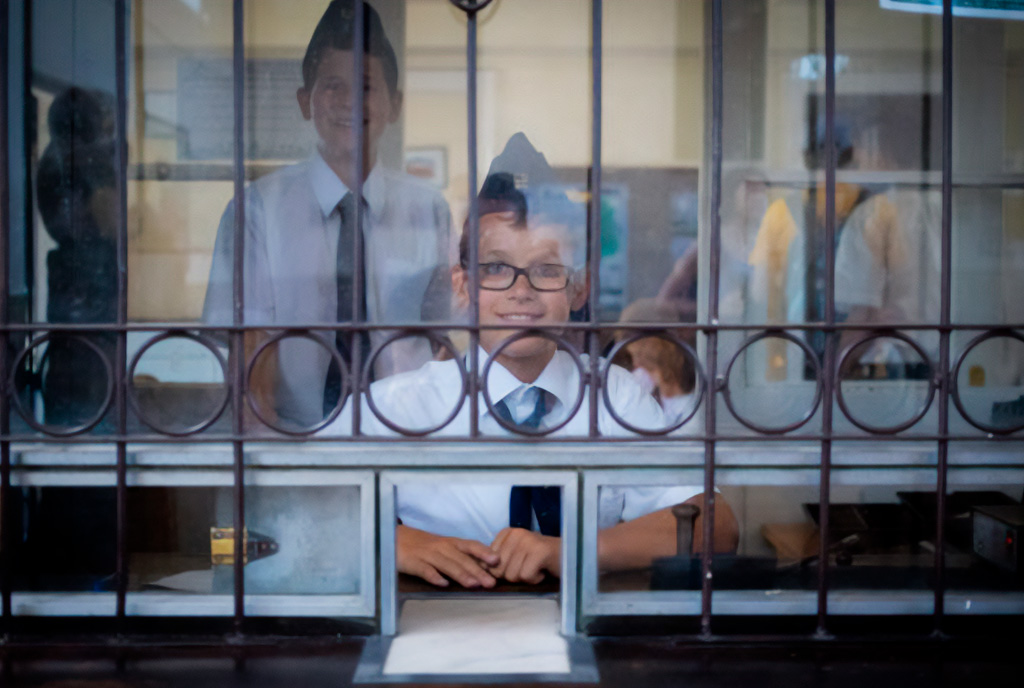
Like any other railway, it has ticket offices, diesel locomotives, signals, security and a timetable. Unlike any other, this one is run by children.
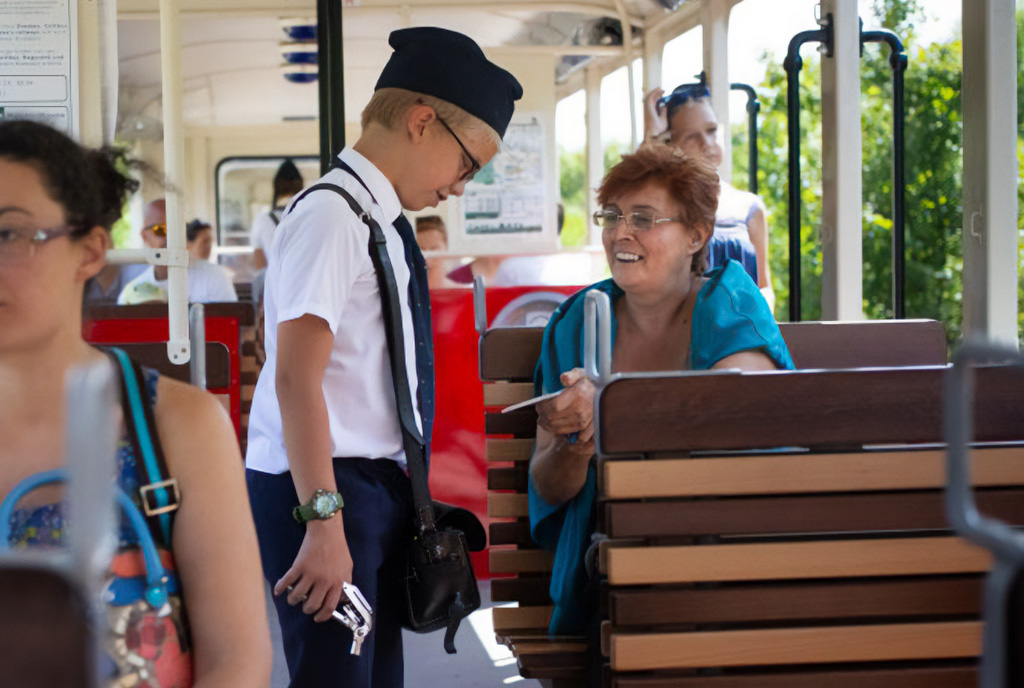
In their smart red, white and blue uniforms, the children of the Gyermekvasút railway, which marks its 70th anniversary in 2018, certainly look the part.
Partner links: booking through them supports the blog at no extra cost to you.
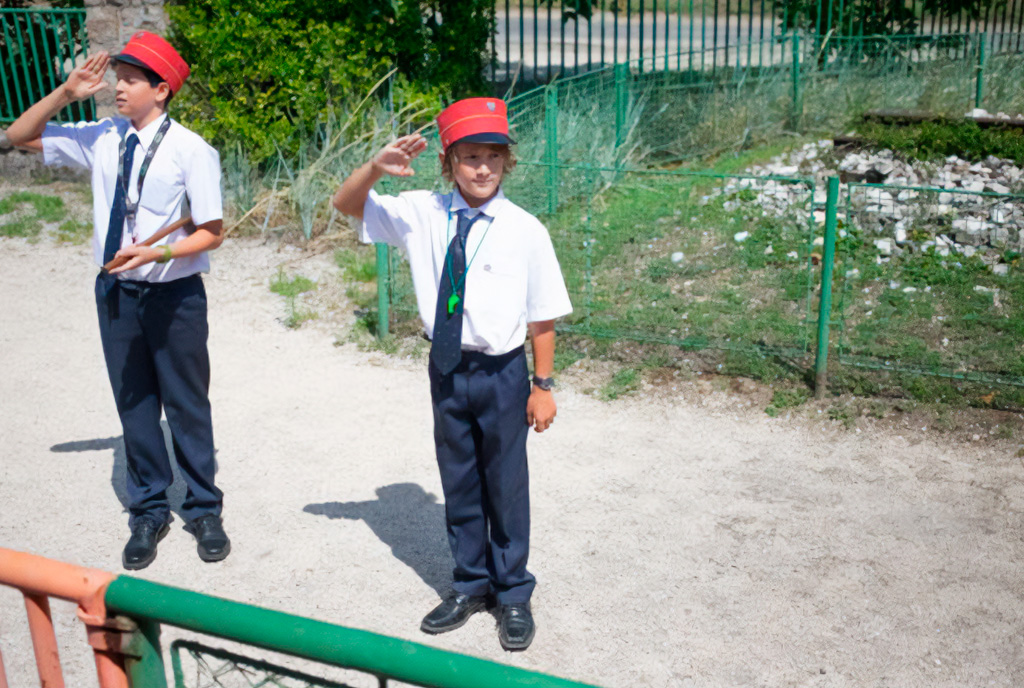
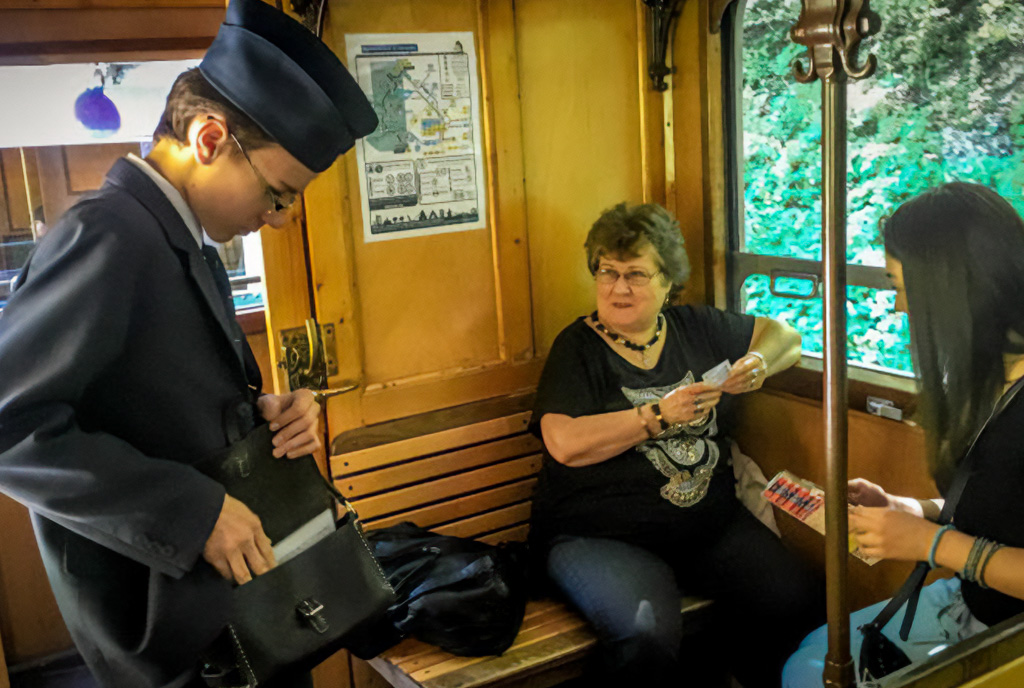
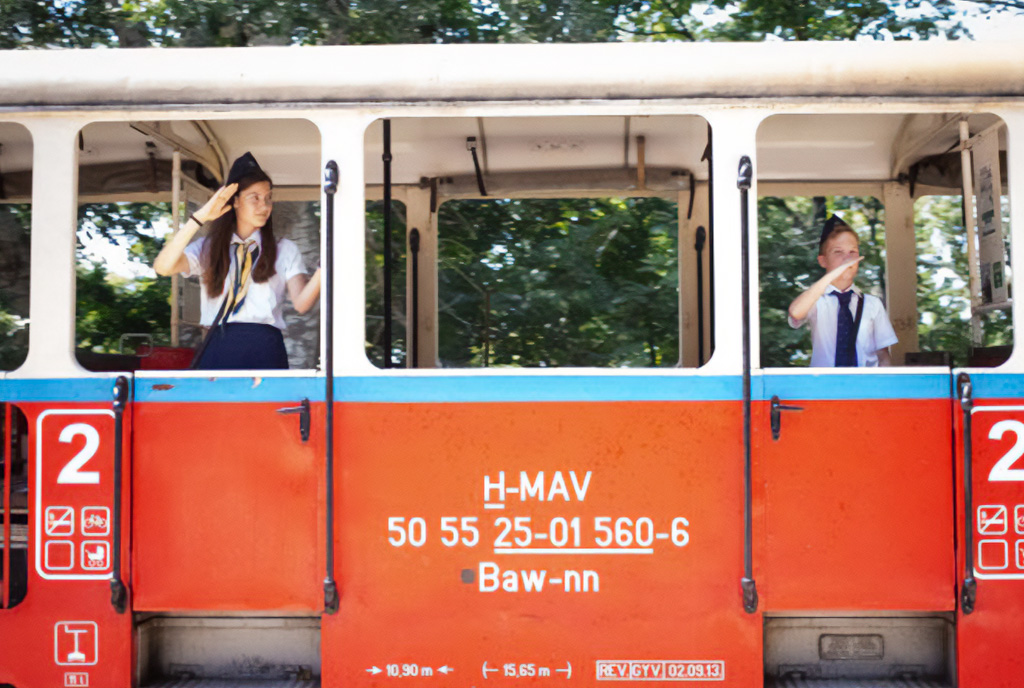
They sell and check tickets with real efficiency, and salute the trains as they pull out of the stations. They also seem to be having a wonderful time.
Related reading: Visiting Budapest? Insiders share their tips
Under the bright Hungarian sky, this retro railway could easily pass for something out of a Wes Anderson film.
In fact, it's a relic of the communist era, when Hungary, as a satellite of the Soviet Union, set up the Pioneer Railway to teach children teamwork and responsibility.
The youngsters worked on the railway under adult supervision. The engineers and drivers were grown-ups.
A journey into nostalgia

It works much the same way today, only without the communist ideology, having renamed itself Gyermekvasút, or the Children's Railway in English. Local kids work on the line roughly every 15 days, and even earn a few lucky days off school.
For many Hungarian visitors, a ride on the narrow-gauge line is a reminder of their own childhood.
On one recent trip with my Hungarian mother, we rode the last train of the day as the light began to fade. At each station, children hopped aboard the red, white and blue train, filling up the carriage once their shifts were over.
One boy had a guitar, and the railway kids, their usually tidy uniforms slightly rumpled after a day working the line, started to sing.
Related reading: 9 hidden spots in Budapest worth discovering
"We used to sing these songs at Pioneer camp," my mother exclaimed as the train chugged through the leafy forest.
A ride on the Children's Railway always brings on a wave of nostalgia for her, especially when the toy-like carriages roll into a station called Csillebérc, now home to an adventure park.
In the late 1960s, she spent a month at the Pioneer youth camp here, picture a summer camp with a socialist twist, as a reward for good grades.
To reach the camp, young Hungarians travelled through the forest on the Pioneer Railway, staffed by children, some of them only 10 years old.
Scenic routes

Today there are two ways to reach the 70-year-old railway.
The first is to take tram 56 or 61 from Széll Kálmán or Móricz Zsigmond körtér to the final stop at Hűvösvölgy; the other is to get off the same tram at Városmajor and catch the cog railway (line 60) up to Széchenyi-hegy.
The good news is that every route is scenic, but the tram ride to the very end of the line comes highly recommended.
Related reading: Budapest's top sights: What not to miss
The route to Hűvösvölgy winds through a green, leafy valley past villas, faded grandeur and pastel-green waiting rooms carved from wood, which could also fit right into a Wes Anderson film (if it weren't for the graffiti).
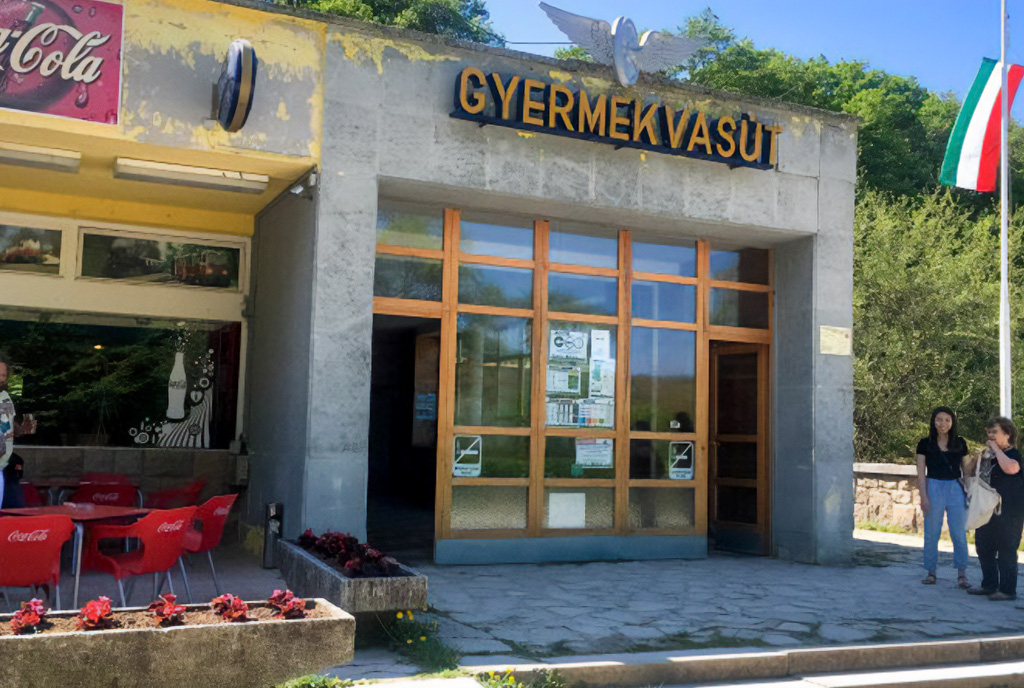
At the final stop, a set of turreted stairs leads up to the Children's Railway.
The station at Hűvösvölgy still holds on to its retro, nostalgic glory. Socialist realism sits alongside vintage photographs and bilingual signs in Hungarian and Russian.
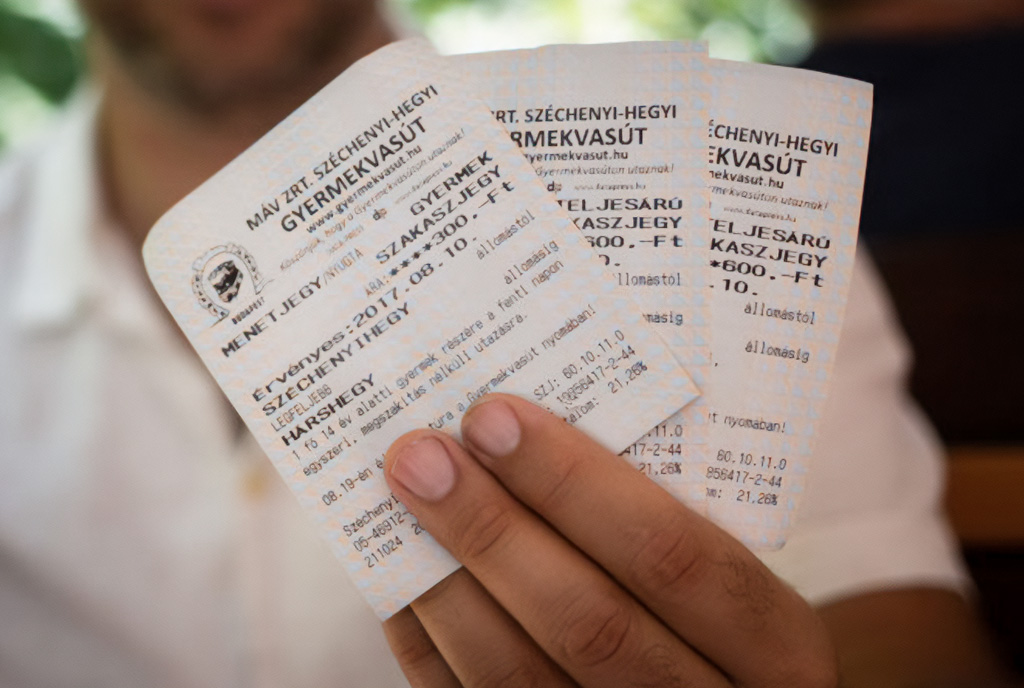
Tickets, priced at a few hundred forints (usually around $2 to $3), can be bought at a window from one of the children, who tend to take their job so seriously that it's easy to forget you're being served by a 14-year-old.
Related reading: Underground Budapest: Caves, churches and Cold War bunkers
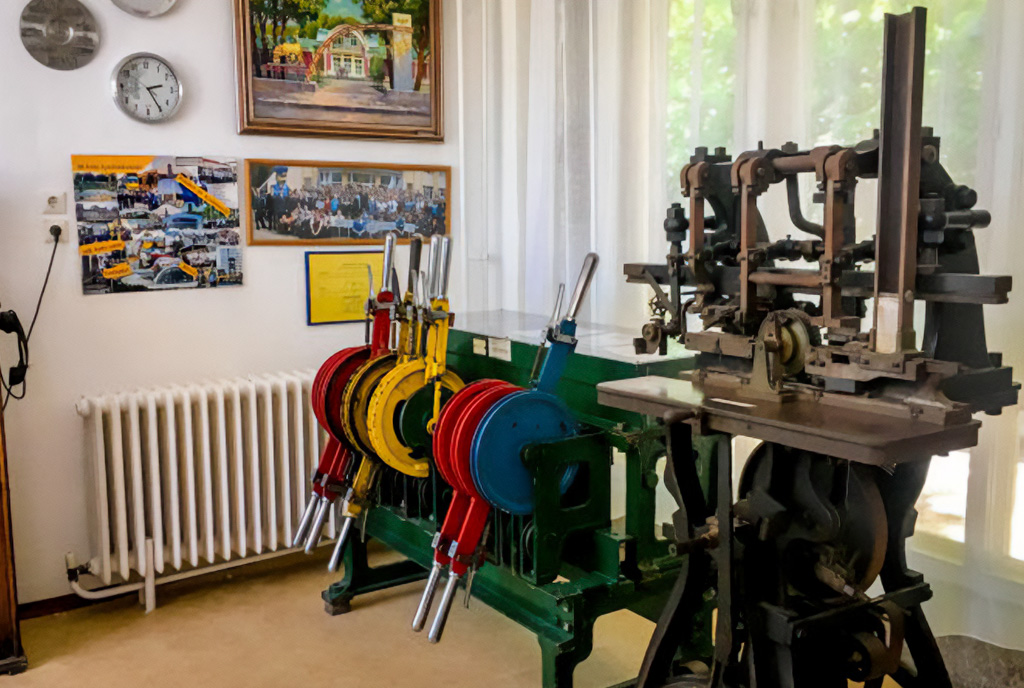
If you have time before the train leaves, the station's little museum keeps communist relics from the Pioneer days, such as old uniforms and a huge cast-iron ticket machine, along with cute interactive games to keep children entertained (the passengers, that is, not the staff).
When the next train arrives, a child's voice echoes over the loudspeaker in Hungarian, following the same jingle you'll hear at every railway station across Hungary.

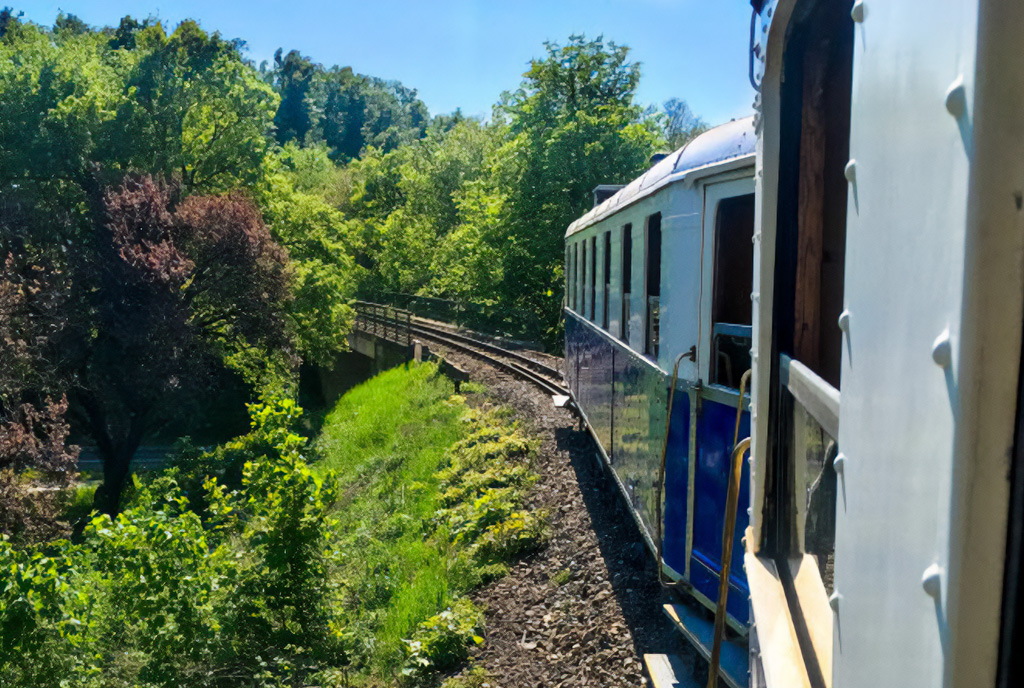
The train we board turns up ahead of the usual red-and-white ones. Instead, we climb into a royal-blue locomotive fitted with wooden benches under netted luggage racks, a wrought-iron stove and windows that slide down.
Rushing to catch it before it departs, we take a seat in the first carriage (annoyed that we could have travelled first class in the next one, with its plush green velvet seats).
The train pulls away from the station as children in navy-blue uniforms and red caps salute. Once we leave the platform behind, they relax, slipping back into more natural, childlike poses.
Our conductor, dressed in full navy-blue uniform, keeps up his grown-up role. He punches our tickets, then sits down, holding himself perfectly straight with his hands folded in his lap, gazing out the window across the valley.
Saluting with pride

Every now and then a child's spontaneity slips through, as the kids call out from the carriage window after giving the signals and saluting.
"I'm boiling hot," one child says to another, tugging at a white cotton shirt and trying to fan himself as the train rushes past, a yellow flag in hand.
At the next station a girl gets annoyed when one of the boys steps on her cap, which has fallen into the dust. Even so, whenever the train arrives or departs, they stand tall and salute with pride.
Only the very best pupils are considered for a job on the railway, and those chosen also go through training and have to pass railway exams.
Related reading: 8 buildings you have to see when you're in Budapest
Throughout the year, the railway kids report for duty every two weeks, getting time off school on working days, but only as long as their grades don't slip.
The train puffs along for 11 kilometres through the forests and over the hills, and the ride takes between 40 and 50 minutes.

Passengers can hop off along the way for a walk in the woods, climb up to the Elizabeth Lookout, the highest point in Budapest, or ride all the way from one station to the other.
Even without the novelty of the children and the railway's retro charm, the ride through the hills is worth the trip out to this side of the city, where it's easy to forget you're within the bounds of a European capital.
Those who end up at Széchenyi-hegy can head back down the hill on the cog railway, which passes through the wooded villa district of Svábhegy on its way back into the city, closing the loop where it began.
Jennifer Walker is an Anglo-Hungarian writer and former physicist based in Budapest.