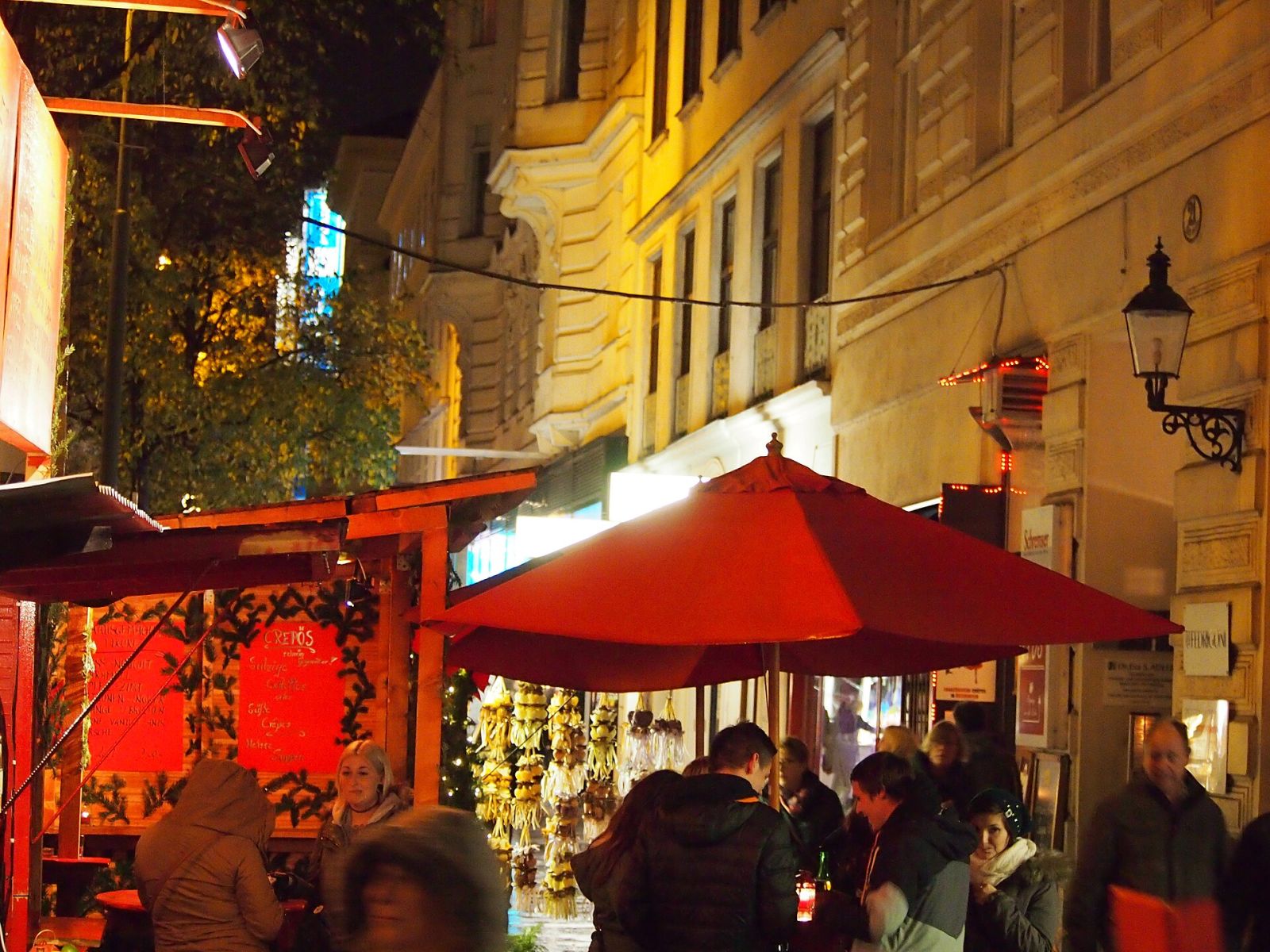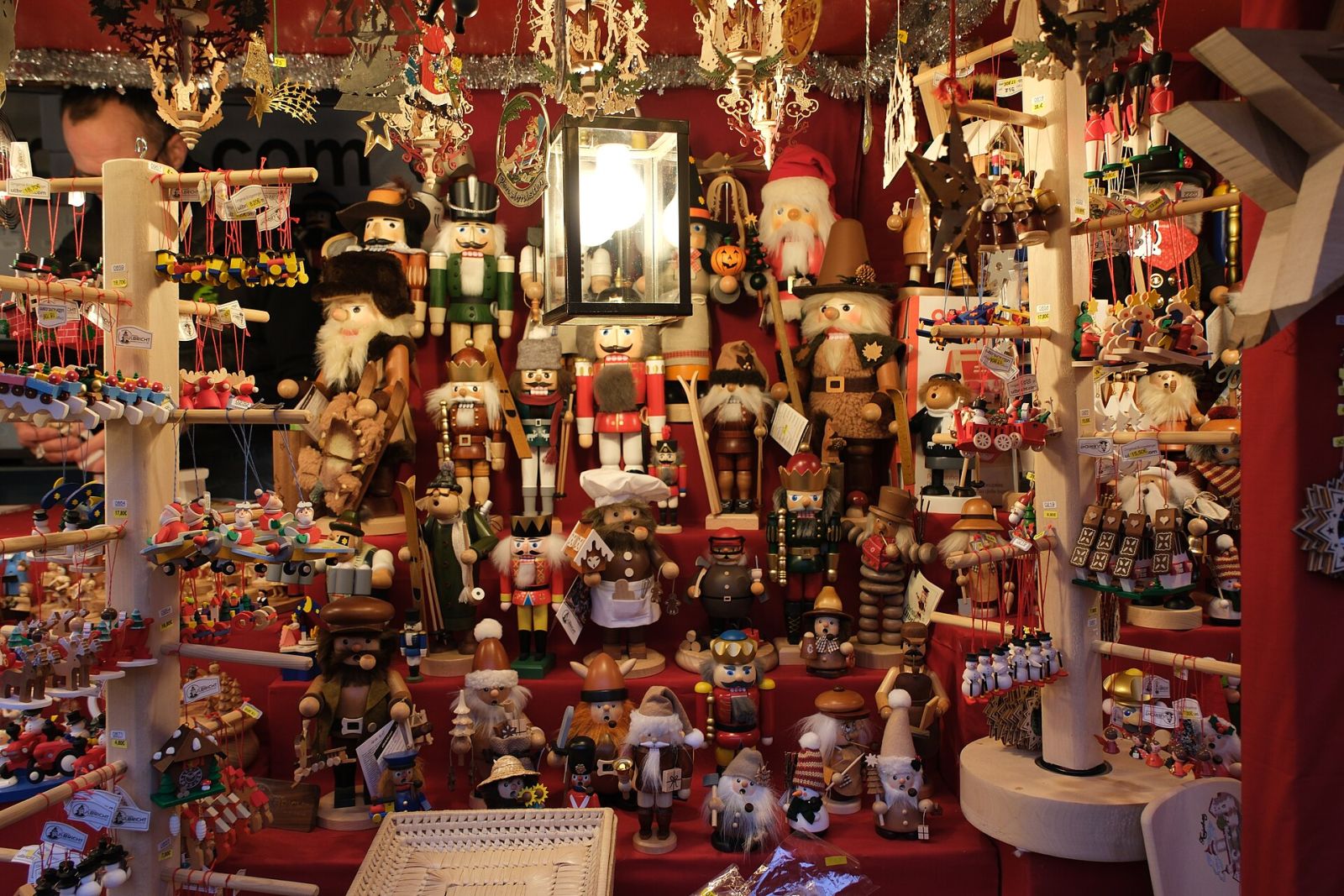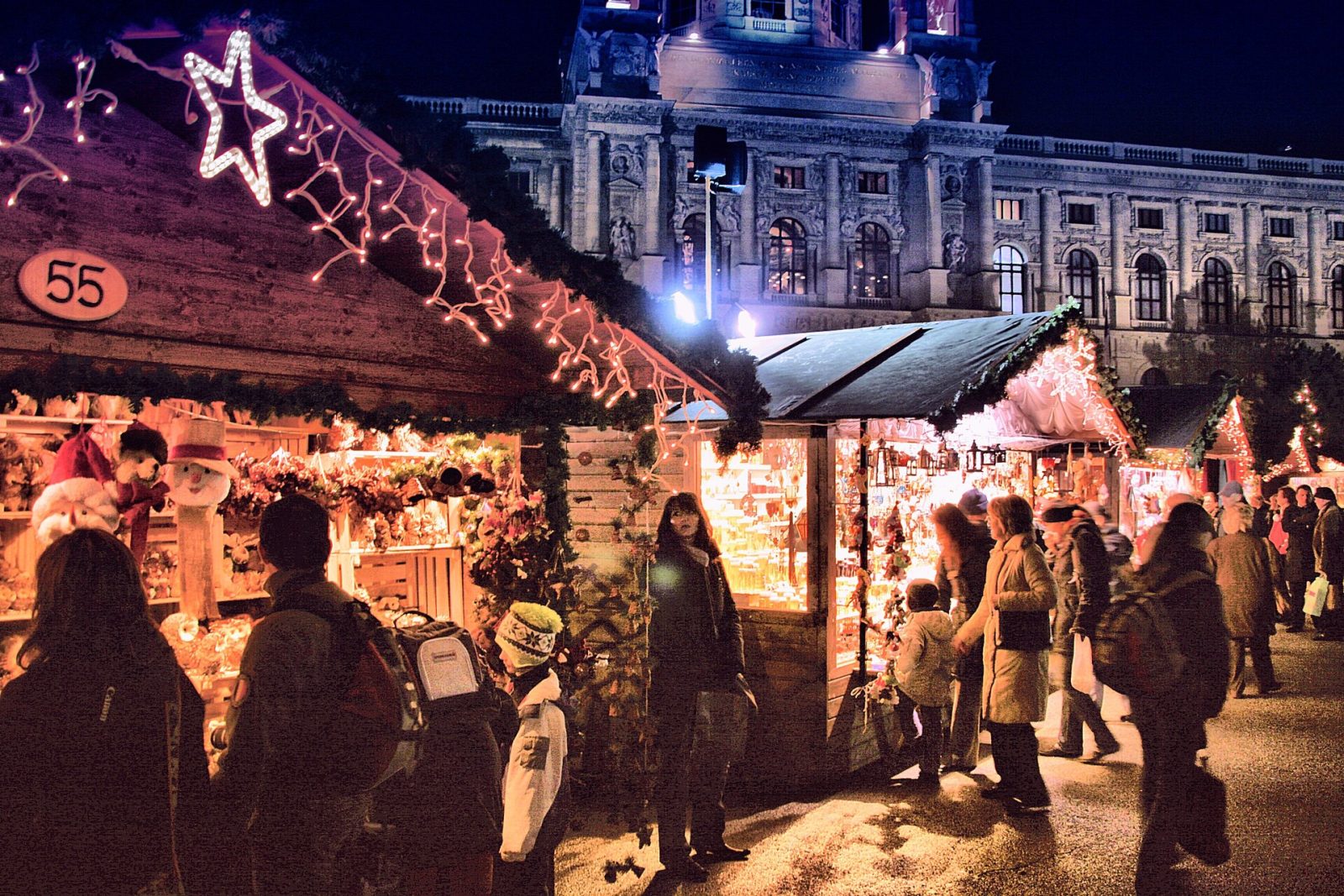


Christmas markets in Europe mostly open in the last week of November and run until Christmas, though some, like those in Prague, Budapest and Krakow, keep going into early January. The oldest of them is not Vienna or Strasbourg, as many assume, but the Striezelmarkt in Dresden: it has run since 1434, and that is where the whole tradition really begins. What follows is not an abstract list but a practical breakdown: where to go for the atmosphere, when the markets open, what to eat, and how a traveller from Ukraine can get there without much fuss.
When do the Christmas markets open?
The rule of thumb is simple. Most start on the Friday before the first Sunday of Advent, so in the final days of November. German markets traditionally close on 24 December, on Christmas Eve itself, and hunting for mulled wine on the square after that is a lost cause. Further east the schedule is kinder. Prague, Budapest and Krakow stay open longer, often until 1 or even 6 January, so if you are planning a trip over the New Year holidays, look there. Most stalls trade from around noon until nine or ten in the evening, later at weekends. Exact opening dates shift by a few days each year, so check the city's official schedule before you book anything.
The best Christmas markets in Europe
Each of these cities has its own reason to go and its own honest drawback that the postcards leave out.
Partner links: booking through them supports the blog at no extra cost to you.
Dresden, Striezelmarkt
The elder of the genre, named after Stollen (called "Striezel" in the local dialect). It fills the Altmarkt square, a giant Christmas pyramid stands at its centre, and the highlight of the season is the Stollenfest: a huge festive cake weighing several tonnes is paraded through the city and ceremonially sliced. The drawback is obvious. At weekends it gets so crowded that a photo without a stranger's head in it is nearly impossible.
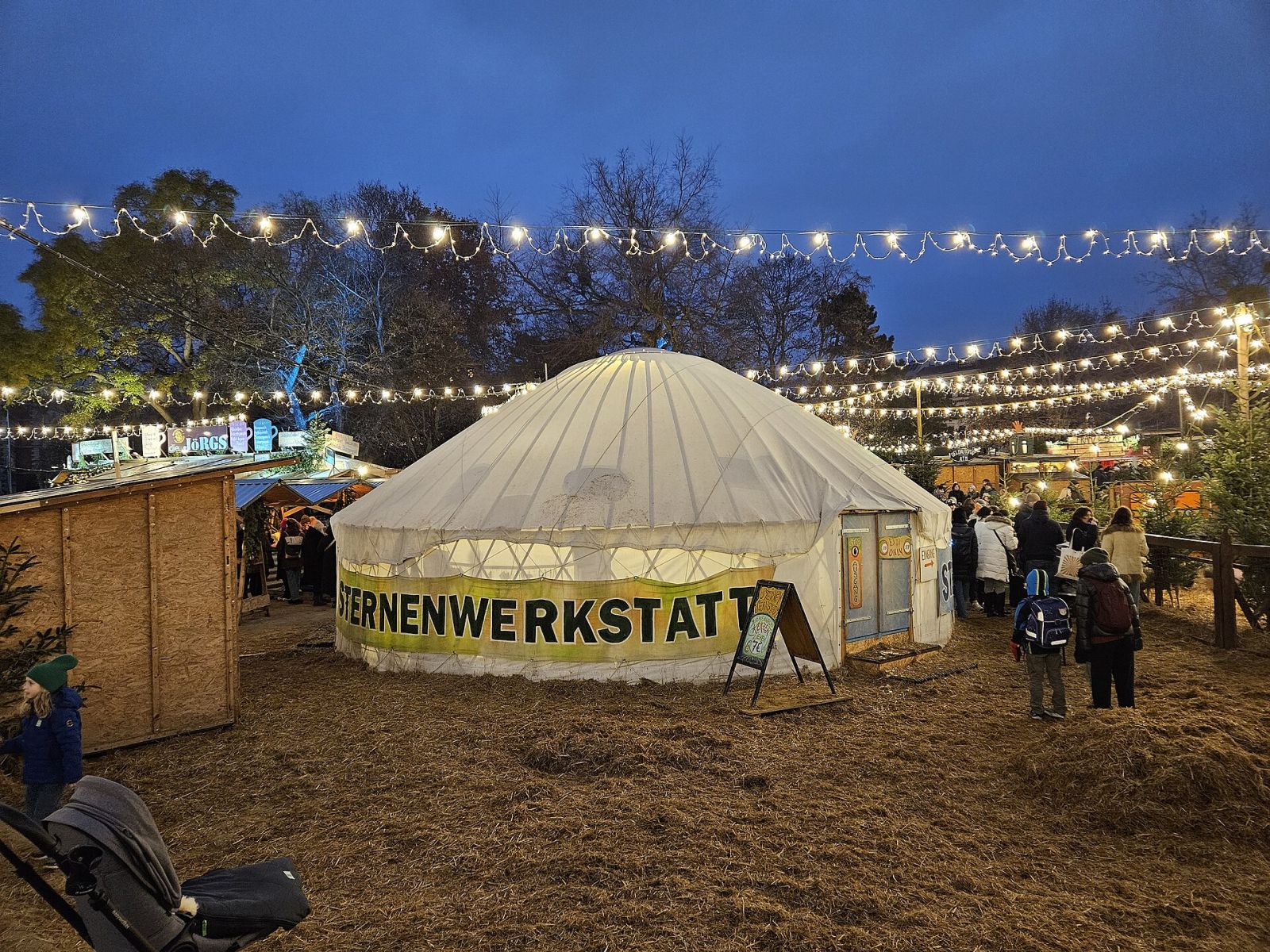
Nuremberg, Christkindlesmarkt
The most famous German market, opened by a young woman in the role of the Christkind from the balcony of the Frauenkirche. There is a cult of two things here: Nuremberg Lebkuchen (gingerbread) and small grilled Nürnberger Bratwurst sausages, eaten three at a time in a roll. The atmosphere is deliberately old-fashioned, with almost no plastic or neon. The flip side of that same coin is the crowds: there are so many visitors that the city simply cannot spread them out across its lanes.
Vienna
The main market by the City Hall (Rathausplatz) is really a large festive park, with a carousel, an ice rink and trees wrapped in lights. Locals come to drink Punsch from shaped mugs you can keep as a souvenir. For something less touristy, head to the quieter markets by Belvedere or Schönbrunn palace. Vienna's drawback is the price: punch and food here are noticeably steeper than anywhere east of Austria.
Strasbourg
This Alsatian city calls itself the "Capital of Christmas" and has held its market since 1570, one of the oldest in Europe. The Christkindelsmärik spreads across several squares around the Gothic cathedral, and the whole centre smells of cinnamon mulled wine and Alsatian bredele biscuits. The French part of Alsace produces a curious hybrid of German tradition and French taste. The main headache here is security: the centre is closed to traffic, there are checks at the entrances, and on peak evenings you move in a dense wall of people.
Prague
The two main spots are the Old Town Square, with the astronomical clock behind you, and Wenceslas Square. Prague wins on the picture: a floodlit church, a big tree, Gothic spires above the stalls. Everywhere, tourists are offered trdelník, a sweet dough tube grilled over coals, though Czechs will happily tell you the dish is not really Czech. The honest drawback: prices right on the square are clearly marked up for visitors, and the same mulled wine costs less a couple of blocks away.
Budapest
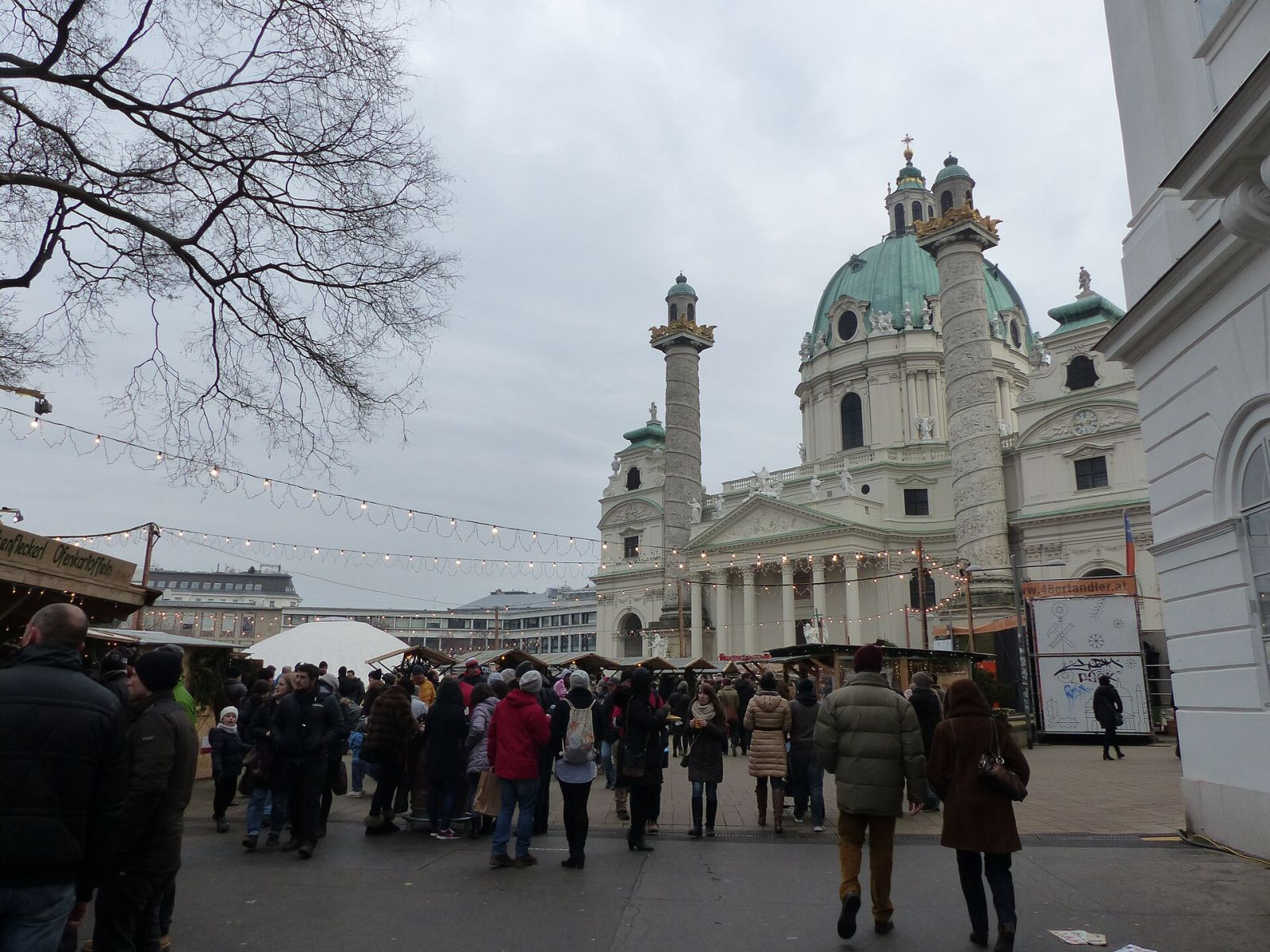
The city's prettiest market unfolds by St Stephen's Basilica, where a festive laser show is projected onto the facade each evening. The second large venue is Vörösmarty Square. The Hungarian speciality is kürtőskalács, a sweet chimney cake turned on a spit and dusted with sugar and nuts, alongside forralt bor, the local mulled wine. Budapest is noticeably cheaper than Vienna, just a couple of hours away. The drawback is mostly the weather: a Hungarian December can be grey and damp, with none of the snowy fairy tale from the ads.
Krakow
The closest of the big markets to Ukraine, which is a serious argument in its favour. It fills the main Market Square around the Cloth Hall. It has its own food scene: smoked sheep's cheese called oscypek, grilled and served with cranberry sauce, plus hot pierogi and grzane wino mulled wine. The mood is warm and less impersonal than the German mega-markets. The catch is that a Polish December can turn frosty and windy, so without warm footwear the first hour on the square becomes an endurance test.
What to eat at the markets?
These markets live on food and drink far more than on souvenirs, and that is where your budget should go. Here is the core list that works almost everywhere:
- Mulled wine (Glühwein, svařák in Czechia, forralt bor in Hungary): hot spiced wine, the defining warming drink of the season. It often comes in a branded mug with a deposit, which you either return with the cup or keep as a keepsake.
- Stollen: a German Christmas cake with dried fruit, marzipan and a thick coat of icing sugar. Dresden Stollen is effectively a certified brand, sold as whole loaves to take home.
- Trdelník and kürtőskalács: sweet dough tubes baked on a spit over coals and rolled in sugar, cinnamon or nuts. Prague and Budapest are their capitals.
- Gingerbread: Nuremberg Lebkuchen and Krakow honey cakes, from soft to glazed, often shaped as hearts with lettering.
- Meat and cheese: German bratwurst in a roll, Polish grilled oscypek, hot pierogi. This is what actually fills you up, not the sweets.
City, opening window and signature draw
| City | Opening window | Signature draw |
|---|---|---|
| Dresden | Late November to 24 December | Oldest market, Stollenfest, Christmas pyramid |
| Nuremberg | Late November to 24 December | Lebkuchen and bratwurst, opened by the Christkind |
| Vienna | Mid November to end of December | City Hall square, punch in souvenir mugs, ice rink |
| Strasbourg | Late November to end of December | "Capital of Christmas", cathedral, Alsatian bredele |
| Prague | Late November to early January | Old Town Square, trdelník, Gothic backdrop |
| Budapest | Mid November to early January | Basilica laser show, kürtőskalács, cheaper |
| Krakow | Late November to end of December | Market Square, oscypek, closest to Ukraine |
How can Ukrainians get there?
The good news is that all seven cities sit inside the Schengen area, so with a biometric passport no visa is needed and the 90-days-in-180 rule applies. The most logical starting point is Krakow: daily direct buses and trains run there from Lviv, and the journey takes barely half a day. From there the logic is geographic. Prague, Vienna and Budapest string together neatly into one rail route, with only a few hours between them. Dresden and Nuremberg are reachable from the same Prague hub, while Strasbourg lies further west and is usually reached by air or through Germany. Keep two things in mind in advance: at the border you may be asked for travel insurance and proof of your trip's purpose, and the launch of the EU's biometric system (EES) and the ETIAS authorisation is now close, so check the current entry rules before booking rather than relying on this article.
If you have to pick one city for a first trip, go by your own reason rather than by whichever tops a ranking. For authenticity and food, choose Nuremberg or Dresden; for the prettiest scene, Prague; for a smaller budget and a longer season, Budapest or Krakow. The Christmas markets in Europe are not about ticking a box, but about a few evenings with a warm cup in hand, and any of these will deliver on that.