

A little smaller than the U.S. state of Indiana, with a slowly shrinking population of just under 10 million (1.7 million of whom live in the capital, Budapest), Hungary is a land steeped in its own history.
Horses are still revered here, Franz Liszt enjoys enormous fame, and goulash is a soup, not a stew. Someone might beat you through a revolving door, but you'll always be met with warm hospitality as you travel, so long as you don't clink your beer glasses together:
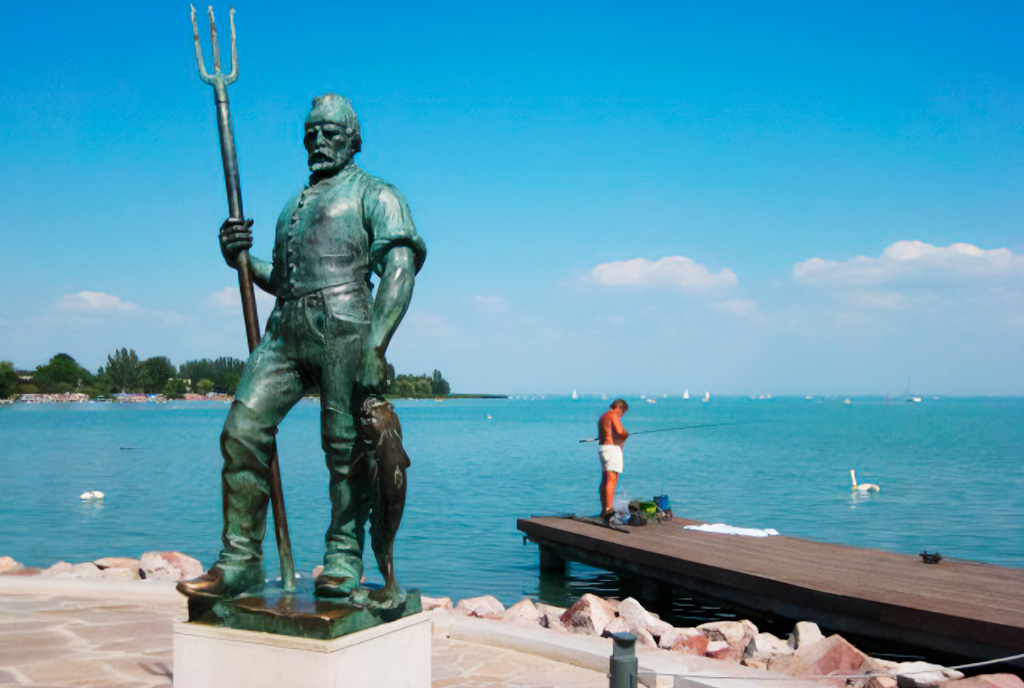
It's home to the largest lake in Central Europe
Nearly 80 kilometers long and covering almost 600 square kilometers, Lake Balaton is so vast that it's known as the "Magyar tenger," or the Hungarian Sea.
Partner links: booking through them supports the blog at no extra cost to you.
The lake is a favorite getaway for Hungarians, and the southern shore, especially the town of Siofok, is something of a party hotspot.
The annual Balaton Sound summer music festival takes place in the neighboring town of Zamardi.
Families with children tend to prefer the relatively quiet northern shore.
Bring your swimsuit
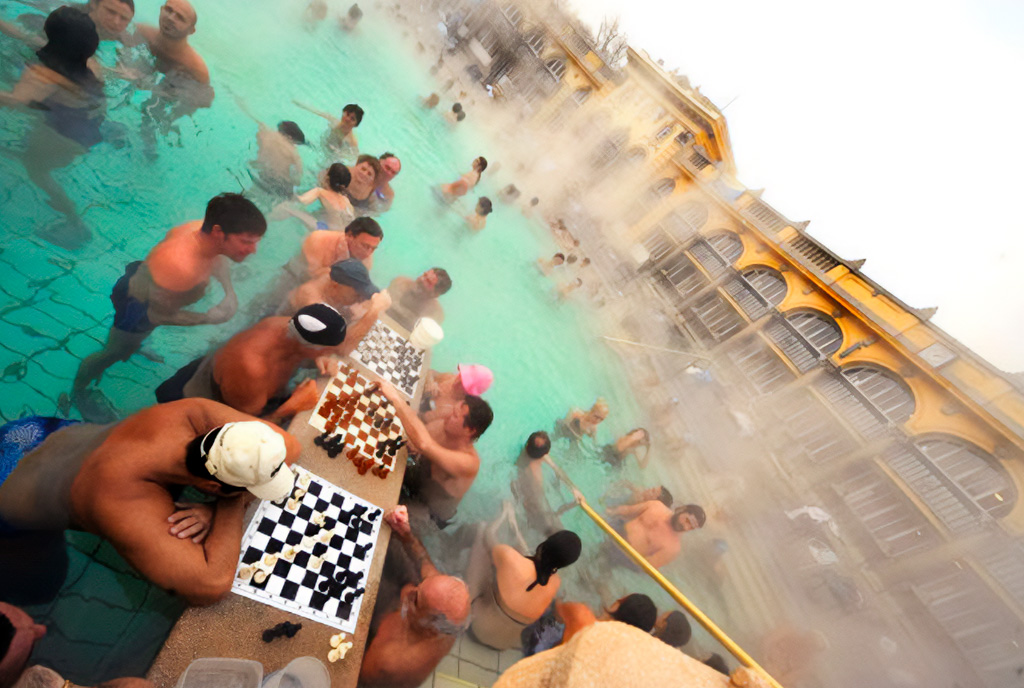
Hungary has hot water to spare. The country has more than 1,000 natural springs (and the world's largest thermal lake at Heviz, not far from Lake Balaton), 118 of them in Budapest.
On the Pest side, the Szechenyi Baths lay claim to being the largest thermal bath complex in Europe.
Another lovely spot for a soak in Budapest is the art nouveau Gellert Baths and Hotel, at the foot of Gellert Hill.
Hungarians are clever; just ask the Nobel committee
The country has one of the highest rates of Nobel laureates per capita: 13 winners, starting with the first in 1905 (in physics) and ending with the most recent in 2004 (in chemistry).
Hungarians have also invented a remarkable number of things, from the biro ballpoint pen (named after its inventor, Laszlo Biro) to computer science (John von Neumann) and the Rubik's Cube.
As Zoltan Csefalvay, minister of economic strategy, put it recently: "I'm very proud to say that everything was invented by a Hungarian."
He was joking. Mostly.
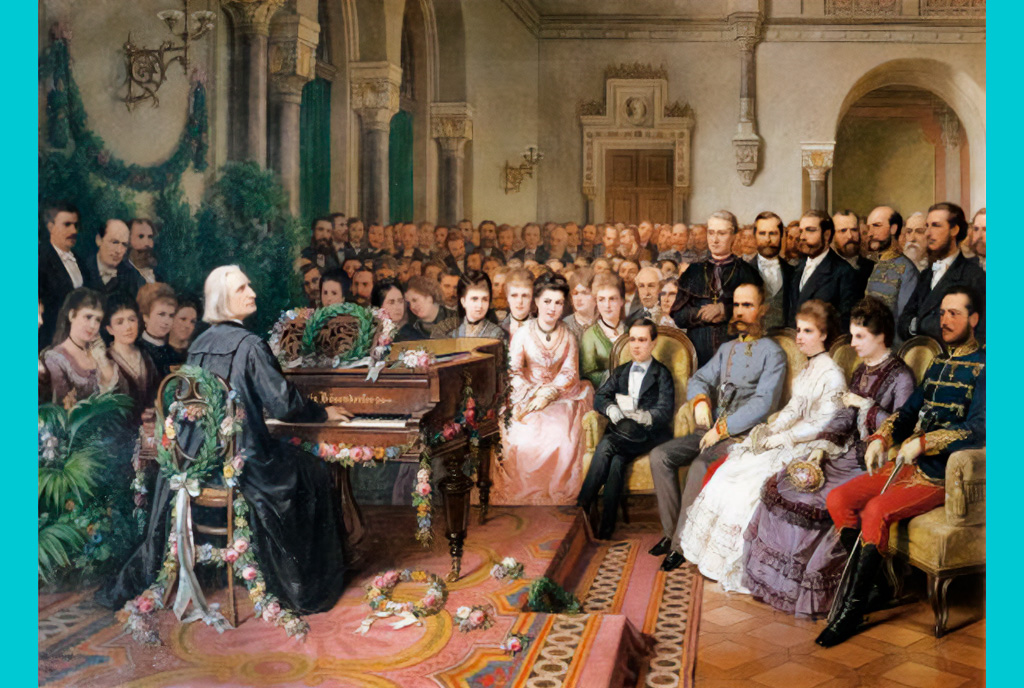
Franz Liszt is still a towering figure
The composer looms so large here that, although he was born in what is now Austria, spoke German and French but not Hungarian, and died in Germany, the country renamed Budapest's international airport in his honor for the 200th anniversary of his birth in 2011.
The reason? The village where he was born was Hungarian at the time, and he considered himself Hungarian.
Ferenc Liszt (in the Hungarian naming tradition, the surname always comes first) also has a square named after him in Pest. Ringed with trendy cafes and restaurants, it's hugely popular in summer.
The "little gate" is a way of life
Forty years of communism turned Hungarians into experts at finding what they call the "little gate," an alternative route, a workaround.
They're said to be the only people who can step into a revolving door behind you and come out ahead.
They also have an opinion on everything, so much so that the saying goes: put three Hungarians in a room and they'll form four political parties.
Goulash isn't what you picture
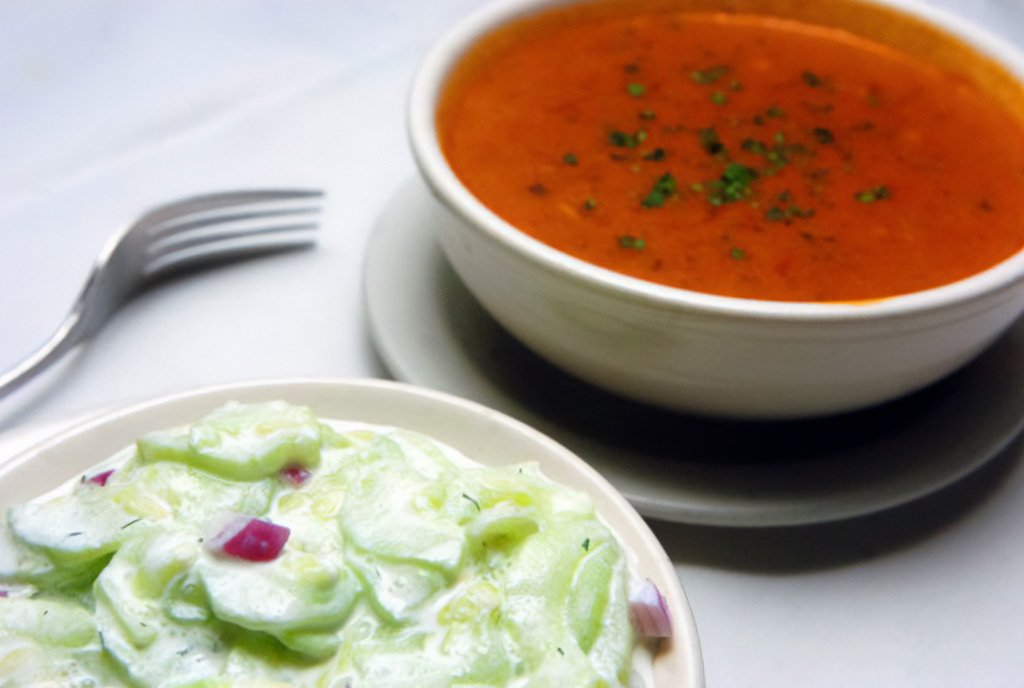
The signature national dish is gulyas, which you probably know as goulash.
What's served in Western restaurants, though, is usually a stew, whereas what you get in Hungary is a soup.
Everyone insists they have the best recipe, and an annual goulash festival is held every September in Szolnok (120 kilometers southeast of the capital, in central Hungary).

The version at one of Budapest's most famous restaurants, Gundel, will set you back 3,800 forints (17 dollars).
Around the corner, you can get an excellent bowl for 1,900 forints at Bagolyvar, which is owned by Gundel but specializes in home-style cooking.
Hungarians are hooked on the red powder
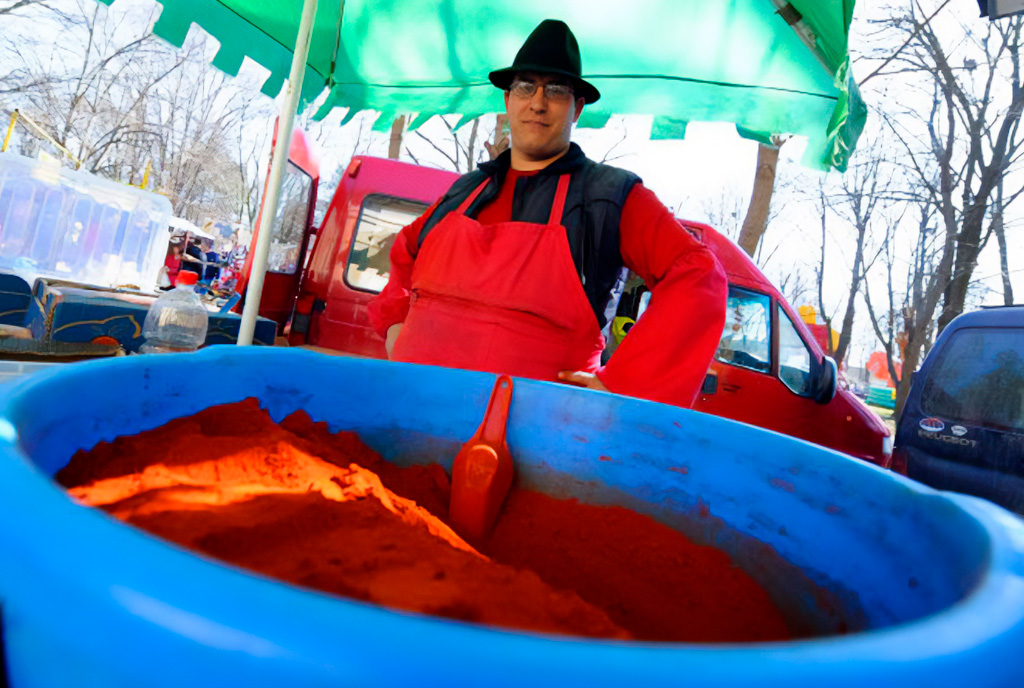
There's one ingredient in Hungarian cooking that shows up in every kitchen, from grandma's to that of the country's first Michelin-starred restaurant, Costes: paprika.
The ground pepper is used to season practically every dish, especially goulash.
It's so important that it was national news when the spice and sauce maker Univer announced its paprika-based seasonings would keep being made from 100% Hungarian ingredients, despite a poor harvest.
Clinking beer glasses is frowned upon
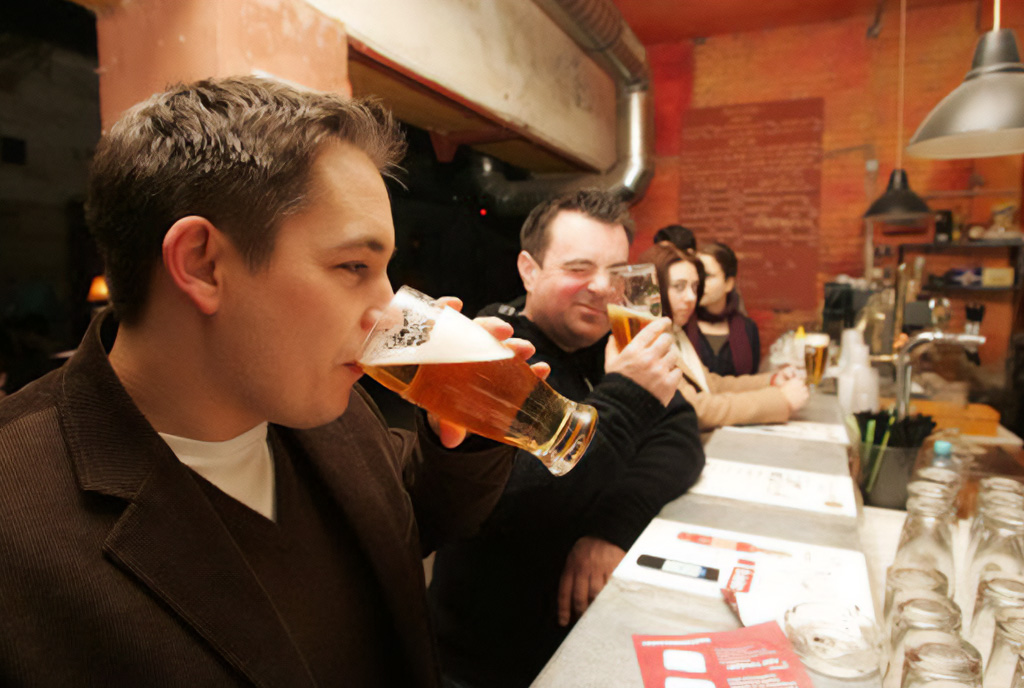
Strolling down Budapest's answer to London's Soho, the pedestrian Raday Street, lined with bars, restaurants, and galleries in the heart of Pest, you'll hear little clinking of beer glasses.
When the Hungarians lost the Revolution and War of Independence of 1848-49, the Austrians executed 13 of Hungary's top generals and reportedly celebrated by drinking beer and clinking their steins.
Hungarians vowed not to clink beer glasses for the next 150 years. Although that period ended in 1999, the "ban" is still widely observed, especially among older people.
Clinking glasses of wine and spirits is perfectly acceptable.
Tokaji is the wine of kings
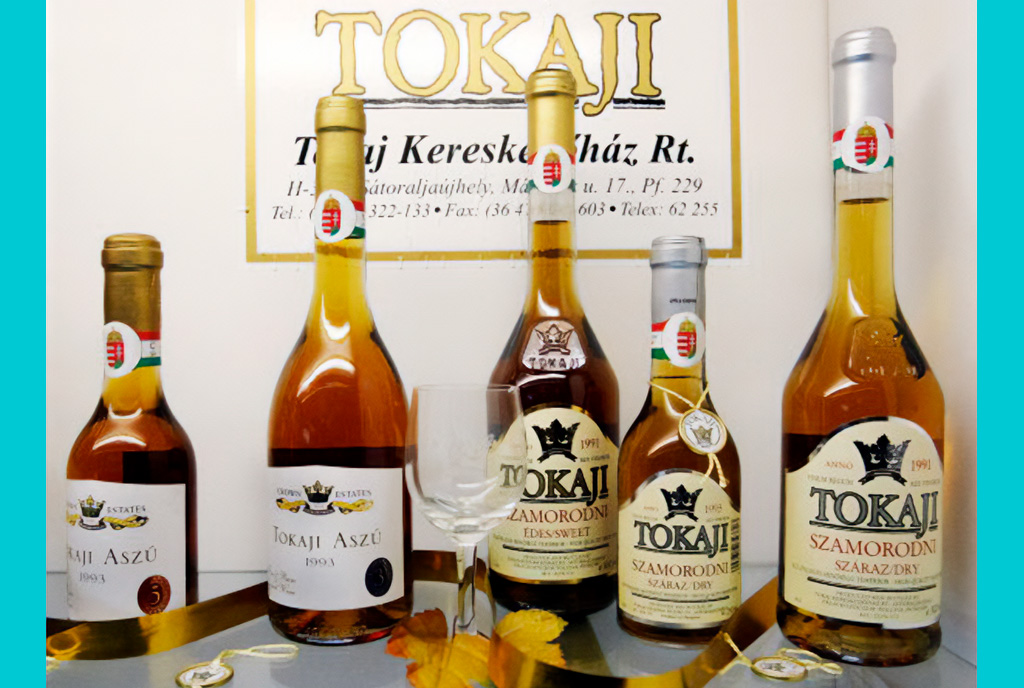
Tokaji is so fine that Louis XIV of France called it the "Wine of Kings, King of Wines."
If you'd like to take a bottle of this sweet dessert wine home, you'll find it in most wine shops. Bortarsasag (the Wine Society) has stores across Budapest and the country.
Tokaji is graded by sweetness, indicated by the number of "puttonyos."
A good example of the topaz-colored wine is Tokaji Aszu; look for four puttonyos or more (the scale goes up to six).
The finest Tokaji (also the rarest and most expensive) is the Eszencia style.
Hungarians are crazy about sport
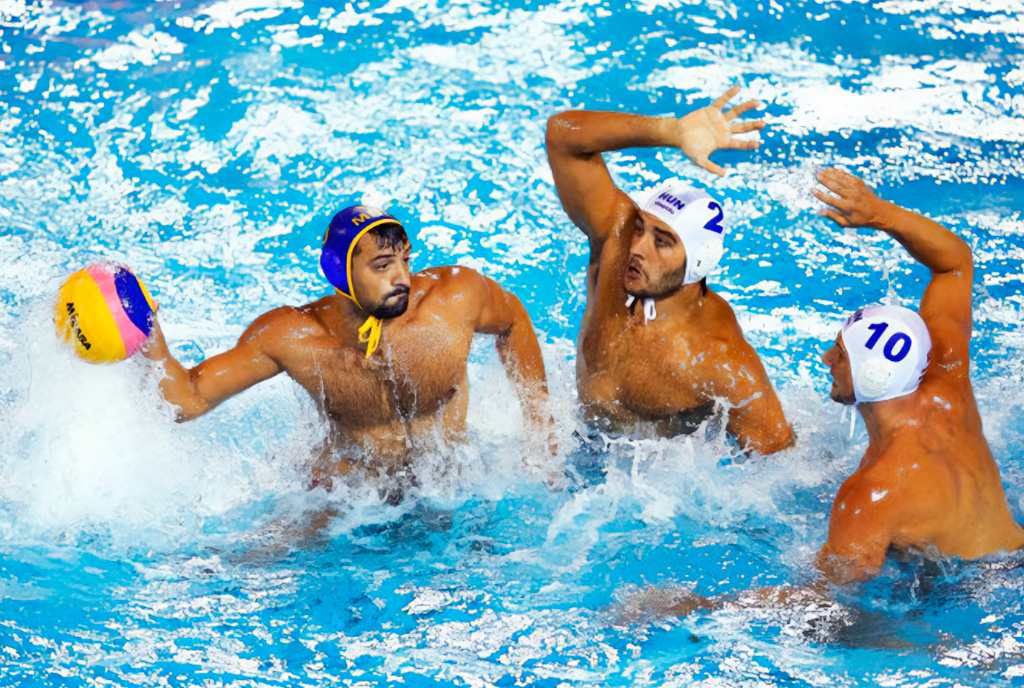
Hungarians love sport and take immense pride in the fact that, per capita, the country has one of the highest Olympic medal tallies (482 across the winter and summer games combined).
They continue to excel at fencing, swimming, gymnastics, and kayaking, but the men's water polo team is exceptional. You'll find Hungarians gathered around televisions everywhere whenever they play.
Equestrian traditions are still alive
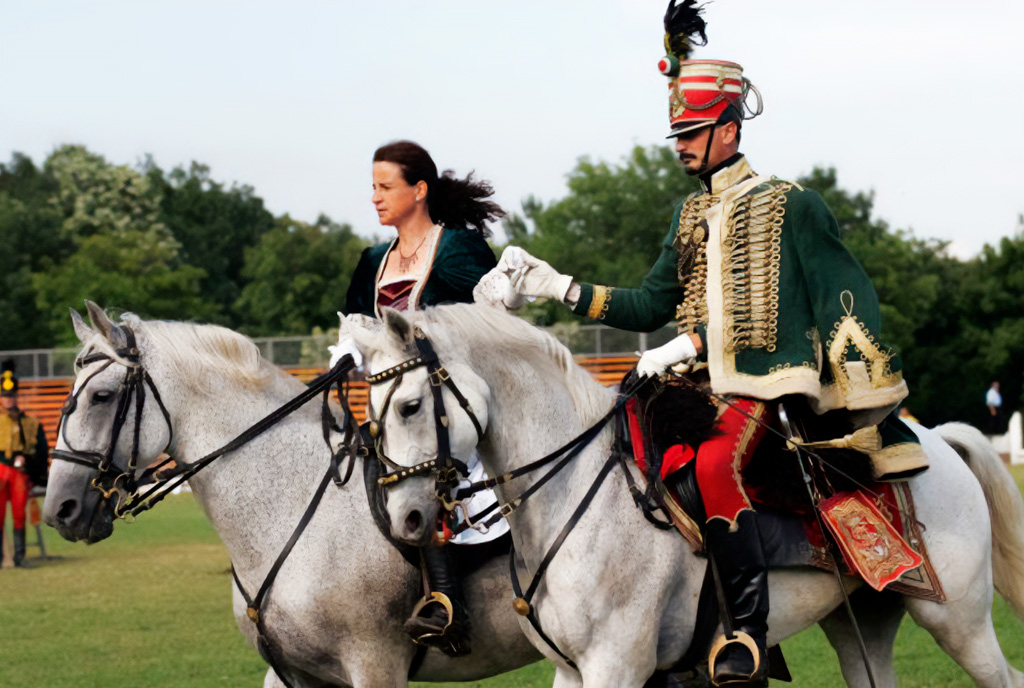
Hungarians rode into the Carpathian Basin, the Central European territory they conquered, on horseback, and they've been in love with all things equine ever since.
Their famous light cavalry gave the English language the word "hussar" (from the Hungarian "Huszar").
The current world champions in carriage driving are the Lazar brothers, who regularly stage equestrian shows at the Lazar Equestrian Park in Domonyvolgy, about 35 kilometers from Budapest.
There are plenty of other places around the country where you can take riding lessons or simply go for a ride.
A good choice is the Hilltop Riding Farm in the town of Godollo, near Budapest.