


Mix together murder, terror, rebellion and romance, add a dazzling set of historic jewels, and season it all with an ancient legend that warns of looming disaster. What do you get?
In Britain's capital, that is the recipe for one of the city's most popular tourist destinations: the Tower of London.
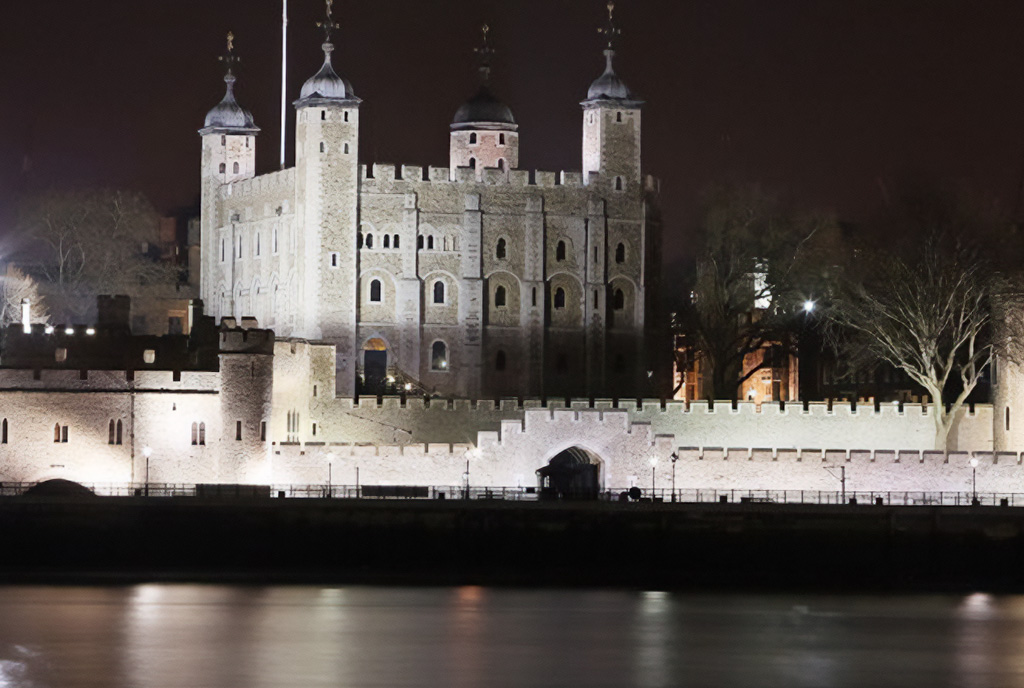
This towering fortress, built of white stone on the banks of the ancient River Thames, is a London landmark that has stood for more than 900 years.
Partner links: booking through them supports the blog at no extra cost to you.
Every year, over three million people flock to the Tower to uncover the secrets, myths and legends hidden behind its striking walls.
And if they are lucky, they will meet the one person who knows more about them than most: the Ravenmaster.
An essential part of the skyline
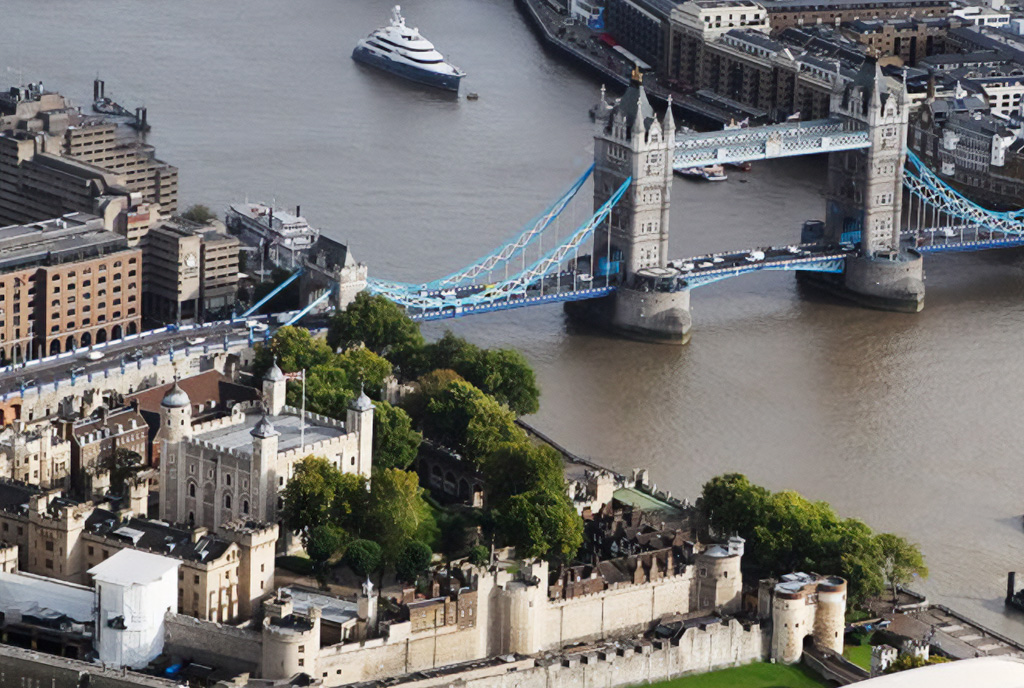
Approaching the Tower from the riverside, the fortress makes a stunning impression. It is ringed by a dry moat and a sturdy stone wall. The view has barely changed from the panorama once taken in by England's medieval queens and kings.
The Tower of London was the brainchild of William the Conqueror, the first Norman king of England, who claimed the throne after his victory at the Battle of Hastings in 1066.
Over the years it grew, helping to shape modern Britain. Visiting it in 2018, you will be struck by its scale: the Tower covers 12 acres of the city, almost a village in its own right.
Inside, the medieval buildings contrast with the London skyscrapers visible beyond the stone walls.
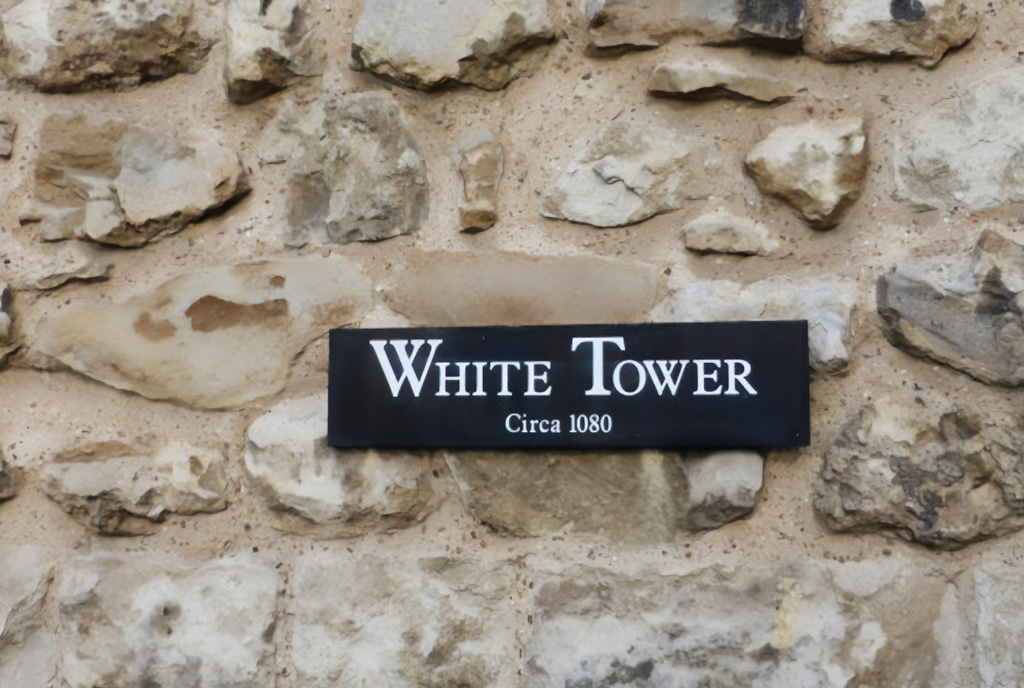
It is a maze of cobbled lanes and imposing stone structures, from the White Tower, dating back to the fortress's founding, to the Waterloo Block, home to the Crown Jewels.
Seeing the Queen's collection is a must. Visitors can marvel at the glittering gemstones, crowns and orbs kept under armed guard inside the vault.
The jewels have been an essential part of the British monarchy since the days of William the Conqueror, but much of the medieval finery was melted down when the monarchy was abolished between 1649 and 1660.
When the monarchy was restored in the 1660s, new jewels were created. Most of the regalia worn by Queen Elizabeth II dates from this period.
The only exceptions? Three swords from the 17th century and a single coronation spoon from the 11th. The spoon was sold off during the interregnum, but its buyer personally returned it to Charles II in order to win favour with the newly anointed king.
All these lavish trinkets are on show to the Tower's guests. Passing through the halls, visitors ride along moving walkways that let them admire the jewels without jostling other guests for a better view.
For many visitors the jewels are the Tower's main attraction, but there is plenty more to see.
A tower of terror
The Tower of London is best visited over a full day. Tickets are fairly pricey, so it pays to see as much as you can.
Arriving early lets you avoid the long queues that build up later on. Unsurprisingly, weekdays are quieter than weekends and public holidays. And while winter is not the best time to visit anywhere in London, the Tower is always a little quieter in the off season, with most of its attractions indoors.
Whatever the time of year, there are always fascinating facts to discover.
As it turns out, the country's money was minted at the Tower until 1810, and Britain's pioneering Ordnance Survey mapping system was conceived here in the 1700s.
For more than 600 years the Tower also housed a menagerie, home to exotic animals including alligators, Britain's first polar bear, and an elephant given by Louis IX of France in 1255.
Many tourists visit the Tower to learn more about its grim reputation as a prison.
The notorious Tudor king Henry VIII remodelled parts of the White Tower to mark the coronation of his new bride, Anne Boleyn, in 1533. Yet just three years later, Anne was executed at the Tower, accused of adultery and high treason.
The White Tower is a highlight thanks to its historic exterior and what lies within: the "Line of Kings", one of the Tower's earliest museum displays, which showcases royal armour through the centuries and offers an intriguing glimpse into the tourist habits of the 17th century.
One of the Tower's greatest mysteries is the vanished princes. These young boys disappeared at the Tower while in the care of Richard, Duke of Gloucester. It is widely believed that Richard had them killed on his bloody path to the crown, but their bodies were never found.
William Shakespeare immortalised Richard's rise to power in his play "Richard III".
Guests can learn about this dark history in the Lower Wakefield Tower, where displays reveal the excruciating methods of torture once used at the Tower, along with replicas of the horrifying instruments used to inflict pain.
In all, there were 22 executions at the Tower of London, fewer than you might expect given its reputation. The last person executed was the German spy Josef Jakobs, who parachuted into England during the Second World War and was killed in 1941.
In the 1950s, the notorious gangsters the Kray twins were held at the Tower for one night, after failing to report for compulsory military service. They were the last prisoners ever kept at the Tower.
Meet the Ravenmaster
Today, the Tower's residents are no longer disgraced prisoners. It is considered a great honour to call this famous building home.
Around 150 people live within the Tower's walls, including 37 serving Yeoman Warders, affectionately known as "Beefeaters".
To become a Yeoman Warder, you need at least 22 years of service in the British armed forces at the rank of warrant officer or senior non-commissioned officer. Candidates must also hold a British military medal for long service and good conduct.
One of the Tower's best-known Yeoman Warders is Chris Skaife, who looks after the Tower's true VIPs: the ravens.
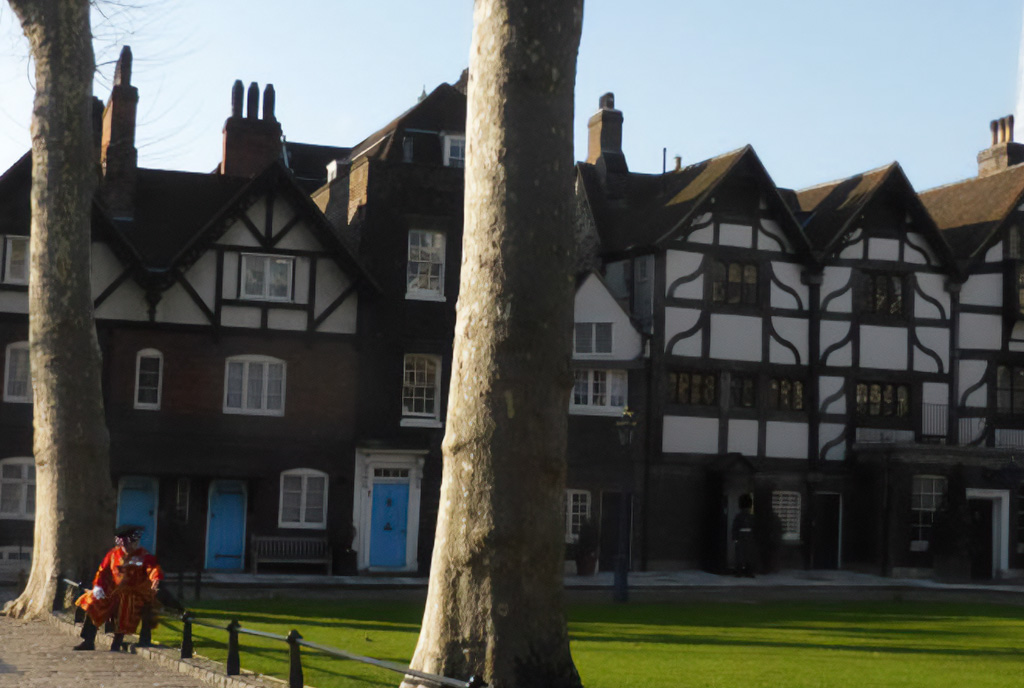
Skaife's unique job is essential to the Tower, thanks to an ominous legend that ties the ravens to the Tower of London.
"There are many myths and legends associated with the Tower, and one such legend reminds us that if the ravens ever leave the Tower of London, it will crumble and great misfortune will befall the Kingdom," Skaife explains.
Historians disagree about where the legend came from. When Charles II took the throne in 1630, he decreed that there must always be six ravens at the Tower to keep Britain safe. The official title of Ravenmaster was introduced in the 1960s.
The Tower's VIPs
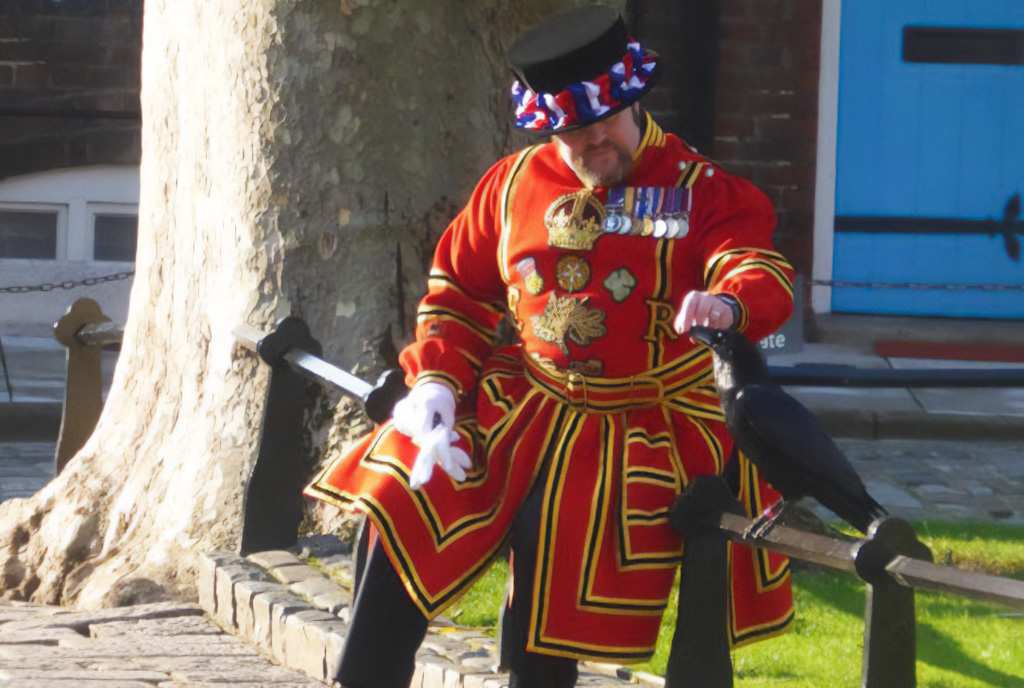
At present, seven ravens live at the Tower.
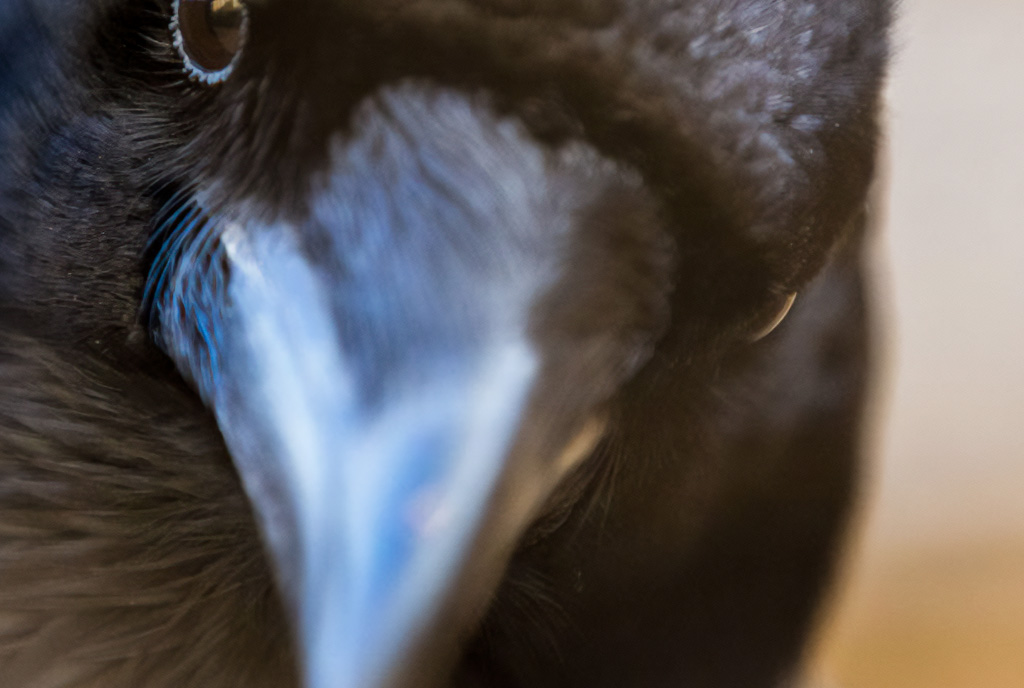
These striking birds are in the good care of Skaife and his team. They are fed fresh meat from the nearby Smithfield Market and receive first-class veterinary care. To keep them from flying away, the Ravenmaster regularly trims their flight feathers.
"I feed them, I look after them, I let them out during the day and make sure they're healthy and ready for the public to come and see them throughout the day and take their photos," Skaife says. "And at night, of course, I need to put them to bed, so I herd them back to bed at night, back into their enclosure."
Over six years as Ravenmaster, Skaife has built a bond with the birds.
"I really do have a great connection with one of our other ravens named Merlin, or affectionately called Merlina, and we're very good friends," he says.
A social media star
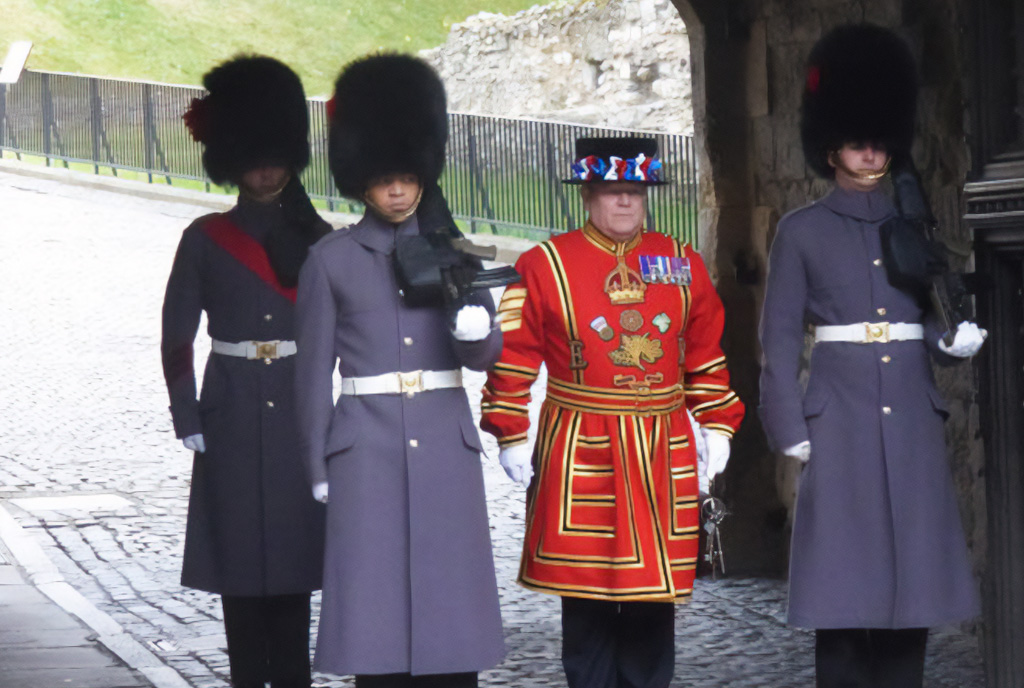
Skaife has taken the Tower's ravens to international fame through popular accounts on Twitter, Instagram and Facebook, whose followers include the actor Hugh Grant and the writer Margaret Atwood.
On Instagram he posts videos of his ravens and photos of the birds, which always seem ready for their close-up.
Skaife's account lets him connect with fellow raven lovers around the world:
"I can be having a conversation with someone in New Zealand, someone in North America and someone in Russia all at the same time, talking about the very same thing," he says.
Skaife says that living in the Tower of London is "an honour and a privilege".
"It's one of the greatest achievements of my life, especially being able to be the Ravenmaster here," he adds.
Tower of London, St Katharine's & Wapping, London, EC3N 4AB