

If you are deciding what to see in London on a first visit, the non-negotiable minimum fits into a single riverside walk along the Thames: Westminster with Big Ben, the Tower of London with its bridge, Buckingham Palace with the Changing of the Guard, and the London Eye. And London's real edge isn't even those icons. It's that the city's best museums, the British Museum and the National Gallery included, are free, so they cost you nothing but time.
London is big and won't be covered on foot in a day. This isn't Prague. But the key sights are conveniently strung along two or three Tube lines and the embankment, so three or four days are enough to take in everything essential without turning it into a marathon. Below is the practical part: what's a must, roughly what it costs, how to get around, when to come, and the honest downsides that guidebooks tend to skip.
Westminster and Big Ben: the classic postcard
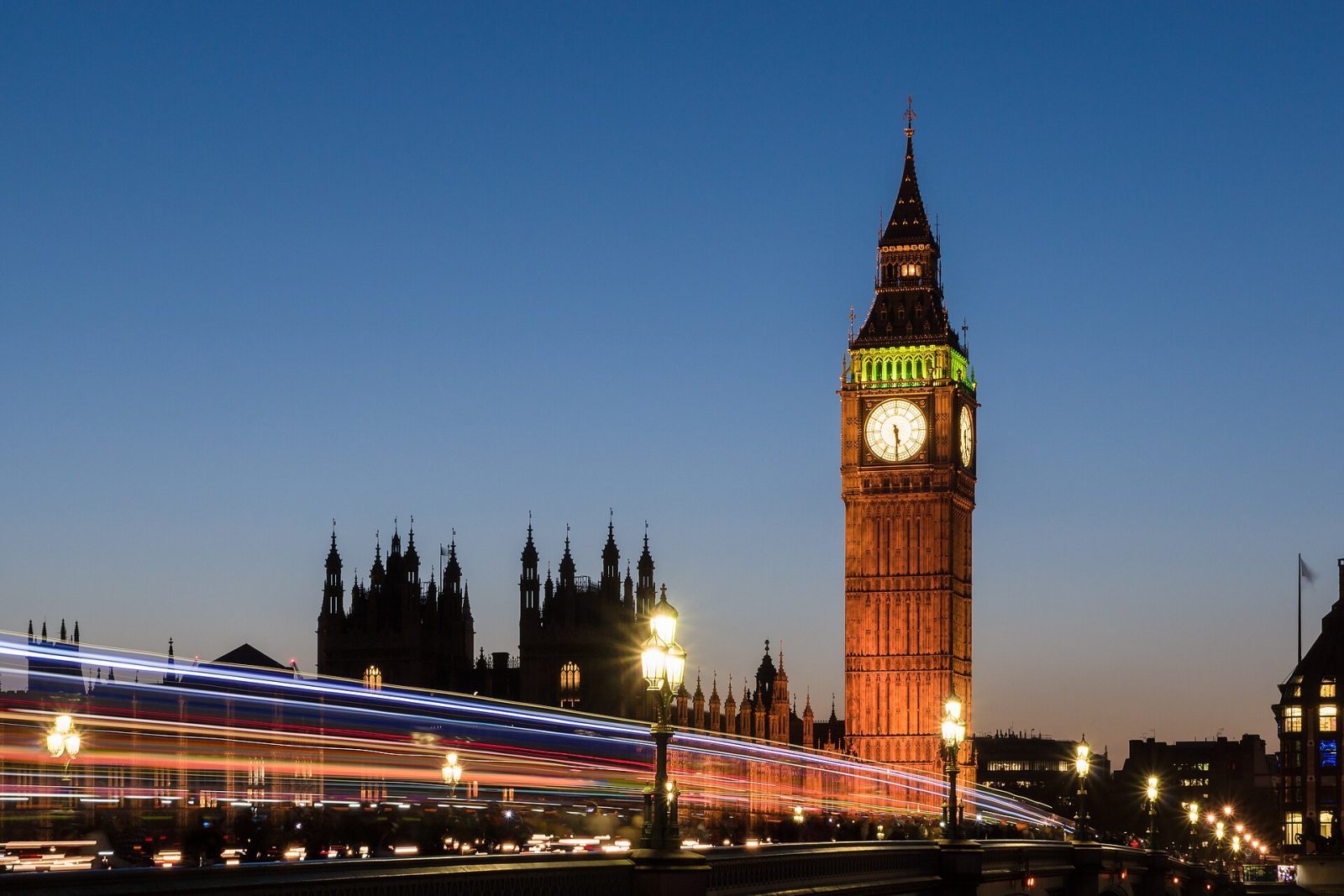
Start at Westminster, the exact picture you have seen a hundred times. Big Ben is actually the name of the great bell inside, not the tower; the tower itself is officially the Elizabeth Tower. After several years of restoration the clock runs and chimes again, and the regilded dial looks even better than in the old photos. Next to it stands the Palace of Westminster, home of the British Parliament, and across the road Westminster Abbey, where monarchs are crowned and where kings, poets and scientists from Newton to Darwin are buried.
Going inside the Abbey needs a ticket, and it isn't cheap, roughly twenty-something pounds, so budget for it ahead. But admiring Big Ben, taking your photo on Westminster Bridge and walking past Parliament are free. The best angle on the tower, by the way, isn't from directly beneath it but from the opposite bank of the Thames, from the South Bank, where both the clock and the bridge fit into one frame.
Tower of London and Tower Bridge: a thousand years in one spot
The Tower of London isn't just a fortress. It's a fortress that over nearly a thousand years has been everything: a royal residence, a mint, a menagerie, a prison and a place of execution. Today the big draw is the Crown Jewels, real ones, under glass, complete with the enormous Cullinan diamond. Tours are led by the Yeoman Warders, the Beefeaters in their distinctive uniform, and they do it with such dry British humour that even the driest history comes alive. Another local legend is the ravens: by tradition, if the black birds ever leave the Tower, the crown and the kingdom will fall, so the birds are kept officially on the payroll.
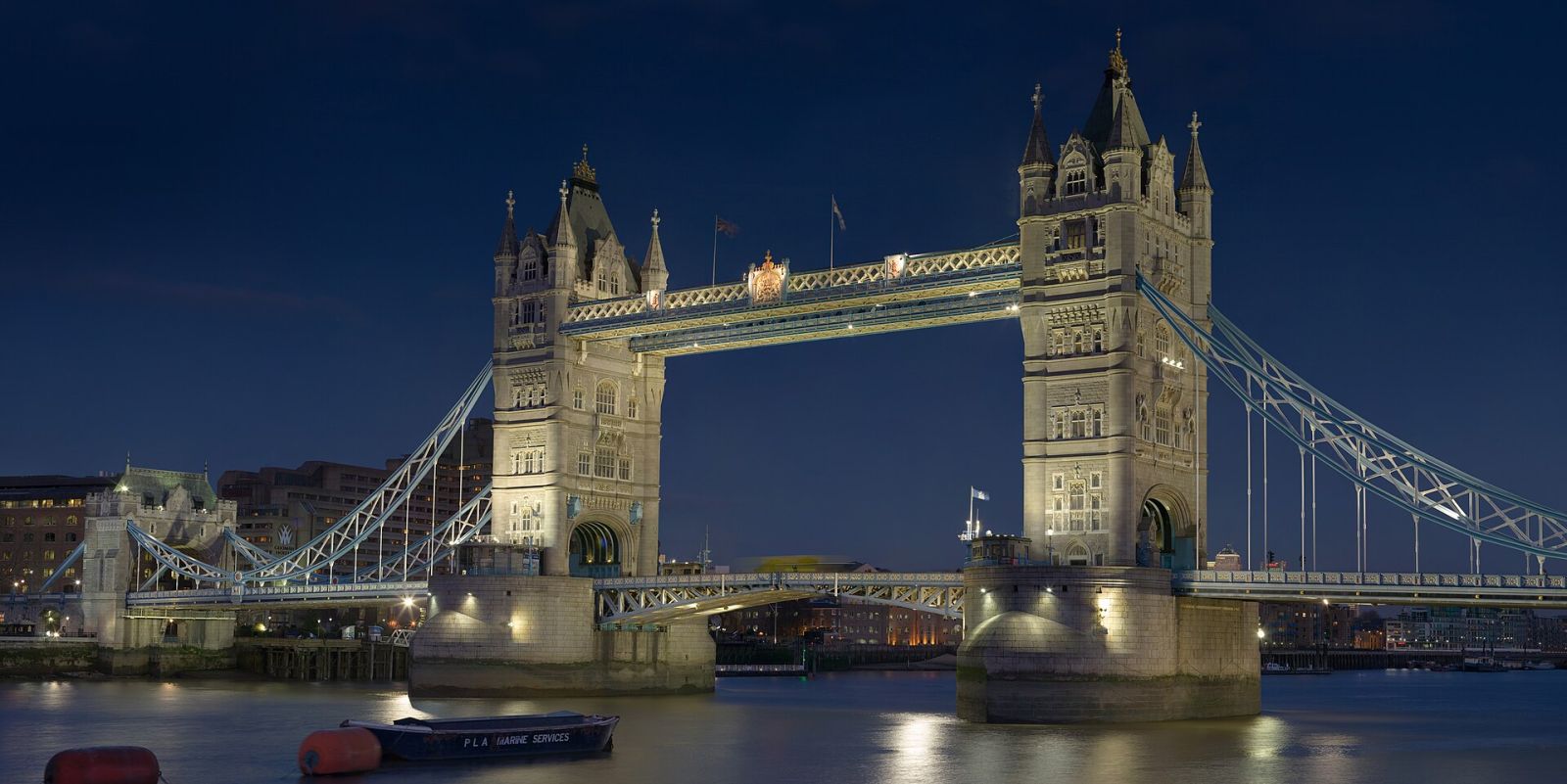
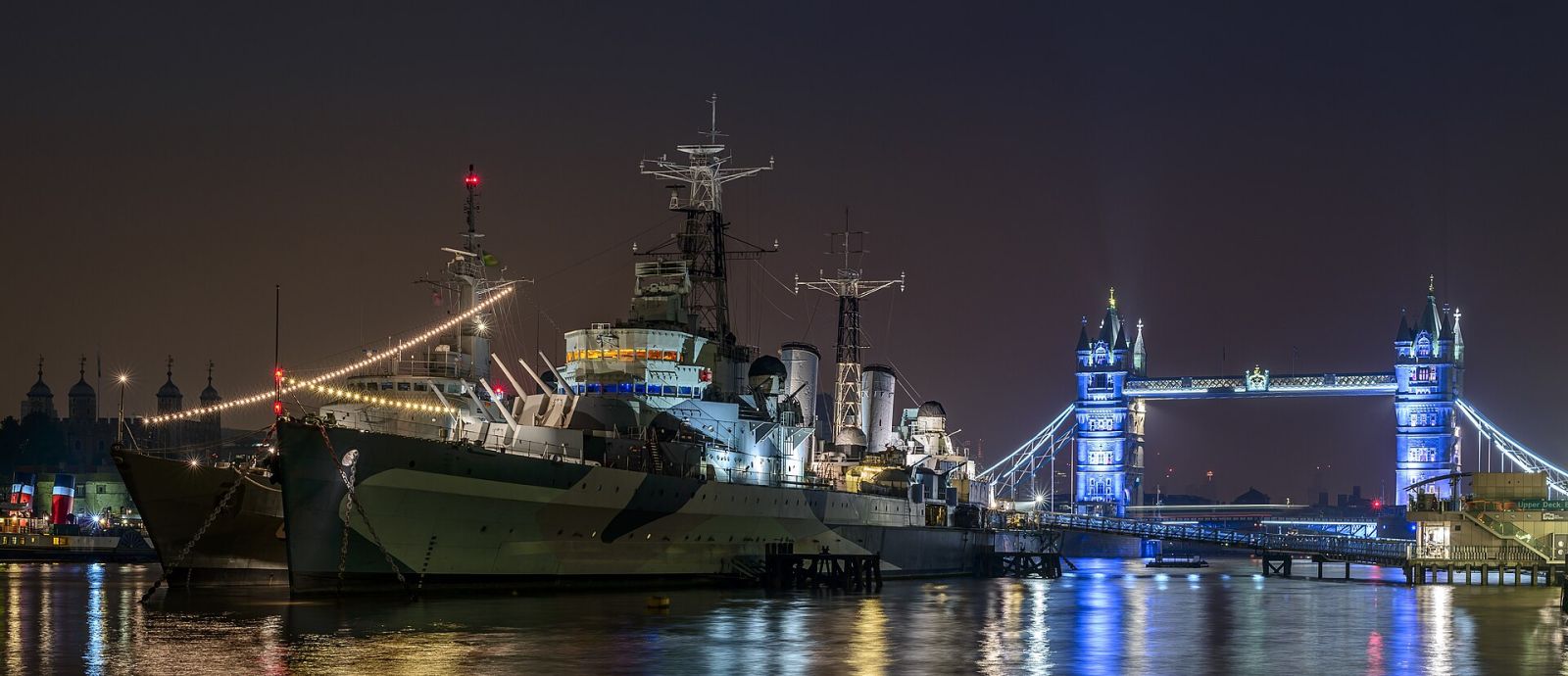
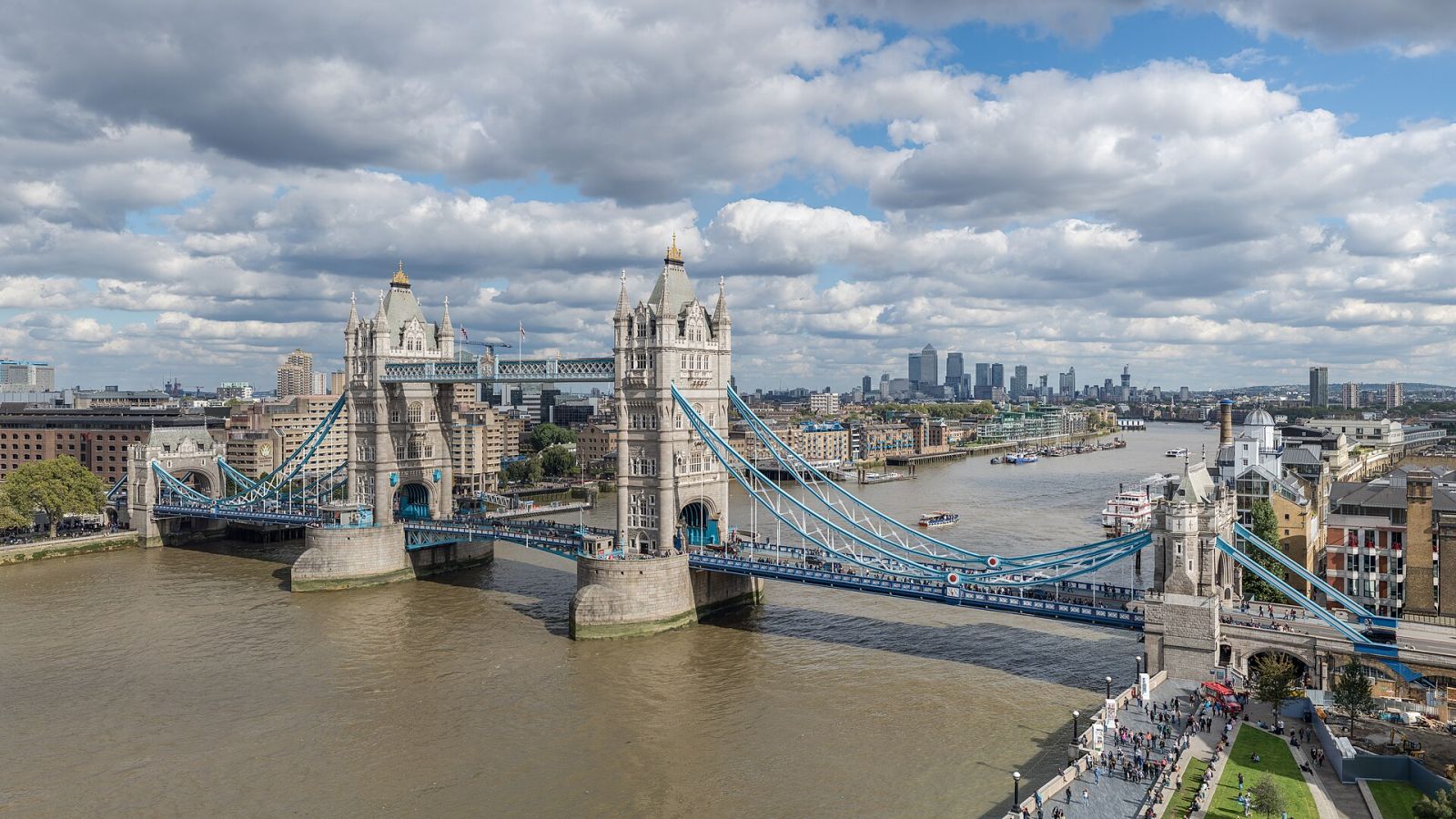
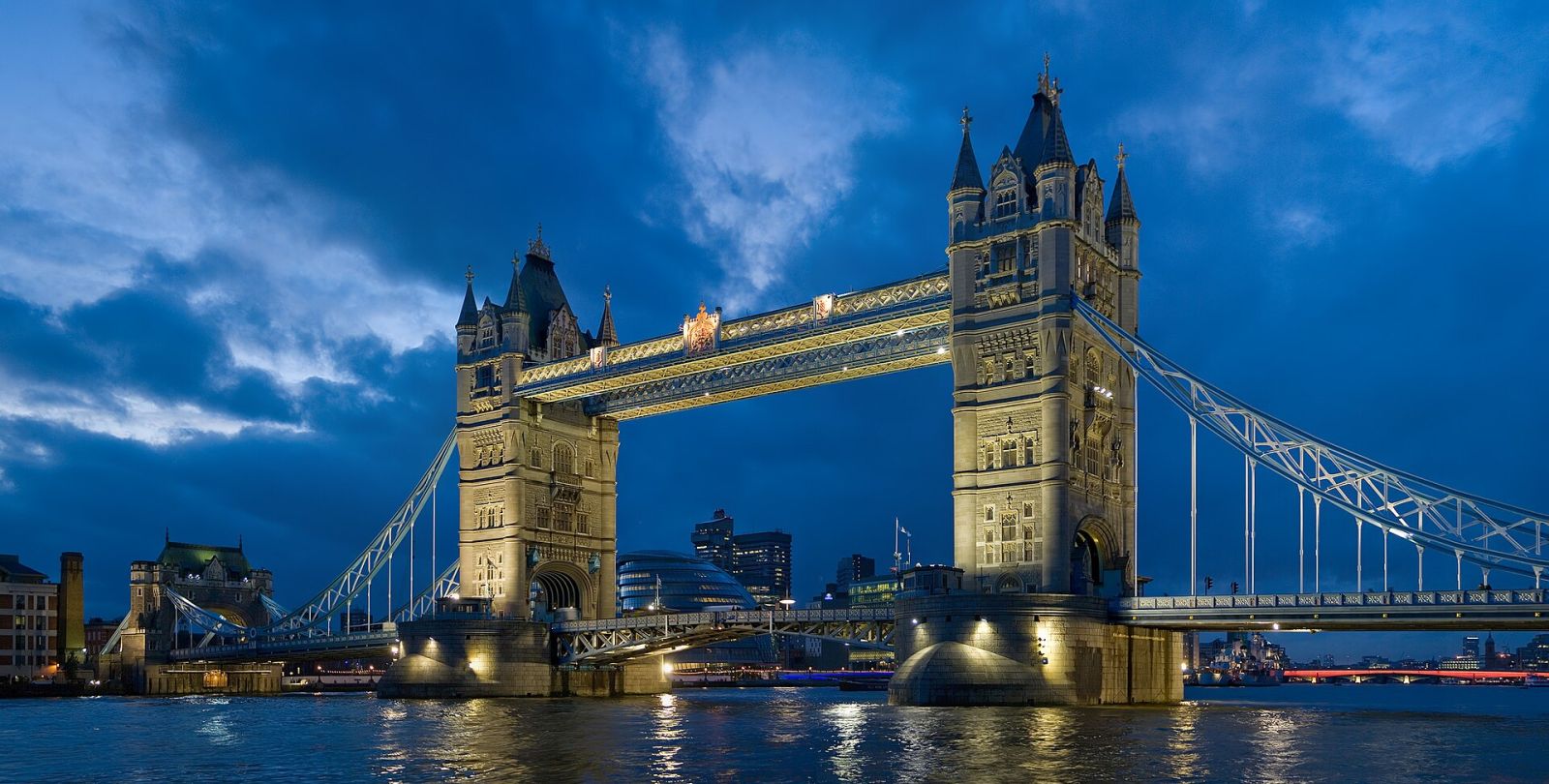
Entry is paid and also not cheap, roughly thirty-plus pounds, and you should check the current price before your trip on the official site. Right beside it, Tower Bridge crosses the Thames, the one with two towers and a lifting span that people constantly confuse with London Bridge. Looking at it from outside is free, but climbing the glass walkway between the towers costs a ticket. The bridge-lift schedule is published in advance, so if you want to catch it raising for a passing ship, check the timetable.
Buckingham Palace and the Changing of the Guard: when to catch the guards
Buckingham Palace is the monarch's official London residence, and the main spectacle here isn't the walls themselves but the Changing of the Guard. Guardsmen in red tunics and tall bearskin caps hand over duty to a military band, and it pulls a sizeable crowd. The catch is that the ceremony doesn't happen every day and follows a shifting schedule that depends on the season and the weather, so before you go, check the timetable on the official Household Division site, or you'll arrive on a blank day.
A few practical tips. Come at least an hour early if you want a spot near the railings, they fill fast. A decent alternative to the crush at the gates is to watch the guards on the move a little to the side, as the column and band march in from the barracks. The palace's own State Rooms open only for a few weeks in summer, when the monarch is away, and that's a separate paid ticket. Right next door lies St James's Park, one of the loveliest in the city, with pelicans and a view of the palace, and it's worth a stroll regardless.
The London Eye and the views: paid and free
The London Eye stands on the south bank of the Thames opposite Westminster and lifts you to a height from which, on a clear day, you can see half the city. One rotation takes about half an hour, and the capsules are enclosed and roomy. The downside is obvious: the ticket isn't cheap, roughly thirty pounds and up, and without an online booking the queue can eat a big chunk of your day. So either grab a timed ticket in advance, or honestly decide whether this particular view is worth that money to you.
If you'd rather save the cash, London is full of free viewpoints. The Sky Garden gallery atop the skyscraper Londoners nicknamed the Walkie-Talkie lets you up for free, though you have to book a slot ahead. There's also the panorama from Primrose Hill in the north, the bridges over the Thames, and even the top deck of an ordinary red double-decker bus, which is essentially a free sightseeing tour for the price of a single fare.
Which London museums are free?
This is what you love the city for separately. London's biggest national museums and galleries have free admission to their permanent collections; you only pay for temporary exhibitions. In other words, you can walk into world-class collections without spending a penny, and this isn't one or two places but a whole list.
- The British Museum. The Rosetta Stone, the Parthenon sculptures, Egyptian mummies, a collection from every corner of the world. Free to enter, but busy, so arrive first thing at opening.
- The National Gallery. On Trafalgar Square, from Van Eyck and Leonardo to Turner and Van Gogh, the Sunflowers included. Also free.
- Natural History Museum and Science Museum. Neighbours in South Kensington, a whale skeleton under the ceiling, dinosaurs, hands-on exhibits. Perfect with kids.
- Tate Modern and Tate Britain. Contemporary art in a former power station on the south bank, and British classics further upstream.
- Victoria and Albert Museum. Design, fashion, decorative art, one of the most beautiful museum buildings in the city.
The general rule is this: the permanent display is mostly free, the headline temporary shows cost a ticket. And almost everywhere there's a box for a voluntary donation at the entrance; dropping a few pounds in is a decent way to support a museum that let you in for nothing.
Covent Garden and what else to fit in
Covent Garden is a former vegetable market turned into a covered arcade of shops, cafes and street performers who play here on an official schedule, from opera singers to jugglers. It's an atmospheric spot to catch your breath between museums, though the cafe prices here are firmly touristy. Nearby lie the West End theatre district, the bookshops of Charing Cross and Trafalgar Square with Nelson's Column.
What else to add if you have the time: Soho and Chinatown for the evening buzz, Borough Market for the food, the noisy Camden Market for street subculture, and of course the parks, from royal Hyde Park to Regent's Park with its zoo. London is a city where an unplanned wander often gives you more than ticking off a list.
Getting around London: the Tube and Oyster
The backbone of London transport is the Underground, which locals call the Tube, plus the network of red buses. Buying a paper ticket for each journey is poor value and expensive. There are two sensible options: an Oyster card that you top up in advance, or an ordinary contactless bank card or phone, which are now accepted exactly like an Oyster. You just tap in and out, and the system counts your journeys and caps the daily total at a favourable ceiling, meaning it won't charge you beyond a certain amount per day.
A few things worth knowing in advance. London fares are zoned, the centre is mostly zones one and two, and almost everything touristy sits right there. On the Tube, many stations require you to tap out as well, and if you forget, you'll be charged the maximum fare. Buses take contactless payment only, no cash to the driver. And note that the Tube generally doesn't run all night, apart from a few lines at weekends (the Night Tube), so plan late journeys ahead. Check the current fares and zones before your trip, they change every year.
| Place | Why it's worth it | Entry |
|---|---|---|
| Big Ben and Westminster | The city's main postcard, Parliament, the Abbey | Free outside, Abbey by ticket |
| Tower of London | A fortress with a thousand years of history, the Crown Jewels | Paid, roughly 30+ pounds |
| Tower Bridge | The instantly recognisable bridge with towers | Free outside, walkway by ticket |
| Buckingham Palace | The monarch's residence, Changing of the Guard | Ceremony free, State Rooms in summer by ticket |
| London Eye | Panorama from the observation wheel | Paid, roughly 30+ pounds |
| British Museum, National Gallery | World-class collections | Free (permanent collection) |
| Covent Garden | A market-arcade with street performers | Free |
When is the best time to visit London?
London is at its nicest in late spring and early autumn, roughly May through June and in September. Warm without the heat, long daylight, parks in green or in gold, and a little less of a crowd than at the peak of summer. Summer is the busiest and priciest for accommodation, but it's also when Buckingham Palace opens its State Rooms. Winter is grey and damp, yet London looks wonderful in its pre-Christmas dress, with lights and markets, and it's in winter, outside the holidays, that flights and hotels are cheapest.
The one thing to make peace with in advance is the weather. London rain isn't a downpour so much as a persistent drizzle that can spit all day regardless of the season or the forecast. An umbrella or a raincoat in your bag here isn't over-caution, it's just how life works. There's an upside too: a rainy day is exactly the time to head for the free museums, of which there are more than enough for several such days.
The honest downside: expensive, wet and full of queues
Now for what usually goes unsaid. London is expensive, one of the priciest capitals in Europe, and it hits your wallet mainly through accommodation and transport. Central hotels bite hard, and the cheaper stuff often turns out to be a cramped room somewhere on the edge with a long ride into the centre. Food in tourist spots isn't cheap either, though the city is rescued by its free museums and a huge choice of affordable street food at the markets.
Queues are the second price of popularity. The Tower, the London Eye, the big exhibitions and even the free British Museum all mean long waits at the height of the season, so book timed tickets online in advance for the paid attractions, and hit the free museums first thing at opening. And the rain, already mentioned, isn't rare bad luck but a background condition. Fold all of that into your expectations ahead of time and London won't disappoint: the city really is worth every one of these inconveniences. It's simply better to know about them before you buy the tickets, not after.