

Most travel savings come not from coupons but from three decisions: when you fly, where you sleep and how you eat. Flights, accommodation and food take the lion's share of any budget, so an honest guide on how to save money while traveling starts there and only then moves on to museums, SIM cards and water bottles.
Flights: the single biggest saving lives here
- 1. Search the whole month, not one date. Google Flights and Skyscanner both have price calendars, and the gap between neighbouring days regularly justifies shifting departure by a day. This is the most effective trick on the entire list.
- 2. The honest word on "cheap Tuesdays": half myth. There is no magic day to buy, prices track demand for a specific flight, not the weekday you clicked "purchase". The departure day, however, matters for real: Tuesday and Wednesday flights are usually cheaper than Friday and Sunday ones, because neither business travellers nor weekend tourists want them.
- 3. Turn on price tracking. Instead of superstitions about cookies and incognito mode, subscribe to alerts in Google Flights: the service tells you when the fare drops. Buy on the dip, not in a panic three days before departure.
- 4. Check alternative airports on both ends. London has Gatwick, Stansted and Luton besides Heathrow, Milan has Bergamo. Always count the full sum though: a cheap ticket to a distant airport plus an expensive bus sometimes loses to the direct option.
- 5. Fly with one backpack when you can. Low-cost baggage fees for two people, round trip, easily double the cost of a getaway. A capsule wardrobe for a week fits the cabin allowance, and laundry exists at the destination too. If you do need a suitcase, buy the bag at booking time, at the airport it costs several times more.
Accommodation: pay for the bed, not the address
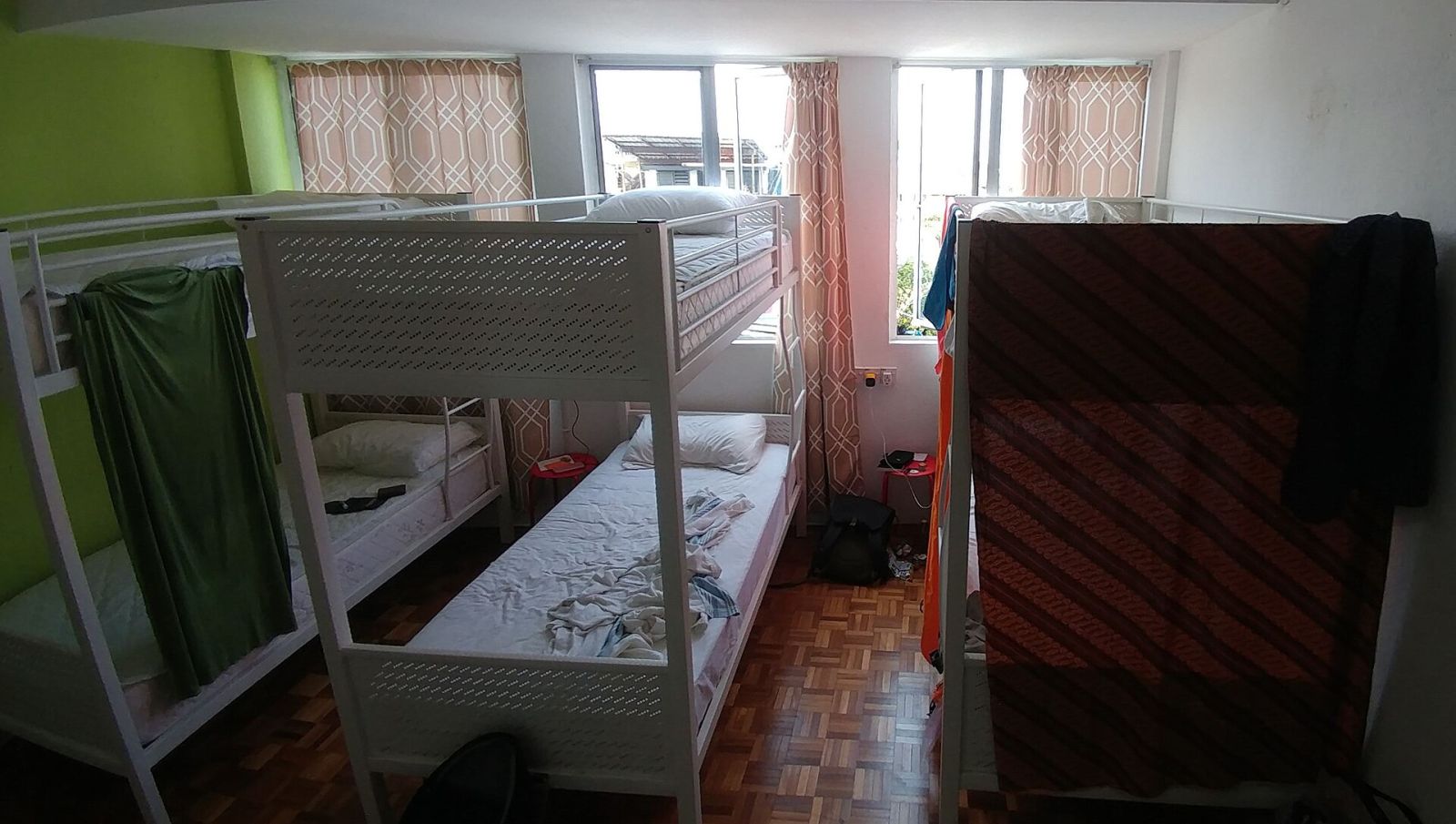
- 6. Stay 2-3 metro stops from the centre. The same quality of lodging next to the main square and in a residential district 10 minutes away differs in price dramatically. The right metric is not "walking distance to the centre" but "minutes to the centre by transport" plus a safe neighbourhood.
- 7. Compare the aggregator with booking direct. Found a hotel on Booking? Open its own website: often the same price minus the middleman's commission, or a bonus like breakfast. Small guesthouses prefer direct bookings too and happily discount for them.
- 8. An apartment with a kitchen pays off from day three. For stays of four or five nights and longer, self-catering saves more on breakfasts and dinners than the price difference with a hotel. This works especially well for families: four hotel breakfasts every day is a serious budget line on its own.
- 9. Travel in the shoulder season. May and September on seaside routes deliver July weather for noticeably less money, and the queues at sights shrink several times over. Winter Prague or Budapest outside the Christmas weeks cost about half of their summer selves.
Food: the main daily expense
- 10. Make lunch your big meal, not dinner. Across most of Europe restaurants run lunch menus: same kitchen, same chefs, a distinctly lower price than in the evening. A Spanish menu del dia or a French formule at noon is a proper two or three course meal for the price of a single evening dish.
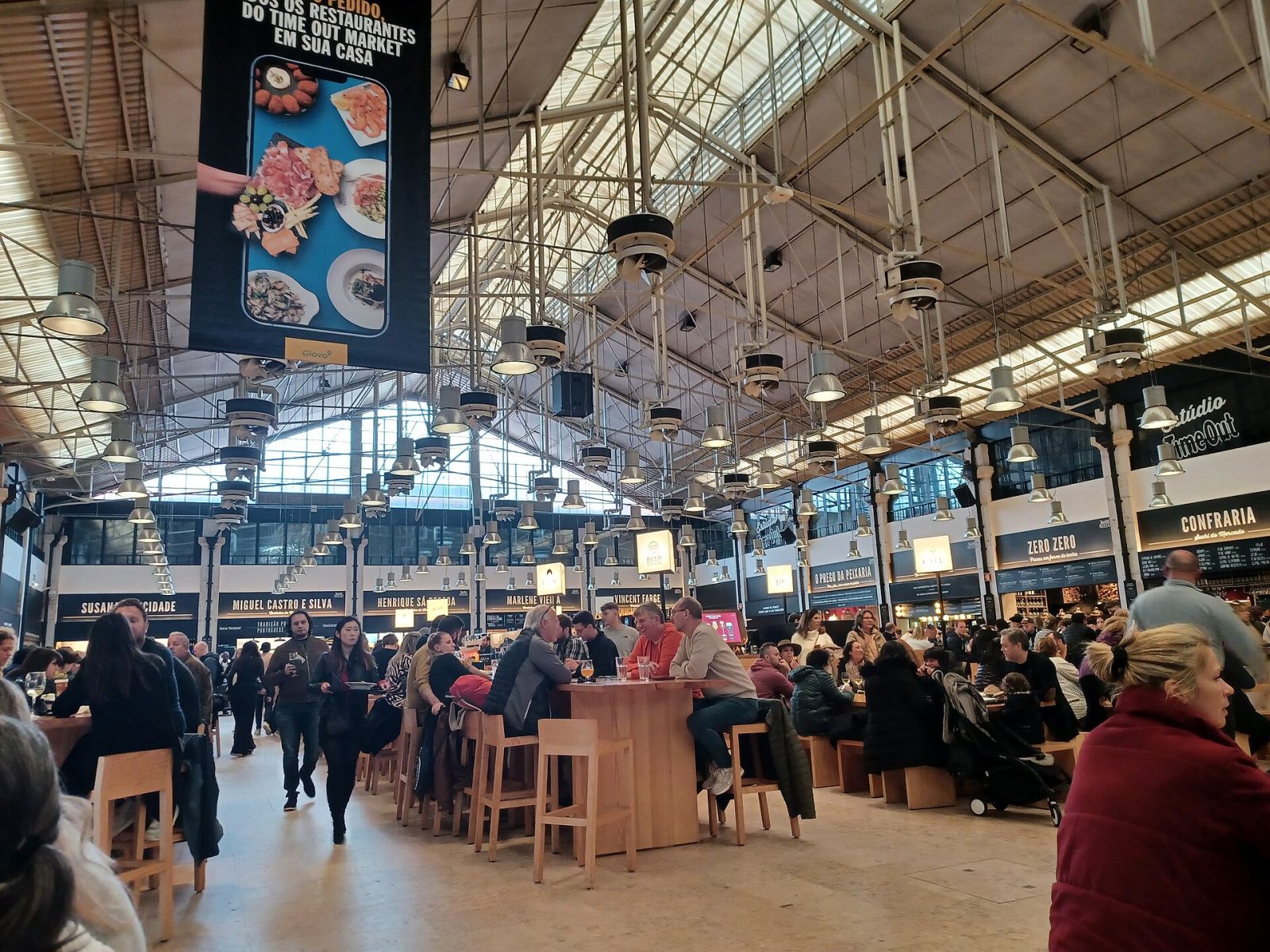
- 11. Eat where locals eat, not where tourists walk. The working rule: move two or three streets away from the main landmark and pick places with no six-language menu and no host luring people in. Market food halls like Mercado da Ribeira in Lisbon or Budapest's Central Market Hall serve local food at sane prices.
- 12. Breakfast from the supermarket. Yogurt, fruit and fresh pastry from a local chain cost as much as one coffee in a tourist cafe. A supermarket is also the most honest window into a country's real prices.
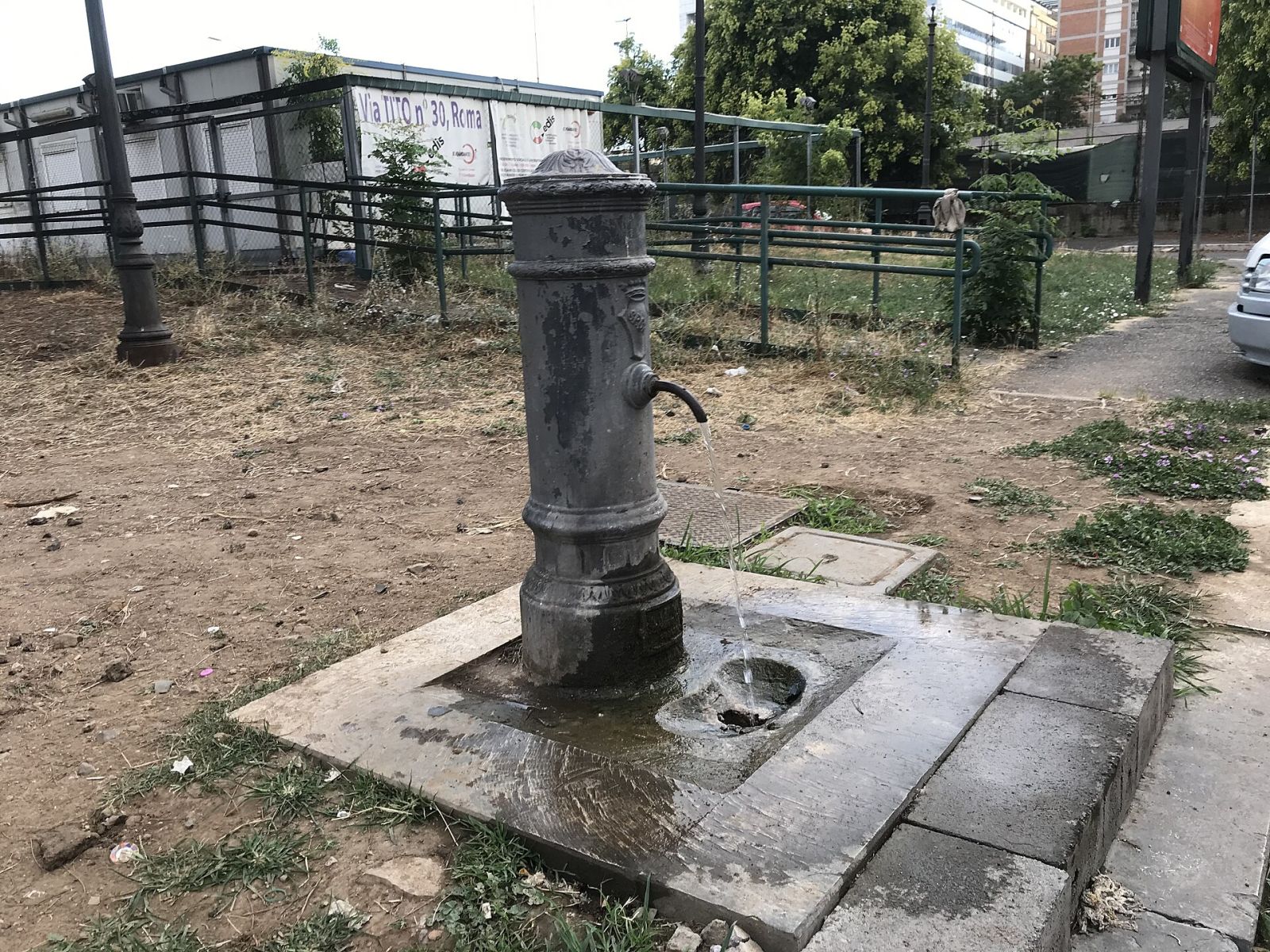
- 13. Carry your own water. A reusable bottle plus public drinking fountains settle the matter: Rome has its famous nasoni pouring cold water on every corner, while Vienna and Zurich serve drinking water straight from city fountains. Buying water at coffee prices in kiosks near landmarks makes no sense at all.
Transport and museums: the city at a reasonable price
- 14. A travel pass instead of single tickets. Day and week passes pay off from the third or fourth ride. London adds its own trick: a contactless bank card caps your daily charge automatically, so no separate ticket is needed at all.
- 15. Do the math on city tourist cards, never buy blind. Cards like the Vienna City Card or Lisboa Card only win when you genuinely plan three or four paid museums plus transport within a day or two. Write out your list of places, add up the ticket prices and compare with the card. Sometimes it is a clean saving, sometimes you pay for options you will never touch.
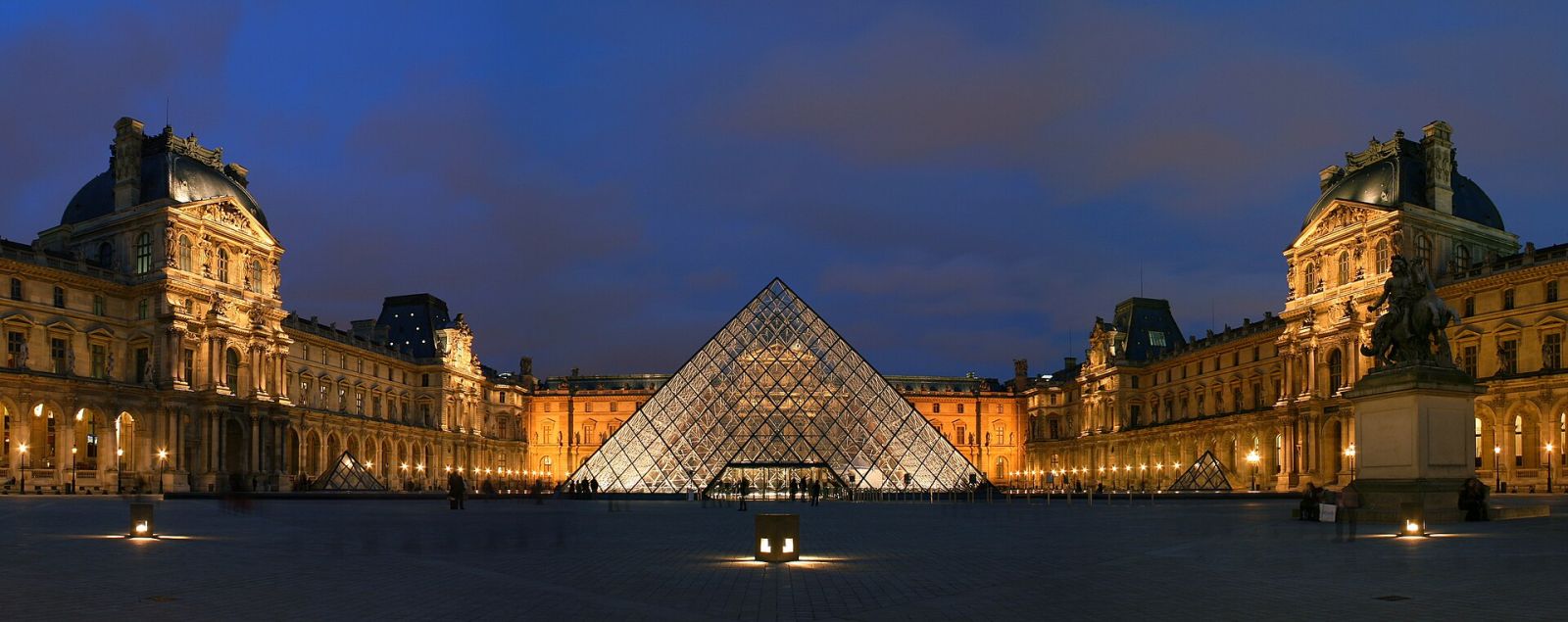
- 16. Free museum days exist, use them. The Louvre waives its fee on the first Friday evening of the month, museums in Paris and many European cities open free on first Sundays, and London's British Museum, National Gallery and Tate are free always. Schedules change, so verify current days on the museums' official sites, for instance louvre.fr.
- 17. Walking routes instead of sightseeing buses. The historic core of most European cities can be covered on foot in a day, and tip-based free walking tours give you a live guide for whatever amount you consider fair. A fixed-price hop-on bus wins only in the rain.
Connectivity and the small leaks in the budget
- 18. eSIM instead of roaming. Travel eSIMs like Airalo or Holafly sell data packages for a few dollars, while carrier roaming in some countries still bills painfully. Bought and activated from home in five minutes, no physical SIM required.
- 19. Book attraction tickets online in advance. A double saving: the online price is often lower than at the ticket office, and above all you skip the hour-long queue, which costs you time if not money. Sagrada Familia, the Colosseum or the Alcazar in high season without a pre-booked ticket means either a long stand or touts.
- 20. Set aside a separate buffer for the spontaneous. Counterintuitive but true: a fixed pocket for unplanned things, say a tenth of the budget, saves money. Without it every spontaneous expense punches a hole in the main plan and drags others along. With it you consciously decide what deserves the buffer, and usually spend less.
Where to start?
If adopting the whole list feels like too much, start with the three highest-impact items: flexible dates when buying flights, lodging a couple of stops from the centre, and the big meal at lunch rather than dinner. Together these three habits cut the budget of a typical European trip so much that the remaining seventeen feel like a pleasant bonus. Prices, free-day schedules and carrier tariffs change, so verify the specifics before each trip. A budget journey differs from an expensive one not in the quality of impressions but in the number of decisions made in advance.