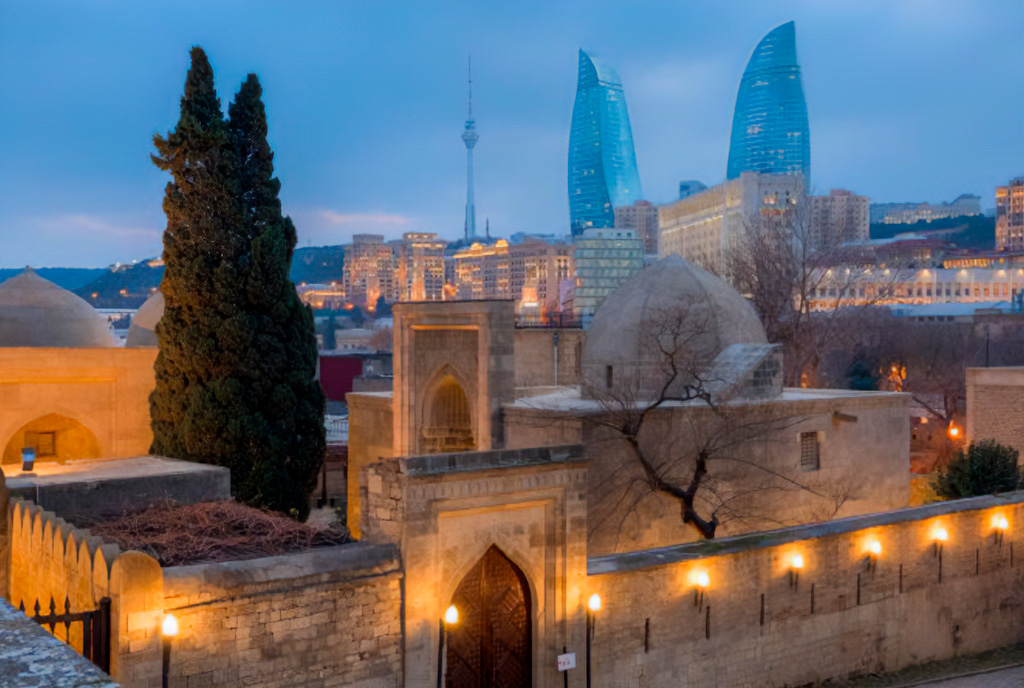


Before the oil boom of roughly 150 years ago, the city of Baku never reached beyond the walls of its 12th-century fortress.
Yet stand today atop the 15th-century Palace of the Shirvanshahs, a favourite lookout over the Azerbaijani capital, and you can see the dramatic sprawl fuelled by black gold.
From here, the view towards the ultramodern Flame Towers stretches across several architectural layers, each one revealing its own rich history full of intrigue, heartbreak and loss.
Partner links: booking through them supports the blog at no extra cost to you.
The Paris of the Caucasus
The oil boom unfolded between 1872 and World War One, when Baku's newly privatised oil fields were producing more than half of the world's oil.
They drew a wave of fortune-seeking entrepreneurs, industry experts and labourers, driving a tenfold jump in the population to more than 140,000 people by 1903.
A building boom soon followed.
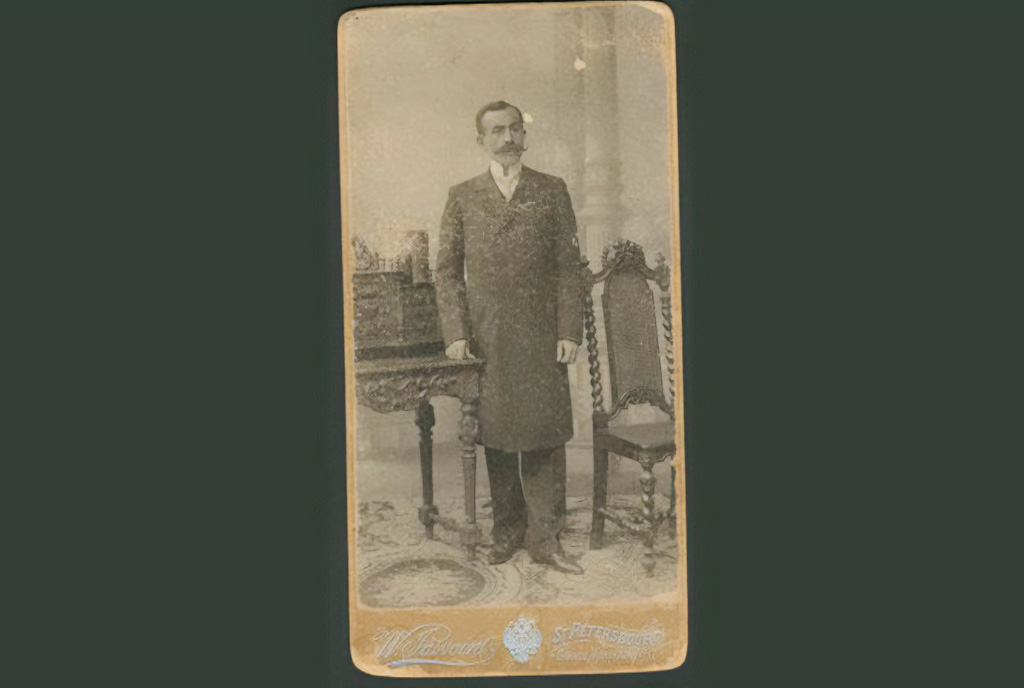
From the late 1880s, a small circle of wealthy oil barons (locals such as Musa Naghiyev, Shamsi Asadullayev and Zeynalabdin Taghiyev, along with foreigners like the Rothschilds and the Nobel brothers) began commissioning mansions and public buildings.
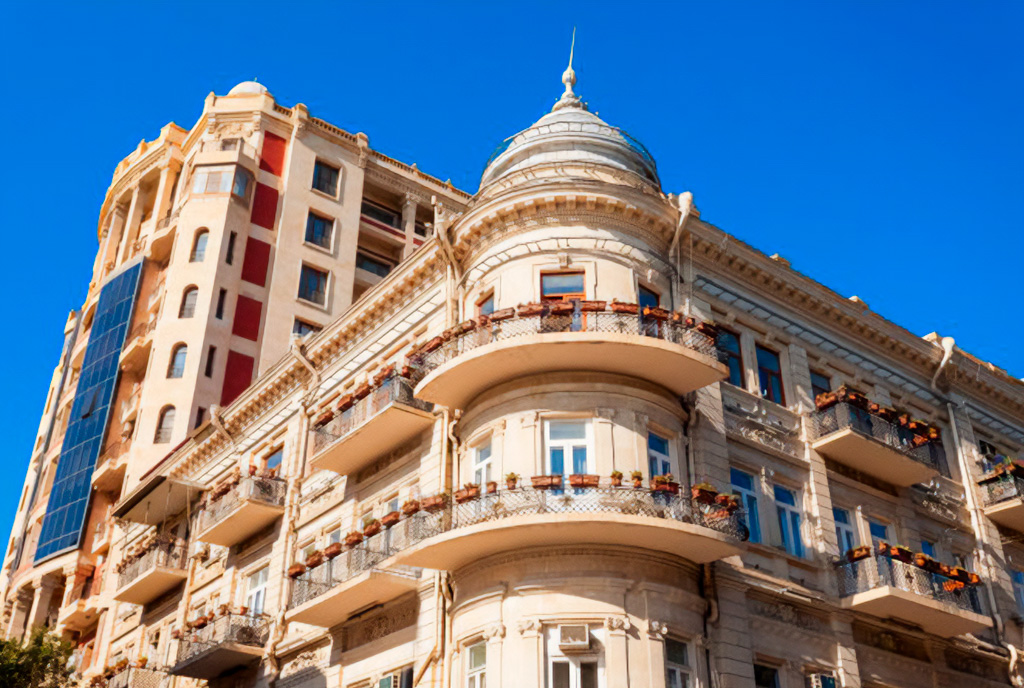
In just 15 to 20 years, a new urban layer sprang up beyond the old Muslim fortress. Blending everything from Gothic and Baroque to Neoclassical and Eastern styles, these eclectic buildings somehow found a shared harmony, earning Baku a reputation as the "Paris of the Caucasus".
A Pastel Palette
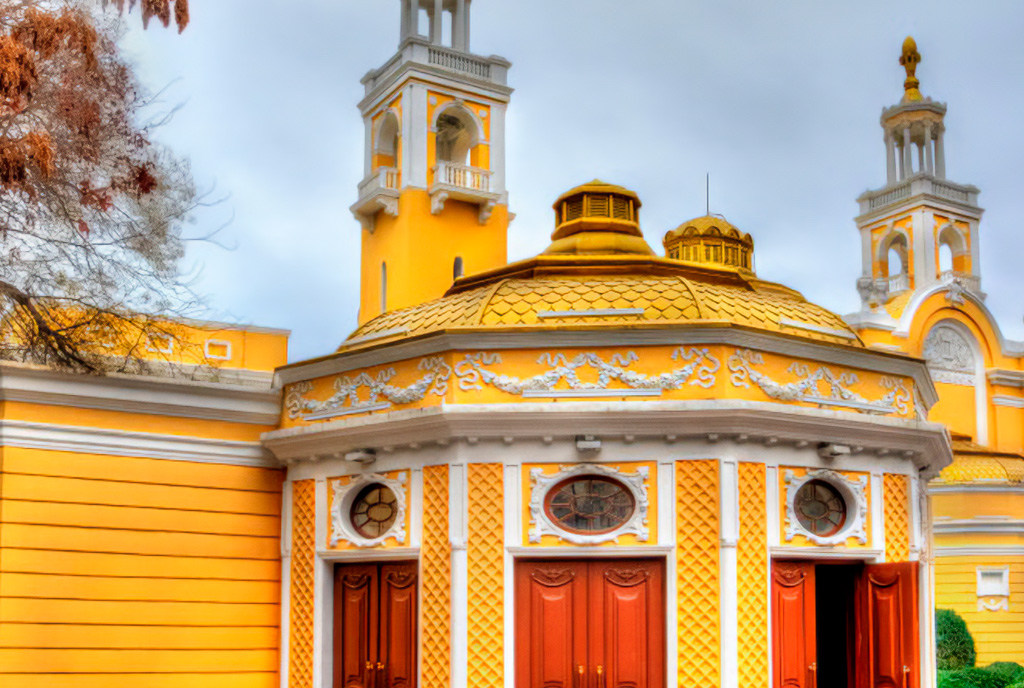
"The first street to appear beyond the [old] city was Istiglaliyyat," says Gani Nasirov, founder of a Baku walking-tour company, as he strolls down this avenue that runs alongside the old walls.
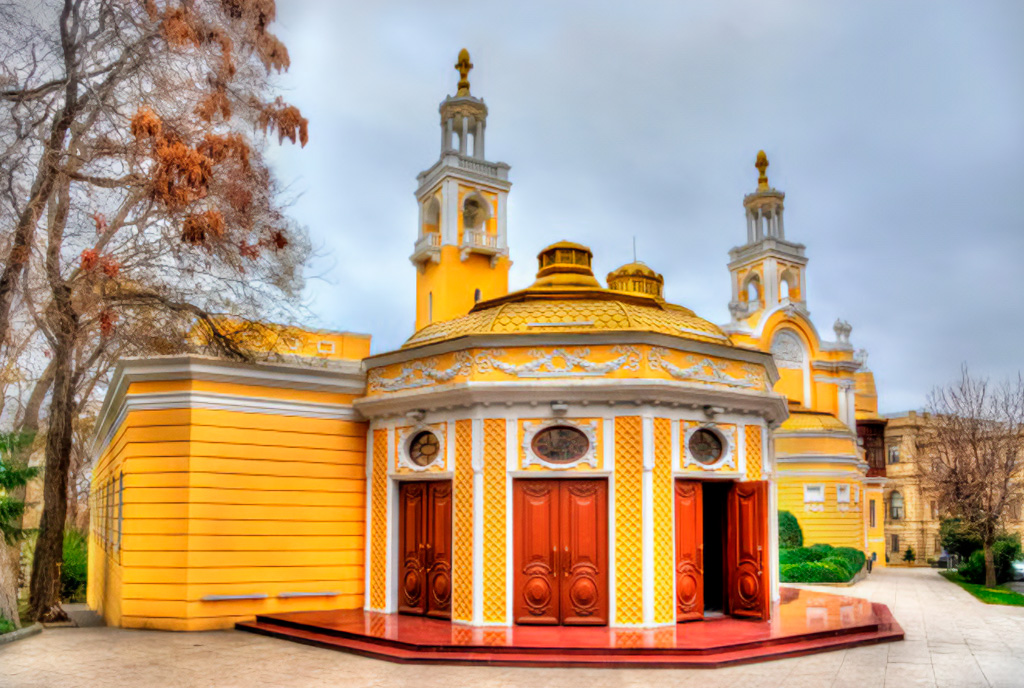
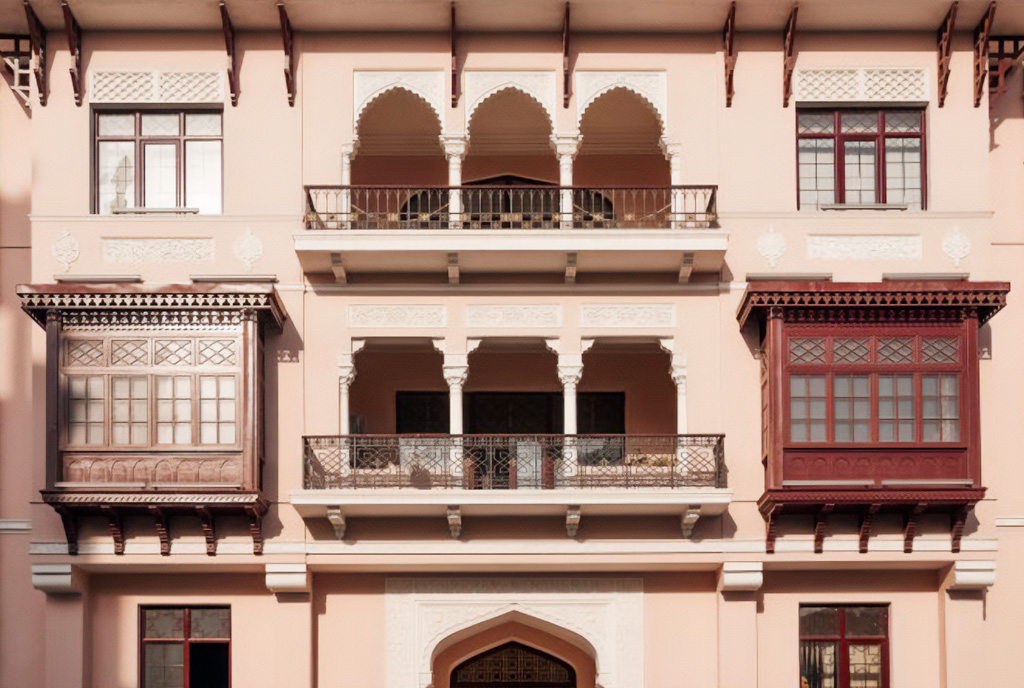
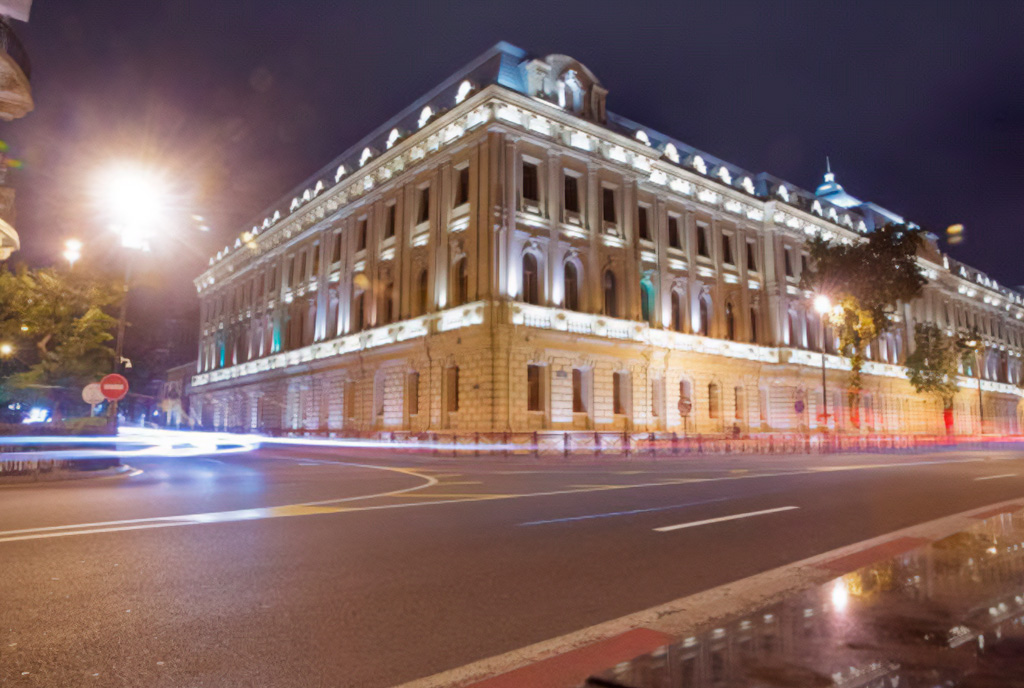
At its western end stand two pastel-hued buildings: the Renaissance-style State Philharmonic Hall, modelled on the Monte Carlo Casino, and the pale-pink mansion of the Sadikhov brothers, home to Baku's first electric lift, which travelled at a very leisurely 70 centimetres per second.
Both buildings went up at the height of the construction boom, between 1910 and 1912, and were designed by an Armenian architect from Tiflis named Gabriel Ter-Mikelov.
Modern and Multicultural
Baku's population at the time was an astonishing multicultural mix. Azerbaijanis, Russians, Armenians, Jews, Germans and Poles each carved out their own niche.
Polish architects, in particular, left their mark on oil-boom Baku.
One of them, Jozef Goslawski, was responsible for the Alexander Nevsky Cathedral, the tallest building in Baku at the time, which was sadly demolished by the Soviet authorities in 1937.
Fortunately, two other masterpieces by Goslawski still survive on Istiglaliyyat Street.
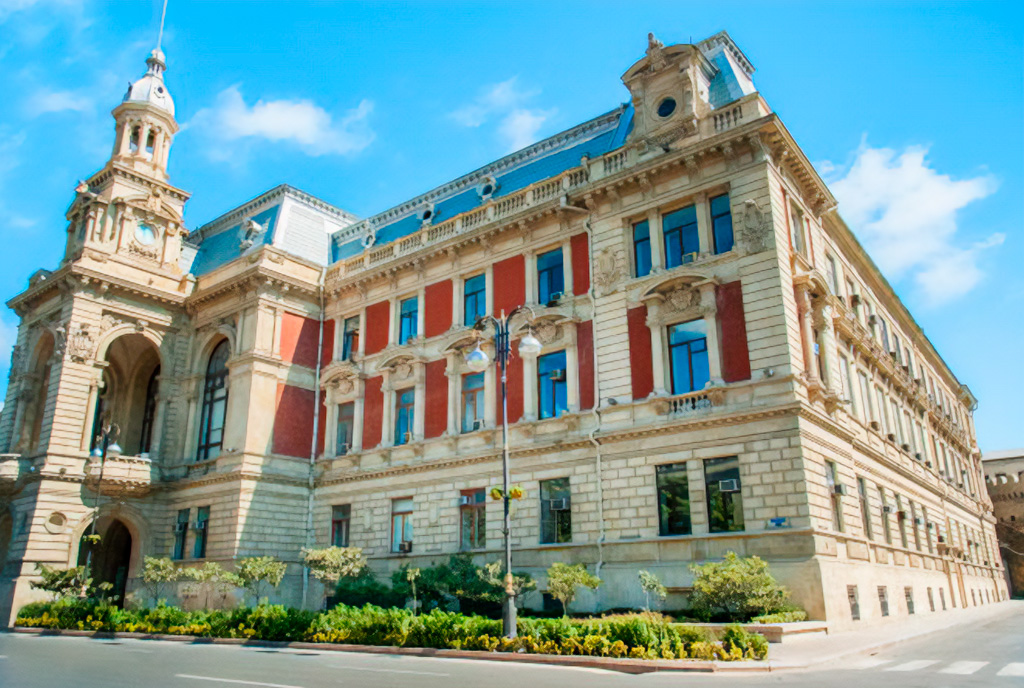
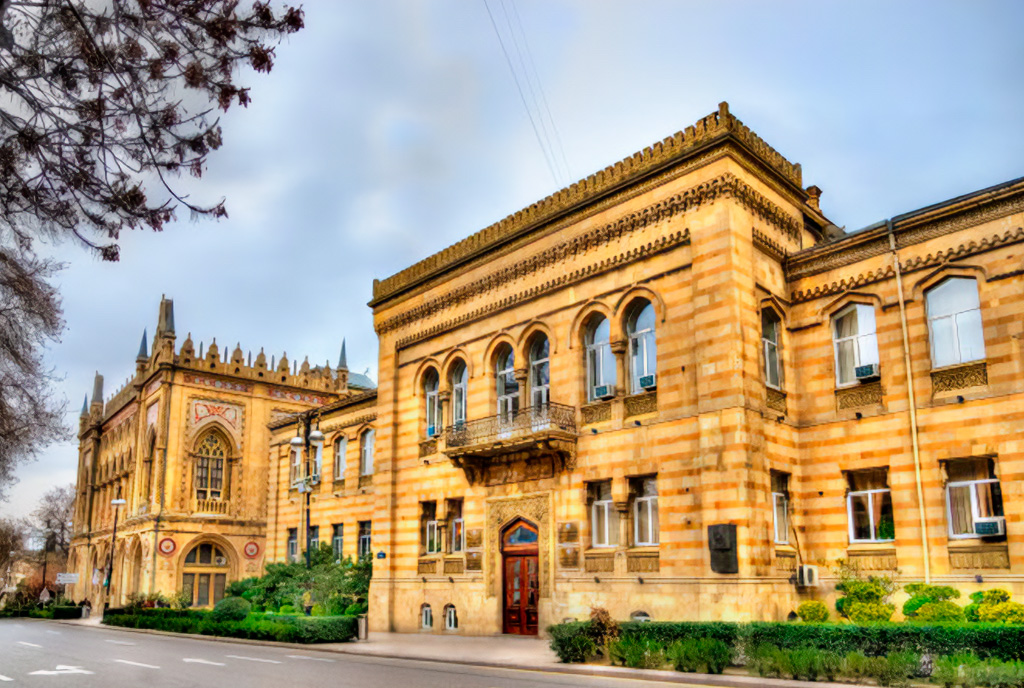
His final project, Baku City Hall, still serves its original purpose, but the elegant Institute of Manuscripts a few doors down actually began as a pioneering school for Muslim girls when it opened in 1901.
Another place of learning from the oil-boom era, directly opposite City Hall, was the Saint Nino School for Girls, whose most famous pupil was Nino Kipiani, the fictional heroine of Kurban Said's 1937 novel "Ali and Nino".
This classic love story, set in Baku during the oil boom, beautifully captures the tension between East and West that you can still sense while exploring the city centre's architecture.
"There were really two towns, one inside the other, like a kernel in a nut. Outside the Old Wall lay the Outer Town with wide streets, tall houses, its people loud and greedy for money," says the book's protagonist, Ali Khan Shirvanshir.
"Inside the Old Wall the houses were narrow and curved like Oriental daggers."
Architecture with a Personality
Today, the most fascinating thing about oil-boom architecture is not so much its extravagance as the human stories behind the buildings.
During the Soviet era these stories were suppressed, but in the early 1990s some locals began researching and popularising them, and now they have become a tourist draw.
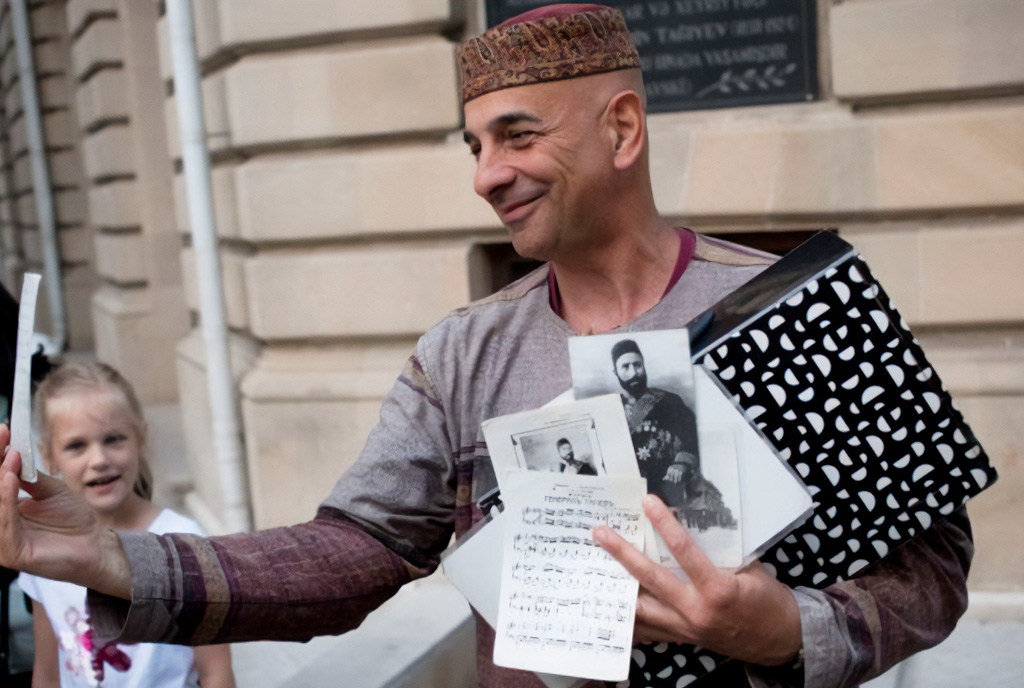
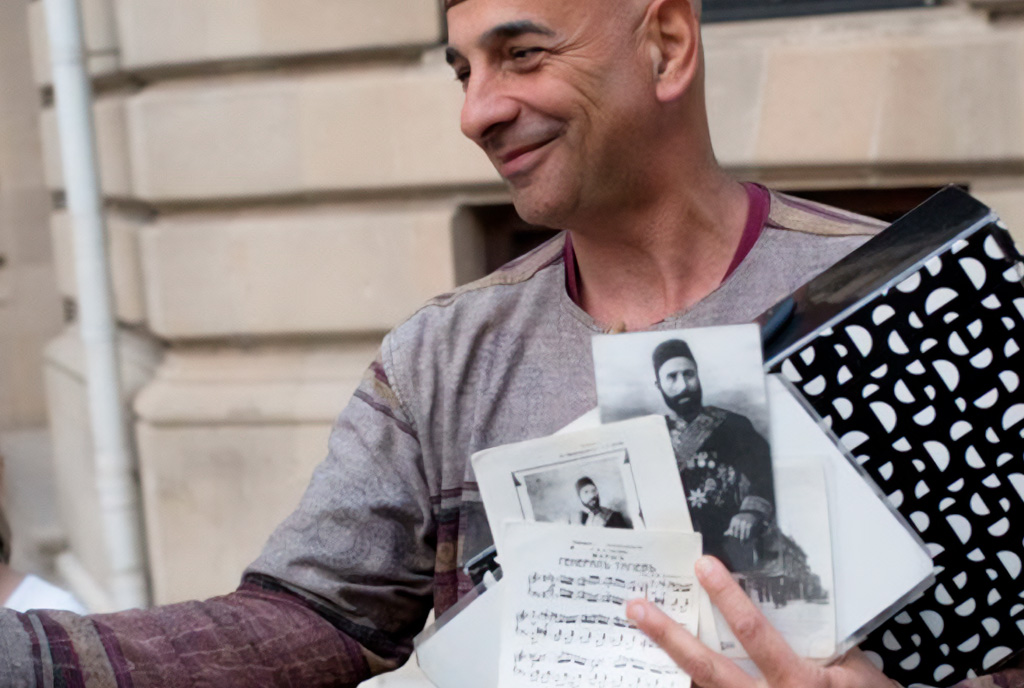
"The history of architecture through personalities really brings the city's story to life, because people on the tour may not remember the names, but they always come away with a strong impression," says Fuad Akhundov, whose research has grown into articles, television programmes and colourful walking tours.
On the streets and in the foyers of former oil-boom mansions, you'll often spot Akhundov juggling a bulging photo archive as he brings the family feuds of fin-de-siecle Baku to life: "I'm like an actor stepping onto a stage, and the stage is Baku."
The People Behind the Palaces
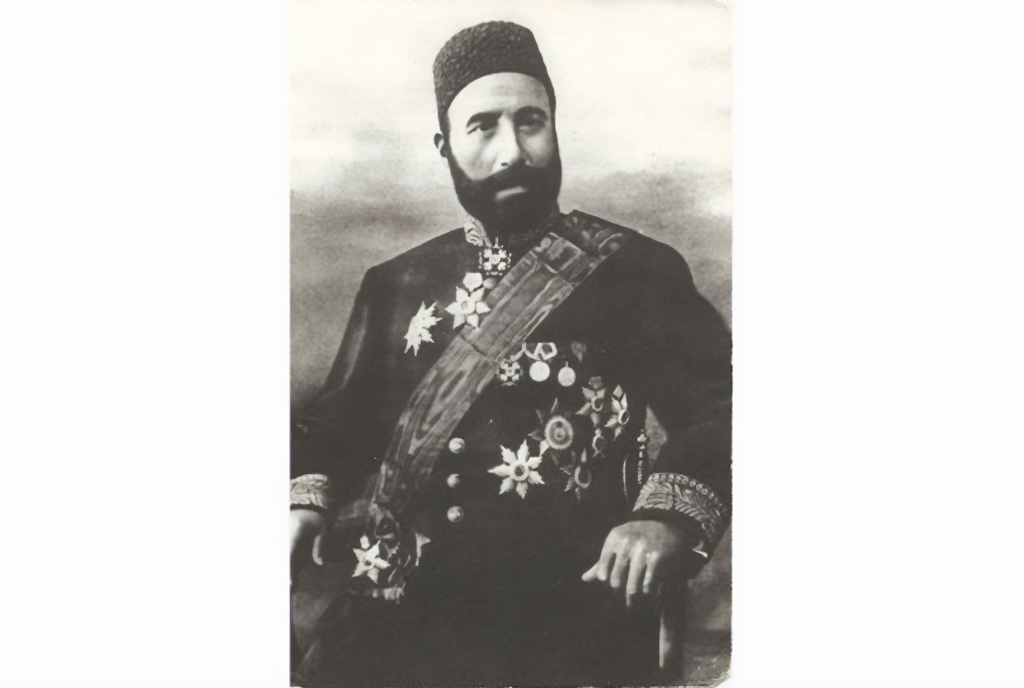
Beside the National Museum of History of Azerbaijan, he tells the rags-to-riches story of its former resident, Haji Zeynalabdin Taghiyev, the most legendary oil baron of the era.
Taghiyev started out as a stonemason's apprentice but quickly became a successful builder, earning enough money to buy a plot of land in the oil-rich suburb of Bibi-Heybat. After several years without any luck, he finally struck oil and became an overnight millionaire.
Unusual life stories like this were far from rare in oil-boom Baku.
Another unique feature of these mansions, Akhundov says, is the striking physical resemblance they bear to their owners. "It's my personal observation, but I can show it in countless examples where the houses reflect their owners, like dogs."
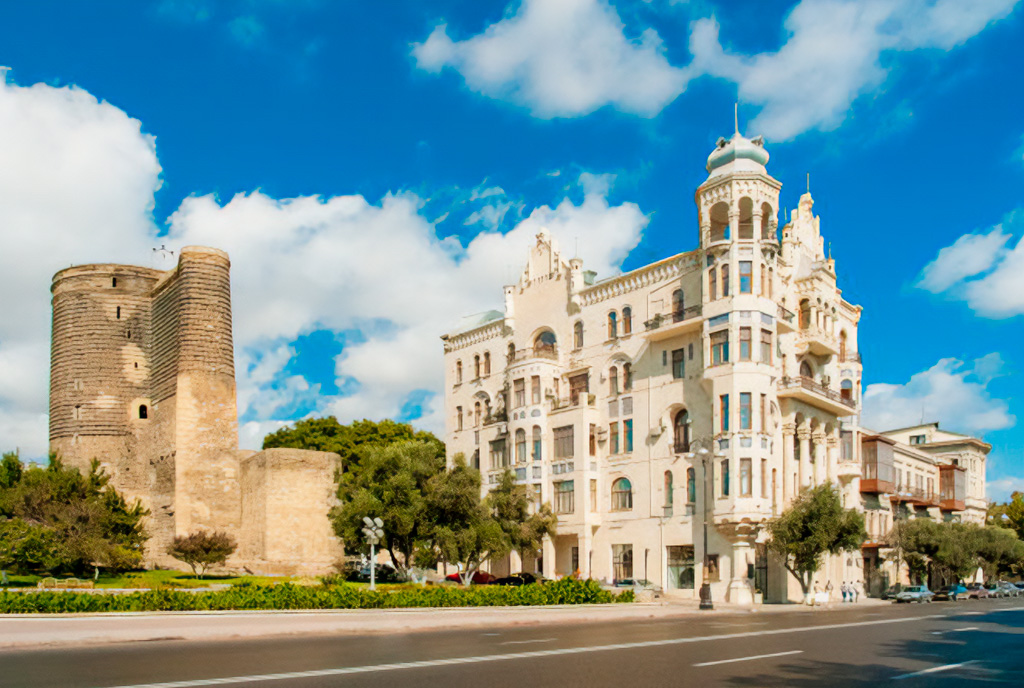
For instance, once the landowner Isa Bey Hajinski became a prominent public figure, he built an extravagant, grand mansion right next to the Maiden Tower, Baku's most famous landmark. "His house was a reflection of his status," says Akhundov.
The Red Army Invasion
Sudden and dramatic change arrived when the Bolsheviks seized power in April 1920, replacing capitalism with socialism.
Many of Baku's architectural stories end in tragedy. A vivid example is today's Palace of Happiness (where marriage ceremonies are held).
According to local legend, the inspiration for this building came when Murtuza Mukhtarov, another prominent oil baron, was travelling around Europe with his wife Liza Turganova.
Turganova fell in love with a tall Gothic building she encountered on the trip and remarked on how much she envied its residents.
On their return, Mukhtarov secretly commissioned another prolific Polish architect, Jozef Ploszko, to create a copy for her in Baku. Construction was completed in 1912.
But, as the story goes, in the days following the Bolshevik coup, two soldiers on horseback rode into the entrance hall. Refusing to surrender his property, Mukhtarov first shot the soldiers, then turned the gun on himself.
The Barons' Legacy
In a similarly sad twist of fate, after Taghiyev's death in 1924 his country house was confiscated, his family evicted, and his wife Sona was later seen begging on the streets of Baku.
The Bolsheviks quickly nationalised the largest oil-boom mansions and turned them into apartments or government offices. In most cases their owners emigrated to Istanbul, Paris and Berlin.
Over the following 70 years, a new Soviet architectural layer pushed Baku's boundaries outward, yet the city stayed fairly small until Azerbaijan regained its independence in 1991.
Since then, a second, post-independence oil boom has created a new 21st-century skyline, defined by innovative structures such as the Heydar Aliyev Center, the Carpet Museum and the Flame Towers.
This has led some to nickname Baku the "Dubai of the Caspian", but that's actually quite far from the truth.
The Azerbaijani capital is so much more: a city of love and legend, a cultural melting pot where East blends with West, and nowhere will you see this better than in its oil-boom architecture.
Fuad Akhundov pioneered the study of Baku's oil-boom architecture in the late 1980s and early 90s and has been leading walking tours for more than 25 years.
Tours with Akhundov can also be booked through Lala Huseynova, who manages his tours and is a guide herself. Both Akhundov and Huseynova are part of a cooperative of seven guides who lead tours of Baku's main attractions, including its oil-boom heritage.
Original Baku Walking Tours offers themed itineraries that explore central Baku through its oil-boom architecture, literary classics and pop culture.
Baku Sightseeing is a new online tour-booking platform offering a huge selection of Baku walking tours, including the oil boom.
Tom Marsden is a British writer and photographer currently based in Azerbaijan.