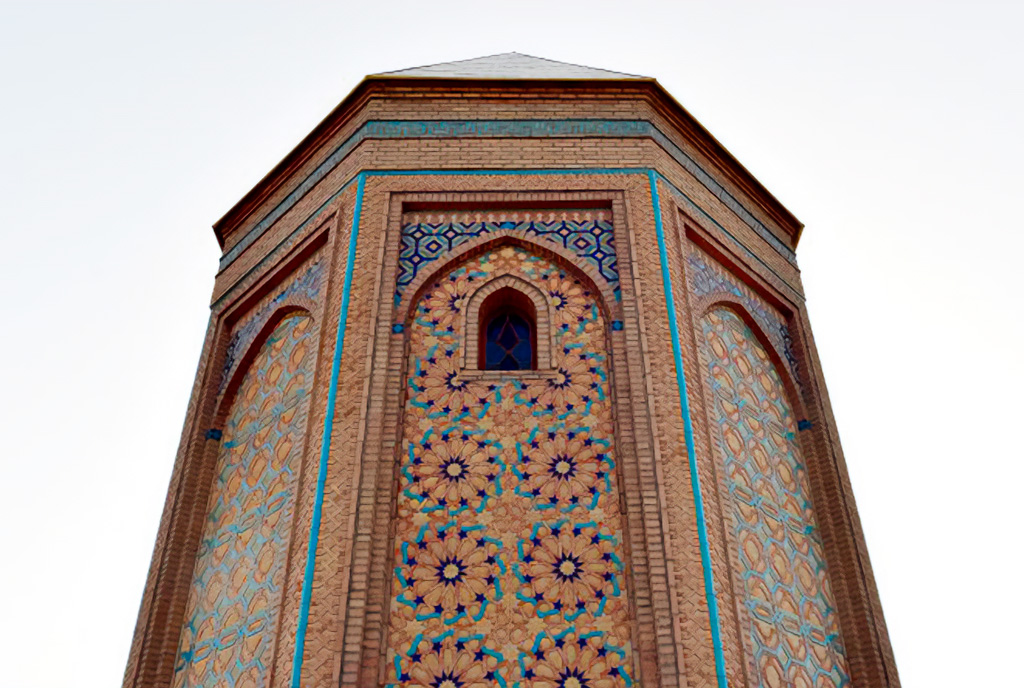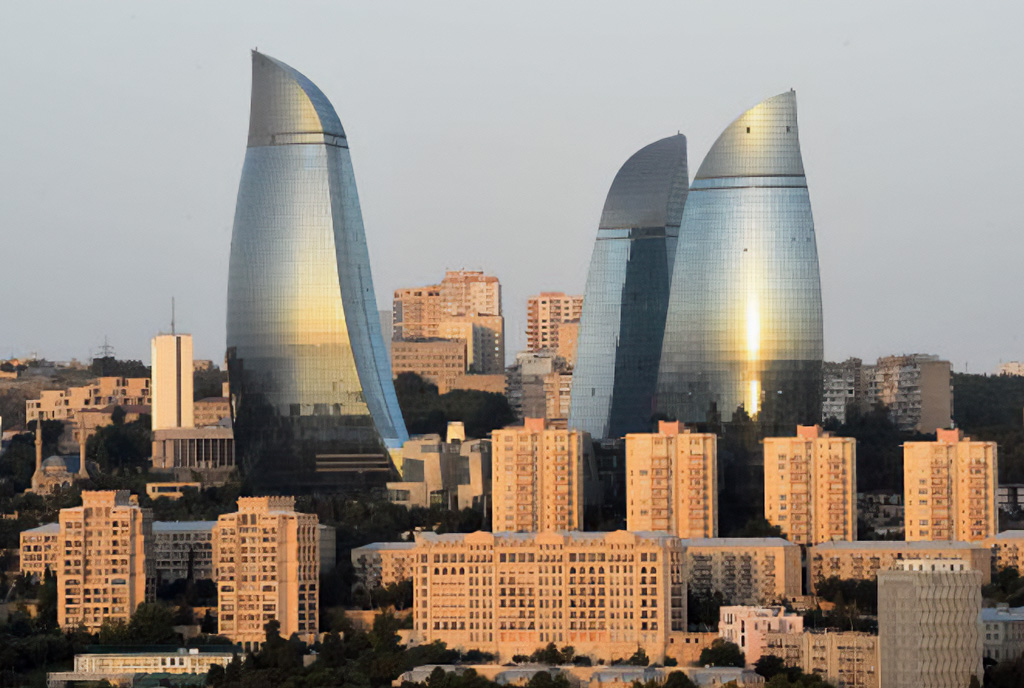


Azerbaijan is a land of mountains and mud volcanoes, of multiculturalism and mugham music.
Sitting at the crossroads of East and West, it blends breathtaking scenery with a people and culture that reflect its remarkable position between Turkey, Russia and Iran.
For the past few years, neighbouring Georgia has been the go-to country on the South Caucasus, which has left Azerbaijan largely overlooked by travellers. But with a new, straightforward three-day visa service, sensible prices and unbeatable hospitality, visitors who make it to the "Land of Fire" are often very pleasantly surprised.
Partner links: booking through them supports the blog at no extra cost to you.
Here's a rundown of the best things to do in this striking destination:
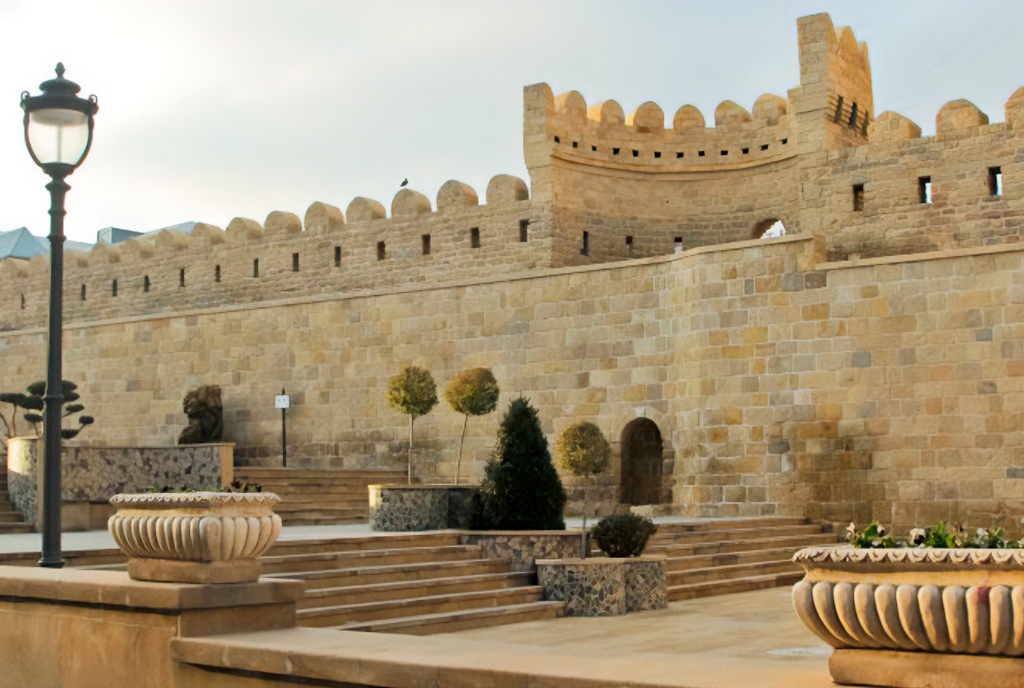
Step Back in Time in Baku's Old City
Before the oil boom transformed Baku into an industrial hub of the Russian Empire, the city's edges reached little further than today's Old City, which remains the cultural heart of Baku.
Inside you'll find a maze of cobbled streets, artists' workshops, cafes and museums.
A walking tour around the Maiden Tower, the Palace of the Shirvanshahs, the old mosques and hammams is a great start, but don't miss the chance to try Azerbaijani cuisine at one of the many authentic restaurants.
Sehirli Tendir (19 Kicik Qala; +994 50 403 1435) near the Double Gates is hugely popular, especially for its traditional Azerbaijani breakfasts served with hot tendir bread.
Tip: Baku Original Walking Free Tour (+994 50 722 7234) runs creative themed tours through central Baku that let you explore the city through its oil-era architecture, literary classics and pop culture.
Visit Baku's Museums
Azerbaijan is steeped in history and culture, and while Baku may not rank among the world's greatest museum cities, there are still a few spots well worth a visit.
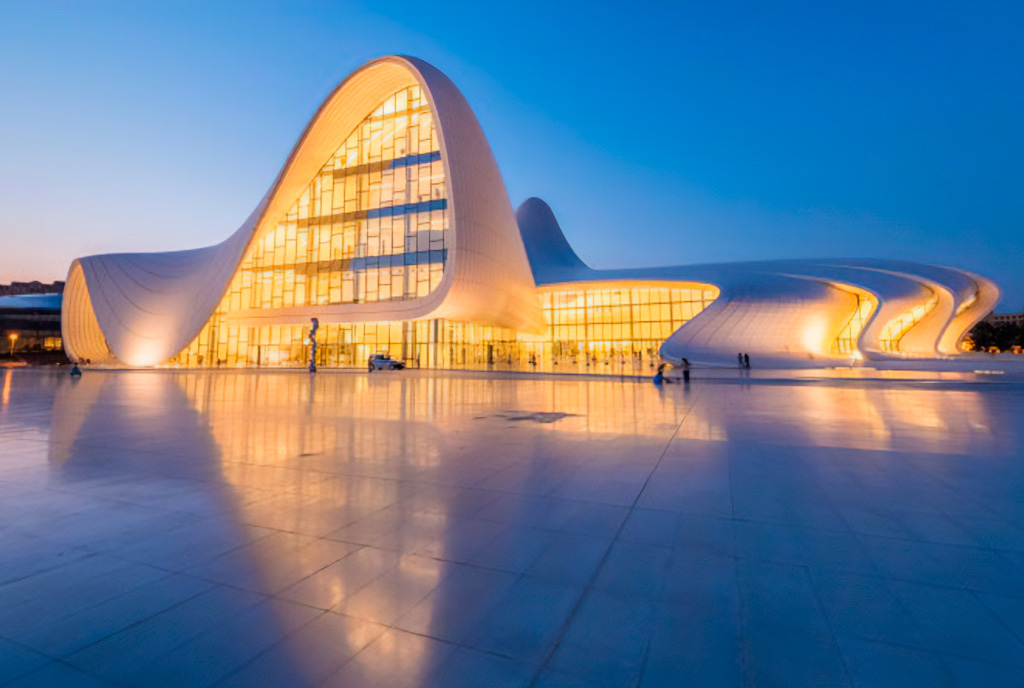
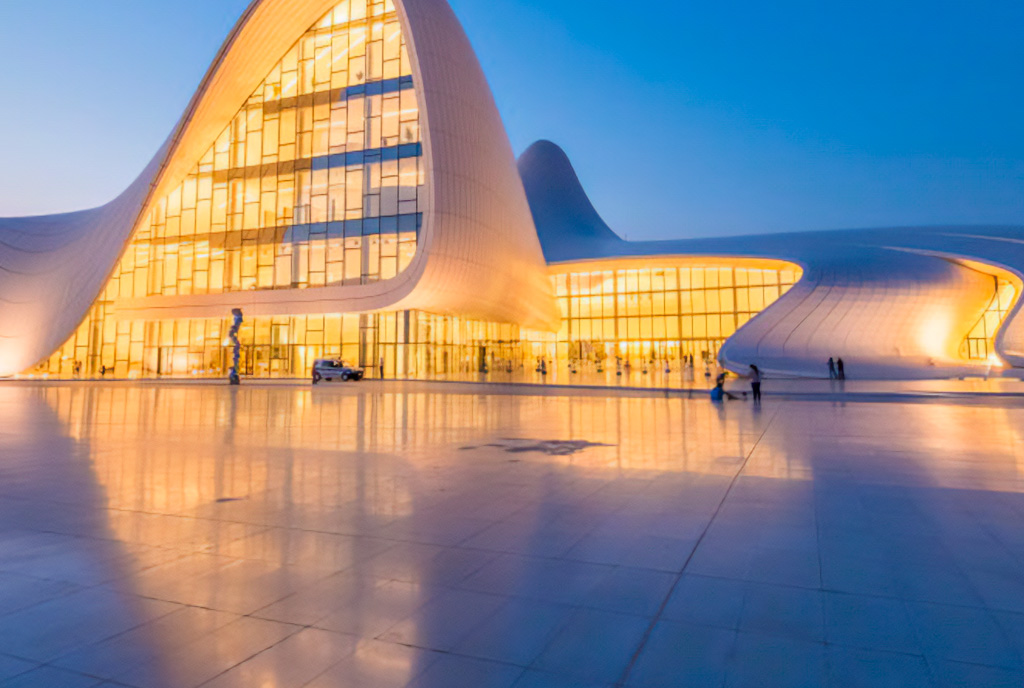
The curved, futuristic forms of the Heydar Aliyev Center (1 Heydar Aliyev Avenue), designed by the late Zaha Hadid, make the building an exhibit in its own right, but it also hosts world-class exhibitions on a regular basis.
Every bit as appealing is the Azerbaijan Carpet Museum (28 Mikail Useynov Avenue; +994 12 497 2057) on Baku Boulevard, home to around 6,000 carpets representing all seven schools of Azerbaijani carpet weaving.
The carpets here aren't just visually striking; they embody the beliefs and traditions of the people who wove them.
To dive into the country's fascinating past, it's worth spending a few hours getting acquainted with key events such as the oil boom, communism and the Karabakh conflict at the National Museum of History of Azerbaijan (4 Haji Zeynalabdin Taghiyev Street; +994 12 493 3648), set in the former mansion of early 20th-century oil magnate Zeynalabdin Taghiyev, something of a local legend.
Take a Day Trip to Gobustan
About 40 kilometres from central Baku, Gobustan National Park (+994 12 544 6627/22) holds more than 6,000 UNESCO-listed rock carvings that offer a rare glimpse into prehistoric life in the Caspian-Caucasus region.
They depict scenes of hunting, dancing, transport and animal symbolism, the oldest dating back more than 15,000 years, though there's also an inscription left by the Roman Twelfth Legion Fulminata in the 1st century AD.
For anyone struggling to make sense of them, the modern on-site museum offers plenty of context and guidance.
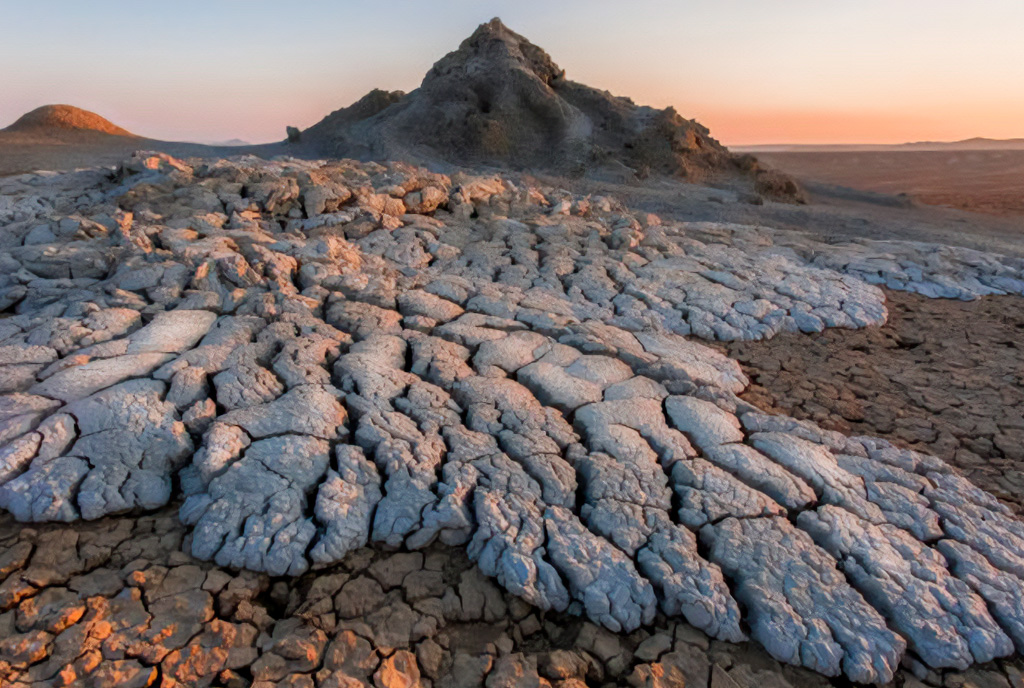
Also within the park and just a few minutes' drive away is the best spot to observe some of Azerbaijan's roughly 350 mud volcanoes (somewhere between 30% and 50% of the world's total, depending on the source).
Mud volcanoes erupt occasionally and unpredictably, so most sit within protected zones, but at Gobustan you're free to climb their slopes and watch their curious bubbling.
Tip: Trips to the Gobustan petroglyphs and mud volcanoes can be arranged through many, if not most, of Baku's growing number of hostels, hotels and travel agencies.
Explore the Absheron Beaches
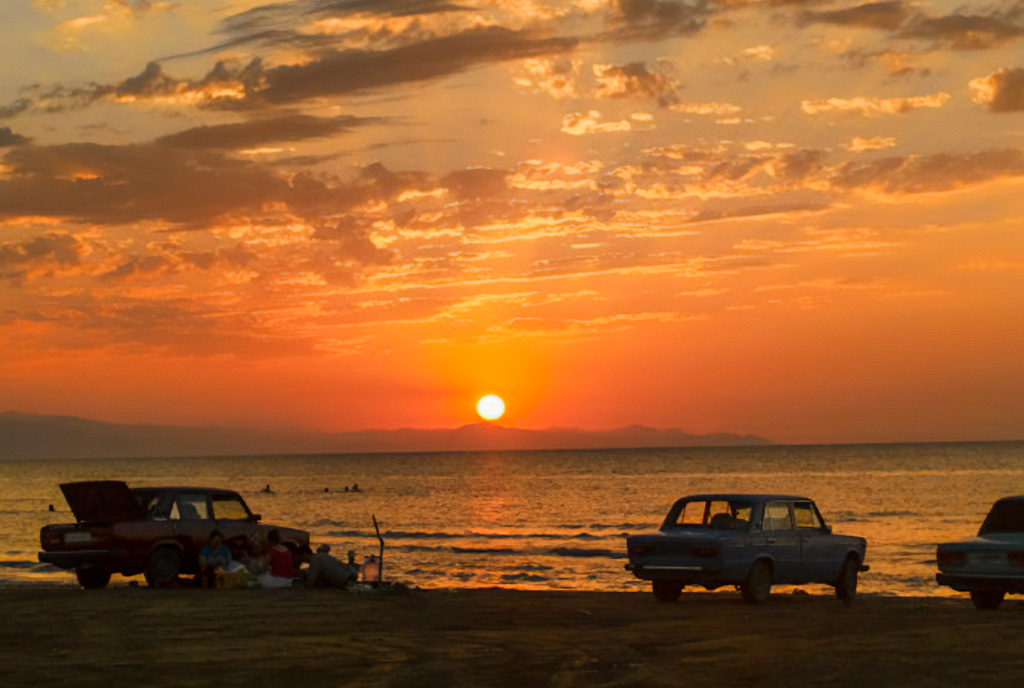
Summer in Baku is scorching, so from late May onwards those who can hurry off to their dachas on the Absheron Peninsula, a strip of land that juts into the Caspian Sea like an eagle's beak.
Travellers can escape the heat too, hopping in a taxi, bus or rental car and heading for one of Absheron's beaches.
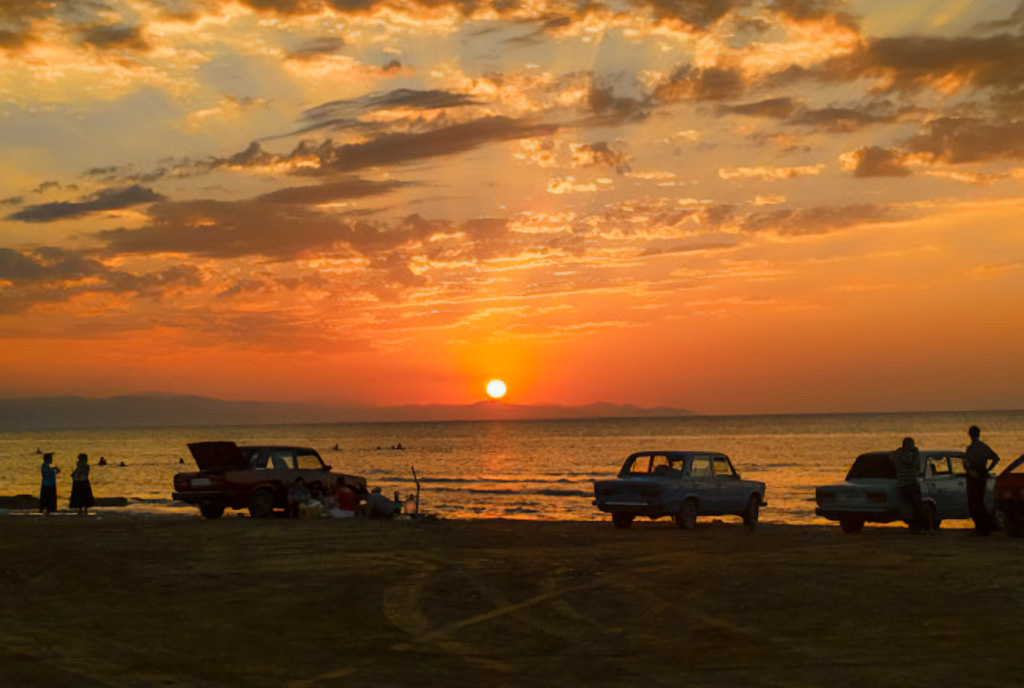
Baku's beach culture is one of a kind: picture old Soviet cars parked right at the water's edge, families picnicking, samovars and watermelons.
On some beaches you'll see local boys galloping around offering horse rides, and on others you might catch young daredevils leaping into the sea off abandoned oil rigs.
For a local experience, head to the public beaches at Mardakan or Buzovna, and for something more upscale, try the Amburan Beach Resort (Bilgah, Baku; +994 12 504 5000), Crescent Beach Hotel & Leisure Resort (Salyan Highway, Shikhovo village, Baku; +994 12 497 4777) or Dalgha Beach Aquapark Resort (Mardakan, 53c Sahil Street, Mardakan, Baku; +994 12 310 4499).
Sample Honey and Wine in Ismayilli
The village of Ivanovka is a legacy of a once-thriving Caucasus community of spiritual Christians who were exiled from central Russia in tsarist times.
After the collapse of the USSR many returned north, but Ivanovka is unusual in that it remains a centre of Russian culture to this day.
Here you'll find timeless streets lined with izba-style houses, some of the finest honey in the Caucasus and Azerbaijan's last working collective farm, whose grapes are used to make the popular "Ivanovka" wine.
For a proper wine excursion, though, drive 15 kilometres to the village of Hajigatamli to visit Chateau Monolit (Kurd Eldarbeyli village road, Hajigatamli; +994 51 700 3272), a luxury hotel and winery offering tasting tours and an introduction to Azerbaijan's wine industry.
Tip: Ivanovka Guest House (86 Sadovaya Street; +994 55 679 1614) offers cosy, family-run budget lodging in Ivanovka, while the expat-run travel agency EasyAZ can arrange tailored trips to Ismayilli and the rest of the country.
Discover the Silk Road Heritage of Sheki
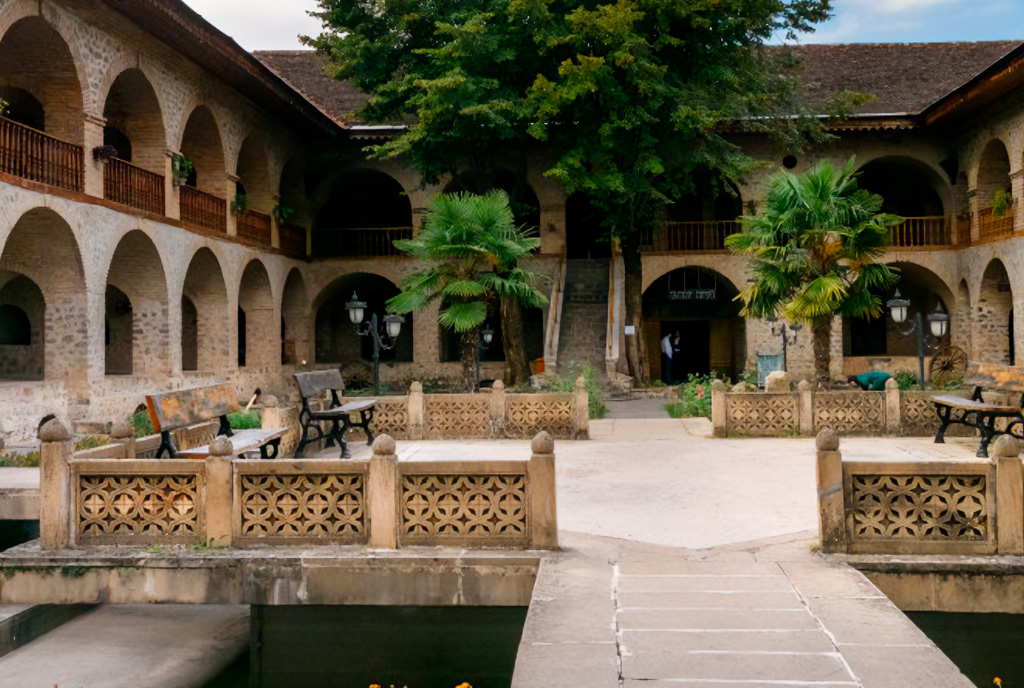
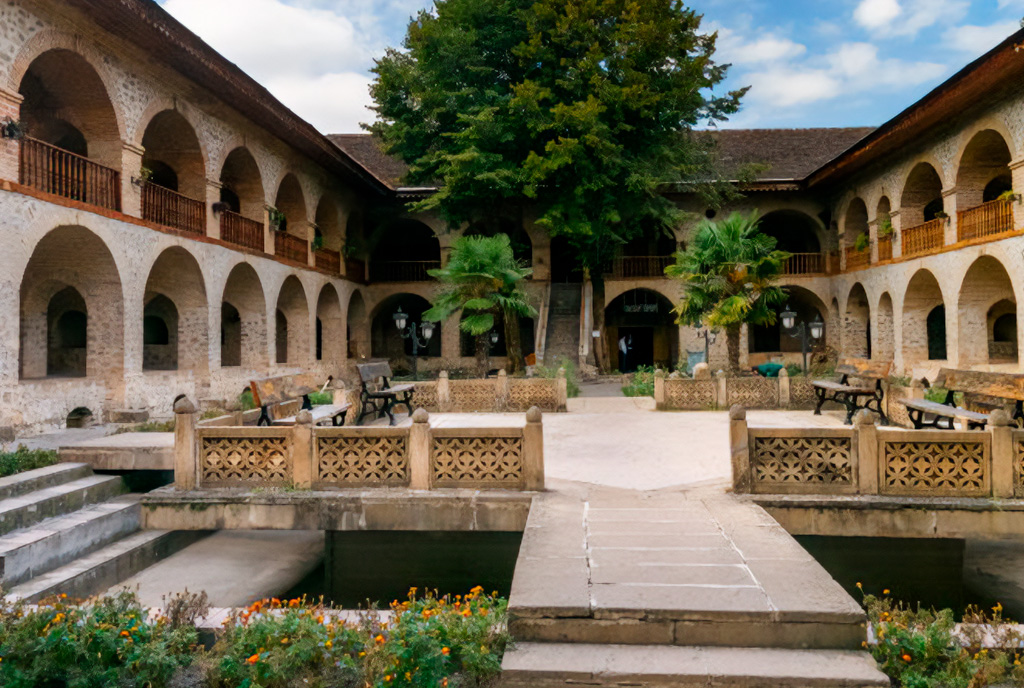
Set at the foot of the Caucasus Mountains in northwestern Azerbaijan, Sheki is a former Silk Road town that remains the centre of Azerbaijan's silk and craft traditions.
A stroll down Mirza Fatali Akhundov Street is a great way to get acquainted with local crafts such as the making of traditional papag hats, halva, an extra-sweet form of baklava, traditional tekelduz embroidery and shebeke, intricate wooden lattices set with stained glass and assembled without a single drop of glue or a single nail.
You can watch it being made at the shebeke workshop in the Palace of the Sheki Khans, just steps from the top of Akhundov Street, then take in the magical play of coloured light cast by the shebeke windows as they illuminate the interior of the exquisite late-18th-century summer palace.
Tip: The town caters well to tourists, which means a good choice of restaurants, souvenir shops and hotels. For the most authentic stay, though, head to the Sheki Karvansaray hotel (185 Mirza Fatali Akhundov Street; +994 55 755 5570).
Hike Between the Remote Villages of Guba
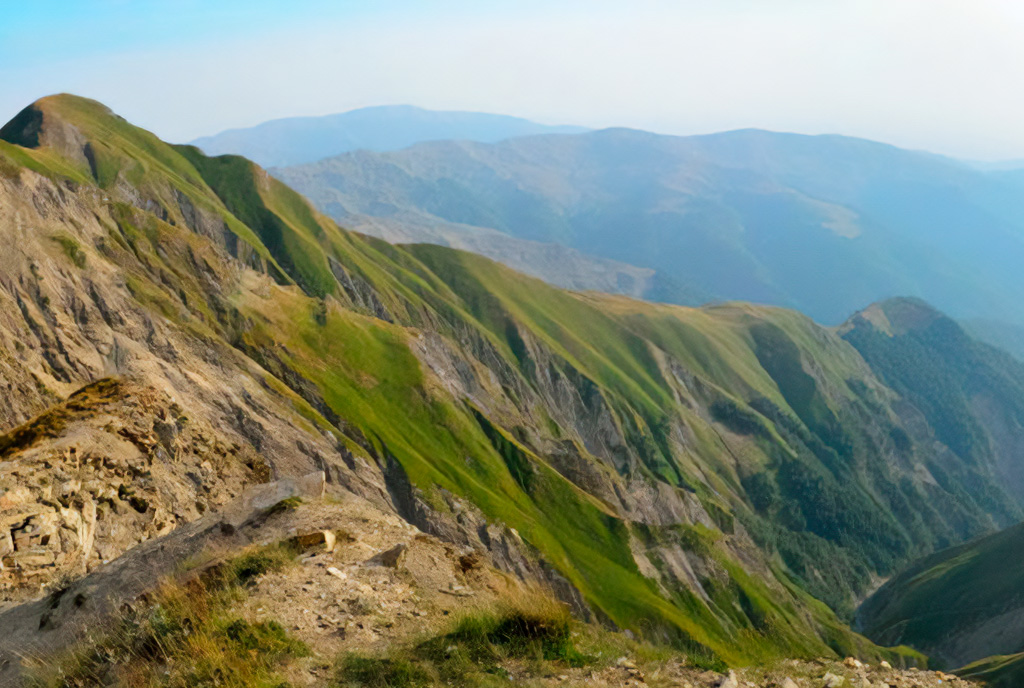
Azerbaijan is blessed with breathtaking scenery, and few places rival the Caucasus Mountains in the Guba district.
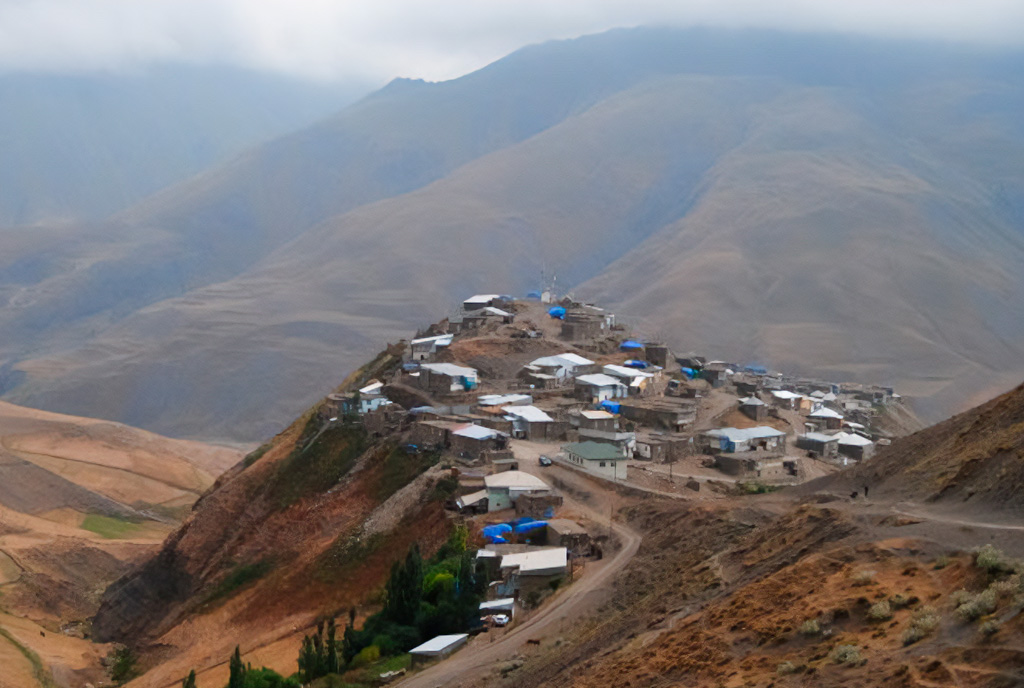
The area is also home to a wealth of ethnic minorities who speak their own languages and live in remote mountain villages. Two of these villages in particular, Khinalug and Griz, are becoming popular ecotourism destinations.
Until recently, both could only be reached on foot or on horseback via rugged mountain passes, but in 2011 a new road opened that made access far easier and created a host of new opportunities for hiking and ecotourism.
Even so, the journey is still a big part of the whole adventure, since the only vehicles capable of tackling the scenic but treacherous mountain routes are sturdy old Soviet jeeps. At the top, breathtaking views await, along with a way of life that will throw you back in time.
Tip: Camping Azerbaijan (+994 51 400 9091) runs several excellent hikes and ecotourism trips to these villages.
Experience Formula 1
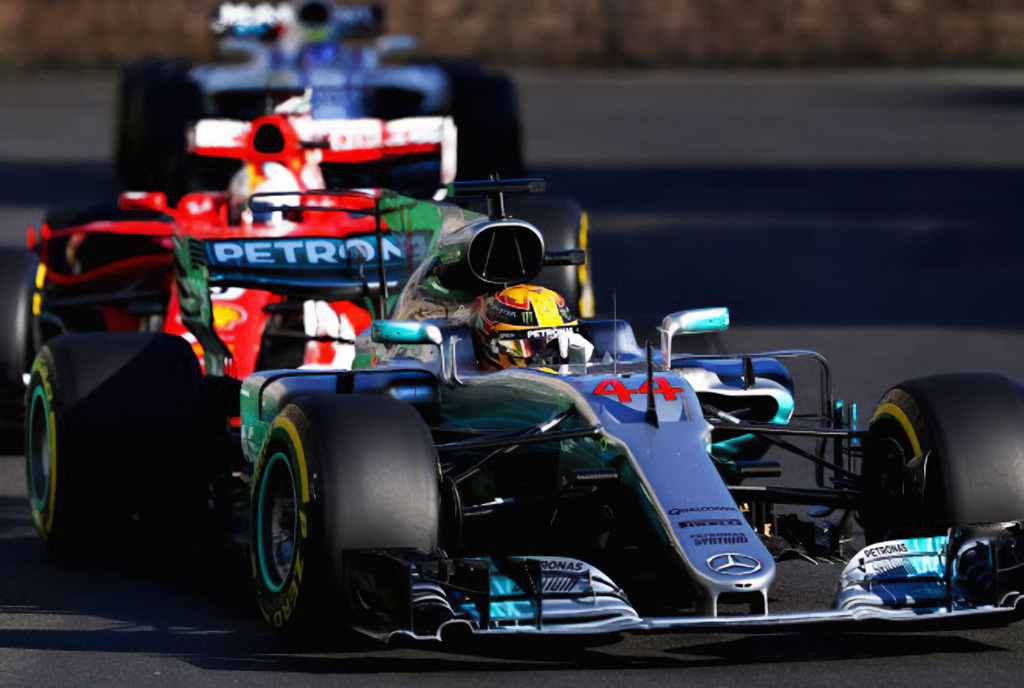
Formula 1 is still a novelty in Baku, as the first race here was held only in 2016. Like Monaco and Singapore, the Azerbaijan Grand Prix is a street race, and Baku's city circuit is the fastest of them all.
It was designed by German engineer Hermann Tilke to take in most of the city's main sights, so it runs along the old fortress walls, down the historic Istiglaliyyat Street and out onto the finishing straight, which runs parallel to the seaside boulevard.
The first race in the summer of 2016 was fairly uneventful, but last year's event was marked by plenty of crashes, controversy and a thrilling finish. The race has since been moved to April, a great time to visit Baku before the summer heat sets in.
A Weekend in Nakhchivan
Legend has it that the distinctive fang-shaped peak of Mount Ilan-dag (Snake Mountain) in Nakhchivan was carved by Noah's Ark as it drifted away from Mount Ararat after the flood.
Biblical is perhaps the best word to describe the otherworldly landscapes of this Azerbaijani exclave, wedged between Turkey, Armenia and Iran.
To get there you have to fly from Baku, and the whole experience is at once thrilling and unusual. What's unusual is that the taxi drivers wear special uniforms, the streets are spotlessly clean and plain-clothes security officers will politely question you at the airport.
The thrill lies in the ancient monuments, the delicious lemons and the striking views of northern Iran across the Araz River.
Where else can you relax in a former Soviet salt mine that's now a health resort (+994 60 204 0055), see a lake with floating islands (Lake Batabat) and climb up to Alinja Fortress, Azerbaijan's answer to Machu Picchu?
Be Captivated by Lake Goygol
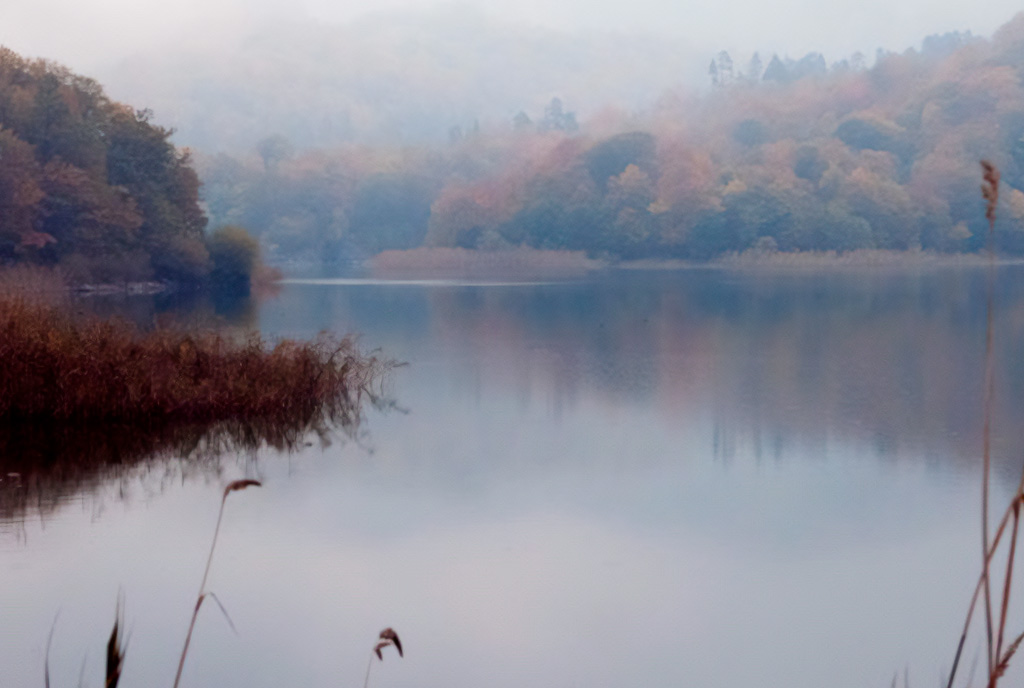
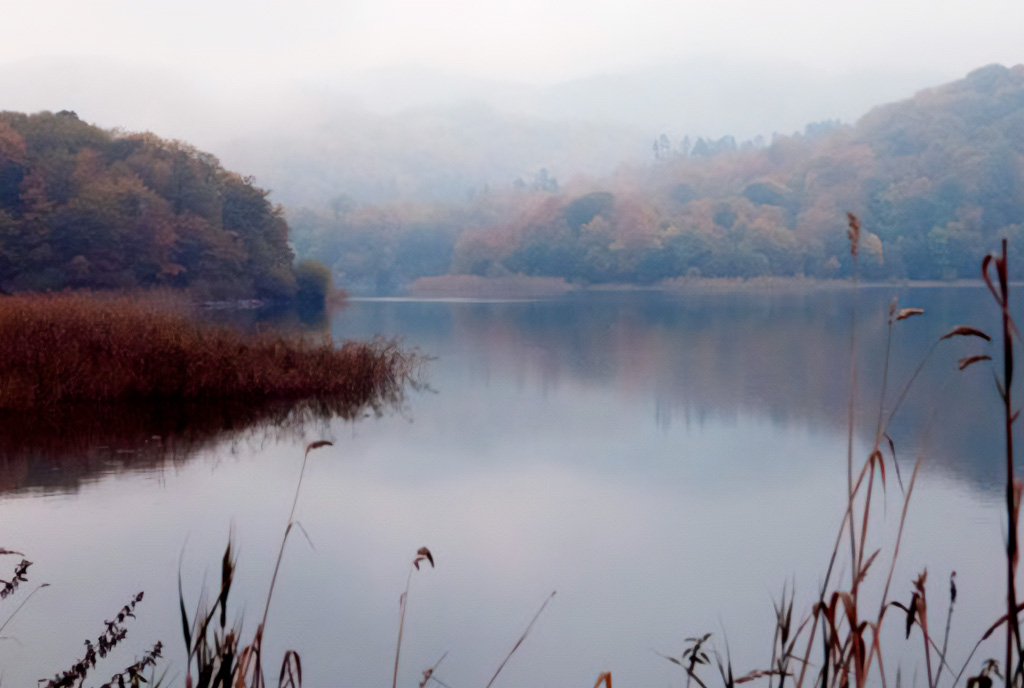
The most iconic sight in the west of the country is the stunning Lake Goygol ("Blue Lake") at the foot of Mount Kapaz in Goygol National Park.
The lake is actually one of a series, all formed after a powerful earthquake in 1139 sent rocks tumbling from the summit of Mount Kapaz into the Aksu River. Goygol is the central one, ringed by a handful of hotels, tea houses and restaurants, but neighbouring Maral Gol, though smaller, feels more pristine and remote, reachable only by a seven-kilometre hike or a short minibus ride.
The national park is about an hour's drive from Azerbaijan's second-largest city, Ganja.
Much of it is untouched and therefore rich in wildlife, including wolves, jackals and bears. On the road from Ganja you'll come across dramatic landscapes dotted with traditional tea houses and rural villages, plus the odd cow ambling casually across the road.
Tip: Given the steep prices at the national park's few hotels, it's better to base yourself in Ganja. The city's rich history, youthful vibe and old red-brick buildings in the centre make it well worth a wander too.
Go Skiing in Azerbaijan
Azerbaijan has two small but growing winter resorts that opened in the past five or six years, offering the chance to ski off the beaten track in the Caucasus Mountains.
Shahdag Mountain Resort (+994 12 310 1110), about 30 kilometres from Qusar, has a wider choice of slopes and top-quality accommodation and dining, while further west across the mountains, Tufandag Mountain Resort (+994 50 290 4333), perched right above the town of Gabala, is less suited to beginner skiers but arguably has a more affordable and appealing selection of cafes, restaurants and hotels.
The season is relatively short, running from mid-December to the end of February, though both resorts are developing their summer tourism offerings.
Both can be reached from Baku by a combination of bus and local taxi or, better still, by renting a car.
Immerse Yourself in Hospitality and Tea Culture
The simplest and best Azerbaijani experience can be had anywhere in the country, and often completely spontaneously.
Azerbaijanis are so hospitable that, especially in the regions, you're bound to meet a curious local and soon find yourself invited home, where you'll be served bowls of homemade dolma, hingal or plov and endless cups of tea.
Chai (tea) is the national drink and an inseparable part of any Azerbaijani experience, whether in a timeless mountain village, at a Caspian seaside retreat or in a simple roadside tea house on a journey across the country.
It's served in small pear-shaped armudu glasses; in the countryside it almost always comes with delicious jam made from local fruit, while in central Baku plenty of stylish tea houses serve it with baklava and other Azerbaijani sweets.