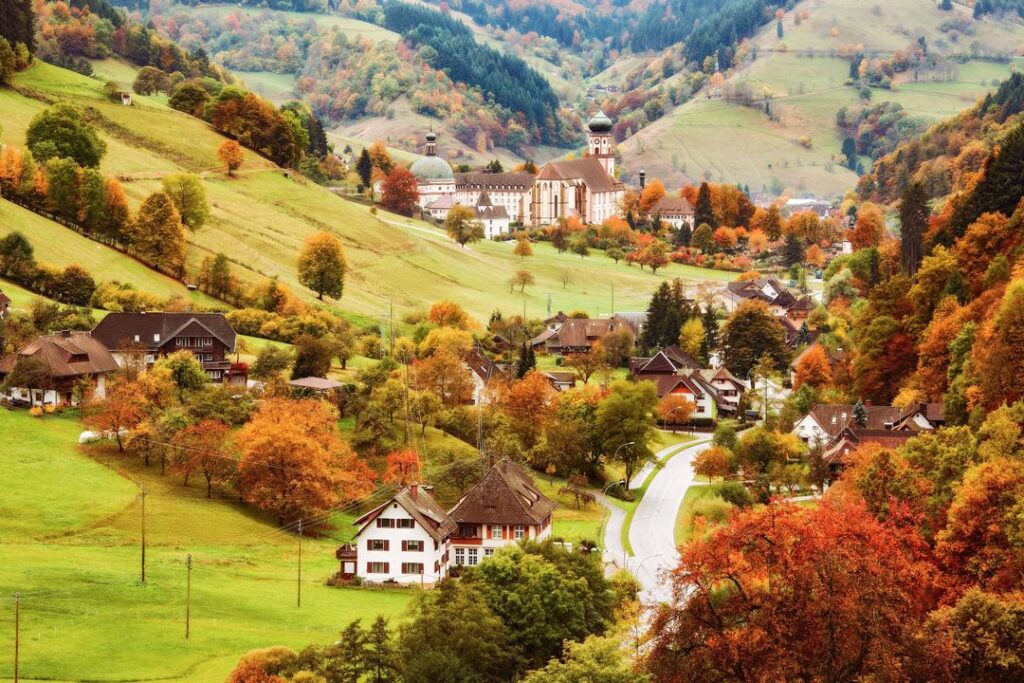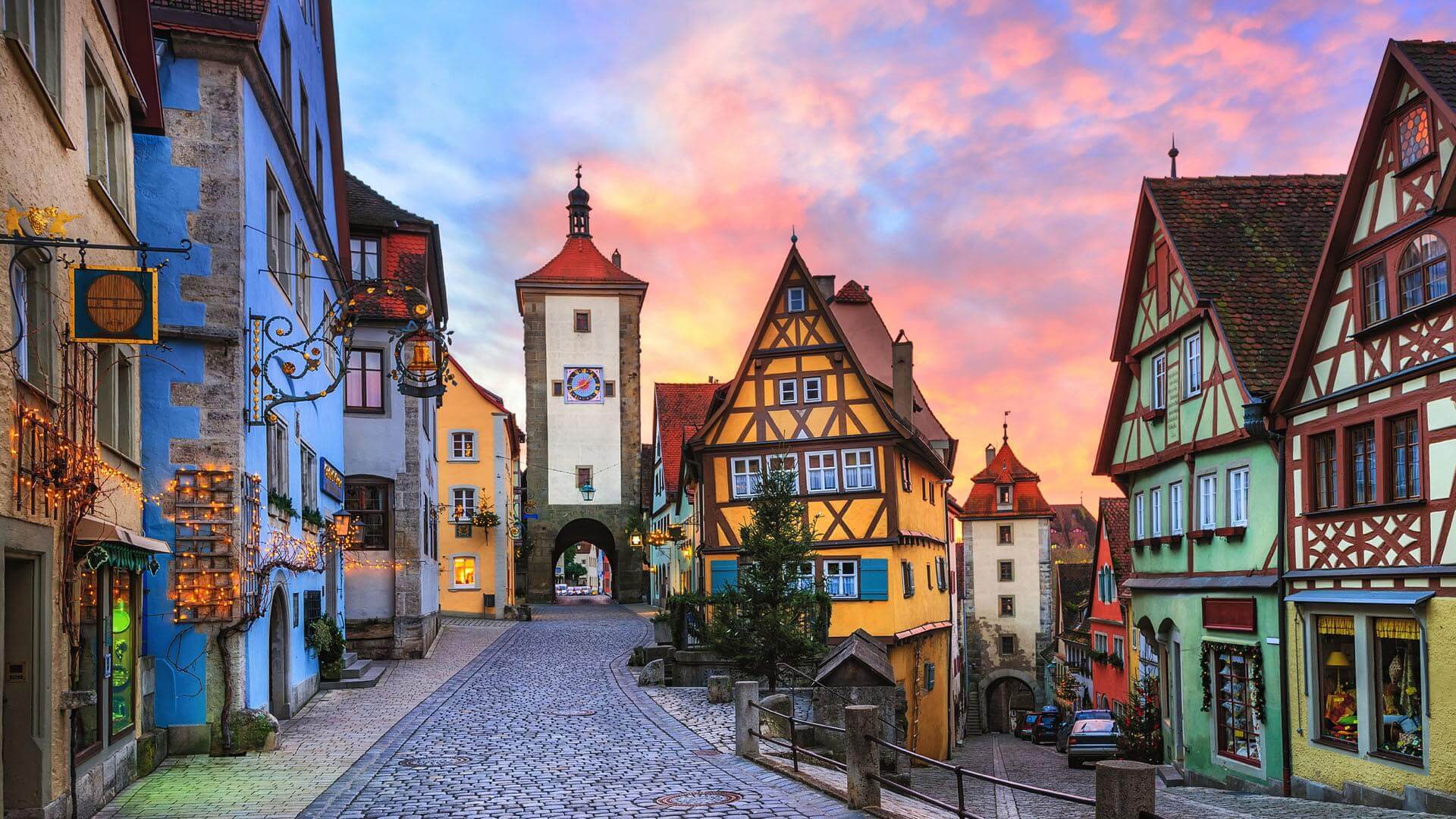


Did you know that so-called sustainable tourism is thriving just across the western border? In the Sustainable Development Goals (SDG) index for 2020 published by the World Tourism Organization (UNWTO), a document that tracks how individual countries are progressing toward the UN Sustainable Development Goals, Germany ranked 5th out of 166! So why do eco-conscious travelers choose this country as their destination?
As it turns out, the country on the other bank of the Oder has done a brilliant job of tapping into today's most fashionable travel trends through its investments and initiatives. According to a February 2021 study by the European Travel Commission (ETC), the phenomenon of "city life" is gaining momentum on one hand, while on the other there is growing demand for the outdoors: recreation in nature that supports health and well-being.
The European Travel Commission (ETC) report states that the largest group of people who say they intend to travel the world once restrictions lift are urban tourism enthusiasts. German National Tourist Board / Baden-Baden Kur & Tourismus GmbH
Partner links: booking through them supports the blog at no extra cost to you.
The ETC report notes that the largest group of people who say they intend to travel the world during the lockdown period are precisely the fans of city tourism. They make up roughly 34 percent of respondents. When it comes to Europeans' travel motives, they point first and foremost to relaxation (66 percent), followed by nature and active recreation (15 percent).
From a tourism perspective, city life in Germany combines a wide range of recreational options in town with the natural attractions of the surrounding area. Excellent examples of pairing city and countryside in this country include Berlin with the Spreewald and the Brandenburg marshland, Frankfurt with the Taunus and the Rheingau, or Hamburg and Bremen with the North Sea coast.
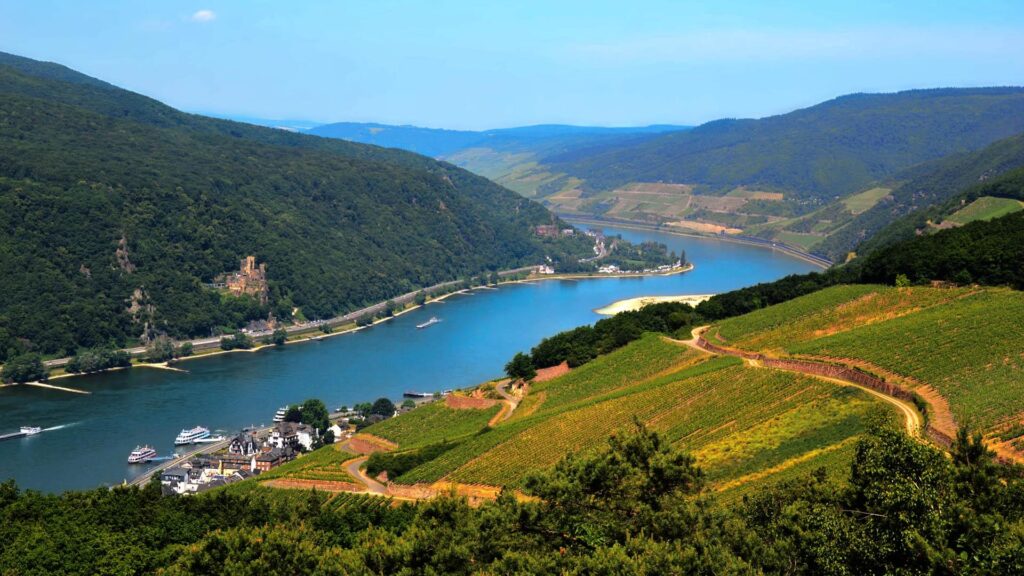
The Rheingau, a Region of Germany on the Right Bank
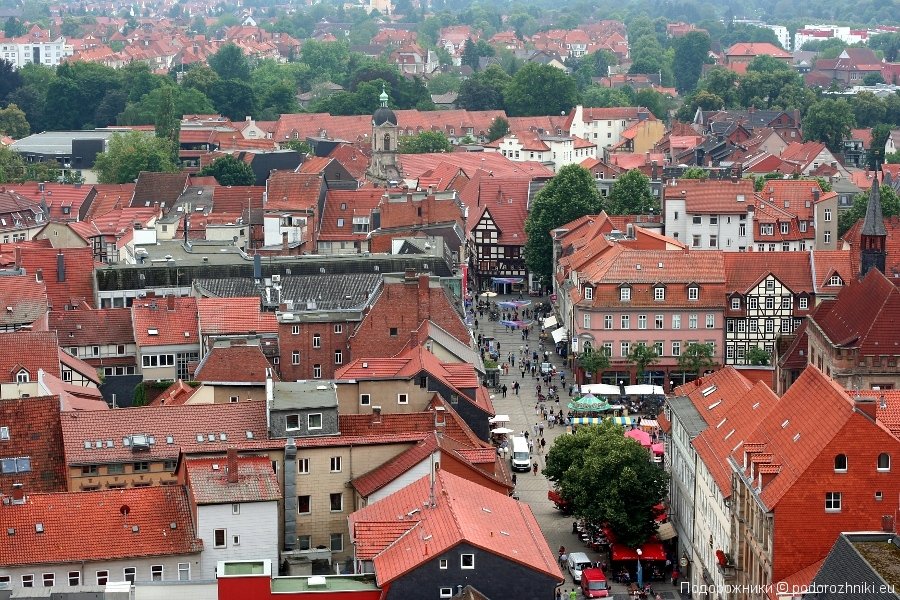
It is worth noting that Germany holds the world record for the number of "green cities," meaning cities where a significant share of the territory is given over to green spaces: parks, gardens, groves, plots, and forests. In the ranking of the world's greenest metropolises compiled by the Husqvarna Urban Green Space Index (HUGSI) in 2021, no fewer than 4 German cities made the top 10, and 20 made the top 100!
In the TOP 10 list for this metric, the country was represented by Dortmund (4th place, 58%), Stuttgart (6th place, 58%), Wurzburg (8th place, 57%), and Heidelberg (10th place, 52%). HUGSI analyzed the world's largest cities and also took into account landmarks closely tied to green zones.
Gottingen, One of Germany's Greenest Cities
Beyond tourist attractions in parks and gardens (palace complexes, museums, plant collections) or on the water (cruises, water sports), German cities offer convenient and eco-friendly day trips made up of sightseeing tours, that is, getting to know the immediate surroundings. Travelers can often count on tourist cards that unlock access to the main sights of individual regions.
Fans of eco-friendly city life are drawn to Germany's cities and to the country's highly developed transport system, built on clean energy sources. Long-distance trains run on "green fuel," and buses and shuttles increasingly operate on hydrogen or biogas. The electric mobility sector is developing intensively and includes rentals of electric vehicles: cars, bikes, and scooters.
Sustainable tourism is grounded in a friendly attitude toward nature. German National Tourist Board / ipopba,
A major factor in the growth of sustainable tourism in Germany is the fact that a full third of neighboring Poland's territory is protected as natural landscape! Within its borders lie 16 national parks, 16 UNESCO biosphere reserves, and 104 landscape parks. Some of them can be reached by high-speed trains as part of the "Destination Nature" tourism program.
UNESCO World Heritage sites include the Upper Middle Rhine Valley with the Lorelei rock, Germany's ancient beech forests, the Wadden Sea on the German North Sea coast, the Dessau-Worlitz Gardens along the Elbe and the Mulde, and Reichenau Island on Lake Constance. Mountain regions for travelers include the Allgau Alps, the Eifel, and the Black Forest.
The Black Forest, a Mountain Range in Southwestern Germany
Visitors to Germany who come in search of "outdoor experiences" (active recreation in the open air beyond enclosed tourist sites) will find 12,000 kilometers of cycling paths and 200,000 kilometers of marked hiking trails at every level of difficulty. Treetop walks and swimming in the many lakes round out the picture.
Lovers of saunas, baths, massages, and other forms of wellness recreation set against the picturesque scenery of lakes, mountains, forests, and meadows will find a wealth of resorts and spa towns opening their doors. Popular resorts include Bad Bevensen, Bad Driburg, Bad Griesbach, Bad Kissingen, Bad Meinberg, Bad Reichenhall, Bad Saarow, Bad Waldsee, Goehren, Oberstdorf, Sellin, Wiesbaden, and Zingst.
12,000 kilometers of cycling paths await fans of active recreation beyond the enclosed tourist sites of Germany. German National Tourist Board / Gunter Standl, DZT
Those interested in eco-tourism options for accommodation and dining can choose from more than 1,500 certified places to stay and over 1,500 well-known restaurants that place great value on caring for the environment.