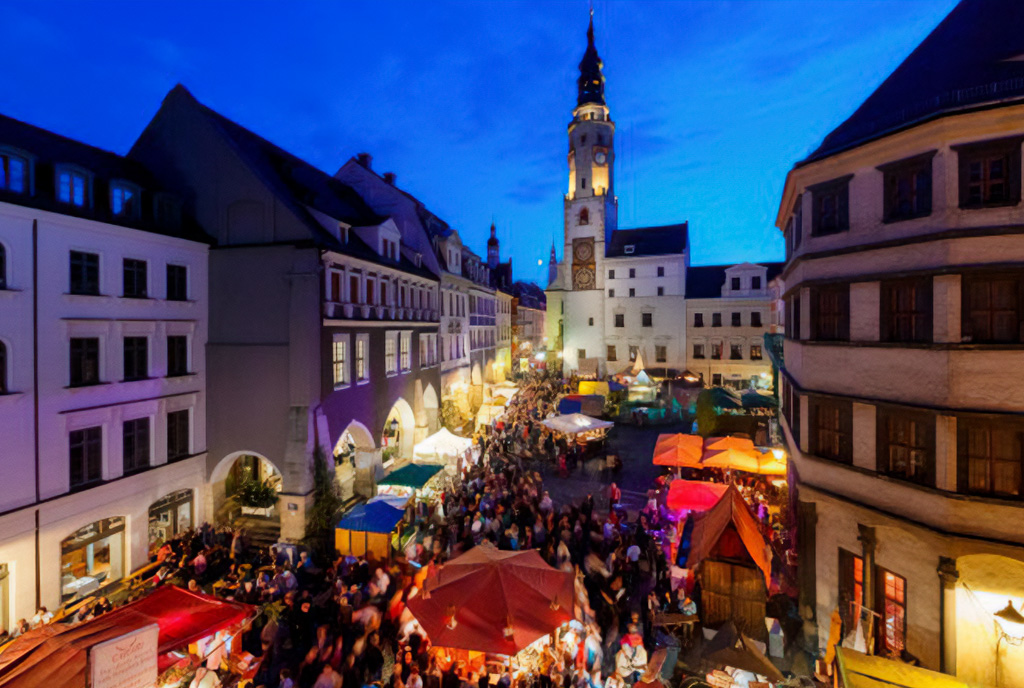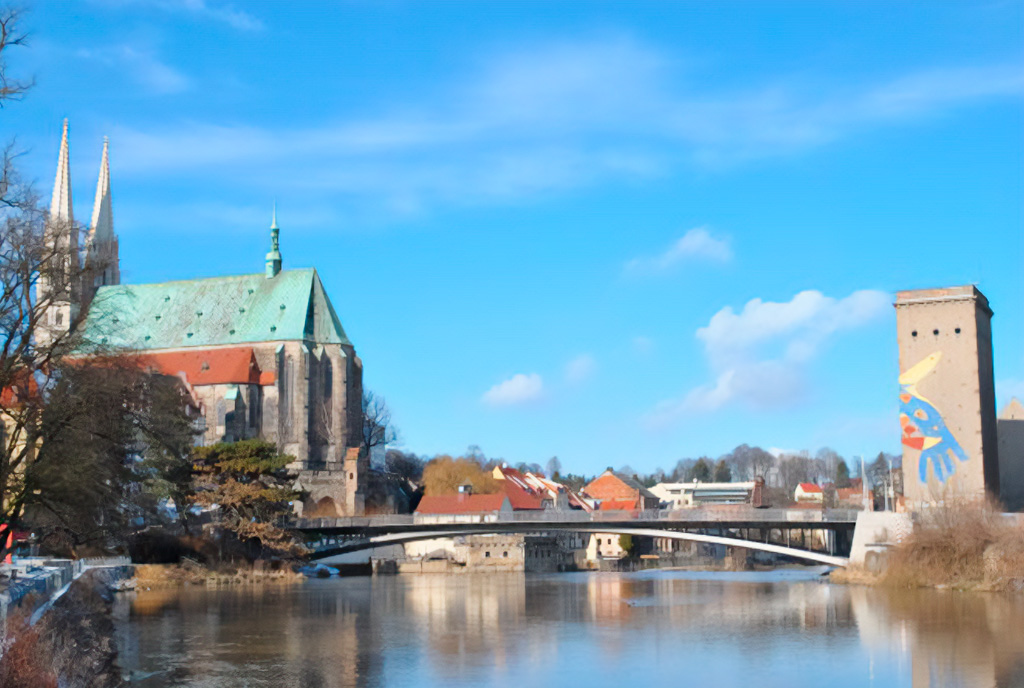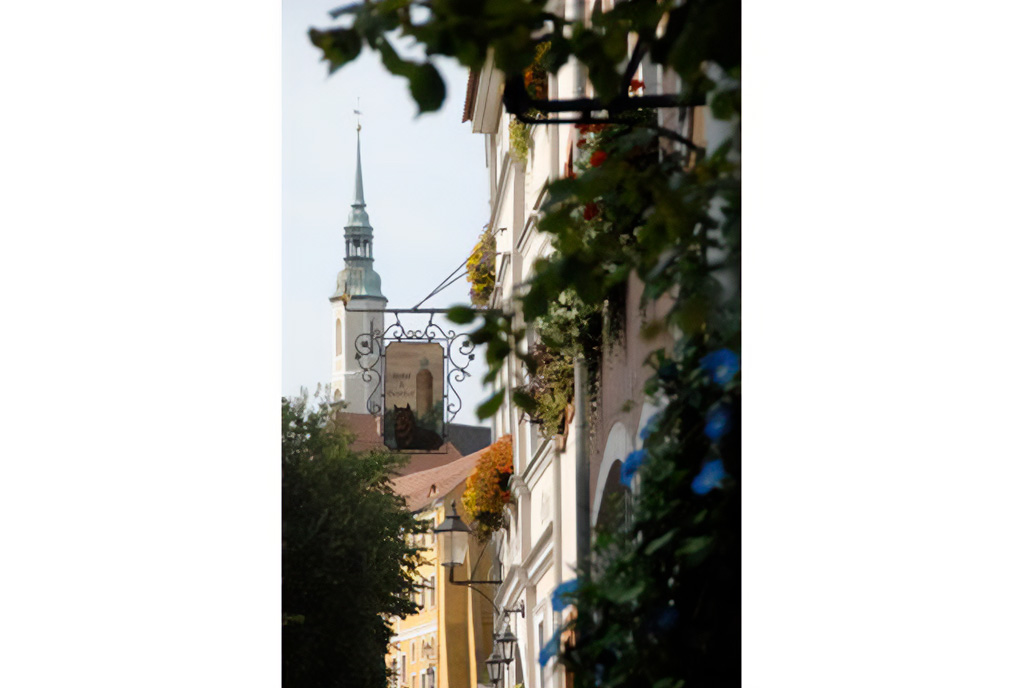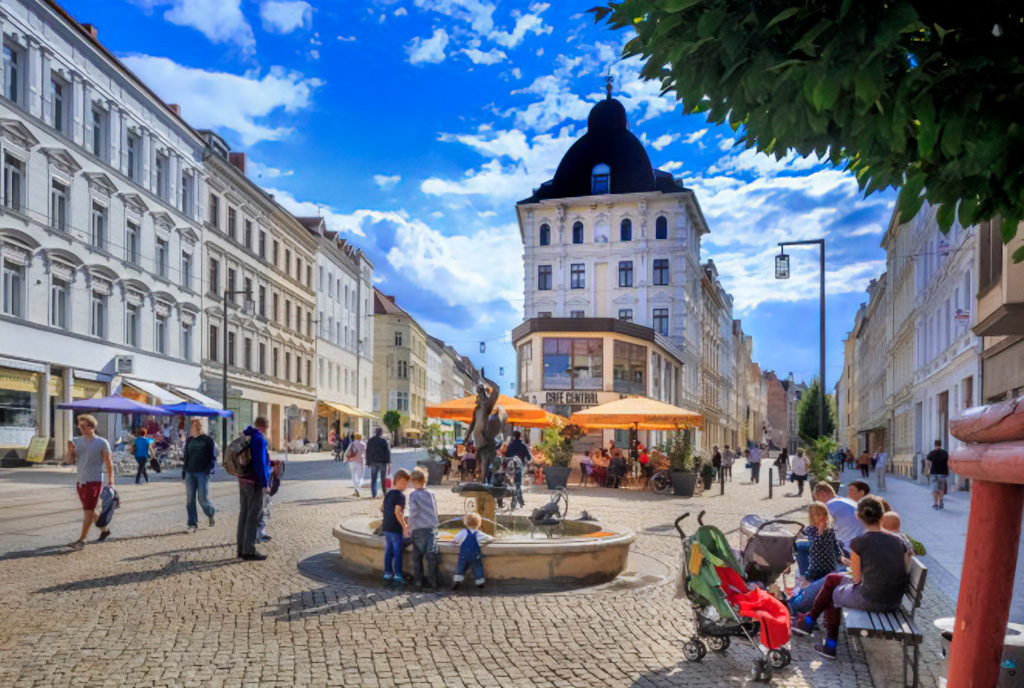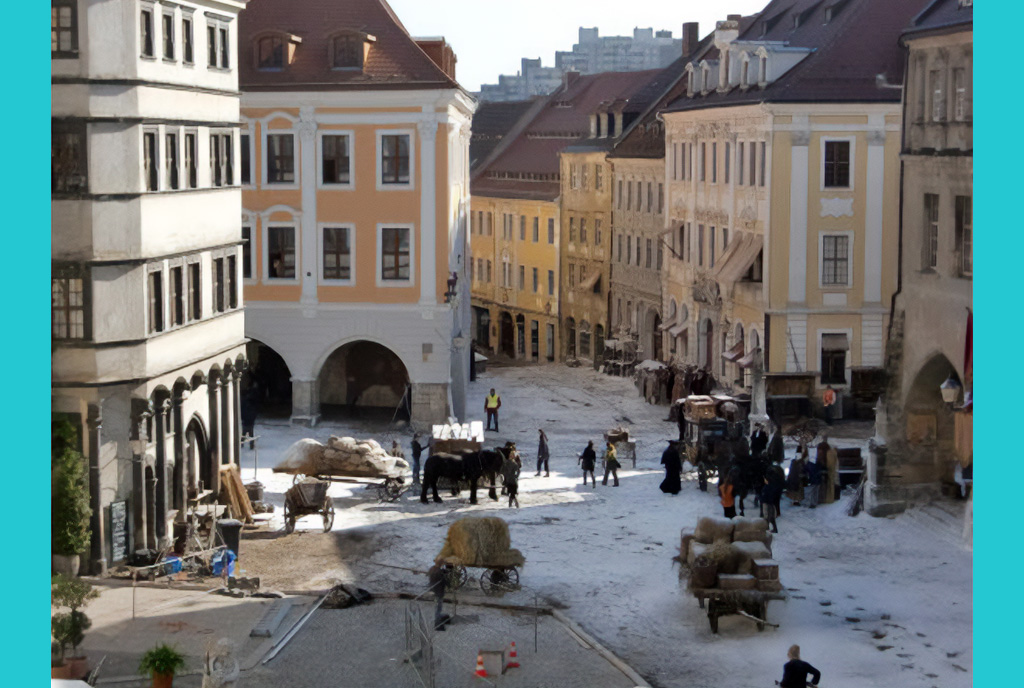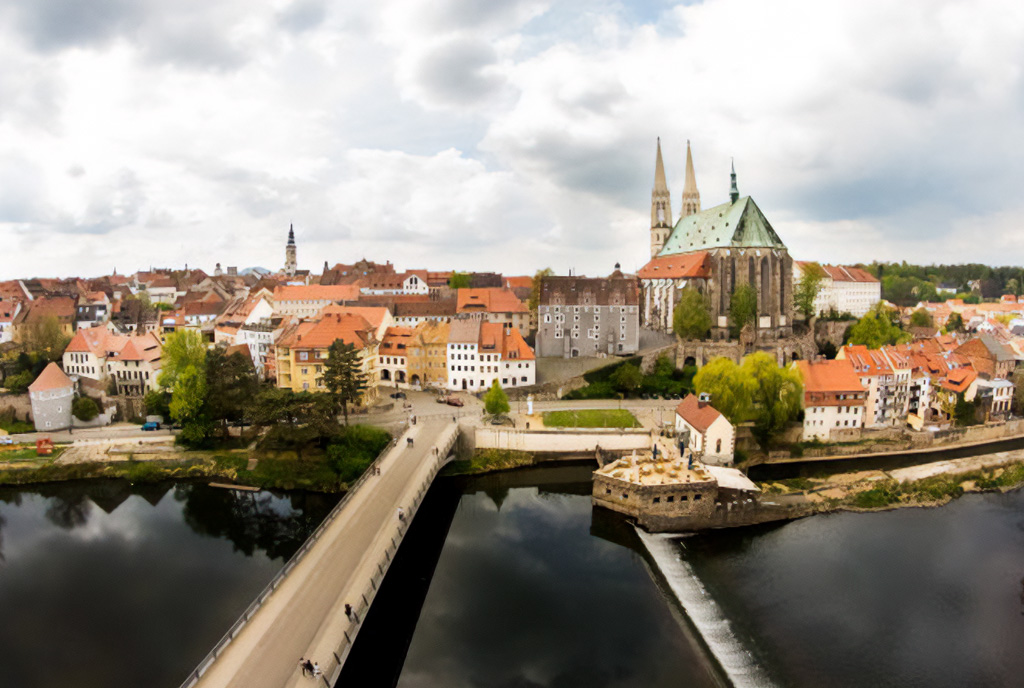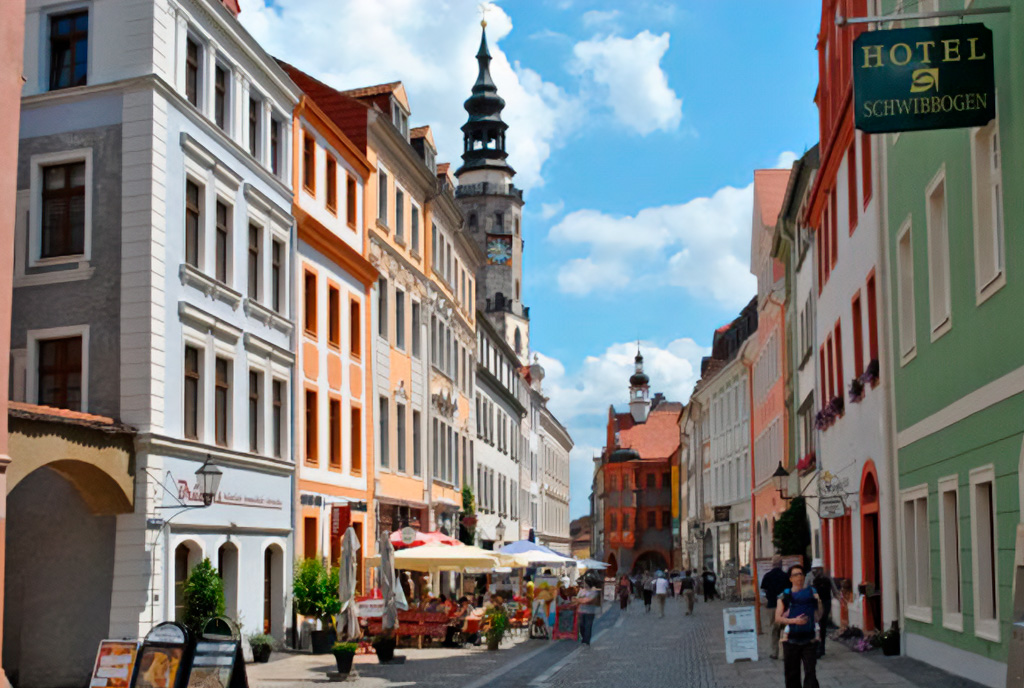


You may never have heard of the pretty German town of Goerlitz, but its medieval streets and its mix of art nouveau, art deco and gothic architecture might just look familiar.
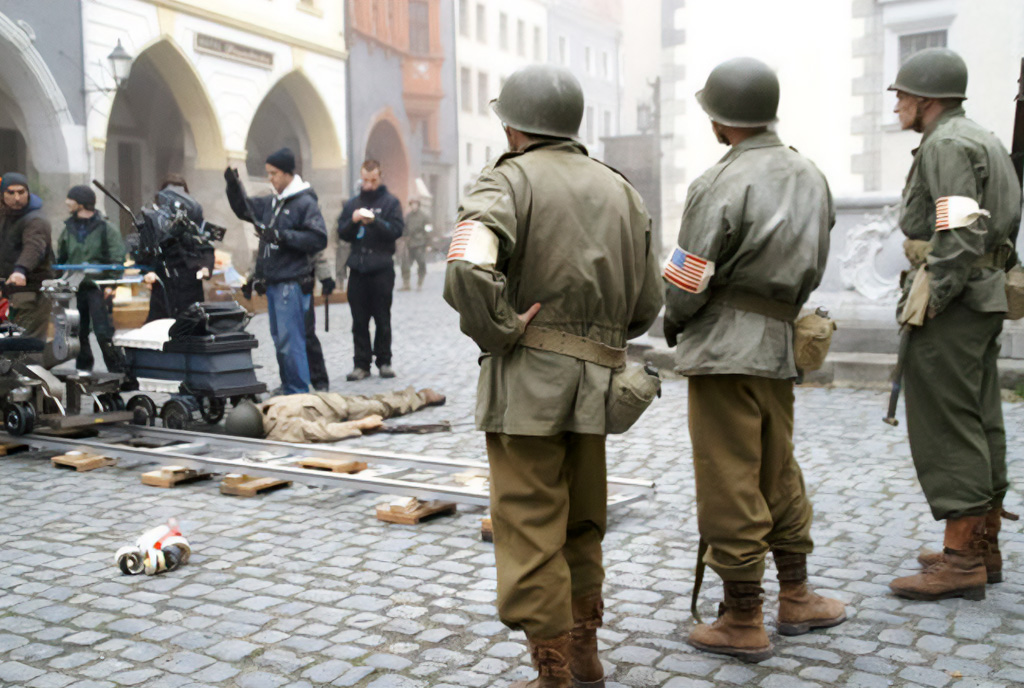
That is because it is regularly used as a backdrop for some of Hollywood's most successful films, including Wes Anderson's "The Grand Budapest Hotel" and Quentin Tarantino's "Inglourious Basterds".
It is no surprise, then, that Goerlitz has now been crowned Best European Film Location of the Decade by the Association of Film Commissioners International.
Partner links: booking through them supports the blog at no extra cost to you.
'Crowning glory'

The award, voted for by film fans across Europe, saw the town edge out 10 other nominees, including the stunning "Game of Thrones" locations in Croatia and the streets of Vienna that feature in "Mission: Impossible, Rogue Nation".
"This is the crowning glory for our town," says mayor Siegfried Deinege.
He adds that the award is "a huge incentive to be a quality location for future productions".
Goerlitz began its film career back in the 1950s, earning the nickname "Goerliwood", but its starring role in "The Grand Budapest Hotel" cemented its status as a royal filming location.
Director Wes Anderson arrived in town in 2013 and spent 40 days in Goerlitz, shooting on location.

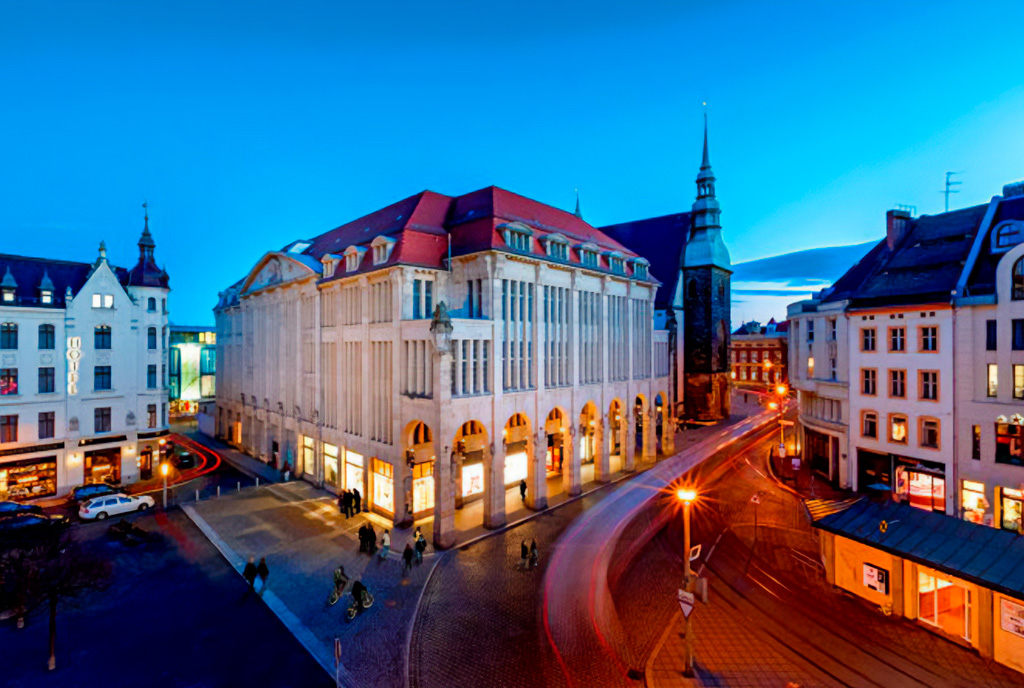
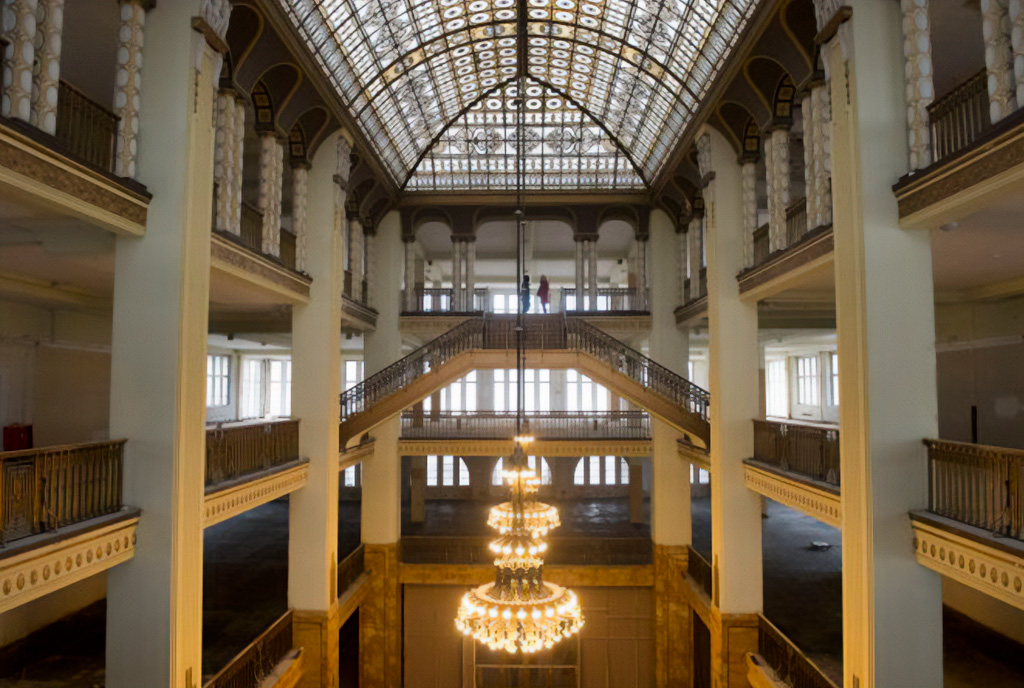
The town has more than 4,000 buildings protected as historic landmarks, but it was a former art nouveau department store that caught Anderson's eye.
The interior served as one of the main sets for the film's namesake hotel, used to create its sprawling lobby.
After the film captured audiences around the world, going on to win an Academy Award for Best Production Design, all eyes turned to Goerlitz.
Film buffs may not be able to visit the fictional Republic of Zubrowka, but the town makes a wonderful stand-in for Anderson devotees.

Spared by the war
Unlike many towns in Germany, Goerlitz came through World War II almost entirely undamaged by bombing.
Once a bustling medieval trading hub, the town still has buildings dating back to that era.

The metropolis was once a commercial hotspot, the heart of Prussian Upper Lusatia and later the largest town in Lower Silesia. The town became part of Germany after World War II.
It remains so photogenic partly because, in a plot twist worthy of the movies, the town received an anonymous donation known as the "Old Town million" back in 1995.
The donation was handed out every year from 1995 to 2016 to support the restoration of the Old Town.
Interest in Anderson's "The Grand Budapest Hotel" has not faded since 2014, and many film-loving European travellers keep seeking out buildings that echo Anderson's whimsical style.
Time will tell which film takes over the streets of Goerlitz next, but the town is unlikely to wait long for its next Hollywood moment.