

When I was a child, my father always sunbathed naked in our garden on weekends. At public pools, children of all ages were allowed to run around bare whenever they liked.
Even now, I feel perfectly comfortable stripping down in a sauna or a gym changing room. Maybe it's because I'm German.
Nudism has always been popular in Germany, a country seen as buttoned-up and conservative next to, say, Italy.
Partner links: booking through them supports the blog at no extra cost to you.
In Germany, nudism is known as Freikoerperkultur (FKK), or Free Body Culture. Travel around the country and you'll find nudity is the norm in saunas, pools, parks and on the beach.
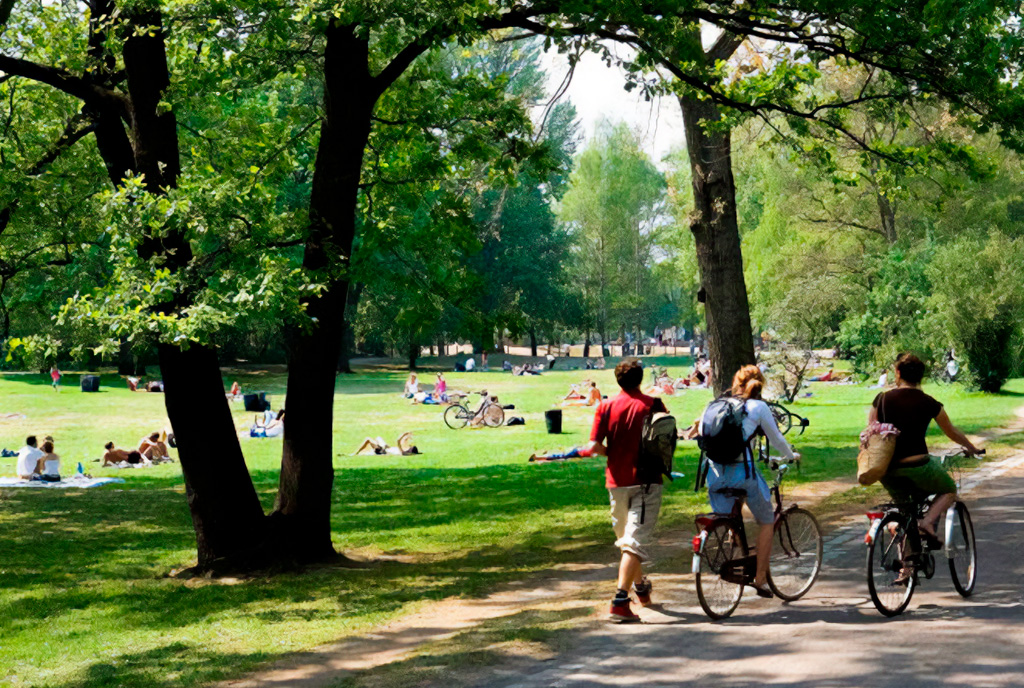
A summer in the parks of Berlin and Munich offers a fair chance of spotting a tanned, middle-aged German dressed in nothing but a hat and a copy of the BILD-Zeitung, the country's favourite tabloid.
Forget sausages and beer: the true mark of German-ness is undressing in public with zero shame. For me, it's often simply quicker and easier to strip off completely at the pool or in the sauna than to desperately try to cover up the body parts everyone else is already showing off without batting an eye.
Divided by the Iron Curtain, united by nudity
Germany's love of nudity traces back to the health campaigns of the late 19th century, when undressing was seen as part of the path to fitness, and sunbathing as a possible cure for tuberculosis and rheumatism.
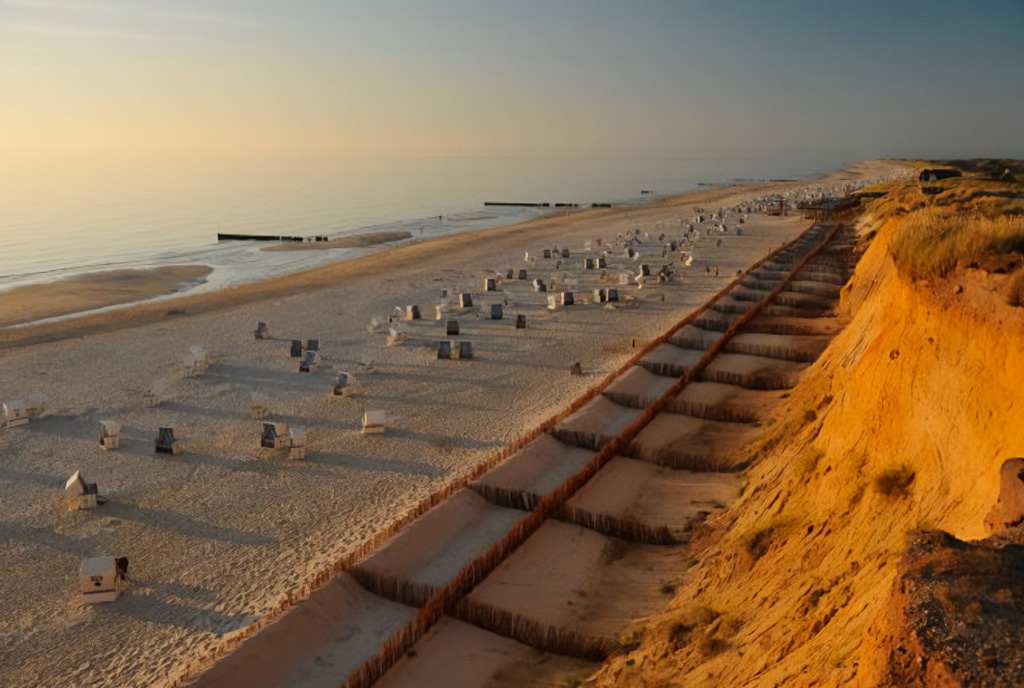
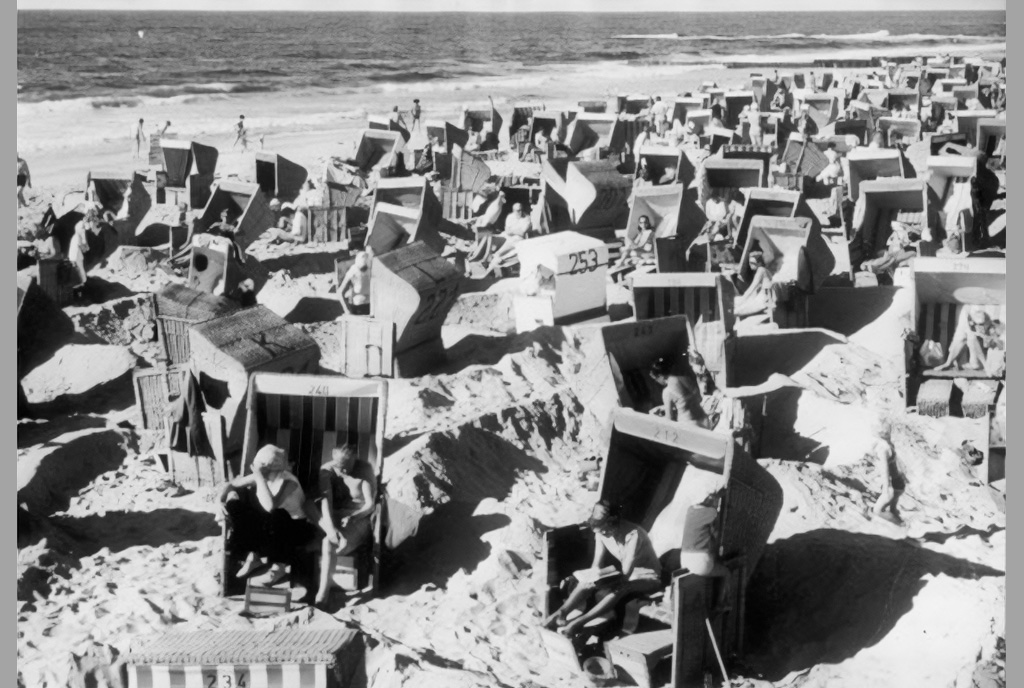
In 1920, while the rest of Europe was still clutching its pearls at the sight of a bare ankle, Germany opened its first nudist beach on the island of Sylt. Barely a decade later, the Berlin School of Nudism, founded to encourage mixed outdoor exercise, hosted the first international nudism congress.
The Nazi era brought mixed fortunes for nudism, its popularity curbed by moral crackdowns. Laws passed in 1933 restricted mixed nudism as "a reaction against the growing immorality of the Weimar state." More restrictions followed, on the grounds that the scene was "a breeding ground for Marxists and homosexuals."
Even so, nudism stayed popular, and even found support among members of the paramilitary SS.
The rules were loosened in 1942, though still shaped by Nazi prejudice, which predictably targeted Jews and other "undesirables." But the war never dampened Germany's enthusiasm for getting undressed, even once the country was split by the Iron Curtain.
After the war, nudism was equally popular in both German states. Even as the country was breaking apart in 1949, some in the West were busy founding the Free Body Culture Association, an organisation that is today part of the German Olympic Sports Federation and the largest member of the International Naturist Federation.
The naked proletariat

Nudism was especially popular in East Germany, or the German Democratic Republic, as it was then known. Quietly, it was seen as a way to escape the uniforms, marches and conformity of the communist state.
East Germans were free to practise nudism, and did so wherever they could: at lakes, on sea beaches and at sprawling FKK campsites. There was also, of course, an official socialist organisation with a long, uninspiring name.
The "Proletarische Freikoerperkulturbewegung," or Proletarian Free Body Movement, counted 60,000 members.
Nude scenes in East German films appeared long before the first naked bodies showed up in Hollywood productions. The love of nudity on both sides of the Iron Curtain also led to some curious incidents.
East German border guards were ordered to train their binoculars on an FKK beach on the other side of the frontier, to observe the behaviour of naked capitalists.
Even German chancellor Angela Merkel is said to have practised nudism in her youth in East Germany, though it has never been confirmed whether recently surfaced photos, which appear to show her swimming and strolling naked with friends, are genuine.
When West Germans began holidaying across Europe, they brought their fondness for nudity along with them. Nudist resorts started opening in France in the 1950s, followed by increasingly popular FKK ventures in Yugoslavia and along the Baltic Sea.
Early beach culture was mostly mixed, and nudity was widely tolerated, which is perhaps why topless sunbathing is still accepted on most Mediterranean beaches. Holidays at the giant nudist resort of Cap d'Agde in France became a hit with Germans when it opened in the 1960s.
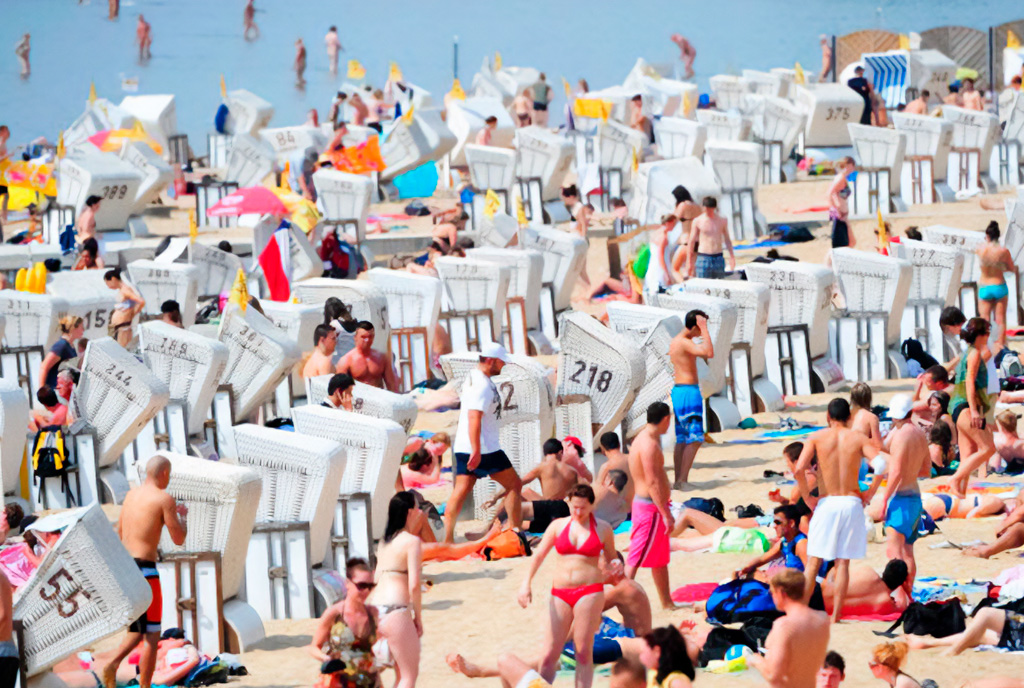
Today, Germans are typically the nationality you're most likely to spot on Europe's nudist beaches. Back home, there are plenty of nudist campsites along the German coast and around the lakes of the former East Germany.
Still, you can't strip off just anywhere. Walking naked in public places where most other people are clothed is treated as a minor offence. Prosecution can follow if another citizen is offended, but such cases are rare.
Where to bare it all

Today, around 600,000 Germans are registered members of more than 300 private nudist/FKK clubs, plus another 14 affiliated clubs in Austria.
Members visit these clubs to sunbathe naked or to try nacktjoggen or nacktwandern, that is, jogging or hiking through the countryside dressed in nothing but a backpack, boots or trainers.
A list of FKK clubs is available on the German-language homepage of the German Federation of Naturist Clubs (warning: naked images everywhere). At the heart of public nudity, there are also still plenty of dedicated FKK beaches and nudist zones in public parks and on beaches.
In Munich's English Garden, there are two large FKK areas along the banks of the Eisbach stream.
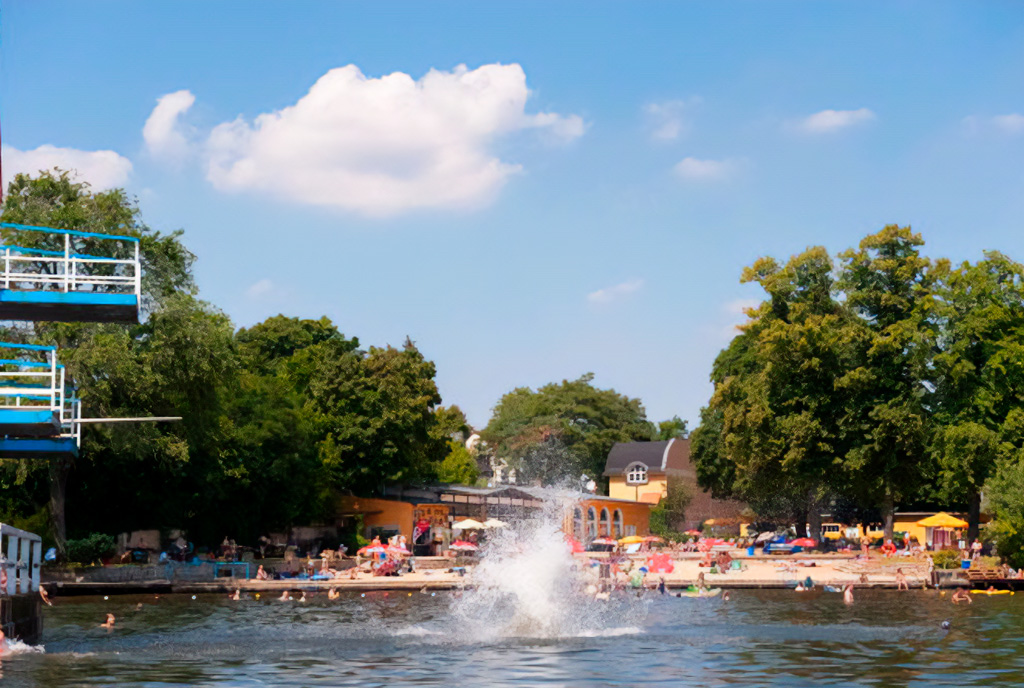
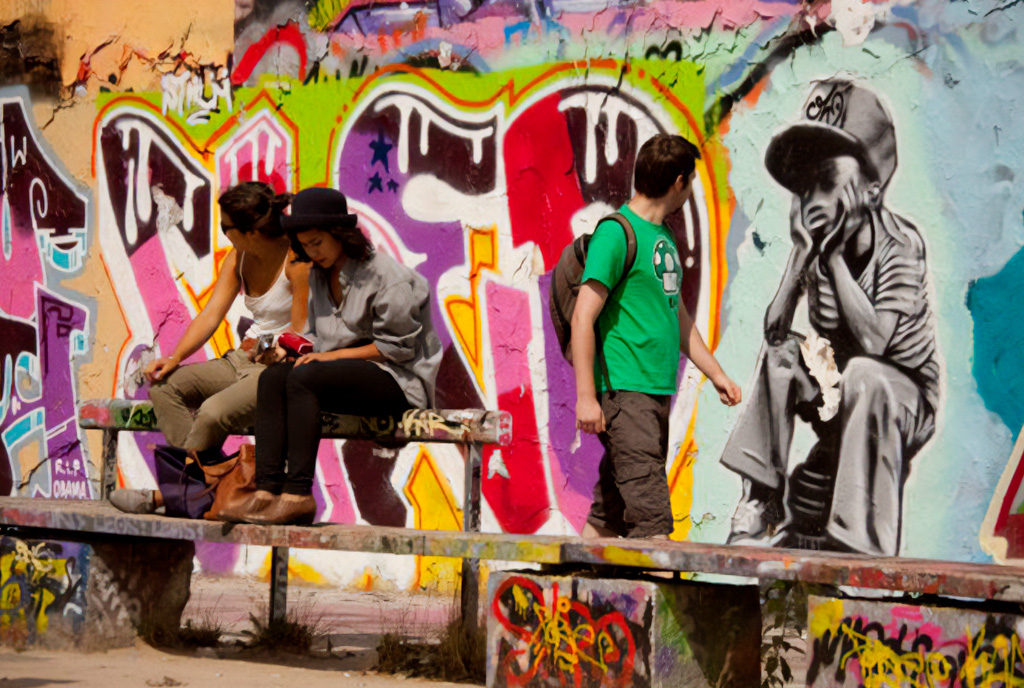
Berlin's public parks have FKK zones too: the famous Mauerpark in Prenzlauer Berg, Volkspark Friedrichshain and the Tiergarten, and you're allowed to go naked on all of Berlin's public beaches, such as Wannsee or Mueggelsee.
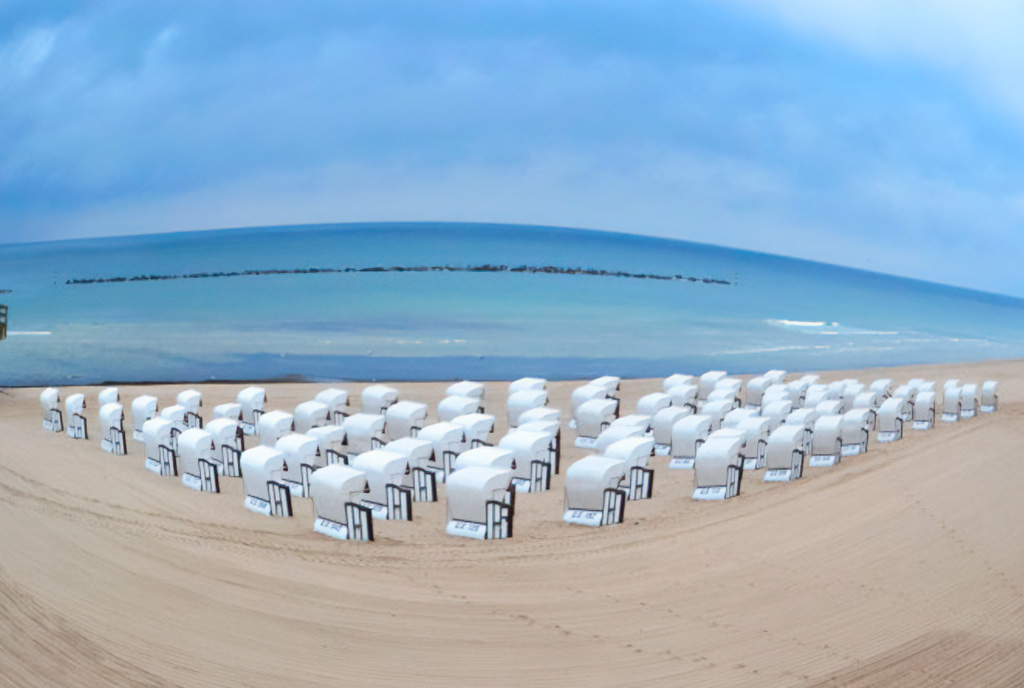
Along the German coast, ground zero for nudism, the island of Sylt, is still thriving. Kampen beach on Sylt may now be a hotspot for the rich and famous, but in Germany, they love to get undressed too.
For anyone who prefers a little distance between themselves and the next naked bather, Germany's largest Baltic island, Ruegen, has no fewer than five FKK beaches. A full list of public spots for naked bathing is available in German at nacktbaden.de.
How to bare it all in Germany

The easiest way to go fully naked in Germany is to visit one of the public FKK areas mentioned above.
Since they're mostly located in areas with a mix of clothed and unclothed people, there's no problem with undressing partway until you feel comfortable. There are no changing rooms, so getting undressed happens in public, but again, no German will take offence.
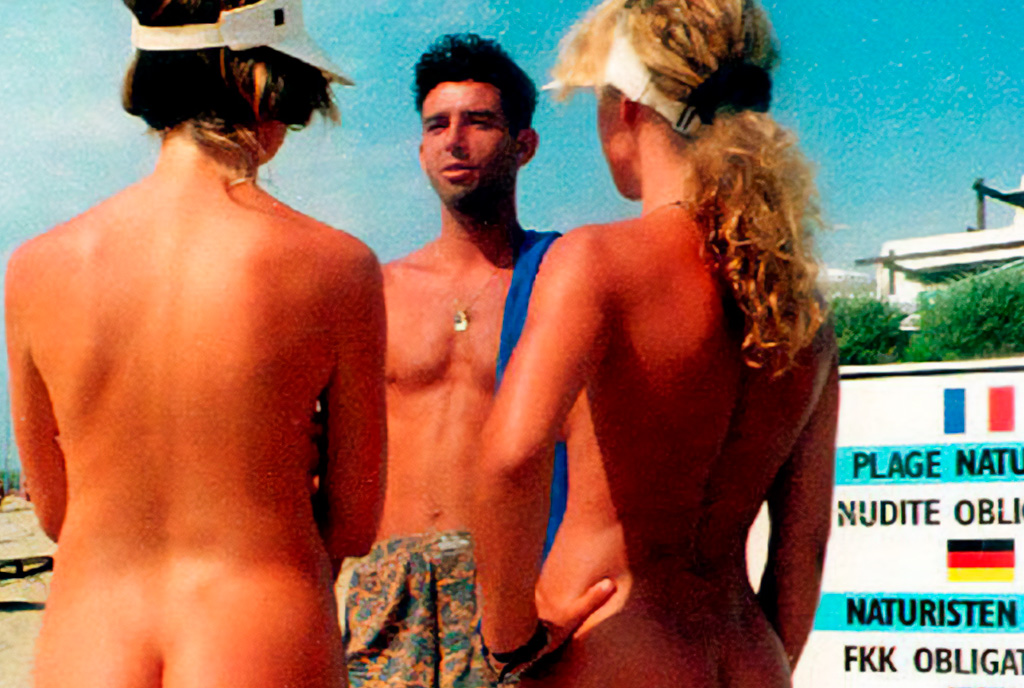
Most coastal FKK beaches will also have signs marking the textile-free zones. Once past these signs, visitors are expected to undress right away to avoid a telling-off from the lifeguards, who also keep an eye on the rules.
Private FKK clubs welcome new members and offer trial memberships for beginners. The days of a fully naked Germany, however, appear to be winding down.
Most young people don't mind sunbathing topless in parks and pools and, like me, have no issue stripping off for the sauna. But the ideals of the German nudist movement are slowly fading away.
FKK clubs complain of shrinking membership, especially in eastern Germany, since the fall of the Berlin Wall. Perhaps in today's Germany, there's no longer any need to demonstrate freedom by taking off your clothes.