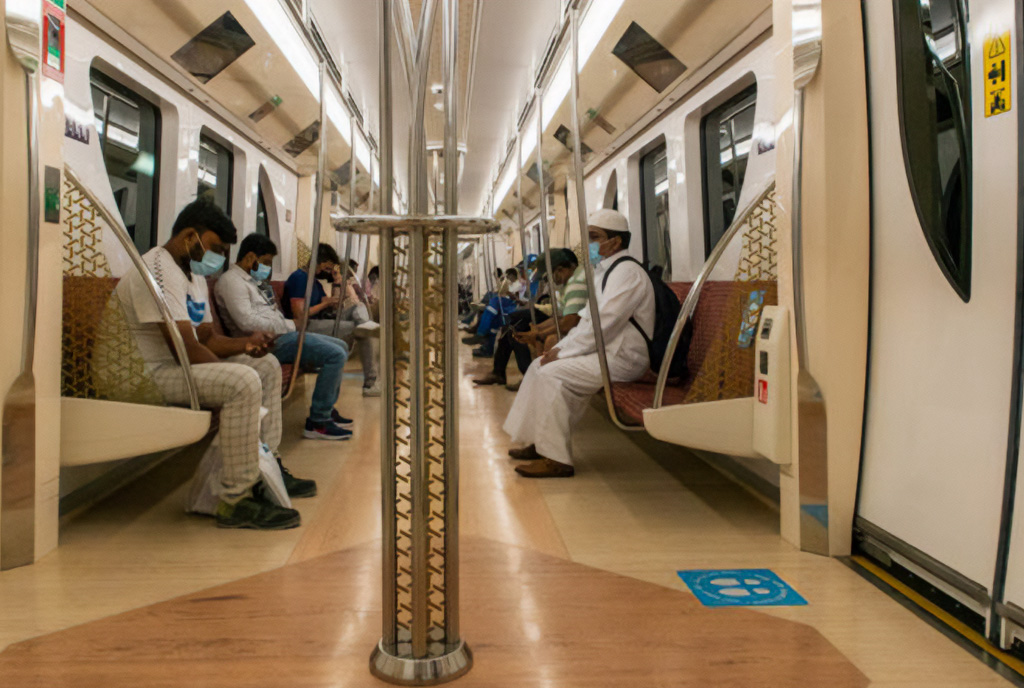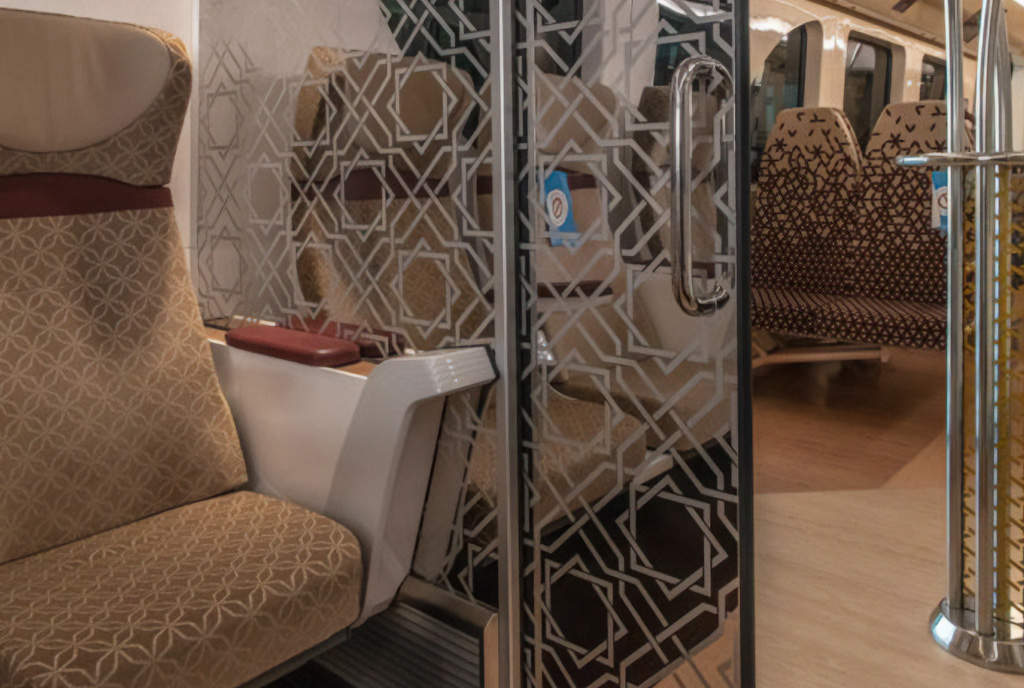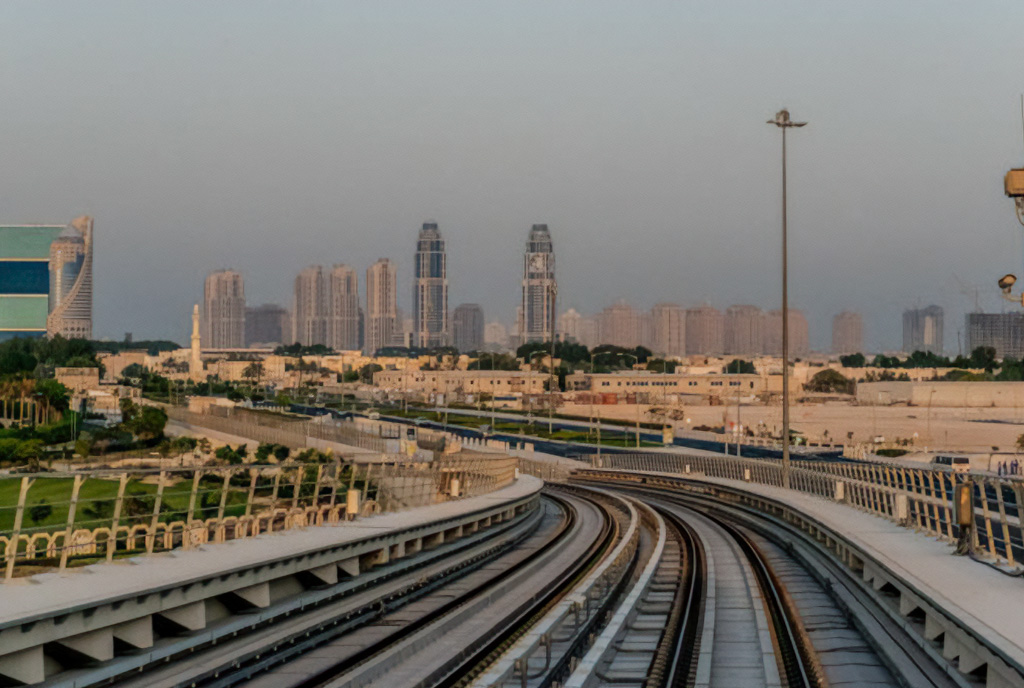


It's fast. It's driverless. It has a Gold Class for premium passengers. And it's one of the most advanced metro systems ever built.
This is the Doha Metro, a gleaming transport network that will carry football fans to their destinations at next year's World Cup and is expected to revolutionize travel across Qatar.
Built largely underground in Qatar's capital and its suburbs, the network has been running since 2019, offering a reliable alternative in a fast-growing city where residents have long relied on cars and traffic jams are a regular occurrence.
Partner links: booking through them supports the blog at no extra cost to you.
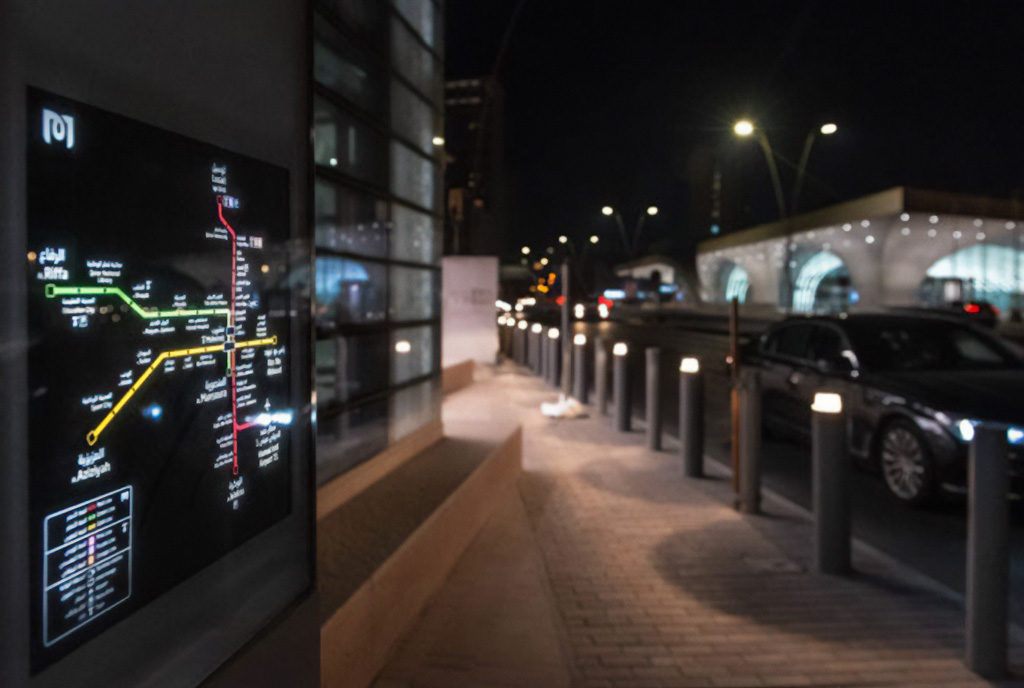
The project's first phase delivered 37 stations across three lines (the Red, Green and Gold) stretching 76 kilometers (47 miles).
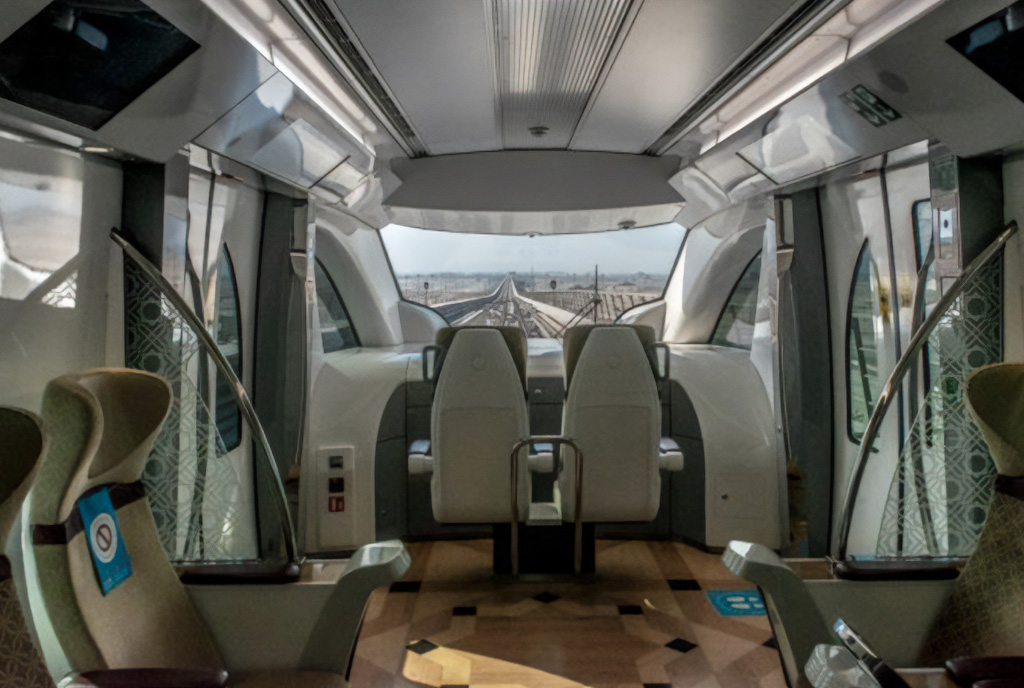
The fully automated 60-meter trains carry up to 416 passengers and are split into three sections: Standard, Family (for women traveling alone, men, or women traveling with children aged 11 and under) and Gold Class (for holders of the Goldclub Travel Card).
Clean and spacious, the trains can reach speeds of up to 100 kilometers per hour (60 miles per hour) and come fully equipped with CCTV and public Wi-Fi. They even have USB ports, so Gold Class passengers can charge their phones and tablets on the go.
Bringing Together Past and Future

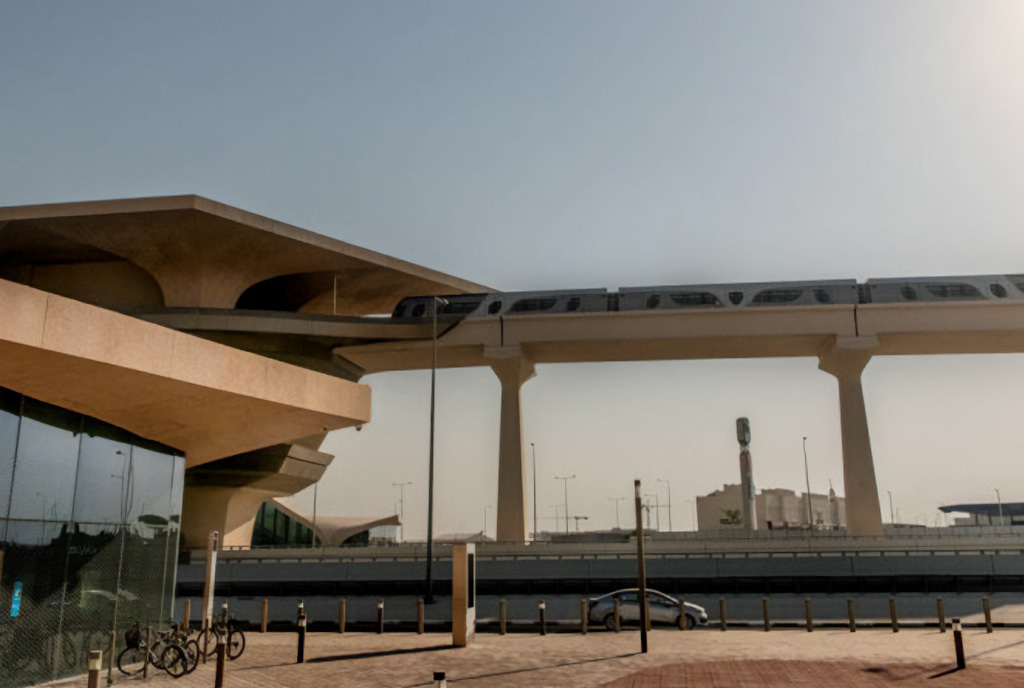
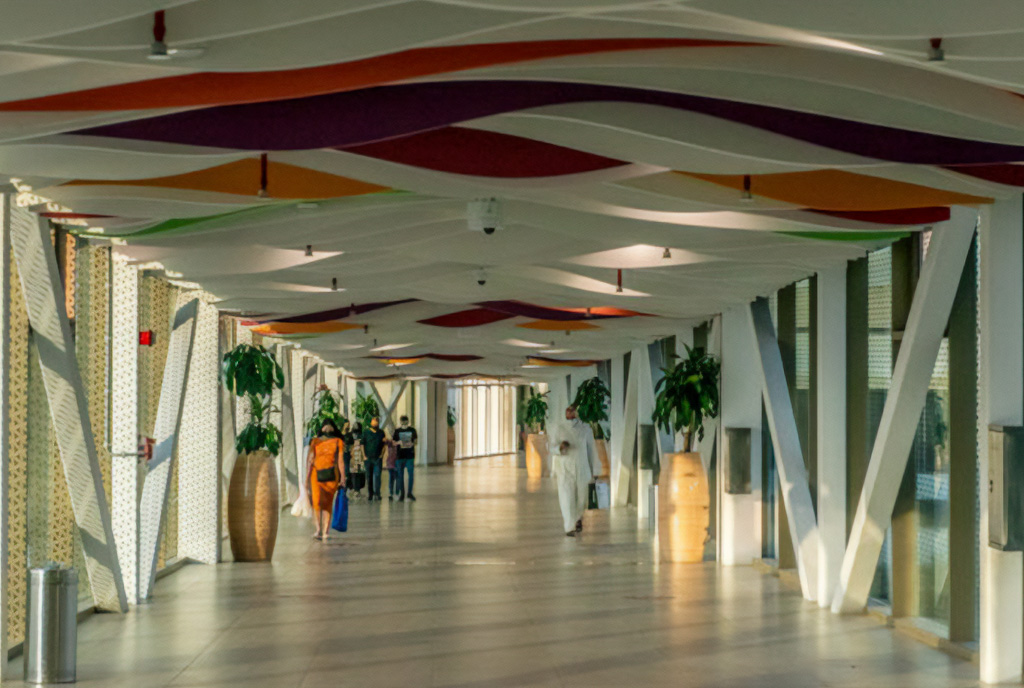
Every station was designed with a vision of both modernization and preservation, blending traditional touches of regional architecture with a contemporary approach.
"It was important that the design related to the context, to the city of Doha and to Qatar," says Ben van Berkel, co-founder of UNStudio, the Dutch architecture firm that teamed up with Qatar Rail's Architecture Department to create the stations.
Related article: Banana Island: a slice of paradise off the coast of Doha
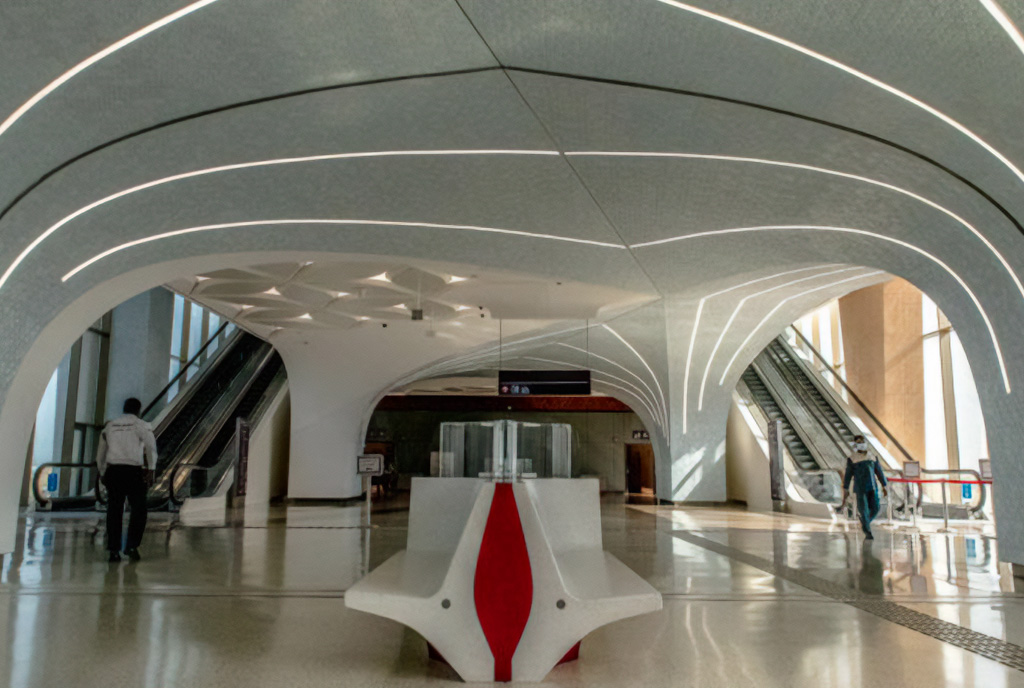
"We wanted to bring Qatar's past and future together in a single gesture, so we drew inspiration from various traditional elements of Qatari architecture, especially the arch, and adapted it to create what we call 'vaulted spaces'," he says.
"So while the exteriors reflect something of the monolithic strength of old Qatari architecture, the interior spaces create an effect of light, movement and fluidity."
Design and Planning Goals

While curved forms and lighting were key design elements, keeping a clear architectural identity was just as essential.
Van Berkel said one of the biggest challenges of a brand-new project on this scale was "to create a design that provides both consistency and individuality."
"On one hand, you need to create points of recognition across the city, and on the other, each individual station has to have its own scale, identity and fit its specific context," he explains.
Related article: Hamad International Airport in Qatar: the most luxurious airport in the world?
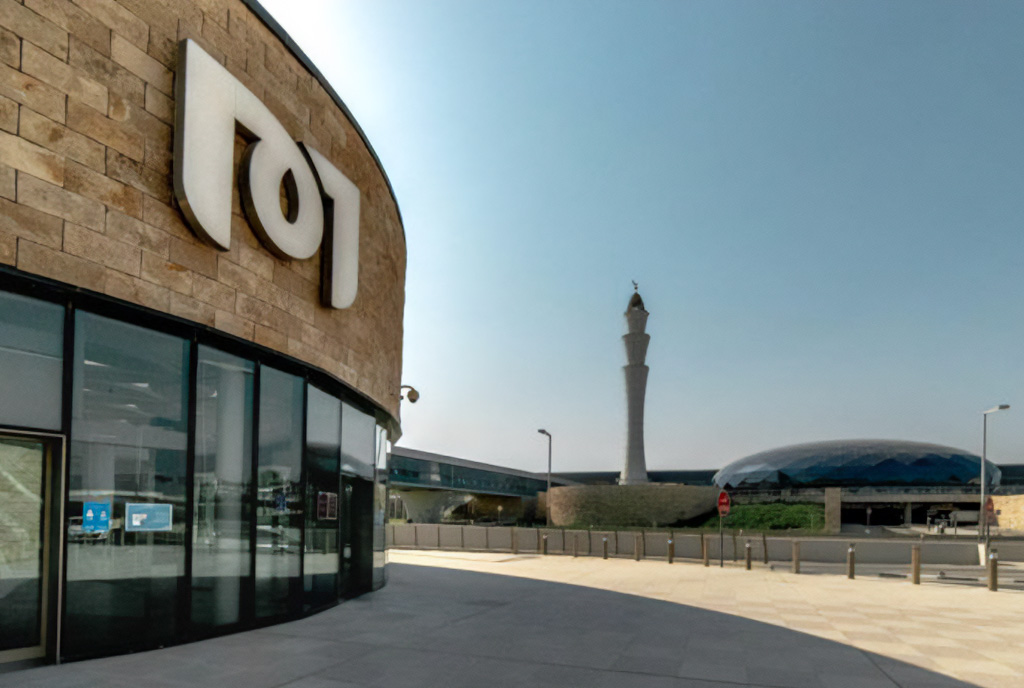
The architects met that challenge with repeating elements and materials, including sturdy sand-colored exteriors and striking interiors with a mother-of-pearl shimmer, a nod to Qatar's long history as a major center of pearl diving and trade.
By developing a standardized yet adaptable system, it also became possible to use different configurations, each one matching the specific requirements and dimensions of the individual stations.
"The scale of the metro network in Doha called for careful planning to meet the tight schedule and achieve minimal disruption to existing infrastructure," says Van Berkel. "For that reason, flexibility became a goal of the design and planning on every level."
The Main Artery

At the heart of it all sits Msheireb station, the largest in the network and an interchange that serves as a hub for all three lines running through it.
Sprawling and elegant, the striking station has four main levels in total and reaches a depth of roughly 40 meters. Beyond its illuminated entrance, triangular arched forms decorated with hexagonal mother-of-pearl tiles give it a futuristic look that carries down to the platform levels.
The station's rich interior spaces also offer plenty of retail shops, while its understated exterior is dotted with bicycle racks.
Related article: Abandoned towns offer a glimpse into Qatar's humble past
Outside, passengers and passersby can also admire a mural by Doha-based artist Abdulaziz Yousef Ahmed titled "Family Reunion," one of several artworks on display across the network. Among them is a replica of the Greek statue "Charioteer of Delphi," which World Cup visitors will see after arriving at the Hamad International Airport metro station.
There is still more than a year to go until the world's biggest football event, but preparations are already well underway, and the new underground rail network is at their core.
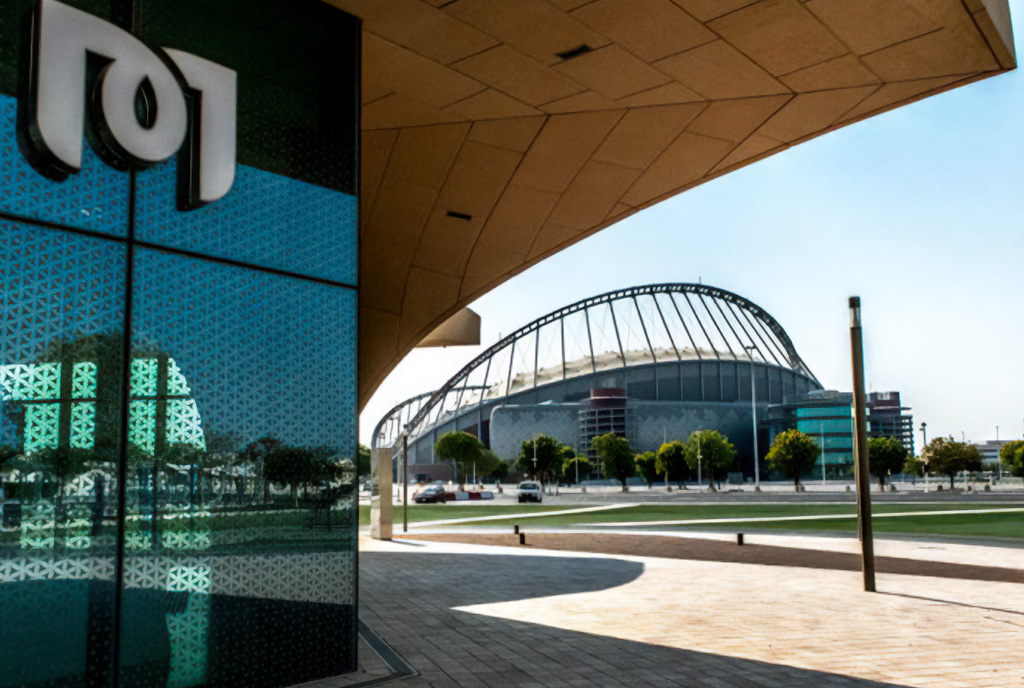
Inside Sport City station, large posters of blue-and-white footballs decorated with arrows point the way toward the nearby Khalifa International Stadium, one of the venues for the 2022 FIFA World Cup in Qatar.
An Environmental Legacy

Organizers expect more than a million people to arrive in Doha during the first World Cup ever held in the Middle East and the Arab world, and the metro system was designed to be its transport backbone.
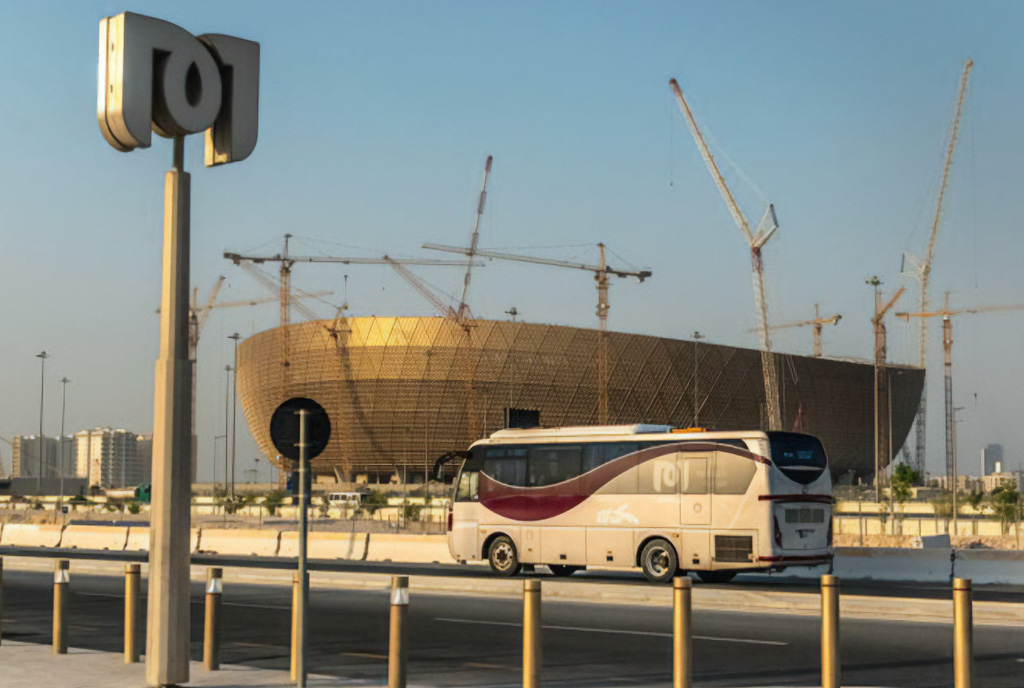
The system links Doha's Hamad International Airport directly with five of the eight stadiums hosting Qatar 2022, and the rest of the compact event's venues will be reachable through a combination of rail and bus transport.
Organizers say the Doha Metro will, together with bus and tram routes, carry fans between their hotels, the stadiums and the city's various tourist attractions.
Related article: A day trip into Qatar's desert: East-West/West-East and the Zekreet Peninsula
"The metro system is efficient, electrified and uses regenerative braking systems that help reduce the carbon footprint," World Cup organizers say on their website. "On top of that, every metro station is designed and operated in line with green building certification, ensuring their environmental performance."
Looking beyond the World Cup, officials see the expanding Doha Metro as a key piece of infrastructure in Qatar National Vision 2030, the gas-rich country's plan to diversify its economy, one that will benefit future generations for years after the football tournament wraps up on December 18, 2022.
"The legacy that eco-friendly transport will leave behind is something everyone in Qatar will feel long after the World Cup," says Thani Al Zarraa, director of mobility for the event's Supreme Committee for Delivery and Legacy.