

Planning a trip to Serbia starts with three pleasant facts: many nationalities, Ukrainians included, enter visa free; the country runs on a cash friendly dinar with sane prices; and intercity buses reach practically every town on the map. There are quirks, though, from mandatory police registration to exchange offices with wildly different rates, and they are better learned before the trip than at the border. Here is the practical rundown: money, transport, entry, and safety.
Money: the dinar, exchange offices, and the cult of cash
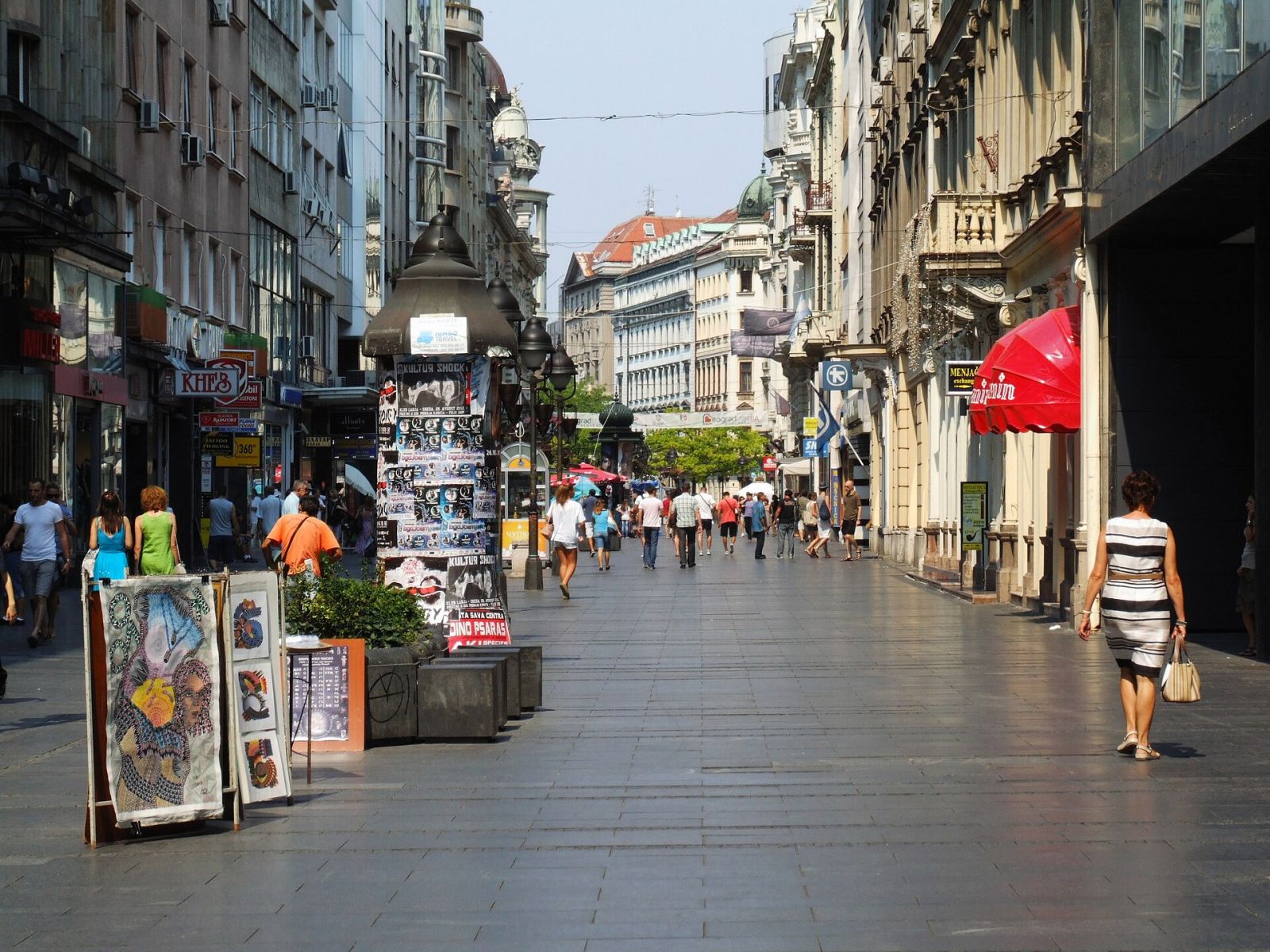
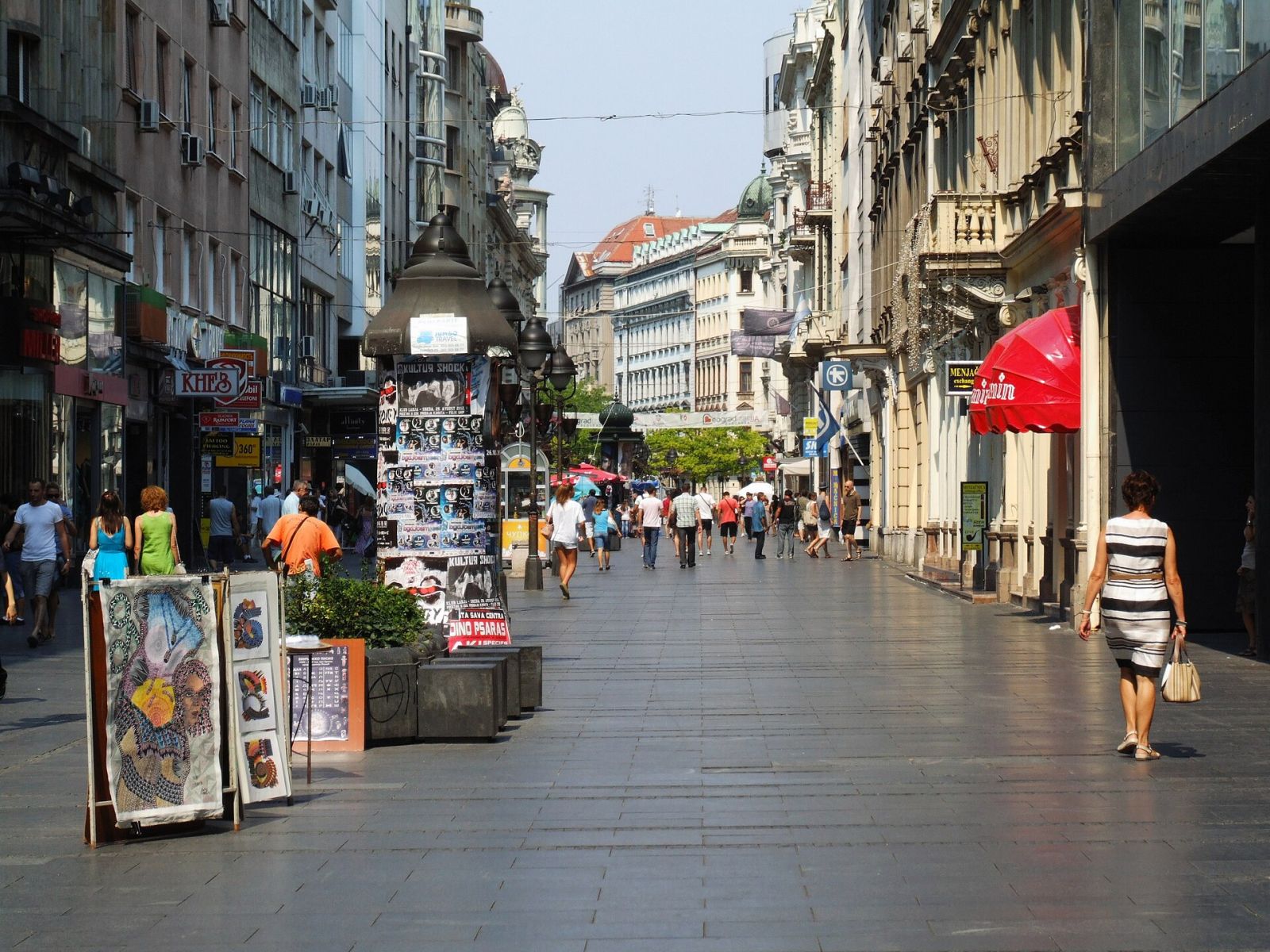
Serbia uses the dinar (RSD). The rate has hovered around 117 dinars per euro for several years, effectively stabilized by the National Bank of Serbia, which makes mental math easy: divide the dinar price by a bit over a hundred and you have euros. The best rates come from street exchange offices, called menjacnica, which crowd every city center and beat both banks and airport counters. Compare the boards of two or three neighboring ones; the spread can be noticeable. Bring euros or dollars, as more exotic currencies are hard to change.
Visa and Mastercard work in supermarkets, hotels, and most restaurants, but Serbia remains a cash country: markets, kiosks, taxis, small kafanas, and museum ticket desks often take nothing else. A sensible setup is a few thousand dinars in small notes in your pocket, with big expenses going on the card. Check your bank's conversion fees before departure.
Entry rules and the famous white card
Citizens of Ukraine and of many other countries enter Serbia visa free, for Ukrainians up to 90 days within any 180 on a biometric passport. Rules get adjusted from time to time, so verify current conditions with the Serbian Ministry of Foreign Affairs before traveling. There are currently no direct flights from Ukraine, so the typical route runs overland to an EU hub and then by air to Belgrade, served by low cost carriers and Air Serbia from Vienna, Budapest, Krakow, or Warsaw. A no-fly budget option exists too: regular buses connect Lviv and Kyiv with Belgrade, though the ride takes over a day.
The nuance most people miss: every foreigner must be registered with the police within 24 hours of arrival. Hotels and most rental apartments handle it automatically and hand you a slip known as the white card. Staying with friends or in a rental without a host means registering yourself at a police station. Border officers do not always ask for the card on exit, but not having one is formally a violation and fines do happen. Just keep the slip until the end of the trip; it weighs nothing.
Transport: why the bus rules this country
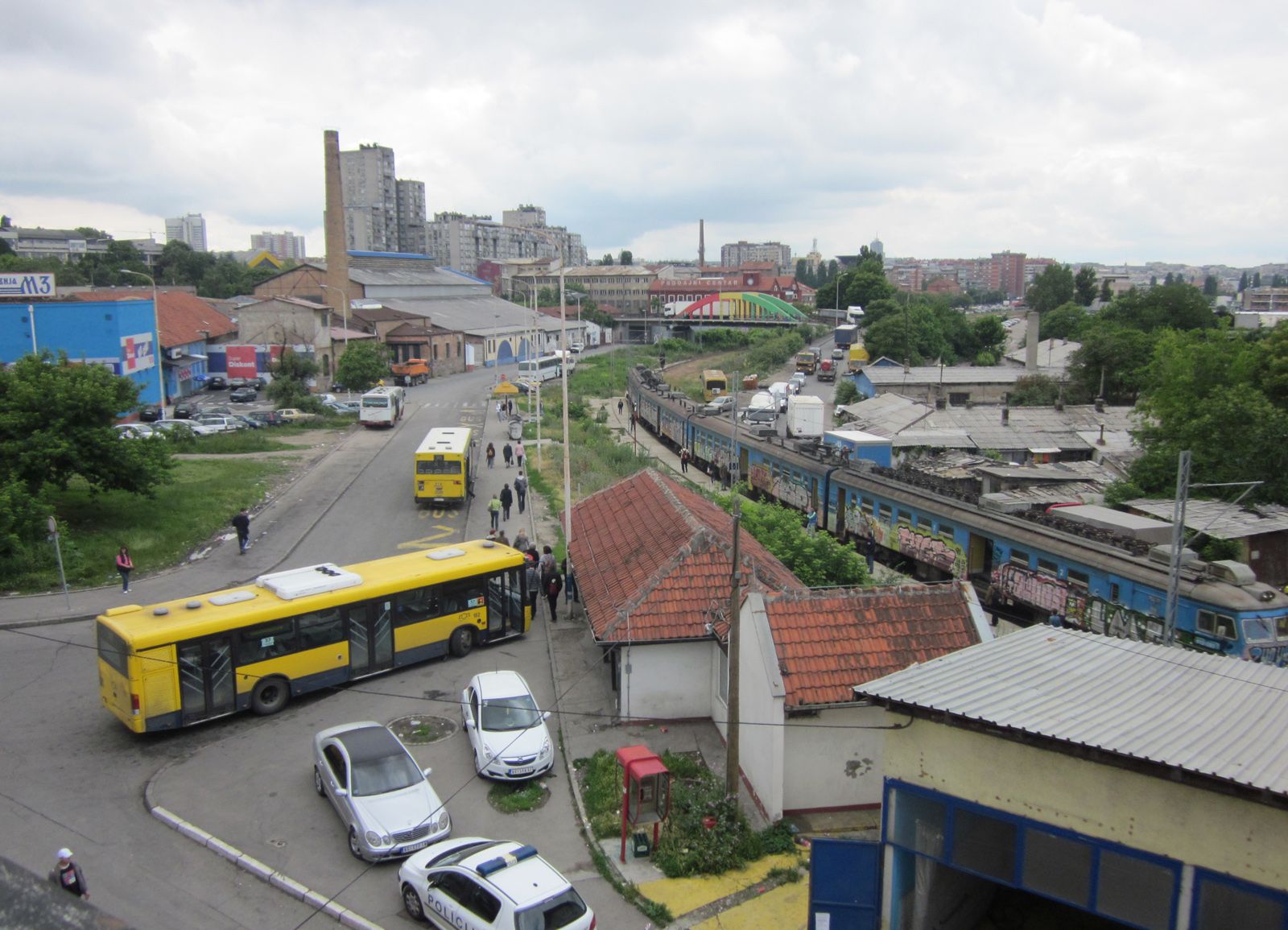
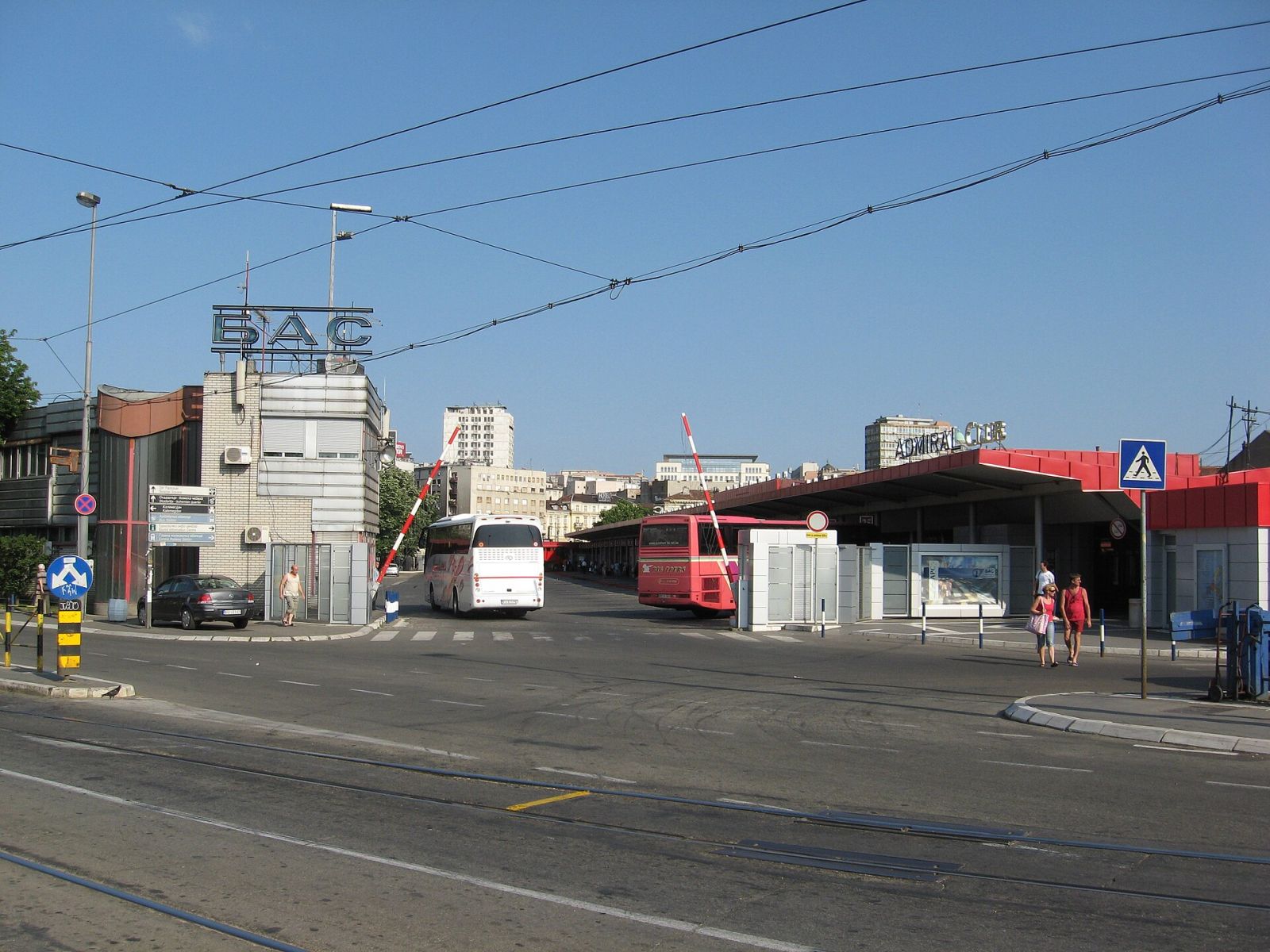
Serbian railways spent decades in decline, so buses became the backbone of intercity travel. The network is dense, departures are frequent, and even small towns have proper bus stations. Buy tickets at station counters or online, and book ahead on popular routes. Two local quirks: Belgrade's main bus station charges a token fee just to access the platforms, and luggage in the hold is paid separately, a hundred or two dinars handed to the driver. Neither is a scam, both are standard practice.
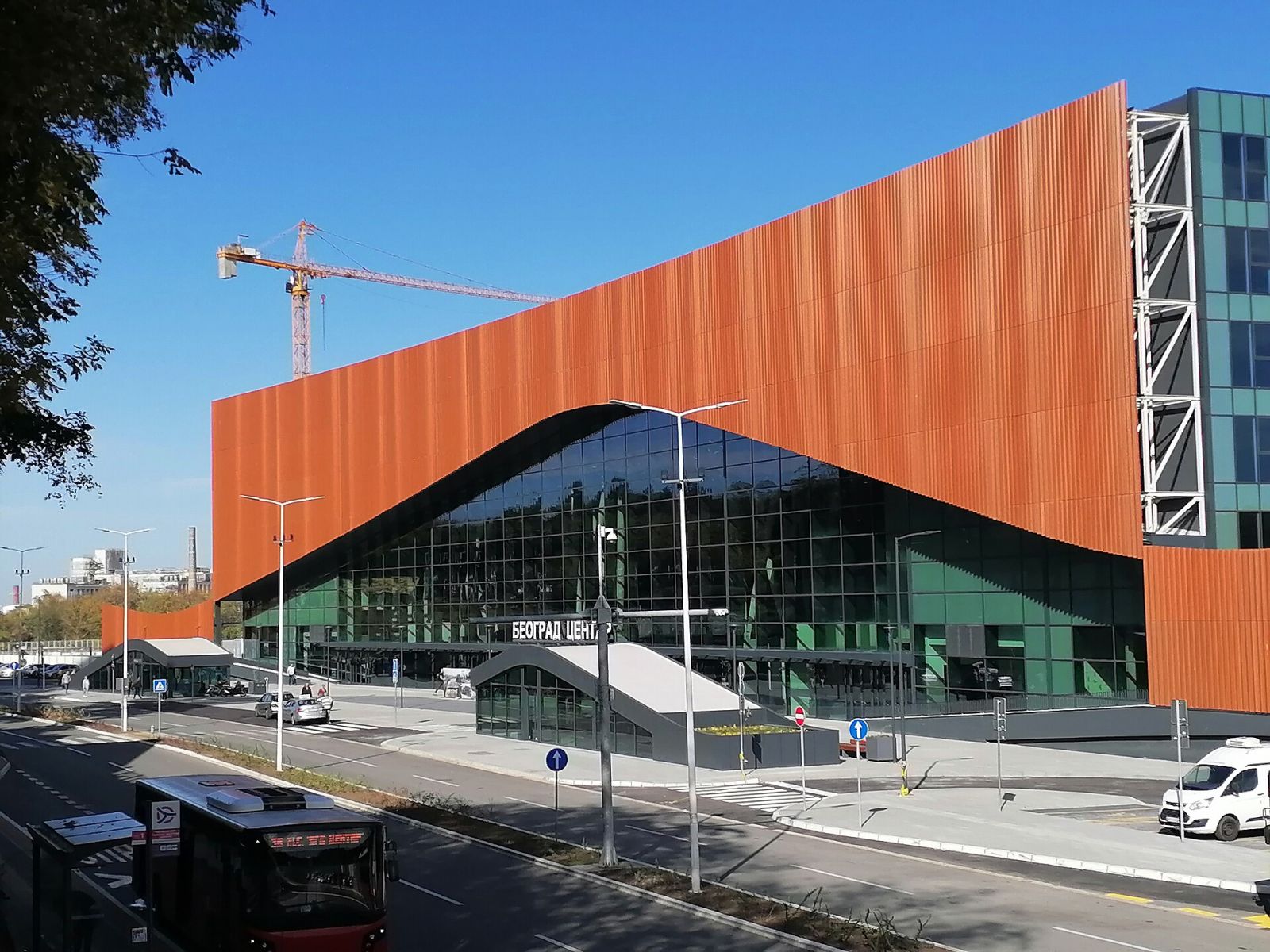
There is one bright exception to the railway gloom: the high speed line from Belgrade to Novi Sad. The Soko train hits 200 km/h and covers the distance in roughly 36 minutes, easily the most convenient way to see the country's second city. The line has been extended to Subotica near the Hungarian border, opening a route toward Szeged as well. Timetables and tickets are on the Srbija Voz website, and online purchase works smoothly. Trains leave from the new Belgrade Centar station, also called Prokop; note that it is not in the city center, so budget time to get there.
Within Belgrade, buses, trams, and trolleybuses run on card validators, and for taxis use apps like the local Pink Taxi or CarGo rather than hailing outside stations, where tourist fares magically double. Renting a car makes sense for the east of the country (Djerdap Gorge) and the west (Tara, Drvengrad); roads are decent and toll motorways are few.
Safety: what actually deserves caution
Serbia is a safe country for tourists, street crime is low, and central Belgrade stays lively and crowded well into the night. Everyday attitudes toward Ukrainian travelers are normal: part of society holds pro-Russian political sympathies, visible mostly in graffiti, but visitors almost never run into personal hostility. Ordinary discretion in political conversations is all it takes.
- Pickpocketing happens on public transport and at markets, as in any European capital. Standard precautions apply.
- Street money changers are a direct request for trouble. Licensed exchange offices only.
- Meterless taxis outside stations and the airport are the country's main tourist tax. Apps solve it.
- Suspiciously cheap homemade rakija sold along the road is best left alone; your stomach will thank you.
- The general emergency number is 112, police directly at 192.
When to go?
| Season | Weather | Best for |
|---|---|---|
| April-June | 18-28 C, green | cities, mountains, the best balance |
| July-August | up to 35 C and beyond, stuffy | festivals (EXIT in Novi Sad), nightlife |
| September-October | 15-25 C, dry | food trips (ajvar season), golden Tara |
| November-March | 0-10 C, gray | cheap city breaks, kafanas, Kustendorf in winter |
The most universal windows are May-June and September. Belgrade bakes in high summer, while mountain regions in winter call for winter tires and caution.
How much money per day?
On a budget of hostels, street food, and buses, around 40-50 euros a day in dinar equivalent is realistic. A comfortable mid range trip, central apartments, kafana meals twice a day, and intercity hops, lands somewhere near 70-100 euros. That is noticeably below neighboring Croatia or Hungary, and this price-to-experience ratio is exactly what makes Serbia such a rewarding first Balkan destination. Treat all figures as approximate and verify current prices before departure; inflation has not been repealed.
The summary is short: change euros at licensed offices, keep cash on you, hold onto the white card, take buses for long hauls and the Soko train to Novi Sad. Serbia handles the rest.