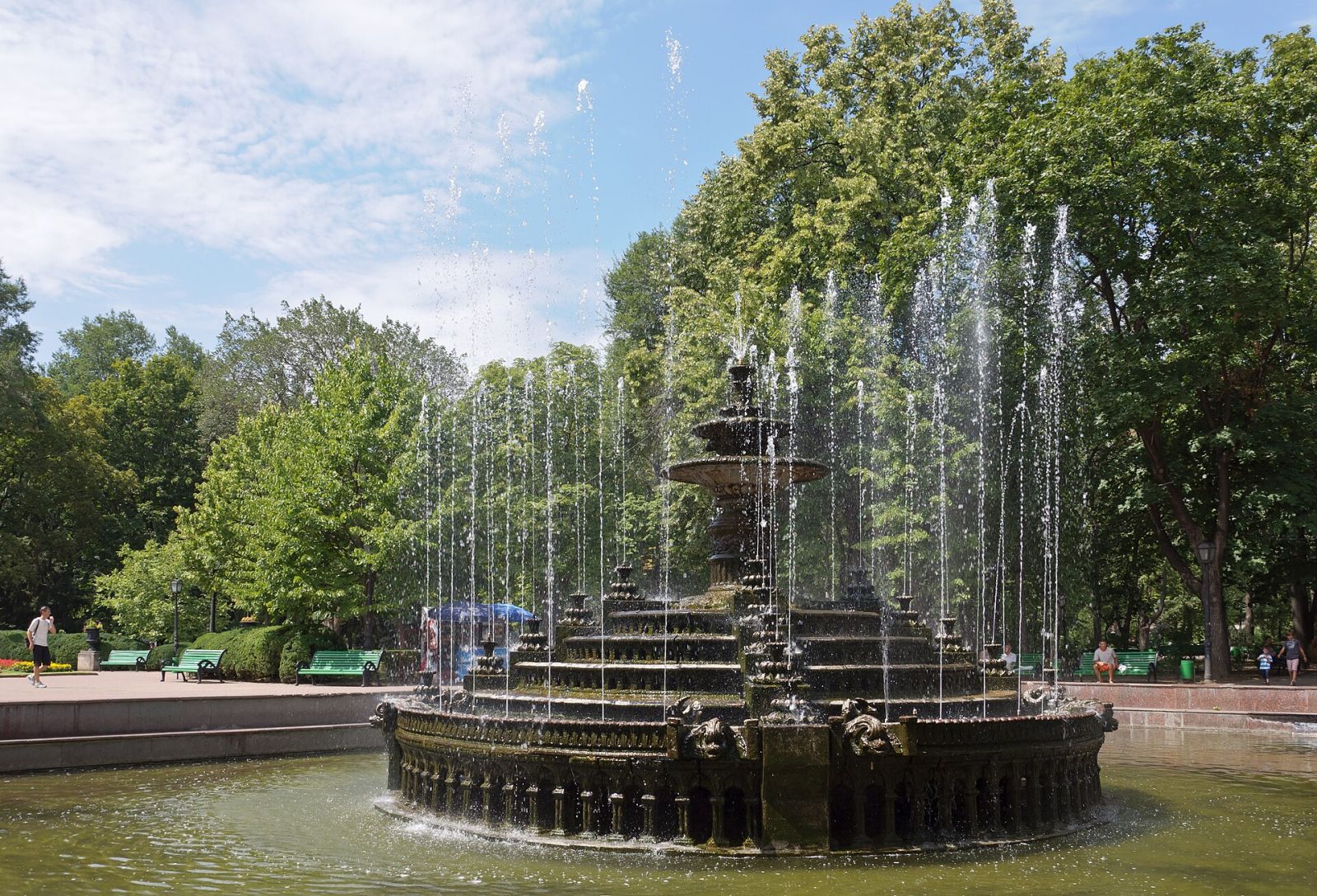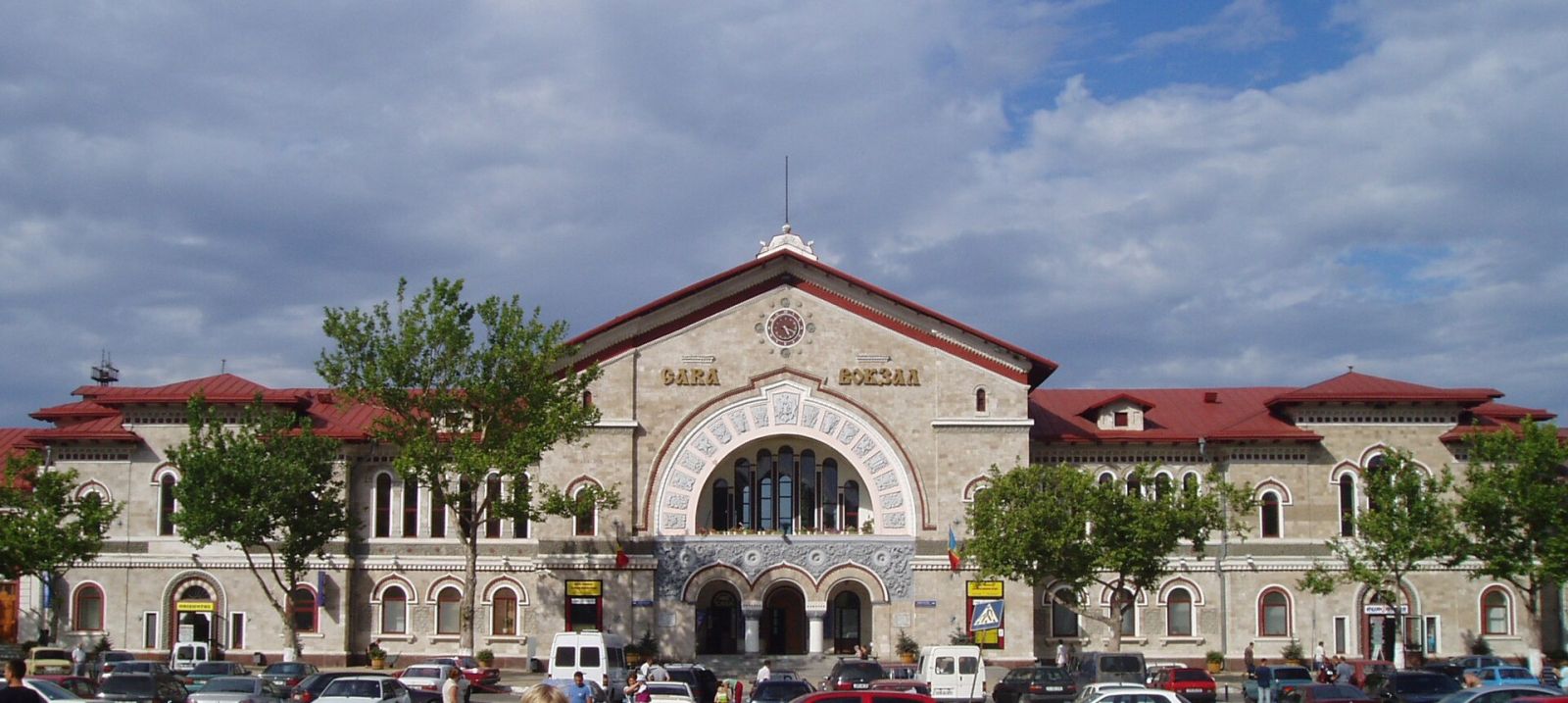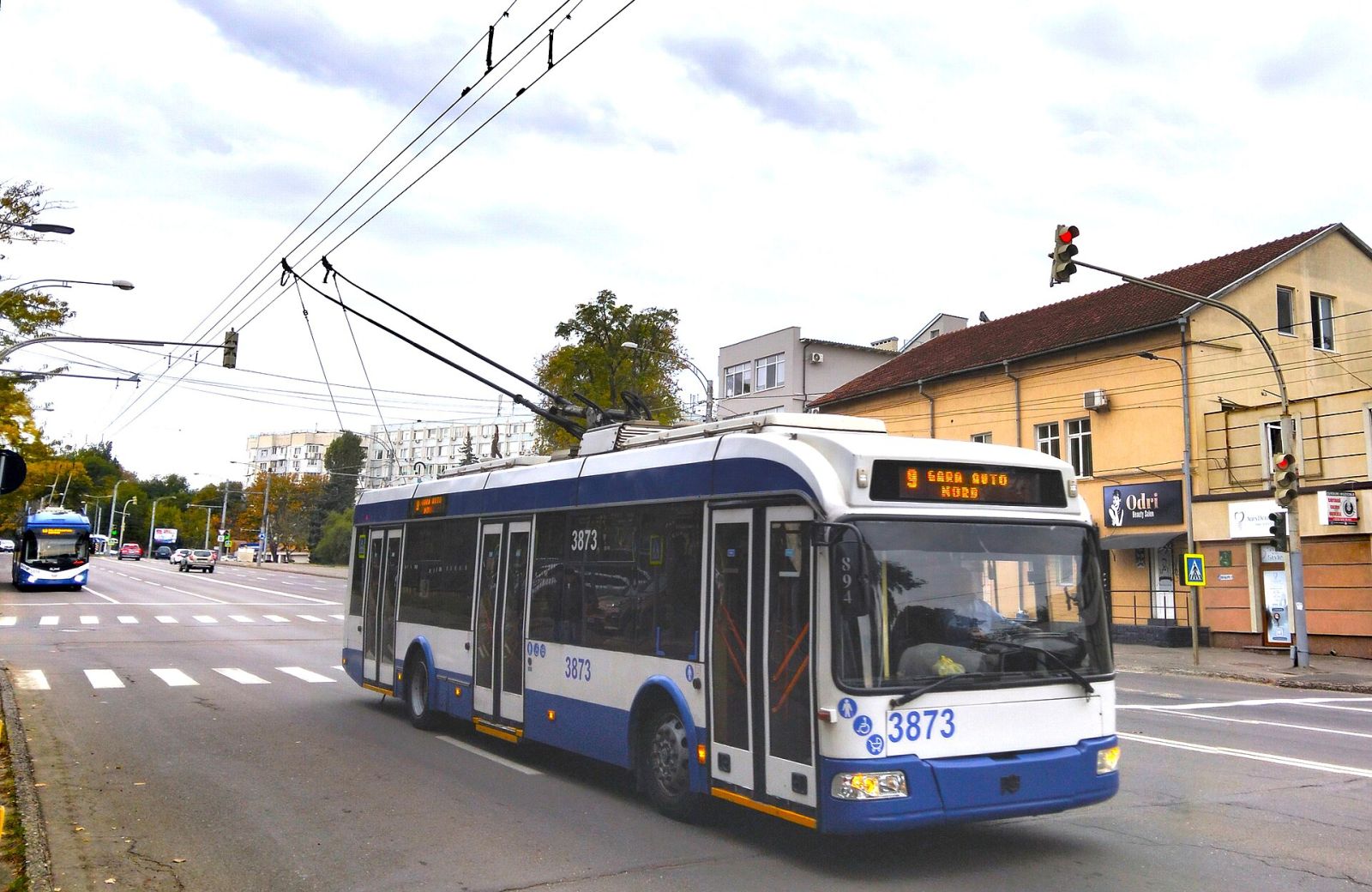


Moldova is closer to Odesa than Kyiv is: a bus crosses the border in four to five hours, and most visitors, Ukrainians included, need no visa at all. Yet Moldova travel remains one of the least hyped corners of Europe, undeservedly so: it is cheap, calm and unexpectedly delicious. Here is the practical breakdown: money, transport, entry rules, seasons, and a separate, honest section on Transnistria.
The leu: how much to bring and how to pay
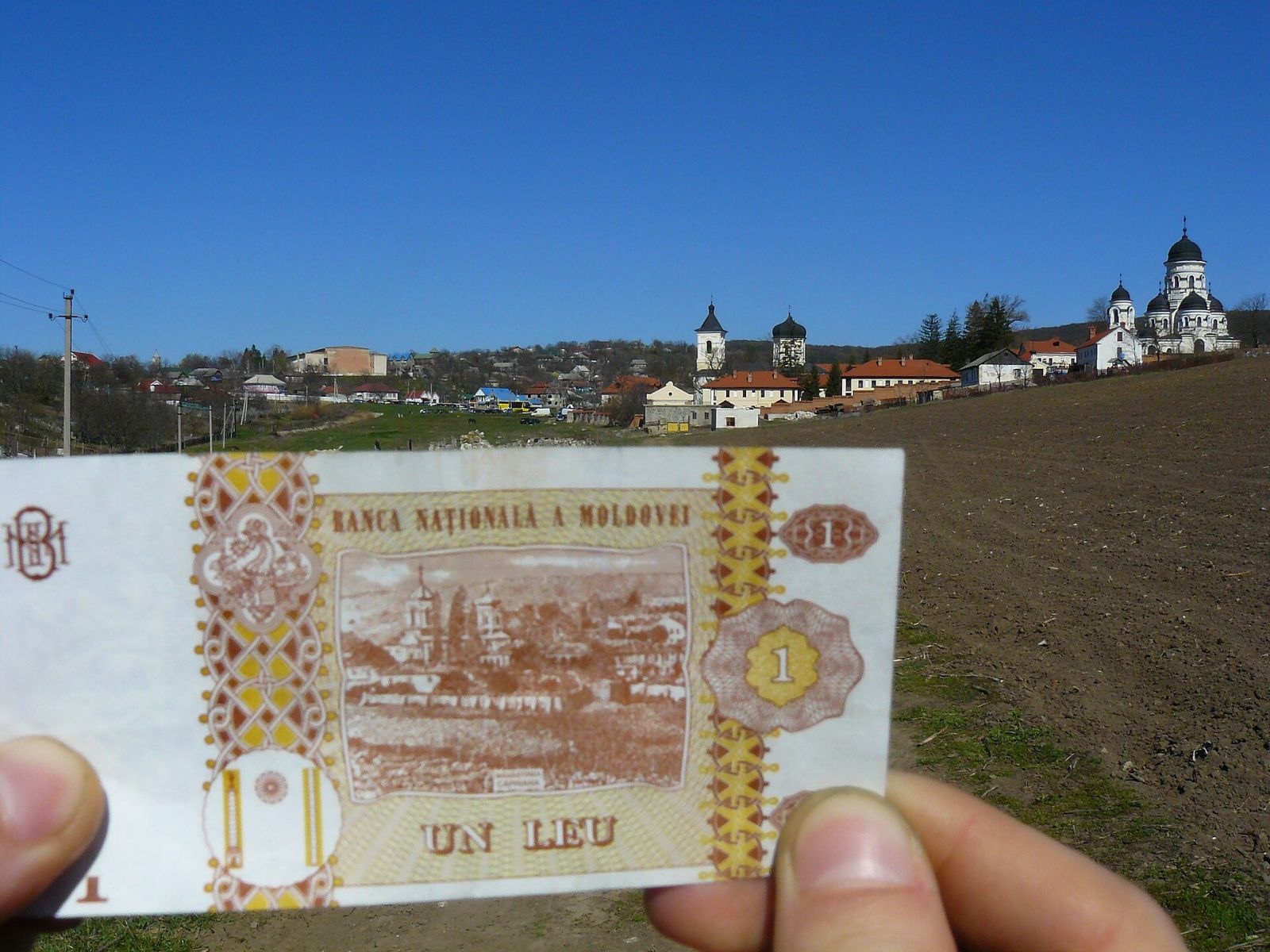
The national currency is the Moldovan leu (MDL), hovering around 19-20 lei per euro; check the exact rate before your trip. Visa and Mastercard work fine in Chisinau's supermarkets, restaurants and petrol stations, but outside the capital the kingdom of cash begins: markets, marshrutka minibuses, village shops and grandmothers selling placinta by the monasteries all take lei only.
Exchange offices in central Chisinau offer the best rates, they are everywhere, and the boards barely differ from one another. Bring euros or dollars rather than other currencies. ATMs are plentiful, though your home bank's fees deserve a check in advance. Now the pleasant part, the price level: a canteen lunch runs 3-5 euros equivalent, dinner with wine in a decent place 10-15, a glass of local wine 1.5-3 euros, and a trolleybus ride costs small change. To your wallet, Moldova still feels like one of the cheapest countries on the continent, though prices are slowly catching up.
How do you get there?
For travelers coming via Ukraine, Odesa is the main hub. The options stack up like this:
| Option | Travel time | Worth knowing |
|---|---|---|
| Bus from Odesa | 4-5 hours | Many departures daily, the most flexible option |
| Train from Odesa | about 4-5 hours | Not daily; check the schedule on the CFM site |
| Bus from Kyiv | 10-12 hours | Overnight runs, you sleep through the border |
| Car | 3-4 hours from Odesa | Use the Palanca crossing; a Green Card is mandatory |
One detail matters for drivers: the Kuchurhan route looks shorter on the map but runs through Transnistria, so take the road via Palanca, which is fully controlled by Moldova. Train timetables are kept by the state railway; current departures are on the official Calea Ferata din Moldova website. Chisinau airport, meanwhile, works normally and receives low-cost flights from across Europe, which makes it a handy gateway for international visitors and for combined itineraries.
Entry rules
Citizens of the EU, UK, US and many other countries enter visa-free, and Ukrainians need only an ordinary passport, no biometric chip required: the visa-free regime allows up to 90 days within any 180. You get a stamp at the border, and while insurance is rarely demanded, buying a cheap policy is the sensible move. Entry rules get tweaked periodically, so spend five minutes on your foreign ministry's travel page before departure.
Transport inside the country
The workhorse is the marshrutka. These minibuses run from Chisinau to practically every village, departing from three bus stations (Central, North, South) for pocket change, with comfort to match. Reaching Orhei, Soroca or Balti is easy; just confirm which station your route leaves from. Moldova's railway is alive but slow and sparse, more of an attraction than a means of transport for a tourist.
Within Chisinau, trolleybuses save the day: the network is dense, fares are symbolic, and you pay the conductor in cash or by card. Order taxis through apps (local services operate, the lineup changes, check on arrival); a ride across town rarely tops 2-3 euros. Car rental starts around 25-35 euros per day and is the most convenient way to reach wineries and monasteries: roads between the main sights are decent and traffic outside the capital is minimal. One-day guided tours from Chisinau are the solid no-driving alternative.
Transnistria: honestly and carefully
Now the region that raises the most questions. Transnistria is an unrecognized territory along the left bank of the Dniester, centered on Tiraspol, where tourists once went to gawk at a living Soviet time capsule. Formally it is Moldova; in practice it has its own "border guards", its own "currency" and zero consular protection: if something goes wrong, nobody can come to help you.
Ukrainian citizens should not go there now, full stop. The reasons are plain: the region keeps close ties with russia, hosts a russian military contingent, and its "administration" treats Ukrainian nationals unpredictably. Holders of third-country passports do formally transit, but risks remain for them too: arbitrary detentions have been documented repeatedly, and no insurance policy is valid there. If Tiraspol or the Bender fortress tempts you, shelve the idea for better times. Right-bank Moldova fills a complete travel program on its own, and does it safely.
How safe is Moldova itself?
Almost villagely calm. Street crime is low, central Chisinau stays lively and lit in the evening, and village doors are still not always locked. The standard precautions apply all the same: watch your pockets in crowded marshrutkas, skip dark courtyards on the outskirts, and decline overly friendly strangers offering a "great exchange rate". Drunken arguments in cheap bars are probably the most realistic hazard a visitor faces. Women report comfortable travel; solo tourists mention only excessive curiosity in the countryside, never aggression. Tap water in Chisinau is technically fine, but most people drink bottled, and we suggest you do the same.
When to go?
The best windows are May-June, green and not yet hot, and September-October, the grape harvest. Circle the first weekend of October separately: National Wine Day turns central Chisinau into Europe's biggest open-air tasting, and those two days justify planning a trip around them. July and August push past 30-35 degrees Celsius with little shade in this steppe country. Winter is grey and slushy with no ski scene, but museums, the Cricova cellars and restaurants run as usual while accommodation prices drop. Wine tours never stop in winter anyway: underground it is always 12-14 degrees.
The bottom line
The formula comes out like this. Money: lei, cash is essential outside the capital, and 30-50 euros a day covers a budget traveler including accommodation. Getting in: bus from Odesa via Palanca in 4-5 hours, or a low-cost flight into Chisinau. Documents: passport, 90 visa-free days, insurance as a backup. Transport: marshrutkas plus a rental car for the wineries. Transnistria: no, and while the war continues that is not up for debate. With those inputs, Moldova travel becomes a rare kind of destination: a weekend abroad without queues, long flights or damage to your wallet.