

Estonian food stands on three pillars: dark rye bread, fish from the Baltic, and the patience of northern people who spent centuries learning to make simple things delicious. Do not expect an explosion of spices here. Expect instead a sourdough loaf that takes days to bake, sprats cured in a dozen kinds of marinade, and a liqueur blended from some forty botanicals whose recipe is an official secret. This is a cuisine people underrate right up until their first proper meal.
Some context matters: Estonians are seriously proud of local produce. Tallinn's restaurants build menus around farms, forest berries and the season, while an ordinary supermarket devotes a tram length shelf to rye bread alone. Here is what to order if you want to understand the country through a plate.
Black bread: not a side dish but a national idea
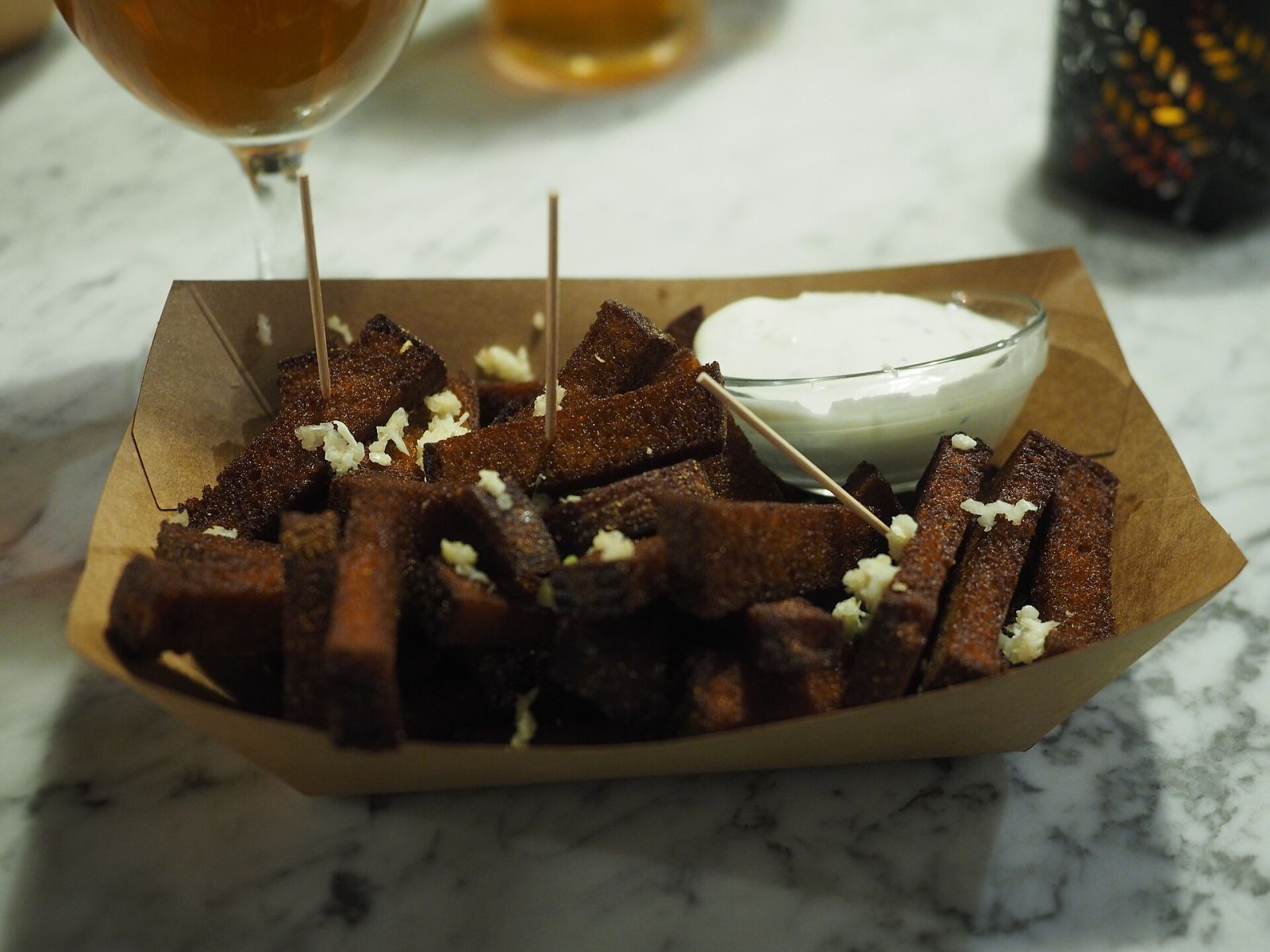
Rye bread, leib in Estonian, means roughly what rice means to the Japanese. It is dense, moist, tangy from the sourdough starter, sometimes studded with seeds, nuts or cranberries. In Estonian the default word for bread means rye bread; white bread gets a separate word entirely. Estonians abroad will tell you they miss the bread more than home itself, and they carry loaves back in their suitcases.
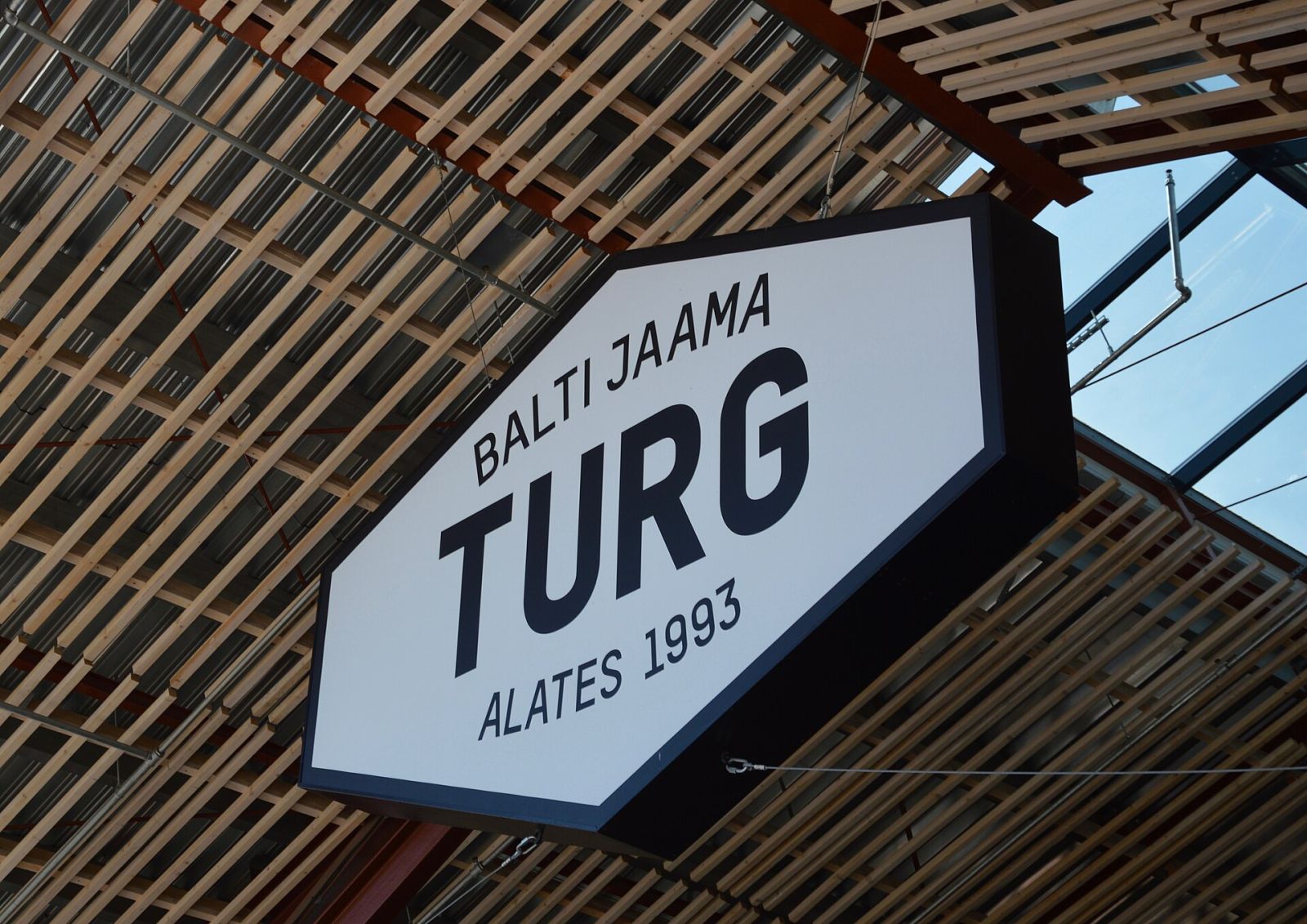
The easiest place to try proper leib is any bakery, or the Balti Jaama Turg market in Tallinn. Choose a loaf from a small bakery rather than a factory one: the difference is roughly homemade dumplings versus frozen. Restaurants often serve bread with lightly salted butter as a welcome, and it is the most honest test of the kitchen: if the bread is excellent, you can relax about the rest.
Sprats: a small fish with a big personality
Spiced marinated Baltic sprats have been Tallinn's gastronomic signature since Hanseatic times, when the city traded them across Europe. Today the sprat's main habitat is the kiluvõileib: an open sandwich of black bread, butter, spiced sprat fillets, boiled egg and spring onion. It sounds spartan and works flawlessly, salty, sour and creamy in a single bite.
Order a kiluvõileib in one of Tallinn's old cafes, or build your own: a tin of spiced sprats from a supermarket costs a few euros and makes one of the best edible souvenirs. A fair warning for the cautious: this is boldly cured fish with an assertive flavour, and it offers no compromises. Half of all visitors fall in love; the other half politely finish the egg.
Mulgipuder: peasant porridge turned heritage dish
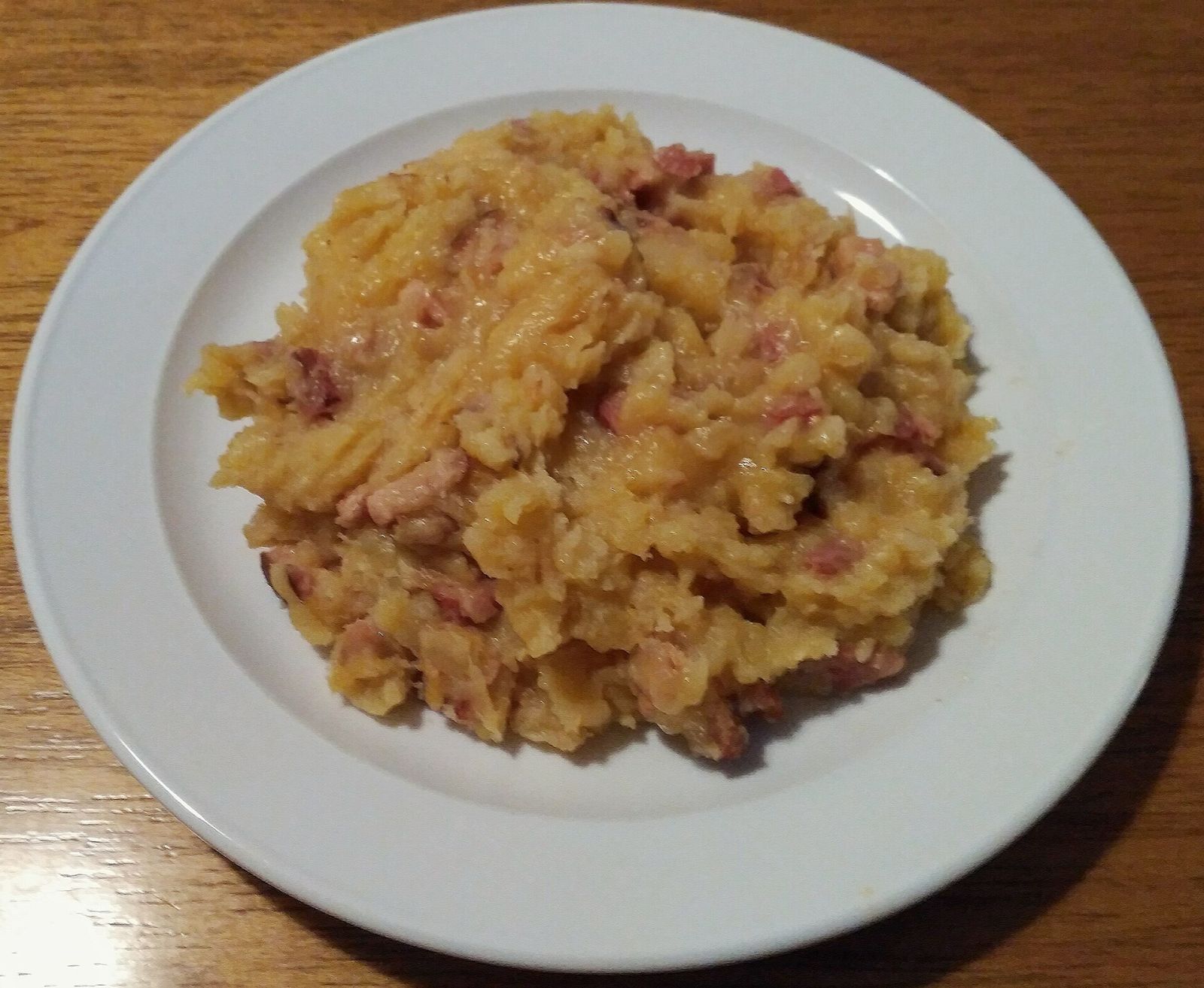
Mulgipuder comes from the Mulgimaa region in the south: potatoes cooked down with pearl barley into a thick mash, topped with fried bacon or cracklings and onions. Once everyday farm food, it now appears on new Estonian cuisine menus served with the kind of pride Italians reserve for polenta. It usually arrives with pickled cucumbers or a lingonberry sauce, and that sour note is not a whim but a necessary counterweight.
Look for mulgipuder in home style eateries and at Christmas markets. A portion is filling enough that planning a three storey museum afterwards is optimistic.
Kama: the strangest Estonian flavour
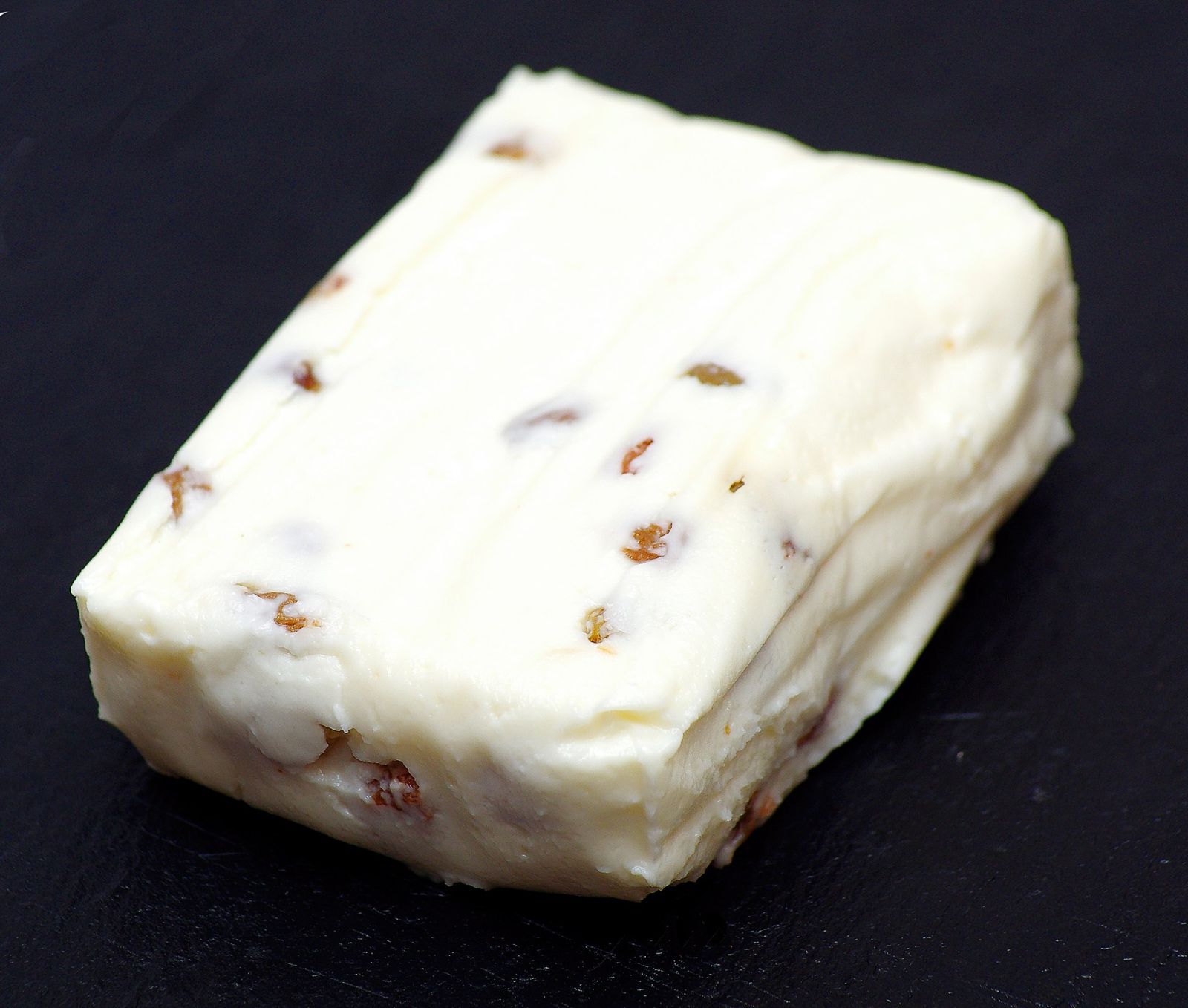
Kama is a flour blend of roasted rye, barley, oats and peas. Nobody cooks it: you simply stir it into kefir, soured milk or yogurt, add sugar or berries, and eat it with a spoon. The taste is nutty and bready, the texture takes getting used to, and it fills you up instantly. Kama began as travel food that needed no fire; today it lives a second life in desserts, kama ice cream, kama mousse with blueberries, kama lattes in Tallinn's coffee shops.
This is one of those things you absolutely should try without any obligation to love. A bag of kama from the supermarket also travels home nicely as a souvenir.
Vana Tallinn: a liqueur even liqueur sceptics drink
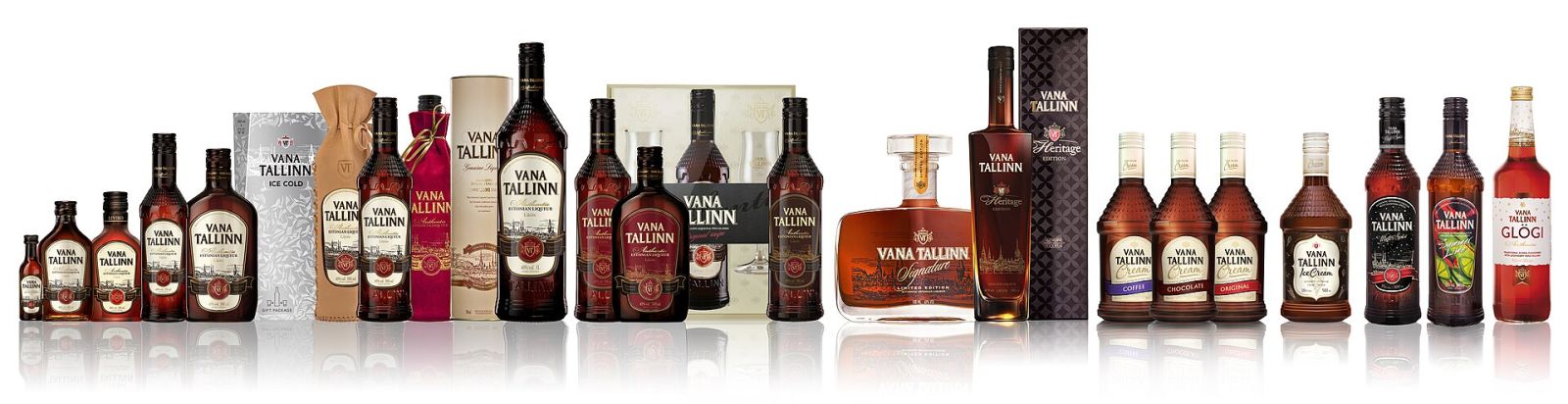
The dark rum based liqueur Vana Tallinn has been produced since 1960, and its recipe of citrus oils, cinnamon and vanilla is officially a trade secret. The classic strength is 40 percent, with lighter and stronger versions plus a cream edition in the style of Baileys. Estonians pour it into coffee, mulled wine and over ice cream; tourists carry it out by the bottle, souvenir royalty alongside bread and sprats.
You do not have to drink it neat, it is unapologetically sweet. The best introduction happens in winter: coffee with Vana Tallinn at the Christmas market on Town Hall Square, with frost and snow outside.
What they eat on the islands
Island food deserves its own chapter. Saaremaa holds a reputation as the gastronomic island: smoked fish straight from the smokehouse (flounder, eel, Baltic herring), home brewed beer made in villages for centuries, local gin and cheeses. Muhu bakes what may be the country's most famous loaf, the slightly sweet rye muhuleib. In summer, farm yards across the islands sell cheese, fish and beer exactly where they were made.
If the chance comes up, hunt down suitsukala, hot smoked fish sold from roadside yards on Saaremaa. It is arguably the single tastiest thing in Estonian cuisine.
Seasonal classics worth knowing about
- Verivorst: blood sausage with barley, the centrepiece of Christmas, served with sauerkraut and lingonberries. Hard to find outside December.
- Sült: meat jelly, a close cousin of the Ukrainian kholodets, a regular on festive tables.
- Kohuke: a chocolate glazed curd snack from any supermarket, a cult local treat for pocket change.
- Forest berries and mushrooms: in autumn restaurant menus switch en masse to chanterelles, blueberries and lingonberries.
- Kringel: a sweet cinnamon pretzel loaf baked for birthdays.
Where to eat it all, and for how much
| Format | What to get | Price ballpark |
|---|---|---|
| Balti Jaama Turg market | Bread, sprats, smoked goods, street food | Snack under 10 euros |
| Medieval taverns in the Old Town | Elk soup, pies, atmosphere | Moderate but touristy |
| New Estonian cuisine restaurants | Reinvented mulgipuder, fish, seasonal sets | Lunch 25-40 euros |
| Supermarket | Leib, kama, kohuke, Vana Tallinn | Souvenirs 2-15 euros |
Prices are approximate, so check current ones before you travel. Weekday lunch menus are noticeably cheaper than dinner service, a trick Estonians themselves use.
The conclusion is simple: Estonian food does not shout, it wins you over gradually. Start with black bread and butter, move on to a sprat sandwich, add coffee with Vana Tallinn when it gets cold, and give kama a chance for dessert. Take home a loaf of leib, a tin of spiced sprats and a bottle of the liqueur: luggage that smells of the country for a week after you return.