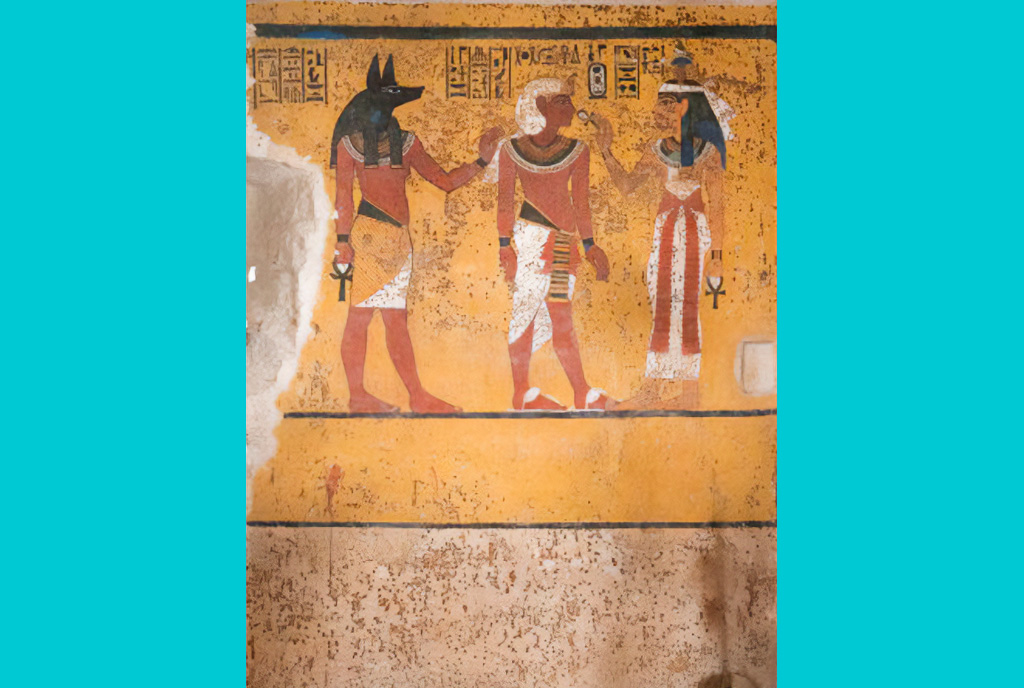


Since its discovery in 1922, countless tourists have visited the famous tomb of King Tutankhamun, taking a toll on its historic treasures.
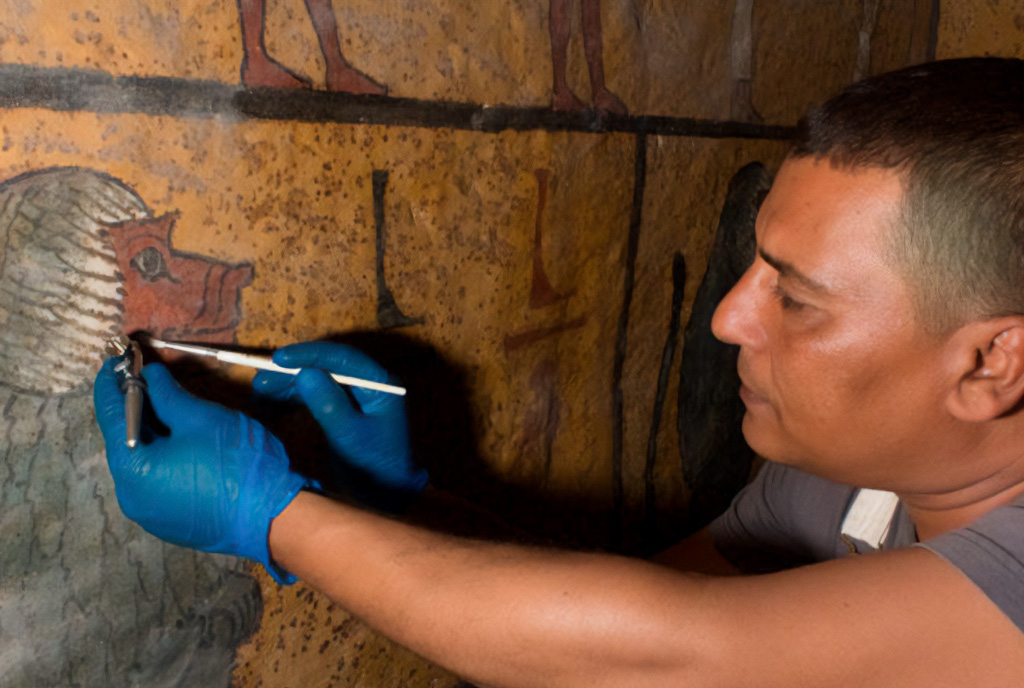
Now a nine-year conservation project is complete, restoring the tomb to its former glory, and making a few fascinating discoveries along the way.
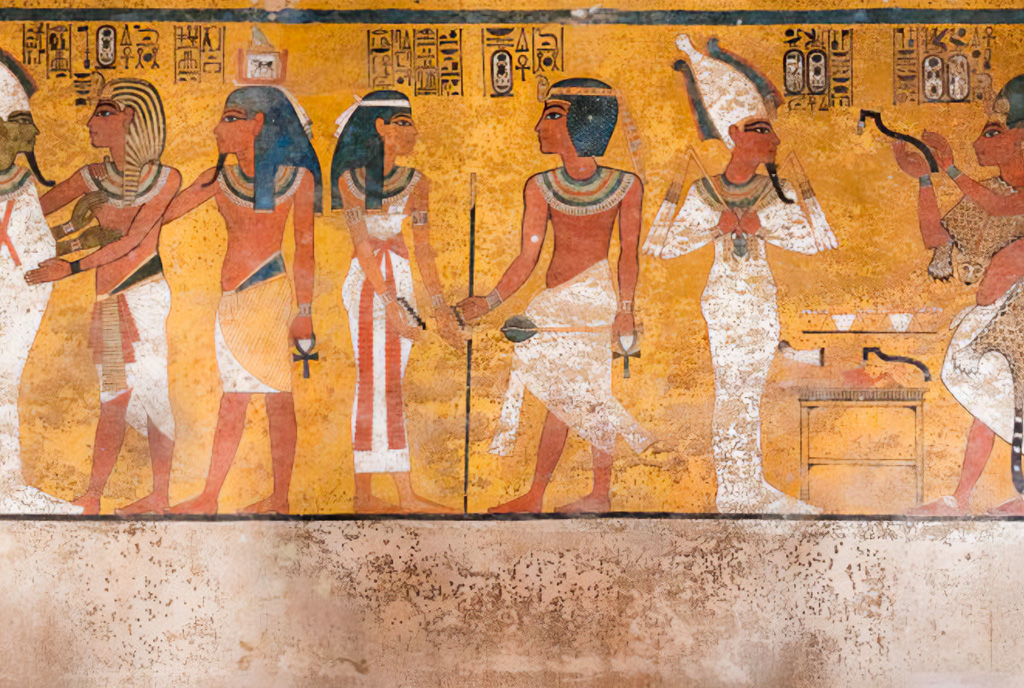
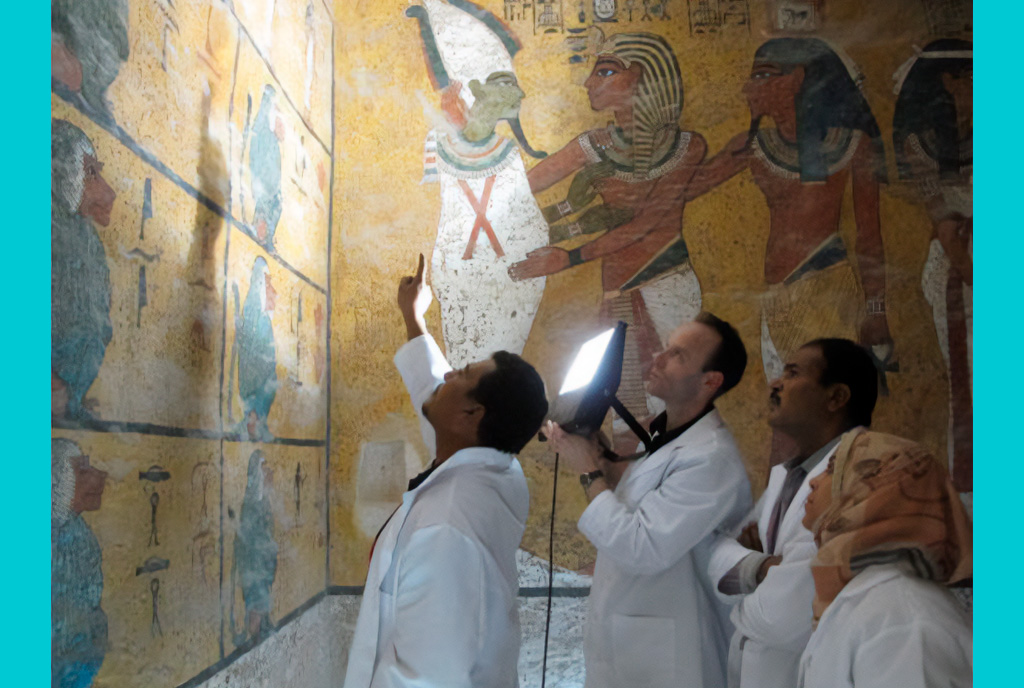
Researchers had feared that moisture and carbon dioxide from the breath of tourists were causing brown spots of microbial growth to spread across the surface of the paintings in the burial chamber.
Partner links: booking through them supports the blog at no extra cost to you.
Scuffs and scratches had also been building up in the places where visitors and film crews had access to the cramped space.
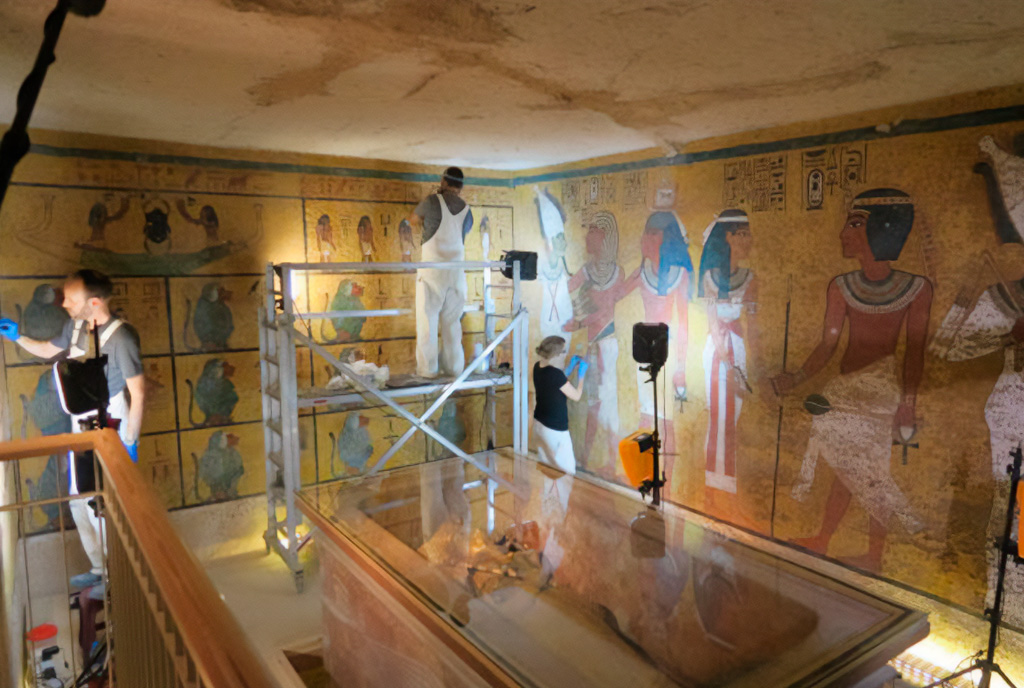
To tackle the problem of the spots and create a sustainable plan for the tomb's future, the Los Angeles-based Getty Conservation Institute and Egypt's Ministry of Antiquities launched a joint conservation project, which wrapped up last week.
«The Spots No Longer Pose a Threat»
Having become king of ancient Egypt at the age of 9, Tutankhamun ruled until his unexpected death at 19, roughly from 1333 BC to 1323 BC. His tomb in the Valley of the Kings, across the Nile River from Luxor, is famous for having been found relatively intact and for containing thousands of stunning artifacts.
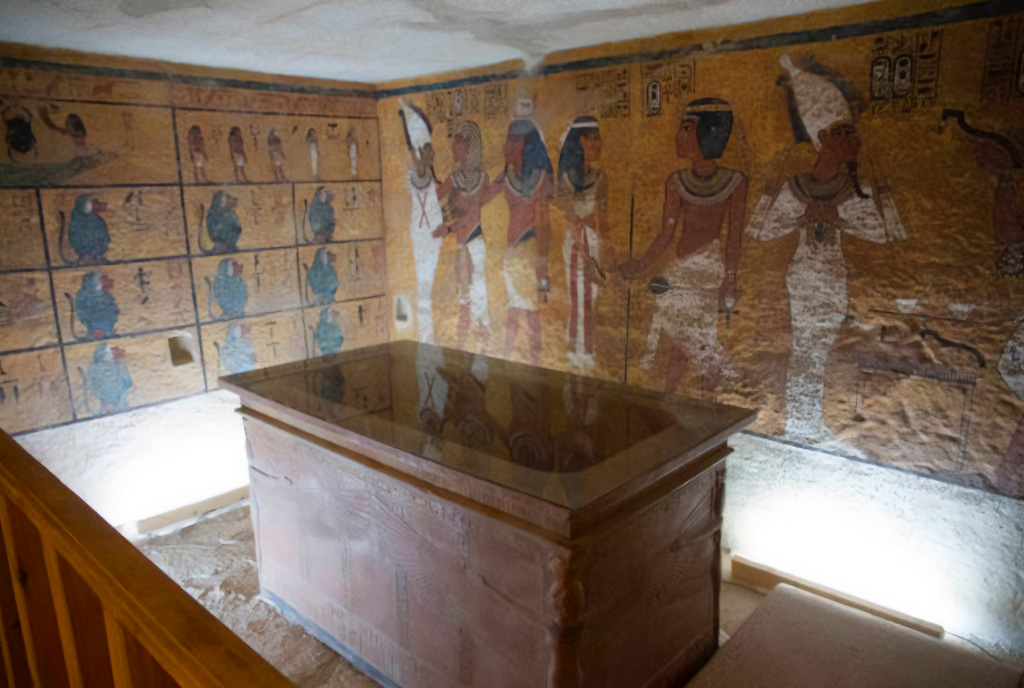
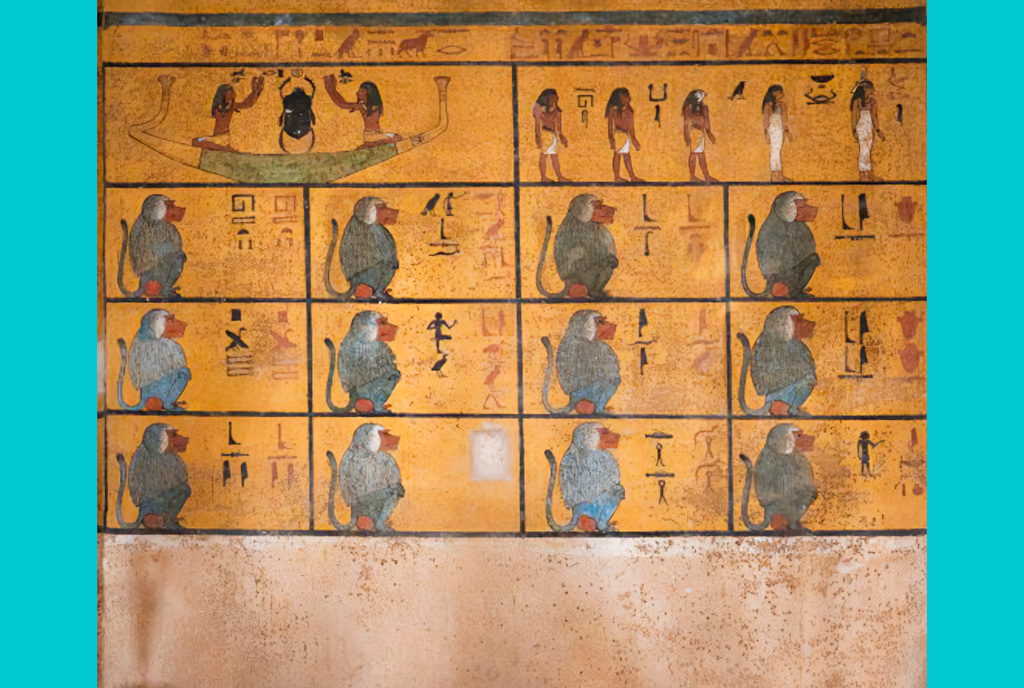
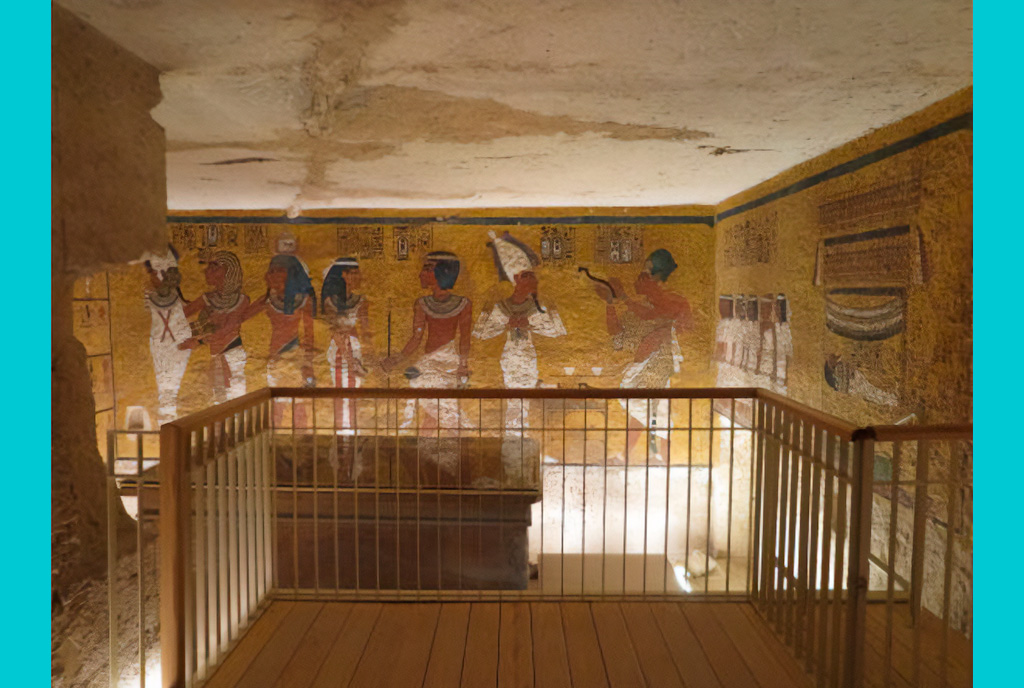
Today the tomb still holds the mummy of Tut himself, a quartzite sarcophagus, a wooden outer coffin, and wall paintings depicting his life and death.

Conservators investigated whether the brown formations were multiplying, whether they were active, or whether they posed a danger to the celebrated paintings.
Comparing photographs taken in the 1920s with the current condition of the paintings showed that the spots had not changed. A scientific study then concluded that the formations were dead and had fused with the paint layer.
«There is no way we could safely remove them,» said Lori Wong, who worked on the project. «They no longer pose a threat to the tomb and most likely grew thousands of years ago, soon after the paintings were created.»
Evidence Points to a Hasty Burial
Early in the restoration work, conservators also found evidence supporting the hypothesis that Tutankhamun's death was relatively sudden and that the tomb was not intended for him. According to Wong, the ancient Egyptians likely took a tomb that was already under construction and quickly prepared it for the burial.
Because Tut's tomb is the only Egyptian tomb suffering from brown spots, there is a chance that the ancient king's burial was unusually rushed. It is possible the paint had not dried when the tomb was sealed.
On top of that, the space is small, and the burial chamber, the most important area in the tomb, is the only painted chamber, which is unusual for revered Egyptian kings.

It had been assumed that every wall of the burial chamber had the same number of paint layers, but the team discovered that this was not the case. «One wall is missing an entire layer that is present on the other three walls,» Wong explained, detailing yet another possible sign of haste.
Inbreeding and Frailty?
In contrast to the splendor of Tutankhamun's resting place, his death may have been more ordinary. Although the cause of death remains uncertain, a study published in the Journal of the American Medical Association in 2010 concluded that the king most likely died of malaria following an infection in his leg.
In 2014, CT scans combined to create a «virtual autopsy» shed further light on the pharaoh's physical condition. They produced the first life-size image of Tutankhamun, which revealed that the ancient king's left foot was severely deformed. The angle suggests a clubfoot, which may point to a rare bone disease.
Researchers believe this poor health may have been linked to inbreeding, since genetic analysis indicates that Tutankhamun's parents were likely brother and sister.
Preserved for the Future

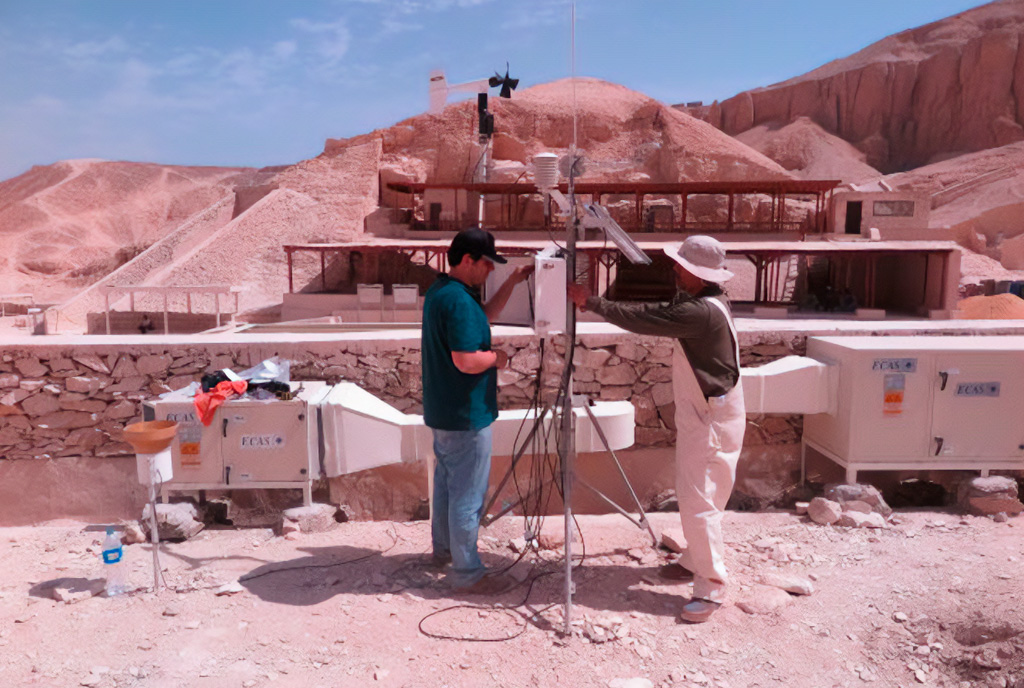
An exact full-size replica of Tutankhamun's tomb was built in Egypt in 2014, but to keep the real one open as an attraction, conservators took steps to counter the damage caused by tourists. A new viewing platform was installed, along with improved walkways, signage, lighting, and an air filtration system to combat sweaty visitors and the dust they track in on their shoes.
«Going forward, there needs to be a high standard of good management, maintenance, and care for the tomb,» said Neville Agnew, the project's leader. «It is still in use for visitors and provides educational and financial benefits to Egyptians and the global community.»