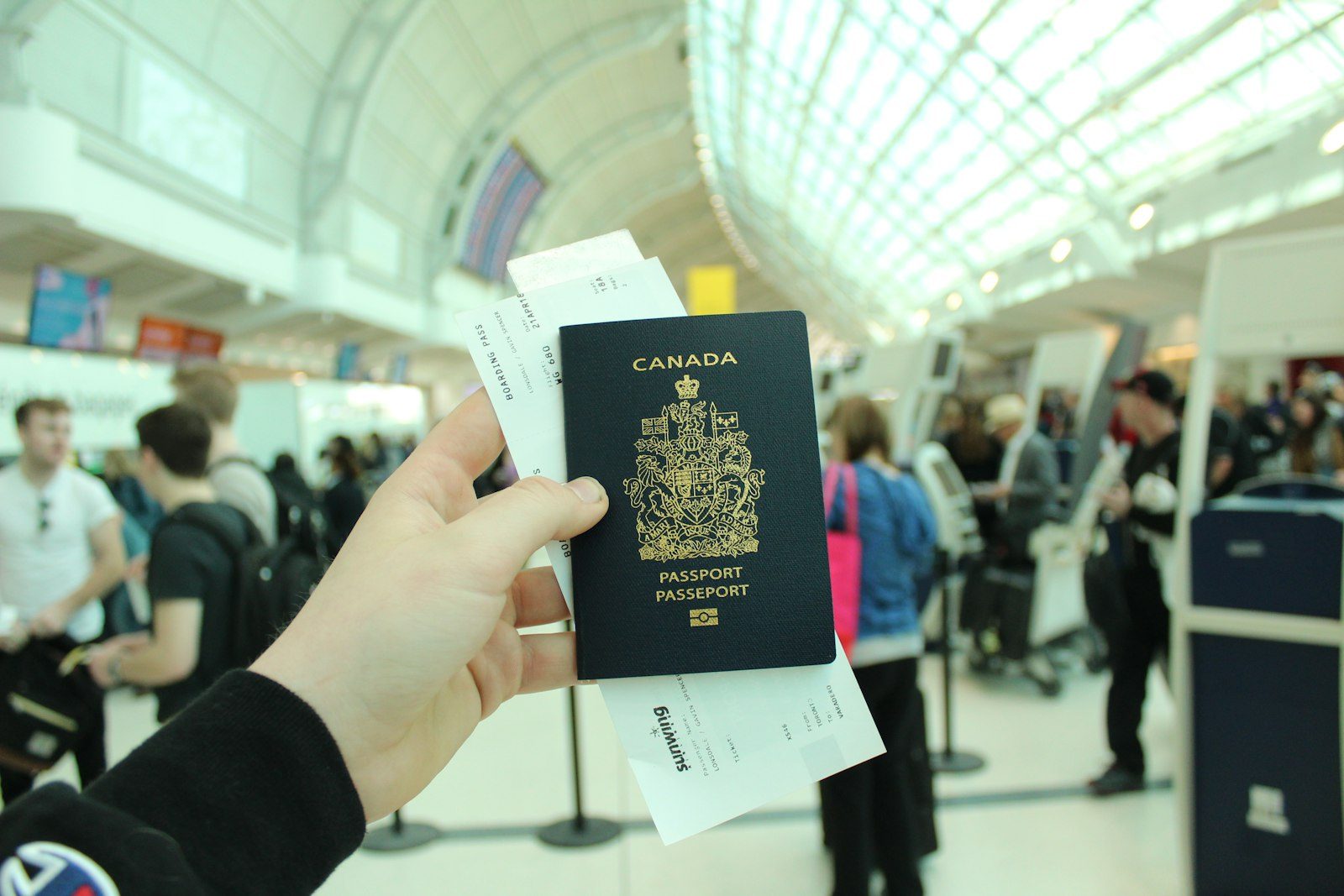


As of 2026, a Ukrainian citizen with a biometric passport can enter roughly 149 countries around the world without a visa or with a visa on arrival. That is the baseline we work from when deciding where to travel visa-free: passport hassles are fewer than they seem, yet every destination has its own cap on days and its own catch. Below we lay out the options in force for 2026 by the purpose of the trip rather than as one long list, and we honestly separate genuine visa-free entry from a visa that is simply stamped at the airport.
One warning up front that saves vacations: entry rules change faster than charter schedules do. Everything below is accurate as of August 2026, but before you fly, double-check a country's status on the official Foreign Ministry portal (mfa.gov.ua) or the embassy website. It is five minutes that can sometimes cost you the whole trip.
What visa-free means, and what it does not cancel
Visa-free means you do not have to arrange a permit at a consulate in advance. It does not mean nobody will ask you anything at the border. Almost everywhere the same math applies: 90 days within any 180. It is a rolling window, not "90 days per trip": the days add up across the whole half-year, and popping over to a neighboring country for a day does not reset the counter.
Partner links: booking through them supports the blog at no extra cost to you.
For nearly every destination except the closest CIS neighbors, one condition is key: your travel passport must be biometric, with a chip. On top of that, the officer at passport control has the right to ask for a return ticket, an accommodation booking and proof of funds. They check selectively, but that right always exists, so keep the minimum set handy.
Visa-free beaches: where to fly for the sea with no paperwork
This is the most popular version of the query "where to travel visa-free": a short break, a warm sea, no consulates. Here are the destinations where you really do board the plane with just your passport.
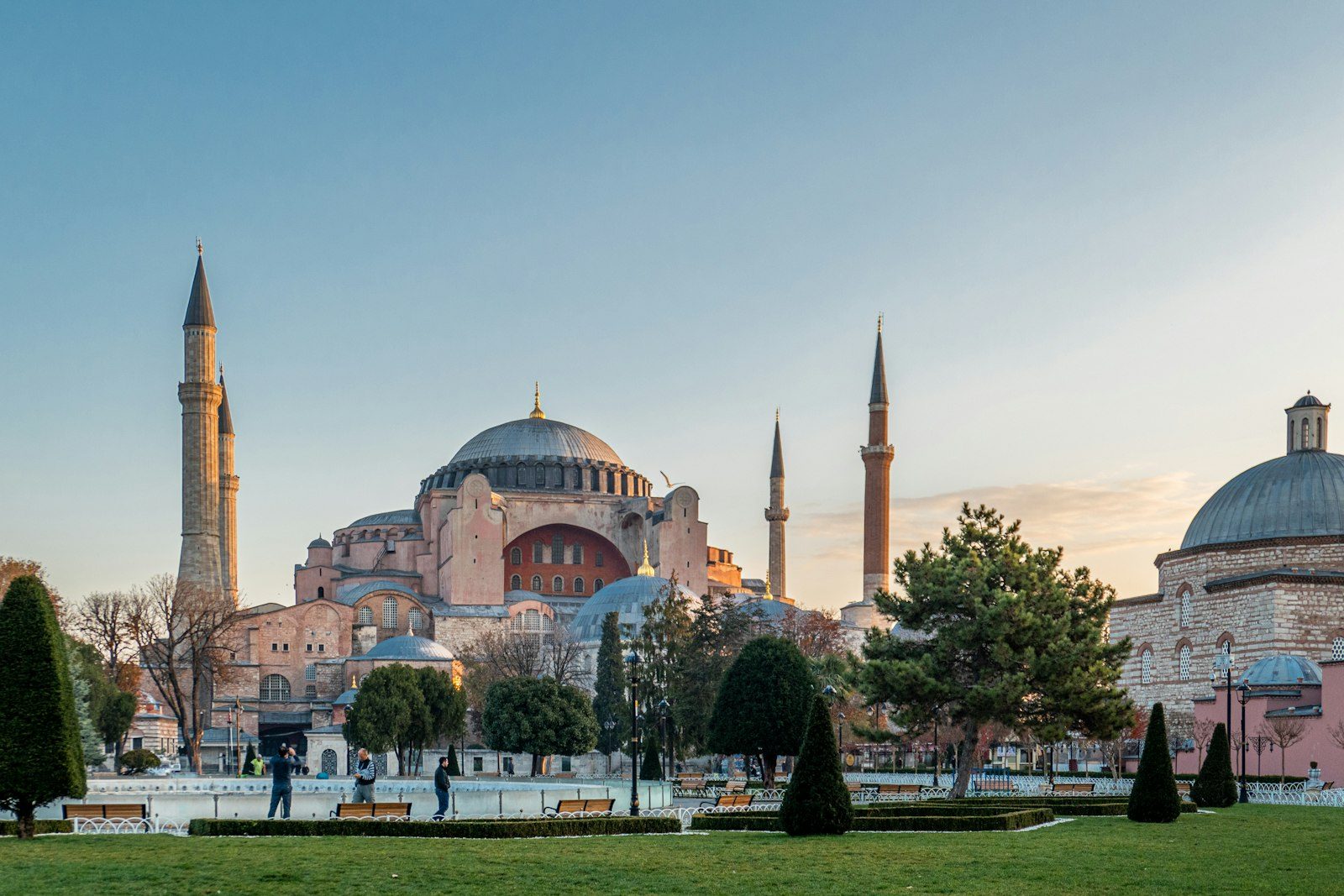
- Turkey - visa-free for up to 90 days within 180. A rare bonus: they let you in on a biometric ID card on a direct flight, no travel passport required. The seasonal downside: July and August on the Aegean and Mediterranean coasts mean 35C heat and peak prices.
- Georgia - the most generous limit in the lineup: up to 365 days of stay in a row. The sea at Batumi is more modest than Turkey's, but the mountains, wine and food make up for it. Swimming is comfortable from June through September; in the off-season the Black Sea is chilly.
- Montenegro - 90 days within half a year. The Adriatic with pebbles and pines instead of sand, short distances, pricier than Albania. The August peak overloads Budva and Kotor; it is quieter in June and September.
- Albania - also 90 days within 180, and in the tourist season the terms are often even more relaxed. The cheapest Riviera on the Adriatic and Ionian seas, and you pay for it with weaker infrastructure away from the resorts.
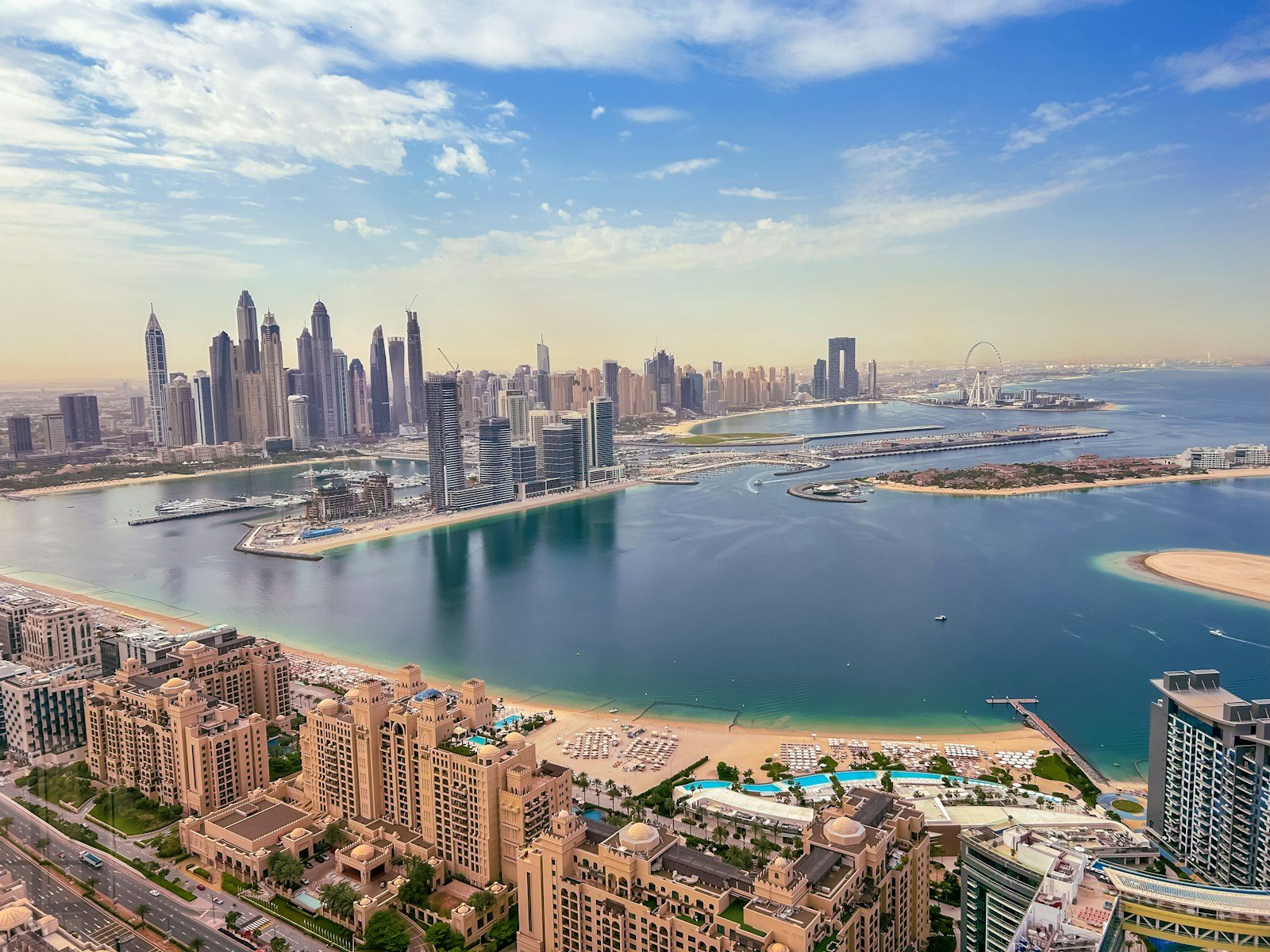
- UAE - visa-free for 30 days, extendable if needed. Beach relaxation all year round, but June to September means +45C and life inside the air conditioning. The comfortable season runs from November to March.
- Israel - up to 90 days within a half-year without a consular visa. An important condition: you need a prior electronic ETA-IL authorization (mandatory for visa-free entry since 1 January 2025), arranged online before departure. It is not a visa, but without it you will not be allowed on the flight.
Europe visa-free: Schengen, biometrics and the changes at the end of 2026
For Ukrainians with a biometric passport, Schengen remains visa-free for 90 days within 180 for tourism, family and business trips. That opens up more than two dozen countries from Portugal to Finland under a single entry rule.
What is changing in 2026 and worth knowing about in advance:
- ETIAS - an electronic authorization planned for roughly 2027 (under EU plans, no earlier than late 2026); check the exact date closer to your trip. It costs around 20 euros for travelers aged 18 to 70, is valid for up to three years or until the passport expires, and allows multiple trips. It is not a visa but an online permit that takes a few minutes to arrange before you travel.
- EES - a new system for registering entries and exits with biometrics (fingerprints, photo) at the border instead of a passport stamp. Your first entry may take a little longer because of the registration.
The 90/180 limit in Schengen is shared across the whole zone: a week in Spain plus two in Italy is already 21 days from the common tally, not counted separately per country.
The big table of visa-free destinations for 2026
Grouped by region and purpose of travel. The term is the maximum stay without a visa or with a visa on arrival; the "catch" column is exactly what people trip over most often.
| Country | Term without a visa / on entry | The catch worth knowing |
|---|---|---|
| Nearby beaches and the Balkans | ||
| Turkey | 90 days / 180 | Allowed on a biometric ID card on a direct flight |
| Montenegro | 90 days / 180 | The Adriatic, pricier than Albania, peak in August |
| Albania | 90 days / 180 | The cheapest Riviera, easier terms in season |
| Georgia | up to 365 days | Record limit, sea swimmable from June |
| Europe (Schengen) | ||
| Schengen countries | 90 days / 180 | Biometric passport required; ETIAS ~20 euros (roughly from 2027) |
| The Middle East and the Gulf | ||
| UAE | 30 days | Extendable; comfortable season November to March |
| Israel | 90 days / 180 | Mandatory ETA-IL e-authorization before departure (since 2025) |
| Far-flung visa-free spots | ||
| Dominican Republic | up to 30 days (tourism) | Tourist card and fees on entry and exit |
| This is NOT visa-free: visa on arrival or a permit | ||
| Egypt | visa on arrival, 30 days | Fee around 25-30 USD; South Sinai gets a free 15-day stamp |
| Jordan | visa on arrival, 30 days | Around 40 JOD; via Aqaba or the Jordan Pass it can be free |
| Thailand | visa-free entry, up to 60 days | Mandatory free online TDAC card; the term may be shortened |
| Maldives | free visa on arrival, 30 days | Stamped at the airport, an accommodation booking is required |
| Sri Lanka | ETA, up to 30 days | Since 2025 the ETA is mandatory in advance, not at the border |

Visa on arrival: why it is not the same as visa-free
This is where most of the confusion lives. A tour operator writes "no visa needed," but in reality you line up at the airport, fill in a form and pay a fee. Legally that is a visa, just issued on the spot. For budgeting your money and time the difference is real, so let us sort it out honestly.
Egypt. The most popular "pseudo visa-free." A tourist visa is stamped on arrival, with a fee of around 25-30 USD for 30 days. There is an exception: if you fly only to South Sinai (Sharm El-Sheikh, Dahab, Nuweiba) and do not leave the resort zone, you get a free 15-day stamp. The moment you want to see the pyramids in Cairo, you will need a full visa.
Jordan. A visa on arrival is issued at the airport, costing around 40 Jordanian dinars for a single entry of 30 days. There are two legal loopholes to skip that fee: entering through the port of Aqaba (a free economic zone) or the Jordan Pass tourist card, which includes the visa and entry to Petra if you stay in the country three nights or more.
Thailand. Technically this is not a visa on arrival but visa-free entry for up to 60 days for tourism. With caveats, though: the electronic TDAC arrival card is mandatory (free, filled out online before departure), and there are also plans to cut the visa-free term back to 30 days, so check the current limit separately.
Maldives. A visa is stamped on arrival, free of charge, for 30 days. The condition people forget: at the border they may ask for confirmation of a hotel or guesthouse booking and a return ticket. Without a booking you are not always let through.
Sri Lanka. The most significant change among the exotic spots: since October 2025 the ETA permit is mandatory in advance. Arriving and arranging it on the spot, as before, no longer works. Fill it out online before your trip, or you will not be allowed to board.
Far-flung visa-free spots for those who want to unwind beyond Europe
If the goal is not Schengen and not a beach three hours away but a full reset, there are destinations Ukrainians fly to without a consular visa despite the distance.
The Dominican Republic - visa-free entry for up to 30 days for tourism (if needed, the stay can be extended to 120 days for a fee). The Caribbean Sea, the resorts of Punta Cana, full relaxation on the all-inclusive formula. A small money-related catch: a tourist card applies (nowadays usually already built into the airfare) plus small fees on entry and exit, so keep a few dollars in cash in reserve.
Georgia, in this logic, is not only about the beach either. The limit of up to 365 days makes it ideal for a long winter stay or remote work: the mountains of Svaneti, the wineries of Kakheti, Tbilisi and Batumi under one passport regime, without any permit and just a few hours' flight away.
Where to go in the end
If this is your first trip abroad after a long pause, take the simplest entry: Turkey, Georgia or Montenegro, where a biometric passport and common sense are enough. If you have used visa-free travel before and want something exotic, look at the "visa on arrival" block soberly: the Maldives and Thailand will reward you but demand an extra step in advance, while Egypt and Jordan are not visa-free, whatever the ad banner promises. And wherever you are headed, let the last item on your packing list always be a check of the rules on mfa.gov.ua: in 2026 they are being rewritten more often than ever.