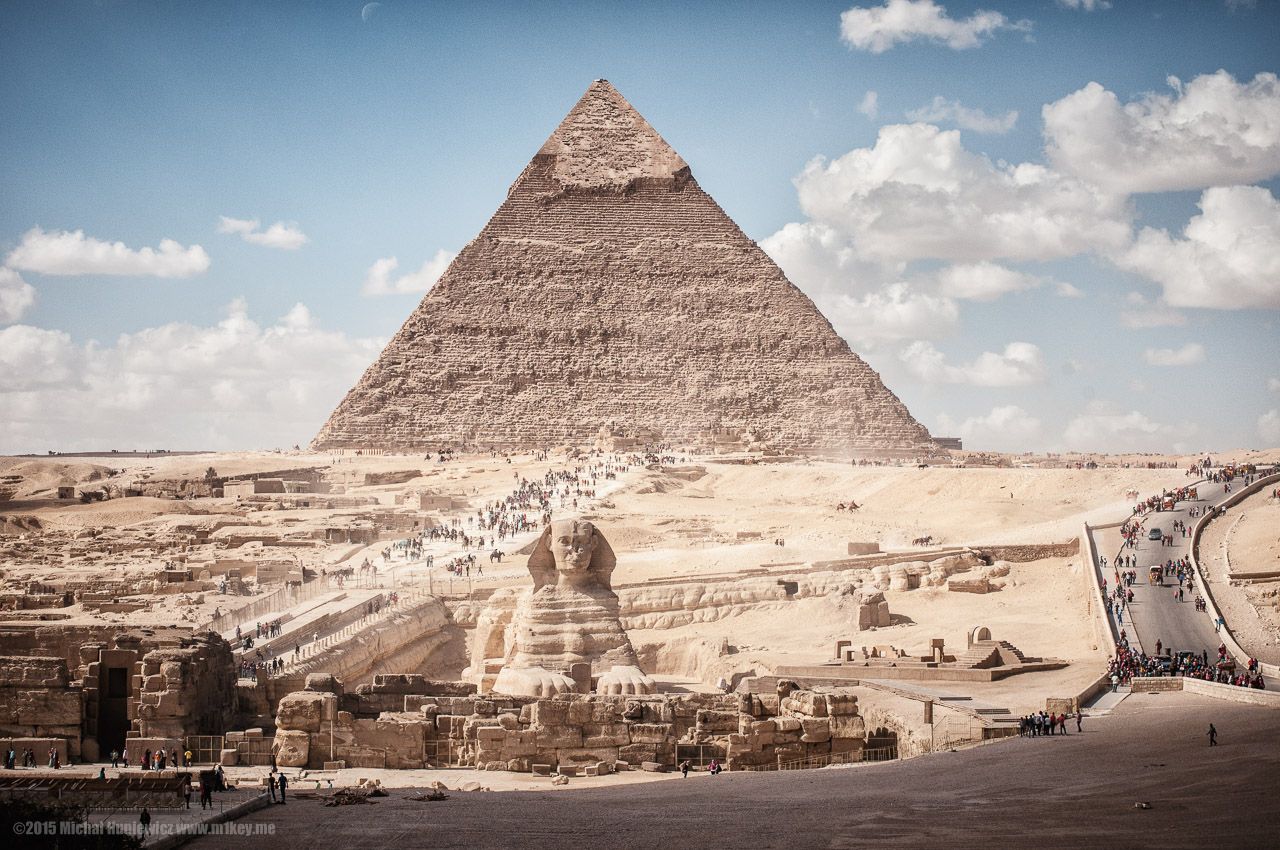
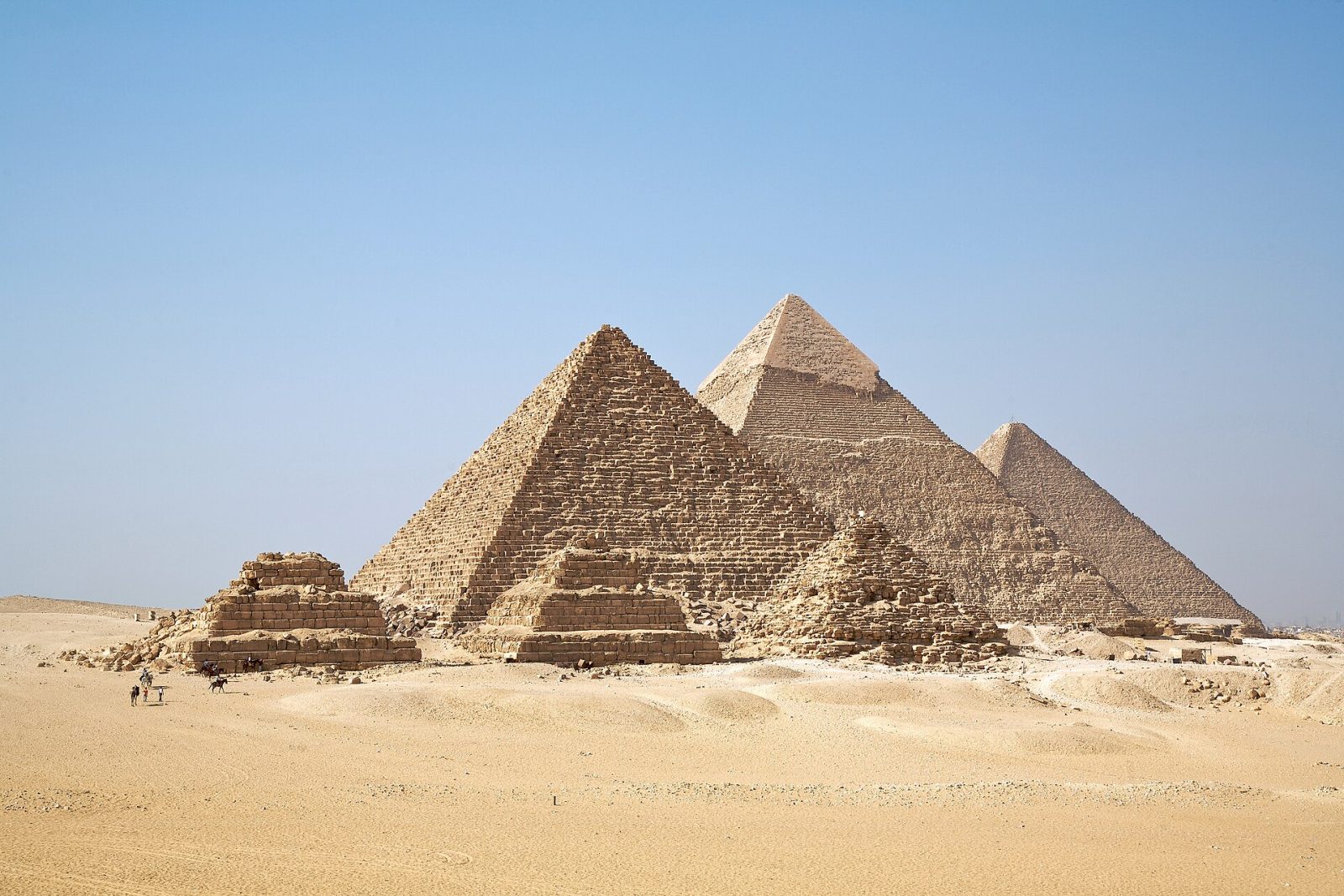
What to see in Egypt beyond the beaches: the Pyramids of Giza and the new Grand Egyptian Museum near Cairo, the temples of Luxor and Karnak with the Valley of the Kings, the colossal Abu Simbel in the south, and Mount Sinai with the sunrise. These are five different Egypts, and none of them is visible from a hotel sun lounger. Here are the specifics: how to get there from the resort, how much time to allow, when to go, and what it costs.
Working out what to see in Egypt means keeping a map in hand. The resort part of the country and the cultural part lie far apart. Hurghada, Sharm El Sheikh, and Marsa Alam are the coast, while the pyramids, pharaonic temples, and monasteries are scattered across the Nile Valley and Sinai hundreds of kilometres away. So the main question is not "what to see" but "where from and how many hours it takes to get there."
What can you see in Egypt on one trip out from the resort?
The honest answer: in one day of daylight you can realistically cover one big thing, not two. From Hurghada to Luxor it is about four and a half hours by bus one way, to Cairo around six. From Sharm El Sheikh these same sights demand stamina: either a long road around the Suez Canal, or a flight on local airlines. That is exactly why Hurghada is more convenient than Sharm if a cultural programme matters more to you than diving.
The practical conclusion is simple. A week-long trip stretches to two full excursions at most. Do not try to cram the pyramids, Luxor, and Sinai into one holiday; choose two destinations and give each a whole day.
The Pyramids of Giza and the new museum: what is really worth seeing there?
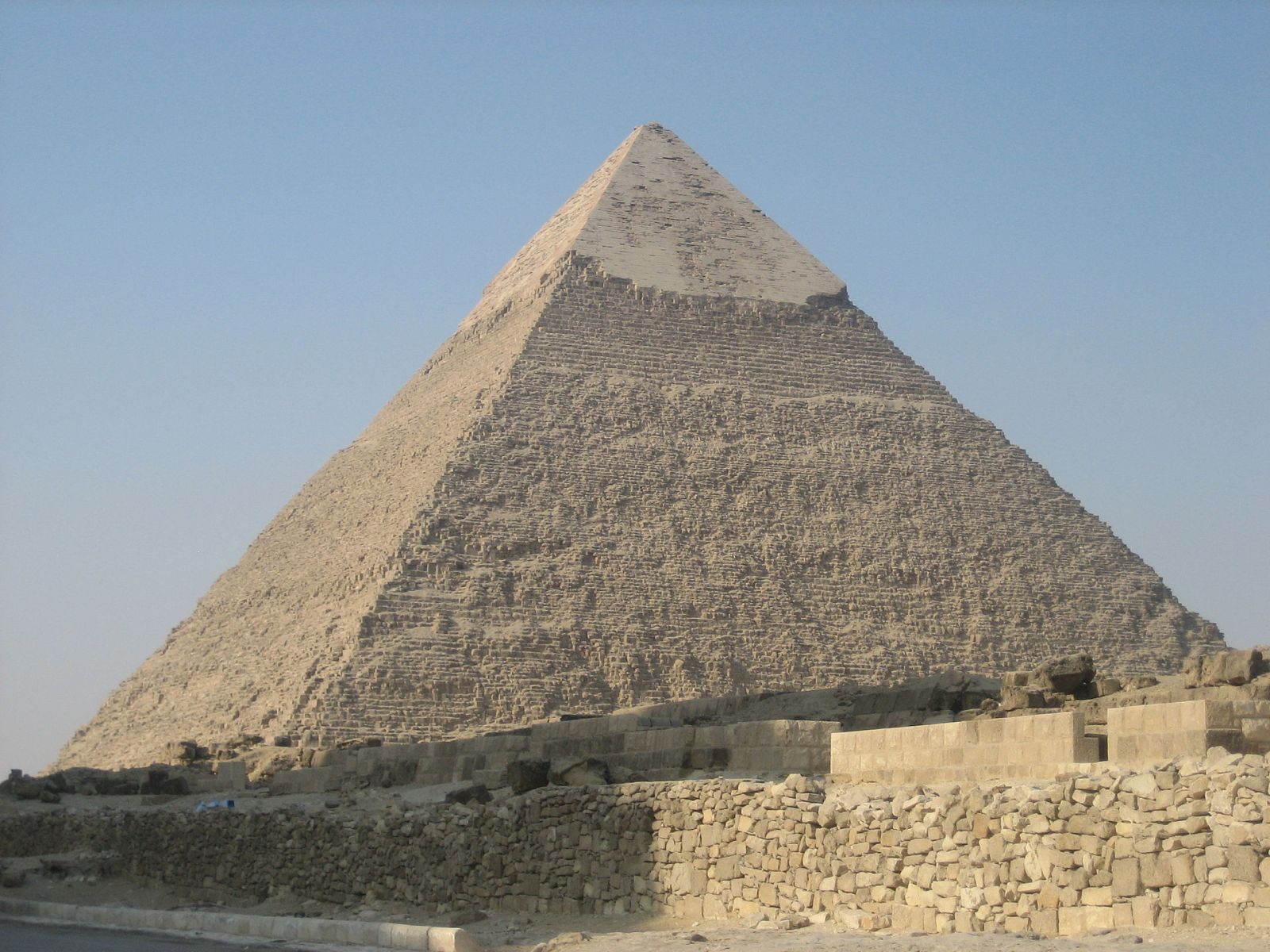
The Pyramids of Giza are the only one of the seven wonders of the ancient world to survive to our day. The Great Pyramid of Khufu was built around 2580 BC and originally reached almost 147 metres; today, because of its lost casing, it is lower, about 139 metres. Nearby stand the pyramids of Khafre and Menkaure and the Great Sphinx. A ticket to the complex costs roughly 700 Egyptian pounds for a foreigner, while entry inside the Great Pyramid is paid separately and is considerably more expensive, and only a limited number of people are admitted per day.

The biggest news of the past year is not even the pyramids themselves. Two kilometres away, in November 2025, the Grand Egyptian Museum (GEM) fully opened, the largest museum in the world devoted to a single civilisation. It holds more than a hundred thousand exhibits, and for the first time in a hundred years the complete collection of Tutankhamun's tomb is gathered together, all of its more than five thousand objects at once. The old museum on Tahrir Square is gradually handing its treasures over here, so check before your trip where the artefact you want is now.
Luxor is called an open-air museum, and that is no exaggeration
Luxor stands on the site of ancient Thebes and is divided by the Nile into two banks with clear roles. The east bank is the city of the living: the Luxor and Karnak temples. The west bank is the city of the dead: the Valley of the Kings, the temple of Queen Hatshepsut, the Colossi of Memnon.
Karnak is the largest religious complex antiquity left behind, more than 80 hectares of temples built up over two millennia. Its heart is the Great Hypostyle Hall with its 134 columns; the twelve central ones are over twenty metres tall, and among them you feel like an ant in a stone forest. The Luxor Temple is smaller, but it stands in the centre of the city and is especially beautiful in the evening under floodlights.
The Valley of the Kings on the west bank is the underground realm of the pharaohs of the New Kingdom. There are about sixty tombs cut into the rock here, including the tomb of Tutankhamun, which Howard Carter found untouched in 1922 with the golden mask inside. A ticket to the site gives access to three tombs of your choice, while the most iconic ones (Tutankhamun, Seti I) are paid separately. Another Luxor ritual is a hot-air balloon flight over the west bank at dawn, when the first sun lights up the temples below.
Is it worth going all the way to Abu Simbel in the south?
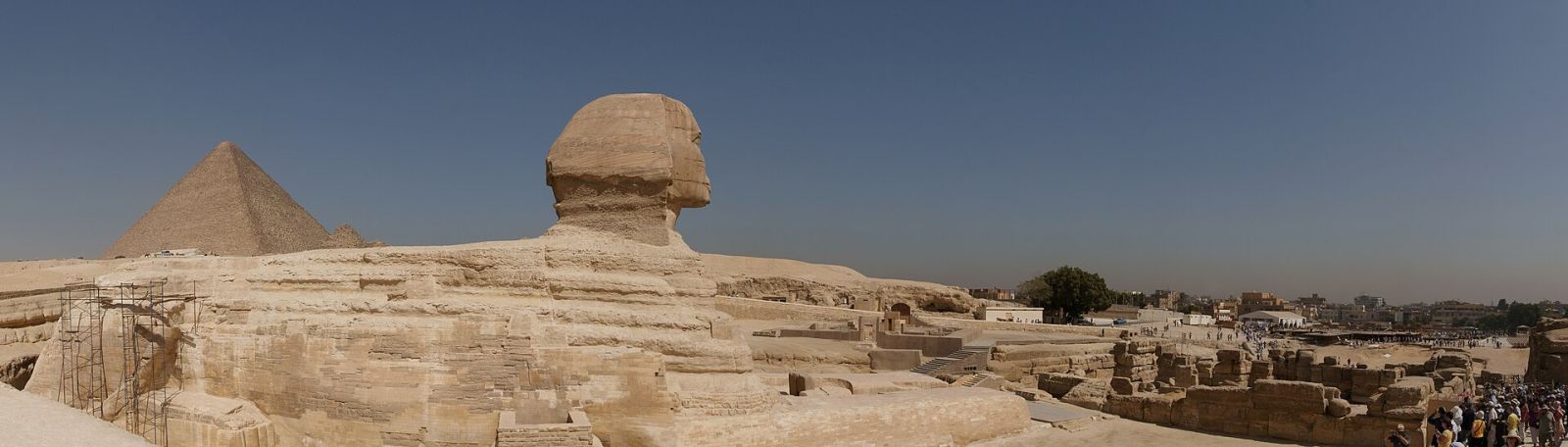
Abu Simbel is the case where the detour is justified. Two temples, cut into the rock by order of Ramesses II around 1264 BC, stand 280 kilometres south of Aswan, almost at the border with Sudan. The four colossi of Ramesses at the entrance are twenty metres tall each, and the great temple itself is about thirty metres high.
The most astonishing part of this story happened in the twentieth century. In the 1960s, when the construction of the Aswan Dam threatened to flood the temples, UNESCO organised an unprecedented operation: in 1964 to 1968 the entire complex was cut into more than a thousand blocks and moved 65 metres higher and 200 metres farther from the water. It is now part of the World Heritage site "Nubian Monuments from Abu Simbel to Philae." You reach it from Aswan at dawn, the road one way is about three hours, so setting out before daybreak is the norm here.
Mount Sinai and Saint Catherine's Monastery: who this suits
This is a completely different Egypt, without pharaohs. Mount Sinai (2285 metres) is the place where, by biblical tradition, Moses received the ten commandments. The classic scenario: set off on the climb around midnight, two and a half hours of ascent in the dark, and meet the sunrise at the summit. It is cold at the top even in summer, so a warm jumper is a necessity here.
At the foot stands Saint Catherine's Monastery, one of the oldest working Christian monasteries in the world. It was built in 548 to 565 under Emperor Justinian, and it has operated without interruption for more than fourteen centuries. This too is a UNESCO site. An important logistical detail for those holidaying in Sharm El Sheikh: Mount Sinai is on the Sinai Peninsula, meaning it is much closer to Sharm than the pyramids or Luxor. This is the rare case where Sharm comes out ahead.
Where to travel from and to, which is more convenient: a comparison
To avoid guessing, here is the approximate travel time one way from the two main resorts. The figures are rounded and depend on traffic, group pickup points, and stops; check the details with your guide on site.
| Destination | From Hurghada (one way) | From Sharm El Sheikh (one way) |
|---|---|---|
| Cairo, Pyramids of Giza, GEM museum | about 6 hours by bus | long by bus or a flight |
| Luxor, Karnak, Valley of the Kings | about 4.5 hours by bus | very far, usually via Cairo |
| Abu Simbel | via Aswan, only as a long tour | practically only by flight |
| Mount Sinai, St. Catherine's Monastery | far, not worth it | close, a night departure |
The general rule is this. If you want pharaohs and pyramids, choose Hurghada or Marsa Alam. If you are planning Mount Sinai and reef diving as well, choose Sharm. There is no universal resort in Egypt from which everything is equally close.
When to go and what to keep in mind about the visa?
The beach season on the Red Sea lasts almost all year round, but for excursions these are different worlds. From April to October the Nile Valley has heat near forty and above, and viewing ruins at midday turns into torture. The question of what to see in Egypt from the pharaonic heritage comes down to the season: the most sensible time is November to March, when Luxor and Giza have a comfortable twenty-something degrees. An early departure is a lifesaver in any season: groups set off at four or five in the morning not out of sadism, but to catch the sights before the heat and the crowds.
About entry, briefly and honestly. For citizens of Ukraine the visa is issued after arrival, it is a tourist visa for 30 days, and the price has changed in recent years, so budget roughly 25 to 45 dollars and check the current price before your trip. A separate nuance for Sharm El Sheikh: on arrival here you can get a free Sinai Only stamp for up to 14 days, but it permits staying only within South Sinai. If from Sharm you are planning an excursion to Cairo or Luxor beyond the peninsula, this stamp is not enough, and you need a full visa.
If you are going to Egypt for the first time and are short on time, choose one block: Cairo with the pyramids and the new museum, or Luxor with its temples. If you have already done the beach and want to go deeper, combine Luxor with Aswan and Abu Simbel into a separate multi-day trip along the Nile Valley, because rushing such a route in a single day from the coast makes no sense.