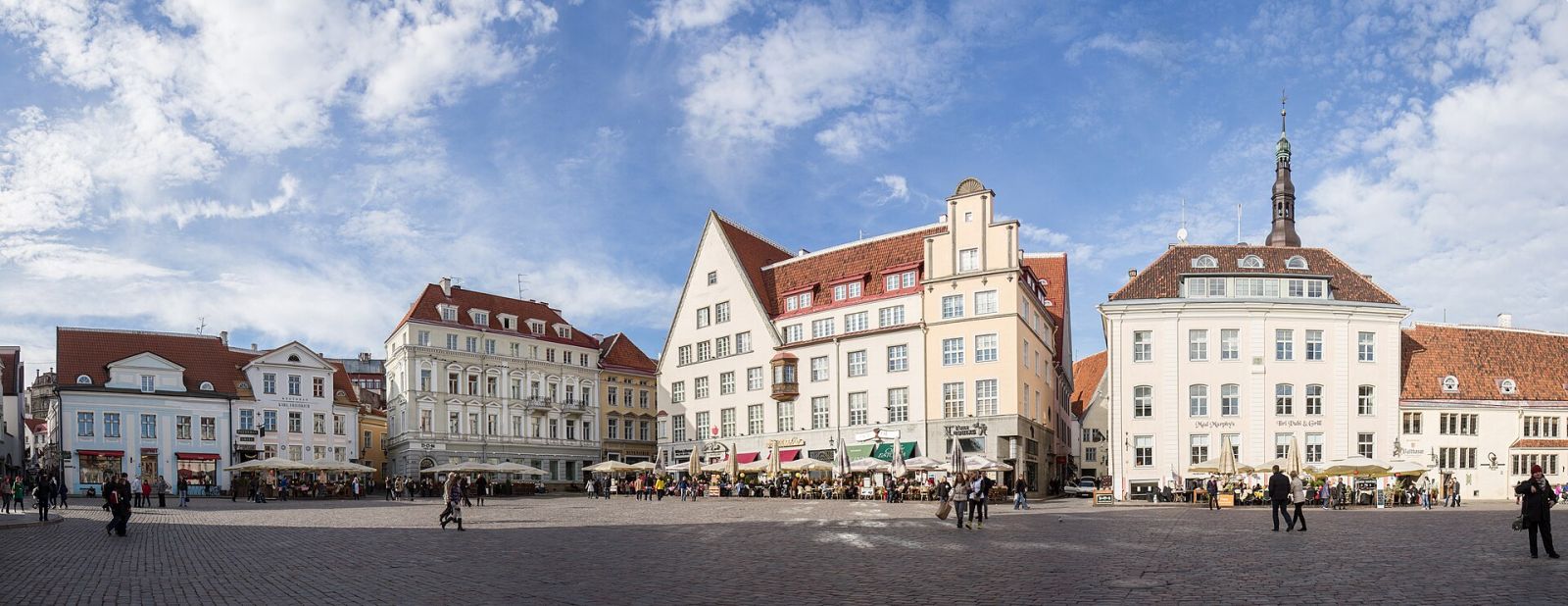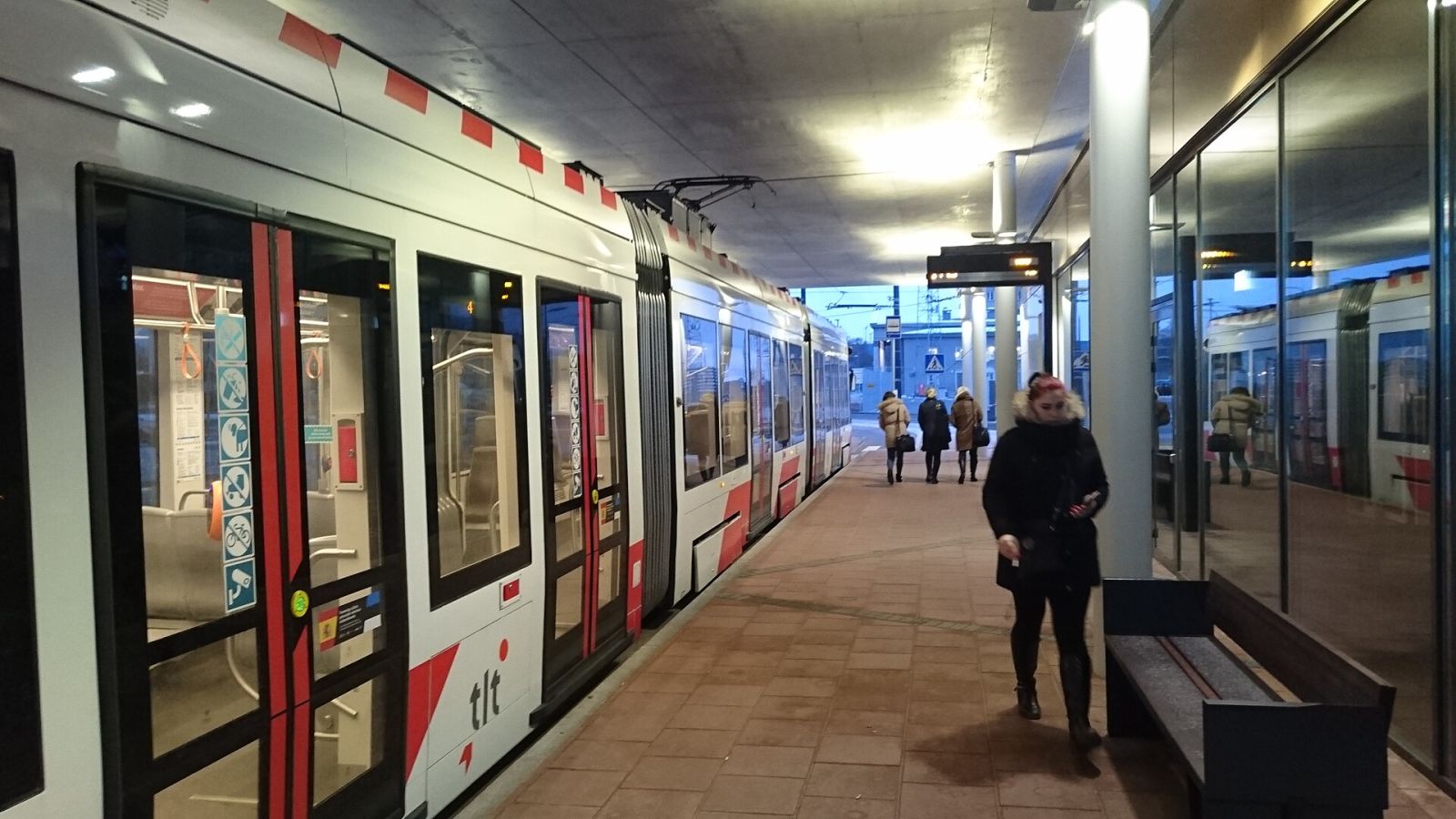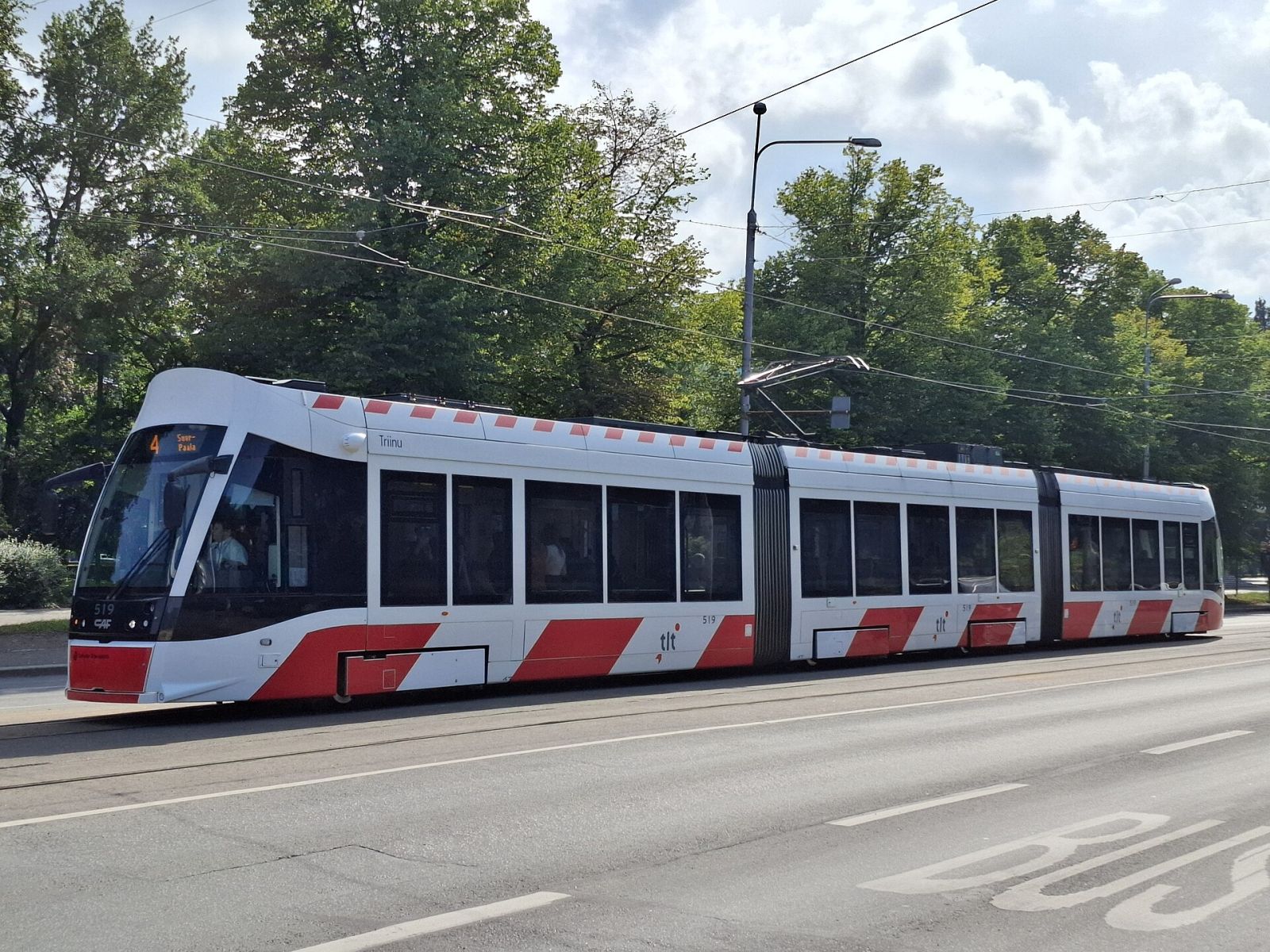


In practical terms, Estonia for tourists is one of the easiest countries in Europe: the currency is the euro, cards are accepted even at village markets, every ticket can be bought from a phone, and street crime sits near the bottom of continental statistics. Most visitors, including Ukrainians with biometric passports, enter visa free under the standard Schengen rule of 90 days in any 180.
Money: the euro and a near total retreat from cash
Estonia adopted the euro back in 2011, so there are no exchange offices with creative rates to hunt for. The country runs cashless: people pay by card or phone on trams, at markets, in museum ticket offices and at ice cream kiosks. Cash is useful mainly at island farm yards and the odd rural stall, so 50-100 euros in small notes covers an entire trip with room to spare.
Cost benchmarks: a weekday lunch menu in Tallinn runs 10-15 euros, dinner at a mid range restaurant 25-40, a cappuccino 3-4, museum entry 8-15. A hostel bed starts around 20-25 euros, a three star hotel from 60-80. That is noticeably cheaper than Helsinki across the gulf, though pricier than Poland. Prices drift with the season, so check current ones before you go.
The digital country: what it means in practice
Estonia's e-government inspires breathless articles, but for a tourist the digital life is refreshingly mundane. Train, bus and ferry tickets are bought online in a couple of minutes, and no paper versions are needed: you show the inspector a QR code on your screen. Free fast wifi is nearly everywhere, from cafes to intercity buses. City parking is paid via app or SMS, and parking machines are disappearing. Taxis have been effectively replaced by Bolt, which happens to be an Estonian startup: in Tallinn, ordering a car through the app is cheaper and simpler than flagging one down.
The practical conclusion: working internet on your phone matters more here than cash. EU roaming or a local eSIM settles the question.
Is public transport in Tallinn really free?
This is the most persistent myth about the city, and it needs an honest correction. Free public transport in Tallinn applies only to registered residents. Tourists pay, and that is fine: a single ticket via the app or a contactless card tap on the validator costs about 2 euros per hour, while day and multi day passes work out cheaper. Simply tap your bank card on the validator in a tram or bus and the system calculates the optimal daily fare on its own.
The good news: central Tallinn is compact. Walking from the port to Town Hall Square takes about fifteen minutes, so many visitors use transport exactly twice per trip, once to Kadriorg and once to the airport. The airport tram, incidentally, reaches the centre in around twenty minutes, one of the most convenient airport links in Europe.
Intercity travel: Elron trains and buses
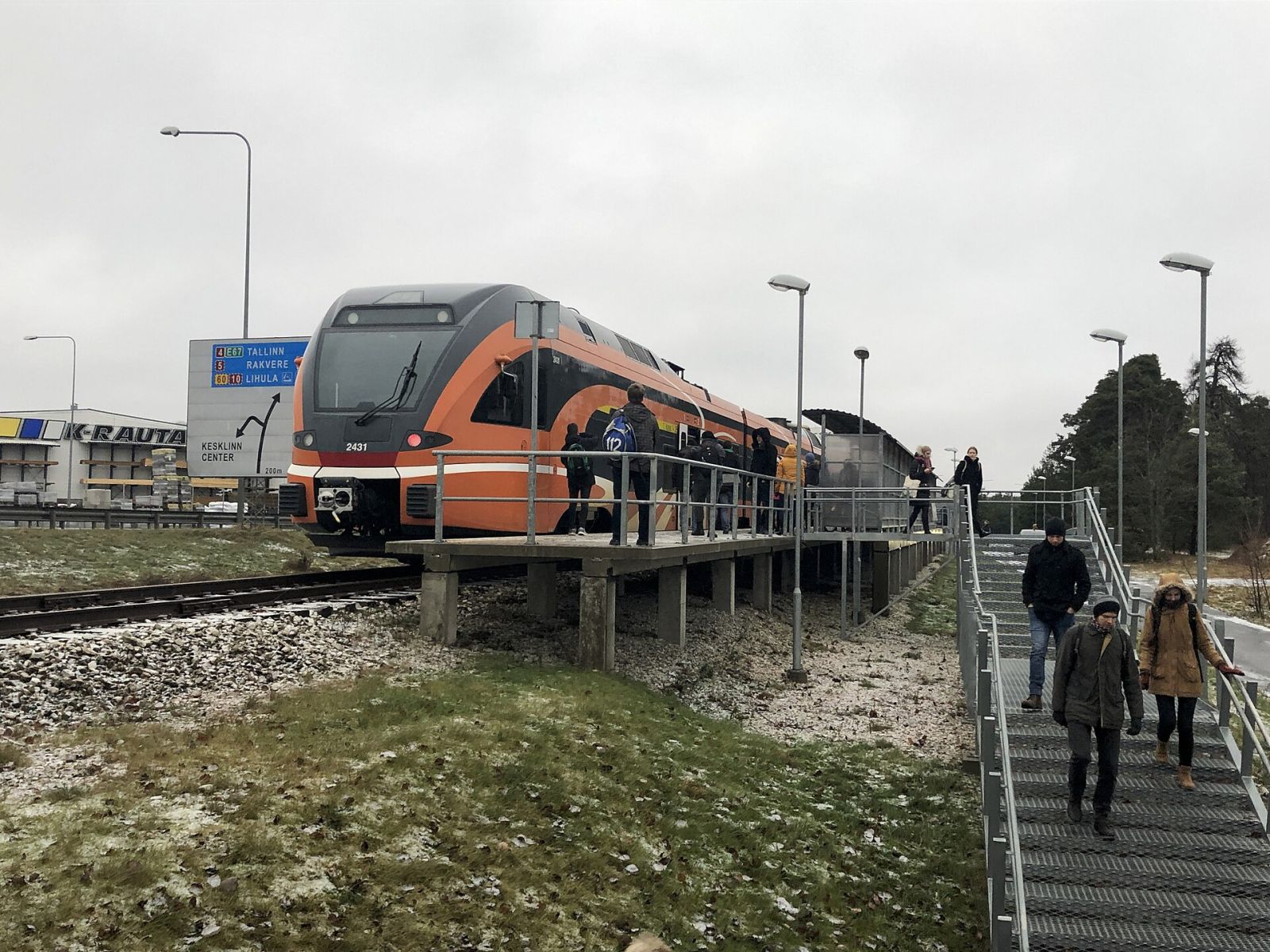
The orange Elron trains cover the main routes: Tartu, Narva, Parnu, Viljandi. Carriages are new, with sockets, wifi and bicycle spaces; tickets are cheap and can be bought in the app or from the conductor by card. Where the railway does not reach, Lux Express and regional buses take over, with timetables and tickets gathered on the Tpilet aggregator. The buses are a pleasant surprise too, with the same wifi and coffee machines on longer routes.
| Route | How to travel | Journey time |
|---|---|---|
| Tallinn - Tartu | Elron train or bus | 2-2.5 hours |
| Tallinn - Parnu | Train or bus | About 2 hours |
| Tallinn - Kuressaare (Saaremaa) | Bus with ferry included | About 4 hours |
| Tallinn - Helsinki | Tallink or Eckerö ferry | 2-3 hours |
Ferries to the islands: how it works
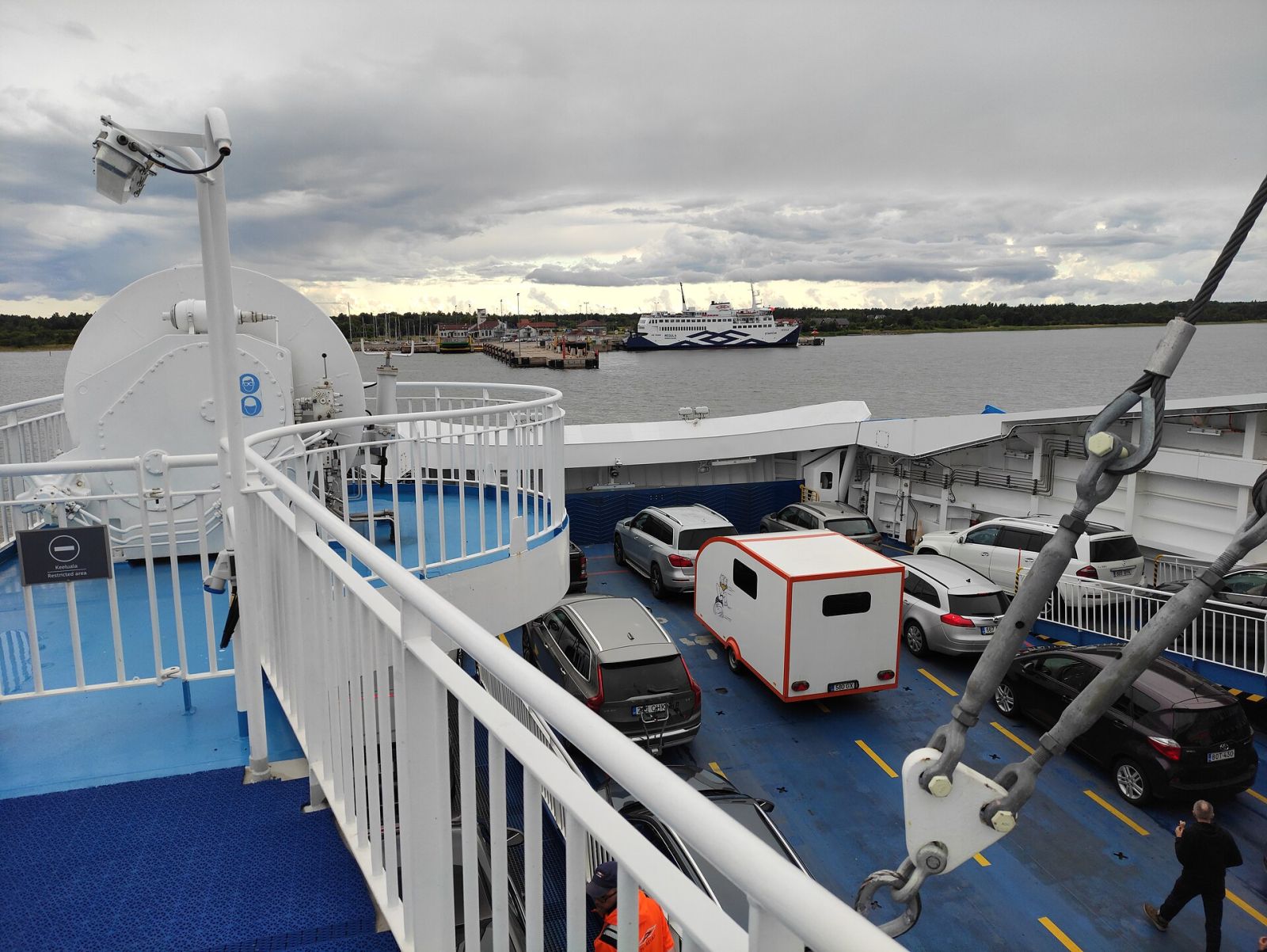
Saaremaa and Hiiumaa are served by TS Laevad ferries: the Virtsu - Kuivastu line for Saaremaa (under thirty minutes) and Rohukula - Heltermaa for Hiiumaa (about an hour). Foot passengers and cyclists need tickets too, but space for them never runs out. Cars are a different story: on summer weekends and holidays the popular sailings sell out in advance, so book a vehicle slot on praamid.ee at least a few days ahead. The Tallinn - Kuressaare buses drive straight onto the ferry, and passengers need no separate crossing ticket.
A bonus for the ambitious: from Tallinn a ferry reaches Helsinki in two to three hours, and a day trip to Finland slots easily into an Estonian itinerary.
Documents and the border
Citizens of most Western countries and Ukrainians with biometric passports enter visa free for the standard 90 days within any 180 day period. Check entry rules and required documents before travelling on the website of the Estonian Ministry of Foreign Affairs, since requirements get refined from time to time. Travel insurance is rarely checked at the border in practice, but skipping it is short sighted: Estonian healthcare is excellent and, for a foreigner, far from cheap.
Safety: what can actually go wrong
Estonia consistently ranks near the top of global safety indexes, and families stroll through central Tallinn late at night without a second thought. Pickpocketing happens mainly in Old Town crowds during cruise season, and ordinary attentiveness covers it. Tap water is drinkable everywhere. The real risks are different: slippery cobblestones and pavements in winter (a fall on ice is the season's classic urban injury) and overestimating yourself in nature. Stay on the boardwalks in the bogs, and remember that in winter darkness falls by four in the afternoon, so plan hikes for the morning. The single emergency number is 112.
Small things that make the trip smoother
- Language: young people and the service sector speak fluent English. A couple of Estonian words (tere, aitäh) earn genuine warmth.
- Tipping is optional; for good service people round up or leave up to a tenth of the bill.
- Shops sell alcohol only from 10:00 to 22:00, Sundays included.
- Museums and some shops close or shorten hours on Mondays, so check schedules in advance.
- Sockets are standard European type; UK and US travellers need adapters.
The bottom line: Estonia for tourists is a country of minimal everyday friction, a card instead of cash, a QR code instead of paper tickets, punctual timetables and safe streets. Only two things genuinely require planning ahead: a car slot on an island ferry in high season, and warm clothes if you travel between October and April. Everything else this country organises for you.