

Planning a trip and gathering Latvia travel tips? Start with two reassuring facts: the country uses the euro and sits inside the Schengen area, so for most visitors entry is visa-free. The rest is equally undramatic. Latvia is compact, trains and buses run on time, prices sit well below Scandinavian levels, and street safety is good enough that an evening stroll through Old Riga worries nobody. This guide covers the practical layer of the trip: money, transport, seasons and entry rules, so that on the ground you can think about castles and beaches instead of logistics.
Entry rules: Schengen basics
Latvia is a Schengen state. Citizens of the EU, the UK, the US, Canada and many other countries enter visa-free; Ukrainians travel visa-free for up to 90 days in any 180 with a biometric passport. Border officers may ask about accommodation bookings, a return ticket and funds for the stay, so keep those handy at least on your phone. Travel insurance is not formally required for visa-free entry, but going without it is careless: a single private clinic consultation costs real money. Rules do change, so verify current requirements on the Latvian Ministry of Foreign Affairs website before booking.
Riga airport is the biggest hub in the Baltics, with airBaltic and low-cost carriers connecting it to most of Europe. Overland, Lux Express and Ecolines buses link Riga daily with Tallinn, Vilnius, Warsaw and Kyiv.
Money: the euro and the near-total victory of the card
Latvia adopted the euro in 2014, so no exotic currency exchange is needed. Cards work practically everywhere: in supermarkets, on commuter trains, at the market, in a village bakery. Cash is only really useful at flea markets and tiny kiosks; up to 50 euros usually covers an entire trip. Visa and Mastercard are accepted without fuss, and contactless payment is the default.
Price anchors for budgeting: lunch at a tavern-style canteen stays under ten euros, dinner at a mid-range Riga restaurant costs several times more, a cappuccino runs a few euros, and the train to Jurmala is about two. Hostel beds, three-star rooms and rental apartments price out roughly like Poland. Overall Latvia is noticeably cheaper than Estonia and far cheaper than Finland, though pricier than before the recent inflation waves, so check fresh numbers before you travel.
Transport: commuter trains, buses and one catch for drivers
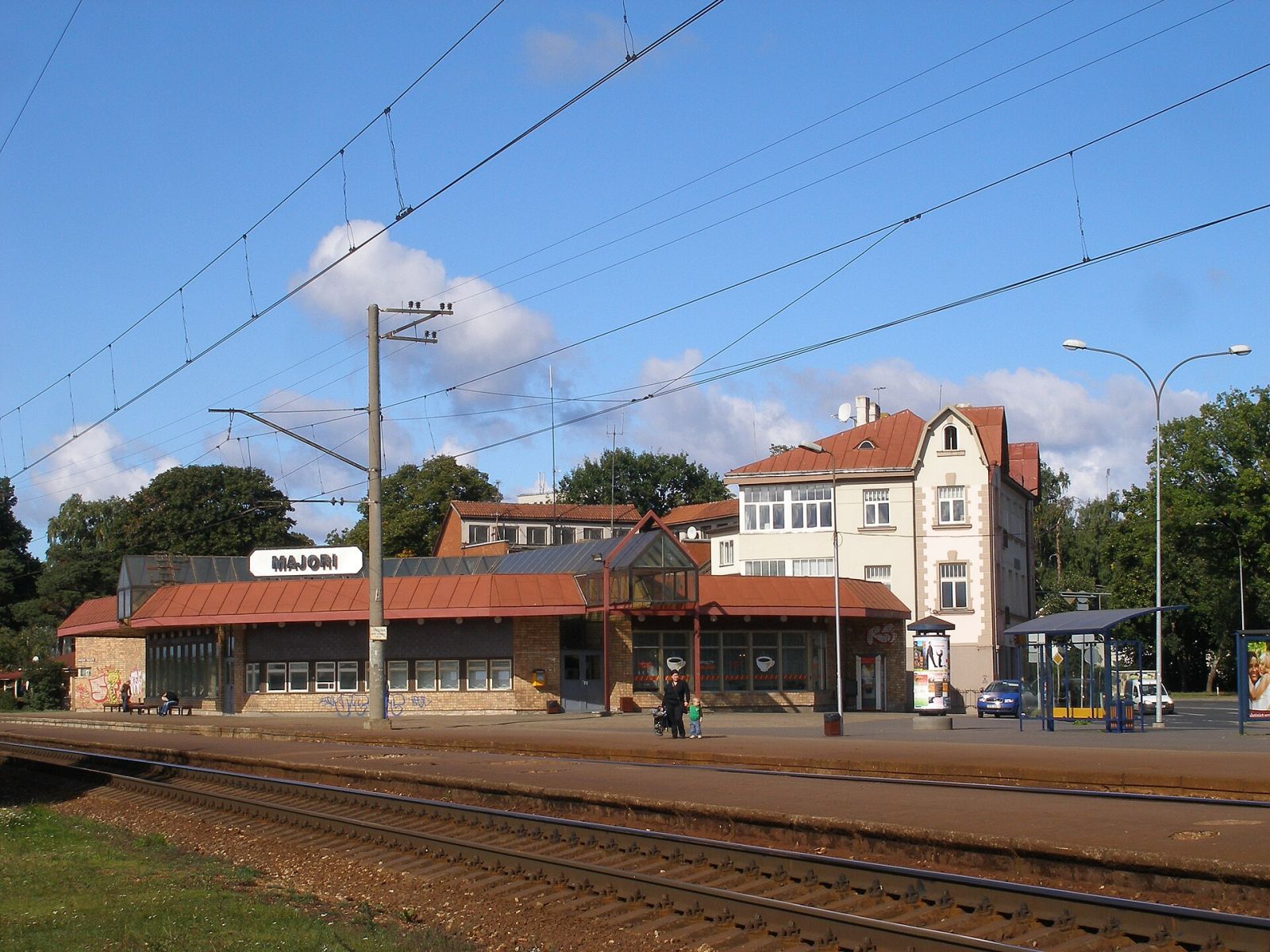
The country's main tourist workhorse is the Vivi commuter rail network from Riga Central Station. The Tukums line serves Jurmala: the ride to Majori station takes about half an hour, a ticket costs roughly two euros, and summer service is frequent. The same railway reaches Sigulda and Cesis. Buy tickets in the app, at station machines or from the conductor on board for slightly more.
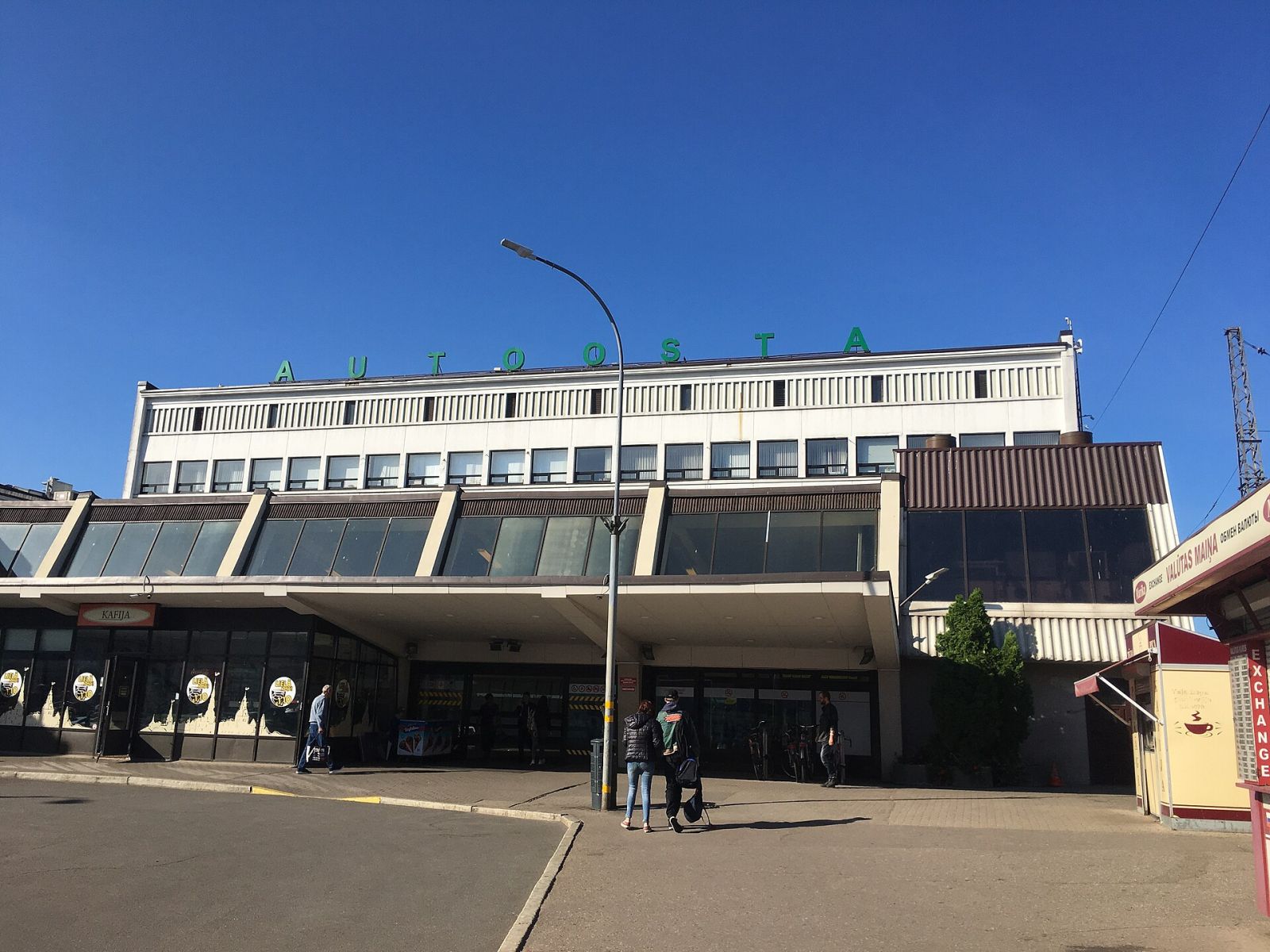
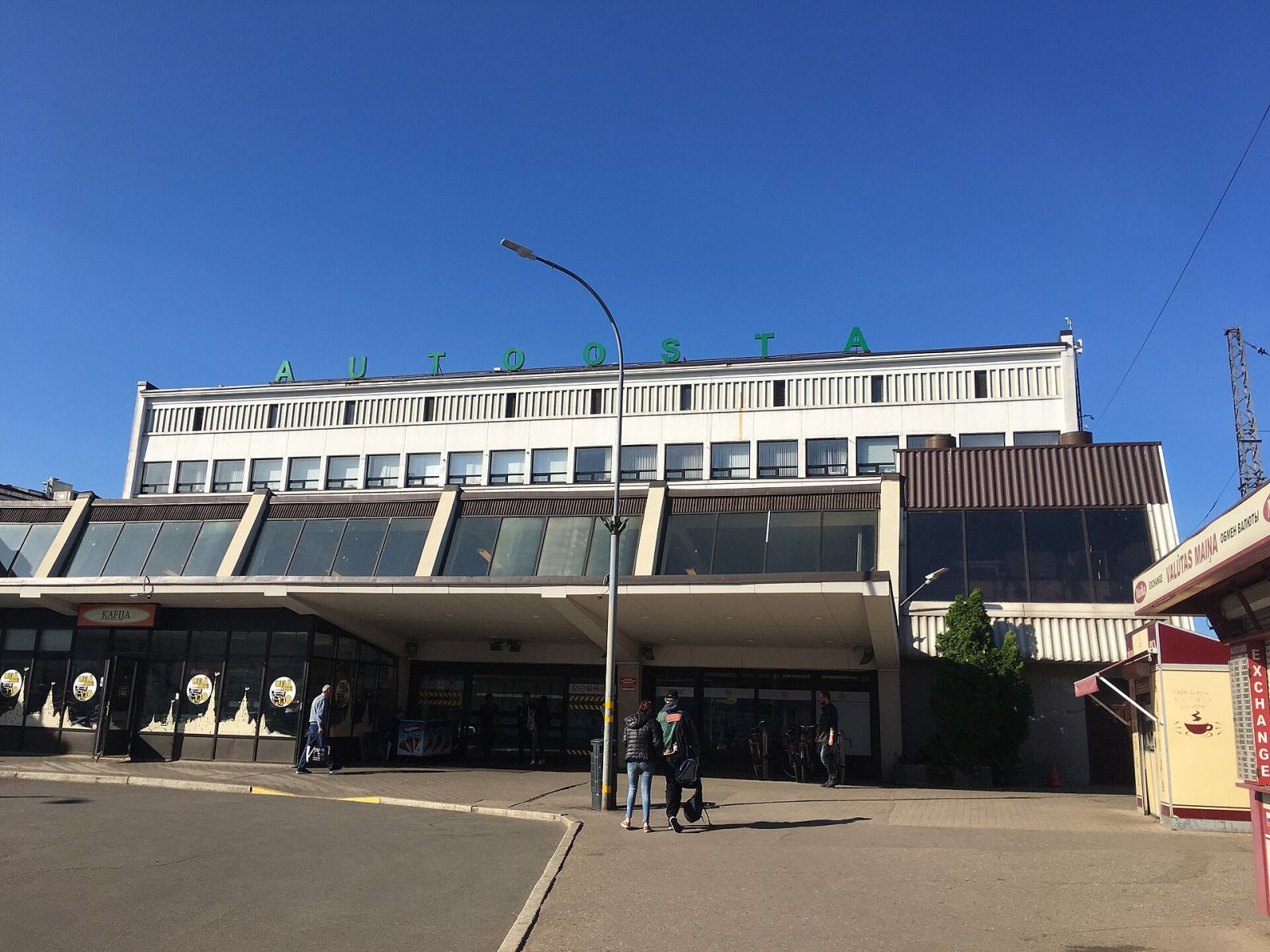
Where rails do not reach, intercity buses depart from Riga International Coach Terminal next to the Central Market: Bauska and Rundale, Kuldiga, Liepaja, Kolka. Within Riga, trams, trolleybuses and buses take card payment right at the validator. For taxis use the Bolt or Forus apps; hailing from the street costs more.
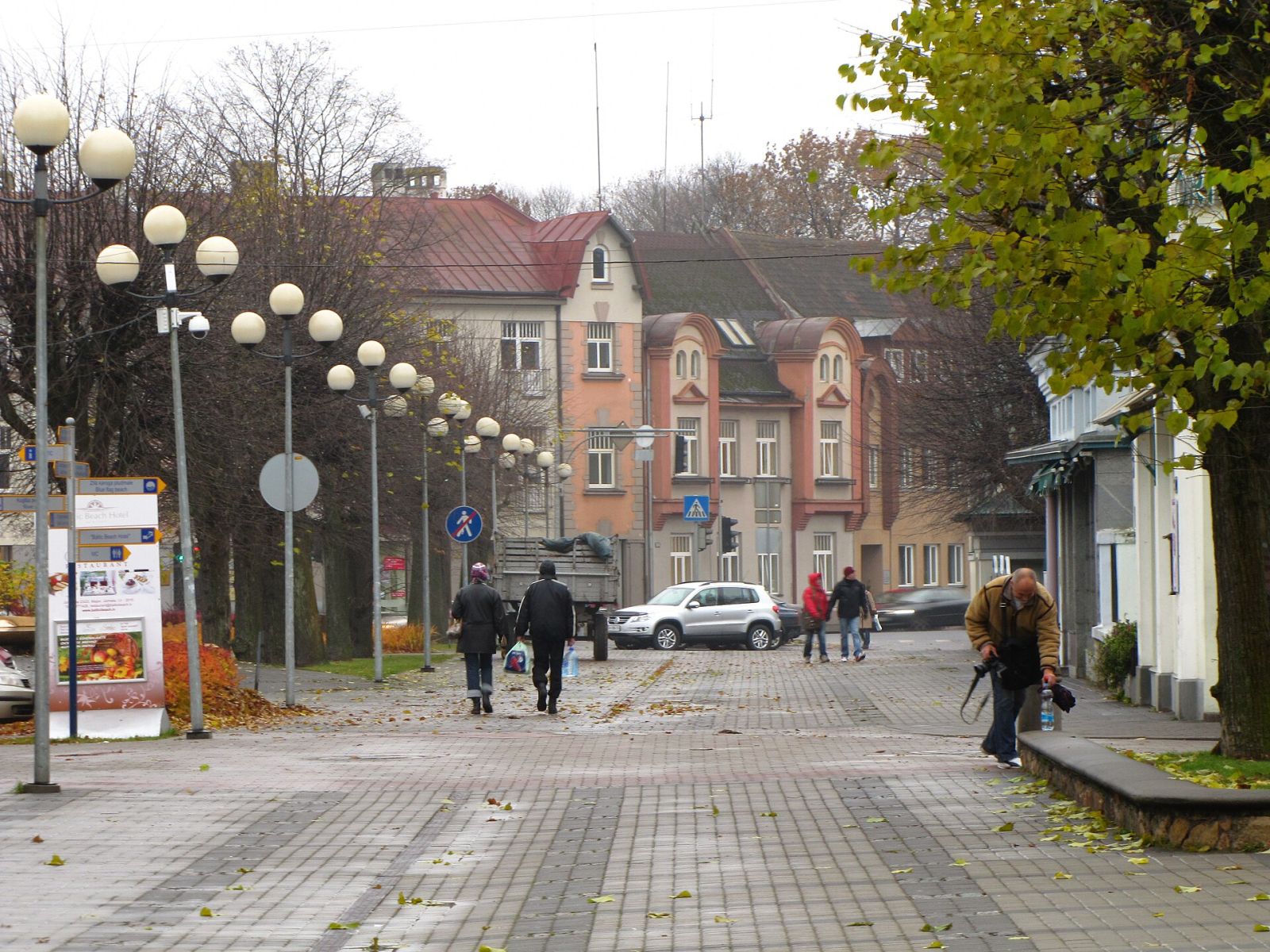
Now the catch for drivers. Entering Jurmala by car between April and September requires a paid entry pass: you pay at self-service points on the way in or online, cameras read the plates, and the fine for skipping it dwarfs the fee itself. The charge is symbolic, a couple of euros per day, but forgetting it is remarkably easy. If the beach is all you want, the train removes the problem entirely.
If you rent a car
Car hire in Riga is standard EU fare: international chains at the airport plus cheaper local outfits in town with a smaller fleet. A few rules worth knowing: dipped headlights must stay on around the clock all year, winter tyres are mandatory from December through February, and the alcohol limit is effectively zero for drivers with under two years of experience. Latvia has no toll motorways and no vignettes, roads between major towns are in decent shape, though gravel lanes deep in Courland reward a slower pace. Parking in central Riga is paid and not cheap, so a rental makes sense for day trips out of the city rather than for the city itself.
When to go: an honest season-by-season breakdown
| Season | Weather | The good | The bad |
|---|---|---|---|
| June-August | +20…+25C, light until late evening | Jurmala beaches, festivals, the Ligo midsummer holiday, white nights | peak accommodation prices, crowds |
| September-October | +8…+15C | golden autumn in Sigulda, empty castles, mushroom season | rain, swimming is over |
| November-March | -5…+3C, short days | Christmas Riga, markets, low prices | dark by four, the sea wind bites |
| April-May | +8…+17C | blossom, few tourists, fair prices | lottery weather, ice-cold sea |
The most universal window runs from mid-June to late August, when Jurmala's resort infrastructure is fully awake. Aim specifically for Ligo on 23 and 24 June if you can: bonfires, beer, caraway cheese and oak-leaf wreaths, with the whole country celebrating for two days. For a city weekend in Riga the season barely matters, though December with its Christmas markets beats November hands down.
Safety: a calm country with everyday caveats
Latvia sits consistently near the top of European safety rankings, and you feel it immediately: Riga's evening streets are lively, police are visible, aggression is absent. The real risks are small and predictable. Some bars in Old Riga's nightlife lanes inflate bills for trusting tourists, so glance at the menu prices before ordering. Pickpocketing happens at the Central Market and on night transport; standard alertness closes the issue. Do not leave a phone unattended on the beach, and do not swim at the tip of Cape Kolka: the currents there are no joke.
Language is easy. Latvian is the state language, younger people speak fluent English, and the tourist industry handles English everywhere. Signage in Riga is bilingual often enough that navigation never becomes a puzzle.
Small things that save your nerves
- EU roaming rules apply for European SIM cards; travellers from outside the EU should grab a local prepaid SIM or an eSIM.
- Tap water is drinkable; bottled water is optional.
- Shops open on Sundays, though smaller ones close earlier; look for the Aptieka sign for pharmacies.
- Tipping is optional: round up or leave up to a tenth of the bill for good service.
- The single emergency number is 112, with English-speaking operators.
- In winter pack a windproof jacket: frost is moderate, but the damp Baltic wind eats through any warmth rating.
For an independent traveller Latvia works like Europe on easy mode: legible, affordable, compact and blissfully free of tourist crowds. It makes a perfect first Baltic trip, and it usually ends with tickets booked for the neighbours as well.