

Lithuanian food rests on five pillars: cepelinai dumplings, the shocking-pink cold soup saltibarsciai, Karaim pastries called kibinai, the spit-baked "tree cake" sakotis, and beer brewed here longer than half of Europe's states have existed. This is hearty farmhouse cooking built on potatoes, meat, fermented dairy, and rye, and that is exactly its charm: Lithuania does not pretend to be Provence, it feeds you so well you will not leave the table for an hour. Here is what to eat in Lithuania, what it costs, and where to find the real version of each dish rather than the tourist one.
Cepelinai: a national dish shaped like an airship
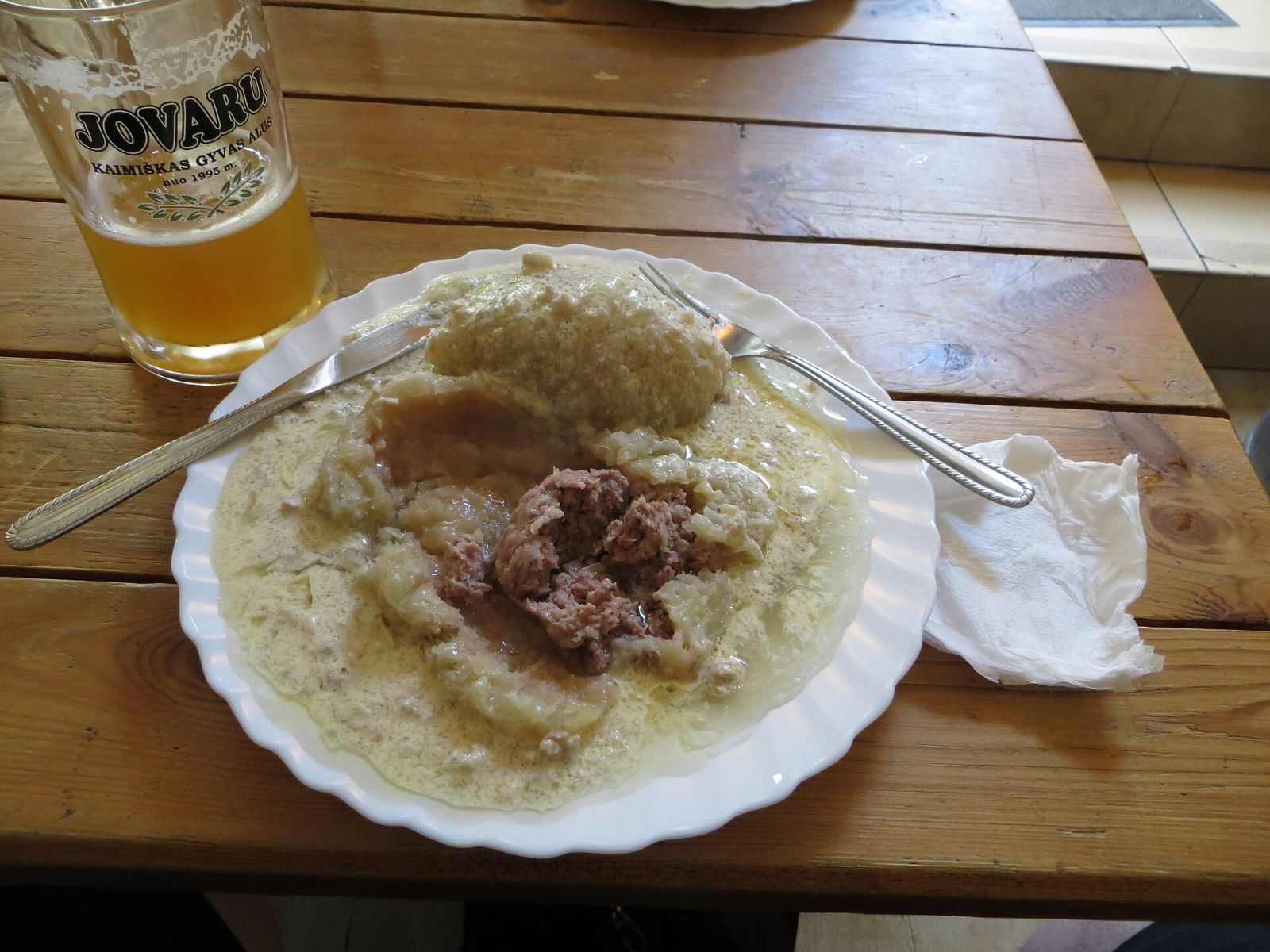
Cepelinai are oversized dumplings made from a mix of raw and cooked grated potato, wrapped around a filling, usually minced meat, sometimes curd cheese or mushrooms. The name comes from the shape: the stretched oval genuinely resembles Count Zeppelin's airship. They arrive in pairs, drowned in fried pork cracklings with sour cream or a smoked-bacon gravy, and one serving comfortably settles both lunch and dinner. The texture takes getting used to, dense and slightly chewy, so do not expect the lightness of Italian gnocchi. This is a monolith of a dish.
A practical tip: fancy restaurants in Vilnius Old Town often make worse cepelinai than plain canteens do. Look for a valgykla, a self-service canteen, or a homestyle chain, where a serving runs about 5-8 euros and follows the classic recipe. Fair warning for first-timers: split one portion between two people as a test run. Very few visitors finish two full servings on the first attempt.
Saltibarsciai: soup the color of fuchsia
The country's most photogenic dish, saltibarsciai, is a cold beet soup on a kefir base with boiled beetroot, fresh cucumber, spring onion, dill, and half a hard-boiled egg. The color is neon pink, as if someone had gone overboard with filters, yet there are no dyes involved, just the chemistry of beets meeting kefir. It always comes with hot boiled potatoes on a separate plate, and that contrast, icy soup against steaming potato, is what makes the dish iconic.
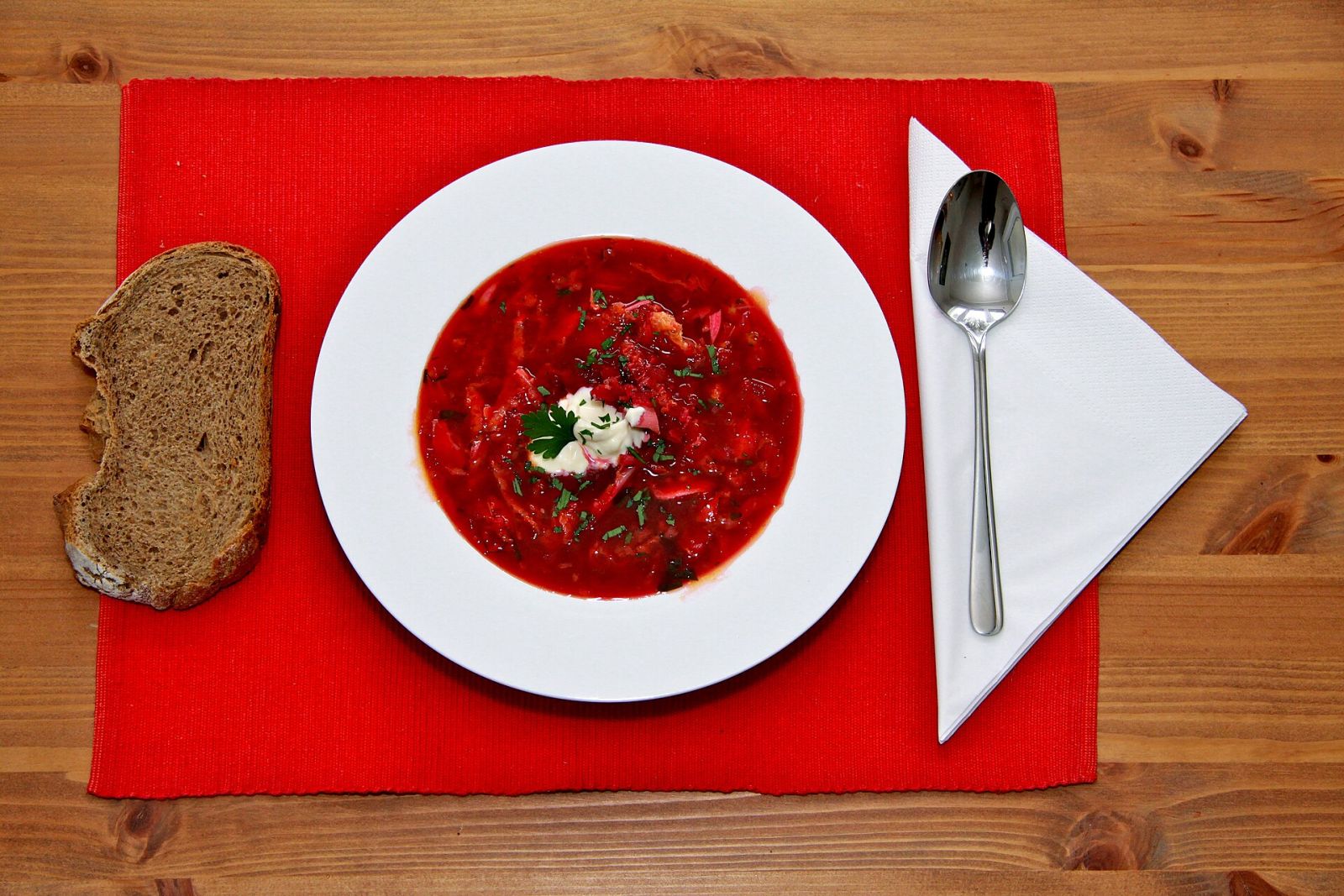
In summer everyone in Lithuania eats saltibarsciai everywhere, and in June Vilnius even throws a festival in its honor, turning the city pink. A bowl costs 3-5 euros, and it deserves a try even from cold-soup skeptics: in the heat it beats gazpacho for refreshment, with a mild tang and no vinegary edge. If you know Eastern European cold borscht, this is its richer, creamier cousin.
Kibinai: the Karaim legacy of Trakai
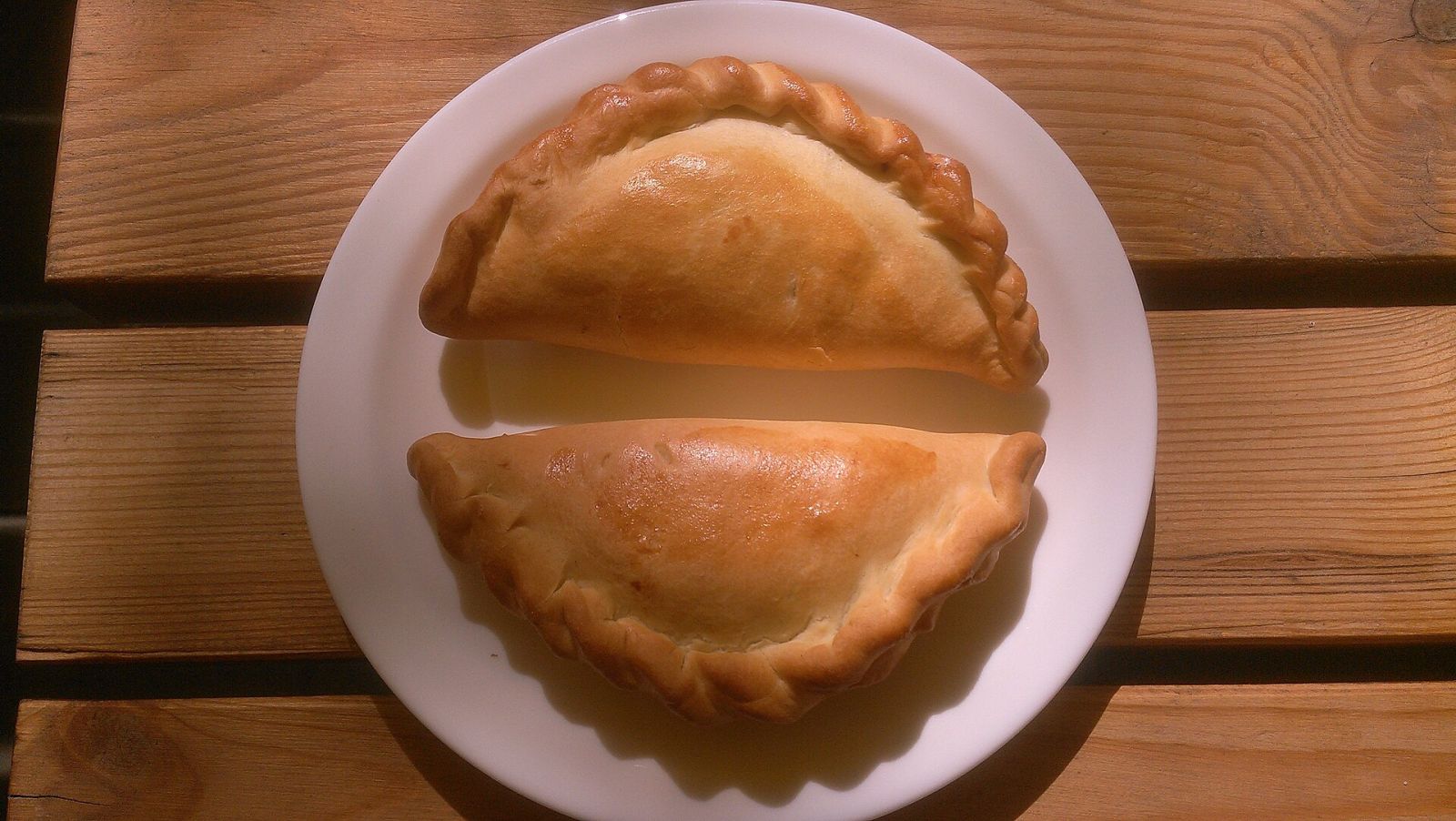
Kibinai are baked crescent-shaped pastries brought to Lithuania by the Karaims, a Turkic people resettled from Crimea by Grand Duke Vytautas at the end of the fourteenth century. The classic filling is chopped, never ground, that distinction matters, lamb or chicken with onion, inside crumbly, almost shortcrust pastry that keeps the juices locked in. A kibin is eaten hot, often with a cup of broth on the side.
The canonical tasting spot is, of course, Trakai: several Karaim restaurants line the street leading to the island castle. Expect 2-4 euros apiece, and two kibinai make a proper lunch. Vilnius sells them on every corner too, including kiosks at the train station, but in Trakai they taste better and are still baked by Karaim families following old recipes. The one drawback: in high season the places near the castle draw queues, so book ahead or arrive before noon.
Sakotis: a cake baked on a rotating spit
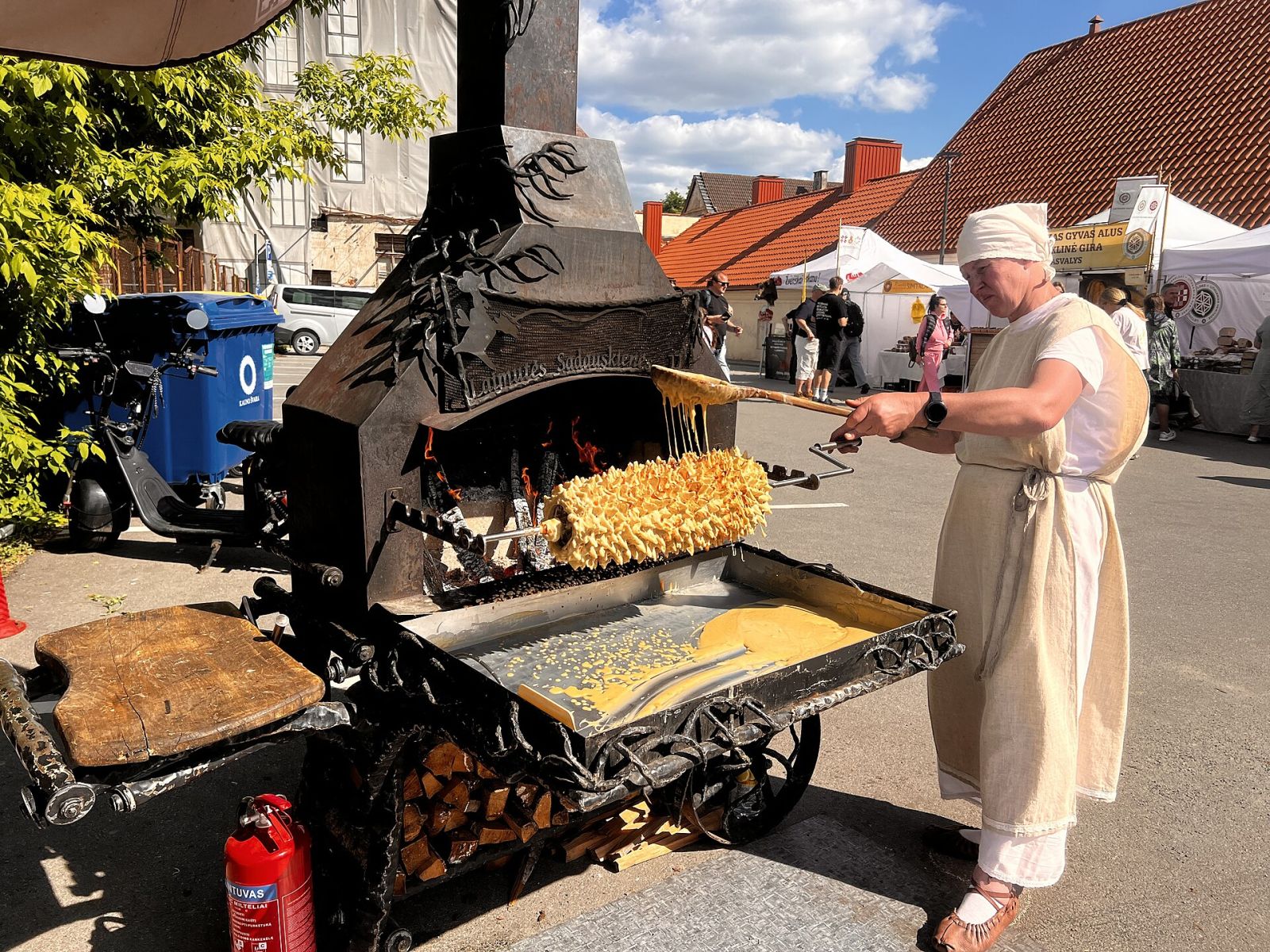
Sakotis, meaning "branched", is a celebration cake that looks like a spiky tree. The baking method is the show: liquid egg batter is poured onto a spit rotating over open fire, layer after layer, and the drips harden into "branches". A large sakotis takes several dozen eggs and about two hours of constant turning, which is why a real fire-baked one is not cheap: a big festive cake runs 30-60 euros, while small souvenir chunks start at a few euros.
The taste is a dense, slightly dry sponge with a caramelized crust, perfect with coffee and long conversations. Lithuanians serve sakotis at weddings and Christmas, and tourists find it in every souvenir shop, often packed in clear tubes that travel well. For the spectacle, seek out farmsteads around Druskininkai and in the Dzukija region, where the baking is demonstrated live. A homemade sakotis with a hint of smoke and a supermarket one are two different desserts.
What else to order to understand the cuisine
- Kugelis: a grated-potato bake with cracklings, dense as a brick and sinfully good. Served with sour cream.
- Vedarai: potato sausage, a casing stuffed with seasoned grated potato and roasted until crisp. Sounds questionable, works brilliantly.
- Fried garlic bread (kepta duona): sticks of dark rye bread, fried and rubbed with garlic, dunked in cheese sauce. The definitive beer snack.
- Smoked fish from the Curonian Spit: hot-smoked eel, bream, or mackerel, sold straight from the smokehouses in Nida and Juodkrante.
- Dziugas cheese: a hard aged cheese, Lithuania's answer to Parmesan and an excellent edible souvenir.
Lithuanian beer: a quiet superpower
Few people realize it, but Lithuania is one of Europe's oldest beer regions with a living tradition of farmhouse brewing. The style is called kaimiskas, "country-style": unpasteurized, often hazy beer fermented with house yeast strains passed between brewers for generations. The most famous living cultures come from the north of the country, around Birzai and Pasvalys, where village breweries still work much as they did before industrialization.
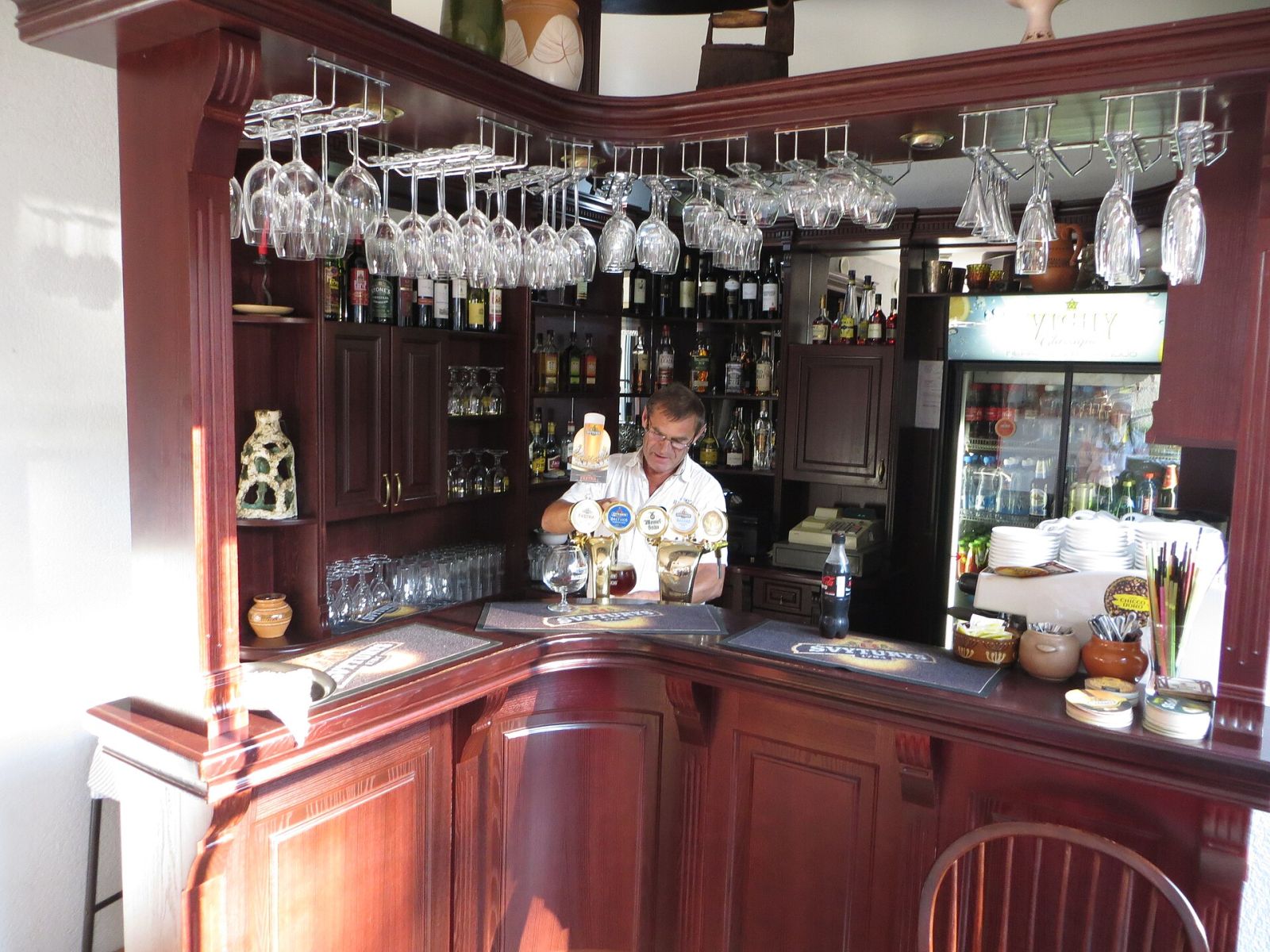
What a visitor should do: find the specialist beer bars of Vilnius Old Town, where taps pour dozens of local styles, and ask for anything labeled kaimiskas or a live unpasteurized lager. A glass costs 4-6 euros. Pair it with that fried garlic bread, this is the canon. Fans of dark beer should try Lithuanian porter, a tradition dating back to the nineteenth century. And one small thing that pleasantly surprises: even an ordinary supermarket here stocks a more interesting local beer shelf than most EU countries manage.
What eating in Lithuania costs
| Format | Price per person | What to expect |
|---|---|---|
| Canteen (valgykla) | 6-10 € | soup + cepelinai + a drink, homestyle |
| Cafe lunch | 8-14 € | weekday set menu, often with soup |
| Mid-range restaurant | 20-35 € | main course + beer + dessert |
| Kibin in Trakai | 2-4 € each | two pastries = a filling lunch |
| Beer in a bar | 4-6 € | craft and farmhouse styles, 0.4-0.5 l |
Prices are approximate and have climbed noticeably over the past couple of years, so check menus online before the trip. One rule never changes: the farther you walk from Cathedral Square, the more honest the kitchen and the lower the bill.
The takeaway is simple: Lithuanian cuisine is not about refinement, it is about rye, potatoes, generous portions, and an unexpectedly pink soup. Plan your food itinerary as seriously as the castles and dunes: cepelinai in a canteen, kibinai in Trakai, smoked fish in Nida, sakotis fresh off the fire, and an evening in a beer bar. That is what Lithuania actually tastes like.