

Austria's ski resorts offer the longest reliable season in the Alps: the glaciers above Sölden and Hintertux run from October to May, and linked areas like Ski Arlberg put over 300 kilometres of pistes on a single pass. Austria does not compete on price, with day passes in the top areas now well past 70 euros, but on the package: immaculate grooming, infrastructure that simply works, villages with real character instead of concrete purpose-built stations, and the loudest après-ski in Europe. Below are five resorts matched to different skill levels, each with its honest downside.
How do you pick a resort for your level?
The short version. Beginners and families: Zell am See, with wide gentle pistes and a lake for rest days. Confident intermediates: Mayrhofen or Sölden, plenty of reds and room to progress. Experts and freeriders: St. Anton, Austria's official capital of hard skiing. Anyone for whom the party matters as much as the skiing: Ischgl, and that is not a joke but the resort's own positioning.
Sölden: glaciers and a Bond film
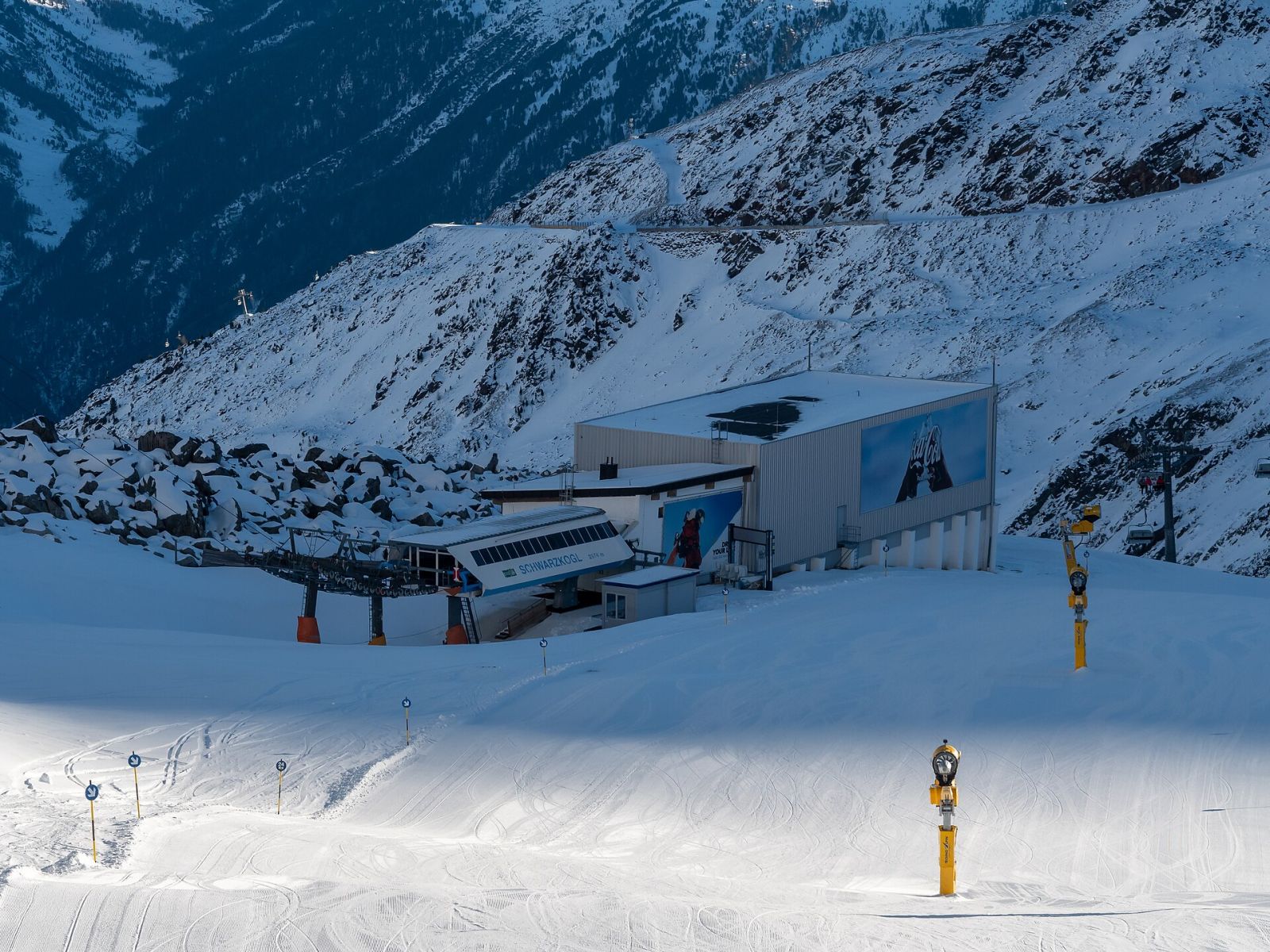
The main resort of Tyrol's Ötztal valley. Sölden's trump card is two glaciers linked to the main ski area, which stretches the season from autumn to May and gives it the best snow guarantee among non-glacier-only rivals. Three peaks above three thousand metres, with the signature Big 3 route ticking them all off in a day. On the Gaislachkogl sits ice Q, the futuristic restaurant familiar from the Bond film Spectre, with the 007 Elements museum next door. The skiing skews intermediate: long reds, wide blues, few blacks.
The honest downside: Sölden itself is not a quiet Tyrolean village but a noisy strip of bars along the main road. Fun in the evening; you feel it in the lift queues the next morning.
Ischgl: serious skiing plus the loudest après-ski
A resort in the Paznaun valley, home of the Silvretta Arena: around 239 kilometres of pistes linked to duty-free Samnaun in Switzerland, with the border crossed on skis. The skiing is objectively strong: high slopes, mostly above 2000 metres and well protected from thaws, with modern lifts and hardly any queues. The season is long, roughly late November to early May. The resort's signature: the Top of the Mountain concerts opening and closing each season, a stage that has hosted Elton John, Muse and Robbie Williams.
The downside follows from the upside: Ischgl lives for the party. Bars fire up at 15:00, and if a roaring crowd in ski boots on a dance floor is not your thing, stay in the quiet neighbouring villages of Kappl or Galtür and come over just to ski.
St. Anton: for people who have skied for years
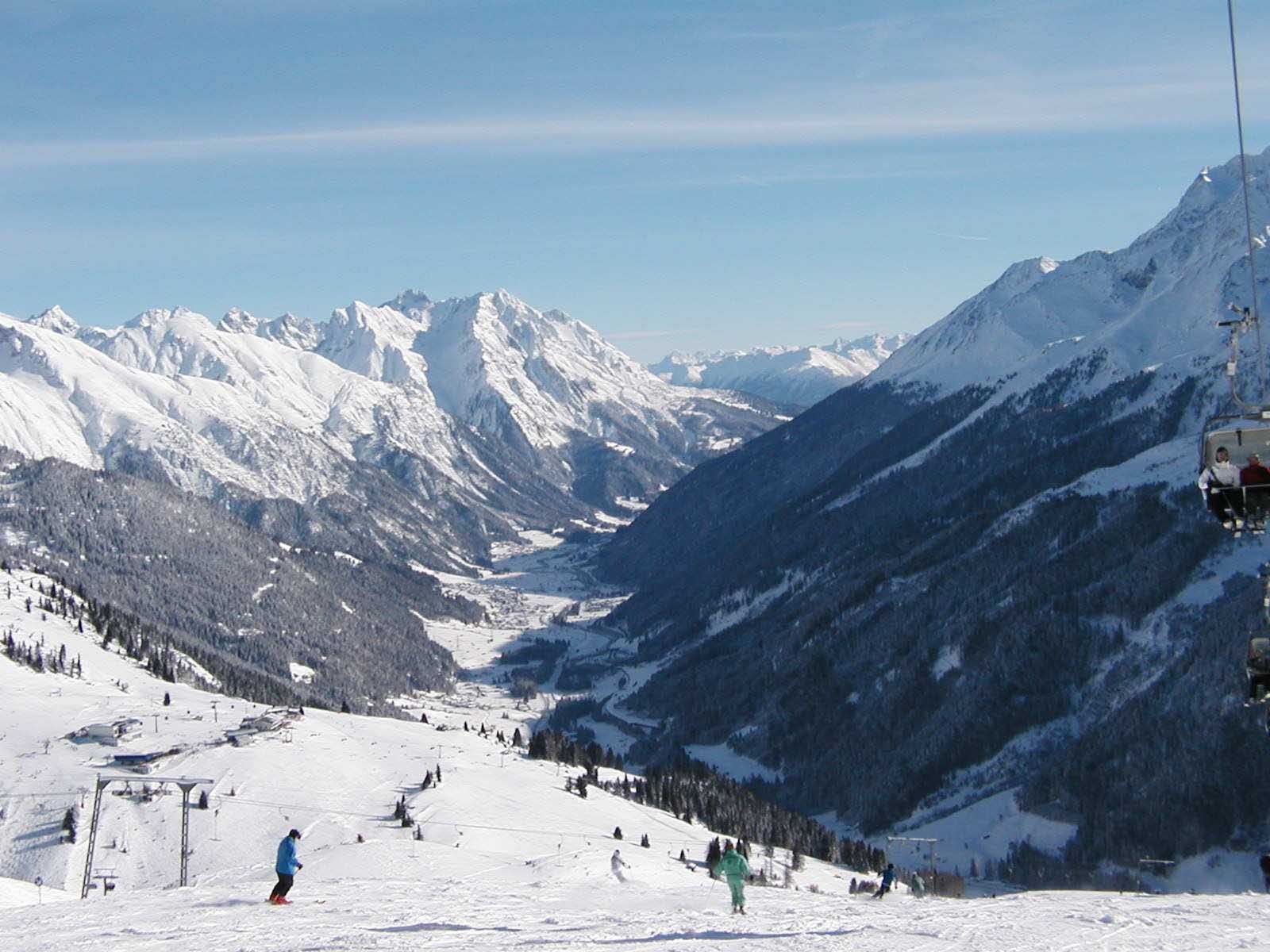
Part of Ski Arlberg, Austria's largest linked area: over 300 kilometres of marked pistes plus around 200 kilometres of off-piste routes. St. Anton counts as the cradle of ski instruction, gets the heaviest snowfall of Austria's big resorts, and the descents from the Valluga and the legendary Schindler Kar bowls are the level that draws freeriders from around the world. The reds here are genuinely steep, in places matching blacks elsewhere.
The downside is the mirror image: beginners have almost nothing to do in St. Anton, as the easy zone is small and awkwardly placed. Second caveat: accommodation prices are among the highest in the Alps. In return, the logistics beat everything else on this list, with a railway station in the village and direct trains from Vienna and Zurich.
Mayrhofen: the Zillertal's golden mean
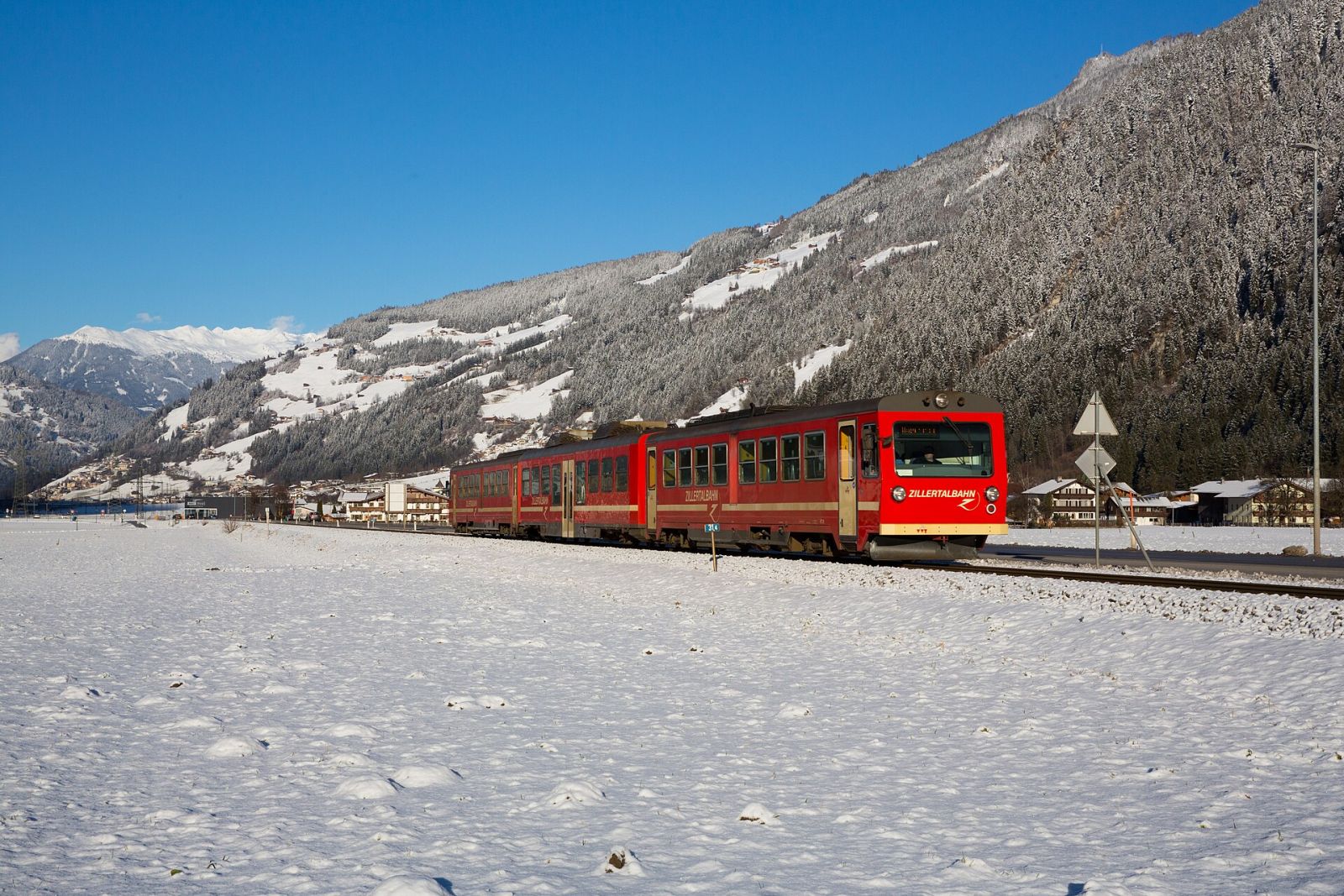
The biggest village in Tyrol's Zillertal valley. Two main mountains: Penken for the action and Ahorn with wide learner slopes up top. The headline attraction is Harakiri, Austria's steepest groomed piste at a 78 percent gradient, which most people visit just to stare at. The Zillertaler Superskipass covers the whole valley, over 500 kilometres of pistes within ski-bus range, including the Hintertux glacier, which operates year-round.
The downside: Penken gets overloaded in peak weeks, and the February queues for the main gondolas are real. The village also sits low, at 630 metres, so during a thaw the run home is often wet mush, or you ride the gondola down.
Zell am See: a lake, a glacier and a family format
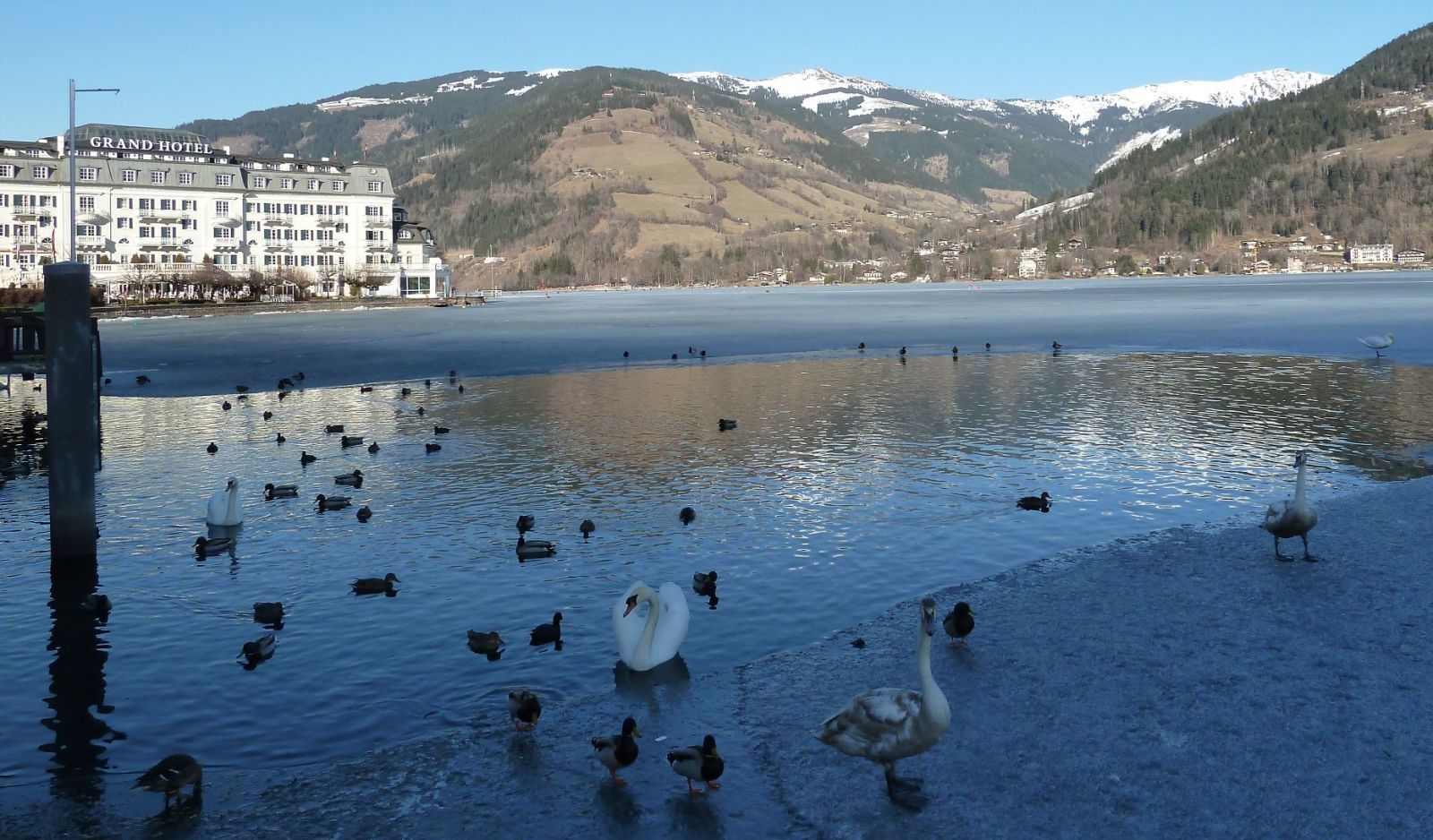
A resort in Salzburg province on the shore of an alpine lake: an old town with a 12th-century church, a lakeside promenade, and the Schmittenhöhe rising straight above the rooftops. The pistes are mostly blue and red, wide and forgiving, ideal for families and for your second or third season on skis. Snow insurance comes from neighbouring Kaprun and its Kitzsteinhorn glacier, covered by the same Zell am See-Kaprun pass, with a ski bus linking the areas. Bonus for non-skiers: walks along the frozen shore, the Tauern Spa thermal complex, and a cable car ride up to a panorama of three-thousanders.
The downside: experienced skiers get bored by day three, since genuinely hard runs are scarce. The Schmittenhöhe's altitude is also modest, and late in the season the lower sections turn soft.
Resort comparison: pistes, level, prices
Ski pass prices are rough figures for the 2025/26 high season, per adult day ticket; tariffs rise every year, so verify exact numbers on the resort websites before booking.
| Resort | Km of pistes | Best for | Day pass, approx. | Season |
|---|---|---|---|---|
| Sölden | around 145 | intermediates, long season | 75-80 € | November to early May, glaciers from autumn |
| Ischgl | around 239 | intermediate and up, après-ski | 75-80 € | late November to early May |
| St. Anton (Ski Arlberg) | over 300 | experts, freeride | around 80 € | December to late April |
| Mayrhofen (Zillertal) | 136, 500+ with the valley | progressing intermediates | 70-75 € | December to April, Hintertux year-round |
| Zell am See / Kaprun | around 138 | beginners, families | 70-75 € | December to April, glacier longer |
A 6-day pass in any of these areas costs about as much as five day tickets, so a week's trip always beats scattered days. Children and teenagers get substantial discounts everywhere.
When to go and how to catch lower prices?
Peak season means the Christmas and New Year weeks plus February, when Europe's school holidays hit. Accommodation in those dates costs several times the November rate. The best balance of price and snow: mid-January, after the holidays and before half-term, and also March, with longer days and more sun. April only works at the high resorts; in Sölden and on the Arlberg the upper slopes hold until closing day.
How to get there?
- By plane: the base airports are Innsbruck (closest to Tyrol), Salzburg (handy for Zell am See) and Munich, which has far more flights and is often cheaper. Munich to the Tyrolean resorts takes 2.5-3.5 hours by transfer.
- By train: Austrian rail gets surprisingly close: St. Anton has a station in the village itself, Zell am See a station in the centre, while Sölden and Mayrhofen need a bus or local line connection. Timetables and tickets are on the official ÖBB site, and early Sparschiene fares can run half the standard price.
- By car: freedom to hop between valleys, but winter driving requires winter tyres, a motorway vignette and chains in the boot for the passes. Resort parking is paid and not cheap.
The Austrian Alps forgive almost any choice: even a "wrong" resort here still means groomed pistes, lifts that run on time and Kaiserschmarrn in a mountain hut. But landing on the right level saves both money and mood: beginners get the lake and wide blues of Zell am See, intermediates get Mayrhofen and Sölden, strong skiers get the Arlberg, and anyone chasing the festival atmosphere has exactly one address, Ischgl.