

If you are weighing up what to see in Vienna on a first visit, anchor yourself to three things: Schönbrunn Palace, St. Stephen's Cathedral and the Belvedere with Klimt's «The Kiss». But the city does not end there. Vienna is built so that imperial grandeur, museum masterpieces and a café with a slice of cake all sit within a ten-minute walk of each other, and that density is exactly what makes it perfect for a short trip.
Below is a breakdown of the main sights with honest caveats: where the queues are and how to dodge them, what to fit into a single day, when to go and roughly what it costs. And where a postcard scene turns out to be a crowd instead.
Schönbrunn: palace, garden or zoo?
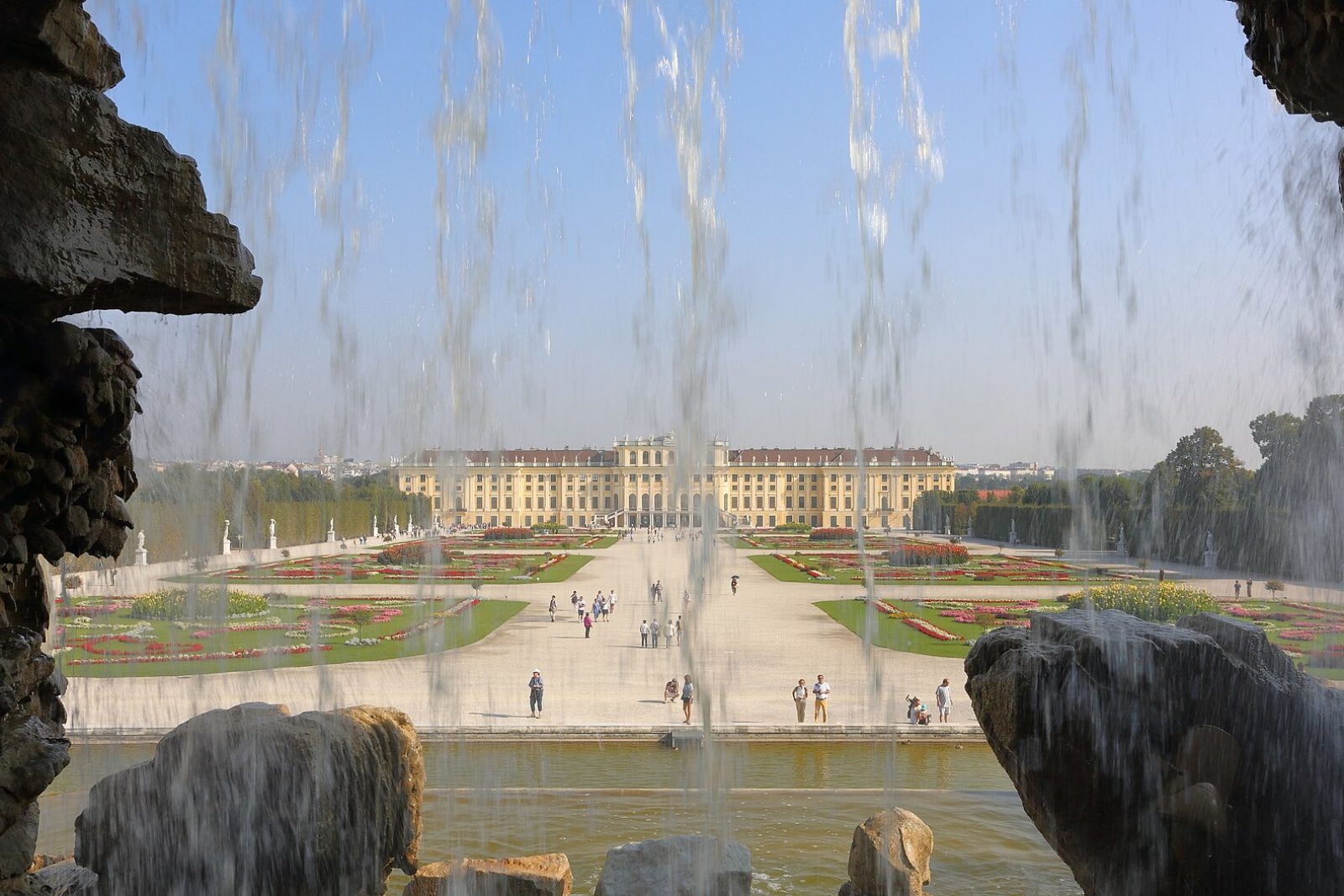
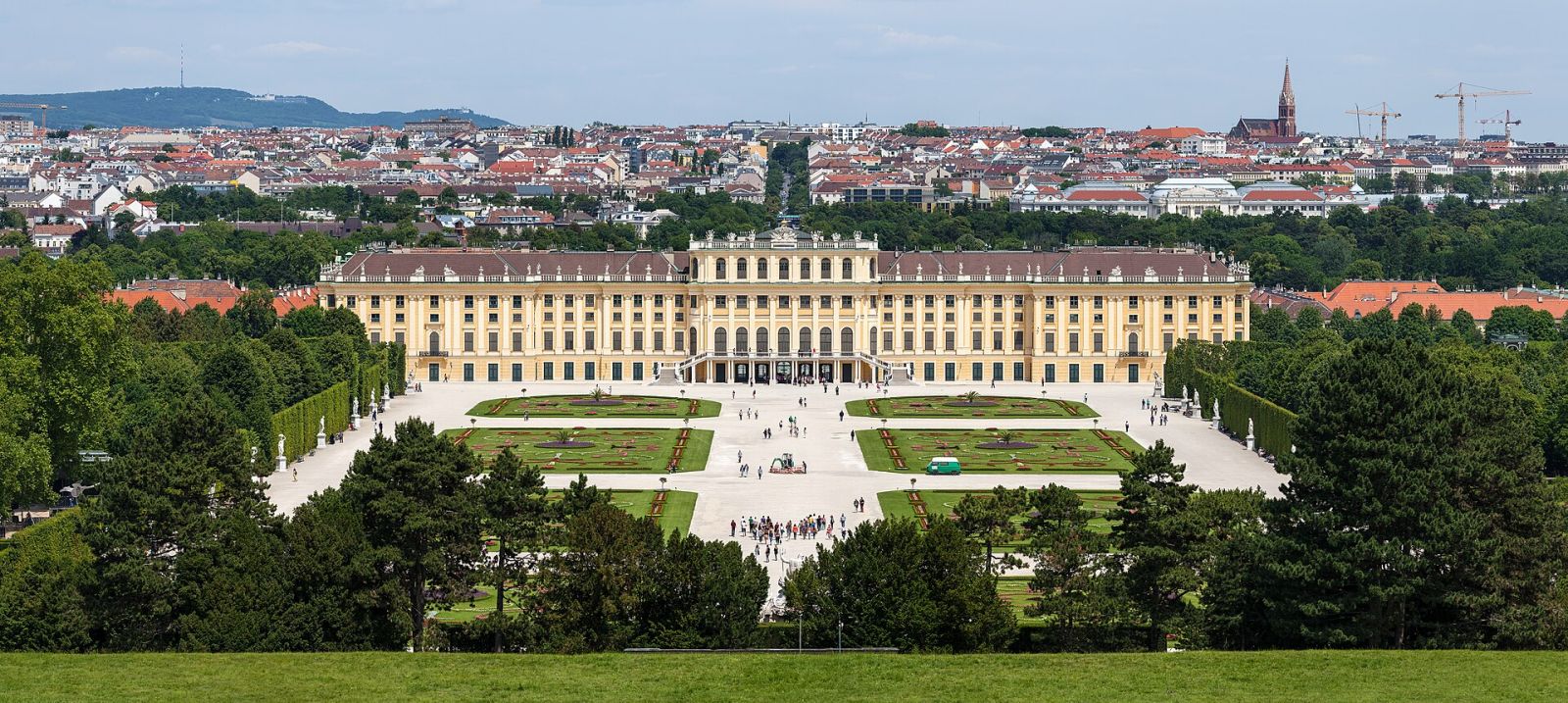
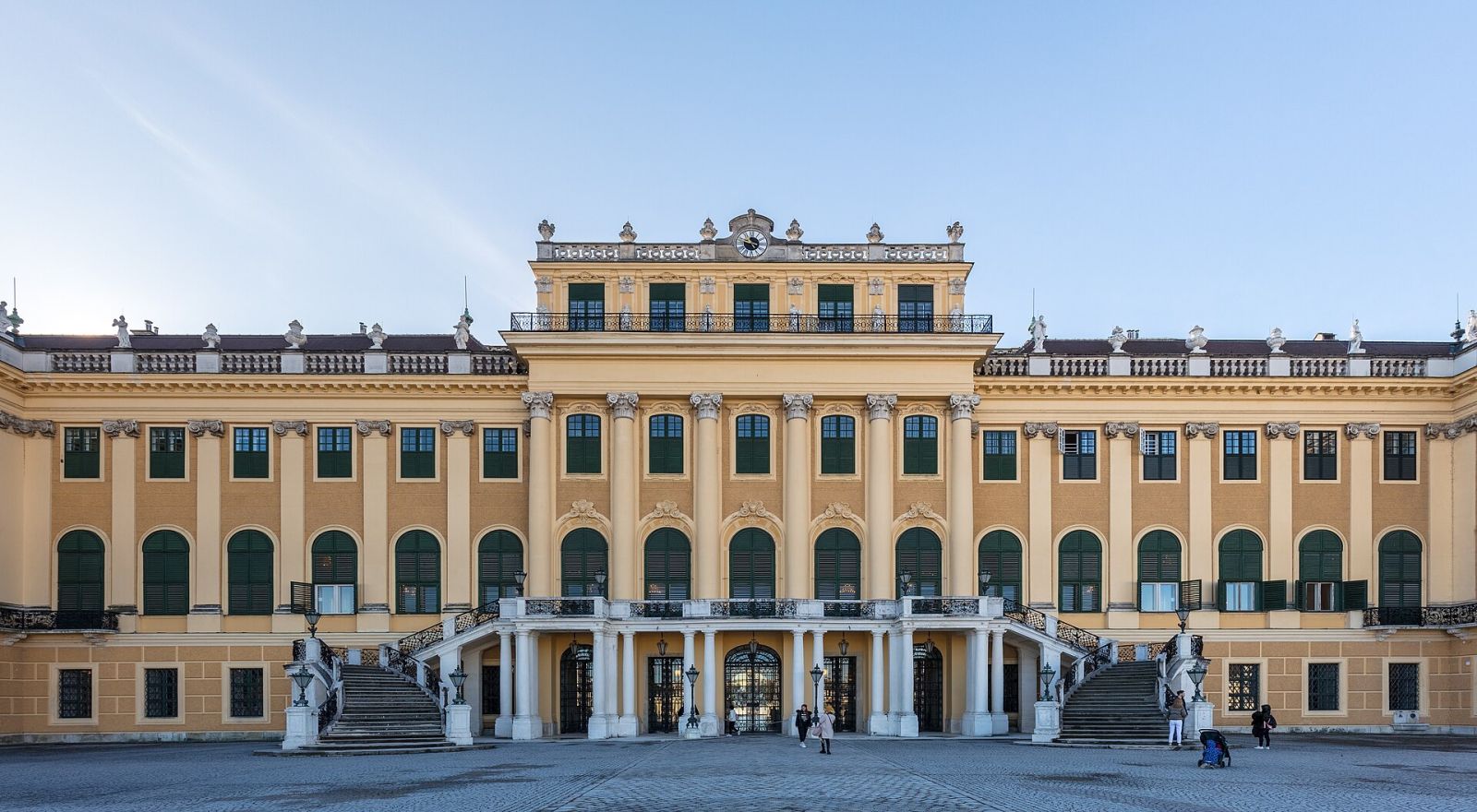
Schönbrunn is the Habsburgs' summer residence on the edge of the city, and the palace alone is not the whole story, because the grounds are worth a full day. There are well over a thousand rooms, a portion of them open to visitors, a park with fountains and clipped avenues, and up on the hill behind the palace stands the Gloriette, an arched colonnade with a viewpoint over all of Vienna.
Partner links: booking through them supports the blog at no extra cost to you.
The key catch: buy tickets for the state rooms online for a fixed time slot, because the walk-up queue eats an hour in season and popular times sell out ahead. The park, on the other hand, is free, and even if you skip the palace interior, a walk through the garden, the climb to the Gloriette and the view from it are worth the trip on their own. The grounds also hold Tiergarten Schönbrunn, the oldest zoo in the world still running, founded back in the 18th century, with pandas and animal houses set in baroque buildings. It costs extra, but for families with kids it is often the main reason to come.
- Arrive at opening: by midday both palace and garden fill with tour groups.
- The climb to the Gloriette looks steep but is twenty unhurried minutes and the best free view in town.
- Zoo and state rooms in one go with small children just won't work, the stamina runs out. Pick one.
The Hofburg: a city within the city
If Schönbrunn was the summer residence, the Hofburg is the winter one, and at the same time a whole tangle of courtyards, squares and wings right in the centre. The Habsburgs ruled from here for centuries, and today several museums share one roof: the Imperial Apartments, the Sisi Museum about the life of the legendary Empress Elisabeth, and the court's silver collection.
Next door in the complex is the famous Spanish Riding School with its Lipizzaner horses, where morning training sessions are open to watch and the calendar lists full performances set to music. Don't skip the Austrian National Library either: its State Hall, with frescoes and old globes, is one of the most beautiful library interiors in Europe, and you have almost certainly seen photos of it. The Hofburg is easy to breeze past as «just a square on the way», when in fact half a day disappears here once you start going inside.
St. Stephen's Cathedral: the heart of the city
Stephansdom has stood on the main square since the 12th century, and you can see it from all over thanks to its patterned tiled roof and tall south tower. It is not just a church but the point Vienna itself is measured from, and locals really do say «let's meet at the Steffl».
Entry to the main nave is free, but the climbs and certain areas are ticketed. There is a choice here: the south tower is over three hundred steps on foot, and the view up top earns them, while a lift takes you up the lower north tower, from where you can see the great Pummerin bell. Below ground the catacombs hold old burials and are visited on a guided tour. The advice is simple: go up somewhere, because it is only from height that you catch that patterned roof you can't make out from below.
The Belvedere and Klimt's «The Kiss»
The Belvedere is a baroque palace complex of two buildings with a garden between them, once built for the military commander Prince Eugene of Savoy. Today the Upper Belvedere holds the main reason to visit: this is where Gustav Klimt's «The Kiss» hangs, that golden icon of Viennese modernism, alongside his other works and a whole room of Austrian art from the turn of the century.
An honest warning: there is nearly always a half-circle of people with phones in front of «The Kiss», and getting a calm close-up takes patience. Come at opening or towards evening, when the crowd thins. And don't forget the garden between the two palaces, with fountains and a view looking down over the city, it is open freely and you only need a ticket for the galleries. This is not a museum where you have to see everything, come for specific paintings instead.
The Prater and the Ferris wheel
The Prater is a large park in the north-east of the centre, and it has two different characters. One is the old amusement park with rides, carousels and fairground stalls, loud and a little carnival-ish. The other is the quiet green avenues further in, where Viennese come to run and cycle.
The main landmark here is the Riesenrad, an old Ferris wheel from the end of the 19th century with wooden cabins the size of a small room. It turns slowly, a full rotation giving a calm view over the city, and it is this wheel, not the shiny newer rides, that makes the shot recognisable. Entry to the park itself is free, you pay only for individual rides and for the wheel. If you are travelling with children, set aside half a day, little ones do well here.
Viennese cafés: why does «Sacher» come up?
A café in Vienna is not a place to grab a coffee on the run but an institution of its own, listed as UNESCO intangible heritage. People come to stay: a newspaper on a wooden holder, a glass of water beside the coffee, marble tables and a waiter who never hurries you. The classic move is to order a Melange, the local coffee with milk foam, and a slice of cake.
The loudest name is of course «Sacher», and the chocolate Sachertorte with its layer of apricot jam is claimed here as a house invention. To be frank: the queue at Café Sacher by the opera can be enormous and the prices are touristy, so don't turn it into a compulsory item. Nearby are equally legendary places, Central, Landtmann, Demel, with the same atmosphere and less of a crush. The point is to come for the ritual, not for a «quick bite».
| Café | Known for | Caveat |
|---|---|---|
| Sacher | The original Sachertorte | Biggest queue and prices, cult name |
| Central | Grand hall, historic guests | Lovely, but you often wait for a table |
| Landtmann | A classic by the City Hall | A Viennese favourite, less touristy |
| Demel | Old imperial confectioner | Pastries and window display, torte feud with Sacher |
The opera: go, or at least look inside?
The Vienna State Opera is one of the world's leading opera houses, and the building on the Ring is a sight in itself. Getting to a performance is easier than it sounds: besides the pricey seats, they sell standing places for a token amount, though you have to queue for them the same day in advance. If opera isn't your thing, there are daytime tours of the building that show the auditorium, the stage and backstage.
Another Viennese quirk around the opera is the balls. In winter, especially February, the city enters its ball season, and the Opera Ball is the headline event the papers write about. Getting in as an ordinary tourist is hard and expensive, but the very fact that winter Vienna revolves around the waltz says a lot about the place.
How to get around Vienna?
The centre is compact, and walking is the best way here: from the cathedral to the Hofburg and on to the opera is a few minutes, and every block has something to it. For the more distant points, Schönbrunn, the Belvedere, the Prater, there is a dense network of metro, trams and buses running on a single ticket.
| Option | When it works | Caveat |
|---|---|---|
| On foot | Centre: cathedral, Hofburg, opera | The best way to feel the city |
| Metro (U-Bahn) | Schönbrunn, Prater, stations | Fast and simple, lines by letter |
| Tram | The Ring loop around the centre | A sightseeing tour for the price of a ticket |
| 24-72 hr pass | Active sightseeing over a few days | Pays off fast, one ticket for all transport |
One tip apart: hop on a tram running along the Ring boulevard and ride it almost all the way round. The Opera, City Hall, parliament, university and Burgtheater drift past the window, and it is the cheapest sightseeing tour in town. Transport tickets come from machines or the app, and you have to validate before your first ride.
When to go to Vienna?
The most comfortable time is late spring and early autumn. May and June are warm, the gardens of Schönbrunn and the Belvedere are at their best, and the days are long. September and early October bring mild weather and slightly smaller crowds. Summer can be hot and busy, though the evenings stay warm. December, meanwhile, is its own story: Christmas markets turn the squares in front of the City Hall and the palaces into towns of light, cold as it is and crowded with visitors.
| Season | Weather and crowds | Best for |
|---|---|---|
| Spring (Apr-Jun) | Warm, gardens in bloom, busy | Those after the classic Vienna |
| Summer (Jul-Aug) | Hot, peak of tourists | Those whose holiday is summer only |
| Autumn (Sep-Oct) | Mild, crowds ease off | The best balance of weather and calm |
| Winter (Dec-Feb) | Cold, but markets and balls | Lovers of Christmas and music |
The honest downside: what to expect
Vienna can come across as expensive and a touch ceremonious, so it is worth knowing in advance. Entry to the top palaces and museums is ticketed almost everywhere, and if you do Schönbrunn, the Hofburg, the Belvedere and a tower climb on top, the day's total adds up noticeably. Combined tickets and the free parks and gardens, open to all, are what save you.
Queues are the second thing. Without an online ticket for Schönbrunn or for «The Kiss» at the Belvedere, you risk a long wait at the peak of the season. And a small point about service: in cafés and restaurants don't expect haste, the slowness here is treated as part of the culture, not as poor service. Ticket prices, opening hours and performance schedules change from time to time, so check the current details before your trip on the official sites.
A one-day route
If you only have a day, stick to the centre and don't scatter yourself across far-flung points.
- Morning: St. Stephen's Cathedral and a tower climb, then on foot to the Hofburg.
- Afternoon: the Imperial Apartments or the library, lunch and coffee in a classic café.
- Evening: a walk along the Ring past the Opera and City Hall, and if tickets allow, a performance or a standing place at the opera.
A two to three-day route
The second day is worth giving to the outlying palaces, and the third to museums and parks.
- Day 2: Schönbrunn in the morning with the garden and Gloriette, the zoo if you like, then the Prater and the Ferris wheel towards evening.
- Day 3: the Belvedere with Klimt, the MuseumsQuartier museum district, an unhurried coffee to finish.
What is a must and what you can leave for the next trip is up to you, but Schönbrunn, the cathedral and Klimt's «The Kiss» are the minimum people travel a long way to Vienna for. And the city's chief skill is not rushing, so build in at least one long, unhurried coffee.