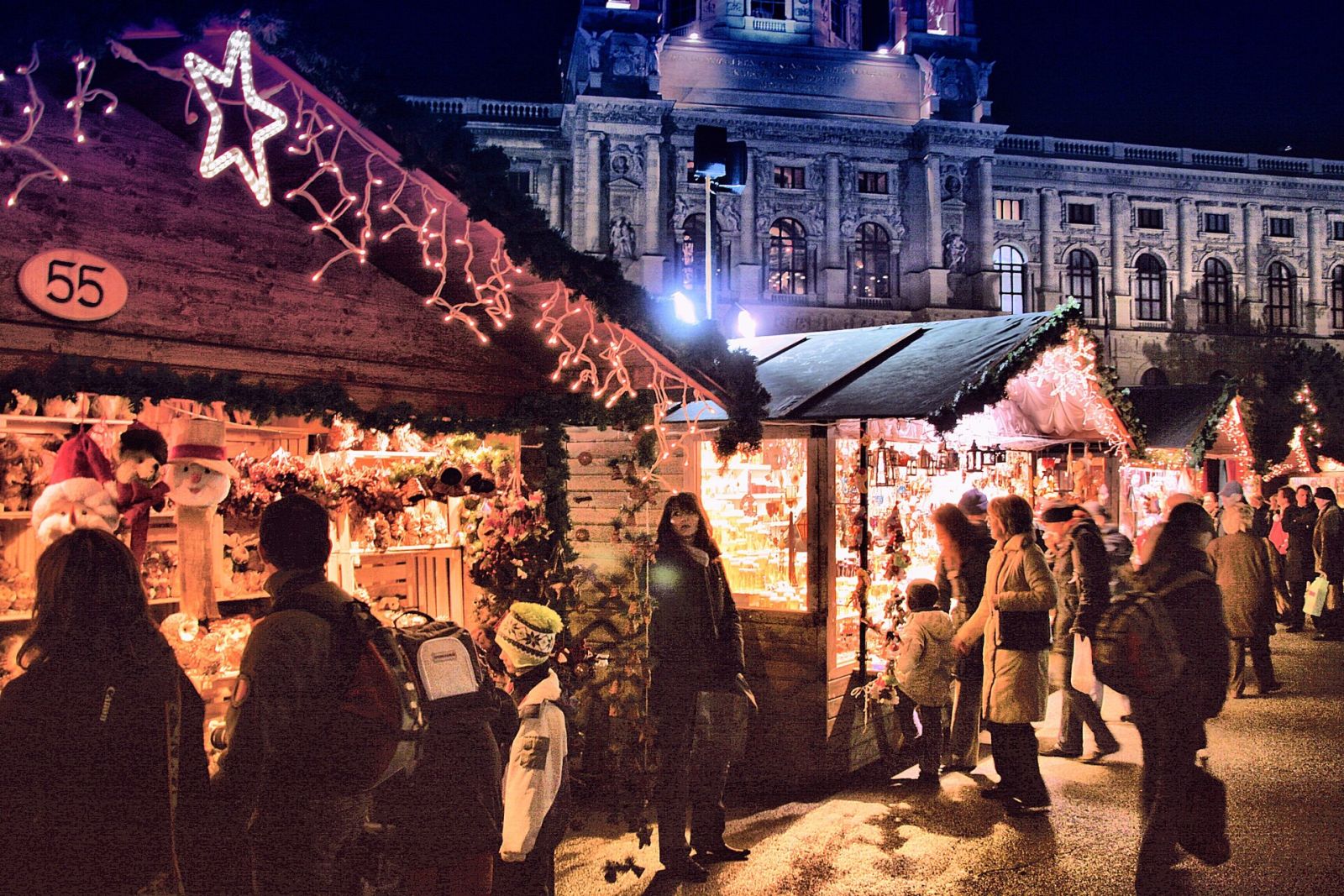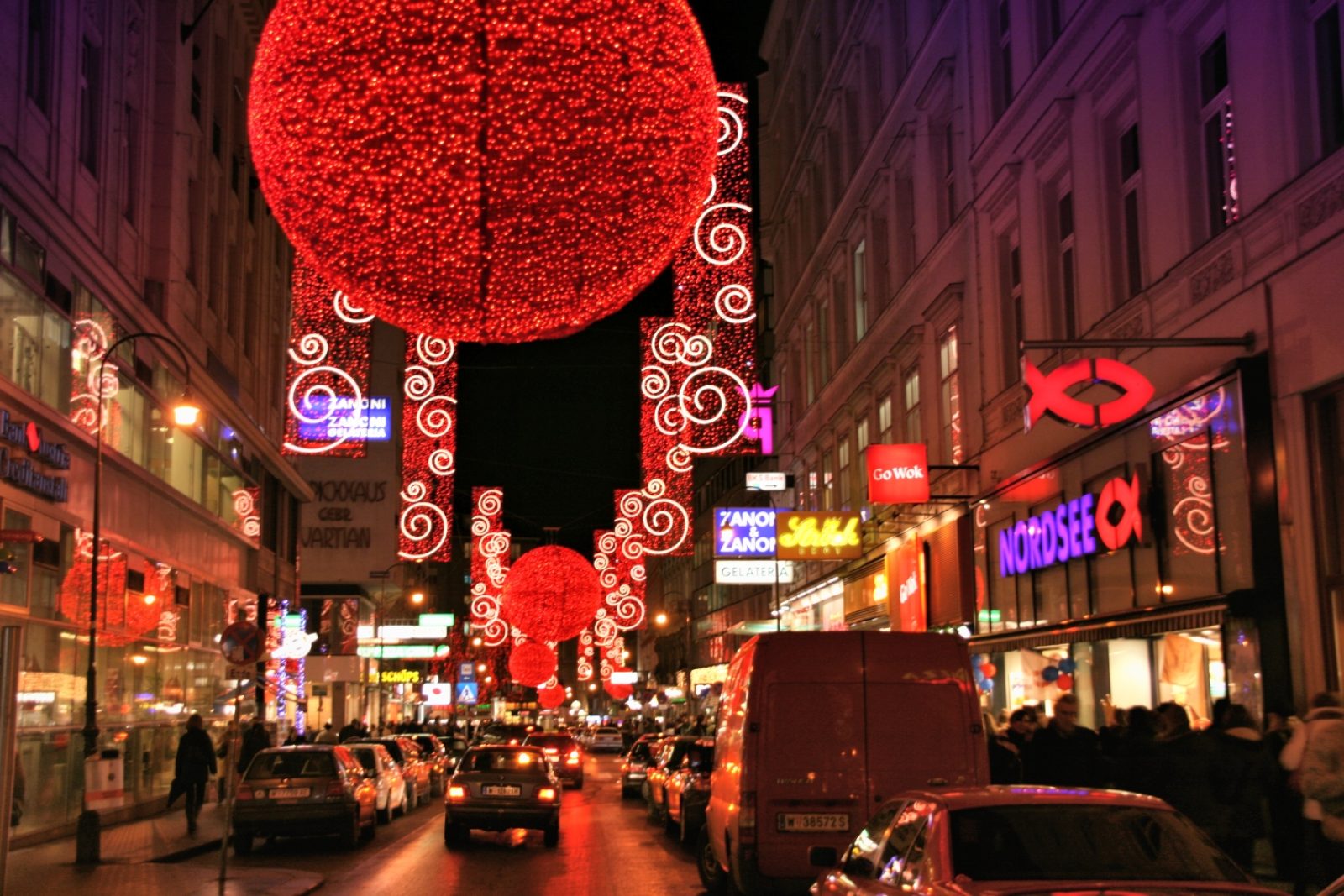


The short version: the best places to spend New Year in Europe are the ones you can reach overland through Poland, where the main party happens outdoors, for free, on a central square. Vienna, Prague, Budapest and Kraków all deliver exactly that, and a train ticket from Kraków costs less than a single cocktail in a Vienna bar. So the real question isn't money. It's the atmosphere you're after: imperial polish, a gothic fairy tale, or a loud street carnival.
Below are six cities a traveller from Ukraine can realistically reach in a single night, with an honest take on each: where the locals actually gather, what to budget, and what might spoil the mood.
Where to go: six cities at a glance
| City | What makes it special | Budget for 2 nights (couple) |
|---|---|---|
| Vienna | Imperial glamour, fireworks over the City Hall, waltzing on the squares | from €350–450 |
| Prague | Gothic fairy tale, salute over the Vltava, cheap beer | from €250–350 |
| Budapest | Thermal baths under the stars, parties on river boats | from €220–320 |
| Kraków | Closest to the border, street party on the Rynek, inexpensive | from €180–260 |
| Berlin | Europe's biggest open-air party, techno clubs | from €300–420 |
| Amsterdam | Canals lit up, liberal vibe, chaotic but fun | from €380–500 |
These are rough numbers: an economy flight or train, a modest hotel or apartment, and dinner that isn't at a two-star restaurant. New Year's Eve always costs more than an ordinary night, so double-check current prices before booking, especially accommodation, which sells out first in December.
Partner links: booking through them supports the blog at no extra cost to you.
Vienna: when you want to feel like you're in a film
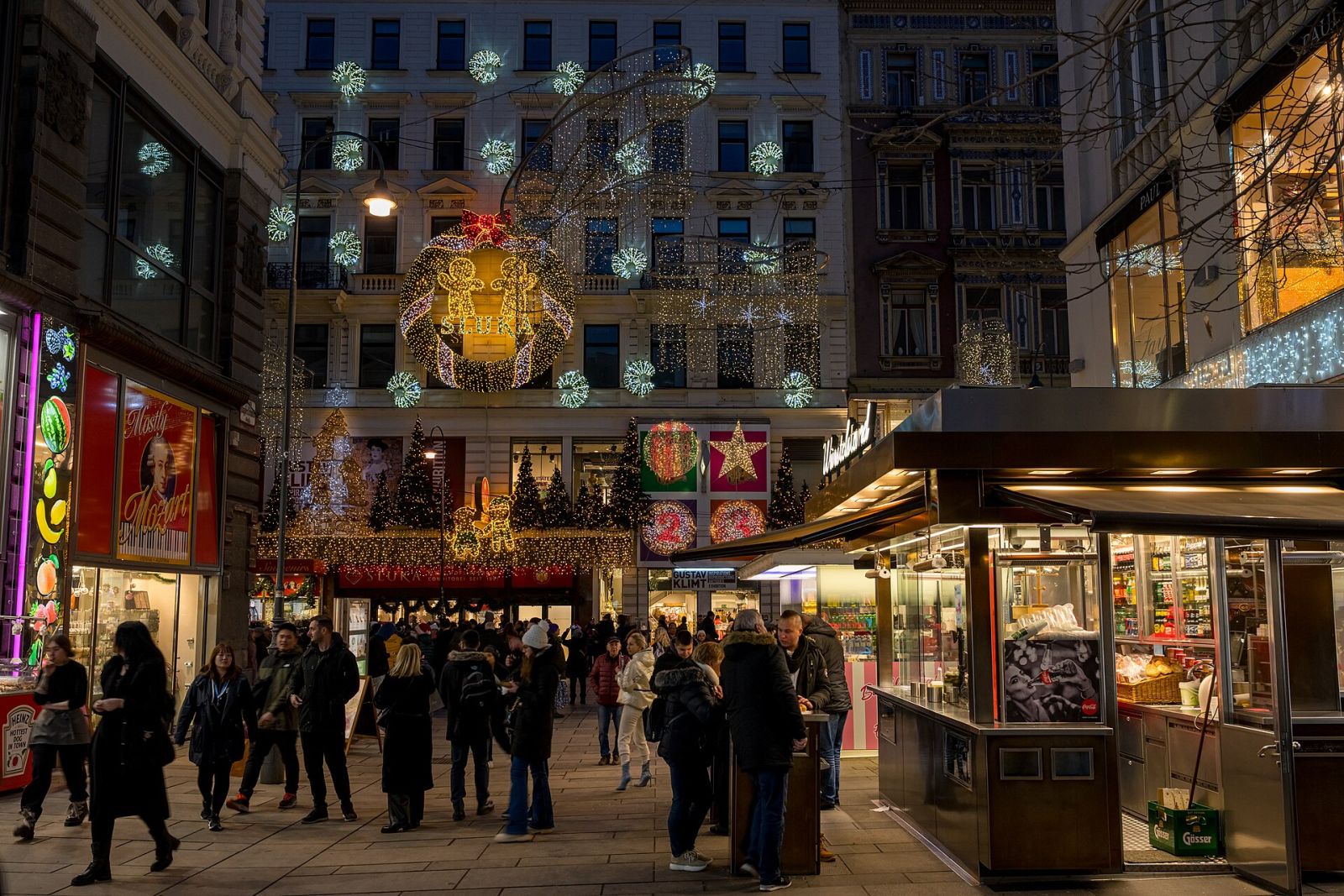
The Austrian capital turns New Year's Eve into something between a ball and a street festival. The centre becomes the Silvesterpfad, the "Sylvester Path": a route running from St Stephen's Cathedral across several squares, dotted with stages, mulled wine and live music. At midnight a voice over the loudspeakers cues up "The Blue Danube," and hundreds of people start waltzing right there on the cobblestones. It isn't a staged tourist gimmick. They genuinely do it, and it looks magical.
The main fireworks go off over the City Hall. First catch: the crowds are so thick that turning up with a child or a suitcase is a bad idea. Second catch: Vienna is expensive, and even a plain dinner on 31 December will cost what a full lunch costs elsewhere. But if you want to ring in the year once, "like a fairy tale about an empire," this is the city.
Prague: gothic looks, the Vltava, and the friendliest budget
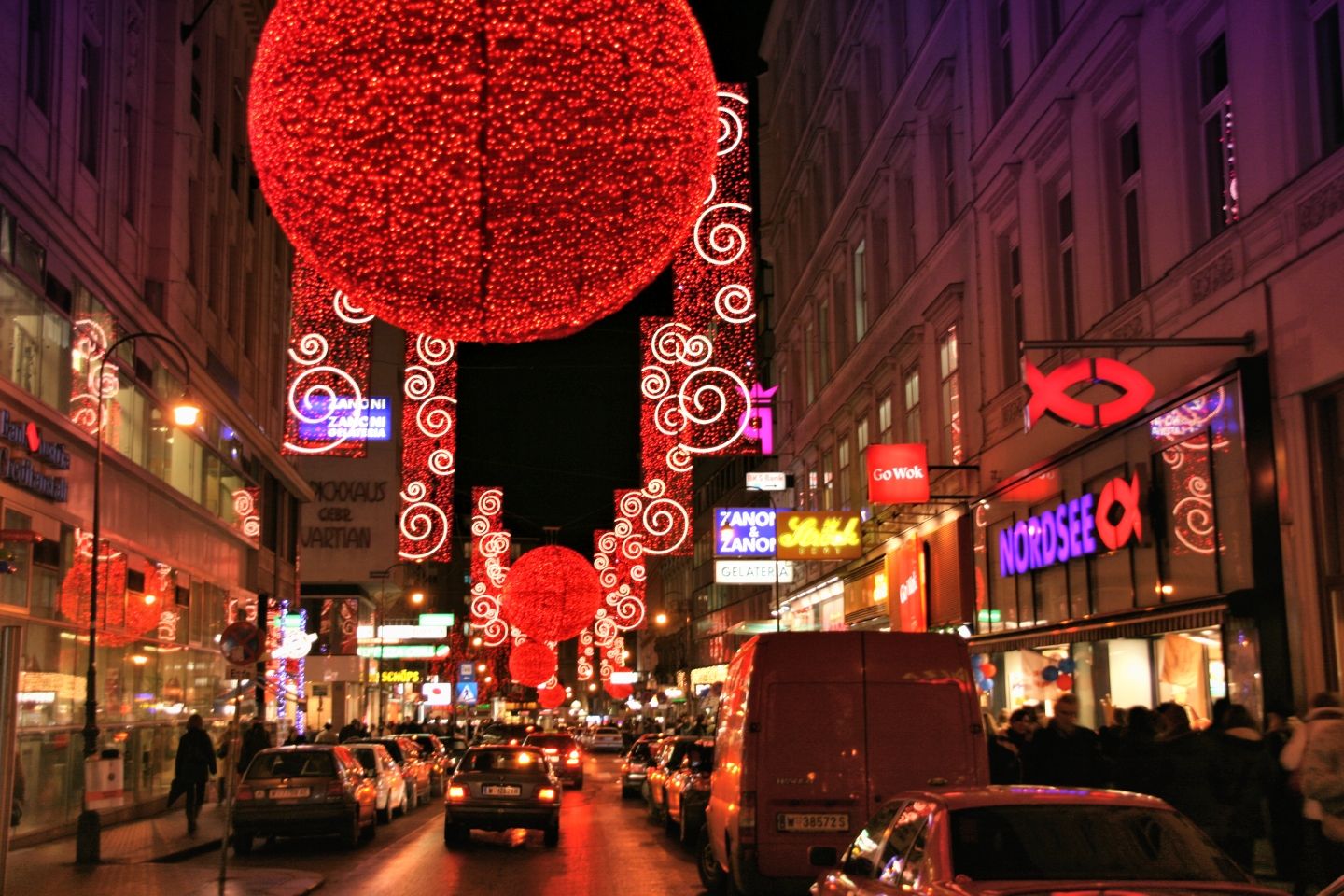
Prague offers the same postcard beauty as Vienna, noticeably cheaper. Fireworks here go off at random from every corner of the city, and the best view is from the bridges over the Vltava or from Letná park hill, where the old town lies spread out below you. The official city display is usually moved to the evening of 1 January, so during the midnight scramble it's mostly the locals painting the sky.
An honest warning: on the night of 1 January the centre of Prague becomes one continuous fireworks zone, and people set off firecrackers straight into the crowd. It's fun right up until a rocket whistles past your feet. Stay a little clear of the densest gatherings and you'll be fine. Beer costs next to nothing, mulled wine flows freely, and a December hotel can still be found for reasonable money if you don't leave booking too late.
Budapest: bring in the year in hot water
The Hungarian capital offers a scenario you won't find anywhere else: seeing in midnight in a thermal pool under the open sky. On New Year's Eve the Széchenyi baths host so-called Sparties, parties right in the water, with a DJ and lights. Picture it: frost in the air, steam rising off the surface, and you neck-deep in a hot mineral spring with a glass in hand.
The second classic option is a Danube cruise: boats with dinner and a view of the floodlit Parliament, which looks unreal at midnight. Both need booking well ahead; the spots are gone by November. Budapest itself is cheaper than Vienna and Prague, and the street celebrations cluster around Andrássy Avenue and Vörösmarty Square. The downside: the city is big and a bit spread out, and without a plan it's easy to freeze while hunting for where everyone is.
Kraków: the easiest option from Ukraine
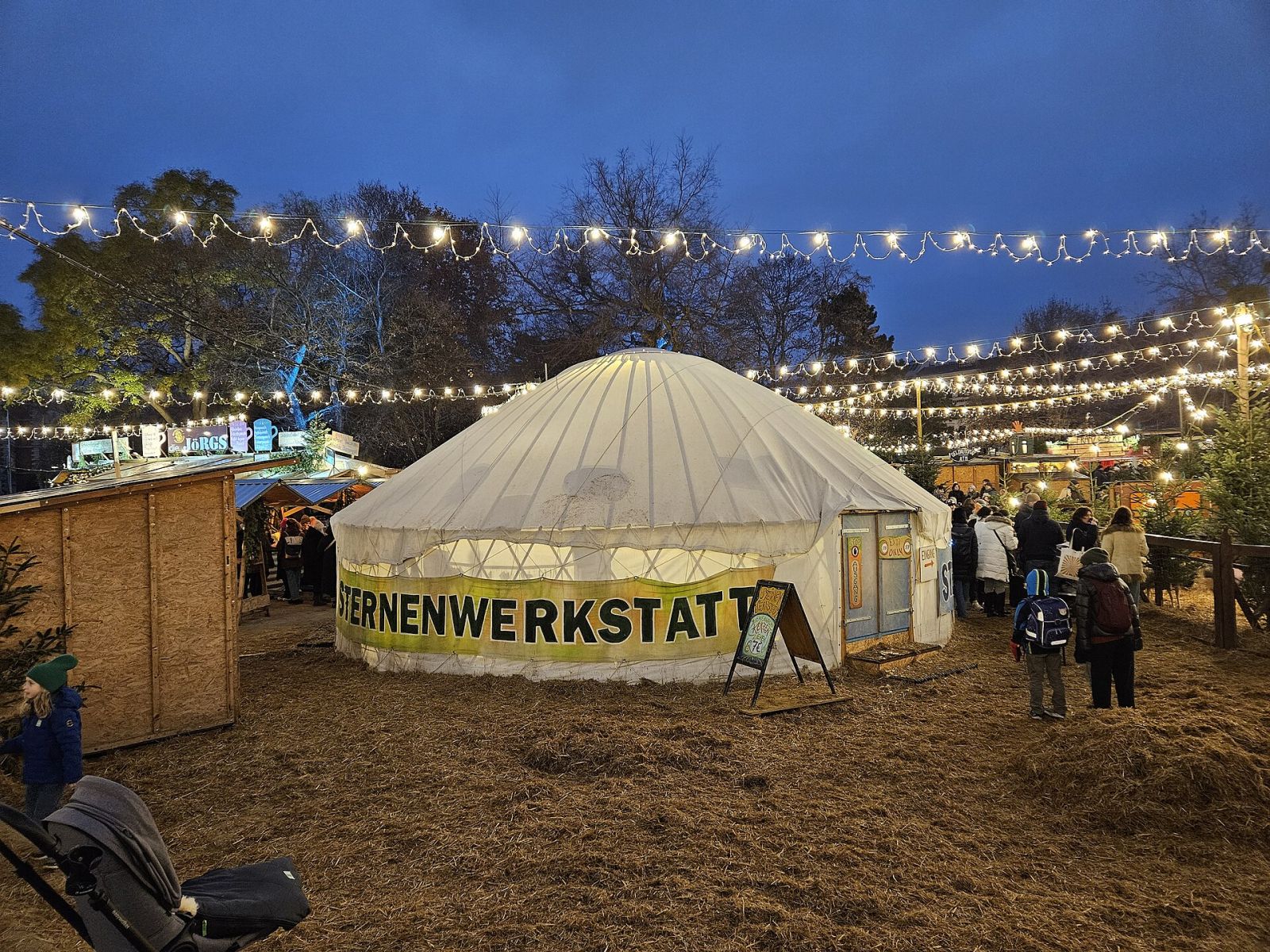
If you're going to see in New Year in Europe for the first time and want no complications, take Kraków. Direct buses and trains run from Kyiv, Lviv and Odesa, no visa is needed, and the journey is shorter than to any other city on this list. The main party unfolds on the Rynek, one of the largest medieval market squares in Europe: a stage, a concert, and at midnight a salute right over the Cloth Hall.
Kraków wins on accessibility. Accommodation, food and transport cost less than in the western capitals, yet the atmosphere is the real thing, not tourist stage-dressing. The obvious catch: on New Year's Eve the city is full of Ukrainians, so if the goal was "total immersion in a foreign country," Kraków won't deliver that a hundred percent. But it's the gentlest starting point for anyone who hasn't ventured past Poland before.
Berlin and Amsterdam: for those who want the buzz
These two stand apart, because people go for the energy rather than the postcard romance.
Berlin throws a Silvesterparty at the Brandenburg Gate, in scale one of the biggest open-air parties on the continent: kilometres of stages, concerts and people. On top of that the city runs on clubs, and the techno scene on New Year's Eve doesn't sleep until the following morning, literally. The downside: it's cold, packed, and getting into the legendary Berghain would take a small miracle.
Amsterdam brings in the year chaotically and cheerfully: canals in lights, parties in bars along the water, fireworks set off by everyone from everywhere. The mood is liberal and loose. But that same freelance pyrotechnics makes the city slightly dangerous on the night of 1 January; locals half-joke that making it to dawn is already an achievement. Go if you want to be part of the celebration, not watch it.
Getting there from Ukraine, and what to keep in mind
Almost every route out of Ukraine now runs through Poland. The typical logistics look like this:
- Kraków: a direct bus or train, the simplest and cheapest way into Europe.
- Prague, Vienna, Budapest: on from Kraków or Warsaw by train or budget flight, often faster than you'd expect.
- Berlin, Amsterdam: usually a flight from a Polish airport, since overland is a slog.
A few practical things that are easy to miss. Book New Year's Eve accommodation a month or two out; by December only the pricey leftovers remain. Build in a time buffer for the border, where queues take on a life of their own on peak dates. Check that you're within your permitted stay, and get travel medical insurance just in case. And carry some cash in the local currency: not every Christmas-market stall or taxi takes cards on New Year's Eve.
There's no universal answer to which city is best. Want a pretty fairy tale for moderate money, take Prague. Want imperial shine and don't mind the cost, Vienna. Want something unusual, the hot baths of Budapest. And if this is your first trip out and the main thing is a smooth run, start with Kraków and go further next year.