

The most honest answer to how to travel solo is this: start small and close to home, not with a month of hitchhiking across Asia. A first solo trip goes far better when you head somewhere three or four hours away, in a language or culture you half-know, for just a few days. The real skill here is not bravery but the ability to calmly untangle small failures: a missed bus, a museum that shut at six, a hotel that turned out to be nowhere near where you thought. Everything else comes with practice.
Solo travel scares people not because of loneliness but because of the responsibility: every decision is yours, and there is nobody to catch you if you drop the ball. Yet that is exactly where its value hides. Let us go step by step: where to go first, how to plan a route and a budget, what to do about safety and connectivity, and how not to feel lonely when there genuinely is nobody around.
Where should you go on your first solo trip?
Pick your first destination by one rule: low stress threshold. That means a place where people will understand you at least by gesture, where your usual bank card works, and where you can easily buy a ticket home if things go sideways. For a Ukrainian traveller that often means Lviv or the Carpathians, or a hop across the border to Poland, Czechia or the Baltics. Not Morocco alone, and definitely not rural Nepal for a debut.
Partner links: booking through them supports the blog at no extra cost to you.
What makes a first trip work:
- Keep it short. Three or four days is enough to taste independence without getting tired of your own company.
- Pick a city, not the wilderness. A city always has transport, a pharmacy, a station and people to ask for directions. Save wild nature for when you are more seasoned.
- One base, no hopping. Stay in one place and get to know it, rather than trying to cram five cities into a weekend.
Once you learn how to travel solo on this kind of trip, the fear fades on its own, and the next step abroad no longer feels like a leap off a cliff.
How to plan the route and what to book ahead
Planning solo differs from planning as a family in one way: every point of failure lands on you. So a few things are worth locking down at home, and the rest is best left loose. The golden rule: book in advance whatever decides whether you arrive at all and where you sleep the first night. Everything else you sort out on the ground.
What to book before you leave:
- Transport there and back. Train, bus or plane tickets are cheaper weeks ahead and spare you a last-minute panic.
- The first two nights. Arriving in a strange city at night with no roof over your head is the worst possible start. After that you can hunt for accommodation on the spot, once you have found your bearings.
- One key activity, if it tends to have queues: a popular museum, a mountain cable car, a specific tour.
Do not, however, schedule the whole route by the hour. A solo trip is precious precisely because you can oversleep, change your mind and wander somewhere completely different from yesterday's plan. Keep the skeleton, leave the flesh to your mood. A handy habit: each evening, sketch a rough plan for tomorrow, now that you know how today actually went.
How much to budget and why you need a cushion
A solo budget works differently from a shared one. You do not split the cost of a room, so accommodation eats the biggest slice. On the flip side, you control entirely where to save: a hostel and street food today, a decent hotel tomorrow because you are worn out. Nobody drags you to a pricey restaurant or insists on a taxi.
The rough shape of your spending looks like this.
| Category | Share of budget | Where you can really save |
|---|---|---|
| Accommodation | The biggest, nobody to split with | Hostel, guesthouse, a room instead of a hotel |
| Transport | Noticeable, depends on distance | Early tickets, bus over plane, local transport |
| Food | Very flexible | Markets, street food, breakfast at your place |
| Experiences | As much as you fancy | Free walking tours, walking, viewpoints |
| Cushion | Separate, untouchable | Do not skimp on it |
A word specifically about the cushion, because it matters most when you travel alone. When you go solo, there is nobody to chip in on a surprise: a lost phone, an illness, a cancelled flight. So on top of your main budget there should always be an untouchable reserve, roughly a third more than you expect to spend. Keep it apart: some on a second card, a little in cash in a different bag. This is not paranoia, it is the thing that one day gets you home without a meltdown. Prices for everything, from rooms to tickets, change faster than any guidebook, so check the current ones before you go.
Staying safe alone: documents, connectivity, insurance
With nobody beside you, safety rests on preparation rather than luck. There is nothing complicated here, just a set of habits worth sorting before departure so you can stop thinking about them.
- Copies of your documents. Keep scans of your passport, insurance and tickets in the cloud, and send them to someone close. Put a paper copy somewhere apart from the original. A lost passport is replaced far faster when you have a copy in hand.
- Connectivity. A local SIM or eSIM with data is your map, translator, lifeline and emergency call in one. Buy it right at the airport or on day one, do not put it off.
- Insurance. Medical insurance is not optional for a solo traveller, it is a baseline. Alone, there is nobody to pay the hospital or argue with a clinic while you are unconscious. Get coverage that fits the country.
- Someone should know your route. Tell a close person where you are sleeping and when you plan to check in. A short daily "I'm fine" lifts a mountain of worry at the other end.
And the obvious but effective stuff: do not keep all your money and cards in one place, do not flash expensive gear in a crowd, and in an unfamiliar city at night trust your gut. If a street feels wrong, turn back. Alone, your instinct is your best bodyguard.
How not to feel lonely on a solo trip
The biggest myth about solo travel is that you will be alone the whole time. In practice the opposite is true: travelling by yourself, you meet people far more easily, because you are open rather than sealed inside your own group. People are also readier to strike up a conversation with someone on their own.
Where the connections happen:
- Hostels, even if you book a private room there. The shared kitchen and lounge are where you can meet half the floor in one evening.
- Free walking tours. There is one in almost every city, and they draw exactly the same kind of solo wanderers.
- Shared activities: a cooking class, a guided hike, a group transfer. A common task brings people together faster than any small talk.
That said, do not demonise solitude either. Dinner alone in a good cafe, with a book or simply watching the city go by, is one of the quiet upsides of this format. You learn to be pleasant company for yourself, and that feeling stays with you long after the trip ends.
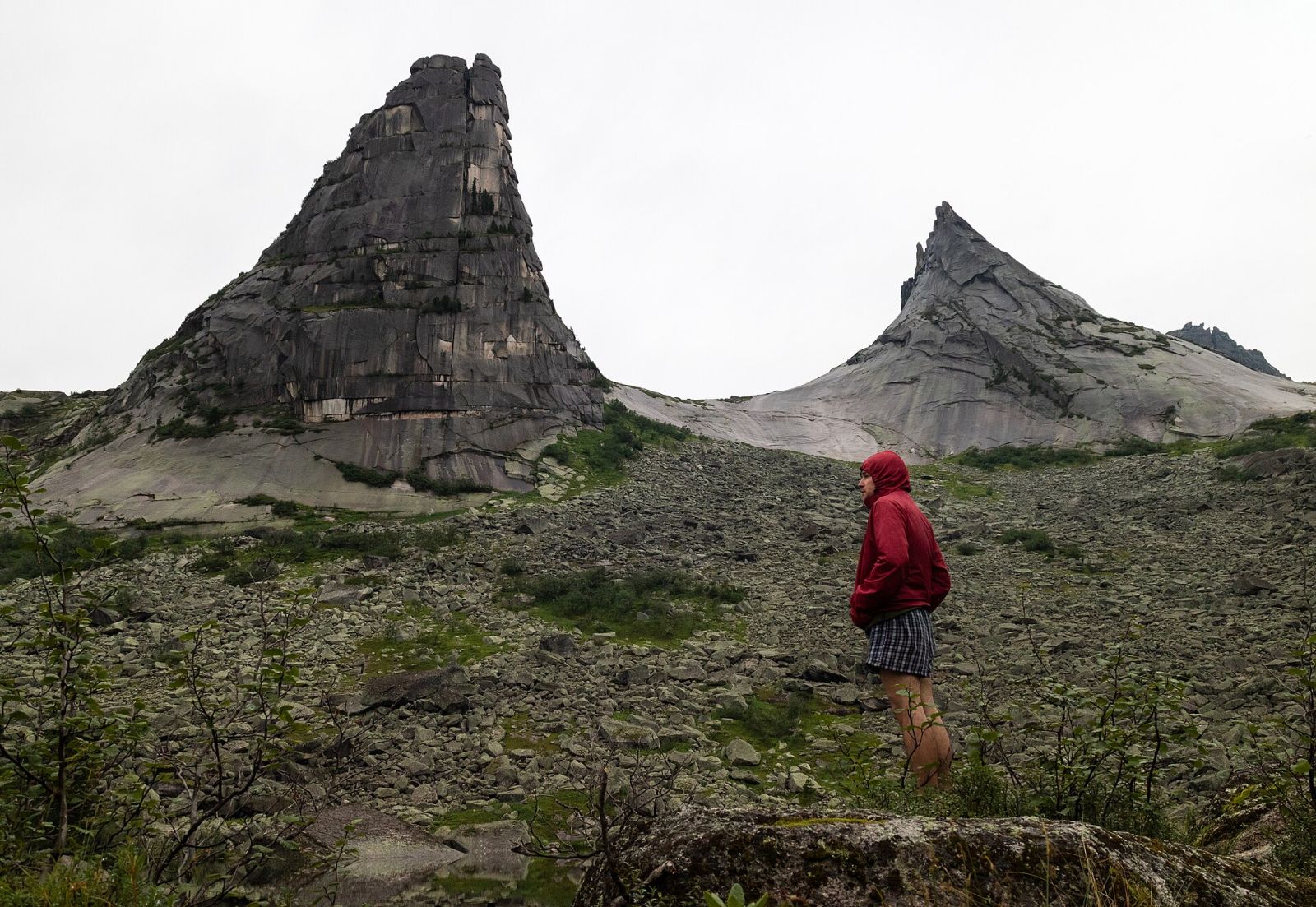
Solo travel for women: what to weigh separately
Solo travel for women is entirely real and widespread, but a couple of things do differ here, and it would be dishonest to gloss over them. It is not that it is dangerous for a woman to travel alone. It is that a few things are worth thinking through in advance, and then you actually end up with more freedom, not less.
- Accommodation nearer the centre and lit streets. A cheaper room out in a dead-end suburb saves a little money and costs you your peace of mind when you come back after dark.
- Arrive in daylight. Plan to reach a new city by day, not at two in the morning. First contact with a neighbourhood in daylight is a completely different thing.
- Have a line ready. In some cultures it is simpler to say a husband is waiting at the hotel than to explain that you are travelling alone. This is not about fear, it is about fewer pointless conversations.
- Dress for the place. In conservative countries more modest clothing is not submission, it is a way to draw less unwanted attention and move around more freely.
Women's solo communities online are a valuable thing of their own. They share vetted accommodation, warn about certain areas and sometimes simply keep you company for an evening in the same city. The experience of thousands of women travellers is already gathered there, and it would be a shame not to use it.
The psychology of going solo: what to expect inside
Technically a solo trip is not hard. The interesting part happens in your head. The first day often brings a strange feeling: you are free, yet a little lost, because there is nobody to lean on and nobody to share the impressions with. That is normal and it passes, usually by the evening of the first or second day.
Then the thing many people go alone for kicks in. You make a hundred small decisions a day and watch yourself cope. That quiet confidence does not stay behind in the trip, it travels home with you. People come back from solo journeys changed not because they saw beautiful places, but because they found out what they are capable of on their own.
So do not wait for the perfect moment or for total fearlessness. Learning how to travel solo simply means going somewhere not too far, with the first night booked and a cushion in reserve, and figuring out the rest along the way. A first trip is never flawless, and that is exactly why it is worth it.