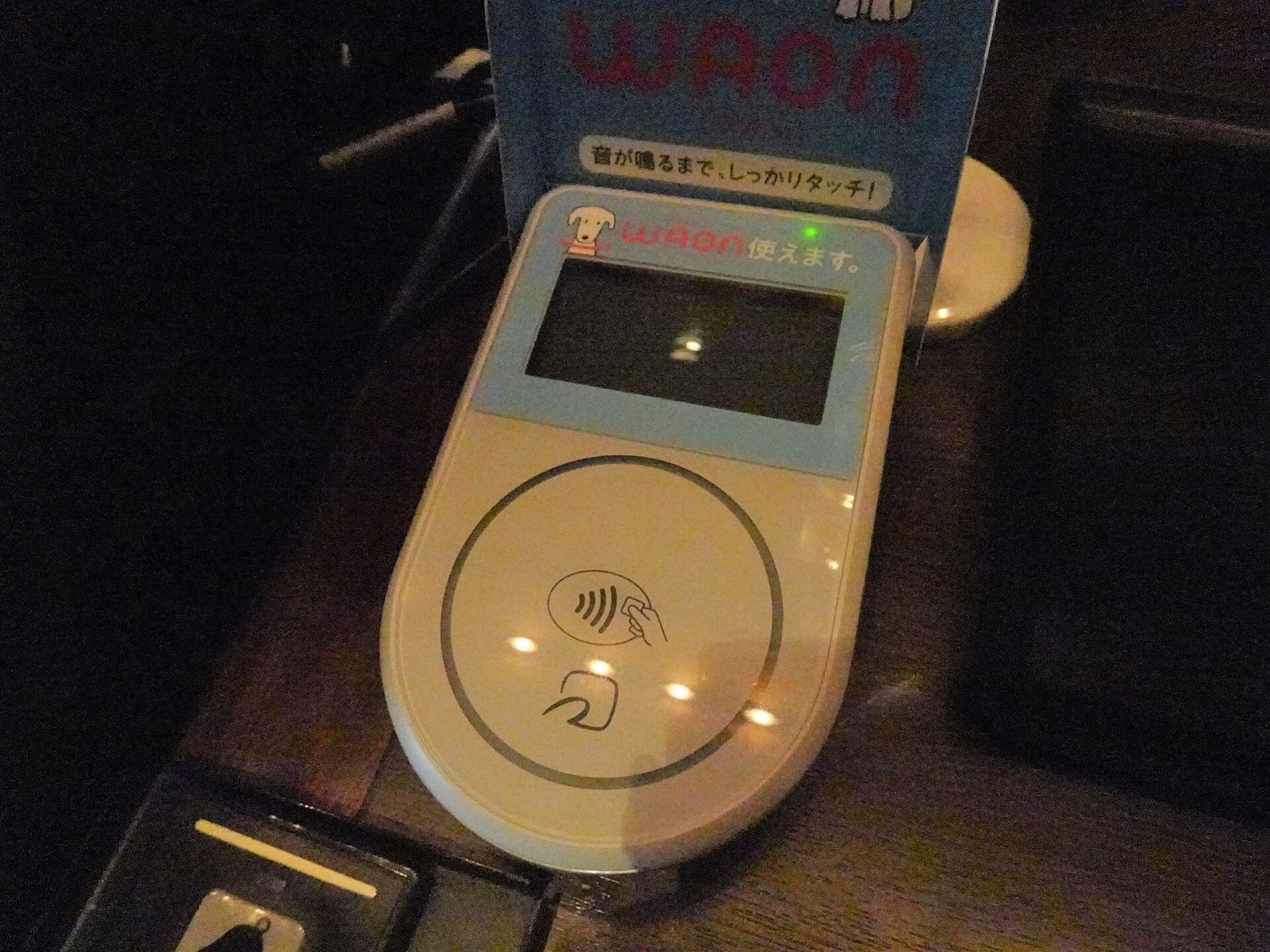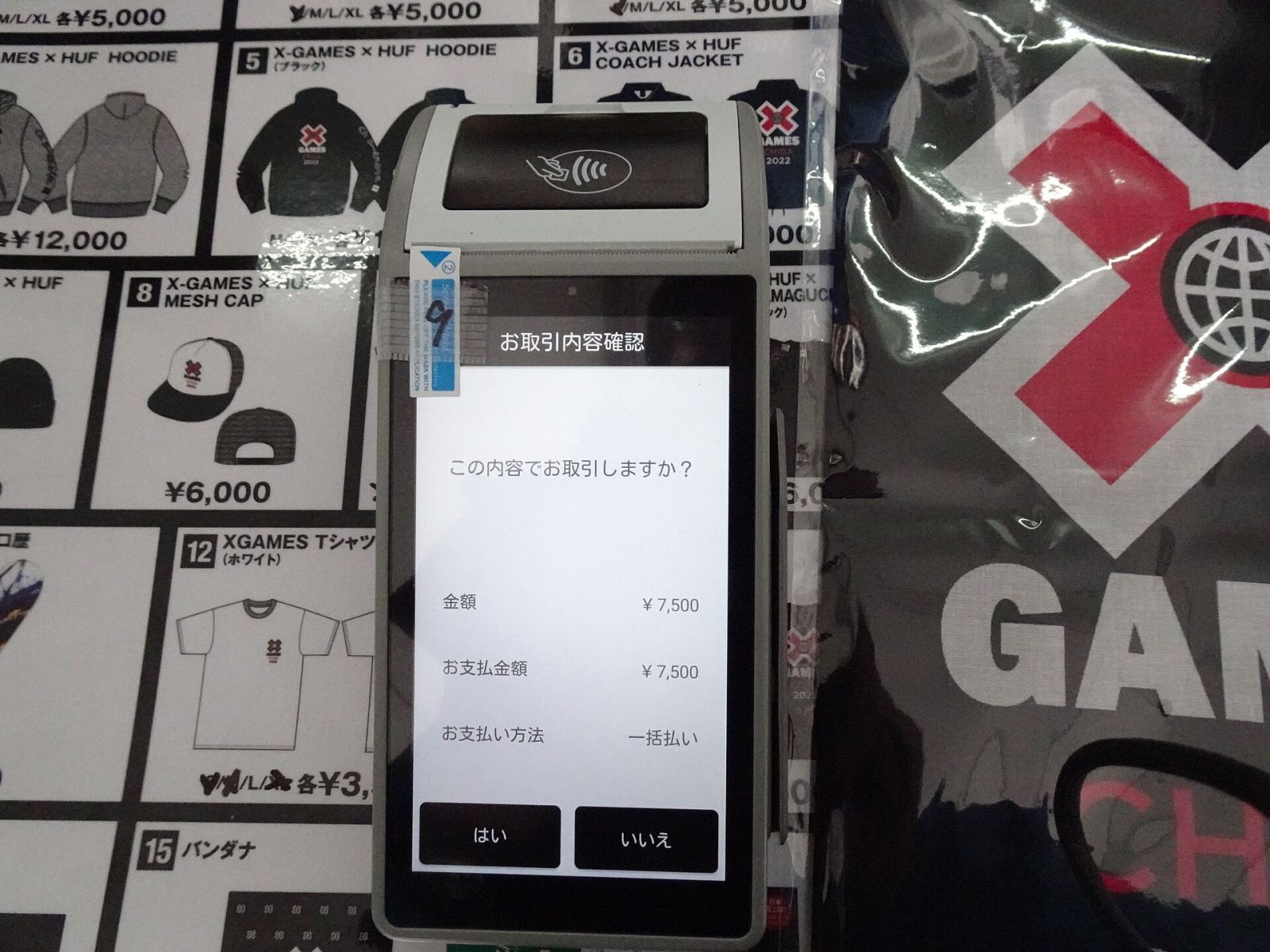


Using bank cards abroad is rarely a question of whether they will work: Visa and Mastercard are accepted almost everywhere in Europe and far beyond. The real question is how much you quietly lose to currency conversion. One wrong button on a payment terminal can shave a noticeable percentage off every purchase, and cash withdrawn from the wrong ATM can cost as much as a decent lunch.
This guide is written with Ukrainian cardholders in mind, but the mechanics apply to any traveller: how conversion actually works, what double conversion is, why the "pay in your home currency" offer is almost always a trap, and which simple habits protect a travel budget.
How does conversion work, and where does the double rate hide?
When you pay with a hryvnia card in a Polish shop, the amount travels along a chain. The payment network converts zloty into its settlement currency, usually dollars or euros, and then your bank converts that amount into hryvnia at its own rate. Every link in the chain has its own rate and its own margin.
The worst case is double conversion: the local currency matches neither your card currency nor the network's settlement currency. A textbook example is a hryvnia card in Hungary or Czechia. Forints turn into euros or dollars first, then into hryvnia, and each hop costs you a little.
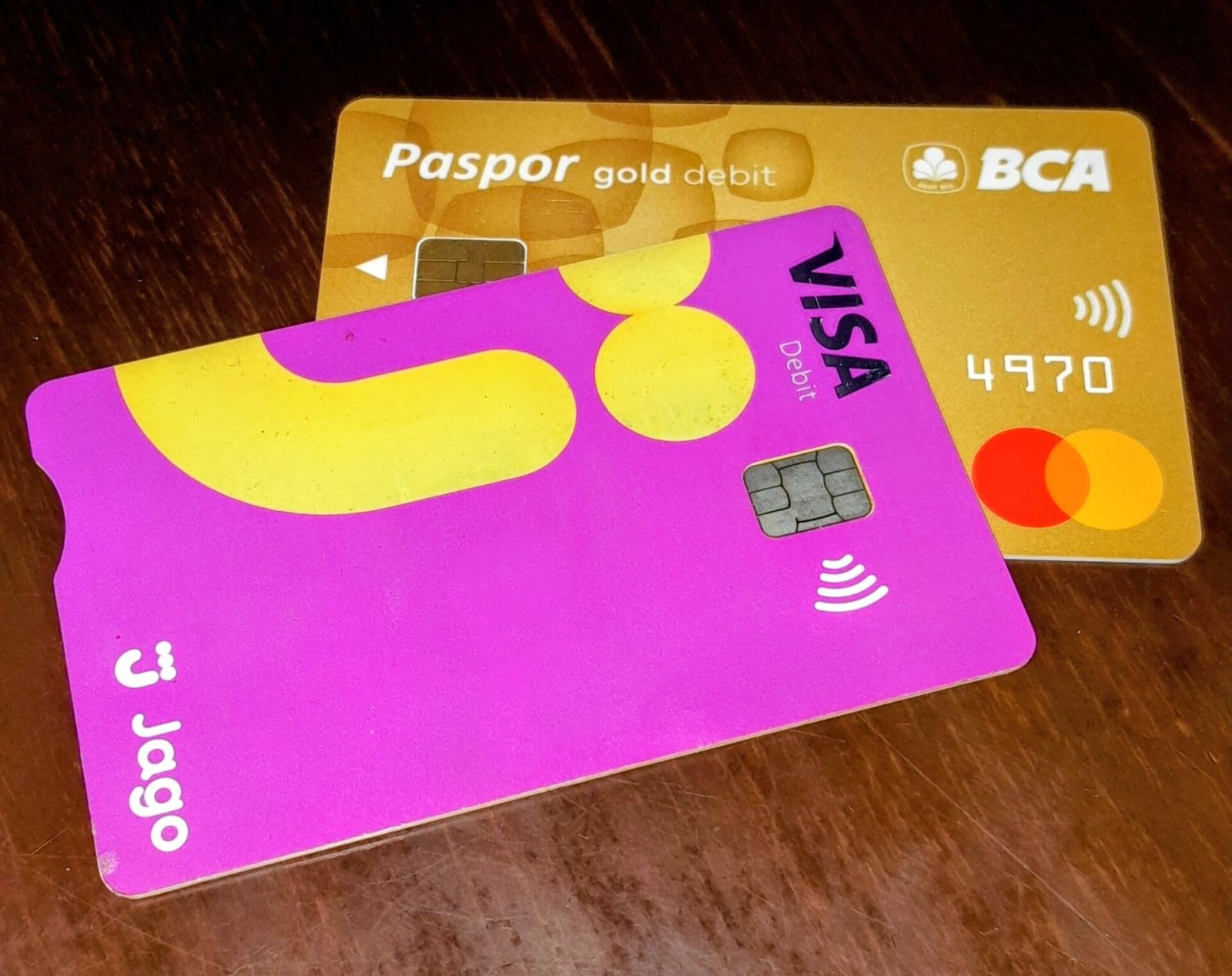
The fix is straightforward. For the eurozone, a euro-denominated card works beautifully: top it up in advance, buying euros at a good rate in your banking app, and pay with no conversion at all. The same logic applies to a dollar card for the US. For countries with their own currency, such as Poland, Hungary or Turkey, compare your bank's rates: sometimes the hryvnia card converts better than a euro card forced through a cross-rate. Exact tariffs differ from bank to bank, so check yours before the trip.
DCC: why does "pay in your own currency" mean overpaying?
Dynamic currency conversion, or DCC, looks like a courtesy. The terminal or ATM recognises a foreign card and helpfully offers to show and charge the amount in your home currency. Sounds convenient: you see the rate instantly, no surprises.
In reality the rate behind this "convenience" is set neither by your bank nor by the payment network, but by the terminal's owner, and the margin baked into it is consistently worse than a normal conversion. The difference is not pocket change: on a large purchase or a cash withdrawal it adds up to the price of a dinner. DCC is a legal way to sell you currency at an inflated rate, and it preys precisely on tourists who fear the "unknown bank rate".
- Always choose the local currency on the terminal: zloty in Poland, euros in Italy, lira in Turkey. Buttons like "Pay in UAH", "With conversion" or "Guaranteed exchange rate" are DCC in disguise.
- The same goes for ATMs: when asked "withdraw with conversion?", the correct answer is "Without conversion" or "Continue in local currency".
- If a cashier has already charged you in your home currency, you are entitled to ask for the transaction to be voided and rerun in local currency. Card network rules explicitly allow this.
Limits, cash and telling your bank
The second source of trouble abroad is limits. Ukraine still operates wartime restrictions on cross-border card transactions: the National Bank regulates how much cash can be withdrawn abroad from hryvnia cards per month and caps certain transaction types. The numbers get revised periodically, so before travelling check the current limits in your banking app and the official guidance at bank.gov.ua.
On top of state rules come your bank's own limits: daily caps on cash withdrawals, online payments and foreign transactions in general. Some banks block foreign transactions by default as an anti-fraud measure, and the card "suddenly" dies right at the till. So before departure:
- enable foreign transactions in the app and raise daily limits to a sensible level;
- check your bank's fee for cash withdrawals abroad and add the ATM's own surcharge on top: independent machines such as Euronet charge their own fee, while ATMs attached to major bank branches are usually kinder;
- withdraw less often but in larger amounts, since fees often include a fixed component;
- carry a little cash for small things: markets, street cafes and railway station toilets do not love cards everywhere.
The backup card: the rule that saves trips
One card on a trip is not a plan, it is a lottery. An ATM can swallow your plastic, your bank can freeze a "suspicious" Saturday-night transaction, and a terminal in a small town can simply refuse to talk to your card. The working setup looks like this:
| Card | Purpose | Where to keep it |
|---|---|---|
| Main card, local or foreign currency | Daily spending, Apple Pay / Google Pay | In your phone and wallet |
| Backup card from a different bank | In case the main one is blocked or lost | Separately from the wallet, in luggage or an inner pocket |
| Virtual card | Online bookings, subscriptions, dubious websites | App only, with its own limit |
The backup card must come from a different bank, and that is the whole point: if one bank's app or processing goes down, the other keeps working. Add both cards to your phone wallet while still at home, because confirming the setup abroad, without your home number in roaming, can turn into a quest.
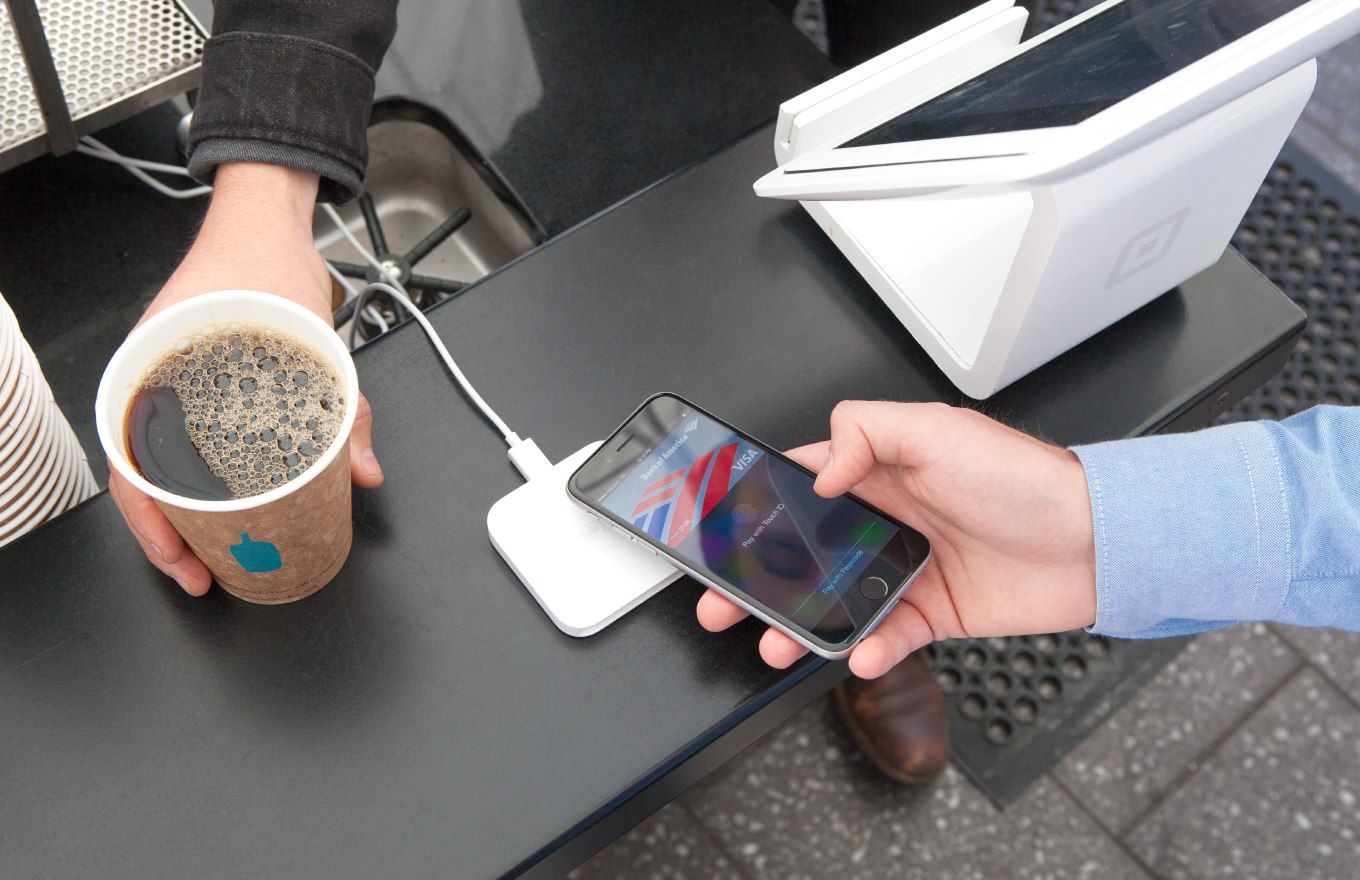
Contactless and phone wallets: pay with the phone
Apple Pay and Google Pay abroad are not just convenient, they are safer. Tokenisation hides your real card number from the terminal, so even a compromised payment device gives fraudsters nothing useful. A phone is also much harder to skim discreetly than a plastic card handed to a waiter.
A few details worth knowing. Public transport in many cities, from the London Underground to Barcelona buses, accepts contactless payment right at the gate, no separate ticket needed. Still memorise your PIN: European terminals periodically request it even for contactless payments once a cumulative spending threshold is reached. And keep both of your banks' apps on the phone so you can freeze a card instantly if anything goes wrong.
A short pre-departure checklist
A week before the trip: check card expiry dates, order a foreign currency card if you are heading to the eurozone, and buy currency in the app in advance rather than on departure day. The day before: enable foreign transactions, raise limits, add cards to the phone wallet, and write down your bank's hotline number somewhere outside the phone. During the trip: always pick local currency on terminals, withdraw cash in larger portions from ATMs attached to bank branches, and keep the backup card away from the main one. Rates, fees and state limits change, so verify the current numbers with your bank right before you leave. These habits take five minutes to set up and save real money on every single trip.