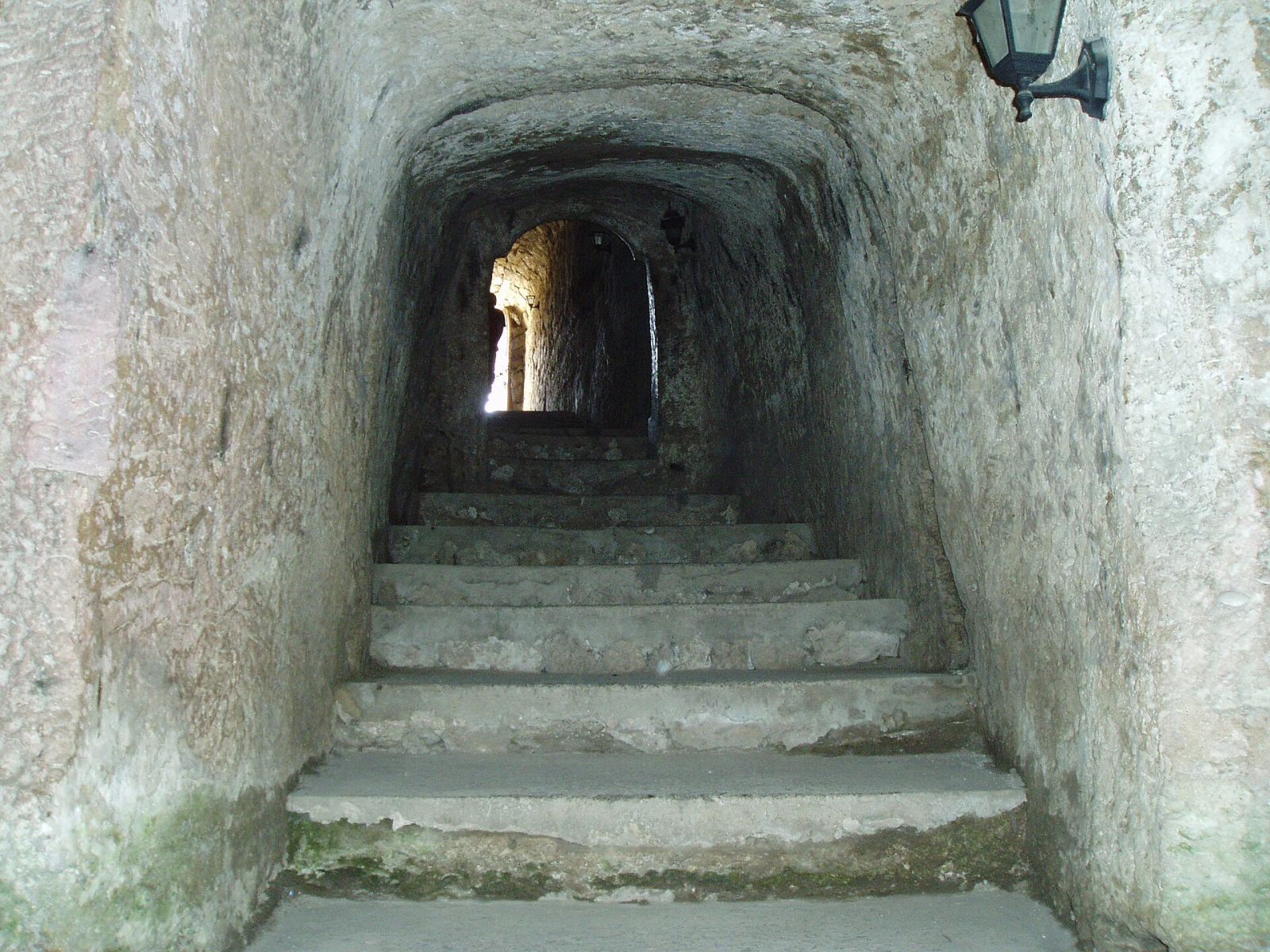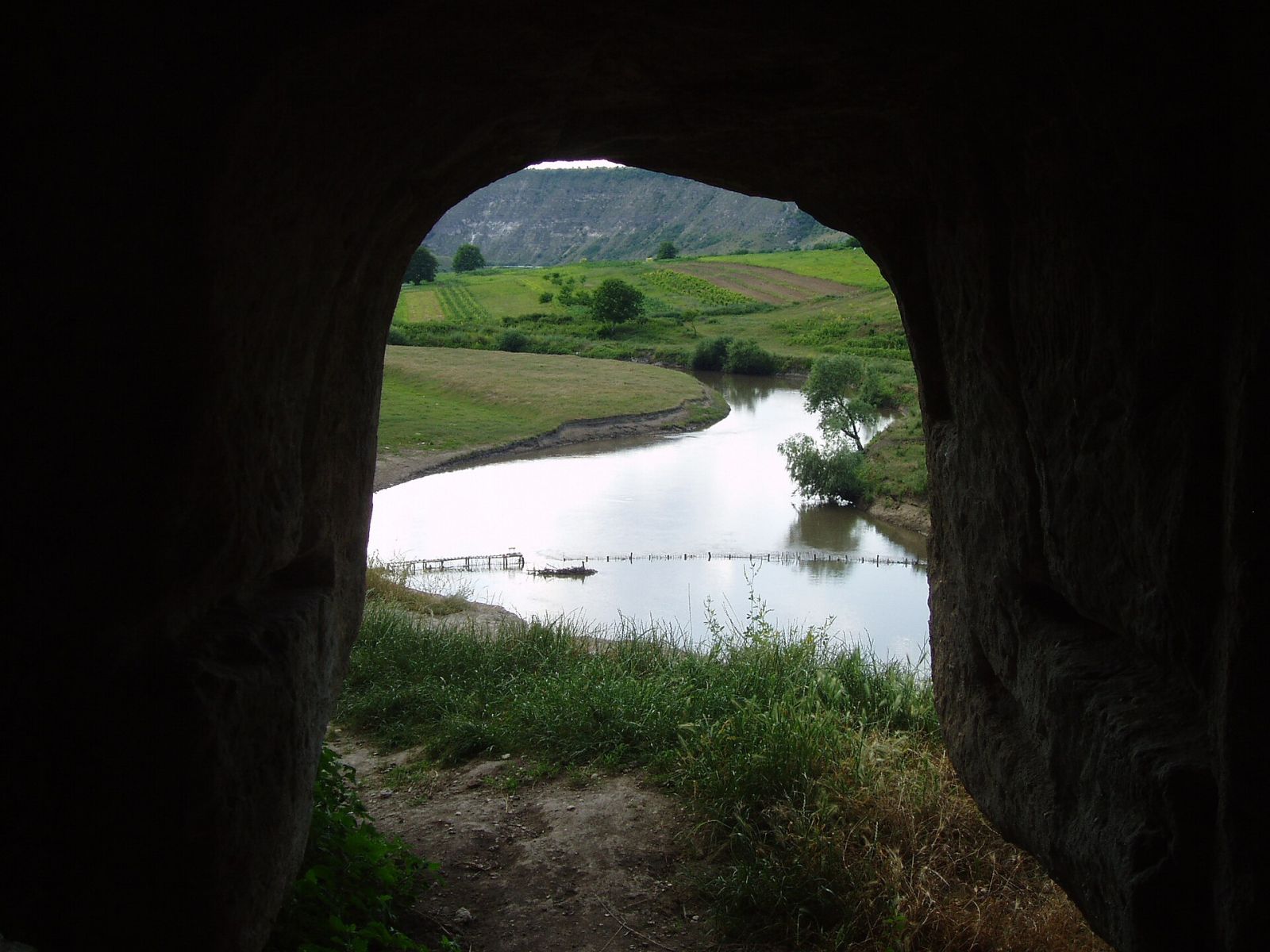


Moldova is one of Europe's smallest countries, and that is precisely its trump card: every headline sight lies within an hour or two of Chisinau. Cave monasteries above a limestone canyon, the longest wine tunnels on the planet, a medieval fortress on the Dniester, and you can genuinely cover it all in three or four days. So the question of what to see in Moldova really becomes a scheduling puzzle: how to stack day trips from the capital. Here is the honest rundown, with no inflated expectations.
Chisinau: your base for two or three evenings
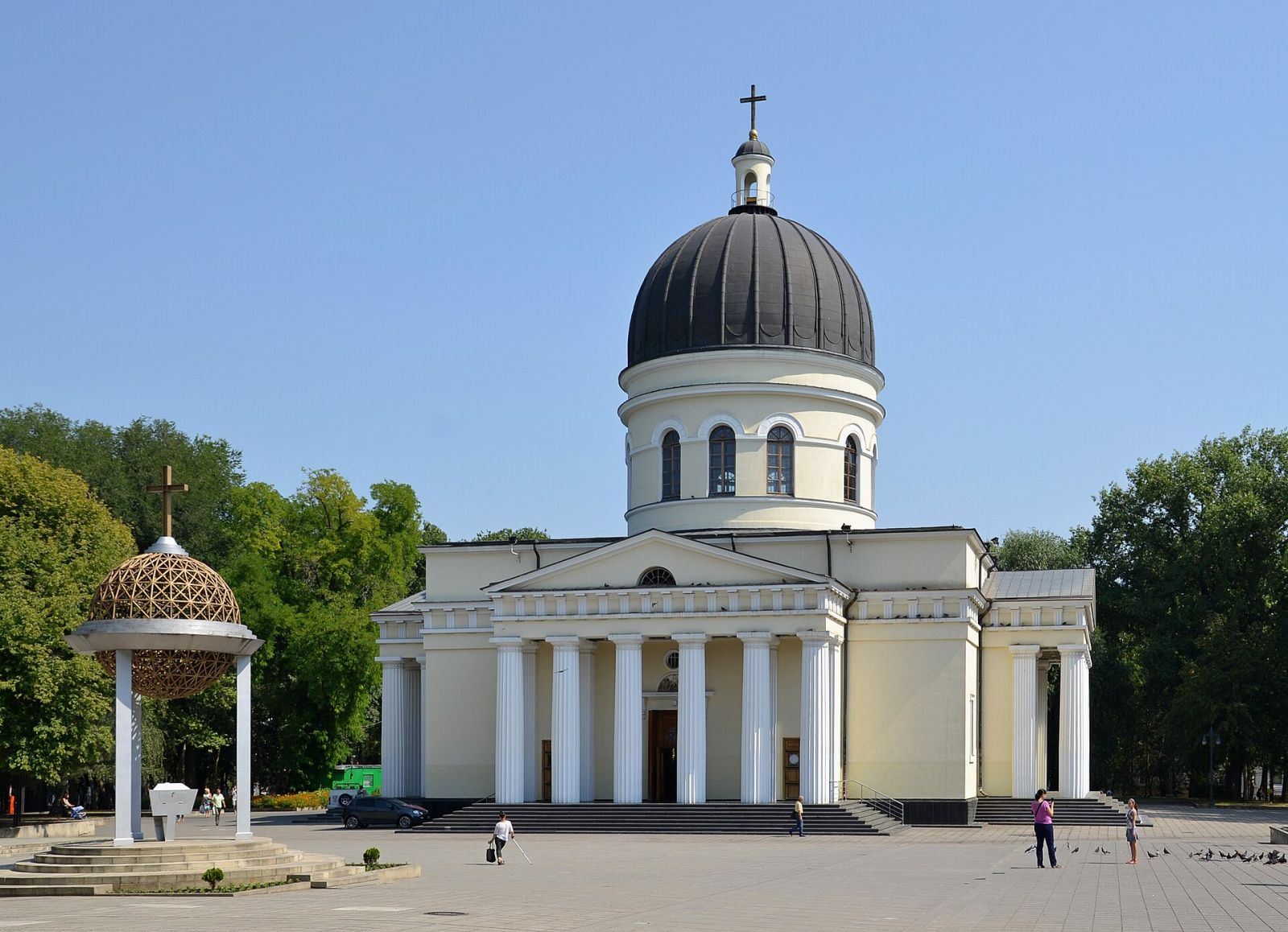
Let's be blunt: Chisinau is not a museum city. Wars and earthquakes left only fragments of the old fabric, so treat it as a living city rather than a postcard. The center is walkable: the Nativity Cathedral in its park, the triumphal arch facing the government building, and the main boulevard named after Stefan cel Mare, the medieval ruler Moldovans revere roughly the way Ukrainians revere their national poet. Nearby, Valea Morilor park wraps around a lake with a grand staircase that faintly echoes Odesa's famous steps.
Two things in Chisinau genuinely deliver. First, the Central Market, where vendors pile up brynza cheese, walnuts, herbs and homemade wine in plastic bottles. Second, the wine bars: a glass of very decent local wine costs about as much as a coffee in most EU capitals, and it is the fastest way to understand why people come here at all. Give the city a day, a day and a half at most, and spend the rest on excursions.
Old Orhei: the country's signature view
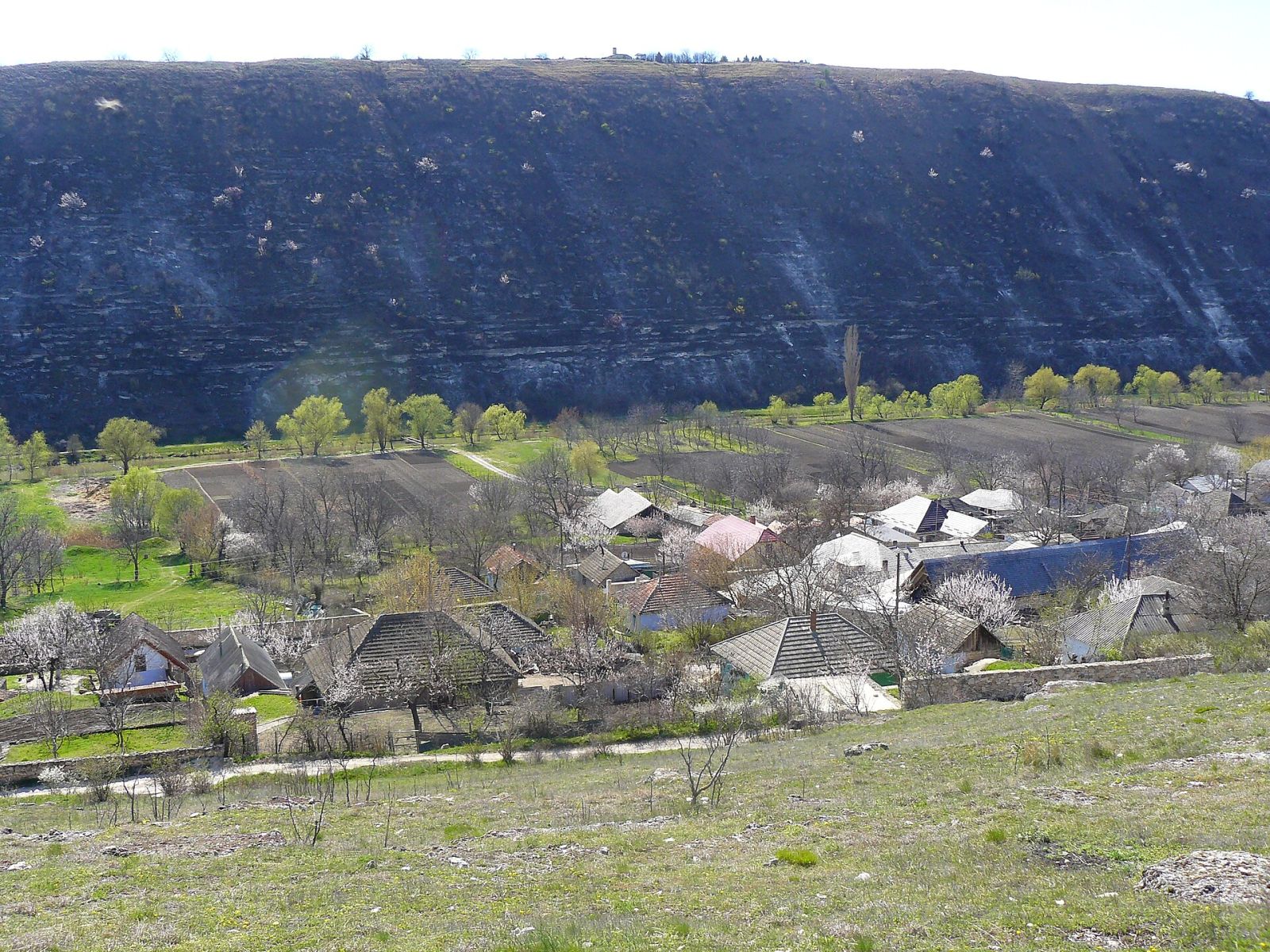
If you pick a single place in Moldova, pick this one. Old Orhei, or Orheiul Vechi, sits 60 kilometers north of Chisinau, where the Raut river carved a horseshoe canyon into the limestone. People have settled here for millennia, from the Geto-Dacians to the Golden Horde. The signature shot: a white bell tower of the cliff monastery perched on the ridge above the river bend. The cave monastery of Pestere is still active; you descend into cells hewn into the rock back in the 13th century, and the stone terrace opens onto the exact view printed on every Moldova cover.
Down in the valley lies Butuceni village: reed roofs, whitewashed cottages and a handful of guesthouses serving mamaliga and pouring homemade wine. The ideal plan is to arrive in the afternoon, sleep in Butuceni and catch the morning light over the canyon with not a single tourist around. Entry to the complex costs next to nothing, with small separate fees for the museums. A marshrutka minibus runs toward Trebujeni, but a taxi or rental car is easier: the drive takes about an hour.
If cliff monasteries are your thing, add Tipova on the Dniester itself, about 100 kilometers from the capital. The complex is larger and starker than Orhei, with cells cut into a sheer wall above the water and far fewer visitors. The path down calls for proper shoes.
Cricova and Milestii Mici: cities underground
Moldova holds two world records, and both are buried. Fifteen kilometers from Chisinau lies Cricova: 120 kilometers of galleries in old limestone quarries, with underground streets named after grape varieties. Tours run on electric carts, the temperature holds at a constant 12-14 degrees Celsius, so a sweater in summer is not a quirk. The state wine collection is stored here, and the sparkling wine is made by the classic bottle method, as in Champagne. Visits are by advance booking only through the official Cricova website; budget from 20-30 euros per person with a tasting, and double-check current prices before you go.
Milestii Mici, 20 kilometers to the south, beats Cricova on sheer scale: roughly 200 kilometers of tunnels, and this is where the world's largest wine collection sits, certified by Guinness World Records at around two million bottles. The vibe is less polished than Cricova, the corridors feel endless, and the tastings tend to be more generous. Choosing between the two is hard, which is why many travelers do both; a single day covers it. Add private wineries such as Château Purcari or Castel Mimi in the southeast and you have a proper two-day wine route.
Soroca fortress: Stefan the Great's stone on the Dniester
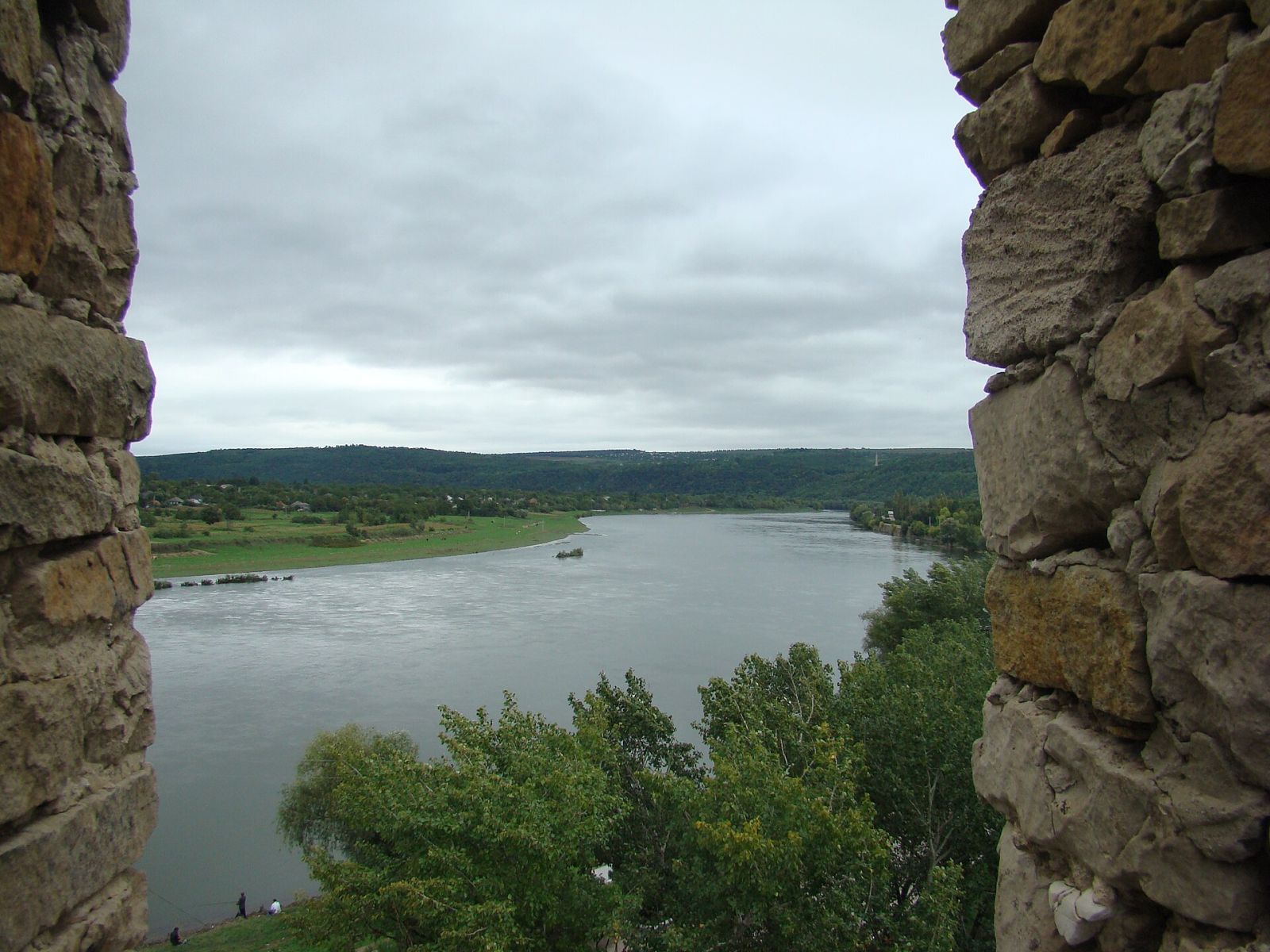
North of Chisinau, 160 kilometers away, stands Soroca: a round stone fortress from the late 15th century, built under Stefan the Great to guard a Dniester crossing. Five towers, a perfectly circular courtyard, thick walls, all right on the riverbank facing the Ukrainian side. The fortress has been restored, houses a museum display, and the towers are open to climb. It is compact; an hour covers it fully.
Soroca's little-advertised bonus is Gypsy Hill, a neighborhood where local Roma families built extravagant mansions modeled on anything from the US Capitol to the Bolshoi Theatre. It looks surreal, and most of the houses stand unfinished. Just outside town rises the Candle of Gratitude, a 30-meter memorial on a cliff above the Dniester reached by some six hundred steps.
Chitcani monastery: the Transnistria caveat
The Noul Neamt monastery in the village of Chitcani often makes lists of Moldova's top sights, and deservedly so: a 60-meter bell tower, among the tallest in the region, four churches, a rich library and a monastic tradition carried over from Neamt in Romania. But honesty is required here: Chitcani lies on the left bank of the Dniester, in territory controlled by the unrecognized Transnistrian administration, close to Bender and Tiraspol. Formally it is Moldova; in practice you pass Transnistrian checkpoints.
Foreign visitors have usually crossed without drama, but the rules there are unpredictable and no consular protection exists on that territory. Given the current situation in the region, skipping it is the sensible call for most travelers, and that is not overcaution. If the monastery matters to you, check your own foreign ministry's travel advice immediately before the trip, or better, save it for calmer times: Moldova has plenty to fill your three or four days without it.
How does it all fit into a route?
The country's size lets you build the whole trip as day trips, no suitcase shuffling required.
| Day | Where | Drive from Chisinau |
|---|---|---|
| 1 | Chisinau: center, Central Market, wine bars | no transfers |
| 2 | Old Orhei and Butuceni, ideally with an overnight stay | about an hour |
| 3 | Cricova in the morning, Milestii Mici after lunch | 15-25 minutes each |
| 4 | Soroca: fortress and the Candle of Gratitude | 2.5-3 hours one way |
Without a car, the easiest combo is marshrutkas plus the one-day tours sold on practically every corner in Chisinau: the wine cellars and Orhei are exactly what those tours cover.
Is Moldova enough for a week?
Truthfully, the classic sights fill three or four busy days. But Moldova makes up the difference elsewhere: family guesthouses where the owner cooks your breakfast, world-class wineries with no queues, the Dniester, and villages where time thickened somewhere in the last century. The best windows are May-June and September-October; on the first weekend of October Chisinau erupts into National Wine Day, the most cheerful moment of the country's year. Cheap, close for anyone traveling from Eastern Europe, visa-free for most, and nowhere near as empty as the stereotype paints it.