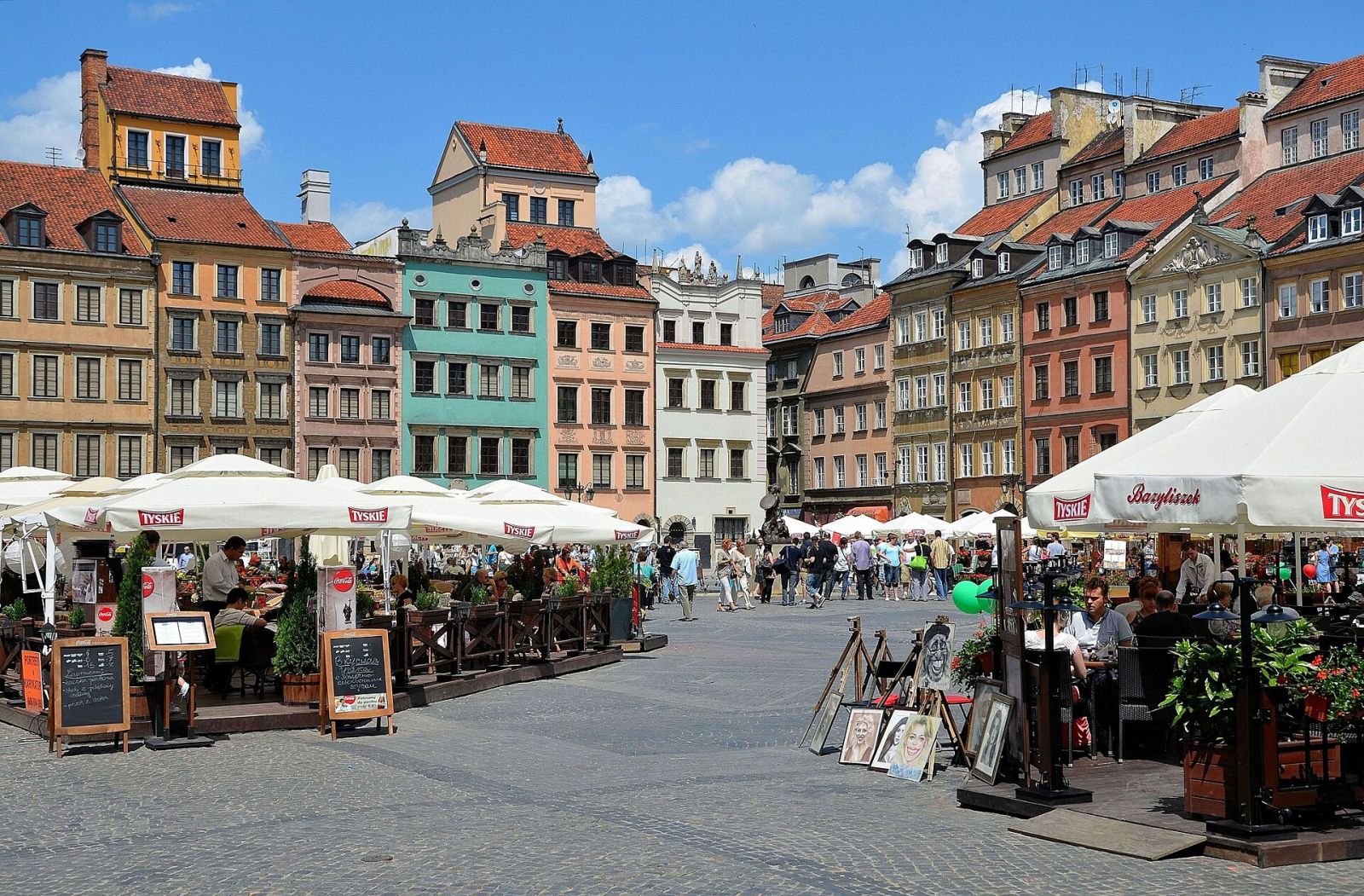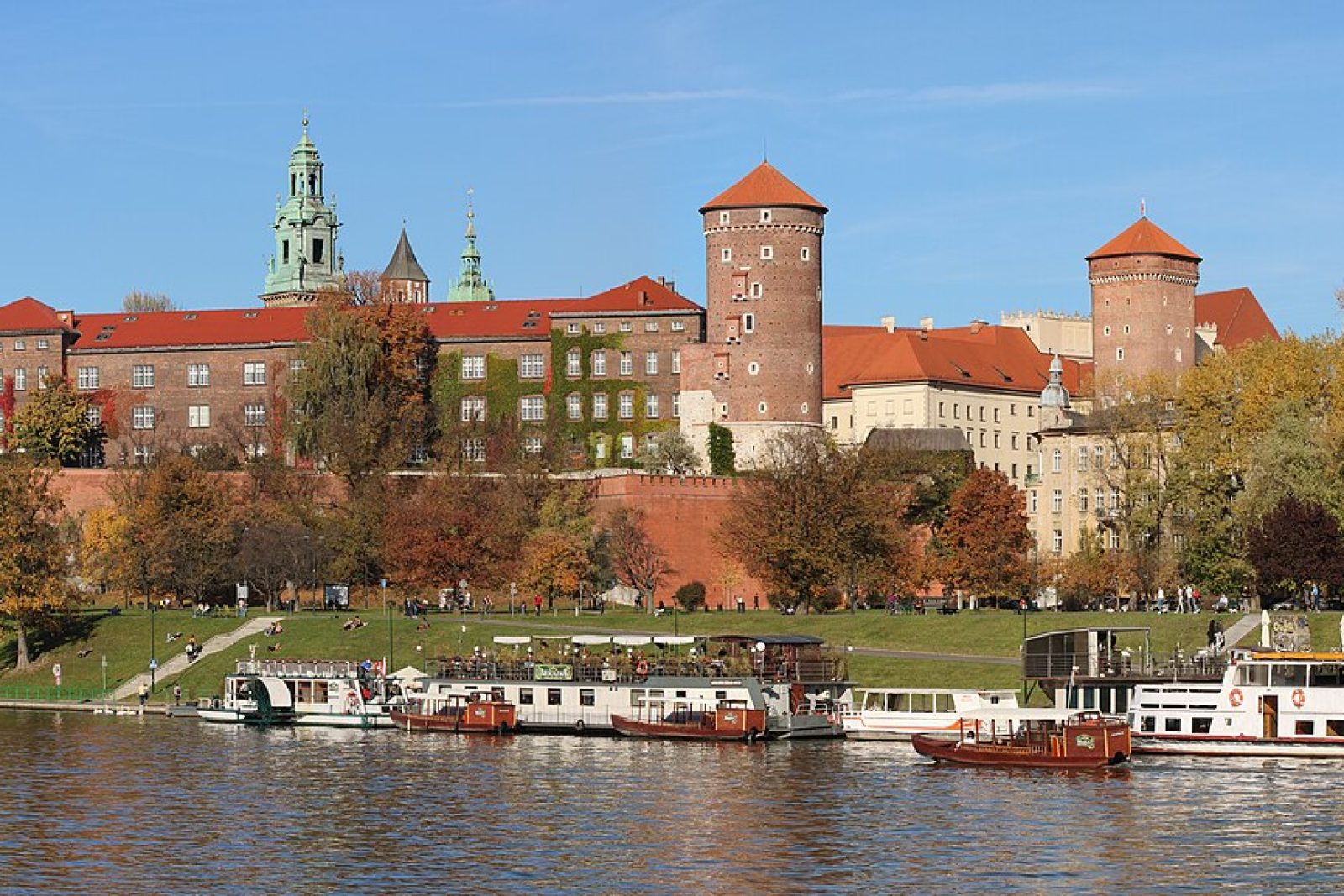


If you want the cities of Poland to start with, the honest shortlist comes down to five. For Ukrainians, Poland is right next door in the most literal sense: a neighbour you reach by an overnight bus, and a launchpad for cheap flights deeper into Europe. One of these cities was never bombed and has kept its medieval core intact for centuries. Another had to be rebuilt from rubble, brick by brick, from old paintings. A third hides hundreds of little bronze dwarfs along its streets. Below is the practical stuff for each: what makes it worth the trip, how to get there, and where the catch is.
Ticket prices, transport fares and museum hours change every year, so all the numbers here are ballpark figures. Check the current details before you travel, especially in high season.
Quick map: where to go and who for
| City | What makes it special | Who it suits |
|---|---|---|
| Kraków | Intact medieval core, Wawel Castle, Europe's largest square | Those after history and atmosphere without reconstructions |
| Warsaw | The capital, a rebuilt Old Town, old-meets-skyscrapers contrast | Those who like a big city and its museums |
| Wrocław | Islands, bridges, dwarfs on the streets | Those wanting an easy city for strolling and photos |
| Gdańsk | Baltic port, amber, Hanseatic facades | Those drawn to the sea and maritime history |
| Zakopane | The Tatras, Polish highland colour, mountains | Those going for nature and skiing |
Kraków: the city that was never flattened
Kraków is the Poland many people come for in the first place. The former capital somehow escaped the large-scale destruction of the Second World War, so the medieval heart here is the real thing, not a postwar rebuild. The centre is compact and walkable in a day, though it tends to keep you longer. The main draw is the Rynek Główny, the largest medieval square in Europe, with the Cloth Hall in the middle and St. Mary's Basilica, from whose tower a trumpet call rings out every hour and cuts off mid-note. That break is deliberate: legend says the trumpeter was shot during a Mongol raid, and the tune has been left unfinished in his honour ever since.
Partner links: booking through them supports the blog at no extra cost to you.
Above the city stands Wawel, the castle and cathedral on a hill over the Vistula, the coronation and burial place of Polish kings. One district worth building into any route is Kazimierz, the old Jewish quarter: narrow streets, the old synagogue, and dozens of cafes and bars that come alive after dark. Getting here is easy, with direct buses and trains from Ukraine, an overnight ride from Kyiv, and flights too. The honest downside: Kraków has been on the tourist map for a long time, and in season the centre is packed with tour groups while cafe prices on the main square bite. The saving grace is that a couple of blocks away the city feels normal again.
Warsaw: a capital rebuilt from scratch
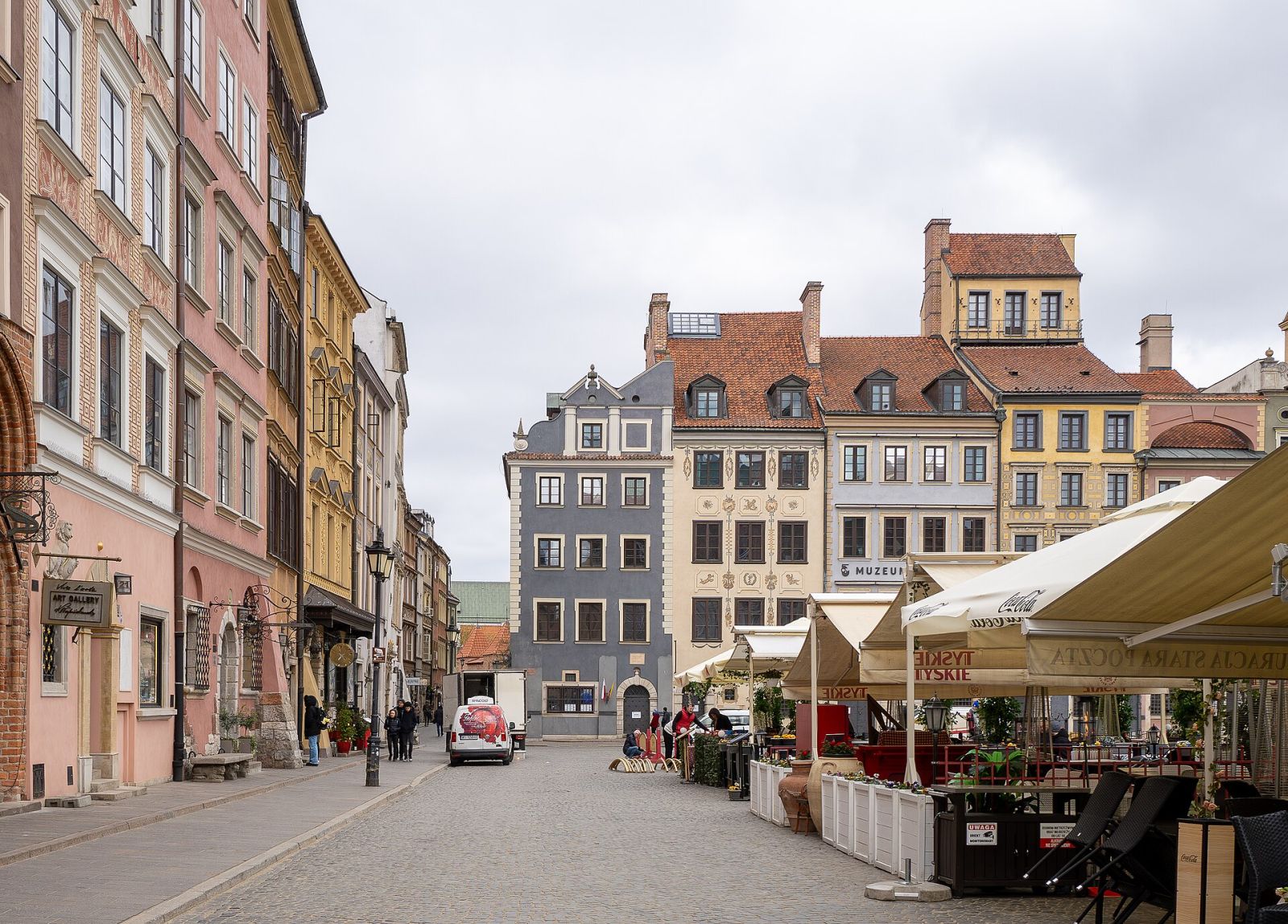
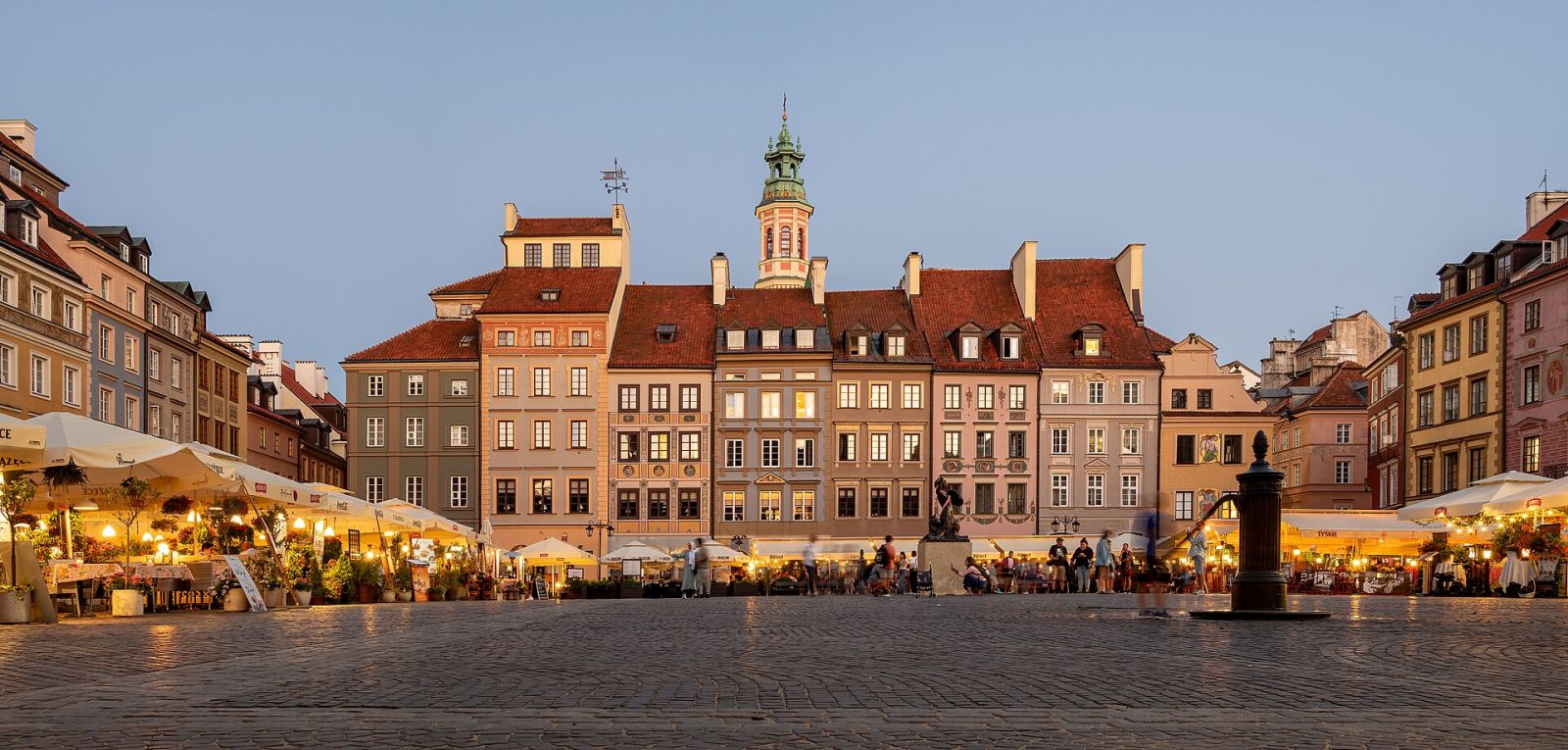
Warsaw surprises anyone expecting wall-to-wall history. The city was reduced to rubble during the war, and the Old Town that tourists wander today is a painstaking postwar reconstruction based on old drawings and photographs, so faithful that it made the UNESCO list precisely as an example of restoration. So Warsaw is above all about contrasts: the restored, colourful townhouses of the Old Town Market Square stand a few stops from the glass skyscrapers of the business district. Looming over it all is the Palace of Culture and Science, a Stalin-era tower gifted by the USSR, which locals still recall with mixed feelings, though its observation deck offers the best panorama of the city.
Beyond the Old Town, there is the Łazienki Park with its palace on the water and roaming peacocks, the POLIN museum of the history of Polish Jews with a powerful exhibition, and the Warsaw Uprising Museum, which moves even visitors who know little of the history. Warsaw is the easiest of the five to reach, a major transport hub with direct trains and buses from Ukraine and an airport serving most of Europe. The downside: as the capital, Warsaw is pricier than the rest of the list and less cosy, more about scale and museums than an intimate walking atmosphere. But it is the most convenient base for going further.
Wrocław: a city of islands and dwarfs
Wrocław is often billed as the natural next stop after Kraków, and for good reason. It sits on the Oder river, split into islands linked by around a hundred bridges, which earns it the nickname of Polish Venice, though the comparison is a stretch. The centre is bright, and the colourful Market Square with its Gothic town hall is considered one of the prettiest in the country. The quirk that makes Wrocław instantly recognisable is the dwarfs: hundreds of tiny bronze figurines scattered across the city, perched on ledges, pushing carts, sleeping by doorways. They began as a symbol of the anti-communist movement and grew into a favourite game, with visitors hunting them down in every corner.
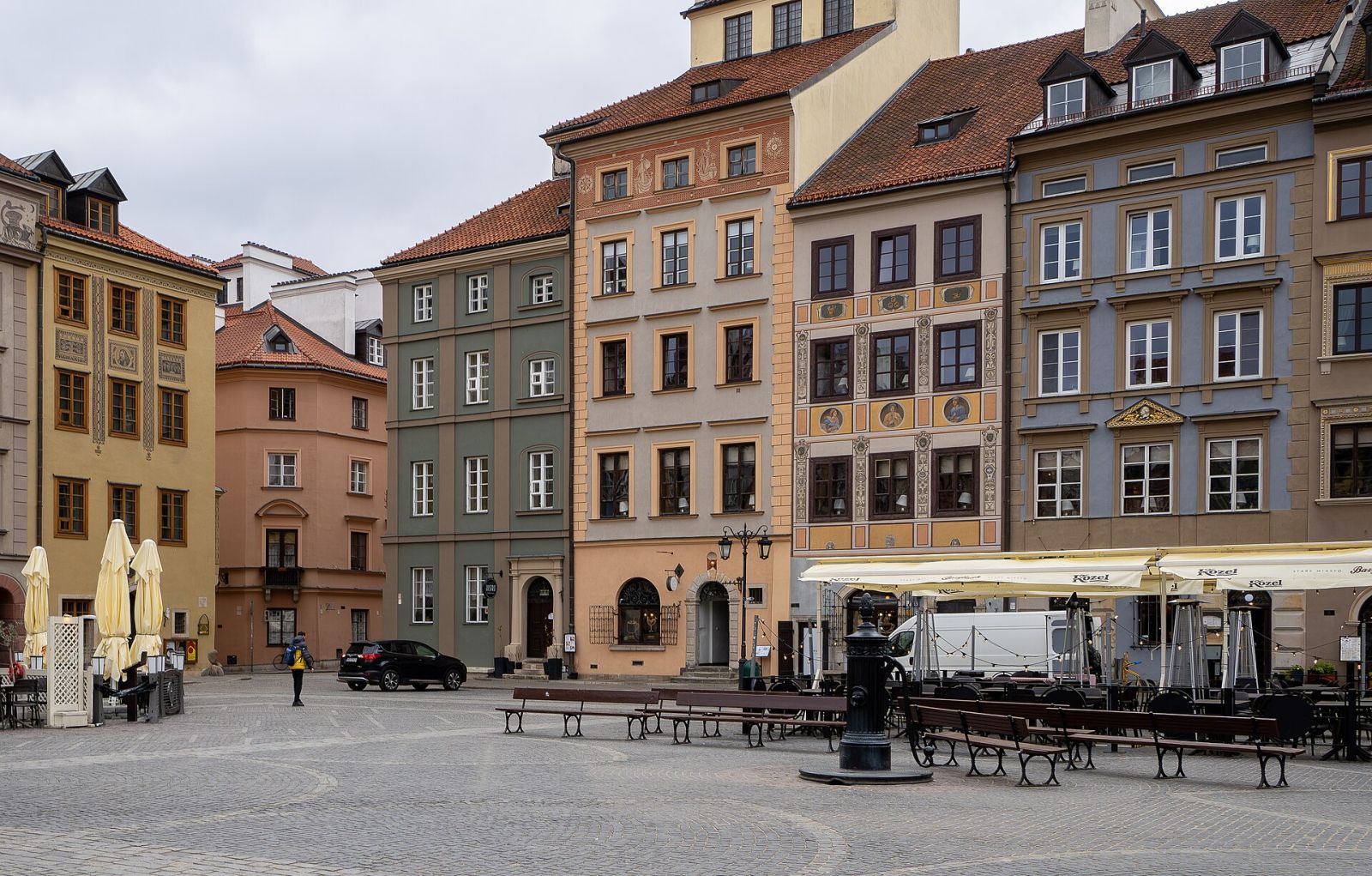
There is more: Ostrów Tumski, the oldest part of the city with its cathedral, where gas lamps are still lit by hand every evening. You can reach Wrocław from Ukraine by bus or train, though it lies further from the border than Kraków, so the journey is longer. The downside: the city is less of a headline act, with no single giant landmark on the level of Wawel that people travel for specifically, so Wrocław is more about the overall mood and unhurried walks than a fixed checklist of sights. For some, that is exactly the appeal.
Gdańsk: the sea, amber and port history
Gdańsk stands apart from the rest of the cities of Poland, because this is the Baltic, the north of the country, and a completely different character. A former free Hanseatic city and major port, it lived off the sea and trade for centuries, and it shows in the rich facades along the Long Embankment. The main street, the Long Market, with its ornate tall townhouses, Neptune's Fountain and the town hall, looks more Dutch than typically Polish, and that is the charm of it. The city was badly damaged in the war and rebuilt too, but it was done with care. Gdańsk is also the amber capital: Mariacka Street is lined with workshops and stalls selling Baltic amber, which has been mined and worked here for ages.
The history here is not only distant. It was at the Gdańsk shipyard that Solidarity was born, the movement that began the collapse of the Soviet bloc, a story told by the modern European Solidarity Centre. Half an hour from the centre lies the resort town of Sopot, with its long wooden pier and beaches. Reaching Gdańsk from Ukraine is harder: there are fewer direct connections, usually a longer trip or a transfer, and it is noticeably further than Kraków or Warsaw. Beyond the distance, the catch is the weather: the Baltic is cool and windy, and even in summer it can turn grey and rainy, so do not count on guaranteed warmth.
Zakopane: mountains instead of museums
Zakopane breaks the pattern, because it is not a historic city but a mountain resort, the winter capital of Poland at the foot of the Tatras. People come not for squares and churches but for the mountains: in summer, trekking the trails, riding the cable car up Kasprowy Wierch, and the famous Morskie Oko valley with its lake cupped in the peaks; in winter, skiing and snowboarding. The town itself has its own flavour: wooden highlander architecture, carved houses, and a local cuisine built around oscypek, a smoked sheep's cheese sold right on the street. The main drag, Krupówki, is one long pedestrian zone of shops, cafes and crowds, more fairground than quiet.
You reach Zakopane from Ukraine via Kraków, from where regular buses run the roughly two-hour journey south into the mountains. So it makes sense to tack Zakopane onto a Kraków trip rather than travel here on its own. The honest downside: its popularity has backfired, and at peak times, over the winter holidays and long weekends, Zakopane and the trail to Morskie Oko turn into one solid crowd while prices jump. On top of that, mountain weather is fickle, and instead of panoramas you may get nothing but fog. The best time to come is the shoulder season or on weekdays.
What to pick if time is short
All five of these cities of Poland have a distinct character, so the choice comes down to what you are after. If it is your first trip to Poland and you have only a few days, go for Kraków, which gives you the most atmosphere for the least time and is the easiest to reach from Ukraine. If you want the scale of a capital, its museums and a handy hub for onward flights, that is Warsaw. For an easy walking break with no obligatory checklist, Wrocław. If the sea and a different character pull at you, Gdańsk, but allow more time for the journey. For the mountains, Zakopane, and best of all paired with Kraków.
A few practical notes to finish. The most convenient way to move between Polish cities is by train, and tickets are cheaper booked online in advance. Ukrainian cards and hryvnia cash are of no use here; you need złoty, and it is best changed at a "kantor" exchange rather than at a bank or the airport, where the rate is worse. And once more on the main point: prices, timetables and museum hours drift with the season and the year, so check the current details before you set off, or you may arrive at a closed door.