

The short answer: for a week in Egypt on top of a paid all-inclusive package, 150-250 dollars per person covers a frugal trip, 300-500 buys a comfortable middle ground, and 600-700 or more unlocks diving, Cairo, and Luxor without compromises. The question of how much money to bring to Egypt comes down almost entirely to three items: tips, excursions, and water activities, since food and lodging are already in the package. Below we break the budgets down line by line and show honestly what you will pay for outside the hotel gate.
Three weekly budgets: the table
Figures are per person on top of the tour price and approximate, exchange rates and prices drift, so verify current numbers before departure.
| Expense | Budget | Mid-range | Comfort |
|---|---|---|---|
| Tips for the week | 20-30 $ | 40-60 $ | 80-100 $ |
| Excursions | 0-50 $ (one boat trip) | 100-180 $ (Luxor or Cairo) | 250-400 $ (Luxor + Cairo/Petra) |
| Diving/snorkeling | 10-20 $ (mask, hotel reef) | 50-90 $ (2 dives) | 150-250 $ (course or safari) |
| Cafes, shopping, extras | 30-50 $ | 80-120 $ | 150-250 $ |
| Weekly total | 150-250 $ | 300-500 $ | 600-1000 $ |
One important caveat: these are budgets for a package holiday in Hurghada or Sharm El Sheikh. Independent travel with hotels and transfers at your own expense is different math entirely, there a week starts at 500-700 dollars before flights even in a modest version.
What all-inclusive actually covers
The classic Egyptian all-inclusive handles the basics: buffet three times a day, snacks, local drinks, water, the beach and pools with loungers, evening entertainment. Generosity ends there, and the list of things not in the package begins:
- Tips: officially optional, in practice a part of the country's economy, and without them service cools off fast.
- Fresh juices, machine coffee, imported alcohol: extra charge at most hotels.
- A la carte restaurants: often one or two visits free, paid afterward.
- Water fun: banana boats, parasailing, glass-bottom boats, all priced in dollars.
- The safe, sometimes Wi-Fi beyond the lobby, late checkout: depends on the hotel.
- Pharmacy items and small essentials: sunscreen in resort shops costs several times the home price, pack your own.
The practical conclusion: even the thriftiest traveler needs cash for tips and at least one boat trip, otherwise the week collapses into a loop of buffet, lounger, buffet.
Tipping: who, how much, and how not to overpay
Baksheesh in Egypt is a ritual. The benchmarks are simple: 1 dollar for housekeeping every day or two, 1 dollar to the porter for luggage, 1-2 dollars to the barman or waiter after an active session at the bar, a few dollars to the guide after an excursion, the transfer driver at your discretion. That adds up to the same 20-60 dollars a week depending on generosity. A trick that genuinely works: bring a stack of one-dollar bills from home, because breaking a hundred into singles at the resort is a quest of its own. Tipping in Egyptian pounds is fine too and often more economical, small pound notes accumulate after purchases anyway.
Excursions: Luxor, Cairo, and the sea
The biggest spending line for anyone who wants more than the beach. Here is how the popular options from Hurghada and Sharm stack up:
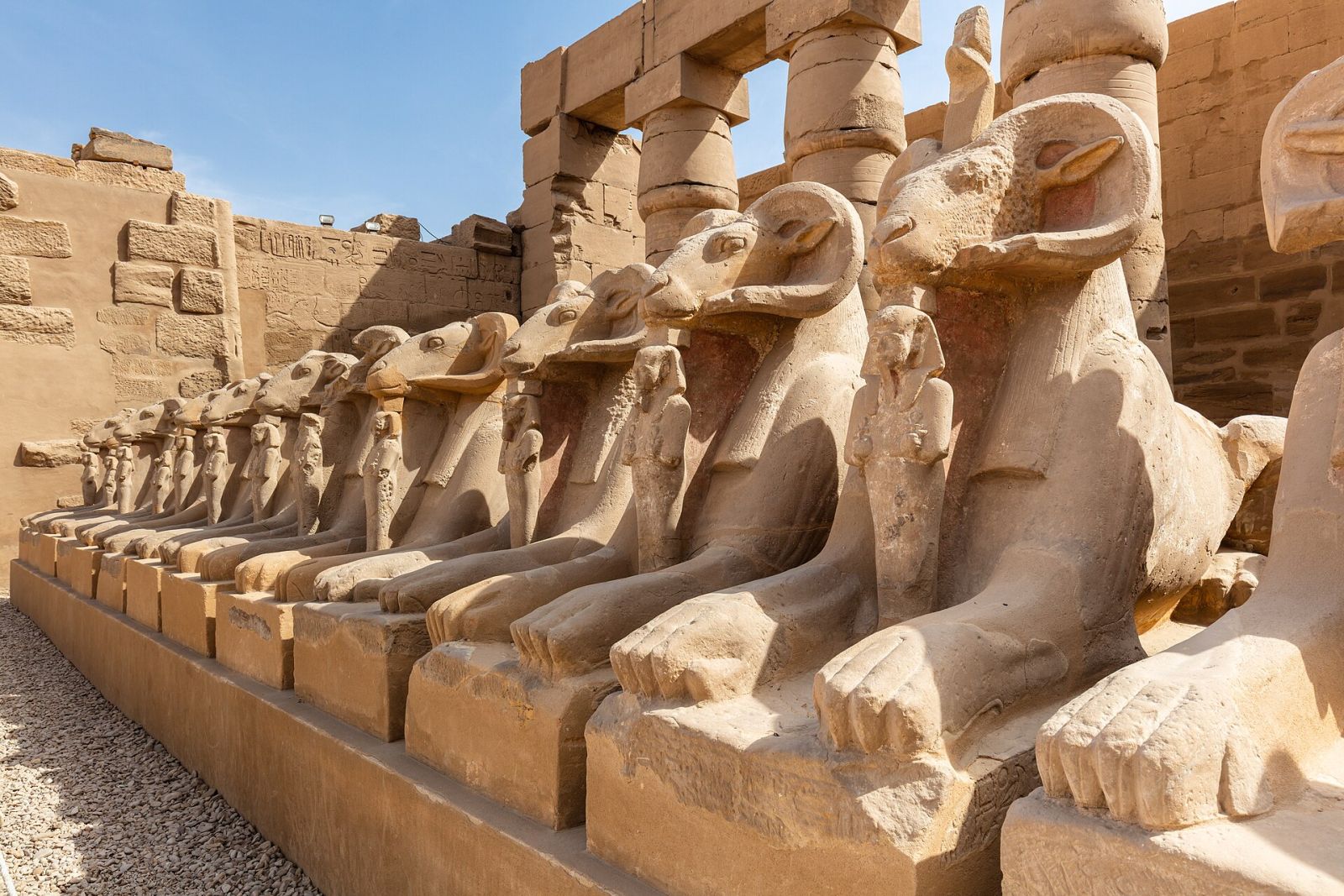
- Luxor from Hurghada: Karnak Temple, the Valley of the Kings, the Colossi of Memnon. A bus day tour runs 40-80 dollars from street agencies, hotel reps charge more. The ride is 4-5 hours each way with a five a.m. start, but it is the most concentrated day of antiquity you will ever get. Entry to certain tombs (Tutankhamun, Seti I) is paid separately on site.
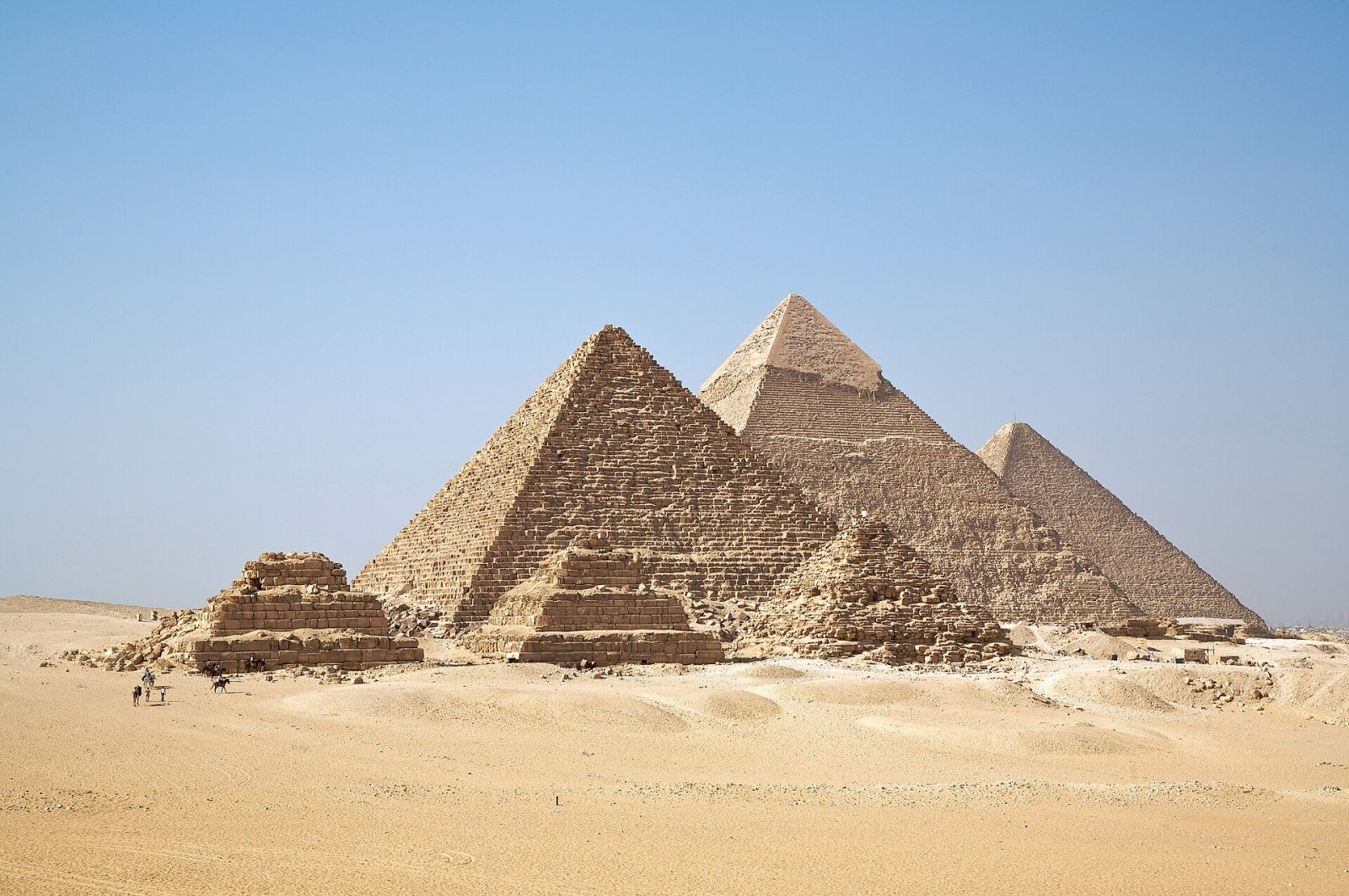
- Cairo and the pyramids: from Hurghada by bus (exhausting, 6+ hours each way, 50-90 dollars) or by plane (comfortable, 150-250). From Sharm it is plane or a very long bus. Programs include Giza, the Egyptian Museum or the new Grand Egyptian Museum, sometimes Memphis and Saqqara.
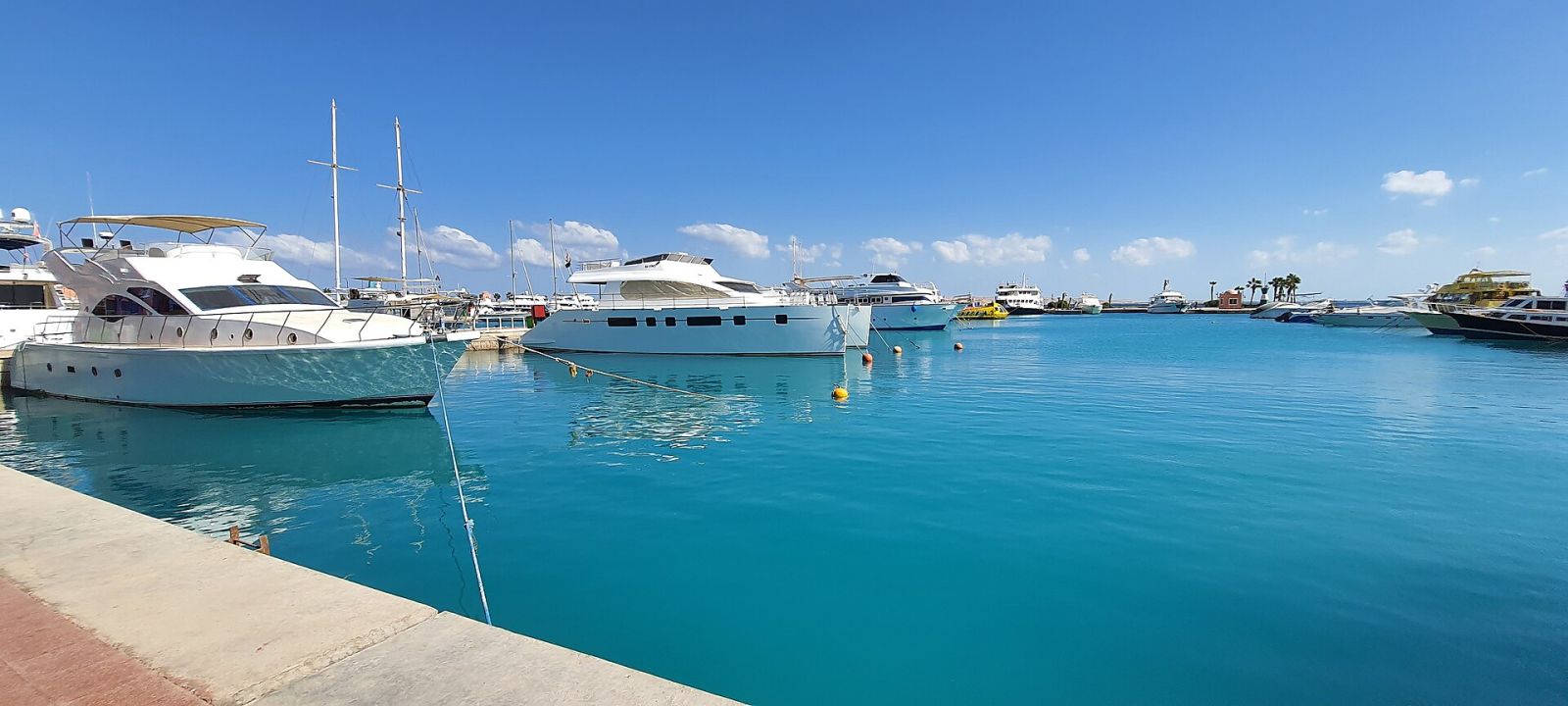
- Boat trips: Orange Bay or Paradise Island from Hurghada, Ras Mohammed from Sharm, 25-50 dollars with lunch and snorkel stops. The best value-for-impression ratio on this whole list.
- Smaller stuff: desert quad biking with tea in a "Bedouin village" for 20-40 dollars, dolphinariums and water parks, semi-submarine rides.
A buying tip: street agencies along the resort promenades sell the same excursions as the hotel rep at noticeably lower prices, and haggling is expected. Do read reviews though, and resist the absolute cheapest bus marathons, vehicle condition there can be grim. Current entry fees for temples and tombs are published on the official portal of the Ministry of Tourism and Antiquities, egymonuments.gov.eg.
Diving and snorkeling: what you pay for underwater
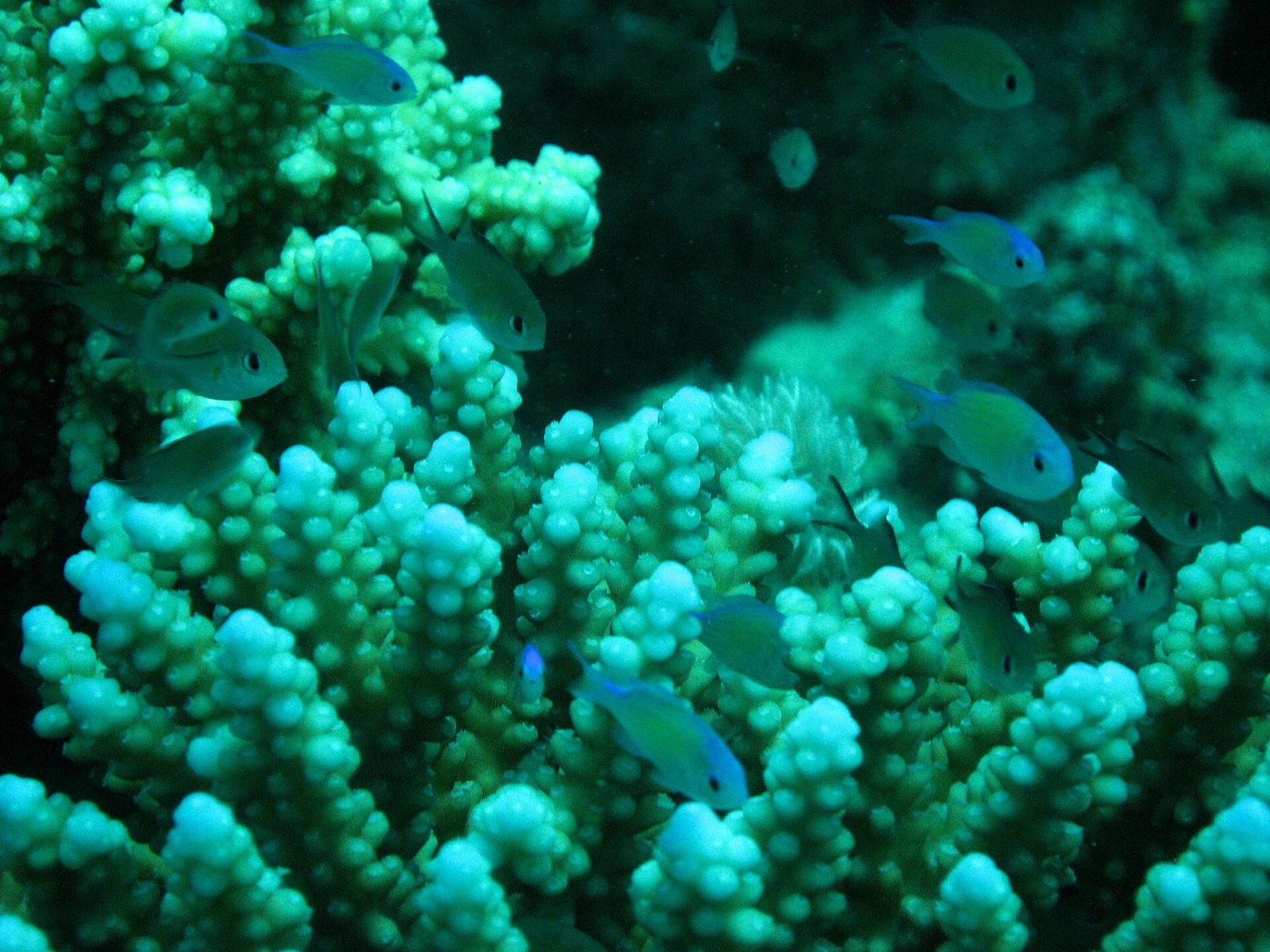
The Red Sea is one of the best places on the planet for a first dive, and prices remain humane. An intro dive with an instructor costs 30-60 dollars, a two-dive boat package 50-90, a multi-day PADI Open Water course 250-350 dollars. Sharm El Sheikh is considered the stronger reef destination (Ras Mohammed, the Strait of Tiran), while Hurghada wins on price and gentle entries for beginners. Snorkeling is nearly free: a mask and snorkel, and the reef by the hotel jetty already puts on a fish show. One honest warning: pick accredited dive centers rather than the lowest price tag, saving money on the person responsible for you underwater is a bad idea.
Dollars, pounds, or card?
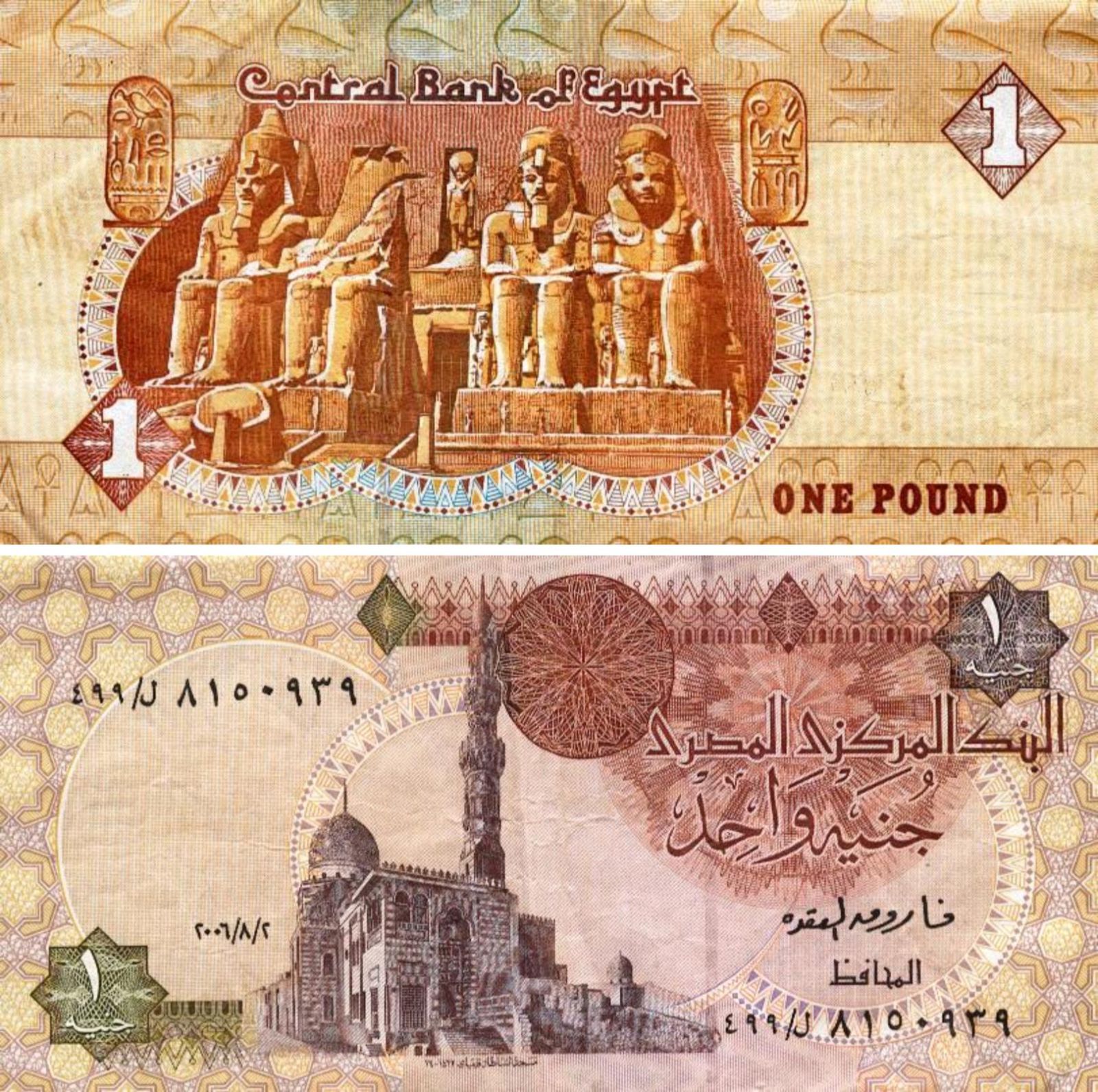
The traveler's base currency in Egypt is the cash dollar (euros are welcomed too). It pays for excursions, tips, taxis, and half the souvenirs. The Egyptian pound is for small things: supermarkets, pharmacies, local cafes outside the hotel. Exchange a little at a time at bureaus or ATMs, the pound's rate has been unstable in recent years, so do not convert large sums up front. Cards work in bigger shops and chain cafes, but the resort economy still runs on cash, so relying on plastic alone is risky. The optimal weekly kit: 100-200 dollars in small bills for tips and daily life, the rest of the reserve in hundreds, plus a card for larger purchases.
Two words on keeping money safe: use the room safe, carry only a day's worth of cash, and never flash a full wallet while bargaining at the bazaar. Bargaining itself is mandatory, by the way: the first quoted souvenir price is inflated several times over, and cutting it in half is not a feat but standard market etiquette.
The bottom line: how much to bring
The formula is simple. A beach week without leaving the gates: 150-250 dollars per person is enough. Add one big excursion (Luxor or Cairo) and a couple of dives: count on 300-500. The maximum program with Cairo by plane, a dive course, and shopping: from 600-700 dollars. Children rarely need a separate budget, most of their costs already sit inside the family numbers, just add a little for ice cream and rides. And the main rule: better to bring a spare hundred home than to spend the last three days avoiding both the reef and the bazaar.