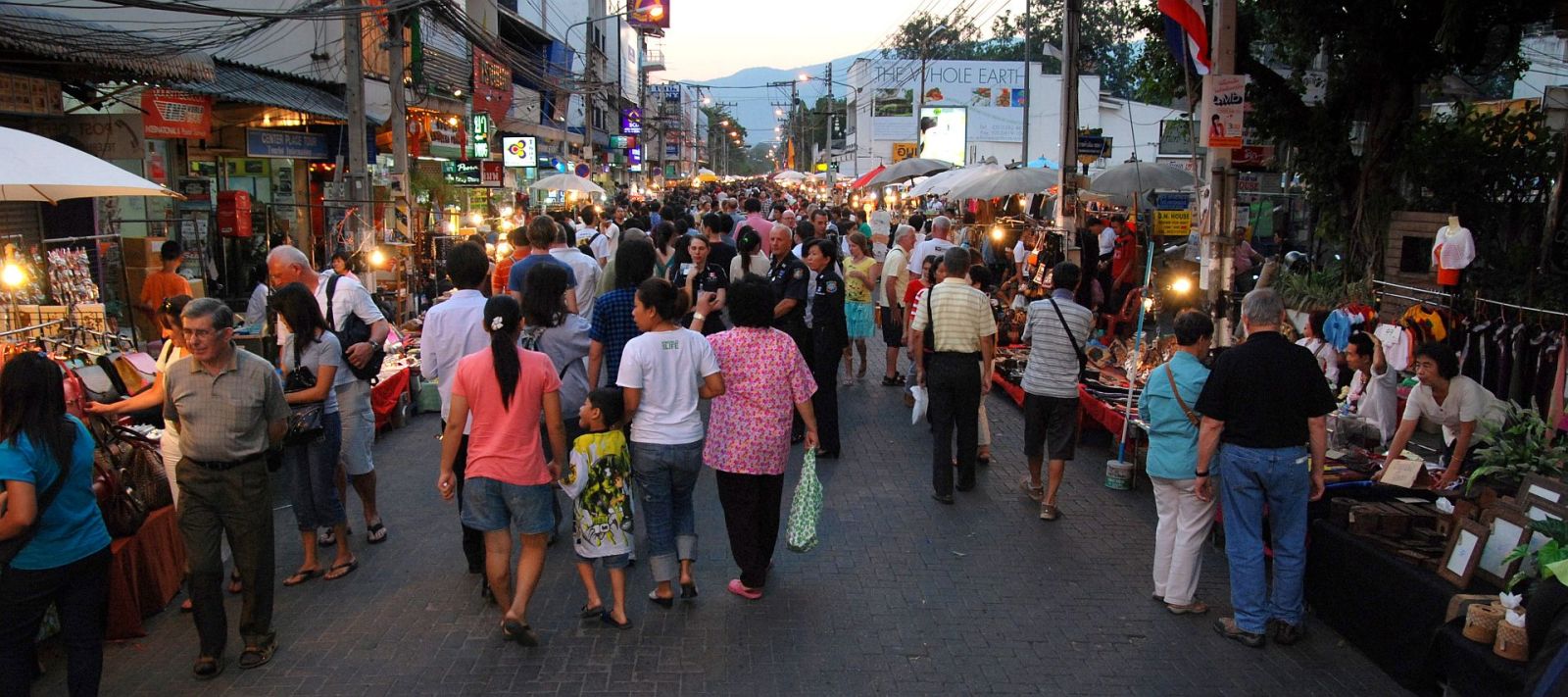


The short answer to how much a month in Thailand costs: from 700-900 dollars in backpacker mode, 1200-1800 for mid range comfort, and 2500 or more if you want a pool, unrestricted air conditioning and restaurant dinners. That covers accommodation, food, transport and fun, but not flights. The range is wide because Bangkok, Chiang Mai and the islands run on three different price lists, and your choice of base shapes the budget more than any amount of penny pinching.
Three monthly budgets: what goes into them
| Expense | Backpacker | Mid range | Comfort |
|---|---|---|---|
| Housing per month | Guesthouse or studio, 6-10k baht | Condo with a pool, 12-20k baht | Condo or villa, 25-50k baht |
| Food per day | Street food, 200-350 baht | Mix of cafes and street stalls, 400-700 baht | Restaurants, 1000+ baht |
| Transport | Walking, buses, occasional Grab | Rented scooter | Scooter plus unlimited Grab |
| Monthly total | 700-900 $ | 1200-1800 $ | from 2500 $ |
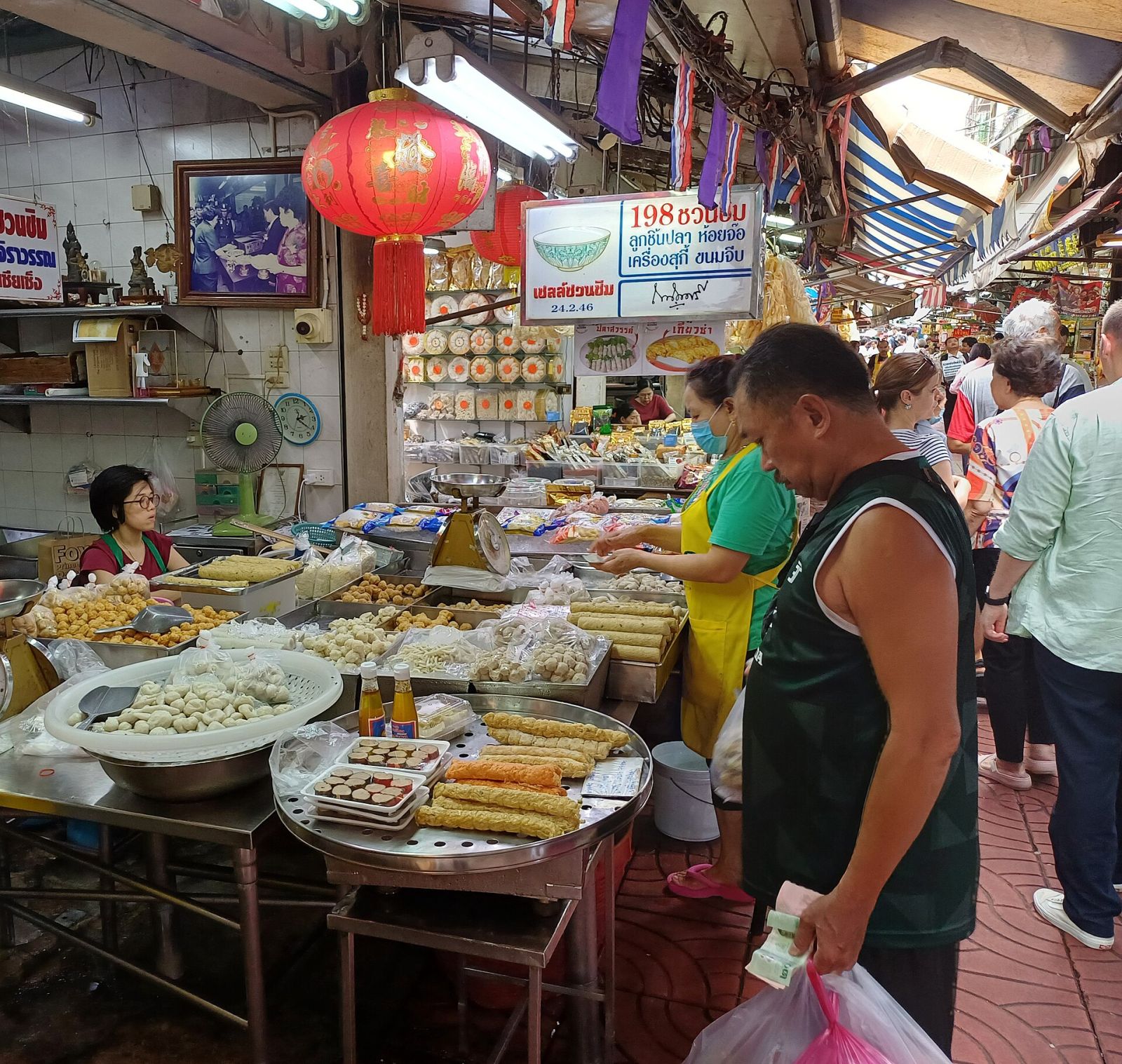
The biggest lever in a Thailand monthly budget is not housing but food. A plate of pad thai or chicken rice on the street costs 50-80 baht; the same meal in a tourist cafe costs several times more. Eat local and you can stay frugal even in Phuket. The reverse is also true: daily smoothie bowls, 120 baht lattes and pizza erase the gap between budget tiers faster than anything else.
Bangkok or the islands: where is a month cheaper?
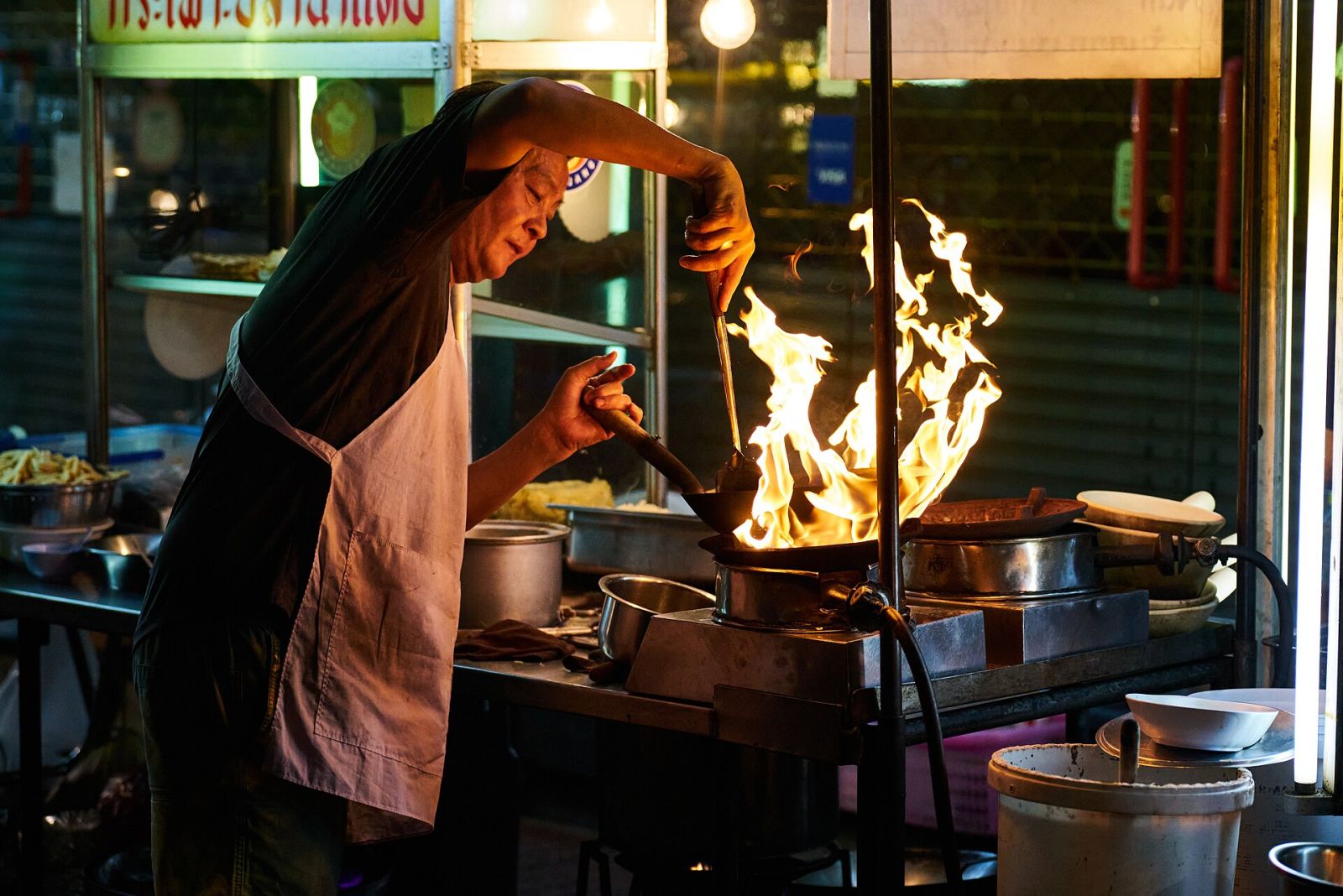
The cheapest major base is the north: Chiang Mai traditionally holds the lowest long stay prices, and a decent studio there is still possible for 8-12 thousand baht. Bangkok costs more for housing but wins on food: the capital's street stalls and food courts are the cheapest and most varied in the country, and the metro removes the need for a scooter.
The islands charge a logistics premium: everything arrives by ferry, so groceries, rent and daily life on Samui, Phuket or Phangan run noticeably higher, roughly a third above the mainland, and small islands like Koh Tao push it further still. Housing hurts most in high season from November to February, when monthly rates jump and the selection evaporates. If the goal is an affordable month by the sea, look at Krabi, Koh Lanta or mainland Hua Hin, all considerably kinder to a budget than the headline islands.
Baht, exchange and cards: how not to lose money for nothing
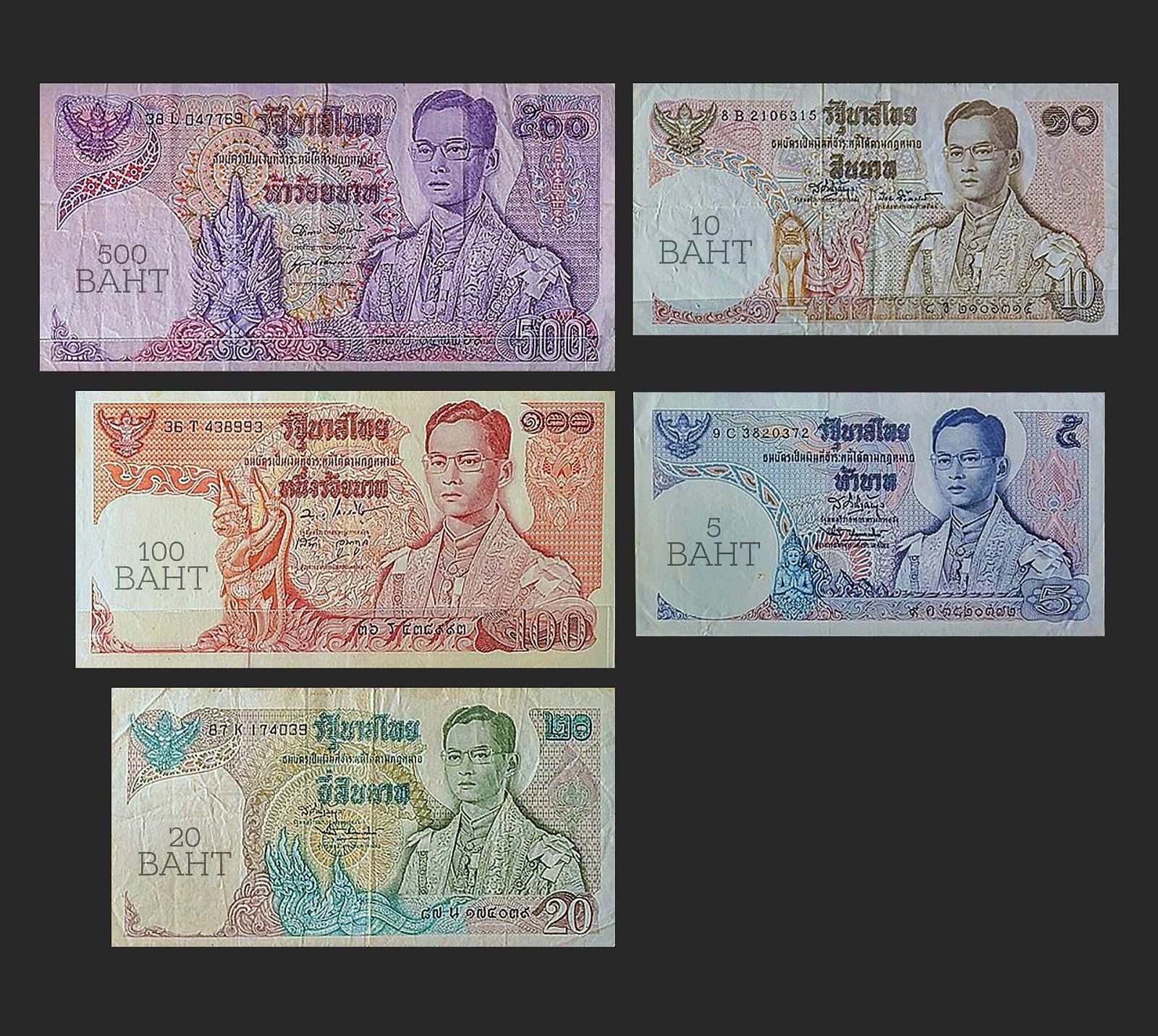
The currency is the Thai baht, floating somewhere around 35-37 to the dollar; check the current rate before you fly. The best value approach: bring crisp new dollar or euro notes and exchange them at city booths like Superrich (the green and orange signs in Bangkok), which consistently offer the best rates. Airport exchange is the classic rookie trap: the spread against city rates is painful, so change only a small amount there for the taxi.
One ATM detail matters: nearly every Thai bank charges a flat 220 baht fee per withdrawal on foreign cards, on top of whatever your own bank takes. Withdrawing small amounts daily is a donation to the banking sector, so either take out large sums at once or pay by card where accepted. Markets accept 1000 baht notes reluctantly; keep a stash of hundreds and smaller.
Monthly housing: why it is cheaper than it looks
Booking platforms show nightly prices, but monthly rentals in Thailand play by different rules. The working method: book your first three or four nights, then hunt for a condo locally or through area rental groups on Facebook. A monthly contract usually comes out two to three times cheaper than the multiplied nightly rate, and condos at 12-15 thousand baht often include a pool and a gym. The catches are standard: a one month deposit, electricity billed separately (nightly air conditioning easily adds 1500-3000 baht a month), and penalties for leaving early. Confirm the electricity rate before signing, since some landlords double the government tariff.
The scooter: freedom for 3000 baht a month
Renting an ordinary scooter like a Honda Click costs 2500-3500 baht per month plus cheap fuel. It is the country's cheapest transport and the default way of life on the islands. Now the honest part. Legal riding requires a motorcycle licence plus an international driving permit; without them your insurance is void, and police checkpoints on Phuket and Samui fine foreigners routinely. Scooter accidents are the leading cause of tourist injuries in Thailand, so wear the helmet every single time, even for a five minute shop run. Pay the deposit in cash and never leave your passport as collateral.
Visas: 30 days on arrival and the truth about visa runs
Since 15 September 2026 Ukrainian citizens, like many other nationalities, can enter Thailand visa free for up to 30 days; the previous, longer exemption no longer applies. Visa-free entries over land borders are capped at two per year, and the TDAC digital arrival card must be filled in before arrival. Whether you can extend your stay at an immigration office, and on what terms, check on the Royal Thai Embassy website. A month is enough for many people's first trial stay, while anything longer is better planned with a visa in advance.
As for visa runs, crossing into a neighbouring country and returning for a fresh stamp: formally it works, practically immigration scrutinises chains of entries ever more closely, and several back to back visa exempt arrivals can end in questioning at the border or outright refusal. Anyone planning six months or longer is better served by an education visa, a business visa or the newer Destination Thailand Visa for remote workers than by border roulette. Verify current visa rules on the Thai Ministry of Foreign Affairs site before travelling; they change faster than guidebooks get reprinted.
What to set aside in the end
A realistic formula for a first long stay looks like this: your tier's monthly budget per person, plus a reserve for the housing deposit, a month of scooter rent paid up front, and insurance. A policy that covers scooter riding is mandatory not by law but by common sense: one day in a decent Thai hospital without it costs as much as a week of holiday. Add an untouchable emergency fund of 300-500 dollars, and a month in Thailand turns from a lottery into a predictable line item. All prices here are approximate as of 2026; check fresh ones before you go, since the baht and seasonal housing rates wander every year.