

The most beautiful islands of Thailand sit in two different seas, and that is where the choice really begins, not with the photos in your feed. The Andaman coast in the west (Phuket, Phi Phi, Lanta, the Similans) is open from November through April, while over in the Gulf of Thailand it can still be pouring. Koh Samui and Koh Tao run on a different calendar, and their best window is partly shifted. So the question of where to go for islands really means which sea and which month, and only then which particular patch of sand fits your mood.
Here is the short version for anyone deciding right now. Want postcard cliffs and lagoons, that is Phi Phi, just brace for the crowds. Dreaming of world-class diving and unbothered by seasonal closures, head for the Similans. Need calm without loud parties, look at Koh Lanta. Diving for the first time, that is Koh Tao, the cheapest place on earth to get certified. And Phuket is your base and hub, the easy jumping-off point for everything else.
Below is a breakdown of seven destinations that cover almost every traveller, from a first trip to a seasoned diver. Prices, ferry timetables and park-access rules change every season, so check the current details before you go: what worked last year may have different hours, fees, or be closed entirely this time round.
Partner links: booking through them supports the blog at no extra cost to you.
Comparison: which island suits whom
| Island | What makes it unique | Season | Best for |
|---|---|---|---|
| Phi Phi | Maya Bay lagoon, limestone cliffs, film location | November-April | view lovers who do not mind the crowds |
| Similans | crystal water, world-class diving and snorkelling | October-May, closed the rest of the year | divers and snorkellers chasing clarity |
| Koh Lanta | long quiet beaches, almost no nightlife | November-April | couples, families, anyone wanting calm |
| Koh Tao | cheapest dive courses in the world, snorkelling off the beach | best March-September | beginner divers, budget travellers |
| Phuket | largest island, airport, base for day trips | November-April | first trips, families, anyone needing infrastructure |
| Koh Samui | its own airport, comfort with no ferry transfer | best February-April and July-August | those who value an easy journey and service |
| Koh Lipe | tiny island in the far south, "Maldives" water | November-April | those willing to travel far for an emptier shore |
Phi Phi: the famous lagoon, and why it gets so busy
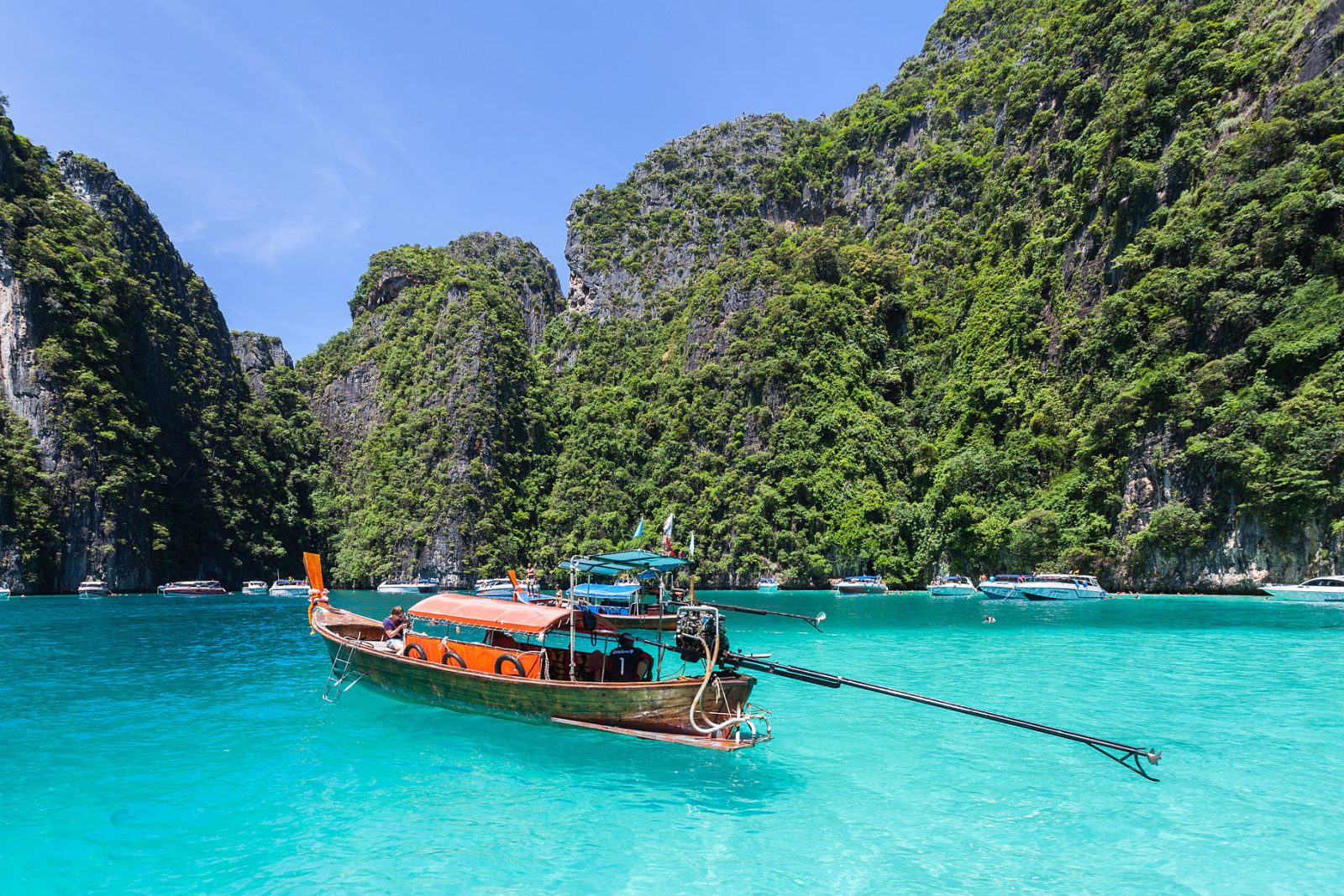
If you have ever seen a postcard of a turquoise bay wrapped in sheer cliffs, that is almost certainly Phi Phi. The headline act is Maya Bay, the very cove from the film "The Beach", which is what draws people to the archipelago in the first place. Cliffs rising straight out of the water, white sand and impossibly clear sea make these islands of Thailand the most recognisable in the country.
Now for the honest downside, and it is a big one. Everyone knows about this place, so from morning dozens of boats converge on Maya Bay and the beach can get packed. A few years ago the bay was closed entirely to let the ecosystem recover, and now the authorities keep visitor limits and sometimes ban swimming in the lagoon itself to protect the coral. The fix is simple: take the earliest tour, or stay overnight on Phi Phi Don so you catch the water before the day boats arrive from Phuket.

The Similans: the clearest water you will see, but not always
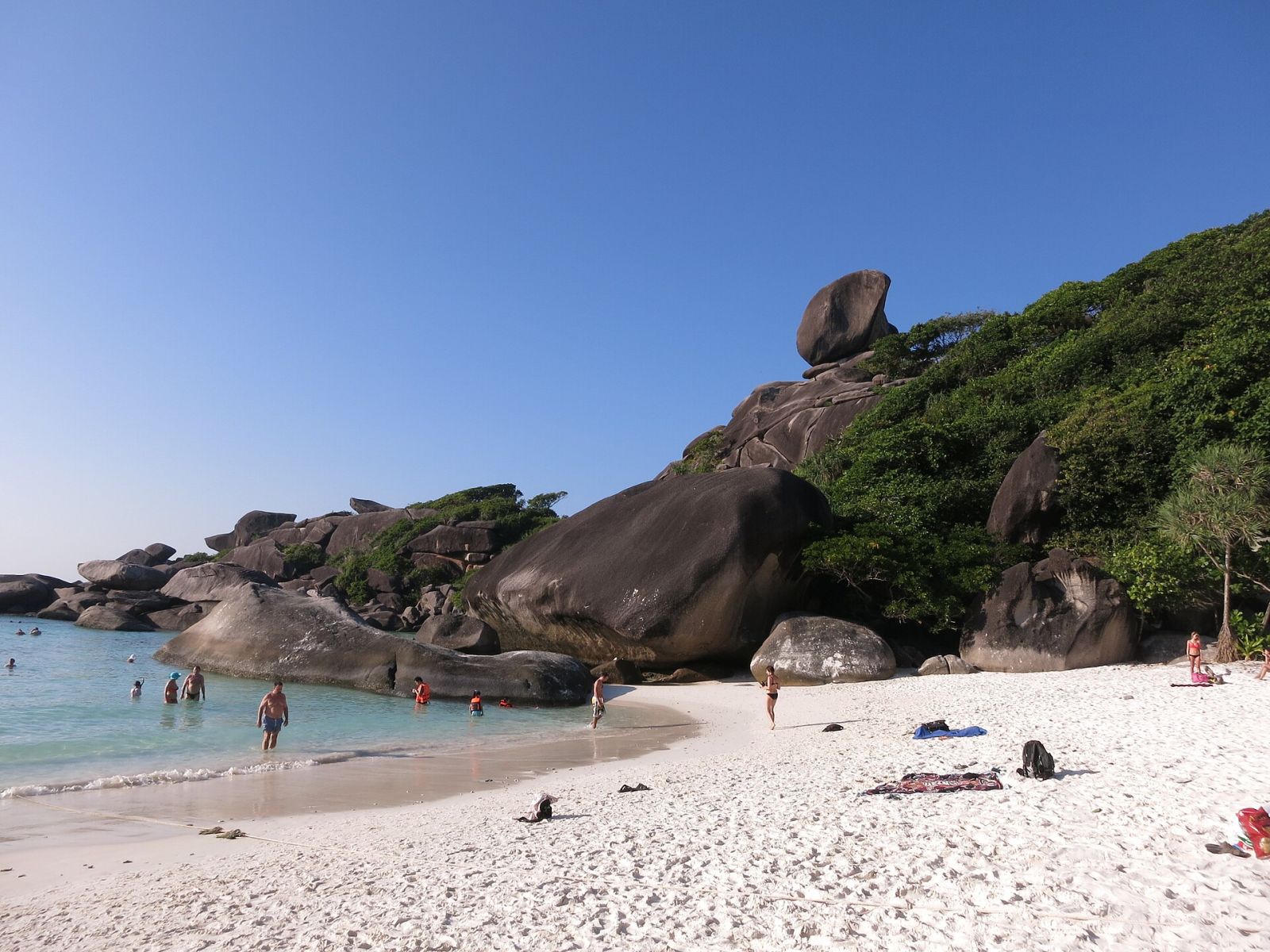
The Similan Islands are a national park and, by many rankings, the best spot for diving and snorkelling in all of Thailand. Underwater visibility runs to tens of metres, granite boulders form strange submarine landscapes, and marine life from manta rays to turtles turns up closer than almost anywhere. The water is so clear you can see the bottom from the boat.
The defining feature is also the catch: these islands of Thailand are closed for nearly half the year. The park runs roughly from October or November to April or May, and during the monsoon it shuts completely for safety and to let nature recover. There is almost nowhere to stay inside, so most people come on a day-trip speedboat from Phuket or Khao Lak. Plan an early start, and remember the park entry fee is charged separately from the tour.
Koh Lanta: the island for people who do not want a party
Lanta is the antidote to its noisy neighbours. Instead of bars along the whole shore you get long quiet beaches stretching for kilometres, laid-back cafes and the feeling that time has slowed down. It draws couples, families with kids and anyone wanting Thailand without the nightly buzz, and at noticeably lower prices than the famous resorts.
The beaches on the west coast run one after another, and the further south you go the quieter it gets. The southern tip holds Mu Ko Lanta National Park, with a lighthouse and jungle worth the trip for the view and the monkeys. The downside is the same one that applies to the whole coast: in low season, roughly May to October, many places close, the sea turns rough, and part of the infrastructure simply hibernates.
Koh Tao: people come here to learn to dive
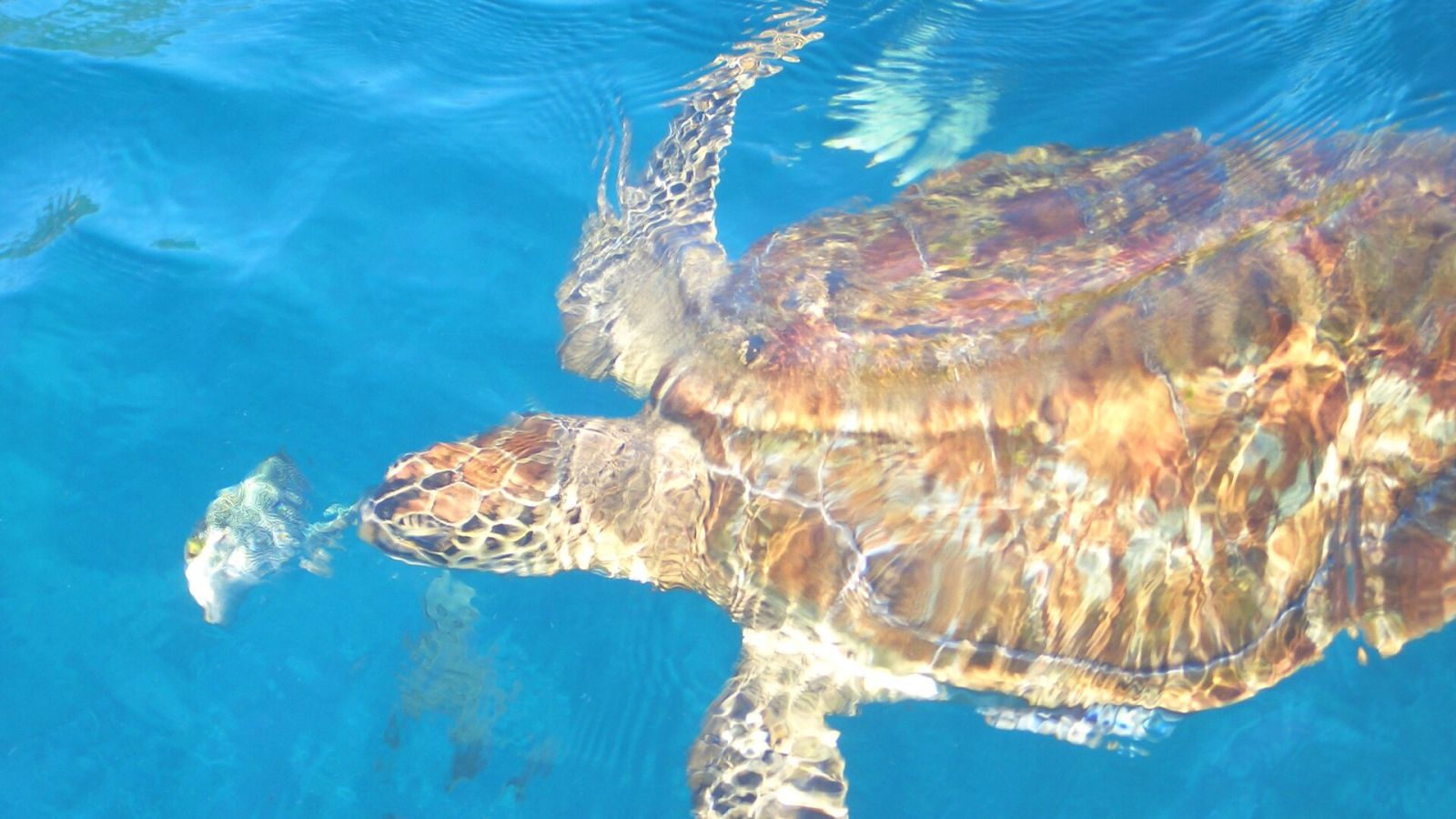
Koh Tao means "turtle island", and the name is no accident: the underwater world here is generous, and you can snorkel straight off the beach. But the island's real fame is different. It is one of the cheapest places in the world to earn an international diving certificate, and every year thousands of beginners take their first course here. It has more dive schools per square kilometre than anywhere else in Thailand.

The island is small and a touch less polished than neighbouring Samui, which is exactly why it is cheaper and livelier in its backpacker way. Getting here takes longer because there is no airport of its own: you fly to Samui or Surat Thani, then take a ferry, and in rough seas that crossing can be a bumpy one. The best water here, incidentally, is shifted relative to the Andaman side, roughly March to September, so Koh Tao does not always match the general "winter" rule.
Phuket: less a beach than a base
Phuket is the country's largest island and the main gateway to the south. It has a full international airport, so many trips around Thailand start right here. Think of Phuket not as the perfect quiet beach but as a convenient hub: boats leave from here to Phi Phi, the Similans, James Bond Island and dozens of smaller islets.
Phuket's beaches vary. Patong is the epicentre of nightlife, noise and tourism, while Kata, Karon or Nai Harn are noticeably calmer. The infrastructure is the most developed in the country, from hospitals to shopping malls, which is exactly why Phuket is often recommended for a first trip or for families with children. The honest downside: genuinely secluded exotica is almost gone here, and for that you will have to sail on.
Koh Samui and Koh Lipe: comfort and the edge of the map
Koh Samui in the Gulf of Thailand is Phuket's main rival for convenience. Its key advantage is its own airport: you can fly in without an exhausting ferry crossing, which is priceless with kids or heavy luggage. The island offers both the beach gloss of Chaweng, with its hotels and restaurants, and quieter corners in the south. Its calendar is its own: the driest stretch runs roughly February to April, with a short burst of sun in midsummer.
Koh Lipe is the opposite pole, almost on the Malaysian border. A tiny island often called Thailand's Maldives for its impossibly clear shallow water and white sand. There is no airport and no big resorts, getting there is harder and longer, and that is precisely what filters out the crowds. The price for the beauty is the logistics: several transfers and a season tied firmly to November through April, because during the monsoon the island essentially falls asleep.
When should you visit the islands of Thailand?
There is no one answer, and that is the whole point. For the Andaman Sea (Phuket, Phi Phi, Lanta, the Similans, Koh Lipe) the best window is November to April: dry, calm sea, clear water. It is also the high season, with the highest prices and the biggest crowds, especially over the Christmas and New Year weeks. May to October is monsoon here: cheaper and greener, but with rain, waves and closed nature reserves.
The Gulf around Samui and Koh Tao runs to a different rhythm. The worst month here is often November, exactly when the west coast is at its peak. So if you plan to combine both coasts in one trip, check the forecast for each island separately. And remember the Similans: outside the park's official season you simply cannot get in, no matter how good the weather looks.
Getting there, and what to expect
Island logistics are a science of their own. Phuket and Samui have airports, so you fly in directly. The rest are reached over water: speedboats and ferries from the mainland or the larger islands, and it is the sea leg that is most vulnerable to weather. In rough conditions a crossing can be cancelled, and the ride itself can be noticeably choppy, so anyone prone to seasickness should come prepared.
A few more honest details to finish. Entry to national parks (the Similans, Mu Ko Lanta, part of Phi Phi) is almost always charged separately, and those fees keep rising. Coral is fragile, so oxybenzone-free sunscreen is not a fashion but a requirement in many reserves. The most beautiful islands of Thailand are not one perfect beach for everyone, but a choice between a crowded postcard, quiet seclusion and an underwater paradise. Decide which one you are after, check the season and timetables before you set off, and book high-season accommodation well ahead: the best places go months in advance.