

Hanoi may be famous for its scooters, but the city's young riders are shifting gears.
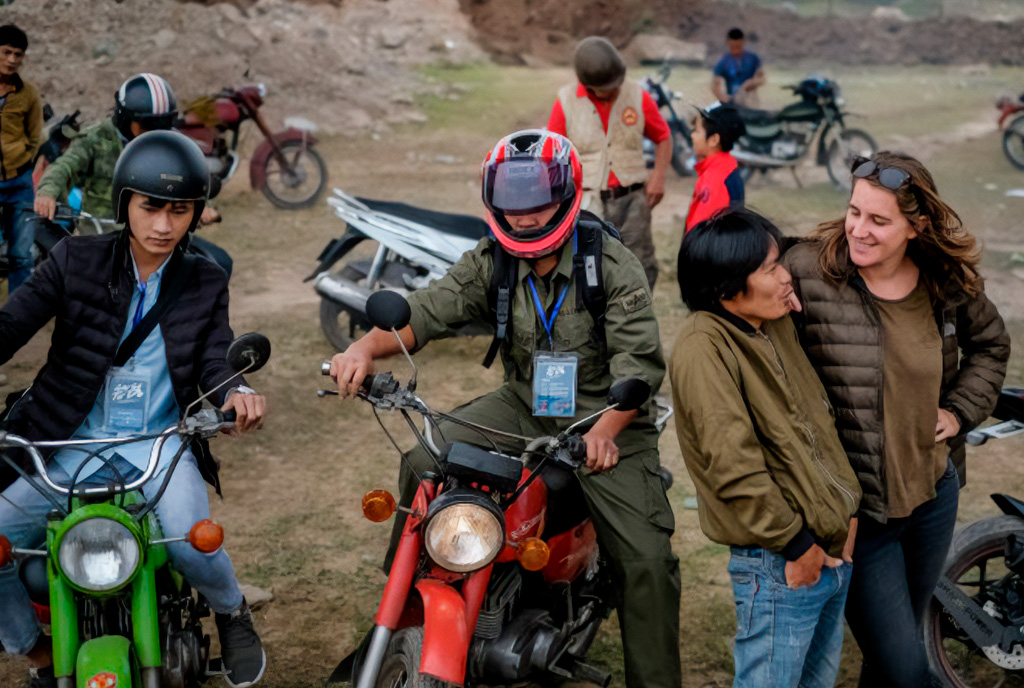
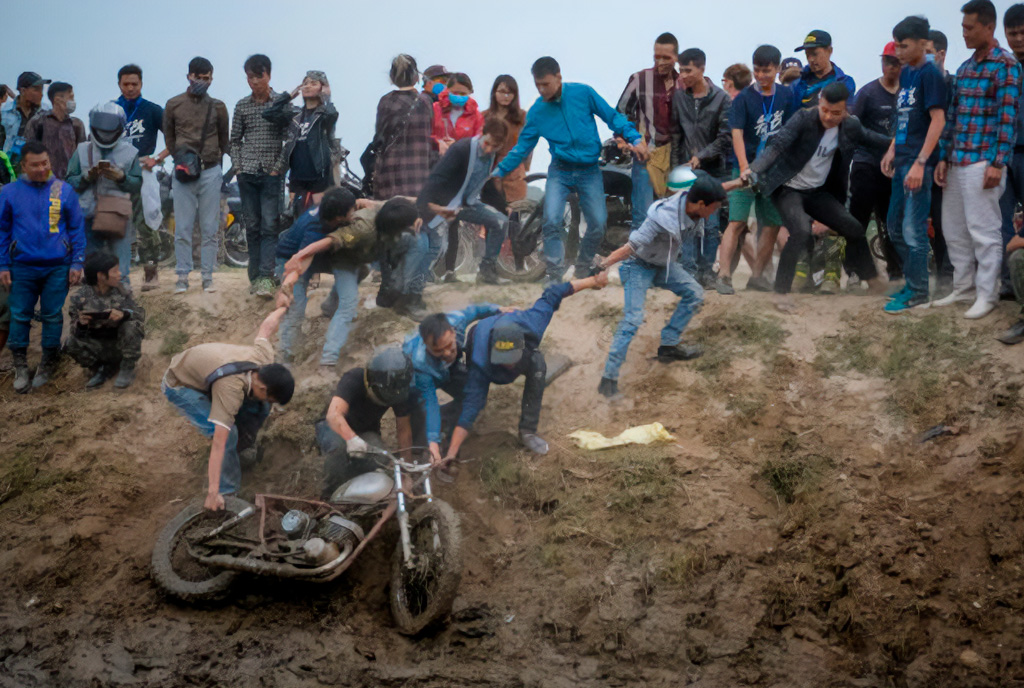
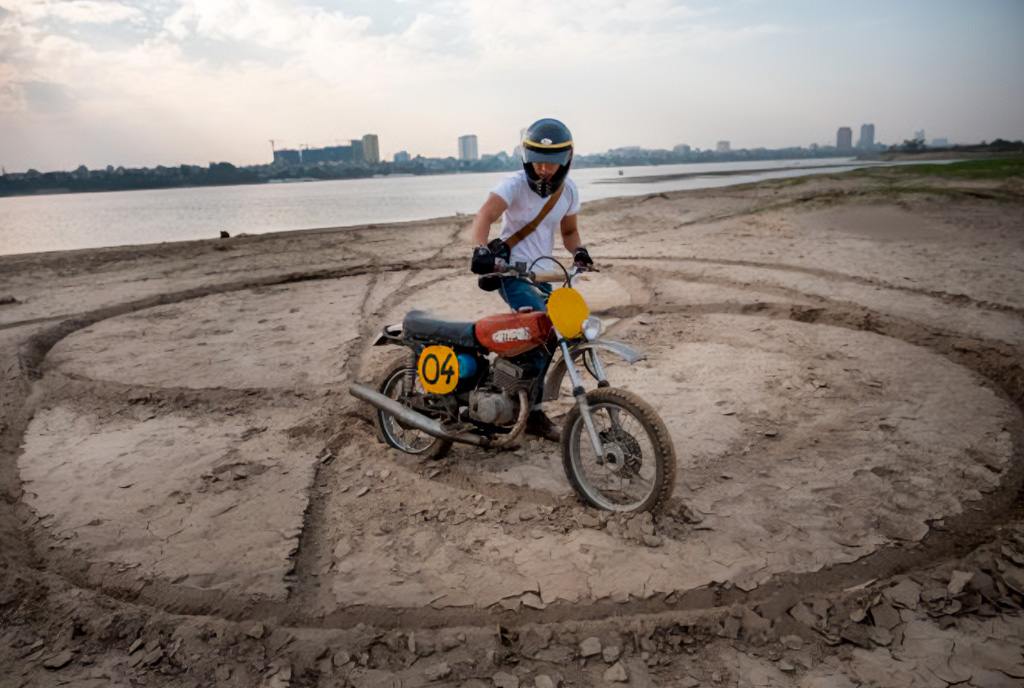
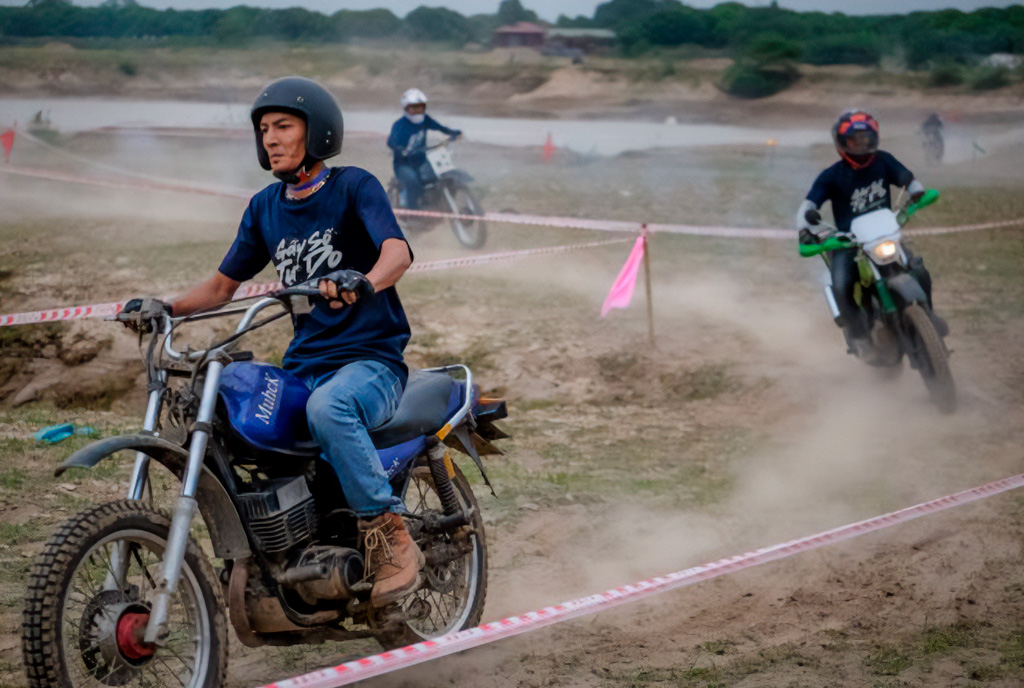
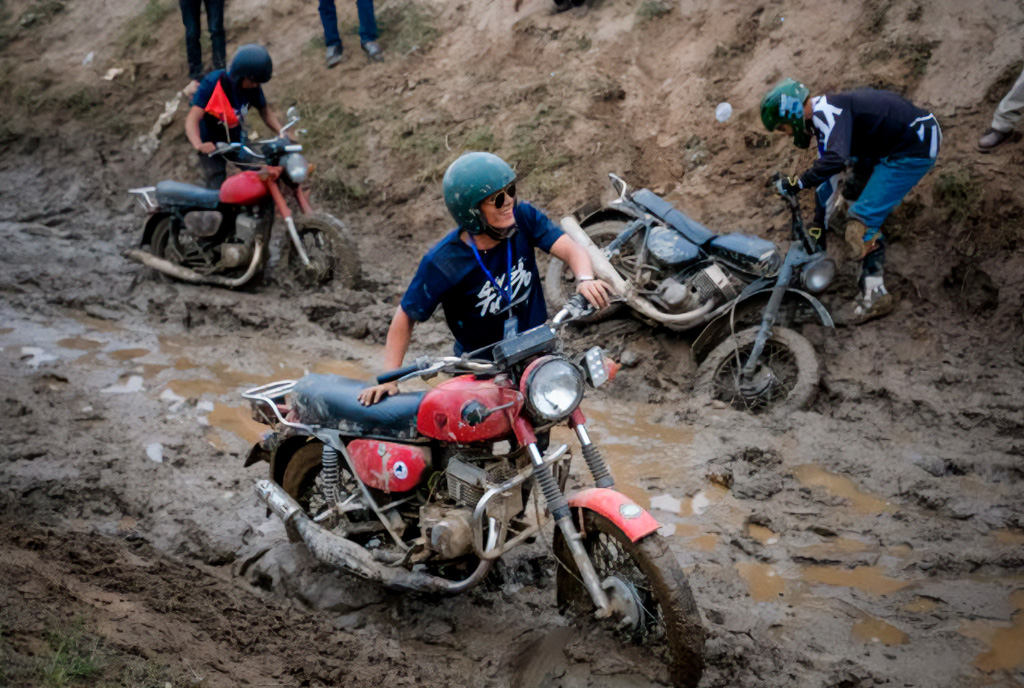
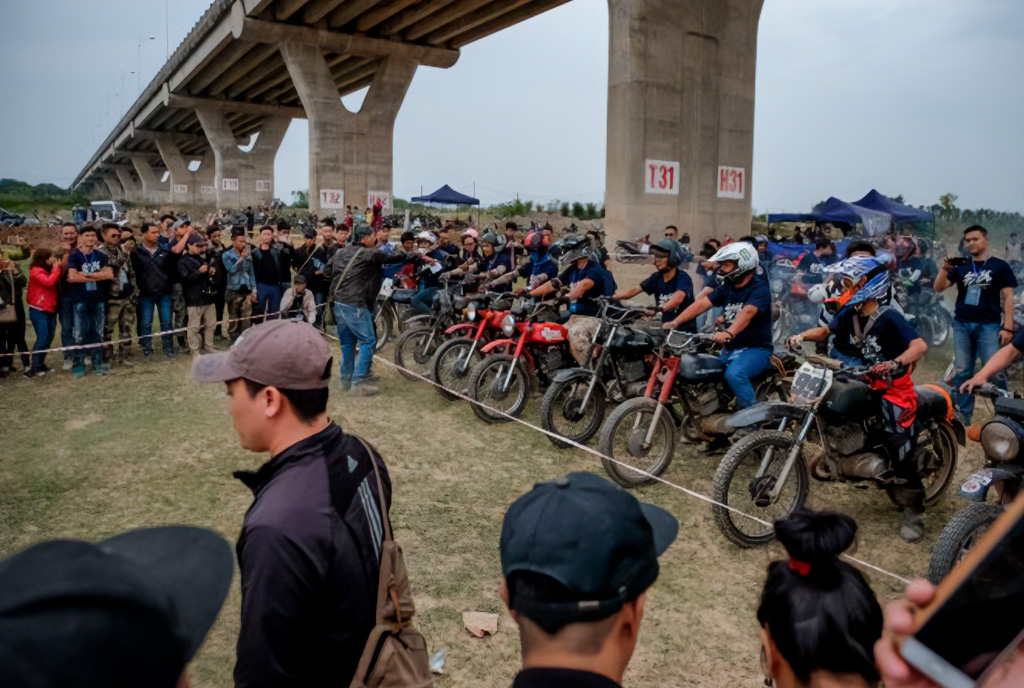
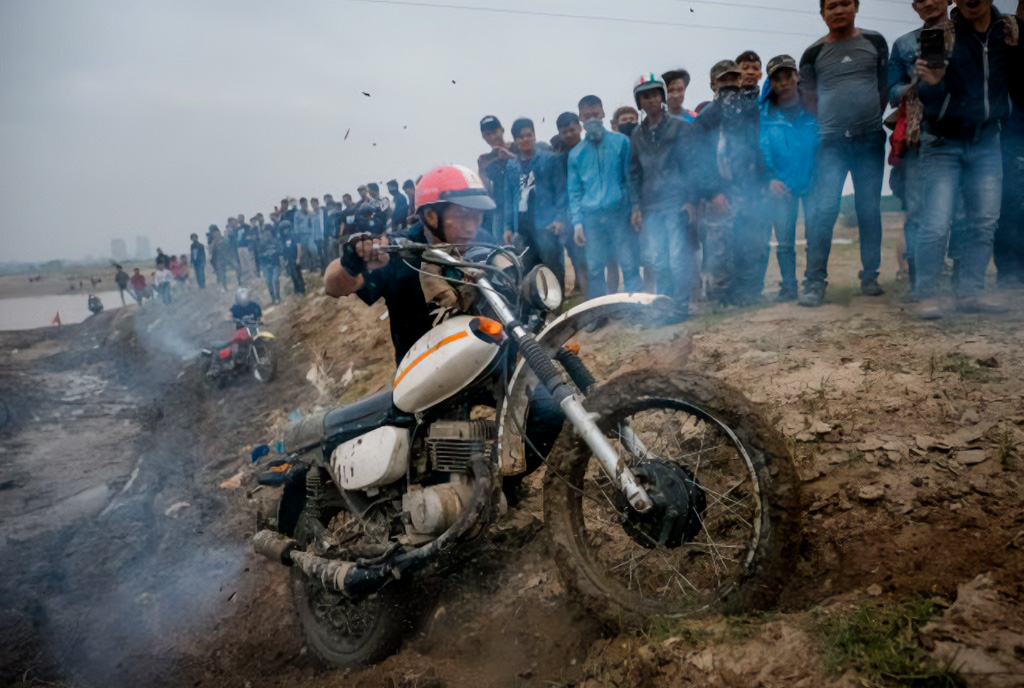
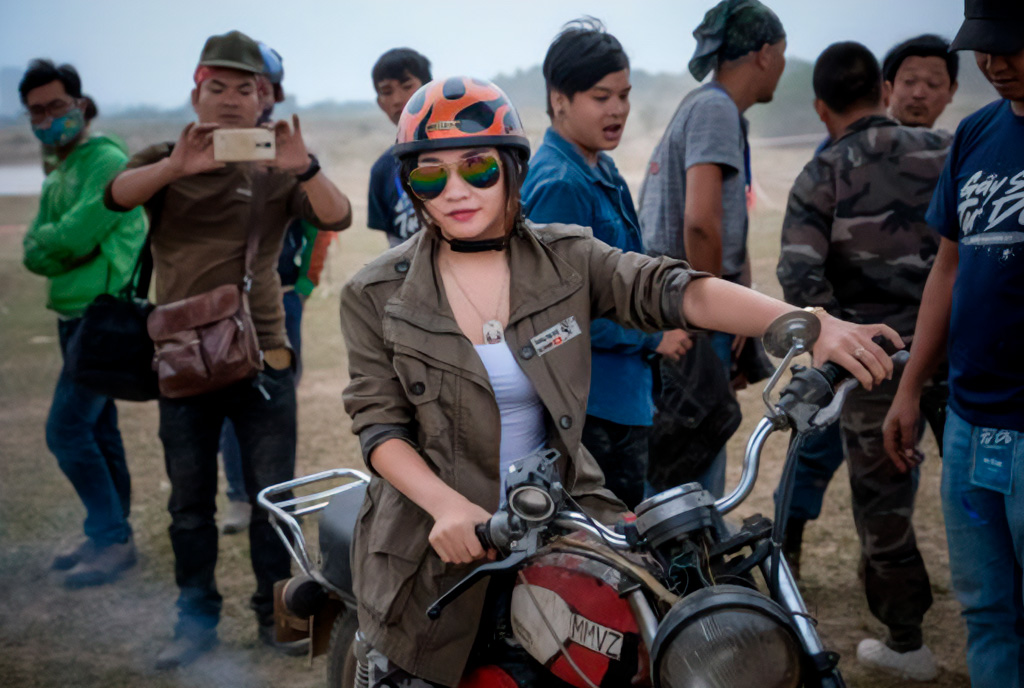
During an off-road rally last November, young motorbike enthusiasts tore through the mud in the countryside beyond Hanoi.
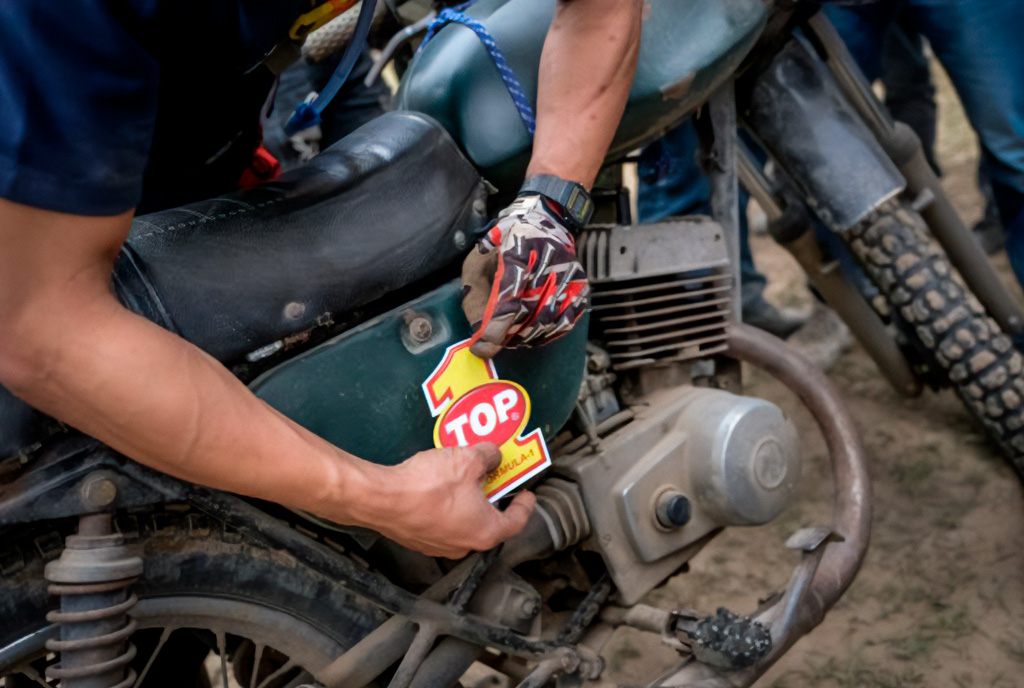
They weren't on jeeps or quad bikes, but on retro Minsk motorbikes dating back to the days of the Soviet Union.
Partner links: booking through them supports the blog at no extra cost to you.
"Around 2010, these bikes started coming back into fashion with young people, and suddenly there were a lot more events and races," says Steve Christensen, a guide at Cuong's Motorbike Adventure.
"Some young people are turning away from the blatant consumerism in Vietnam and embracing this vintage style of motorbike and its DIY spirit instead, and the Minsk is the perfect embodiment of that."
Hanoi's "iron buffaloes"
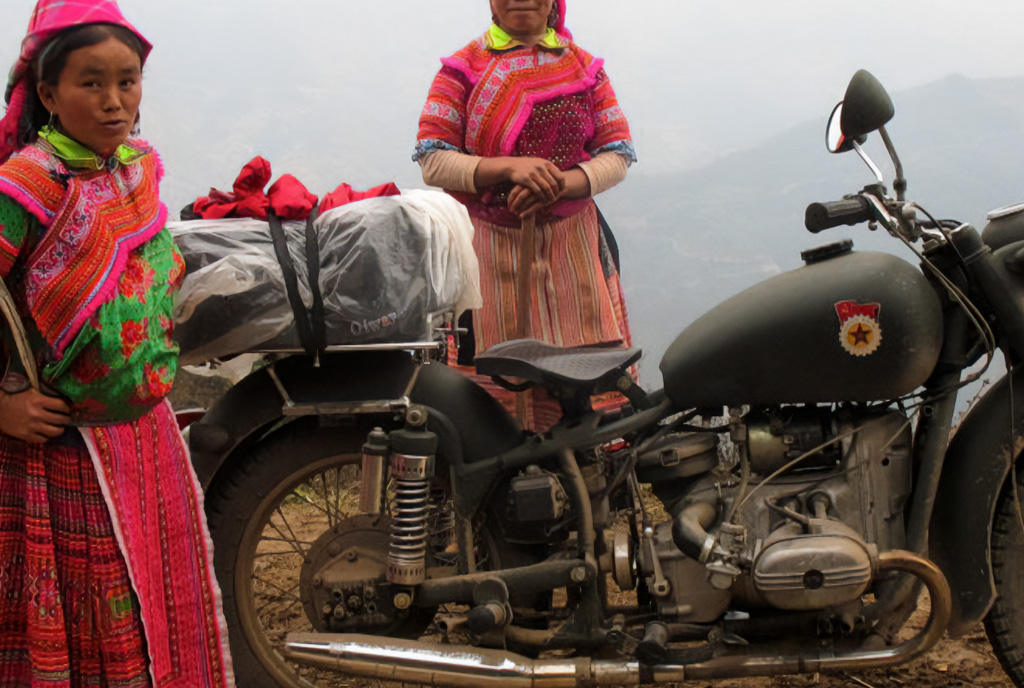
Christensen, one of the early members of the Minsk club, has crossed Vietnam on all sorts of vintage bikes.
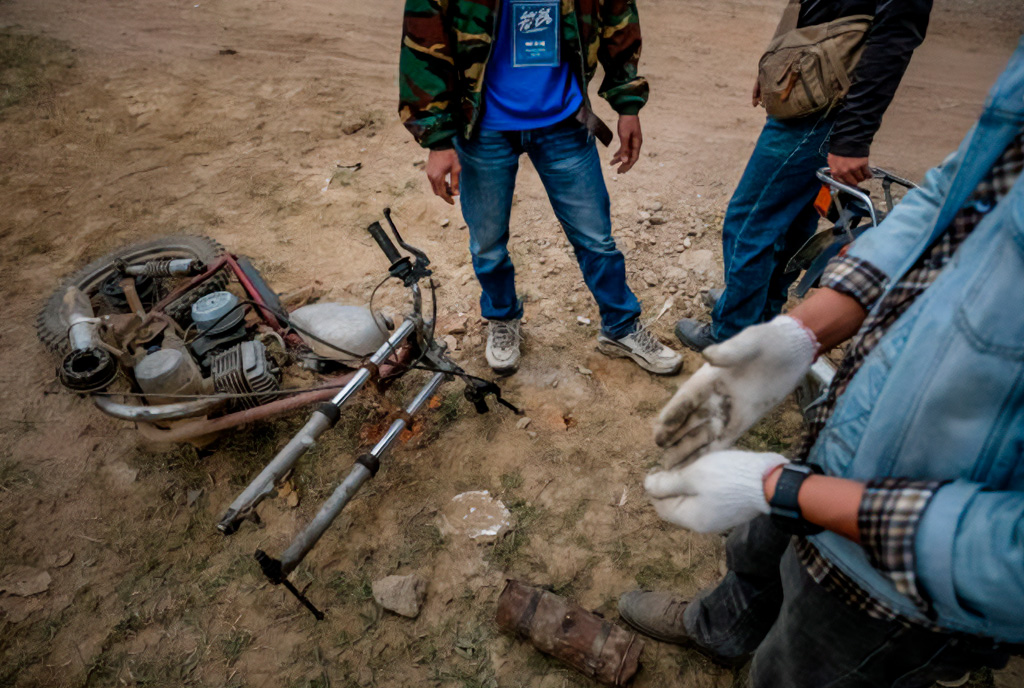
"People describe them as 'iron buffaloes.' They can be hard to start, but once they get going, they'll take you anywhere," Christensen says. "They vibrate like crazy when you ride, and parts fall off along the way."
First built in the Belarusian city of Minsk (then part of the USSR) in 1951, the motorbikes made their debut in Vietnam in the 1960s, then were officially imported from the 1970s through the 1980s.
For the next 20 to 25 years, it was the most popular motorbike in Vietnam, owned by doctors and farmers alike.
"A lot of Minsks were brought to Vietnam in the late '80s by Vietnamese who had been working in the former Soviet Union," says Tommy Nguyen, co-founder of Hanoi Backstreet Tours.
"They bought the bikes really cheap over there and sold them back in Vietnam at a profit. There weren't many motorbikes available at the time, and they could bring them into the country with little or no tax compared to a Japanese bike back then."
Simson motorbikes were another popular import, coming from the former East Germany.
"But the Minsk was more desirable, because it's much stronger and bigger," Nguyen adds.
People describe them as "iron buffaloes." They can be hard to start, but once they get going, they'll take you anywhere.
Steve Christensen, Cuong's Motorbike Adventure
In the 1990s, after the collapse of the USSR, Vietnam struck new international trade deals and began importing American, Chinese and Japanese scooters.
Meanwhile, the Minsk motorbikes, also known as the M1A or M1NSK, found a home in the countryside, where they were put to work as pack mules.
Able to haul everything from cattle to furniture, these rugged bikes let farmers and villagers tackle steep mountain slopes.
"They were more popular in the north, partly because of the connection to the Eastern Bloc countries, and the mountain roads were almost impassable," Christensen says.
"Using a scooter like the Honda Dream just wasn't an option for farming communities. The Minsks were strong and could carry heavy loads."
The first wave
By the turn of the century, groups of expats had started rediscovering these tough old motorbikes.
In 1998, the first Minsk club was founded, and the group made regular trips around the country.
"The Minsk cult grew out of our love for the country and our exploration of the northern mountains," Christensen says.
"Back then, it was the best bike you could get for riding rough country roads (thanks to the high taxes on other imports)."
"It was also a way to connect with locals and hill tribes, because we were riding the same machines. You can fix them in just about any village, though they need constant repairs."
Minsk mania
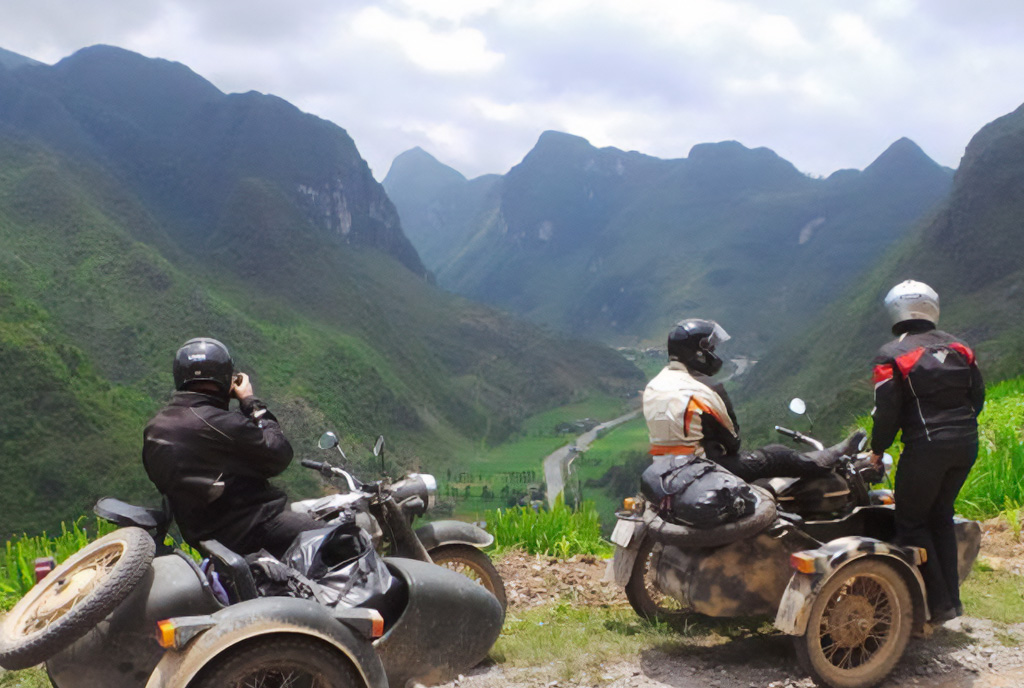
Minsk motorbikes are still unreliable, noisy and terrible for the environment, notorious for belching clouds of exhaust into the air.
They aren't especially fast either, topping out somewhere between roughly 30 and 60 miles per hour, and they demand constant mechanical attention.
And yet, despite all their flaws, a new generation of Vietnamese has fallen for them.
Why? They're usually affordable (around $300 to $400 for a used bike) and fairly easy to kit out with custom parts.
(Vietnam's youth) are turning away from the status symbol of a flashy city scooter.
Steve Christensen, Cuong's Motorbike Adventure
"Over the past few years, more and more young Vietnamese have taken up the Minsk for the sense of adventure," Christensen says.
"They're turning away from the status symbol of a flashy city scooter and instead exploring their own country and living in a rugged, Soviet-era style," Christensen says.
The avid rider says the trend is spreading across the northern Vietnamese countryside, where young people are setting up Minsk clubs and events in small towns.
"These guys really love their bikes and that feeling of freedom they give you," he adds.
Nguyen of Hanoi Backstreet Tours says the revival of these bikes also reflects a rejection of modern consumer values.
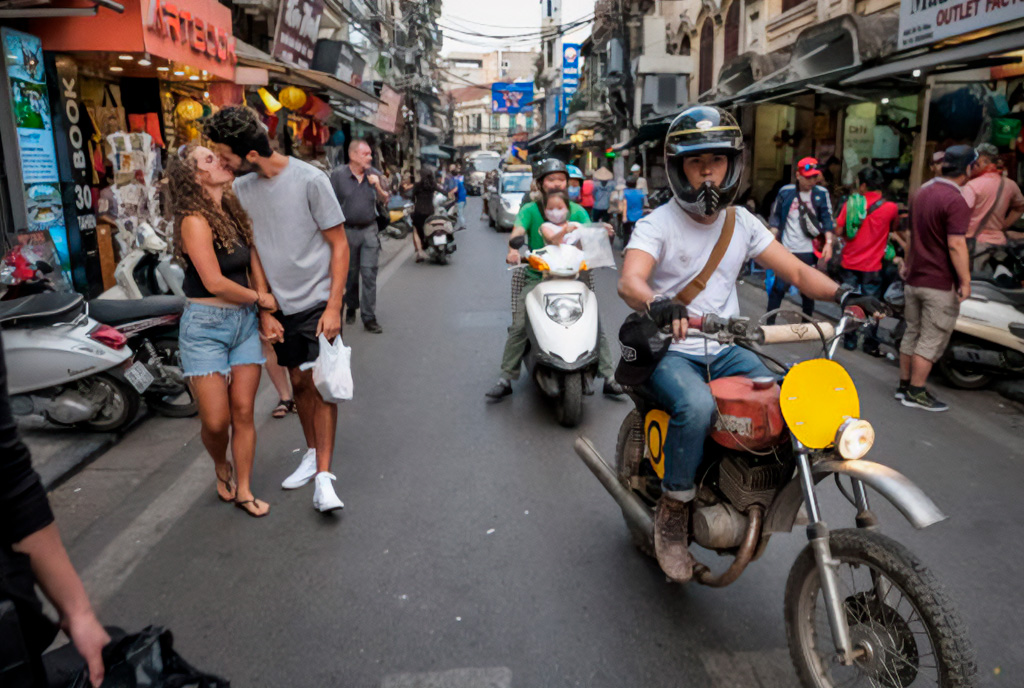
"Minsks are strong and manly. They're rough and ready in the maze of Hanoi's alleyways," he says.
"It's a trip down memory lane, a way for Vietnamese to look back on the era of collectivism."
Free riding
Today, not many vintage bikes are left in Vietnam, maybe 6,000, by Nguyen's estimate.
But if you do spot one, it's hard to miss.
"Right now, the Soviet motorbike of choice is the 650cc Ural with a sidecar," Christensen says. "It's bigger and has that classic look; the design hasn't changed since World War II."
Like the Minsk, these vintage bikes promise an exhilarating ride through the Vietnamese countryside.
The Minsk cult grew out of our love for the country and our exploration of the northern mountains.
Steve Christensen, Cuong's Motorbike Adventure
"The most breathtaking ride in the north is along the Chinese border in Ha Giang province," Christensen says.
"The towering black limestone mountains and the hill tribes make the whole experience magnificent."
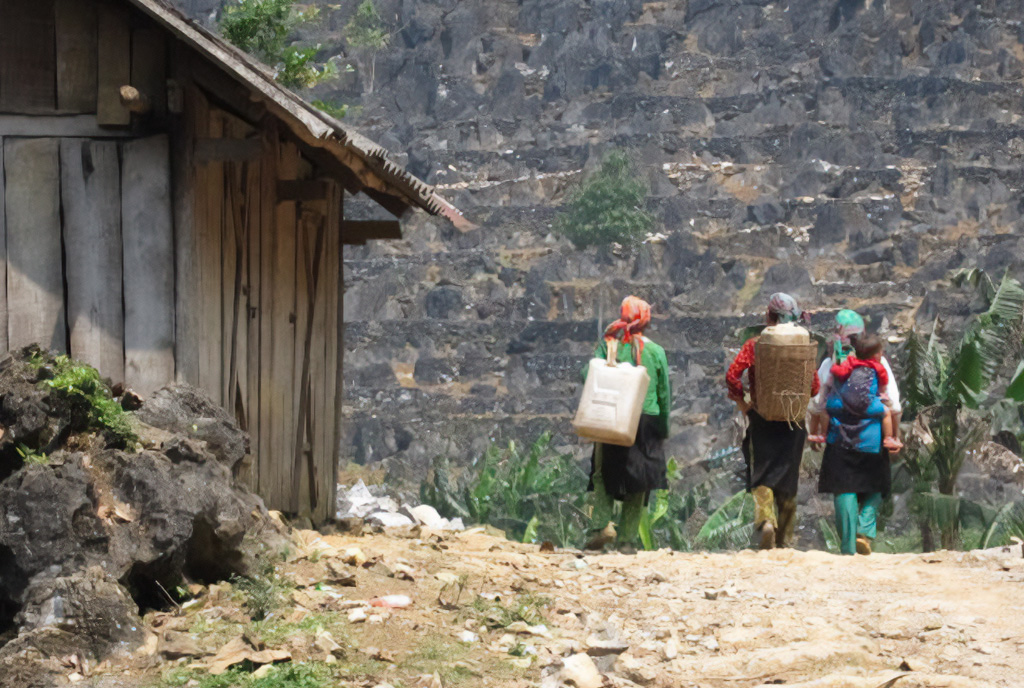
On weekends, riders can stop off at local markets and get the chance to mingle with Vietnamese villagers.
"We try to ride the field roads and single dirt trails through the forest. The scenery is wild," Christensen says.
"I think it's better to meet people in small groups along the road or in the villages, so you can understand how they live and chat over cups of rice wine."
Your ticket to ride
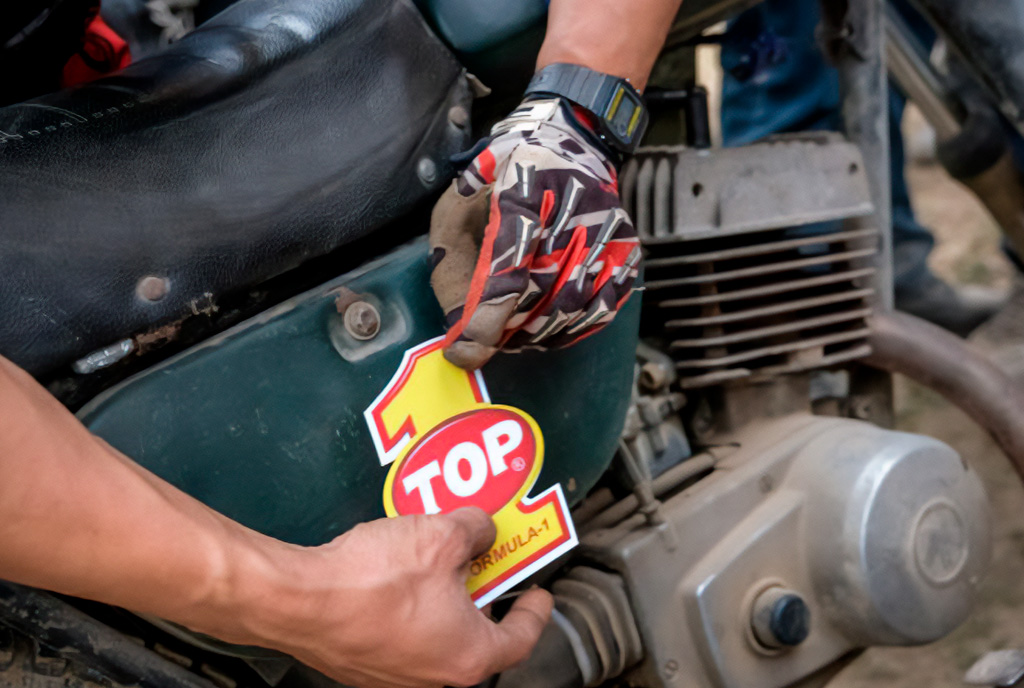
Because these "pack animals" are infamous for their temperamental nature, it isn't an experience recommended for beginners.
"You really need to take a few precautions, like wearing the right riding gear," Christensen says. "Wearing a $3 helmet, shorts and flip-flops just isn't okay."
"So many backpackers just hop on a bike and take off. I see them on the road and I fear for them. The leading cause of death in Vietnam is motorbike accidents. One mistake, and the holiday is over."
To rent a Minsk motorbike in Vietnam or set off on a tour aboard one, travelers will need a valid motorcycle license from their home country and insurance.
Ready to ride? Here are a few rental and tour options:
Cuong Motorbike Adventure: Led by Mr. Cuong, one of Vietnam's top motorbike mechanics and an original member of the Minsk club, Cuong Motorbike Adventure runs three- to ten-day tours through the countryside, the northern mountains and along the Ho Chi Minh Trail.
The company offers tours on a fleet of Minsk motorbikes, vintage 650cc Urals with sidecars (bought from the Vietnamese police) and Honda CRF250s.
Cuong Motorbike Adventure, 122 Vinh Tuy Street, Hai Ba Trung District, Hanoi 10000, Vietnam; +84 91 876 35 15
Flamingo Travel: Another option is Flamingo Tours, which offers rentals along with mixed excursions through the mountains and along the coast.
The service also provides everything you need, from a helmet to a road kit, a rain jacket, 24-hour support, mechanics and much more.
Flamingo Travel, 66 Dao Duy Tu, Hoan Kiem District, Hanoi, Vietnam; +84 91 221 4554
Backstreet Real-life Experience: Prefer to stay closer to the city? Hanoi Backstreet Real-life Experience promises half-day and full-day Minsk rides through the city's narrow streets and alleyways.
On these food- and culture-focused tours, travelers can experience the "real" Hanoi.
Hanoi Backstreet Real-life Experience, 48 Ma May Street, Hoan Kiem District, Hanoi, Vietnam; +84 911 869 900
We Ride Vietnam Travel: Meanwhile, We Ride Vietnam Travel specializes in custom adventure motorbike trips through the countryside, especially in the hard-to-reach areas of Vietnam and Laos.
For example, a 12- to 14-day tour from Hanoi to Saigon follows the Ho Chi Minh Trail, passing beaches, towns, jungles and former battlefields.
We Ride Vietnam, 98 Alley 90, Bui Ngoc Duong Street, Hai Ba Trung District, Hanoi, Vietnam; +84 1689 475 688