

"Watch out for dinosaurs."
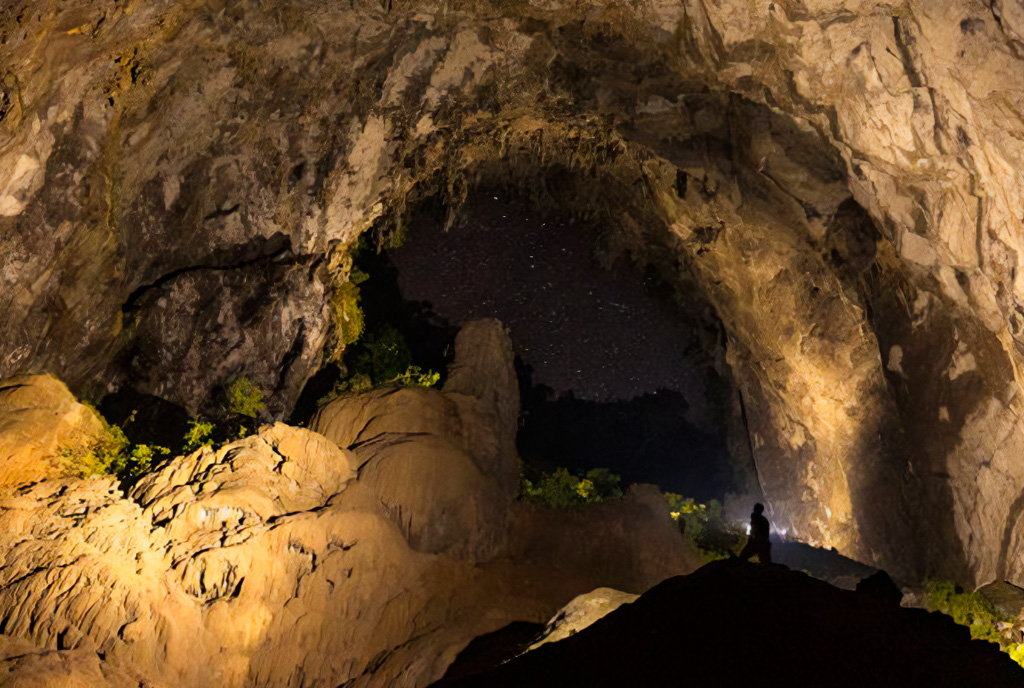
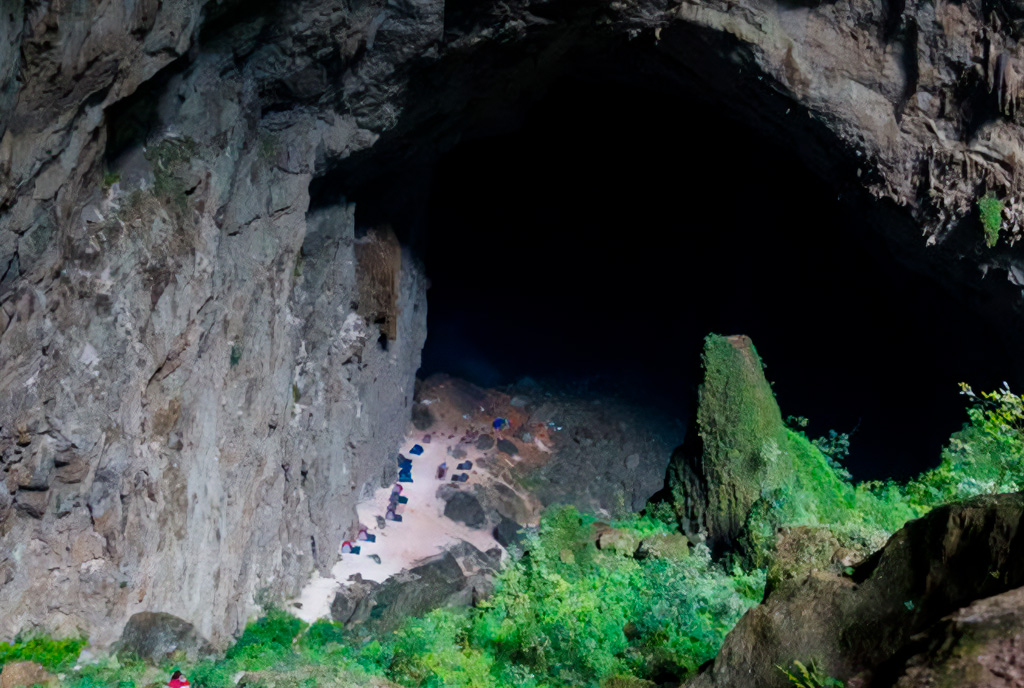
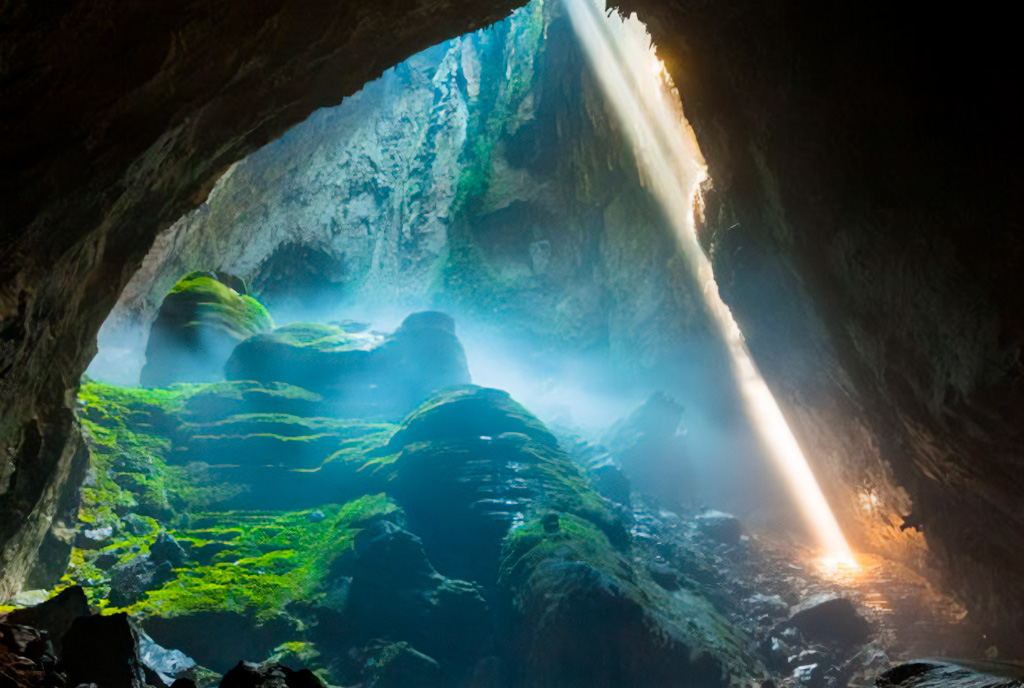
I grin at our guide's warning and step into the lush jungle growing inside Hang Son Doong, a three-million-year-old cave in central Vietnam. Water drips from a gaping rupture in the ceiling more than 100 meters above us. A dramatic shaft of sunlight begins to creep down the jagged rocks. The piercing calls of birds and macaques echo off the limestone, drifting in from an unseen world beyond the skylight.
"Watch out for dinosaurs. That's what we named this place when we first found it," explains caving expert Howard Limbert. The prehistoric atmosphere made the reference an easy one.
Partner links: booking through them supports the blog at no extra cost to you.
We press on, stepping deeper into the void that some consider the largest cave in the world.
The Discovery
Set in the heart of the UNESCO-listed Phong Nha-Ke Bang National Park in Vietnam's Quang Binh Province, Hang Son Doong is one of the most breathtaking places you can visit in Southeast Asia.
More people have stood on the summit of Mount Everest than have seen the surreal beauty inside these vast chambers. Translated as Mountain River Cave, it was first stumbled upon in 1990 by Ho Khanh, a local farmer looking for shelter from a gathering storm in the jungle.
He noticed clouds and the sound of an underground river bursting from a large opening in the limestone, and reported his findings to the British Cave Research Association (BCRA), which was based in Phong Nha at the time.
Sadly, Ho Khanh lost his bearings on the way back, and the cave's exact location stayed a mystery for 18 years. In 2008, while out foraging for food, he stumbled onto the entrance again and returned the following year with Howard and Deb Limbert of the BCRA.
They began exploring the cave, and in 2010 they determined it to be the largest ever discovered in terms of the size of its cross-section. The news stunned the caving world.
The Expedition to Hang Son Doong

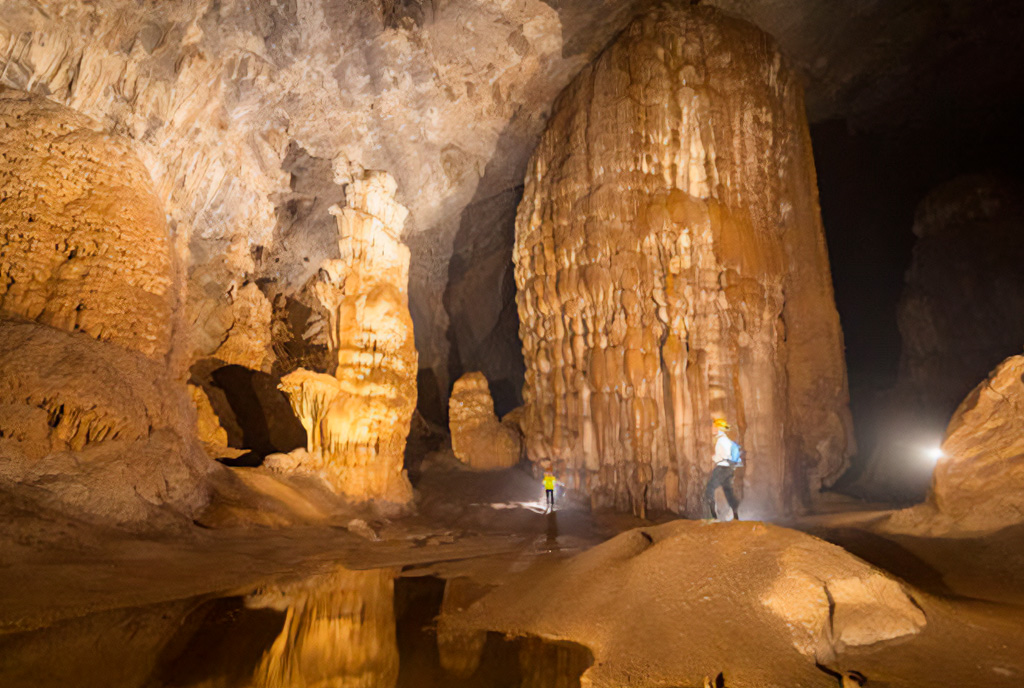
Stretching more than five kilometers in length and reaching heights of 200 meters, the main cavern of Hang Son Doong is big enough to hold an entire New York City block.
In 2013, Hang Son Doong was opened to the public for the first time, when the adventure travel company Oxalis launched an exclusive five-day expedition. Limiting the tour to a single operator has protected the cave from mass development. Only 10 clients are allowed on each departure. Tours run once a week from February to August every year.
The ecosystem inside Hang Son Doong is as unique as it is vast, and it even has its own localized weather system. Rare limestone cave pearls are scattered across dried-up pools, and the tallest stalagmite ever found rises 80 meters high.
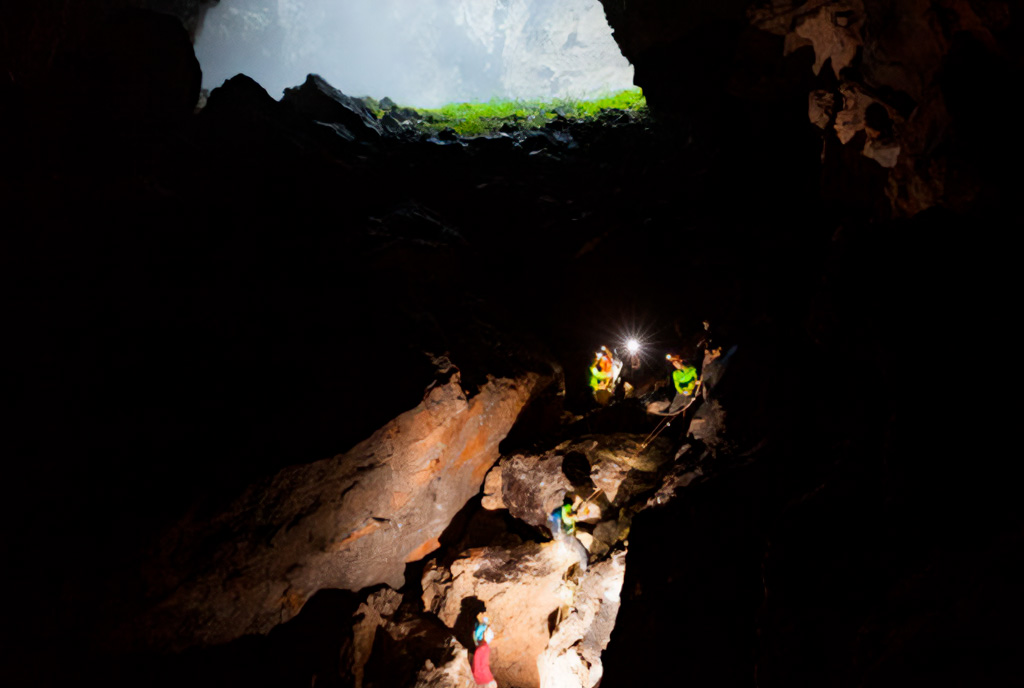
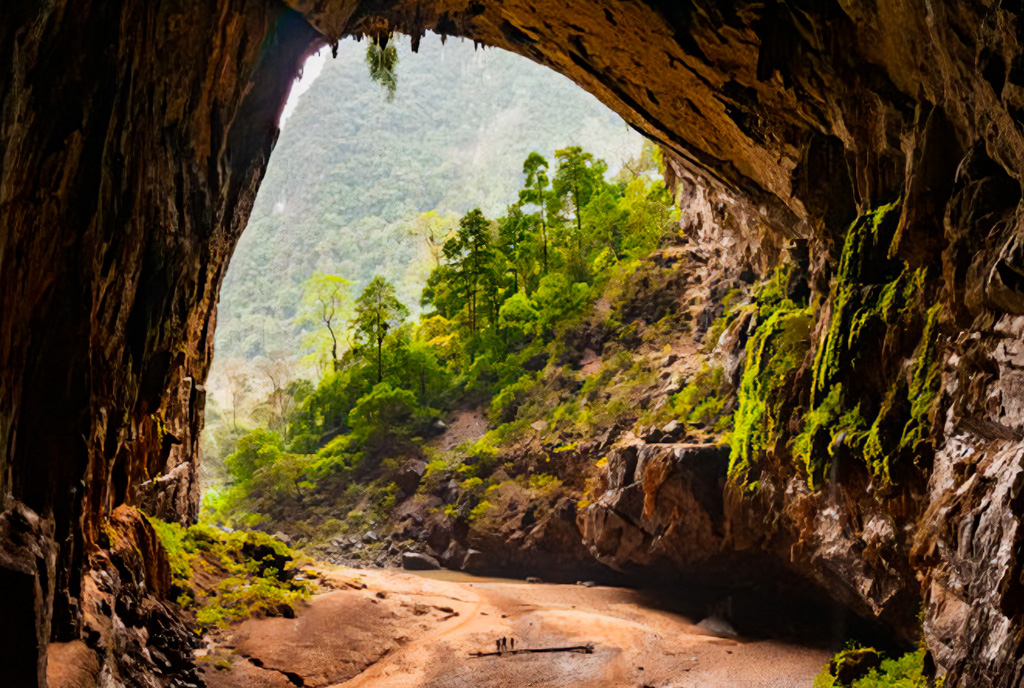
Collapsed ceilings have created openings known as dolines, which allow vegetation to grow inside the cave. In the darkness, microscopic organisms thrive.
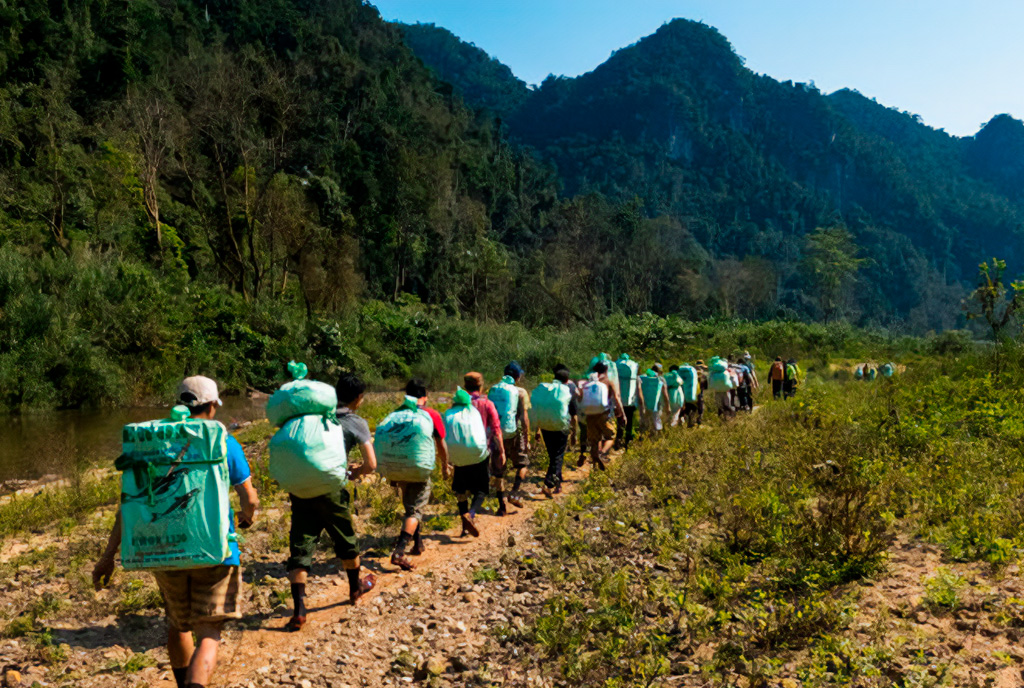
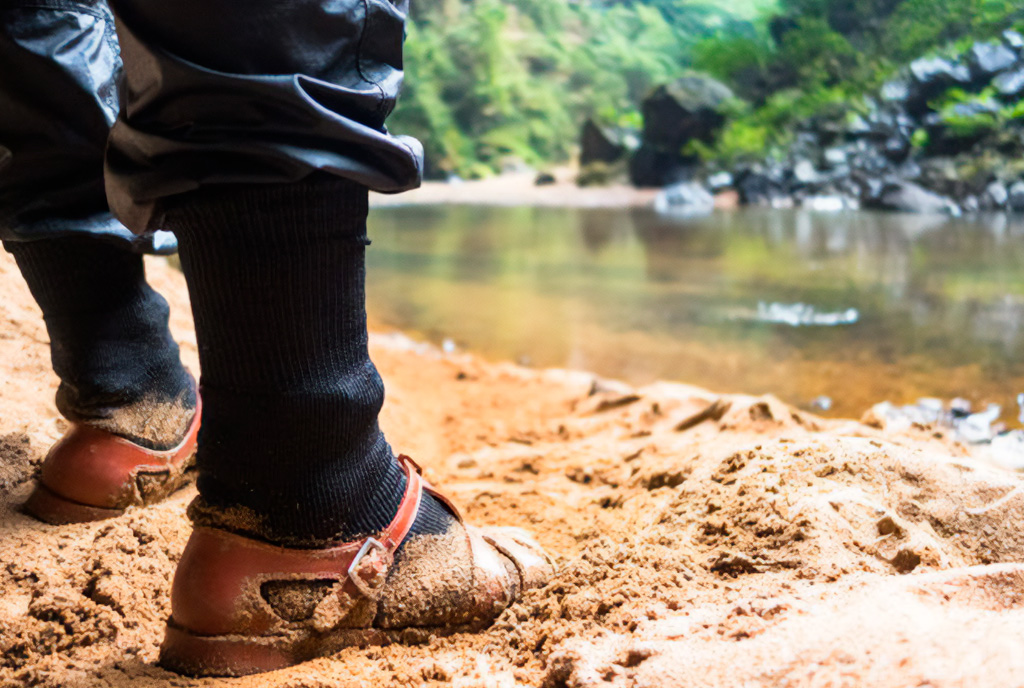
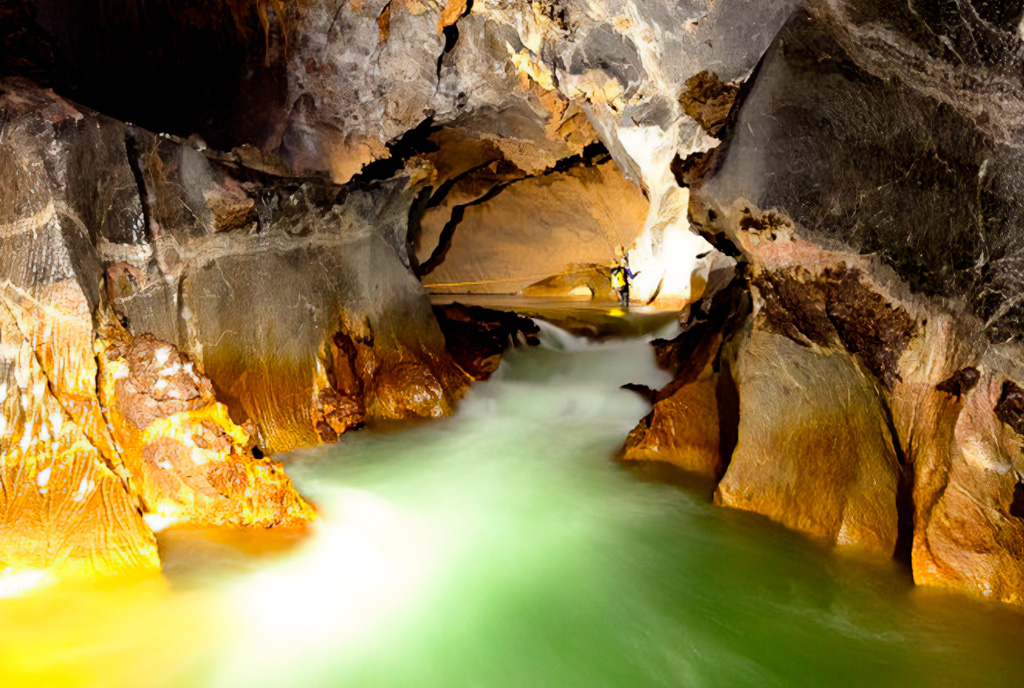
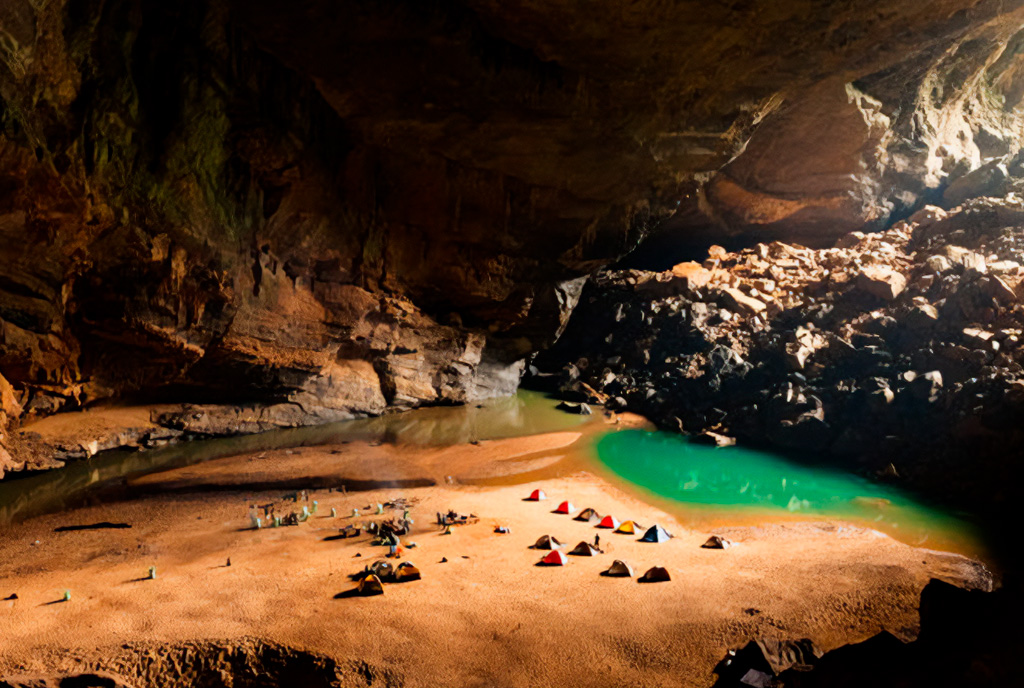
The journey to Hang Son Doong is not for the faint of heart. It involves two days of intense jungle trekking and river crossings just to reach the entrance, with nights spent camping inside the cave and in nearby Hang En, now known as the third-largest cave in the world. Once inside, travelers must abseil down ropes, climb, crawl and swim through underground rivers to reach the far end of the cave. It is an adventure like no other.
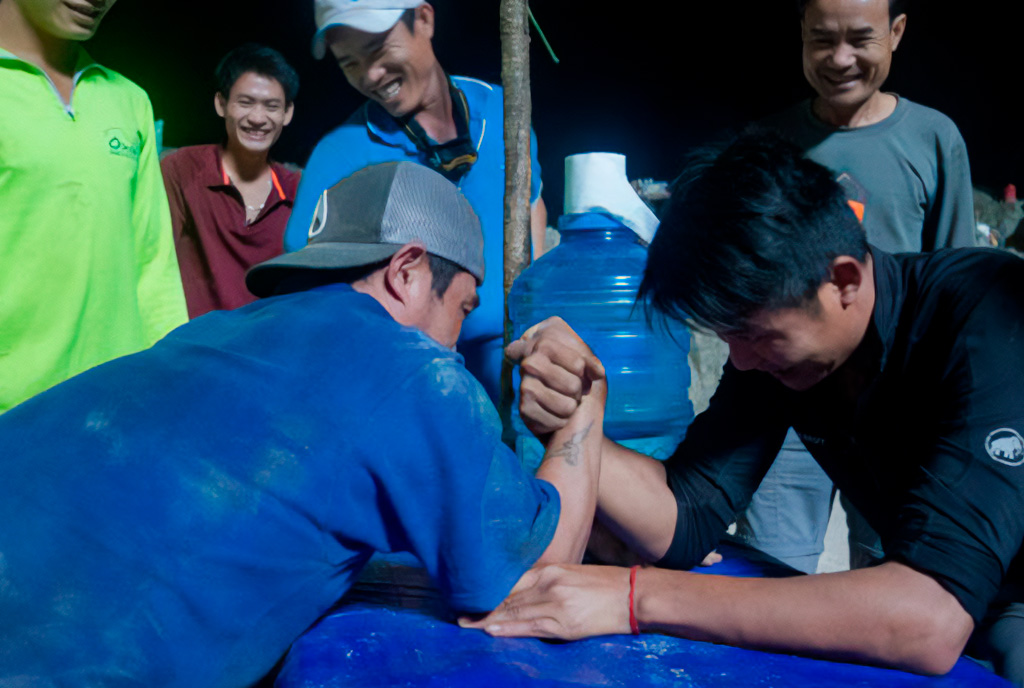
Despite the physical demands, guests are looked after superbly: two caving experts, three local guides, two chefs, two park rangers and 20 porters join every expedition. The scale of the operation is phenomenal, and it ensures the safety and wellbeing of everyone, along with the preservation of the cave, which is cared for with expert precision.
New Discoveries
Beyond the incredible experience and the unique beauty of this adventure, the journey to Hang Son Doong has sparked the growth of an industry that has improved many lives: tourism.
Quang Binh Province was long one of the poorest regions in the country and was heavily bombed during the Vietnam War.
Unexploded ordnance is scattered across the fields and jungles, putting thousands of lives at risk every day.
Many locals collect and dismantle these unexploded bombs, selling the dynamite and metal for scrap. Countless lives have been lost through this dangerous practice, but for some there was no other way to feed their families.
When the colossal caves of Phong Nha were discovered, travelers began arriving for the first time. Villagers seized this new opportunity and began focusing on tourism. The positive results sent the local economy blossoming.
New community guesthouses are being built, and a once-poor town has been given a new lease on life. The recent discovery of 57 new caves has also thrilled the people of Phong Nha, who have watched their tiny village rapidly become the adventure capital of Southeast Asia.
Inspired locals have launched companies offering mountain biking, hiking, kayaking and eco-conservation tours that run alongside the caving.
A Fragile Ecosystem

In recent years, however, a new threat has emerged that could jeopardize the integrity and ecological grandeur of this area.
The Vietnamese developer Sun Group pushed for the construction of a cable car to Hang Son Doong that could potentially carry 1,000 visitors an hour into the cave. Fierce opposition from UNESCO and the activist group "Save Son Doong" prompted the Vietnamese government to temporarily suspend construction permits in 2015.
Some argue that this increase in tourism would continue to benefit the local community, while others fear the destruction of the ecosystem that heavier traffic would bring.
Similar projects on Mount Fansipan, Vietnam's highest mountain, and in Ha Long Bay have caused dramatic environmental damage. Will history repeat itself with the largest cave in the world?
The cable car development continues to loom in the background, and no one knows whether approval will ultimately be granted.
As one of the last truly untouched environments in the region, Hang Son Doong is a place so magnificent that it demands protection. One can only hope that a sustainable and responsible decision is made in these critical months.
For now, the people of Phong Nha are enjoying this new opportunity that the colossal caves have given them, and Hang Son Doong remains as beautiful as ever.