

It may have been the worst-kept secret in the restaurant world, but Michelin has finally confirmed that the rumours were true, and the revered guardians of all that is right and good in dining will launch a guide to the Thai capital before the end of 2017.
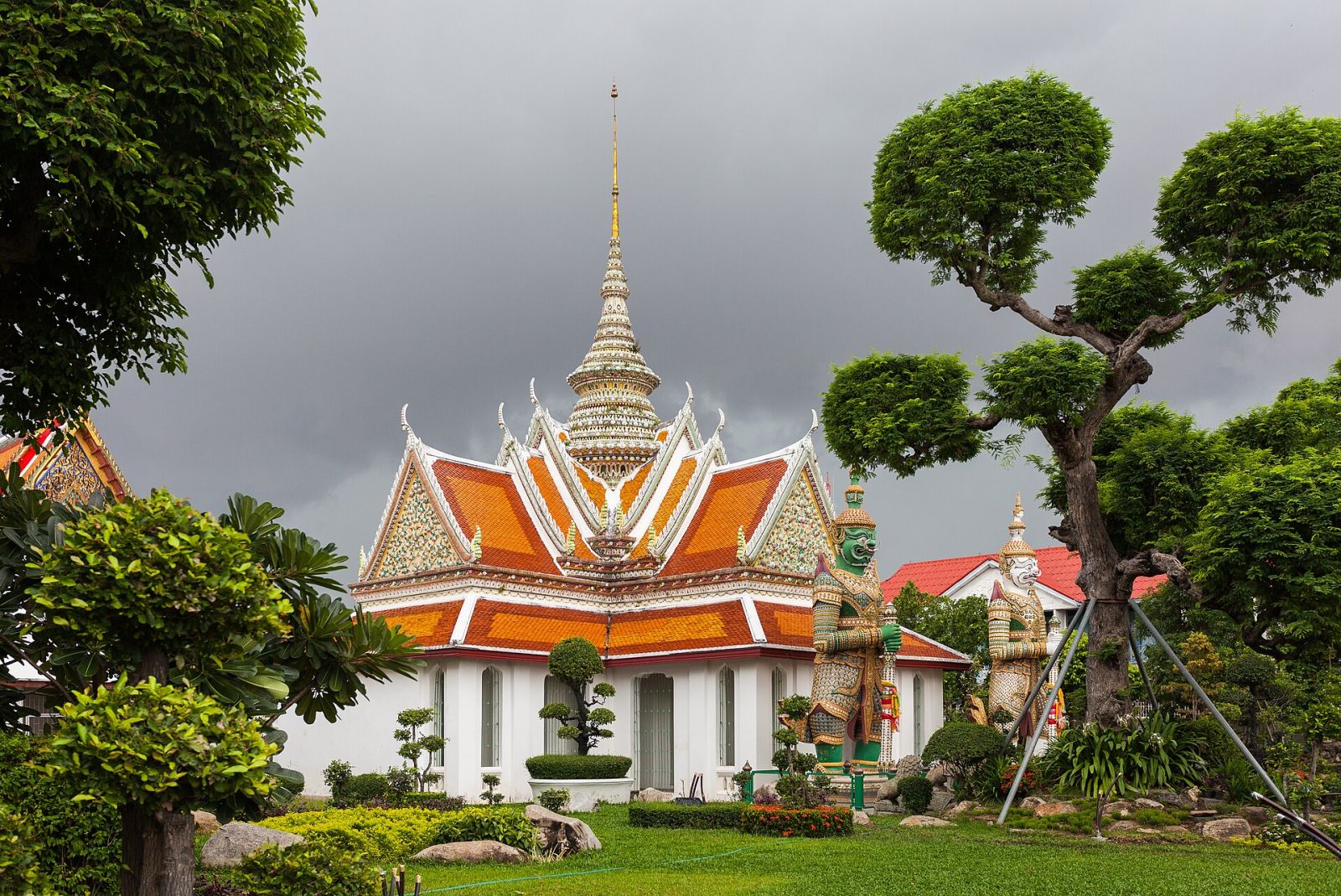
The news was announced in the grand setting of Bangkok's Phaya Thai Palace, underlining the fact that this edition of the Red Guide carries official standing, being the result of a partnership with the Tourism Authority of Thailand.
Bangkokians may feel it has been a long time coming, since this is the last territory in Asia to earn the nod, following two in Japan and China, as well as Singapore and Seoul.
Partner links: booking through them supports the blog at no extra cost to you.
"A Canyon of Mediocrity"
Yet a decade ago, any serious suggestion that the City of Angels had a critical mass of top-tier restaurants capable of drawing Michelin's approval would have sounded like a bad joke.
Between a handful of pricey restaurants and a lively street-food scene lay a canyon of mediocrity.
The supply of quality ingredients was patchy, and service, surprisingly for a culture that prides itself on its warm hospitality, was often clumsy, even in the big hotels; the latter is still an issue and may be one reason Michelin took so long to reach Bangkok.
But in 2009 and 2010, the Australian David Thompson opened Nahm on Sathorn Road, while his proteges Dylan Jones and Bo Songvisava started Bo.Lan near Sukhumvit, forcibly (and sometimes tactlessly) reacquainting Thai diners with their own culinary heritage.
And things started happening all at once.
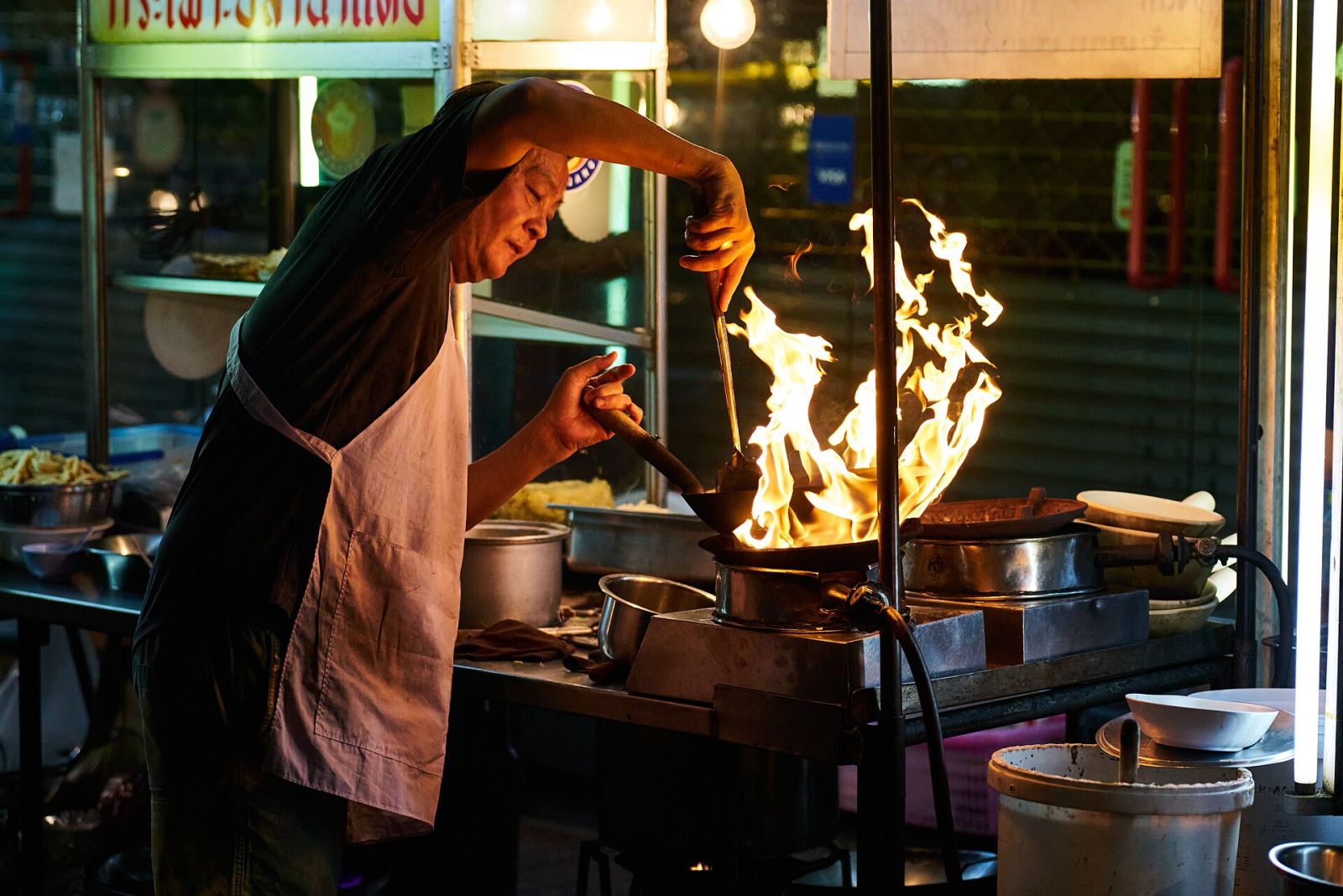
Restaurateurs suddenly realised there was an untapped pool of locals and expats who took good food seriously, whether Thai or foreign.
Thai chefs, stung by an Australian telling them how to cook their own food, raised their game in a spirit of healthy competition.
A few savvy Western chefs, refugees from the recent economic crisis, turned up in Bangkok and began trading ideas and inspiration with their Thai counterparts.
Into the gap left in Michelin's absence stepped the mysterious judges of the World's 50 Best operation, who started to notice that some Bangkok restaurants now offered the same quality and inventiveness as the leading names in Tokyo or Hong Kong.
Gaggan Anand, with his conceptual, molecular take on Indian cooking, has topped the Asian ranking for the past three years.
Which Bangkok Restaurants Deserve a Star?
So who will make the list?
Nahm and Bo.Lan look like safe bets, as does Gaggan.
I would also place a small wager on Sühring, the project of a pair of German identical twins bent on freeing their native cuisine from its heavy reputation; and Le Du, where the dangerously talented Ton Tassanakajohn seems to reinvent Thai food every few weeks.
For more traditional readings of local dishes, Issaya Siamese Club and Paste should also be quietly confident.
L'Atelier de Joël Robuchon will get a nod because, hey, it's Robuchon, and he attracts Michelin stars seemingly without effort.
Le Normandie at the Mandarin Oriental and the venerable Blue Elephant deserve recognition for having been beacons of quality in the lean years, when almost everything else was a little bit rubbish.
Chinese and Japanese cuisine may be represented by M Krub and Sushi Masato respectively.
It isn't only about starched tablecloths, though.
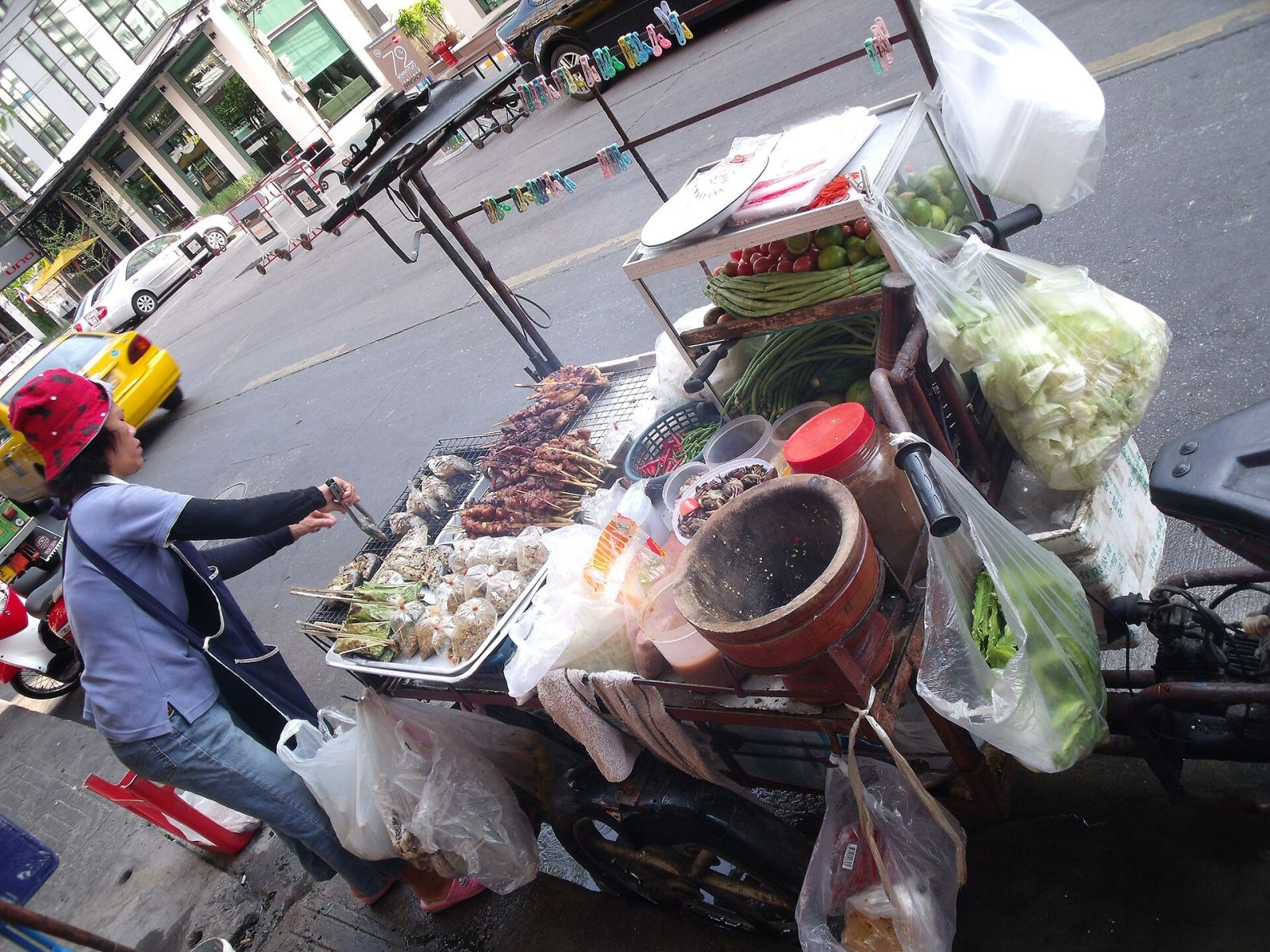
One trend in recent Asian Michelin guides has been to dig deeper and get acquainted with humbler establishments, exploring street food and the hole-in-the-wall spots where ordinary people eat.
And Michelin's announcement comes at a time when Bangkok's legendary street food is back in the news, with the authorities scrambling to quash rumours that all the vendors will be swept off the pavements and herded into bland, Singapore-style hawker centres.
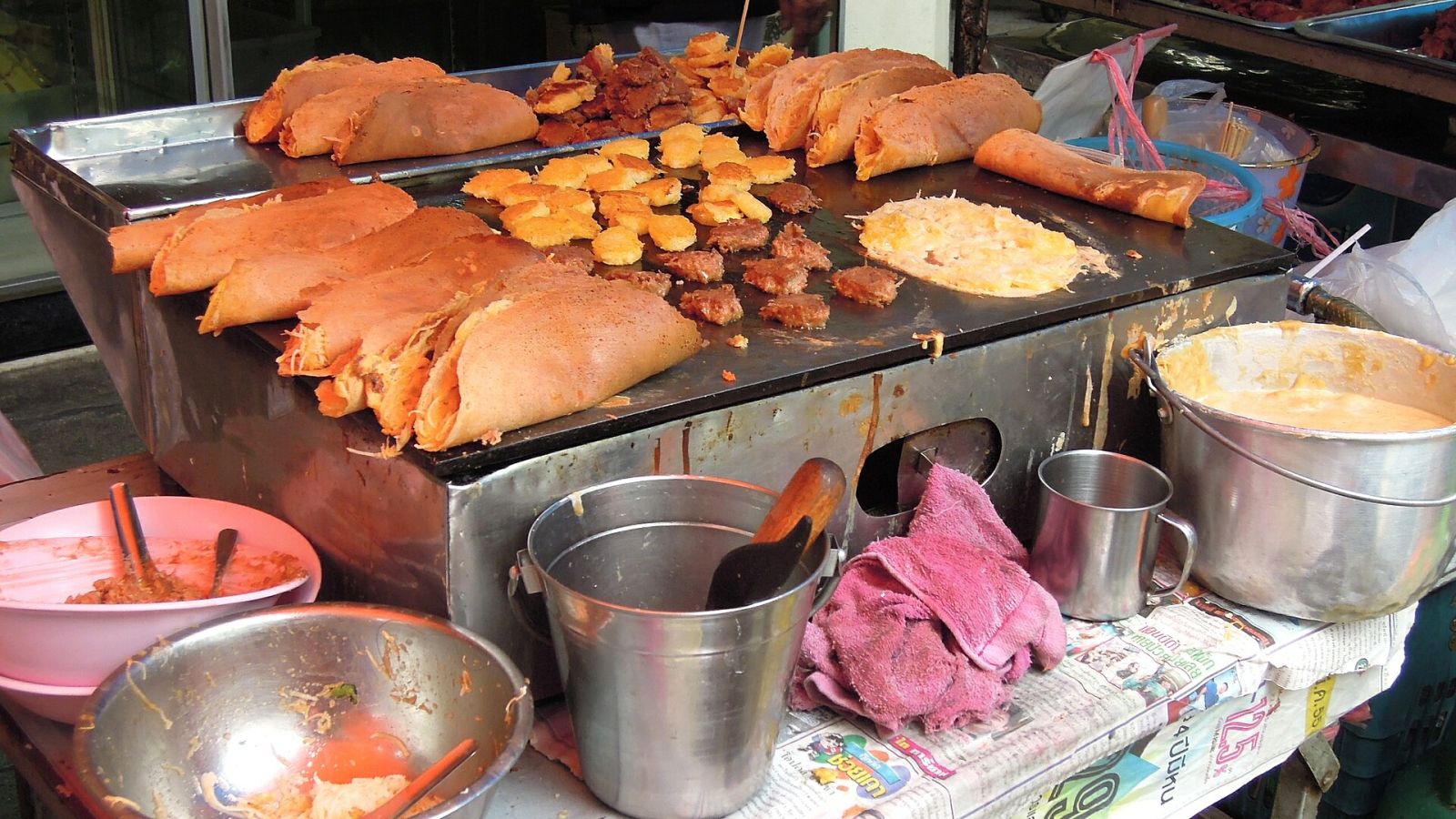
But even if the carts do remain for Michelin's consideration, some critics have argued that these ventures can be tokenistic, picking almost at random a few decent spots to represent an entire cuisine (and, of course, the owners of starred establishments often seem just as stunned as everyone else by their newfound fame, though not so shocked that they forget to raise their prices).
It's a mug's game guessing who will earn the honours here; I would say Somtum Der, purveyors of a fiery, spicy green papaya salad, but the restaurant's New York sister earned and then lost a star of its own over the past couple of years, so perhaps the element of surprise has been lost.
It also has to be said that Thai street food isn't the only humble cuisine being lifted to new heights here. A nod to Peppina's Neapolitan pizzas or the burgers at Crying Thaiger would be a welcome gesture.
Of course, some of the choices will be perverse, and countless armchair critics will say Michelin has missed the point and doesn't understand Thai food, and at least one chef will throw a very public tantrum over being left out (which will probably win his restaurant more publicity than some of the places that actually earn a star or two).
But above all, having its own Red Guide will help convince the doubters and the haters that Bangkok really is a global city worthy of being taken seriously.
Which is a good thing. Isn't it?
Tim Footman has written about food, music and pop culture for The Guardian, the BBC, Prospect, Mojo, Thailand Tatler and the Bangkok Post.