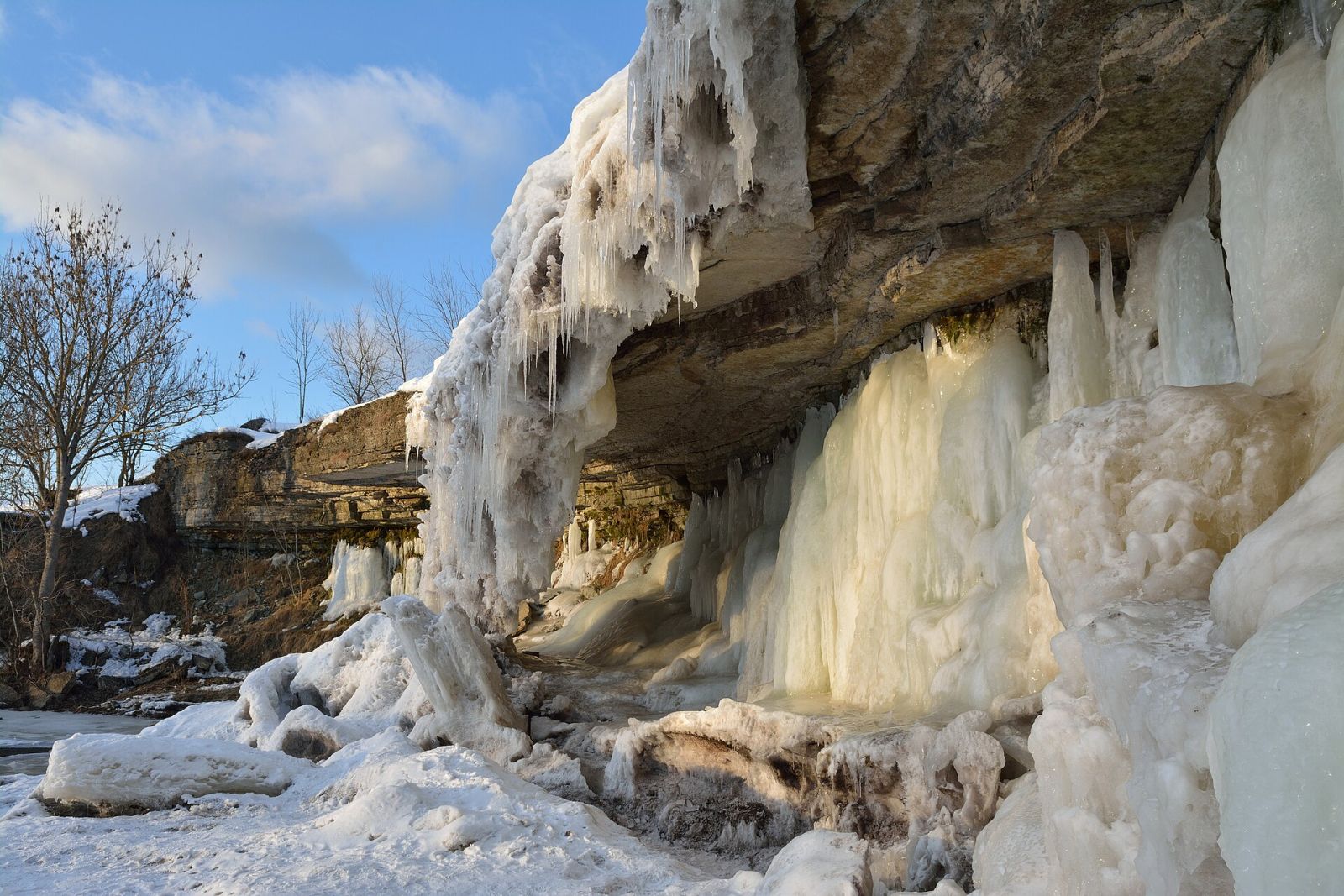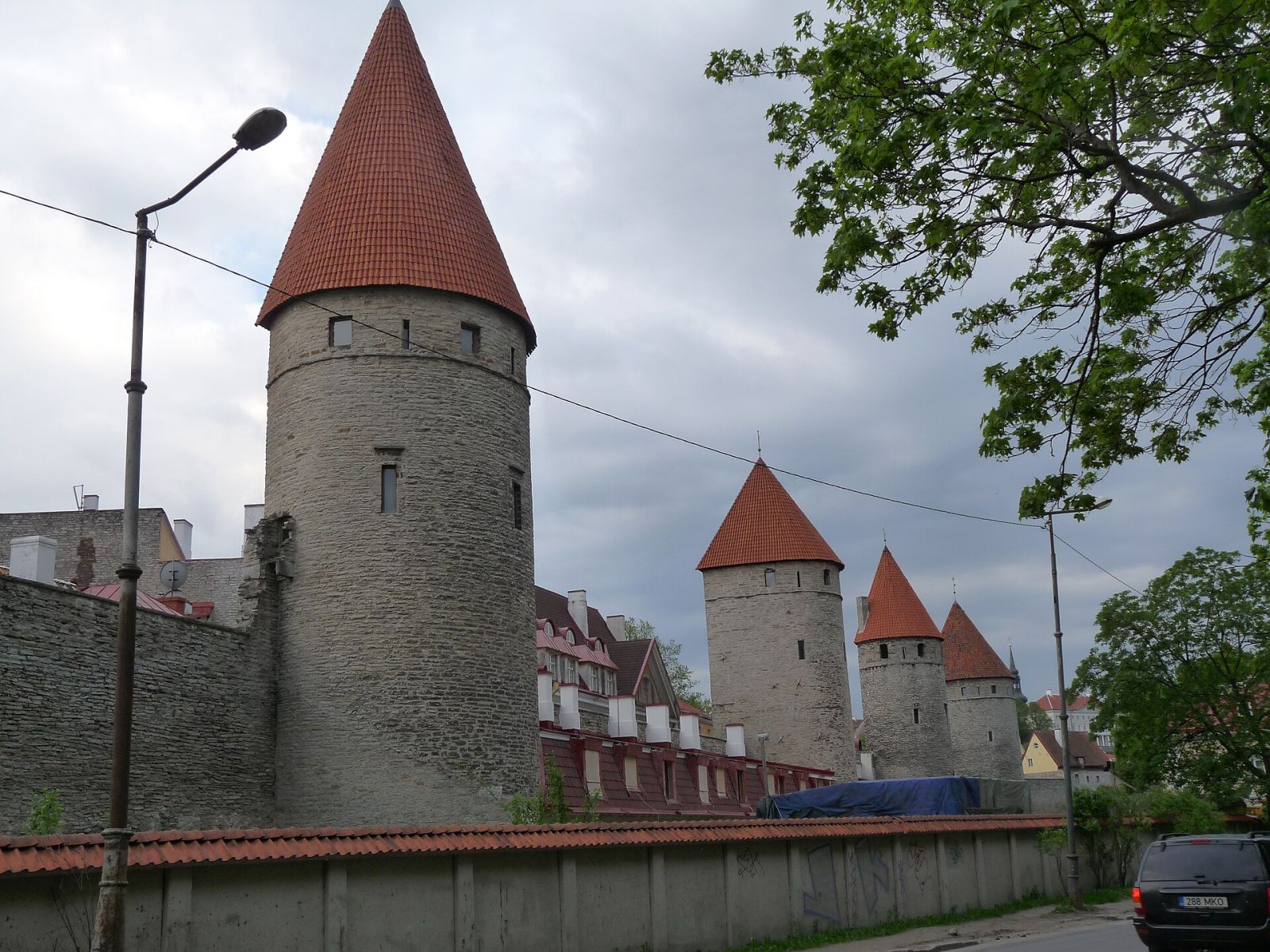


In short, here is what to see in Estonia: medieval Tallinn with its 14th century towers, the boardwalk bogs of Lahemaa, the island of Saaremaa with windmills and a meteorite crater, the student city of Tartu, and the eight meter wide wall of water at Jagala falls. The whole country is smaller than Denmark, so one week comfortably covers the capital, wild nature and the islands. Trains and buses run on time, and every ticket can be bought from your phone in about a minute.
Estonia's biggest surprise is not the architecture but the proportions: forests cover roughly half the country, and bogs take up about another fifth. A "Tallinn only" plan quietly skips the best part.
Tallinn: an Old Town that genuinely survived
Tallinn's Old Town has been a UNESCO site since 1997, and it is one of the best preserved medieval centres in Northern Europe. Nothing here is a reconstruction: the city wall keeps two dozen towers, the Town Hall dates from the early 15th century, and the pharmacy on Town Hall Square has been trading since 1422 and still sells medicine.
The route is simple. Enter through the Fat Margaret tower, walk up Pikk street to Town Hall Square, then climb Luhike Jalg to Toompea hill. Up there you find Alexander Nevsky Cathedral, the Dome Church and two viewing platforms: Kohtuotsa, looking over tiled roofs and spires, and Patkuli, facing the wall and the port. Kohtuotsa is the one with "The Times We Had" painted on the wall and a seagull that poses for tourists as if it were on the payroll.
St Olaf's Church deserves a separate climb: 232 steps up a spiral staircase, rewarded with a panorama of the whole city. In the Middle Ages this church was arguably the tallest building in the world. Fair warning: in July and August, when cruise ships dock, tour groups occupy Town Hall Square until early afternoon. Come before nine in the morning or after six in the evening and the city becomes a different place.
There is life beyond the walls too: Telliskivi, a cluster of former factory halls, has turned into a district of cafes, galleries and the Balti Jaama Turg market. It is a ten minute walk from the Old Town, and the contrast works both ways.
Kadriorg: the Baroque park Peter the Great built for Catherine
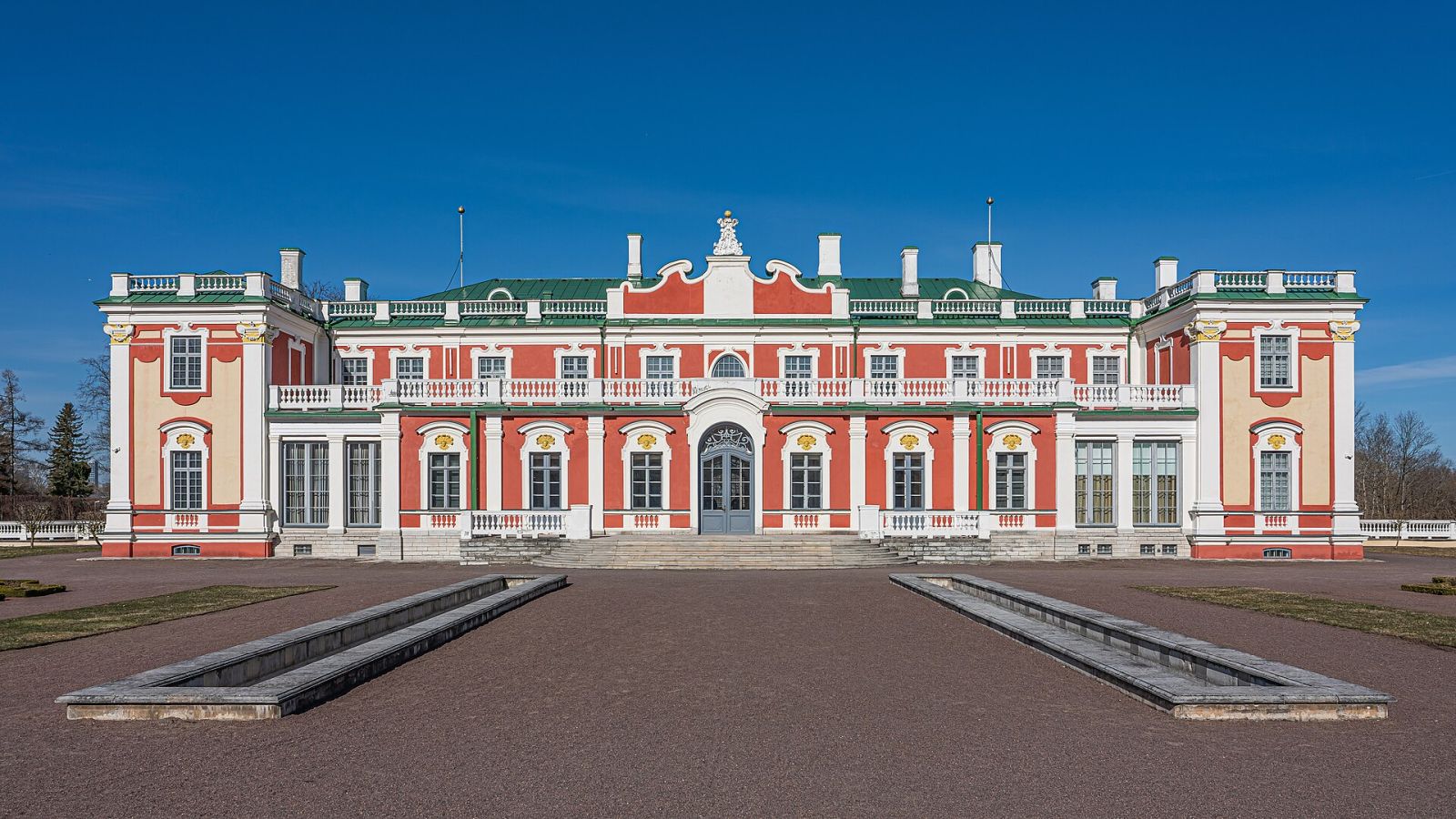
Kadriorg started in 1718 as a summer residence of Peter the Great, designed by the Italian architect Niccolo Michetti. The name means "Catherine's valley". Today it is a large park a couple of kilometres from the centre: a Baroque palace housing an art museum, a formal flower garden, swan ponds and the presidential office next door.
The best reason to come even in the rain is KUMU on the edge of the park, the largest art museum in the Baltics. The limestone and copper building is cut straight into the hillside, and the collection honestly shows both Estonian painting and Soviet era art without retouching. A tram runs from the centre to Kadriorg, and the stop carries the same name.
Lahemaa: bogs you cross on wooden boardwalks
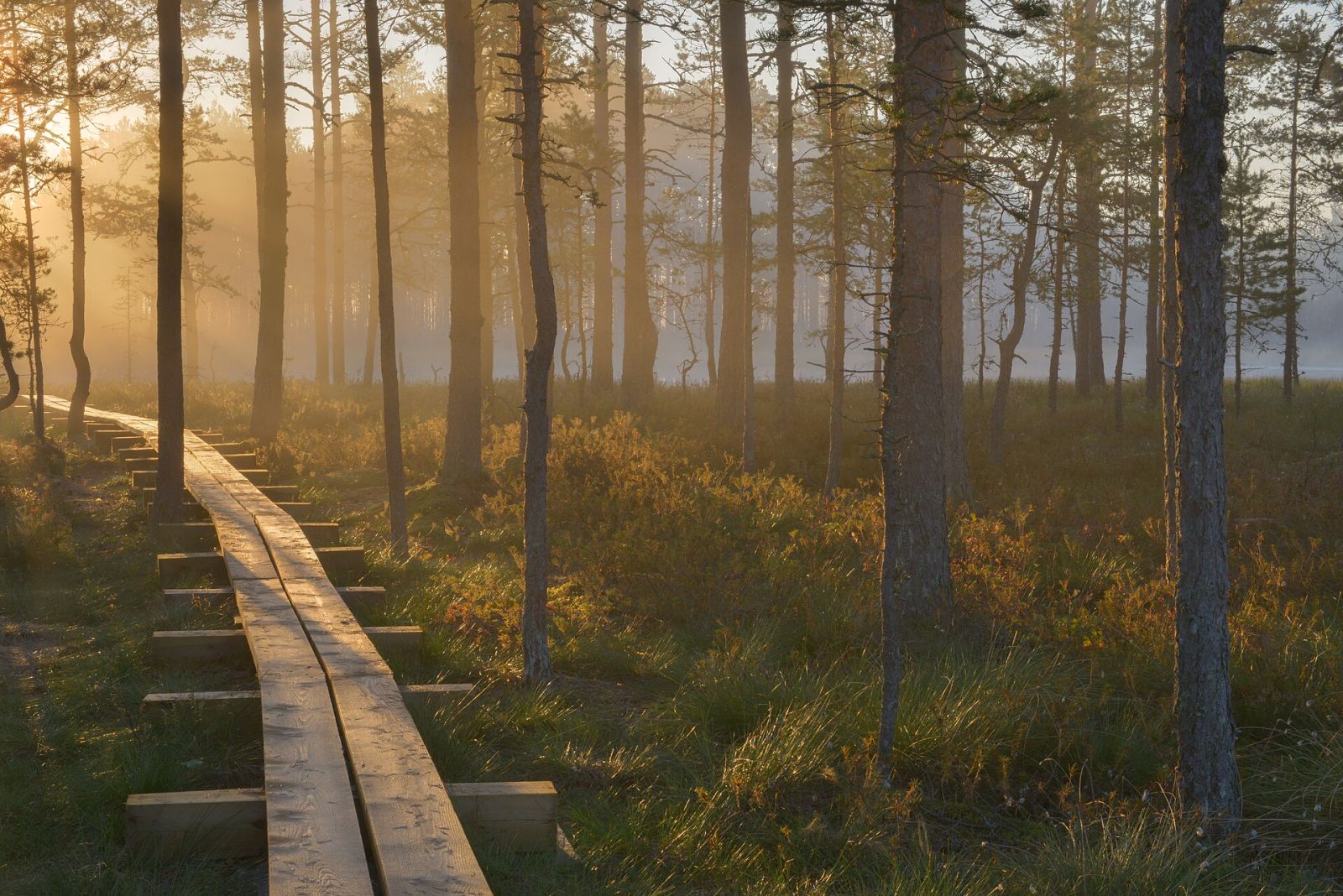
Established in 1971, Lahemaa National Park is the oldest in the country, an hour's drive east of Tallinn. The park's classic is Viru bog with its plank boardwalk. The trail, about three and a half kilometres long, crosses a raised bog dotted with pools the colour of strong tea, with an observation tower halfway along. It sounds plain and looks otherworldly, especially in morning fog or in autumn when the whole bog turns rust red.
Beyond the bogs, Lahemaa keeps the Baltic German manors of Palmse and Sagadi with restored interiors, and the fishing village of Altja with wooden cottages and net sheds right on the shore. Coastal boulder fields, where the glacier scattered rocks the size of houses, complete the picture. Without a car you can reach the park by bus to Viitna or with a tour, but driving lets you fit everything into a single day.
Saaremaa: windmills, a crater and the slowest pace in the country
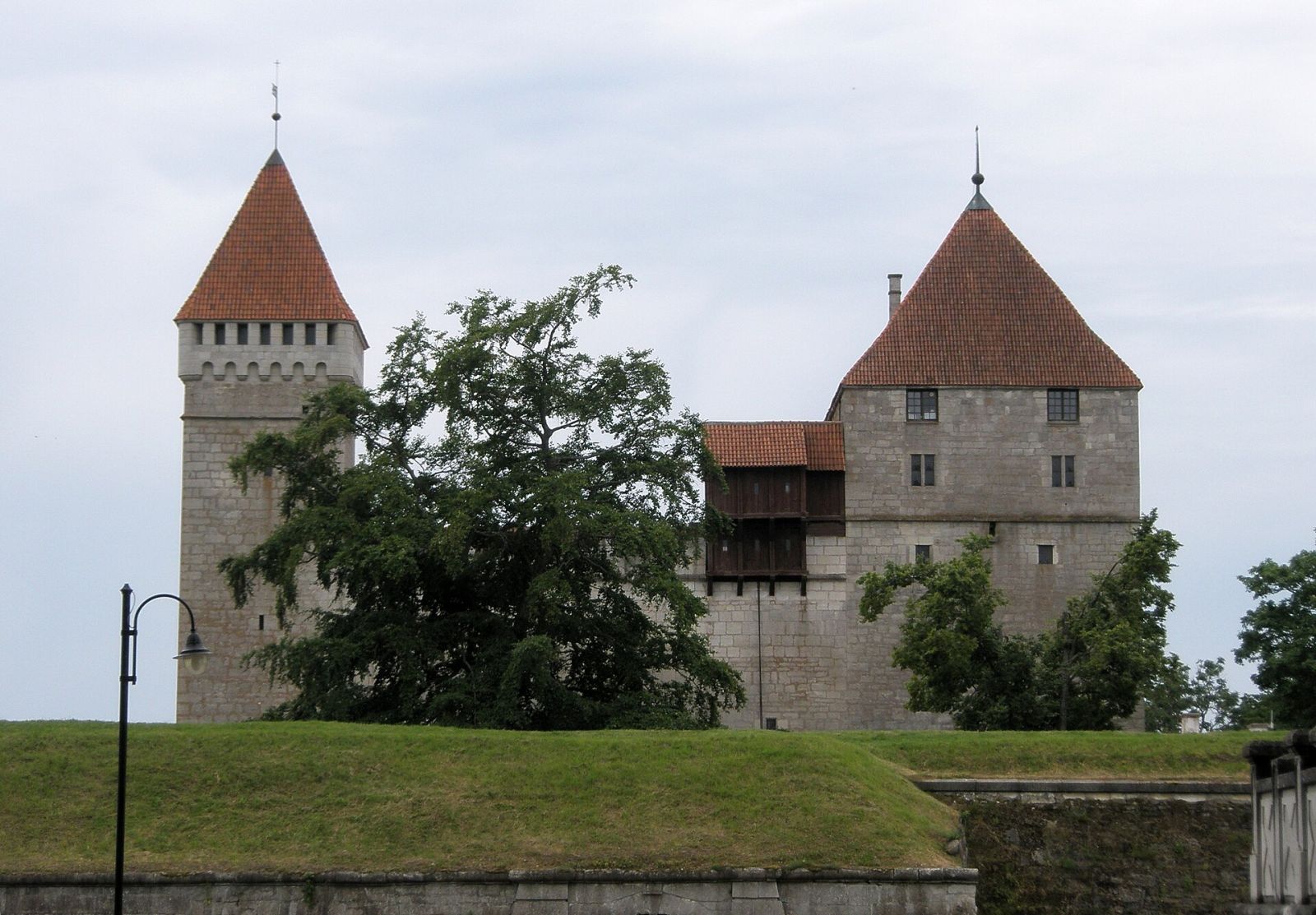
Estonia's largest island lives as if time agreed not to hurry here. The key sights: the episcopal castle in Kuressaare, one of the few fully preserved medieval convent castles in Europe, the wooden windmills of Angla, and the Kaali crater. The crater was left by a meteorite impact several thousand years ago: a round lake in a funnel more than a hundred metres across, ringed by a rampart. For Northern Europe it is a genuinely unique site.
Add the Panga cliff, dropping twenty metres straight into the sea, juniper heaths, and local black bread with home brewed beer. The island is reached by ferry from Virtsu port to Kuivastu (technically the neighbouring island of Muhu, linked by a causeway), and the crossing takes under half an hour. Timetables and tickets are online; in high season book a car slot in advance.
Tartu: a city where students are visible to the naked eye
The country's second city runs on its university, founded in 1632. Hence the atmosphere: Town Hall Square with the Kissing Students fountain, a leaning house next to it (a local Pisa that sank into soft ground), the ruins of the cathedral on Toomemagi hill, cheap cafes and a nightlife you would not expect from a city of a hundred thousand.
With or without kids, go to the AHHAA science centre, the largest science museum in the Baltics, complete with a planetarium. In 2024 Tartu served as European Capital of Culture and is still riding that wave: murals, festivals, refurbished embankments along the Emajogi river. From Tallinn it is a little over two hours on an Elron train, tickets are reasonably priced, and carriages come with wifi and sockets.
Jagala waterfall: Estonia's Niagara half an hour from the capital
Jagala does not impress with height, a mere eight metres, but it wins on width: more than fifty metres of unbroken falling water on the Jagala river. It is the most powerful natural waterfall in the country, some thirty kilometres east of Tallinn. The best time to visit is April and May, when the river runs full, or a properly frosty winter, when the fall freezes into a wall of icicles you can walk behind. In summer the flow is modest, but you can see how the river has chewed a canyon into the limestone over millennia. Entry is free; get there by bus towards Kehra plus a walk, or by car.
How to build a route and when to go
| Days | What fits in |
|---|---|
| 2-3 | Tallinn: Old Town, Kadriorg, Telliskivi, half a day for Jagala |
| 4-5 | Add a full day in Lahemaa and an overnight stop in Tartu |
| 7 | All of the above plus two nights on Saaremaa with a ferry and a car |
The most comfortable season runs from May to September, with June's white nights adding long, bright evenings as a bonus. Winter is dark and damp, yet the Old Town with its Christmas market on Town Hall Square looks like a postcard, and a frozen Jagala justifies the trip on its own. When deciding what to see in Estonia, reserve at least one full day for nature: the bog trails and islands rank equal with the architecture here, and they are what stays with you longest. Check current ferry and train timetables on the operators' official sites before you travel.