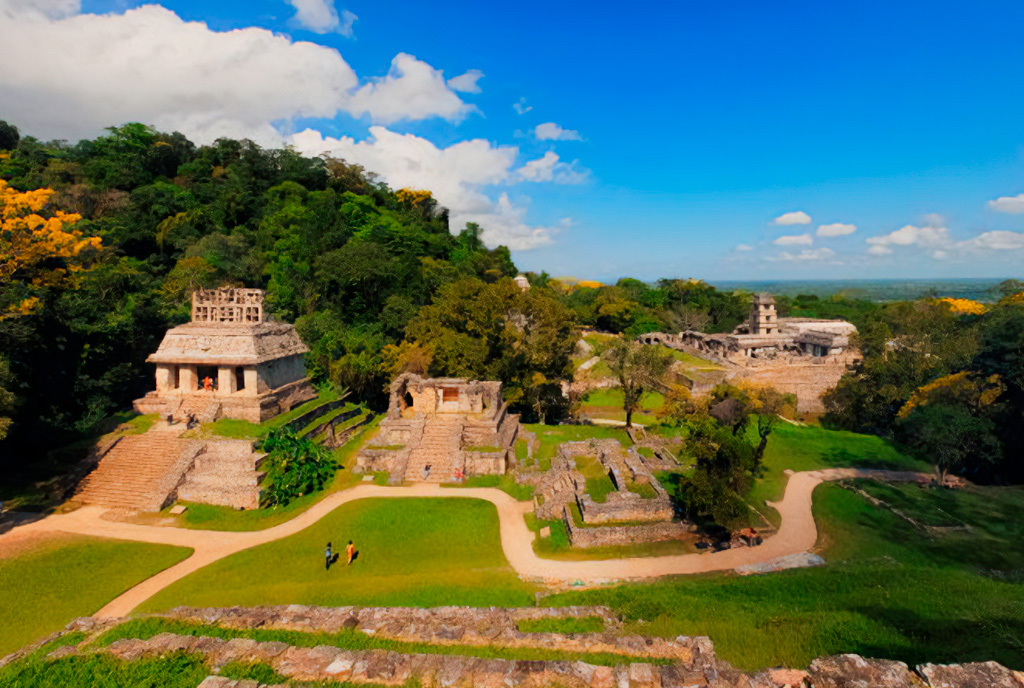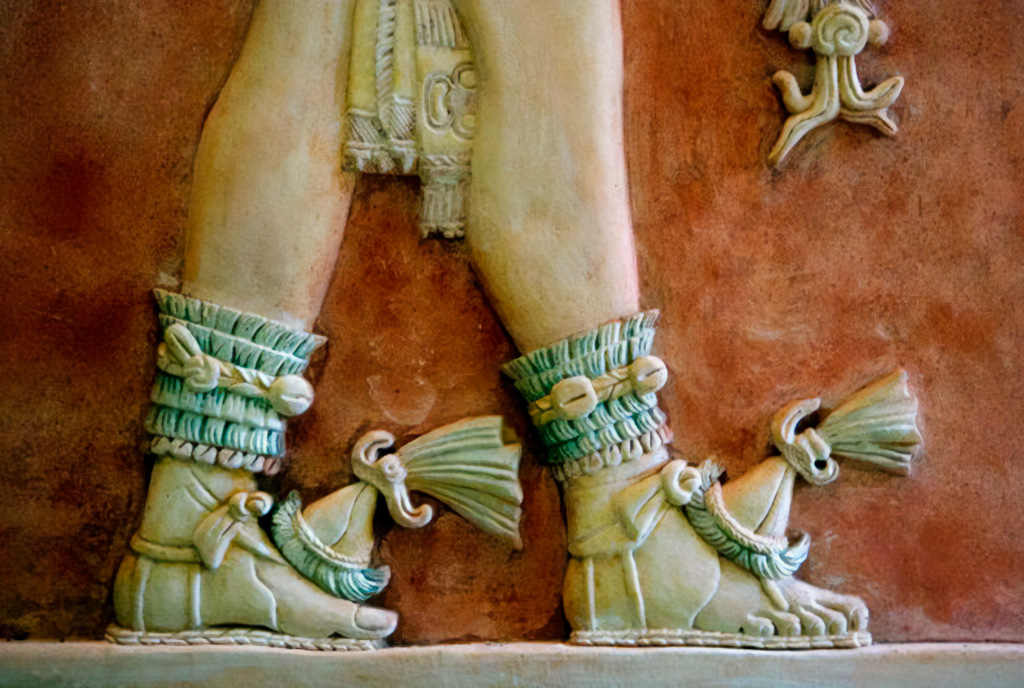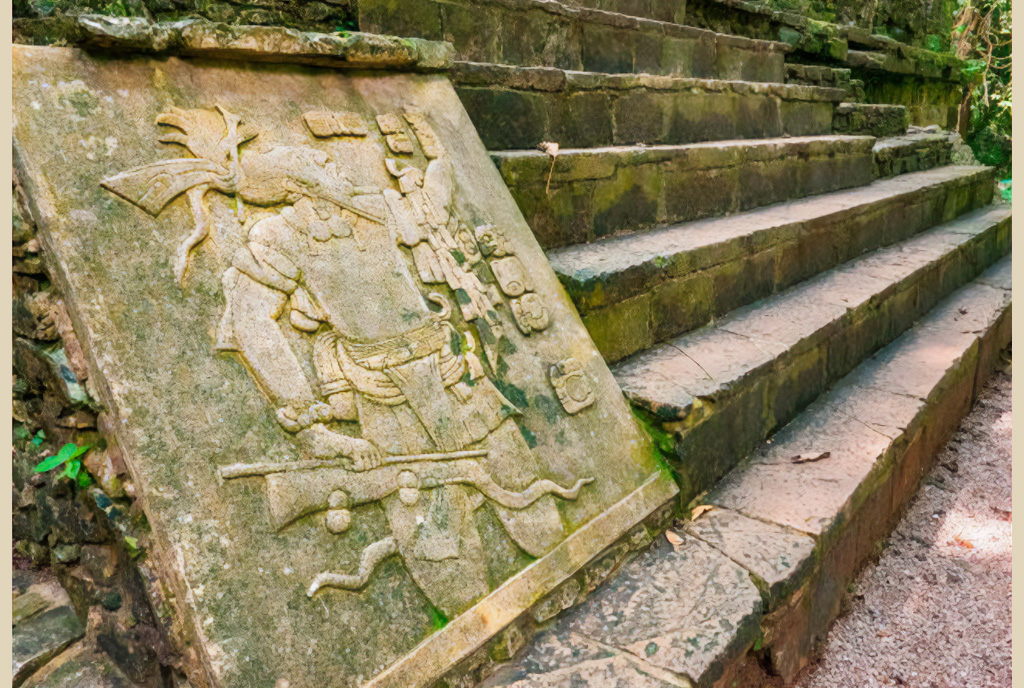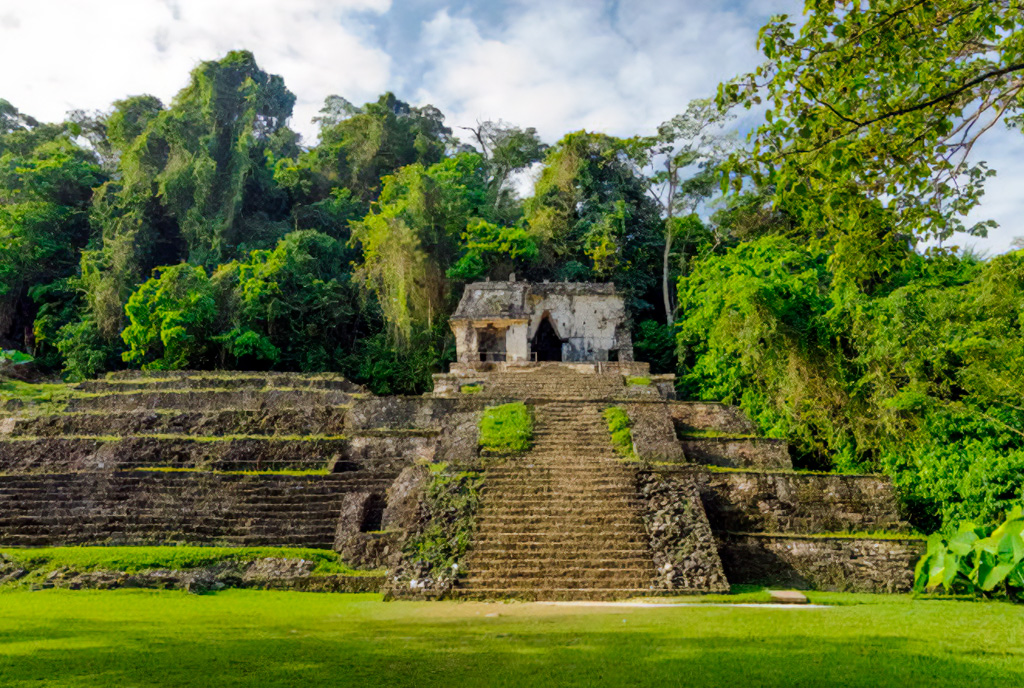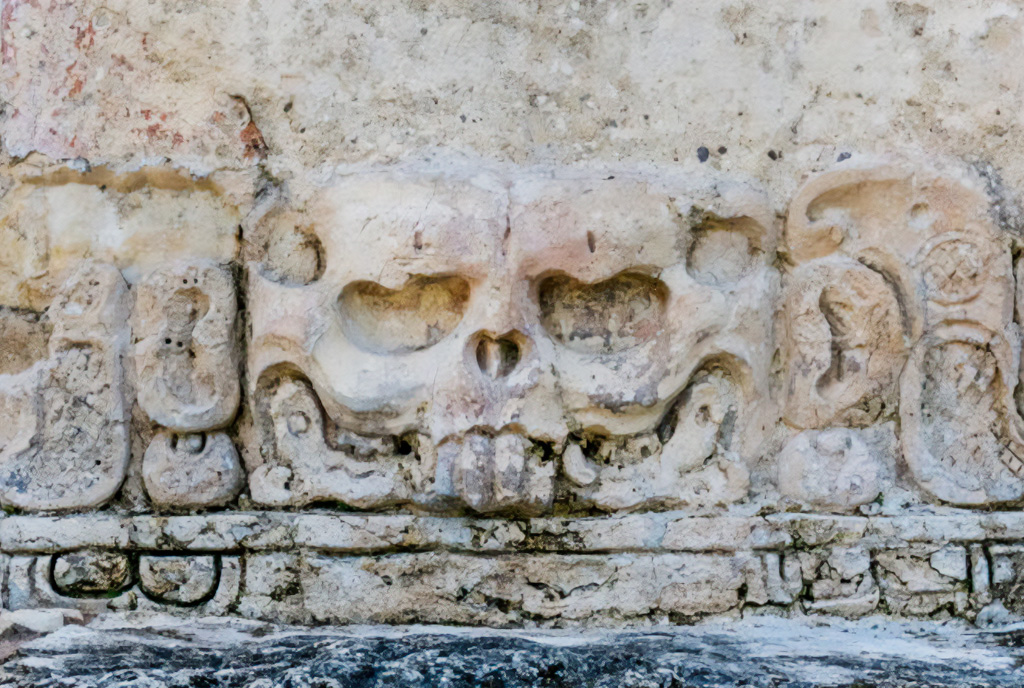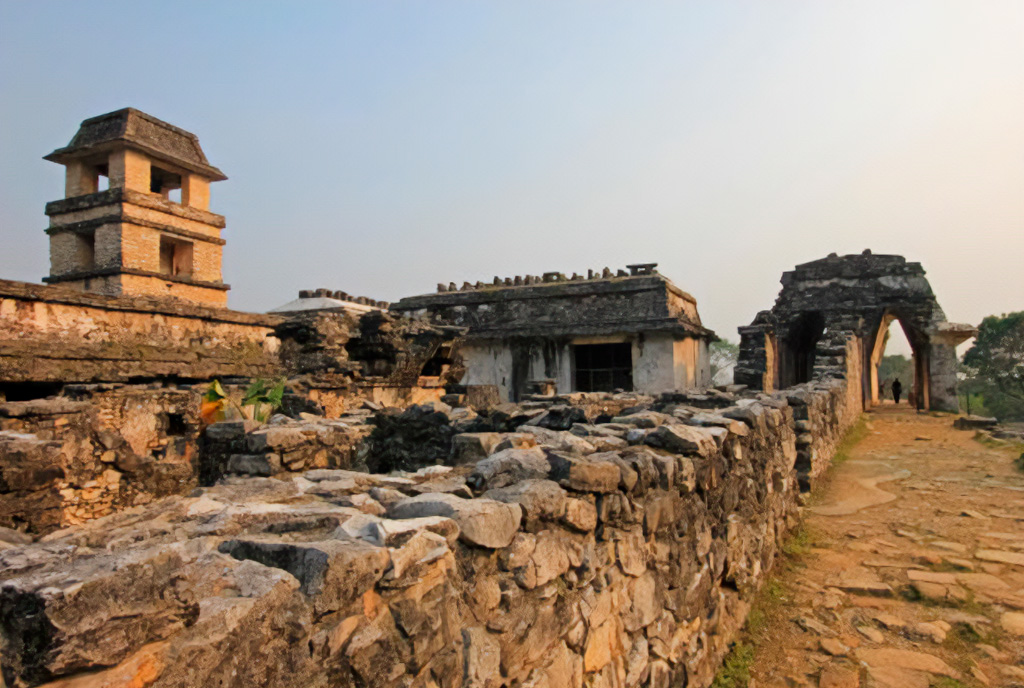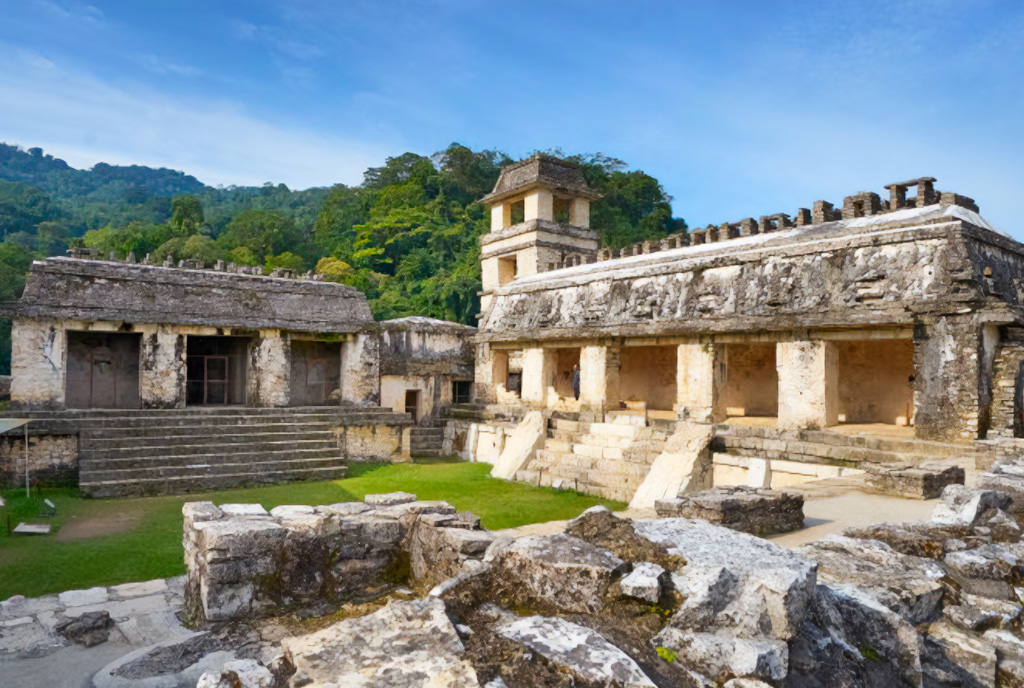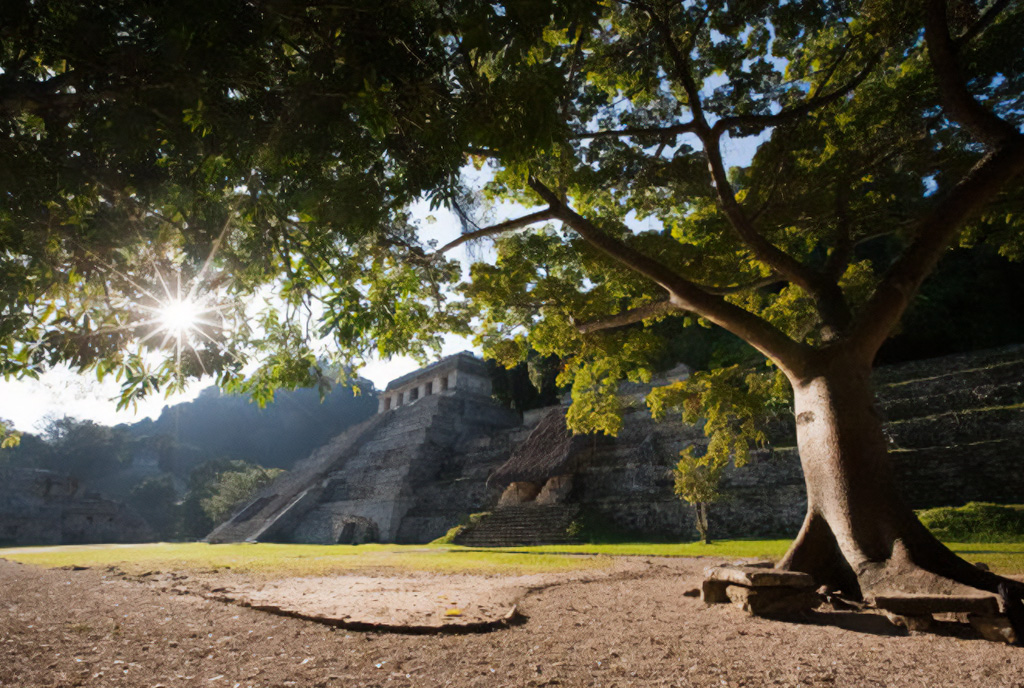


The ancient city of Palenque, in the state of Chiapas, Mexico, was one of the most powerful Maya cities during the Classic period of Maya civilization (250 to 900 AD), on a par with Tikal in present-day Guatemala and Calakmul, located in the Mexican state of Campeche.
Although its name in the Maya language is believed to have been Lakamha, meaning "big water", Palenque was named after the neighboring Spanish town of Santo Domingo de Palenque, founded in the 16th century. The Maya city of Palenque was once an important political center that flourished between 226 and 799 AD and was later abandoned around 900 AD.
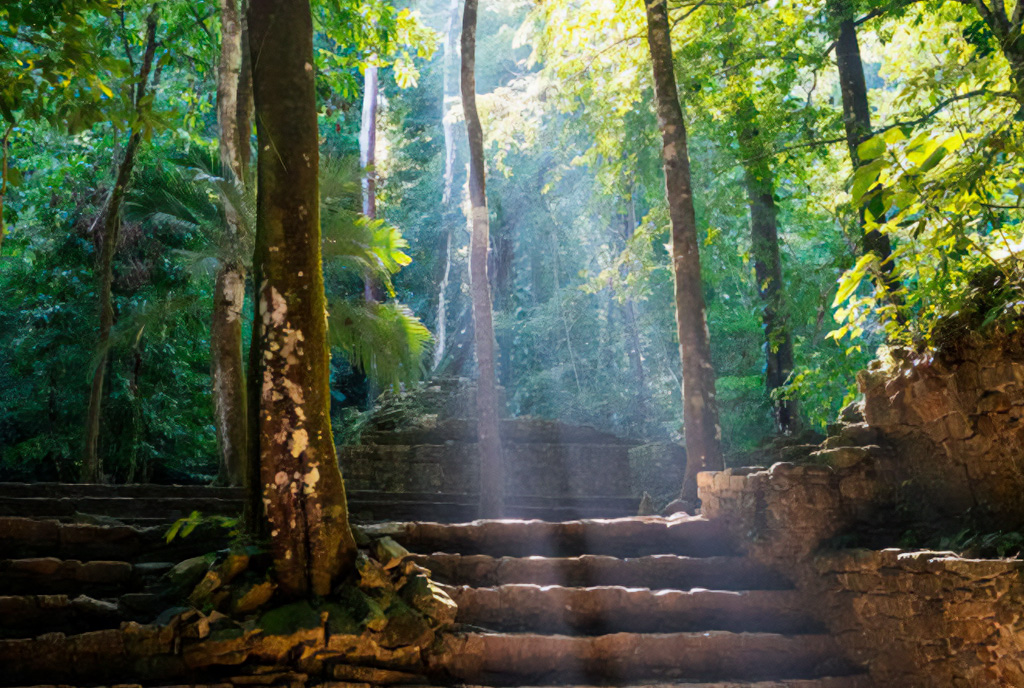
The surrounding jungle swallowed up the city, which lay buried and hidden until the 1700s, when local Maya told a Spanish priest of its existence. Even so, it was not until the 20th century that it was excavated and opened to the public.
Partner links: booking through them supports the blog at no extra cost to you.
Now one of the most visually striking Mesoamerican archaeological sites, Palenque has firmly landed on the travel map. It draws thousands of visitors every year and stands as a testament to Maya ingenuity and knowledge.
What makes Palenque especially fascinating, beyond just how stunning the structures look framed by jungle, is that the hieroglyphs found there have taught scholars about hundreds of years of Maya history. The hieroglyphs, which make up an ancient logosyllabic writing system, tell of alliances, trade, exchange, wars, and even marriages between Maya cities. For all those years, this Maya soap opera lay protected beneath the forest flora.
In 1952, the archaeologist Alberto Ruz Lhuillier lifted a stone from the back room of the Temple of the Inscriptions and uncovered a passage that led down to the tomb of Palenque's famous ruler, Pakal the Great. Ruler Pakal apparently lived to 80 and was remarkably tall (highly unusual for the Maya of his day). Fittingly, his tomb was covered by an intricately carved lid, and he himself was buried in an elaborate jade death mask.
Did you know?
Pakal's tomb lid led Palenque to play a starring role in New Age beliefs about the Maya calendar and the end of the world that many expected on December 21, 2012.
The late Jose Arguelles, founder of the Planet Art Network, claimed that Pakal on the lid appears to be floating, like an astronaut. He went on to argue that the ancient Maya were intergalactic beings, with whom he had a direct connection and from whom he received wisdom about the Maya calendar.
In December 2012, members of the Planet Art Network and many others who believed the world would end or be transformed in some way descended on Palenque. Some were so convinced the world would end that they bought one-way tickets to Mexico, and once the day had passed, they were left wandering the site, unsure what to do next.
Planning your visit
Palenque is open seven days a week from 8 am to 5 pm. If you arrive at the site before it opens, you can avoid the main crush of visitors. Midweek is also quieter than the weekend.
Set aside at least two hours to explore the site, and more if you want to venture off the beaten path.
The on-site museum sits along the road from Palenque and is well worth a visit to see the many artifacts unearthed during excavations at the site. Explanations of Maya history, cosmology, and everyday life are provided in both English and Spanish.
Photography tips
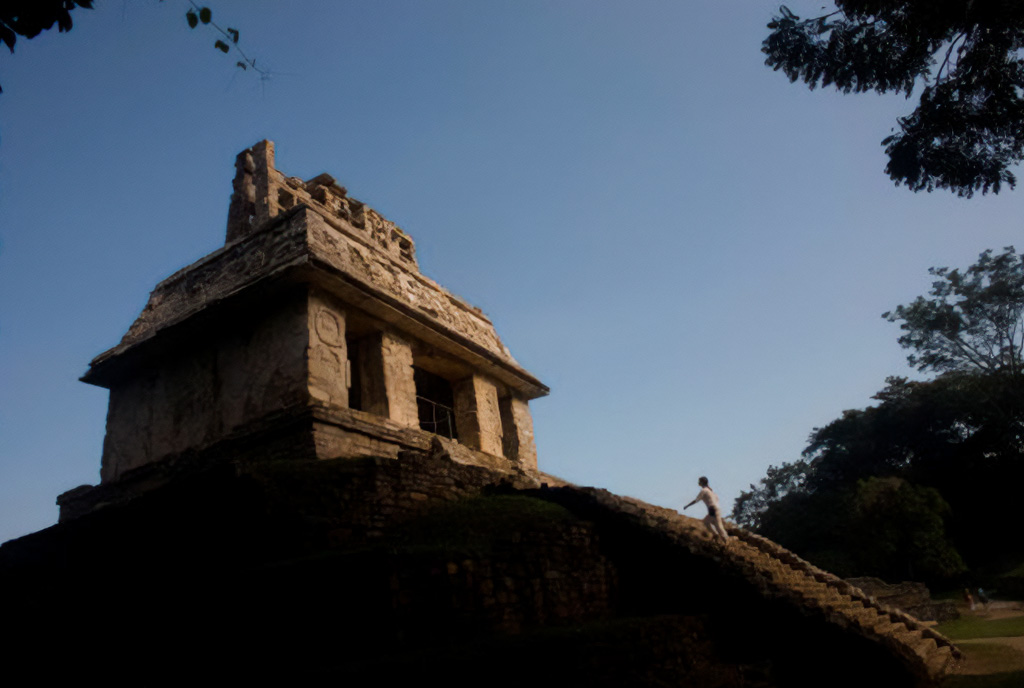
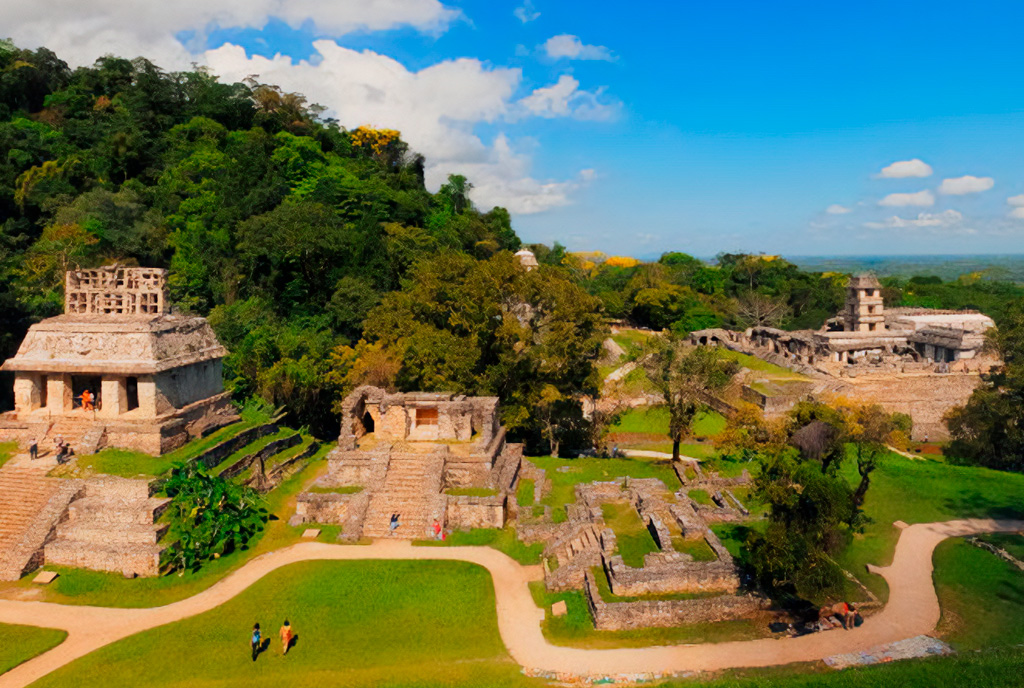
For a breathtaking view of the site and the lush jungle, climb to the top of the Temple of the Cross (el Templo de la Cruz). From there you can capture the classic shot of the Temple of the Sun, one of Palenque's most aesthetically striking structures.
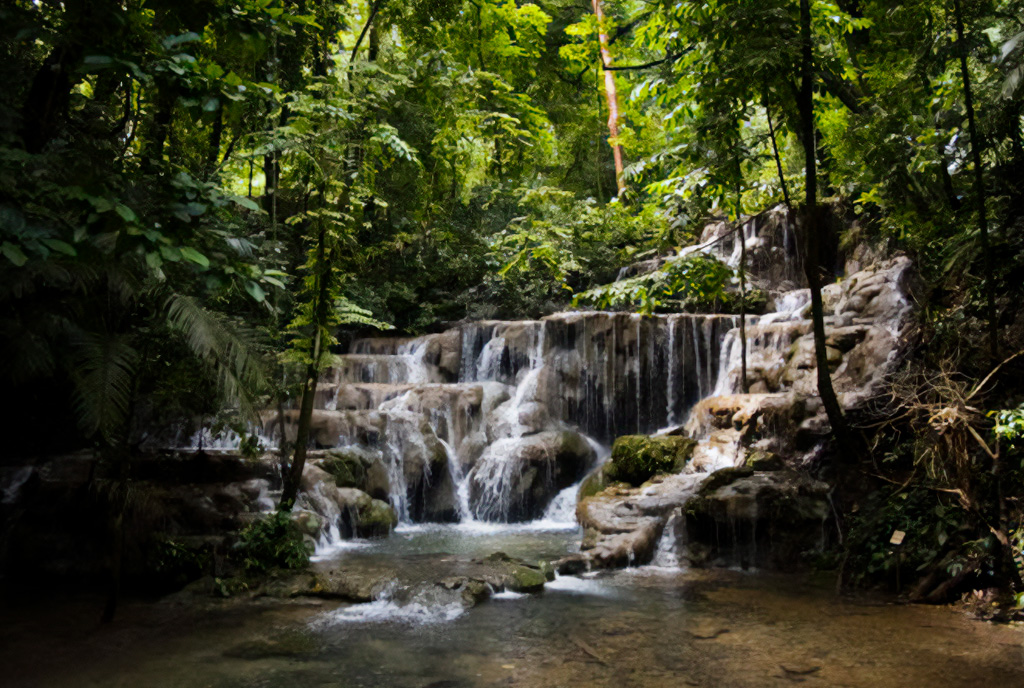
It's also worth leaving time to walk some of the trails that lead from the archaeological complex into the jungle, where, accompanied by the cries of tropical birds and the roar of howler monkeys, you may come across rivers, waterfalls, and unexcavated pyramids. By some estimates, only 10% of the city has been uncovered to date. Exploring off the beaten track will give you the chance to capture shots that most visitors miss.
Where to stay
The town of Palenque isn't especially pretty (though that is slowly changing), so it's worth staying at one of the better hotels on the road to the pyramids. One option is the Hotel Villa Mercedes, just five minutes from the archaeological zone. With two pools, a spa, a restaurant, and hammocks for unwinding after a day of exploring, it's a great place to rest your head.
Hotel Villa Mercedes, Carretera Palenque Ruinas km 2.9, 29960 Palenque, +52 916 345 5231
Where to eat
Located right at the end of the road from the archaeological complex, Maya Cañada is, quite literally, Palenque's first restaurant. The traditional dishes from Chiapas served here are perfect for satisfying the appetite of hungry explorers.
A relaxed, stylish spot for breakfast, lunch, or dinner, often accompanied by live music, Cafe Jade is a hit with visitors and locals alike. Freshly squeezed juices are the house specialty.
Maya Cañada, 29960, Primera Avenida Nte. Pte. 10, La Cañada, Palenque, Chiapas, +52 916 345 0216
Café Jade, Prolongación Av. Hidalgo Esq. 5ta Poniente Norte, #1 Zona Turistica la Cañada, 29960 Palenque, Chiapas, +52 916 345 4815
Susannah Rigg is a freelance writer and Mexico specialist based in Mexico City.