

Mexico City began as the home of an ancient empire and grew into a sprawling modern metropolis.
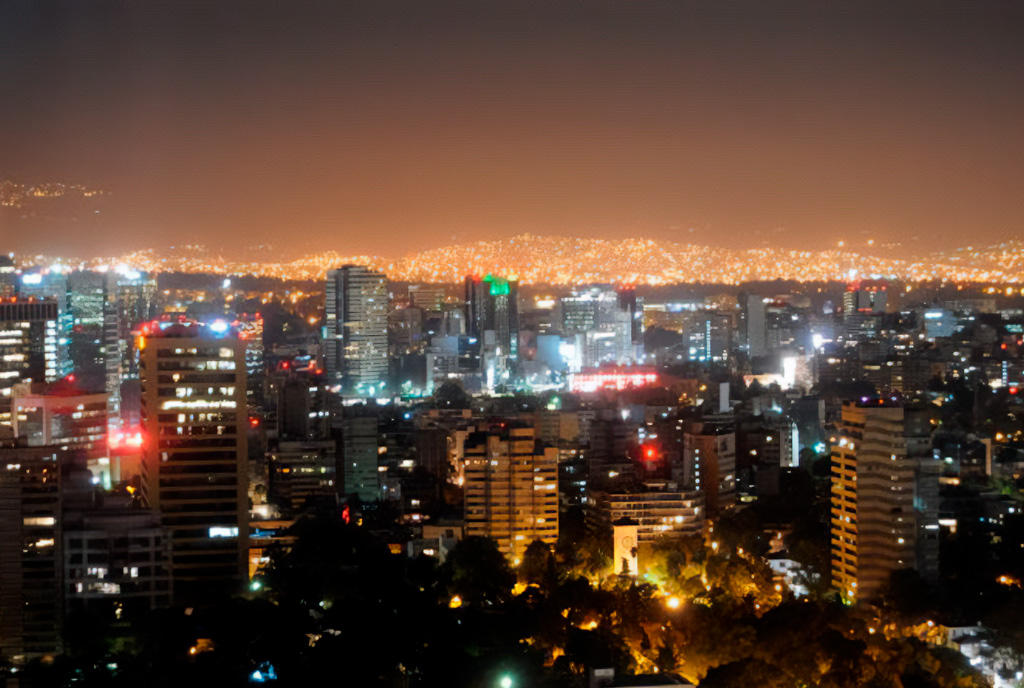
With more than 20 million people coursing through its streets, it ranks among the biggest cities in the world. All that urban energy brings delicious food, enormous markets, and more cultural happenings in a single day than anyone could hope to keep track of.
There is dazzling wealth, crushing poverty, and plenty to discover in Mexico's sprawling capital:
Partner links: booking through them supports the blog at no extra cost to you.
Want to set an unusual record? Try doing it here.
One big upside of having so many people in one place: it is easy to set a record, as long as you can convince enough of them to do the same thing at the same time.
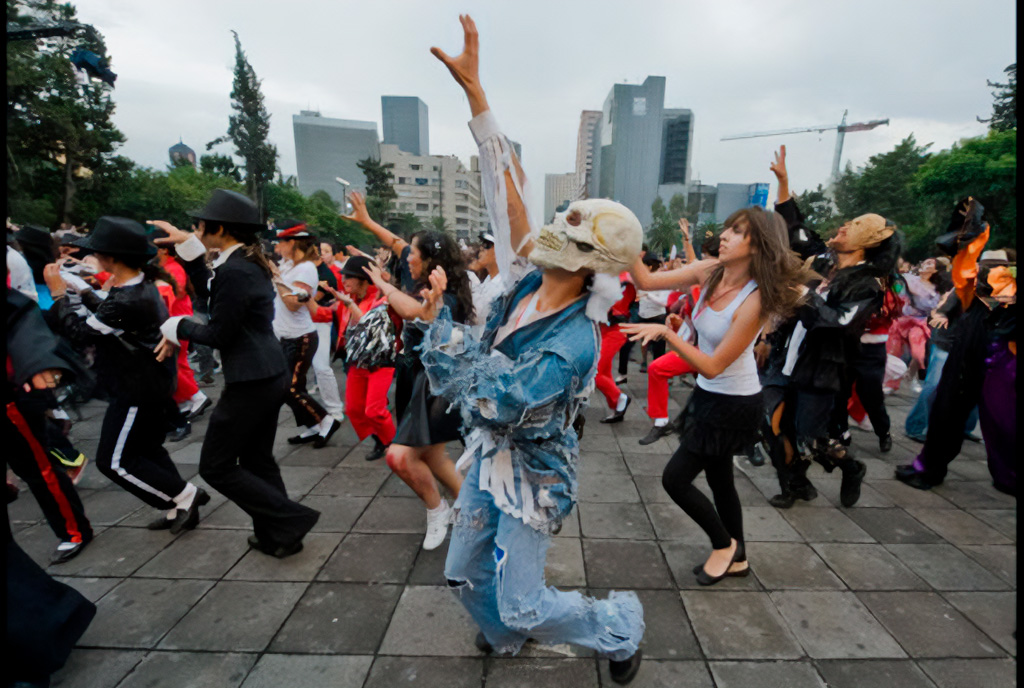
Records for the most people kissing at once (39,879), the most people dancing to Michael Jackson's "Thriller" at once (13,597), and the world's largest enchilada (weighing nearly 1.5 tons) were all set in the Mexican capital, according to Guinness World Records.
Gay and lesbian travelers are welcome
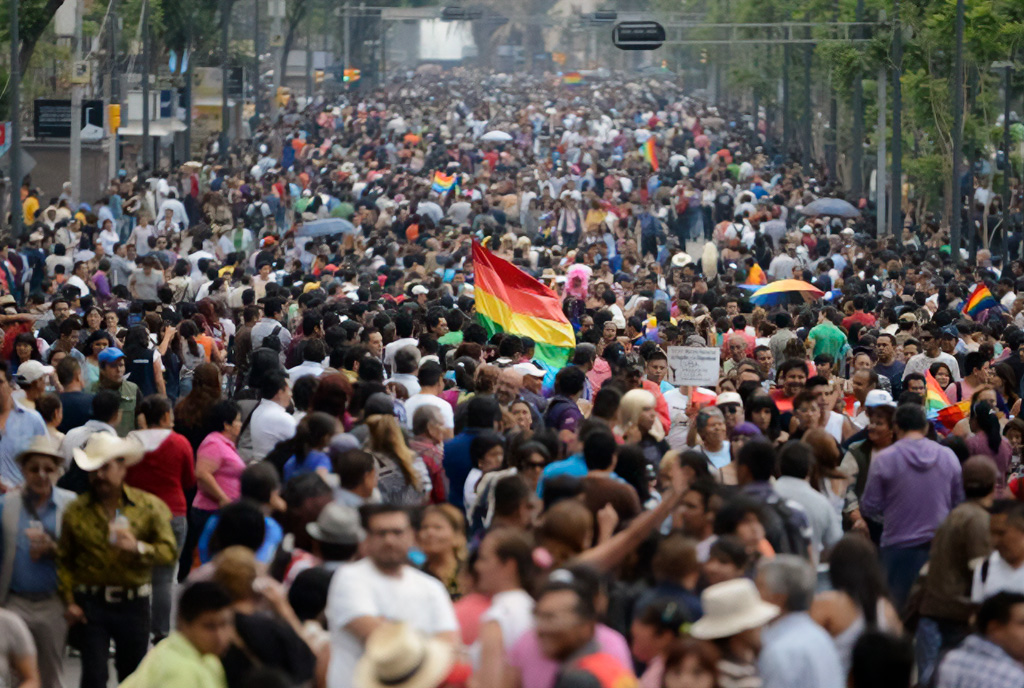
For many years, Latin America's deep-rooted ties to the Roman Catholic Church meant that much of the region leaned toward a more conservative stance on homosexuality. But in recent years that has started to shift, and Mexico City has been at the forefront.
Same-sex marriage is legal there. So is adoption by same-sex couples. And the city has positioned itself as a destination for gay travelers. In 2010, it offered a free honeymoon to Latin America's first married gay couple.
Smog? They are working on it.
Pollution in Mexico City used to be so bad that children painting pictures of the sky reportedly colored it gray instead of blue.
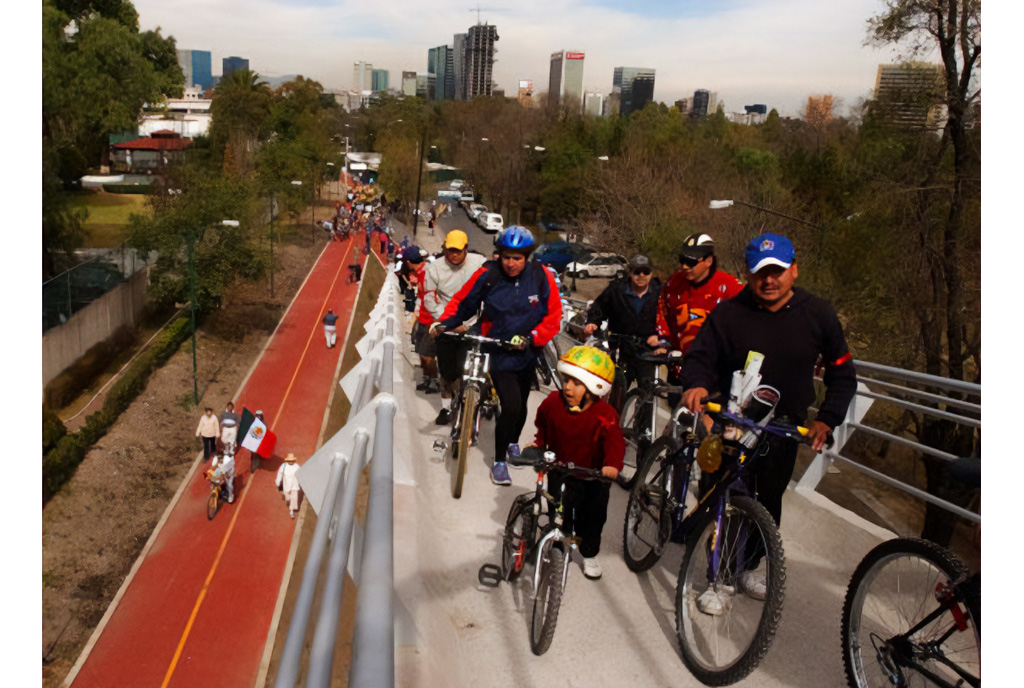
Because of its geography (sitting in a valley ringed by mountains) and the sheer number of cars moving through its streets, smog is a problem the city is still fighting. But thanks to government programs that encourage cycling and limit the days motorists can hit the road, longtime residents say the pollution is far better than it used to be.
Another inventive solution debuted last year: a hospital tower wrapped in a facade designed to "eat smog," breaking down pollutants when the sun hits it. Designers say the tiles on the facade of Manuel Gea Gonzalez Hospital neutralize the impact of 1,000 cars a day.
The city was built on a lake
It is hard to picture now, but much of the sprawling concrete jungle that makes up Mexico City today was once a vast lake.
The Aztecs built a massive civilization there, with Tenochtitlan as its capital.
This city, which began on an island and expanded to take in reclaimed portions of the lake, flourished until the Spanish conquest. After winning the battle for control of the territory in 1521, the Spanish razed Tenochtitlan and built Mexico City atop its ruins, using the Aztec city's canals and roads as the foundation for new streets and eventually draining the lake.
But they did not erase the past entirely. That has led to some fascinating ancient discoveries as Mexico City grew into a modern urban metropolis.
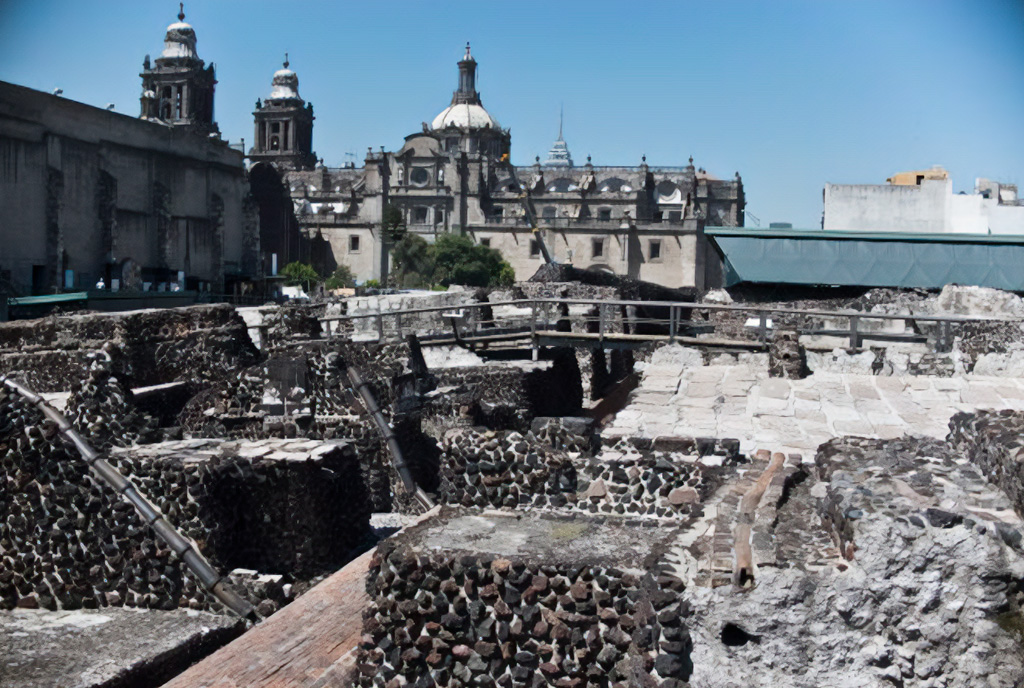
In 1978, electric company workers digging near the city's central plaza stumbled onto an Aztec relic. That prompted archaeologists to unearth the ruins of the Templo Mayor, an Aztec temple that is now a popular tourist destination in Mexico City.
It is sinking
As it turns out, the dried-up bed of a large lake is not the best foundation for construction. If you want proof, take a look at some of Mexico City's most iconic structures.
The sloping floor and swaying pendulum inside the Metropolitan Cathedral show that the building is clearly tilting.
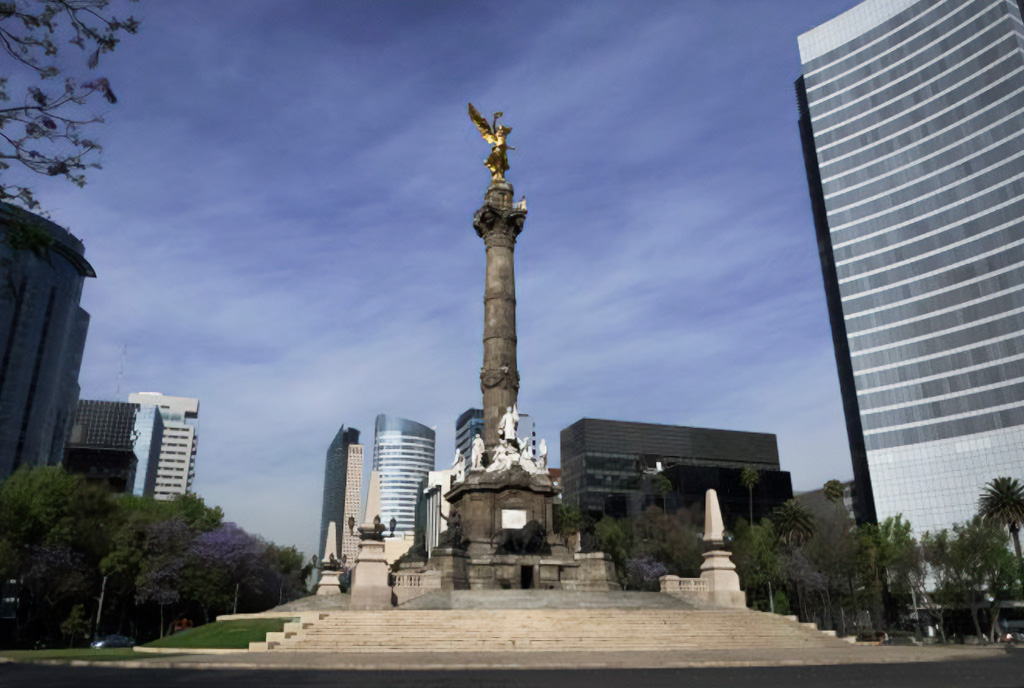
Head down Reforma Avenue toward the Angel of Independence, and you will have to climb steps that the city has added over the years, as the ground around the 1910 monument has sunk.
Government officials have estimated that the city is sinking at a rate of 10 centimeters (4 inches) a year. A recent government report calculated that Mexico City has sunk 10 meters (32.8 feet) over the past 60 years.
One of the world's richest people lives here
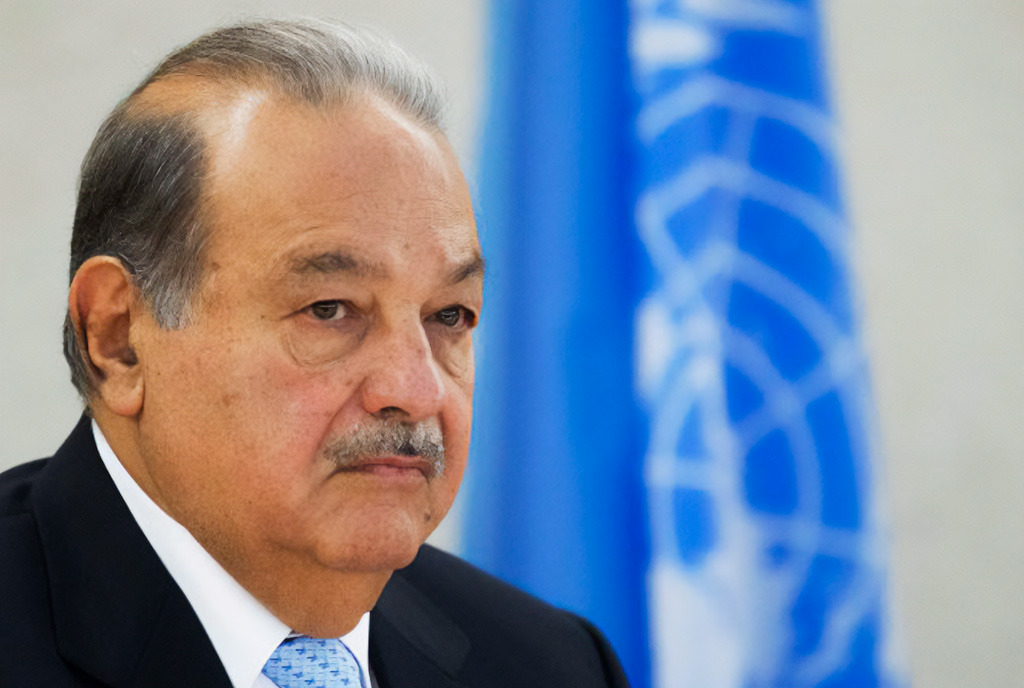
Mexican telecom magnate Carlos Slim topped Forbes magazine's list of the world's richest people for four years running. Microsoft founder Bill Gates reclaimed the top spot this year. But Slim and his family, with an estimated fortune of $71.4 billion, are still sitting comfortably in second place. Slim lives in Mexico City, and many of the companies he controls are based there too. Even if you are just passing through the city, you are bound to run into his holdings.
Talking on a Mexican cell phone? Chances are it is tied to Slim's company, Telcel, which controls 70% of the Mexican wireless market.
Popping into a department store? If you spend time in Mexico City, you will probably find a reason to stop by Sanborns, Slim's ubiquitous chain that houses restaurants, pharmacies, and retail goods.
Admiring the beautiful buildings in the city's historic center? Slim helped fund a major restoration there in recent years.
It is safer than some parts of the country
Many Mexicans used to be afraid to travel to their country's capital, worried about crime. Street muggings and kidnappings remain real concerns for residents and visitors alike. And in upscale neighborhoods, you might find a shop selling bulletproof glass right next to a designer clothing boutique.
But the city's murder rate is comparable to other major metropolises around the world. And with drug violence hammering other parts of the country, Mexico City has actually earned a reputation as one of the safer places to visit.
It is not just tacos and tequila
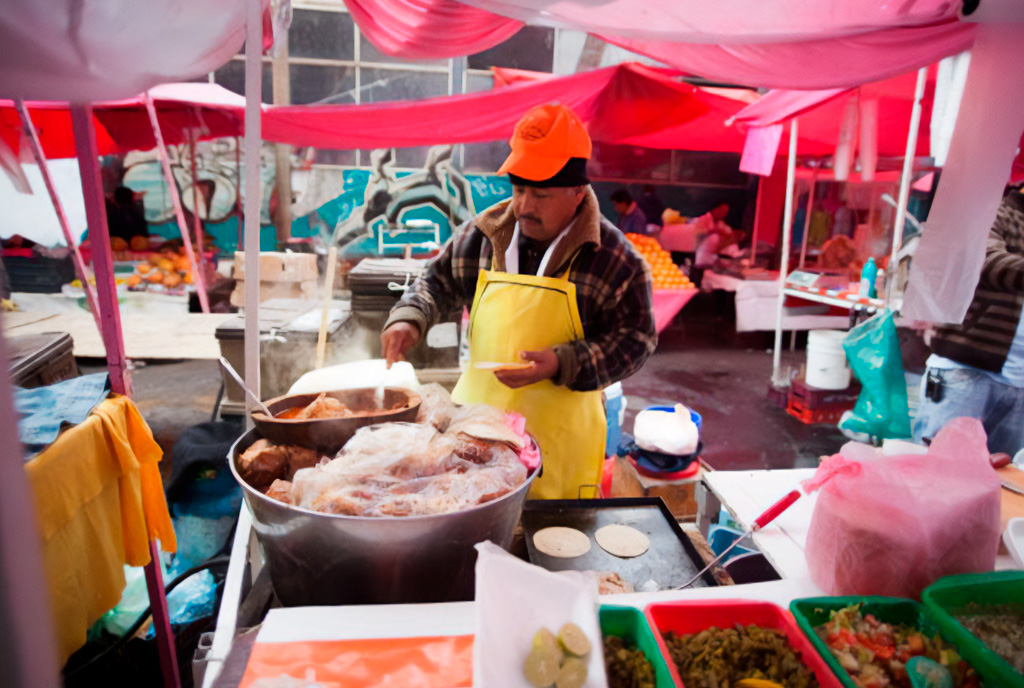
Do not expect to find much cheesy Tex-Mex here. Mexico City's culinary scene is muy caliente, with fine-dining restaurants in luxury hotels and leading chefs who say they come here for inspiration.
Pujol, a restaurant in the city's upscale Polanco neighborhood, ranks among the best in the world. But it is not only about high-end cuisine. Market stalls and street stands serve up some of the city's tastiest dishes.
If you are after tequila, it is easy to come by. But if you want to drink like a local, try mezcal or pulque. All three drinks are made from the agave plant. Tequila comes from the blue agave. Mezcal can be made from different types of agave and has become a hipster favorite in the Mexican capital. So has pulque, a 2,000-year-old Aztec drink made from fermented but undistilled agave sap.
The metro is fast, cheap, and fascinating
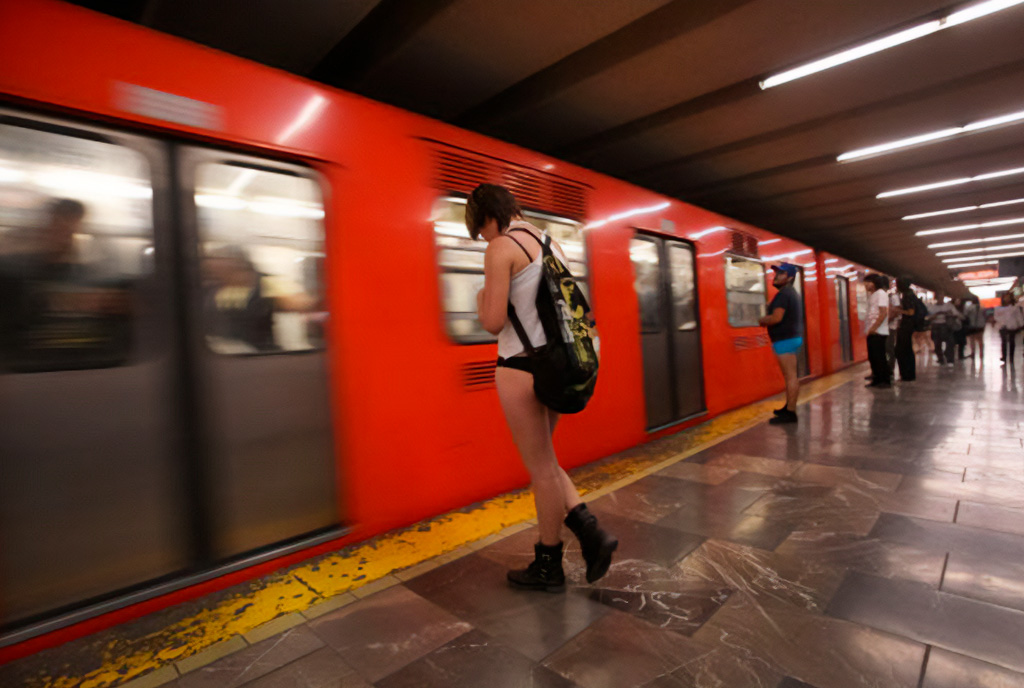
While many businesspeople and expats living in the city rely on taxis and car services, Mexico City's metro remains the most popular way to get around for the masses.
Protests after authorities announced plans to raise fares last year came to nothing. But a metro ride is still pretty cheap: just 5 pesos (about 40 cents) per ticket.
And it is not merely a way to get from point A to point B. For some people, the stations along the city's 12 metro lines are a destination in their own right. Inside, there are shops, libraries, art exhibits, and even computer labs.
A pedestrian tunnel between two downtown metro stations boasts more than 40 bookstores.
It is not all noise and concrete
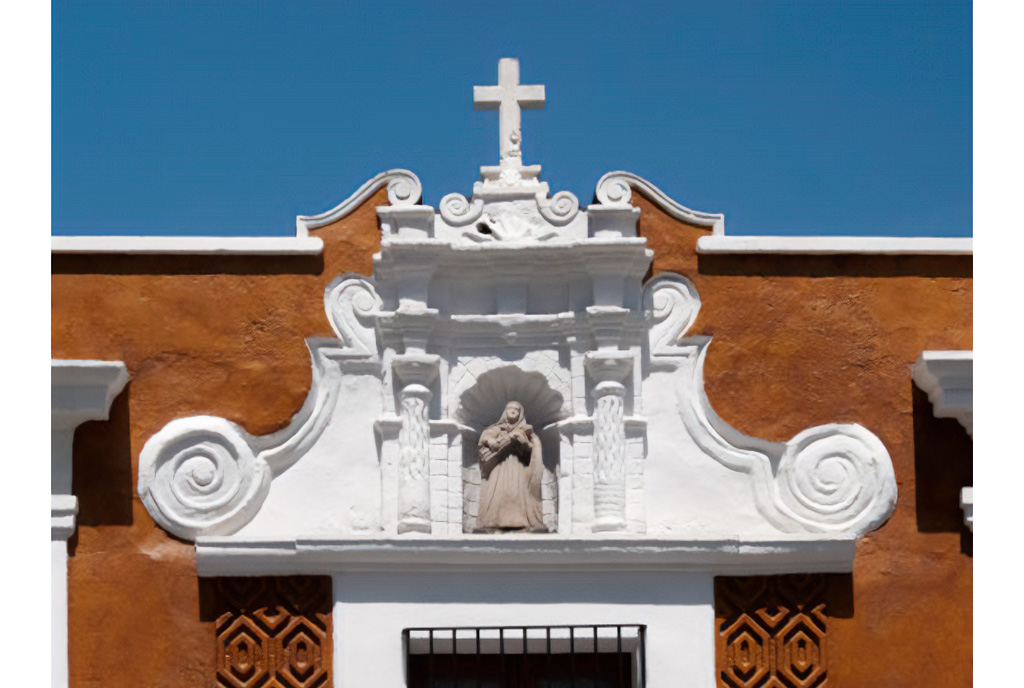
If you need a break from the hustle, it takes only a short metro ride in Mexico City to reach places that make you feel like you have stepped back in time. Neighborhoods like San Angel and Coyoacan (where artists Diego Rivera and Frida Kahlo made their home) have cobblestone streets, beautiful buildings, and cozy cafes that give you a chance to catch your breath.