

Latvian food rests on three pillars: dark rye bread, fish from the Baltic and whatever a farm can produce in a cold climate. That sounds modest, yet it adds up to one of the most honest cuisines in Europe. The national dish of grey peas with speck holds an EU protected designation of origin, the black balsam liqueur follows a recipe from 1752, and some bakeries keep sourdough starters that are over a century old. Here is what to eat in Latvia and where to find it.
Grey peas with speck: the national dish, no compromises
If Latvian cuisine has a face, it is a generous bowl of grey peas with fried speck and onions. The peas themselves are special: large, with a marbled pattern on the skin, and the variety known as the Latvian large grey pea carries the same EU protected designation of origin as Parmesan or Champagne. They are stewed until soft, topped with crispy cubes of smoked pork fat, and traditionally washed down with soured milk or kefir.
It sounds spartan, but the dish works surprisingly well: smoky speck, the nutty sweetness of the peas and the tang of the drink combine into deeply comforting food, especially in November. At Christmas nearly every household serves grey peas, and folk wisdom insists you must finish every last pea before New Year so that no tears remain for the year ahead. A portion in a Riga tavern costs little; this is filling food at a friendly price.
Rye bread: dark, dense and slightly sweet
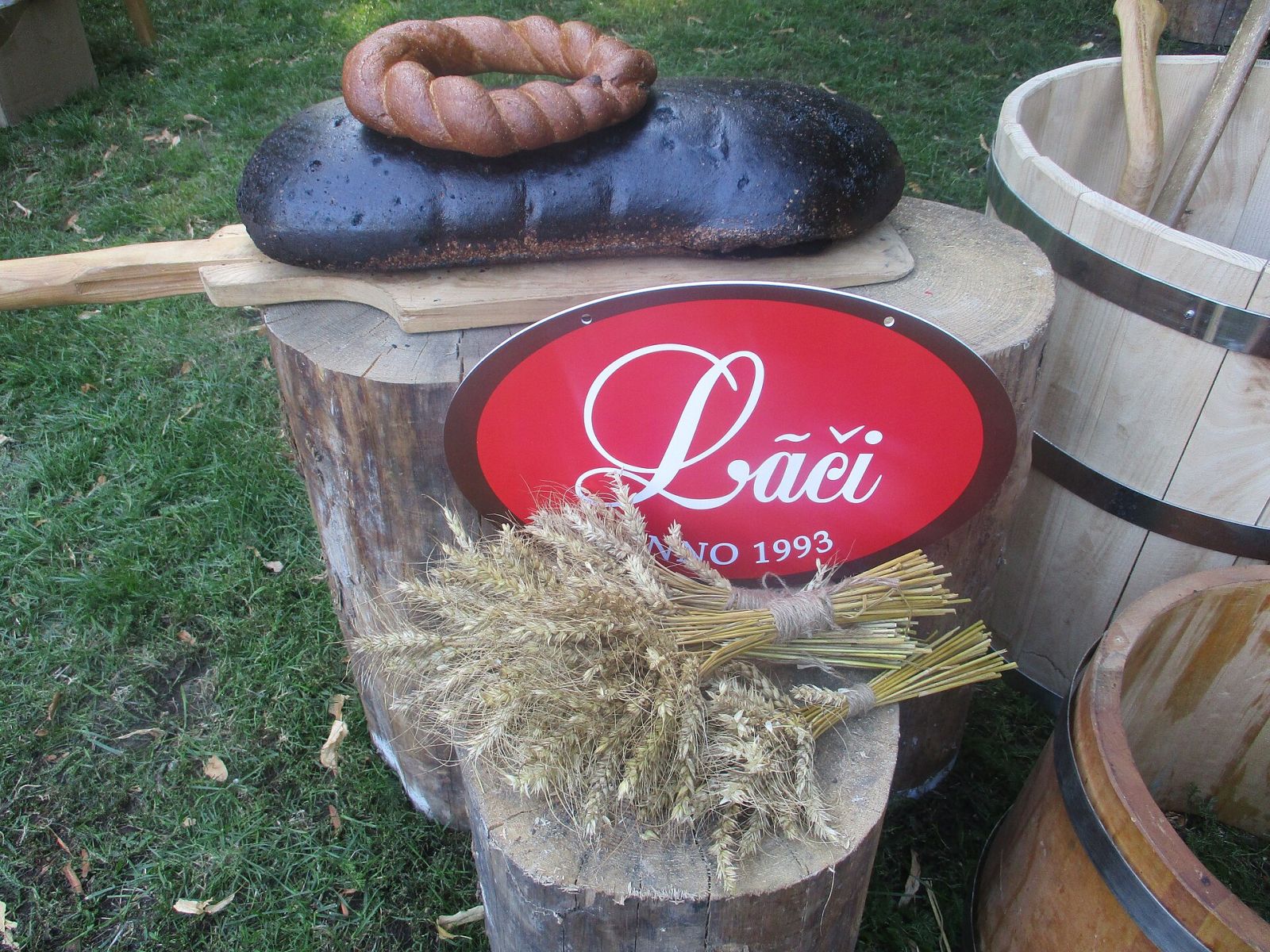
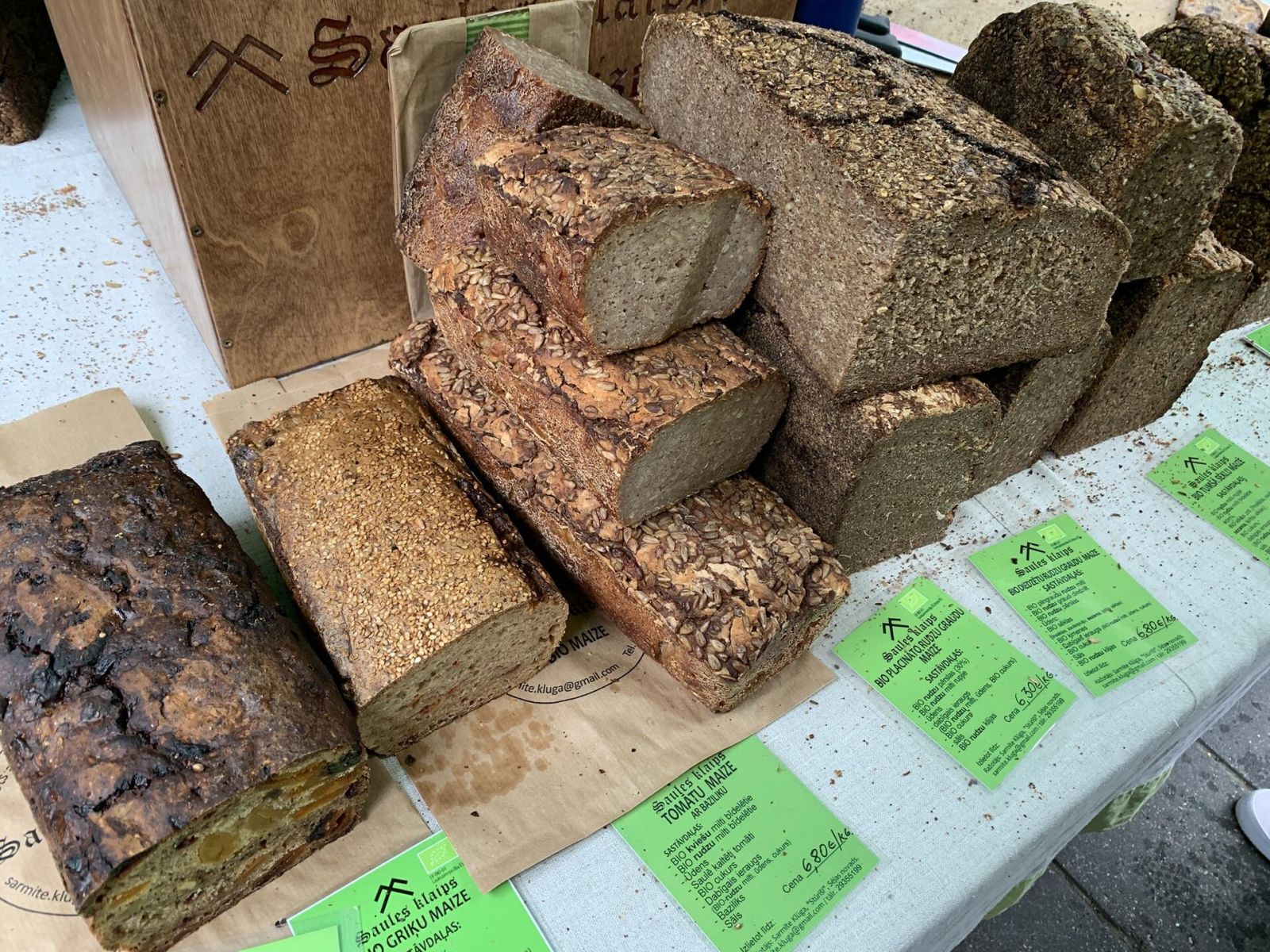
Latvian rye bread, rupjmaize, is not a mere side for soup but a matter of national pride. The loaf is dark brown and dense, with a gentle sourdough tang and a caramel note, since the dough is often scalded. A slice with butter and Baltic sprats already makes a proper supper.
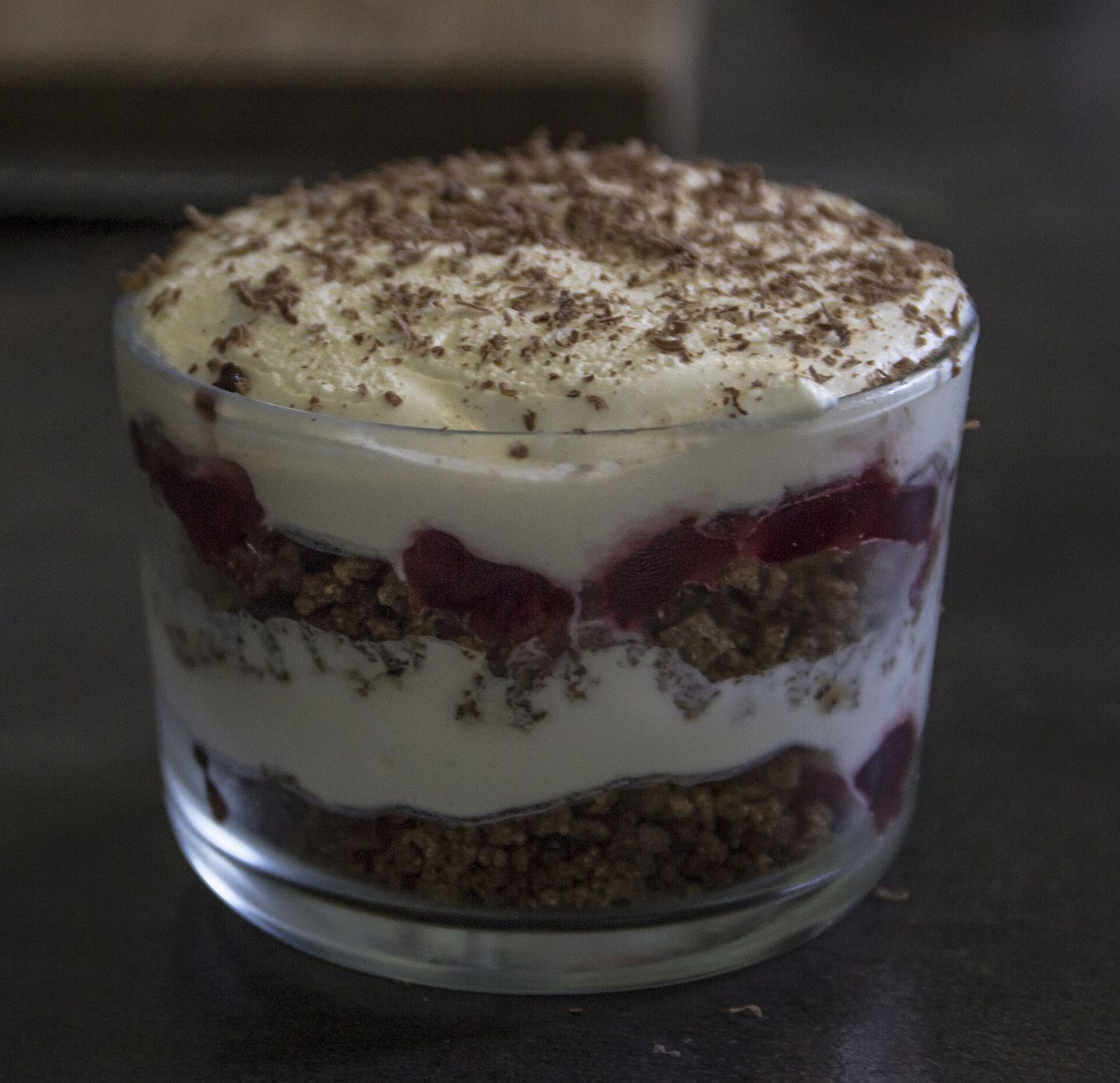
Bread even becomes dessert here, to the bafflement of visitors: rupjmaizes kartojums is a layered pudding of rye breadcrumbs, whipped cream and lingonberry jam. Order it at least once. The combination reads strangely on the menu and then performs like a northern tiramisu. Bread kvass and a sweet bread soup with dried fruit come from the same tradition.
Sprats, herring and the rest of the catch
The Baltic supplies Latvia with herring and sprats, and it is the small fish that locals have perfected. The classic is smoked Riga sprats in oil, the golden-backed little fish packed into tins as neatly as parquet flooring. For fresh smoked fish, skip the supermarket and buy in the fishing villages of Jurmala and Courland, where smokehouses operate right by the piers.
On tavern menus look for the sprat sandwich: rye bread, butter, sprat fillets, boiled egg and onion. A simple thing, served even in Riga bars as a beer snack. Among hot dishes, baked cod, pike-perch and eel are common, and in crayfish season Latvians throw proper crayfish evenings.
Riga Black Balsam: 45 degrees of history
Riga Black Balsam, a thick bitter liqueur built on some two dozen herbs, berries and roots, comes in unmistakable ceramic bottles and ranks as the country's top edible souvenir. The recipe of apothecary Abraham Kunze is dated to 1752, and legend claims the balsam once cured Empress Catherine II. The classic version is strong at 45 percent, and neat it is honestly an acquired taste.
So try the variations instead: the blackcurrant balsam is softer and drinks like a fruit liqueur, the cherry version goes into mulled wine, and bartenders in Old Riga mix dozens of cocktails around the original. The simplest trick is a shot of balsam in coffee or black tea on a winter evening.
Latvian cheeses: caraway as a national code
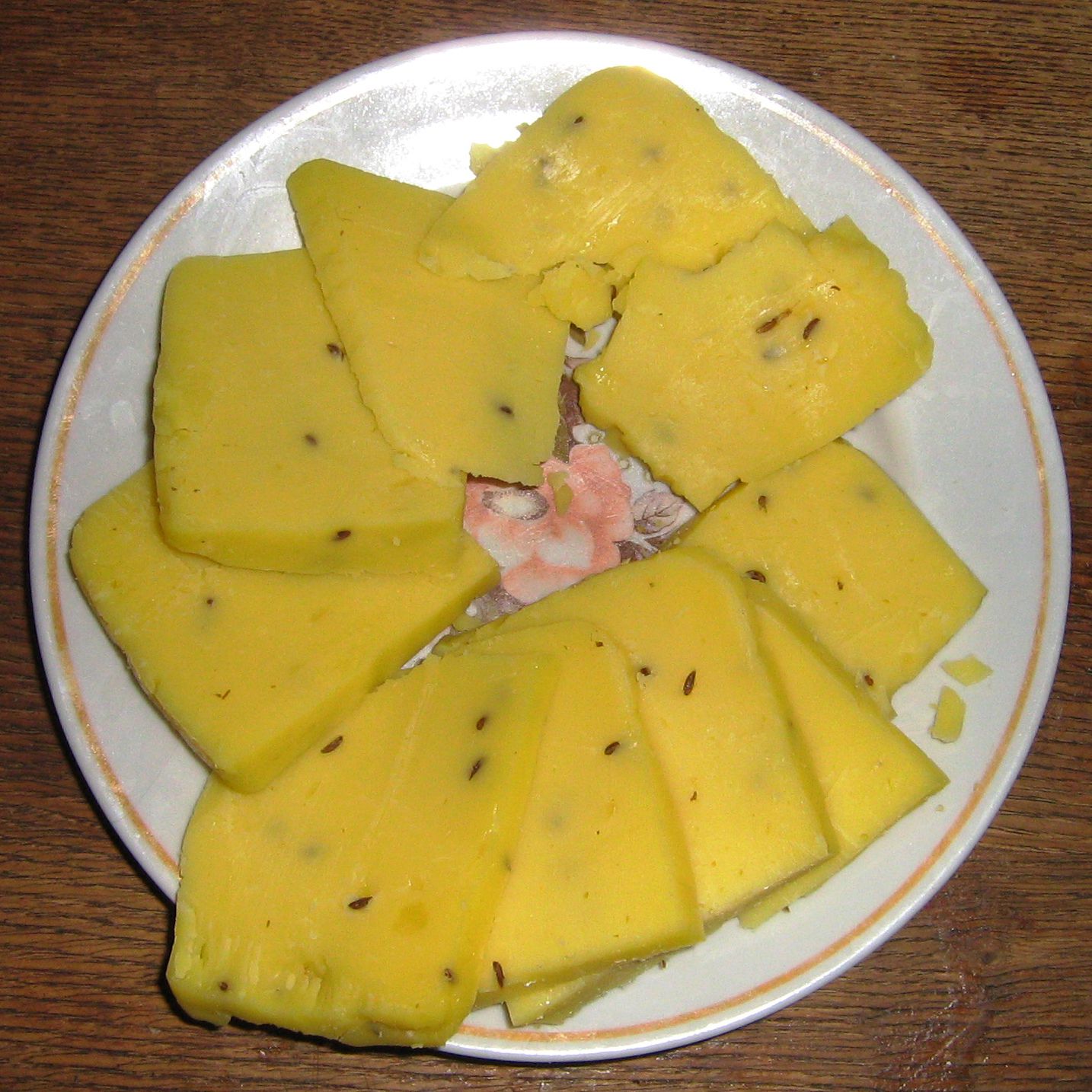
The country's signature cheese, Jāņu siers, is a yellow wheel of sour-milk cheese studded with caraway seeds, traditionally made for Ligo, the Latvian midsummer solstice festival at the end of June. Caraway turns up everywhere here: in bread, in cheese, in biscuits. Beyond the midsummer cheese, pick up smoked cheese at the market and aged farmhouse cheeses from small Vidzeme dairies: over the past decade the small creamery has become a genuine movement in Latvia.
What to drink besides the balsam
Latvia's beer culture is older than many in Europe and is enjoying a proper renaissance: alongside big brands like Aldaris, dozens of craft breweries operate, and beer from the Valmiermuiza estate appears on respectable restaurant menus. In summer look for barrel kvass and birch sap, bērzu sula, tapped in spring and fermented into a lightly fizzy drink. On the non-alcoholic side, local herbal teas deserve attention: linden, thyme and raspberry leaf blends sold at the market in big linen pouches.
Riga Central Market: the country's main food destination
If you have only half a day for tasting, spend it at Riga Central Market. Five enormous pavilions occupy former World War I Zeppelin hangars, a UNESCO-listed monument that still works as a proper everyday market where Riga residents do their shopping. Dairy, meat, fish, vegetable and gastronomy pavilions plus open-air rows add up to one of the largest markets in Europe.
What to buy: smoked fish and sprats in the fish pavilion, grey peas by weight, rye bread from small bakeries, midsummer cheese, forest berries and mushrooms in season, honey and sea buckthorn. In the Centrālais Gastro Tirgus food hall, a converted section of the market, you can sit down to street food by local chefs on the spot. Check current pavilion hours on the official market website: the fish and dairy halls close earlier than the outdoor rows.
More things worth tasting
| Dish or product | What it is | Where to find it |
|---|---|---|
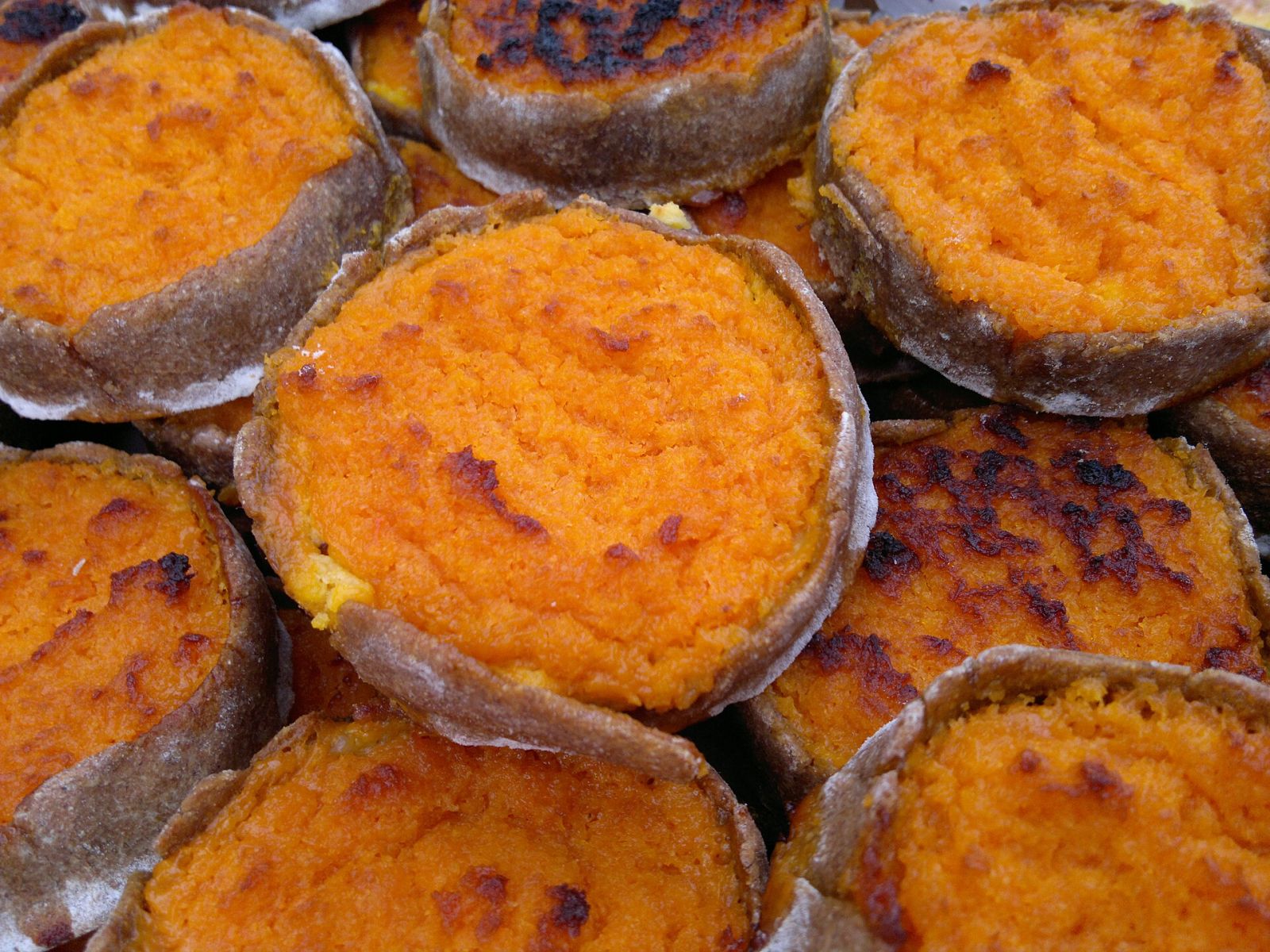
| Sklandrausis | an open rye tart with carrot and potato filling, a Livonian heritage dish | markets, Courland bakeries |
| Frikadeļu zupa | meatball soup, the country's default lunch soup | taverns, canteens |
| Speķa pīrāgi | soft crescent buns filled with speck and onion | bakeries, festivals, the market |
| Kartupeļu pankūkas | potato pancakes with sour cream or lingonberry sauce | taverns |
| Biezpiena sieriņš | the glazed curd snack Kārums, a local cult favourite | any supermarket |
| Sea buckthorn drink | a tart-sweet juice from the local berry | cafes, the market |
Where to eat it all, and at what cost
The most atmospheric format is the tavern-style canteen with home cooking, where you pick dishes at the counter. A bowl of soup costs a few euros and a full lunch comes out far cheaper than a restaurant meal. A level up are Riga's new Latvian cuisine restaurants, which rethink the same peas, fish and rye bread in modern plating: dinner costs more, but that is where you see where this food culture is heading. Prices creep up everywhere, so verify current figures on the spot before you travel.
Latvian cooking does not try to dazzle with spices or technique. Its strength lies elsewhere: honest ingredients from a cold sea and dark soil, eaten here for centuries and prepared entirely without pretence. That feeling is exactly what makes it worth arriving hungry.