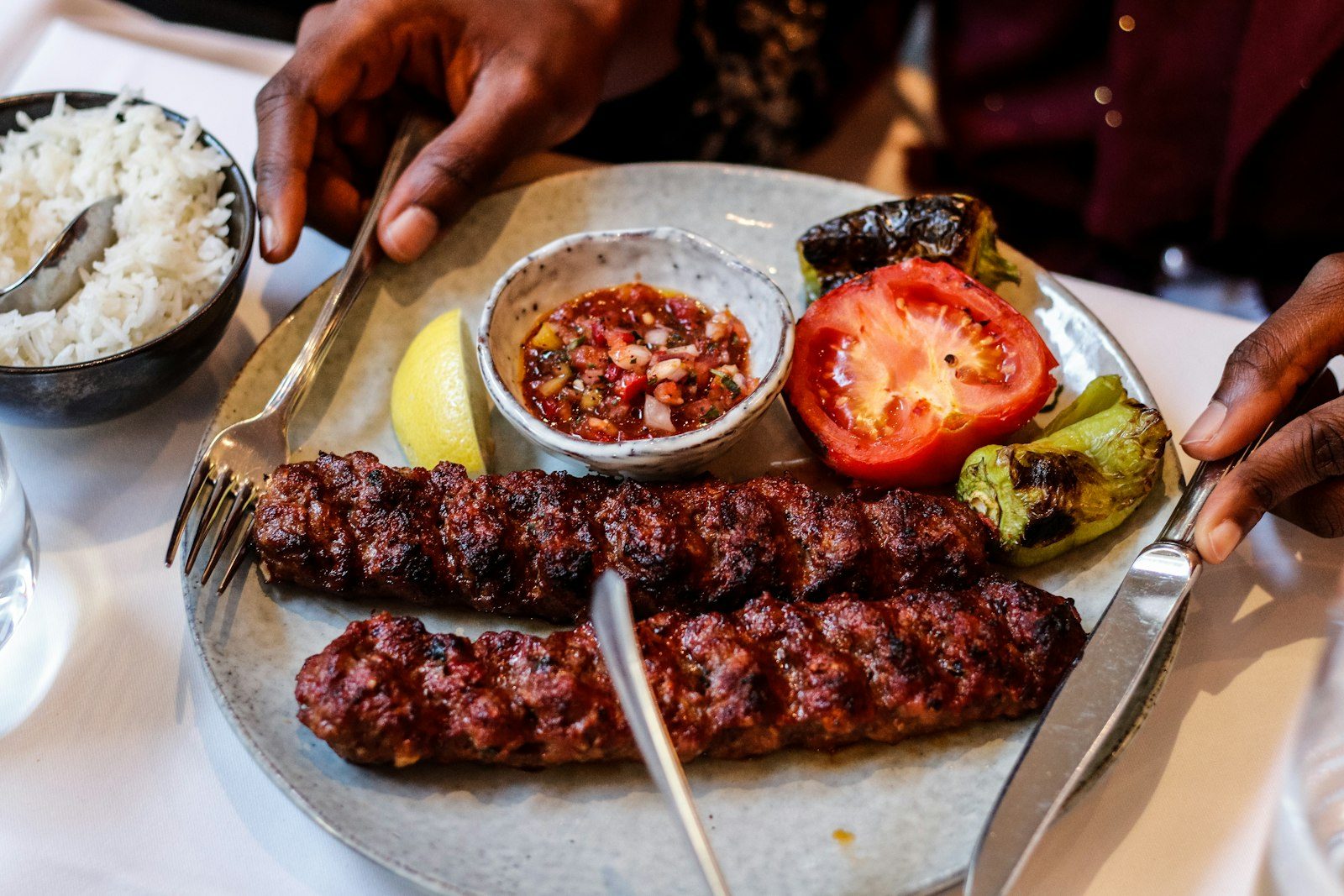


In Turkey, kebab is not a single dish but a whole category with dozens of recipes, and no local would ever call it the crown of their cuisine. Food in Turkey rests on three pillars, and kebab isn't one of them: a long, leisurely breakfast, dozens of cold meze appetizers, and a regional cuisine that changes every few hundred kilometers. Come here just for meat on a skewer and you'll miss nine tenths of what Turks actually eat every day.
The reason is simple. Turkey sits at the crossroads of the Balkans, the Caucasus, the Middle East and the Mediterranean, and every neighbor left its mark on the pot. So what follows isn't a list of "top dishes" but a map of how people really eat here: from morning until the late night street stall, keeping in mind that the table in Izmir and the table in Trabzon will look very different.
Breakfast here lasts an hour and replaces lunch
The Turkish breakfast, kahvaltı, isn't a quick fried egg but a genre of feasting all its own. Everything lands on the table at once: several kinds of white and hard cheese, olives, fresh tomatoes and cucumbers, honey with kaymak (thick clotted cream), homemade jam, a hard boiled egg, herbs and warm bread.
Partner links: booking through them supports the blog at no extra cost to you.
The hot centerpiece is menemen, eggs scrambled with tomatoes, green peppers and flakes of hot pepper, served straight in the pan, and sucuk, a spiced garlic sausage fried until the edges turn crisp. On weekends, cafes serve serpme kahvaltı, the "spread out breakfast," where the table literally disappears under all the little plates. Everything goes with tea, never juice. Scheduling a business meeting right after a spread like this is a bad idea: it eats up both your appetite until evening and a full hour of your time.
Meze: where a Turkish table really begins
Before anyone gets to the hot food, Turks order meze, a set of cold appetizers placed in the middle to share. This is the part of the cuisine where it's easiest to be a vegetarian and hardest to stop eating.
- Haydari thick yogurt with garlic, mint and a drizzle of olive oil, dense, almost like a paste.
- Cacık the runnier cousin of haydari: yogurt with cucumber and mint, refreshing after something spicy.
- Ezme a fiery paste of finely chopped tomatoes, peppers, onion and pomegranate molasses; a proper ezme is chopped by knife, not a blender.
- Dolma rice with pine nuts and currants wrapped in vine leaves, served cold with olive oil.
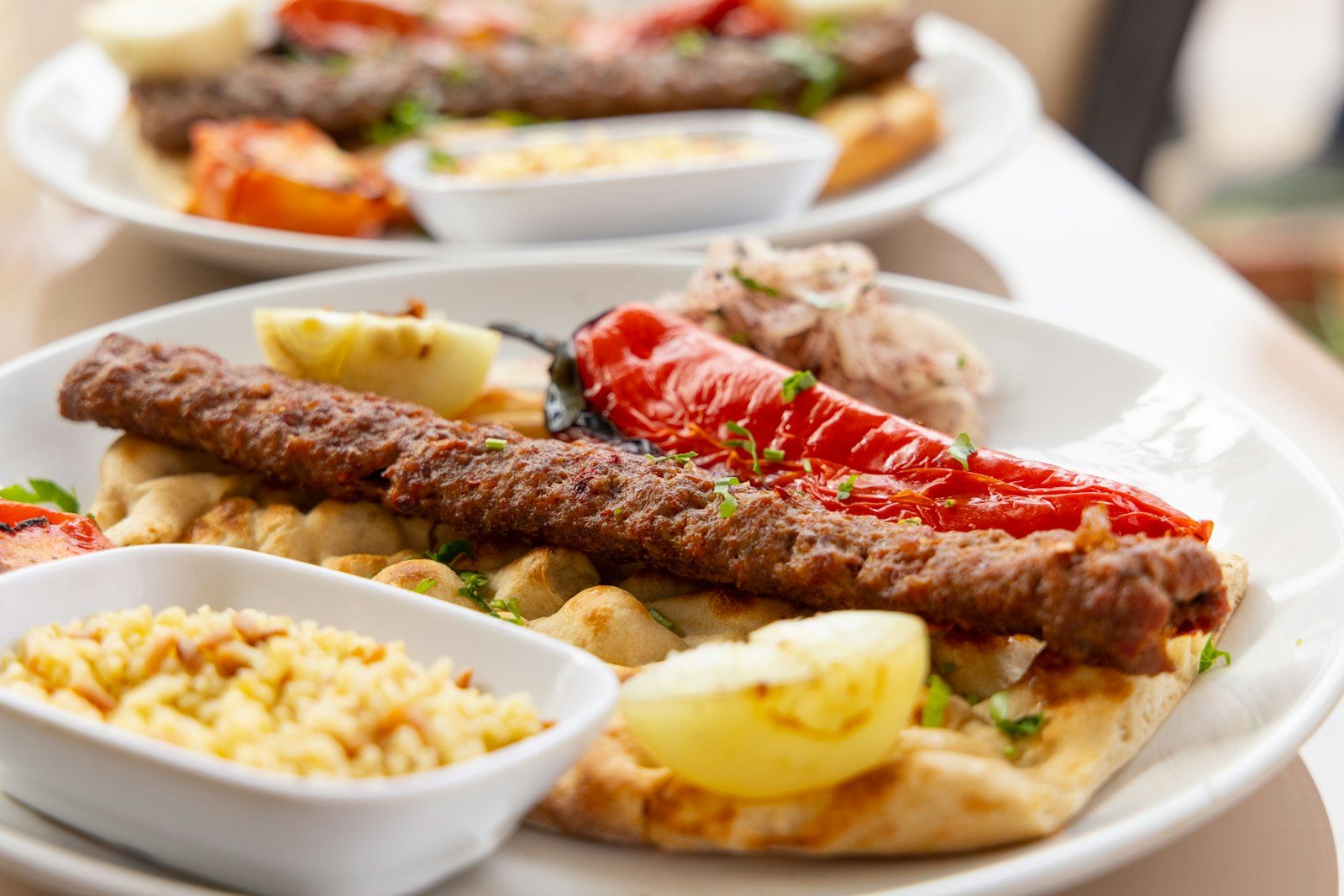
You order several kinds of meze for the group and eat slowly, mopping everything up with bread. In seaside fish taverns (meyhane), it's often the meze, not the fish, that's the real reason to go.
Kebab is dozens of different dishes, not one
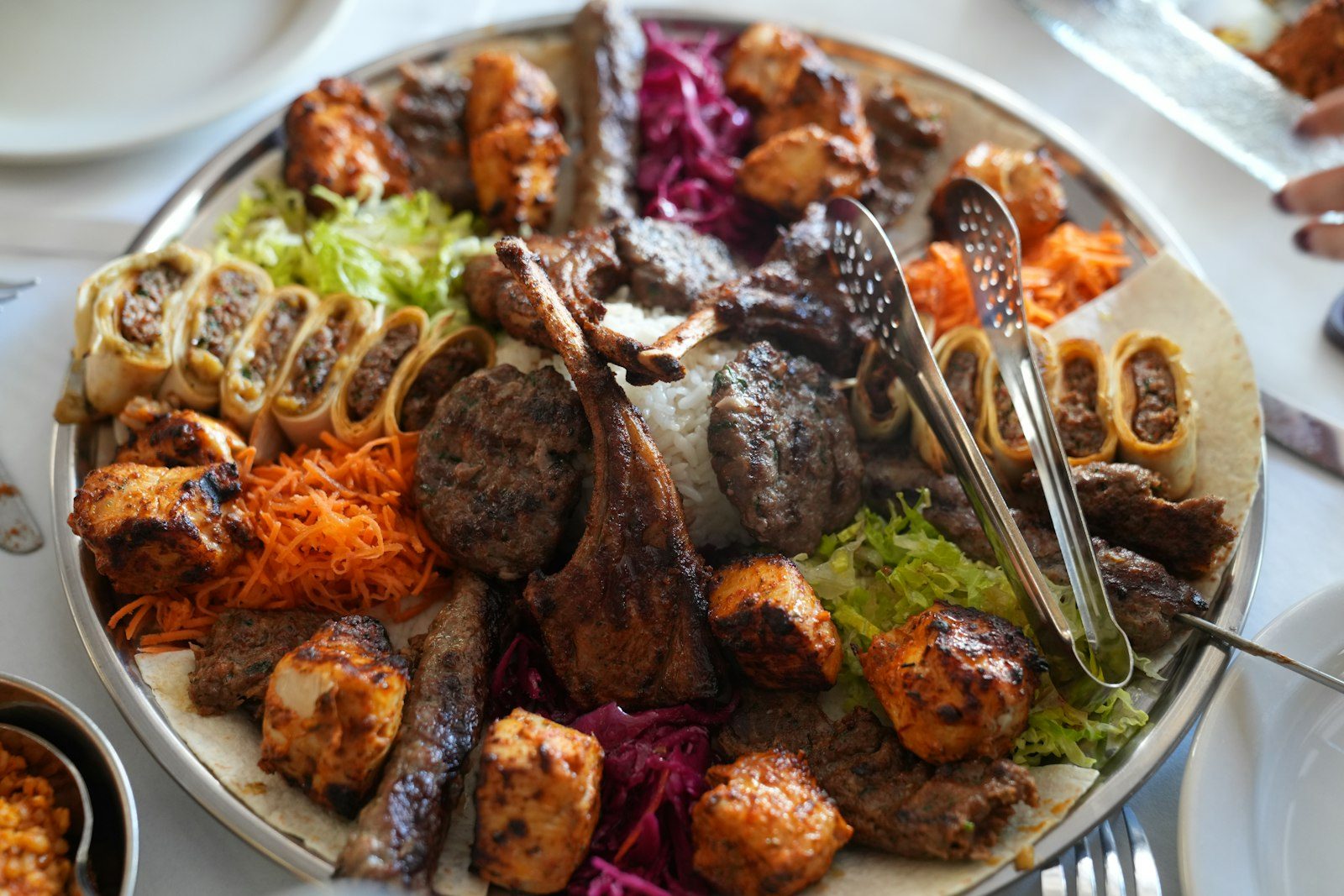
Now the meat, but honestly. The word "kebab" describes a cooking method, not a recipe, and every region has its own. Confusing adana with iskender is like confusing borscht with okroshka just because both come in a bowl.
| Kebab | Where it's from | What it actually is |
|---|---|---|
| Adana | Adana, southern Turkey | Spicy minced meat on a flat skewer with red pepper, garlic and onion. Blazing hot. |
| Urfa | Şanlıurfa, southeast | The same mince but without hot pepper: a smoky, earthy flavor instead of fire. |
| İskender | Bursa | Thin slices of döner over pieces of pide, drenched in tomato sauce, melted butter and yogurt. |
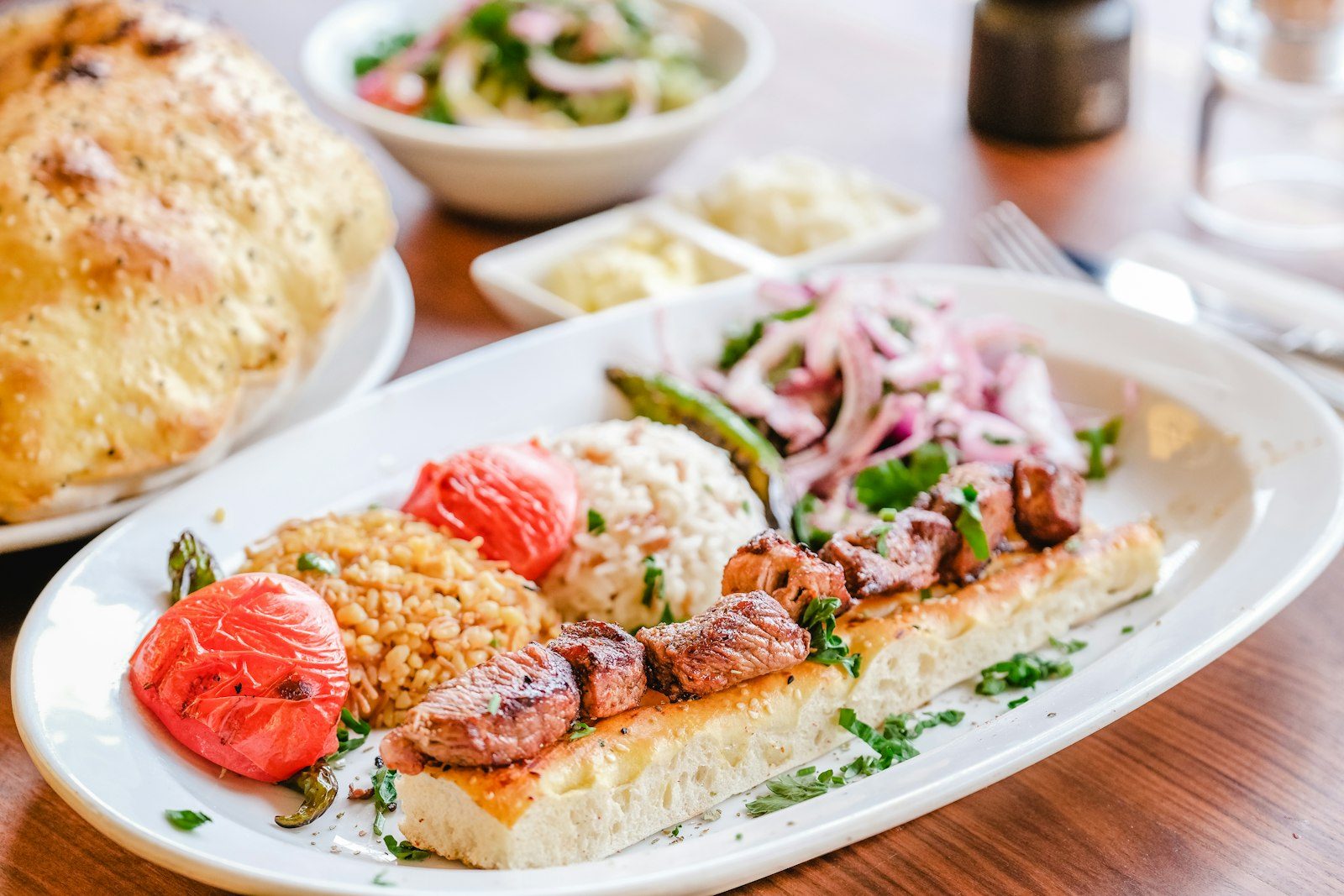
| Şiş | all across the country | Marinated cubes of lamb or beef on a skewer, often with vegetables. |
A tip for when you're there: if you don't like heat, say "urfa," not "adana," or it will genuinely burn. And order iskender for lunch rather than dinner, because a portion loaded with butter and yogurt sits heavy.
Pide and lahmacun: the Turkish answer to pizza
Two dishes tourists constantly mix up. Pide is a boat shaped flatbread with raised edges and a filling inside: cheese, mince with spinach, egg. It's cut into pieces and baked in a wood fired oven. Lahmacun, by contrast, is thin, almost see through, with a layer of spiced minced meat on top; you don't cut it, you roll it up with herbs and lemon and eat it with your hands. Lahmacun costs next to nothing and remains one of the cheapest filling meals in the country.
Köfte: a country with nearly three hundred kinds of meatball
The Turkish meatball, köfte, exists in roughly 291 regional versions, and the difference between them matters deeply to locals. İnegöl köfte from near Bursa is made with no spices or breadcrumbs at all, relying on the pure taste of the meat. Tekirdağ köftesi is ground through the mincer several times and seasoned with cumin, and the mixture rests overnight. İzmir köfte is stewed with potatoes, tomatoes and peppers: this is no longer an appetizer but a full home cooked meal with gravy.
Balık ekmek and what people eat on the go
In Istanbul, the most popular street food isn't meat at all, it's fish. Balık ekmek, grilled mackerel in bread, is sold straight from boats rocking beside the piers of Eminönü and Karaköy. This is the case where a view of the Bosphorus comes included in the price.
The rest of the street arsenal works right alongside it. Simit is a ring of dough coated in sesame, the local equivalent of a bagel, grabbed for a few lira on the way to the ferry. Midye dolma, mussels stuffed with spiced rice, currants and pine nuts: you pry open the shell, squeeze lemon over it and use it as a spoon, paying per piece. And with the first cold days come barrels of glowing coals roasting kestane, chestnuts, and a paper cone of chestnuts is a sure sign that autumn has arrived in Istanbul.
Desserts worth traveling to a whole other city for
Sweets in Turkey are a journey of their own. The best baklava comes from Gaziantep, where the small, bright green "antep" pistachios grow; the local baklava holds protected European geographical status (PGI, since 2013), the same level of protection as champagne or parmesan. For künefe, a dessert of fine kadayıf pastry threads with unsalted cheese under hot syrup, connoisseurs travel to Hatay on the Syrian border, where it's considered the gold standard. And lokum (Turkish delight) was made famous by the Istanbul confectioner Hacı Bekir back in the late 18th century, and his shop is still open today.
Coffee and tea are two different ceremonies
Turkish coffee isn't about caffeine but about ritual: coffee ground to a powder is brewed slowly in a cezve until a thick foam forms, and served in a small cup with a glass of water and a piece of lokum. Turkish coffee culture was added to the UNESCO list of intangible heritage all the way back in 2013.
But the country's everyday drink isn't coffee, it's tea. Turkey holds the world's top spot for tea consumption per person, more than three kilograms a year, and çay is drunk constantly here: in tulip shaped glasses, in tea gardens, in shops in place of "hello." UNESCO recognized tea culture separately in 2022. Turning down an offered glass all but insults your host, so it's easier to just accept.
The cuisine changes from one sea to the next
The traveler's biggest mistake is treating Turkish cuisine as one thing. In reality, what's served on the Aegean coast and what's cooked in the Black Sea north are almost separate culinary worlds.
| Region | What it's built on | What to try |
|---|---|---|
| Black Sea | Anchovy (hamsi), corn, greens, dairy | Hamsi in dozens of variations, corn bread, local butter |
| Aegean | Olive oil, herbs, vegetables | Wild herbs in oil (ot yemekleri), artichokes, light appetizers |
| Southeastern Anatolia | Meat, spices, pistachios | Gaziantep kebabs, baklava, the spicy cooking of Urfa |
It's no accident that the south earned the recognition: Gaziantep became a UNESCO City of Gastronomy in 2015, neighboring Hatay joined the list in 2017, and Afyonkarahisar in 2019. A trip there is justified by the food alone.
Where to eat well without spending much
The best home cooking in Turkey hides not in tourist restaurants with English menus, but in places called lokanta, or more precisely esnaf lokantası, the "canteen for regulars." There are no picture menus: trays of ready made dishes the cook prepared that morning sit in the window, and you point at what you want. The price is half of the tourist zone, and the food is the same as what locals eat at home. The rule of thumb is simple: if the people eating inside are taxi drivers and workers rather than tourists with suitcases, this is your place.
If it's your first time in Turkey, start simple: order serpme kahvaltı for breakfast, a spread of meze for lunch and find the nearest esnaf lokanta for dinner, and save the kebab for one evening when you're truly in the mood for meat. And if you've already been here and "tried everything," book a ticket to the southeast: the real food of Turkey begins where the tourist routes end, in Gaziantep, Urfa and Hatay.
Read also about food in Egypt and about Mardin, an ancient treasure of Turkey worth a look alongside the gastronomic south.