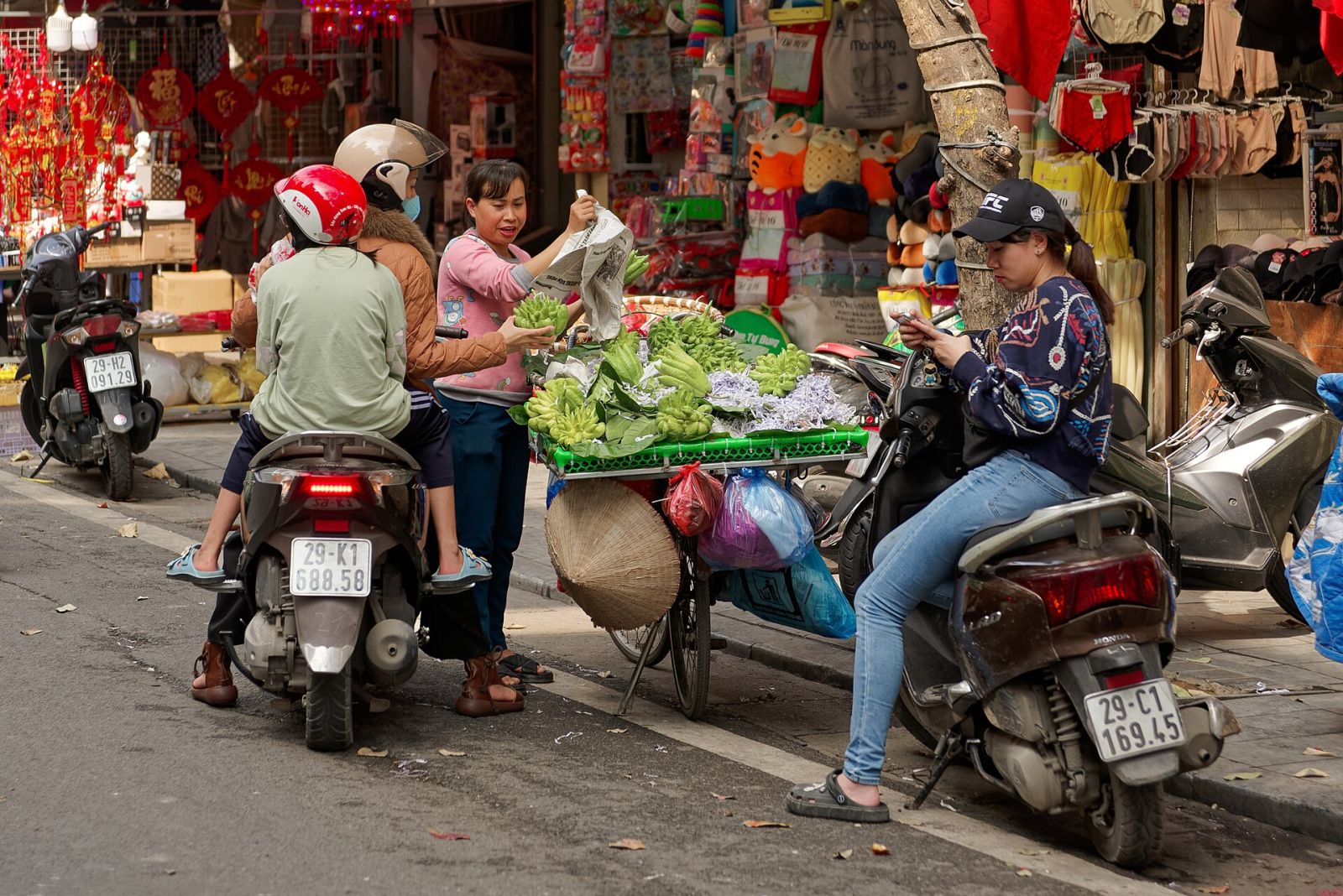


A week in Vietnam for two costs roughly 600-900 dollars on a tight budget, 1200-1900 at a middle pace and from 3000 in comfort, flights from Europe excluded. This is one of the cheapest countries in Asia for a traveller: a bowl of pho costs about two dollars, a night in a decent hotel with a pool runs thirty, and the biggest single line in most trips turns out to be neither lodging nor food but domestic travel. So the real answer to how much money to bring to Vietnam depends on how many regions you try to squeeze in.
The country stretches fifteen hundred kilometres from end to end, and the classic Hanoi, Hoi An, Ho Chi Minh City route means at least two half country hops. We compared the destination with its neighbour in Vietnam or Thailand; here it is purely about money.
A week for two: three scenarios
The calculation covers seven nights on a Hanoi plus Ha Long plus Hoi An route with one domestic flight. Figures are approximate, check current rates before booking.
| Expense | Budget | Middle | Comfort |
|---|---|---|---|
| Accommodation, 7 nights | Guesthouses, 2-3* hotels, 140-220 $ | 3-4* hotels with a pool, 300-500 $ | Boutique hotels, resorts, from 1100 $ |
| Food for two | 100-150 $ | 220-350 $ | from 600 $ |
| Regional hops and local transport | 90-140 $ | 200-300 $ | 500-700 $ |
| Ha Long Bay cruise for two | 180-240 $ | 300-500 $ | from 800 $ |
| Experiences, entry tickets, massage | 60-100 $ | 150-250 $ | 400-600 $ |
| E-visa for two | 50 $ | 50 $ | 50 $ |
| Total for two | 620-900 $ | 1220-1950 $ | from 3050 $ |
Look closely at the fourth row. In the budget scenario a Ha Long Bay cruise costs almost as much as a whole week of accommodation, and it is the one item that breaks the country's general cheapness.
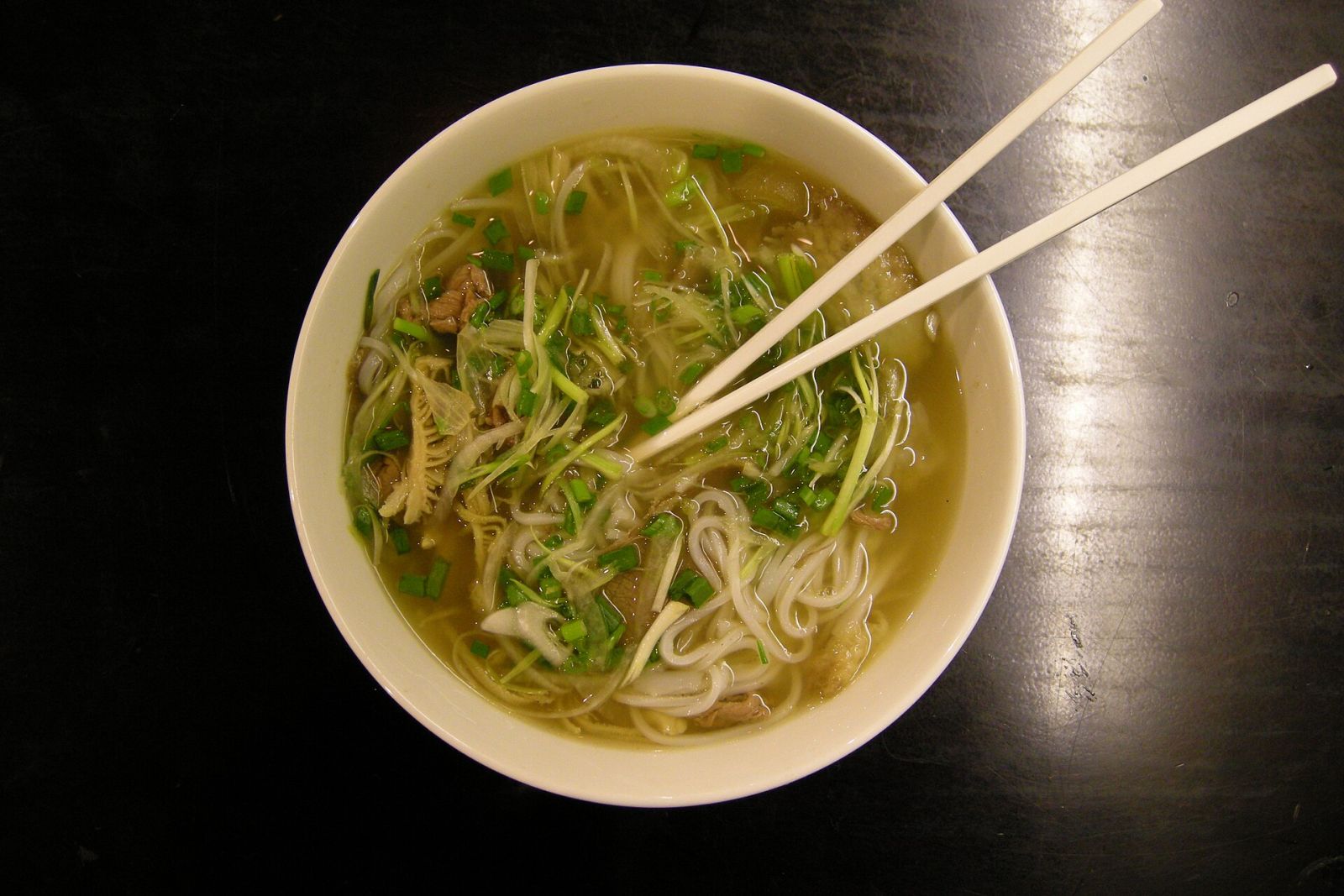
Pho for two dollars: why food barely registers in the budget
Street Vietnam feeds you better than restaurants do and charges a fraction of the price. A bowl of beef pho in a block where locals eat costs 40-60 thousand dong, meaning 1,5-2,3 dollars. Banh mi, a baguette with pate, pork and herbs, runs 20-35 thousand: under a dollar and a half for a full meal in your hand.
- Pho or bun cha: 40-70 thousand dong, 1,5-2,7 $.
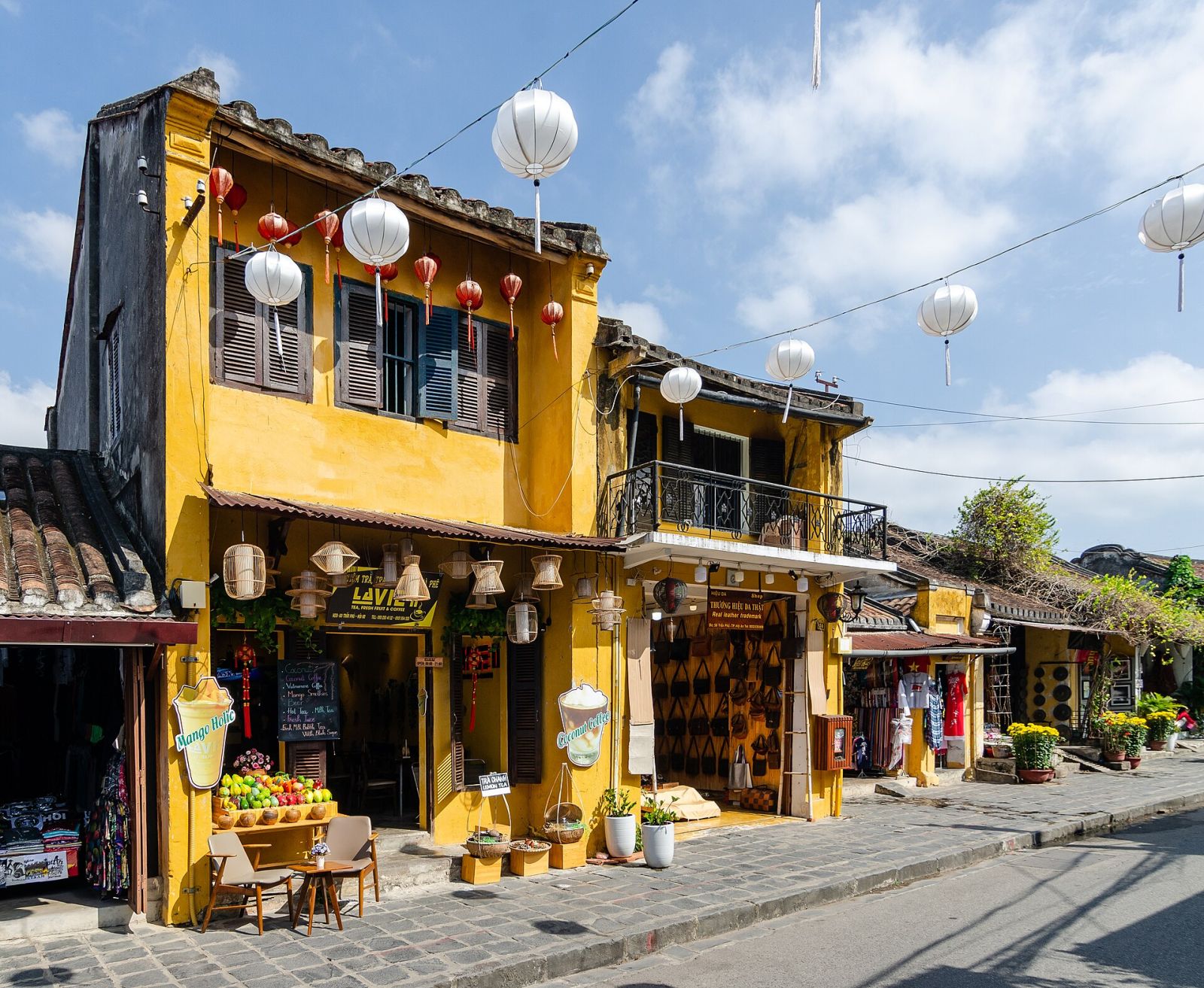
- Street banh mi: 20-35 thousand, up to 1,4 $.
- Ca phe sua da, iced coffee with condensed milk: 20-35 thousand.
- Bia hoi, draught beer on a plastic stool: 10-15 thousand, under half a dollar a glass.
- Dinner for two in a tourist restaurant in Hoi An: 400-700 thousand, 15-27 $.
A couple who eat breakfast and lunch on the street and dine in a cafe spend around twenty dollars a day between them. That is not austerity, it is simply how the whole country eats. Prices jump the moment you sit down somewhere with an English menu, air conditioning and tablecloths: three or four times the cost for the same cooking, often worse.
One warning about the physical money. Dong is counted in millions, and the 20 thousand and 500 thousand notes are printed on the same bluish polymer and feel almost identical. Mixing them up means paying twenty five times over, so check the zeros rather than the colour for the first few days. Withdraw in larger amounts: ATMs charge 30-50 thousand dong per transaction regardless of the sum.
Three regions in one trip: how not to spend everything on travel
North, centre and south are effectively three different countries in climate, cooking and temperament. Seeing all three in a week is possible, but every hop means either a night on the road or a flight plus two airport journeys.
| Option | Price per person | Duration | Notes |
|---|---|---|---|
| Domestic flight, Hanoi to Da Nang | 30-60 $, baggage extra | 1 h 20 min | Fastest, cheap fares appear a month out |
| Night train, soft sleeper for four | 40-55 $ | 16-17 h | Saves a hotel night, good views at dawn |
| Sleeper bus with lie flat berths | 15-25 $ | 17-19 h | Cheapest, poor sleep, night stops |
| Grab bike across town | 0,6-1,5 $ per ride | 10-20 min | Beats a taxi in Hanoi traffic |
The sleeper bus is a backpacking classic and deserves an honest description: berths are sized for Vietnamese frames, shoes come off at the door, and drivers take liberties with the road. Anyone taller than about 175 centimetres rarely sleeps well. The night train costs some twenty five dollars more, but you can stretch out in the compartment, and in the morning the Hai Van Pass rolls past the window.
For a one week trip the sensible compromise looks like this: fly the long hop, take the train or a car for the short one. Domestic tickets get cheaper three or four weeks ahead and double in price a couple of days before departure. Watch the baggage rules: low cost carriers include hand luggage in the fare, while a checked suitcase adds 10-20 dollars per leg.
Ha Long: the one expense that breaks the pattern
A cruise on Ha Long Bay or neighbouring Lan Ha is the purchase where cutting corners hurts most. A two day trip with a night aboard costs 90-130 dollars per person at the cheap end, 150-250 at a decent level and from 400 on boats with suite cabins. Transfer from Hanoi, meals, kayaks and caves are usually included.
The gap between cheap and mid range is not about tablecloths. Budget tours carry bigger groups on older boats along the most trampled part of the bay, and they economise visibly on food. For 180-220 dollars you get fewer people aboard, a route into Lan Ha where boat traffic is a third as heavy, and a cabin with a real window rather than a porthole near the ceiling. Day trips run 45-70 dollars, but half the day goes to the road, so the bay flashes past.
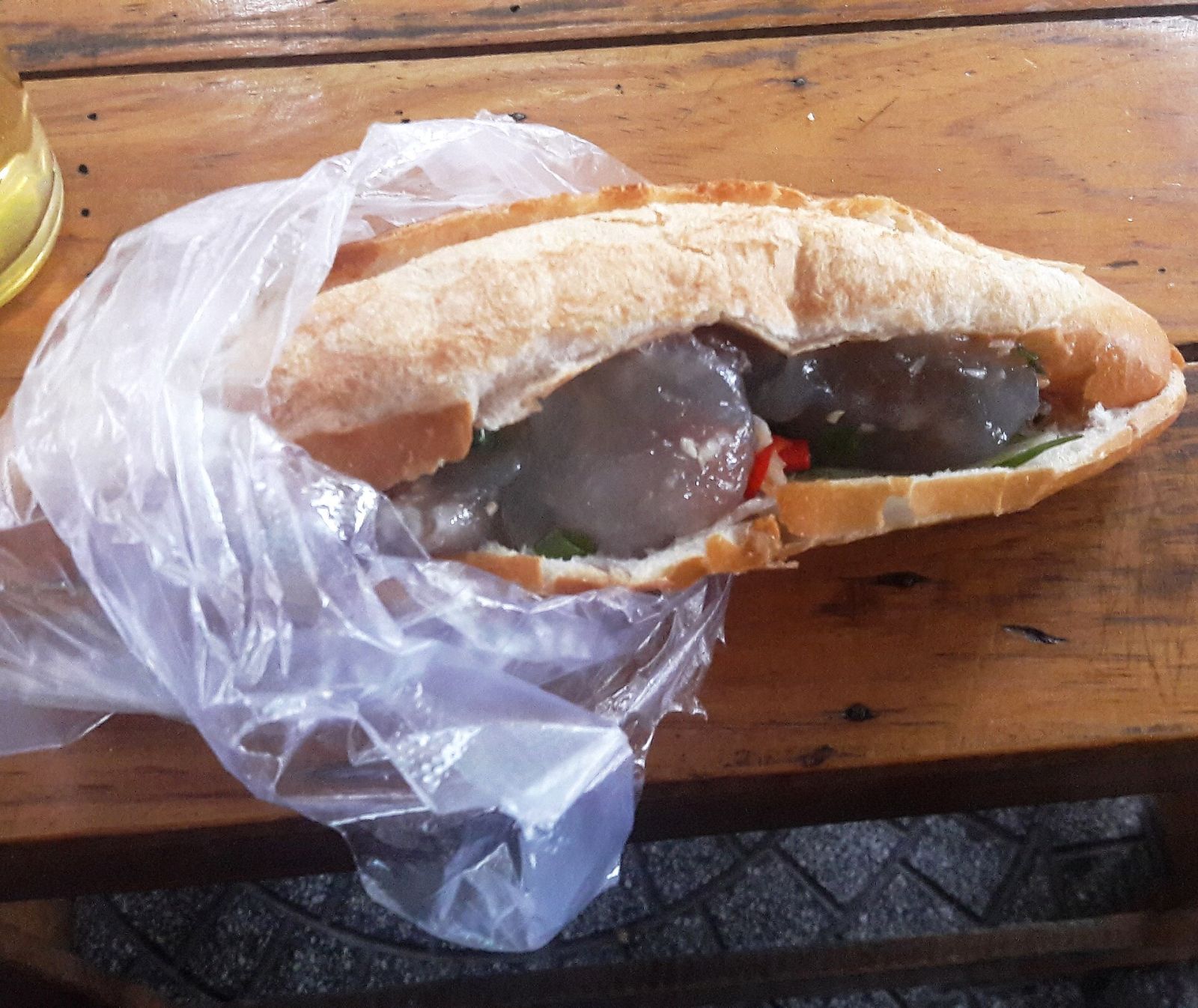
Weather decides more here than budget does. From December to March thick haze often settles over the water, and instead of the famous karst towers you get milk, at exactly the same price. Cruises are cancelled in storms with a refund or a reschedule, so never book Ha Long for the last day before your flight home.
Visas, tickets and the small things that bleed money
Ukrainians apply for an e-visa online: it costs 25 dollars for single entry and is submitted through the official portal of the Vietnam Immigration Department. Processing takes up to three working days and sometimes longer, so apply at least a week ahead. Plenty of agency sites resell the same visa at triple the price while speeding up nothing.
- Hoi An old town ticket: about 120 thousand dong, covering entry to several heritage houses.
- Cu Chi tunnels near Ho Chi Minh City: about 130 thousand plus transport, 15-25 $ per person in total.
- Cooking class in Hoi An: 25-35 $ per person, market and boat trip included.
- Massage, one hour: 200-350 thousand dong, 8-14 $.
- Tailored suit in Hoi An: from 80 $ for a simple one, 150-250 for good cloth, ready in a day.
Two small things reliably cost extra. First, unmetered taxis around airports and stations: use Grab or the official desks, because the price gap reaches three times. Second, unlabelled prices in markets and tourist quarters, where the first number quoted to a foreigner is traditionally inflated. Bargaining here is a form of conversation rather than a fight, and half the opening figure is usually the real price.
What to budget
A realistic figure for a couple spending a week in Vietnam is 1300-1600 dollars excluding the flight from Europe: hotels with pools, one domestic flight, a proper Ha Long cruise, street food every day with a few restaurant dinners, and a massage. The 700-900 dollar version delivers the same country, only with guesthouses and a night bus instead of a plane. Keep the equivalent of 100-150 dollars in cash per couple; cards work in hotels, chain cafes and supermarkets, while street food, markets and small transport run on dong alone. Prices are indicative for 2026, check current rates before you go, since domestic airfares and cruises swing hardest with the season.