

Practical Lithuania travel tips fit into one sentence: the currency is the euro, cards work everywhere down to street markets, the trains are new and punctual, and the country is so safe that the wildest event of your week may be a seagull stealing your smoked fish in Nida. EU citizens enter freely, and travelers from many countries including Ukraine get 90 visa-free days in any 180-day period with a biometric passport.
Money: euros, cards, and daily budgets
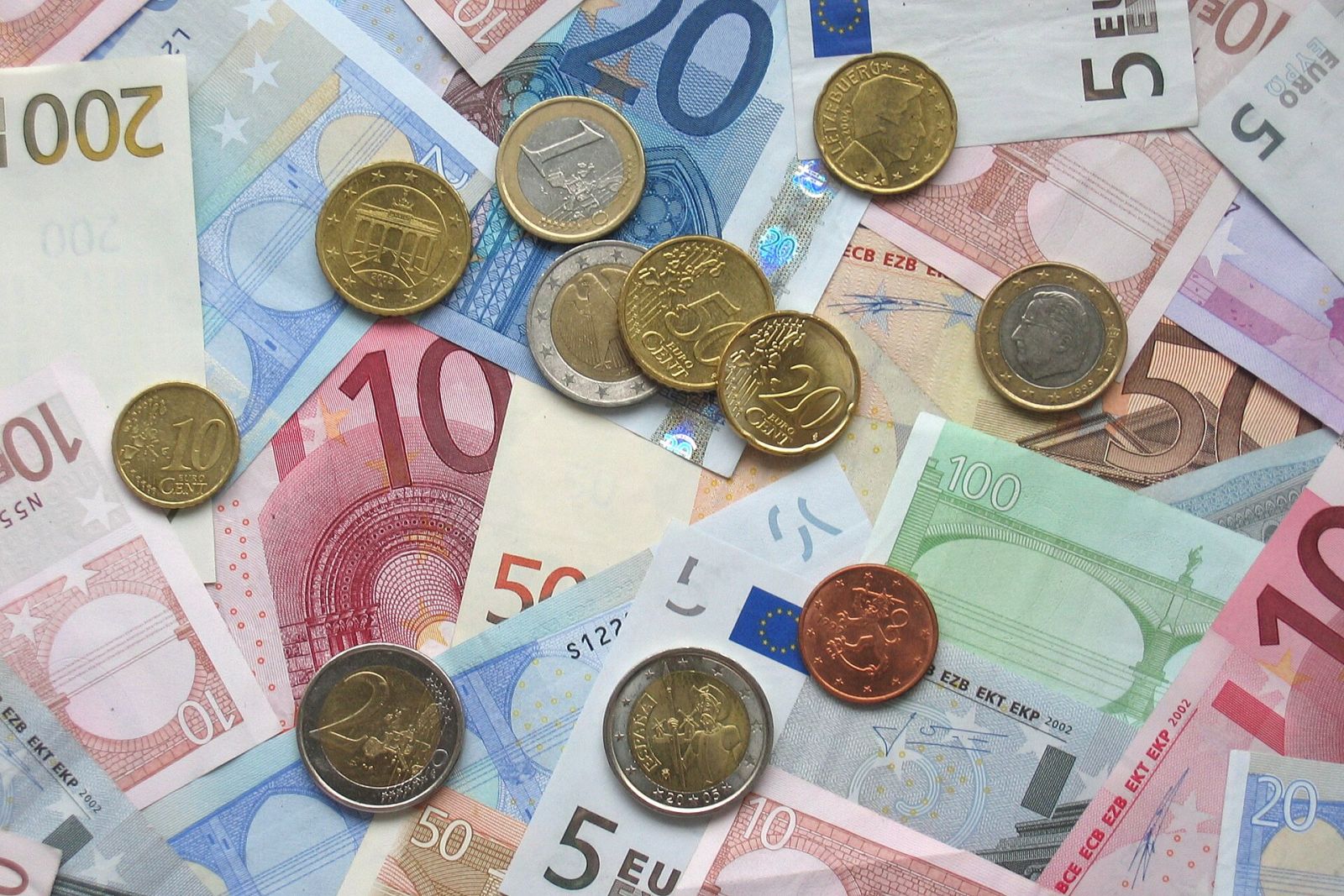
Lithuania joined the eurozone in 2015, so there are no currency puzzles: it is plain euro territory. Cashless payment rules absolutely everywhere, cards are accepted in canteens, at fuel stations, at kibinai kiosks, and even by grandmothers selling berries at the market, who often have a terminal or a QR code taped to the stall. Cash is needed only at flea markets and deep in the countryside, so 50-100 euros for a week is plenty. Foreign cards work fine, just mind your bank's conversion fee, a euro-denominated card saves money.
A rough daily budget per person excluding accommodation: 25-35 euros in economy mode (canteens, public transport), 50-70 euros in comfort mode (restaurants, taxis, museums). Lodging: a hostel bed in Vilnius starts at 15-20 euros, a decent double room runs 60-100 euros, and in Nida high-season prices jump noticeably, with rooms selling out far in advance. Tipping is optional, though 5-10% for good service is common practice.
LTG Link trains: the nicest way to move around
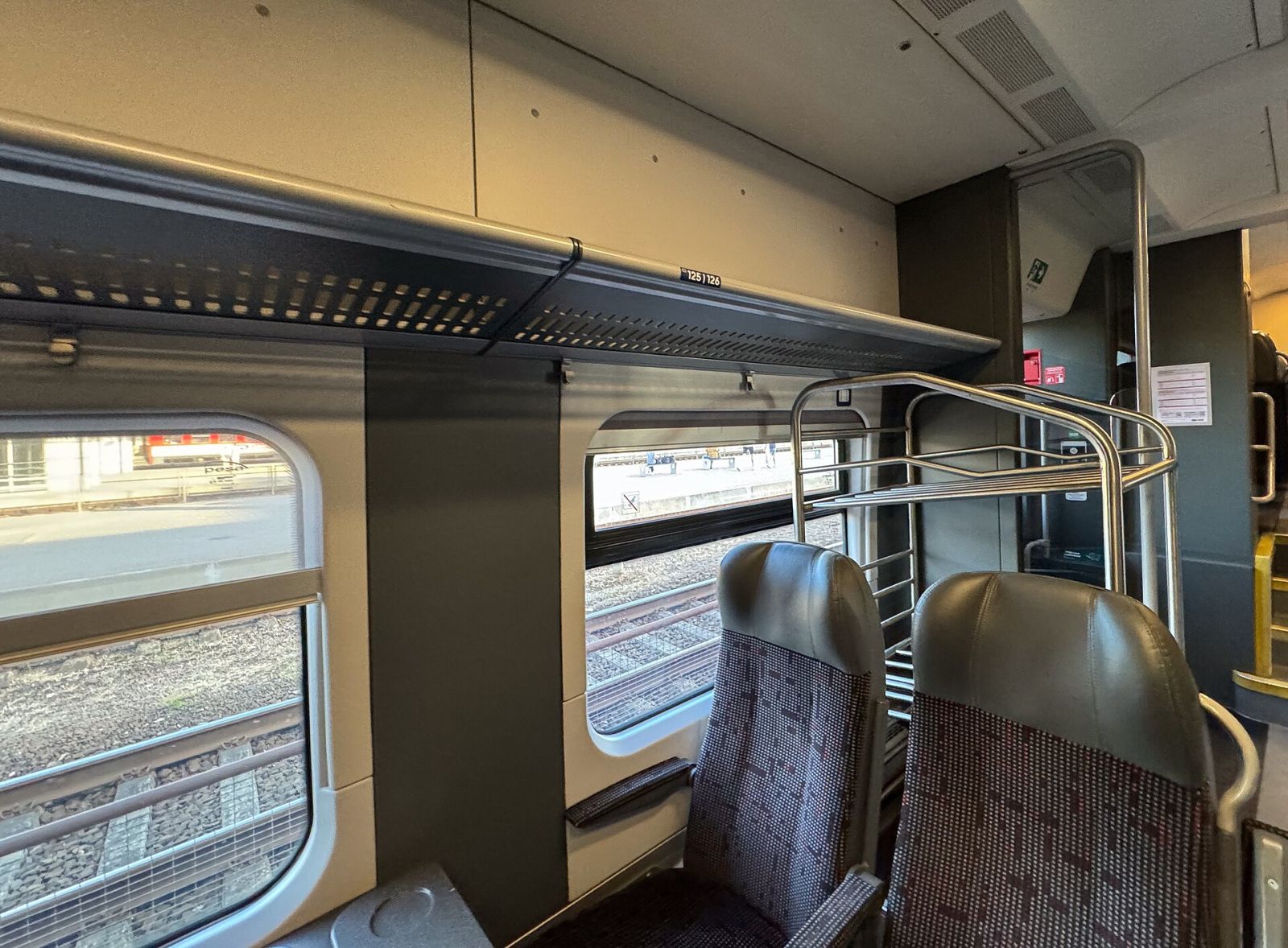
The railway, branded LTG Link, is the single best piece of advice in this article. The trains are modern, with power sockets and Wi-Fi, tickets are cheap, and the main tourist corridors are covered perfectly: Vilnius to Trakai (half an hour, around 1-2 euros), Vilnius to Kaunas (just over an hour, 5-8 euros), Vilnius to Klaipeda (about four hours, 15-25 euros). Tickets are sold in the app and at ltglink.lt, and advance booking is unnecessary except for Friday evening summer trains to Klaipeda, which do sell out. Fares float with demand, so check current prices before you travel.
Buses cover everything the train does not: intercity carriers such as Ollex plus regional routes leave from bus stations that usually sit right next to the railway ones. For towns like Siauliai or Druskininkai the bus is often more convenient than the train. City transport in Vilnius and Kaunas means trolleybuses and buses, paid through an app (m.Ticket in Vilnius) or a contactless card, with single tickets around 1 euro. For taxis use Bolt, it dominates the market and beats street pickups on price.
Renting a car: when it actually pays off
For the Vilnius-Trakai-Kaunas triangle a car is unnecessary, trains win on every count. A car makes sense in two cases: the Hill of Crosses near Siauliai, reachable by public transport but tediously, and a flexible schedule along the coast. Rentals from international and local firms run roughly 30-60 euros a day for a compact in season, most national driving licenses are accepted, minimum age is 21-23 with a year or two of experience, details vary by company.
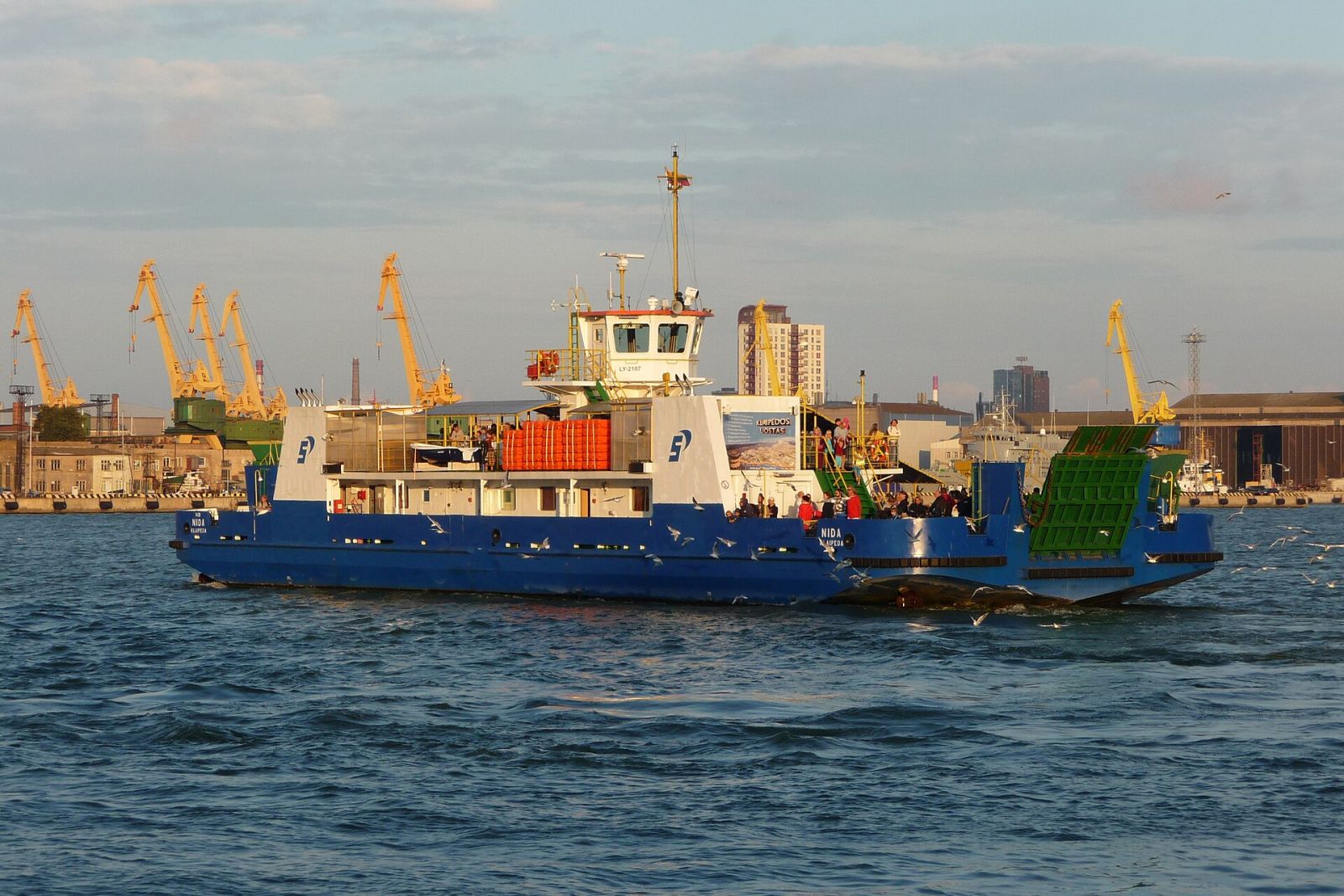
A separate topic: driving onto the Curonian Spit. There is no bridge, only the ferry from Klaipeda (vehicles use the Smiltyne crossing), and the national park charges an environmental entry fee that is noticeably higher in high season than in winter, on top of the ferry fare itself. Budget several dozen euros for a summer round trip with a car. An underrated alternative: leave the car parked in Klaipeda, walk onto the ferry, and take the regular bus to Nida, which runs the full length of the spit. It is cheaper and spares you the hunt for parking in Nida, which is chronically scarce in season.
When to go: seasons without illusions
| Season | Weather | What to expect |
|---|---|---|
| May-June | +15…+22 °C | greenery, long days, no crowds yet, the best balance |
| July-August | +20…+27 °C | peak season, a genuinely warm sea only some years, top prices on the spit |
| September | +13…+19 °C | mellow weather, mushrooms, cheaper rooms, the sea already cold |
| October-March | -5…+7 °C | grey and windy, but Christmas-season Vilnius and empty museums |
The Baltic Sea deserves a frank word: even in August the water rarely warms past +20 °C, so do not head to the spit with Mediterranean expectations. People come for the dunes, the pines, the cycling, and the smoked fish, while swimming is a bonus for the hardy. Pack a windbreaker whatever the month, the coast is windy year round.
Safety and connectivity
Lithuania consistently ranks near the top of global safety indexes, street crime is rare, evening walks feel comfortable, and the most realistic tourist hazards are pickpockets in Christmas-market crowds and cyclists who ride fast and yield their lanes to no one. The single emergency number is 112. The country is openly welcoming to Ukrainians, blue-and-yellow flags hang on municipal buildings and private balconies alike; English works well with younger people, while older generations often understand Russian and sometimes Polish.
Connectivity: EU roaming covers European visitors, while for others a local prepaid SIM (Telia, Bite, Tele2) is the smart move, packages with tens of gigabytes cost about 5-10 euros and are sold in kiosks and supermarkets with minimal formalities. Cafe and hotel Wi-Fi is solid everywhere, Lithuania has historically ranked among Europe's leaders in internet speed.
Entry rules and getting there
EU and EEA citizens enter with an ID card. Ukrainians travel visa-free with a biometric passport, up to 90 days in any 180. Border officers may ask about the purpose of the visit, accommodation bookings, and a return ticket, in practice they rarely do, but keep the documents handy on your phone. Travel insurance is not formally required for visa-free entry, yet skipping it is unwise: an uninsured doctor's visit hurts the budget. Verify current entry rules before the trip on the Lithuanian MFA site urm.lt, requirements get updated now and then.
Vilnius and Kaunas airports receive low-cost flights from across Europe. Overland, direct buses connect Vilnius and Kaunas with Warsaw, Riga, and Ukrainian cities including Kyiv and Lviv (16-20 hours from Ukraine), and a combined route through Warsaw by train plus a budget flight often turns out both faster and cheaper.
A short pre-trip checklist
- Money: euros, a card covers 95% of spending, a little cash for markets.
- Transport: LTG Link trains on the main routes, buses for smaller towns, Bolt in cities.
- Car: worth it for the Hill of Crosses and coastal freedom; for the spit, factor in the ferry and the entry fee.
- Season: May through September, or December for the Christmas atmosphere.
- Documents: passport, insurance, and 112 for emergencies.
All in all, Lithuania is a country where the practical side of travel takes no effort at all. Everything works, everything is close, everything makes sense from day one. That is exactly why it suits both a first independent trip around Europe and a quick long-weekend reset.