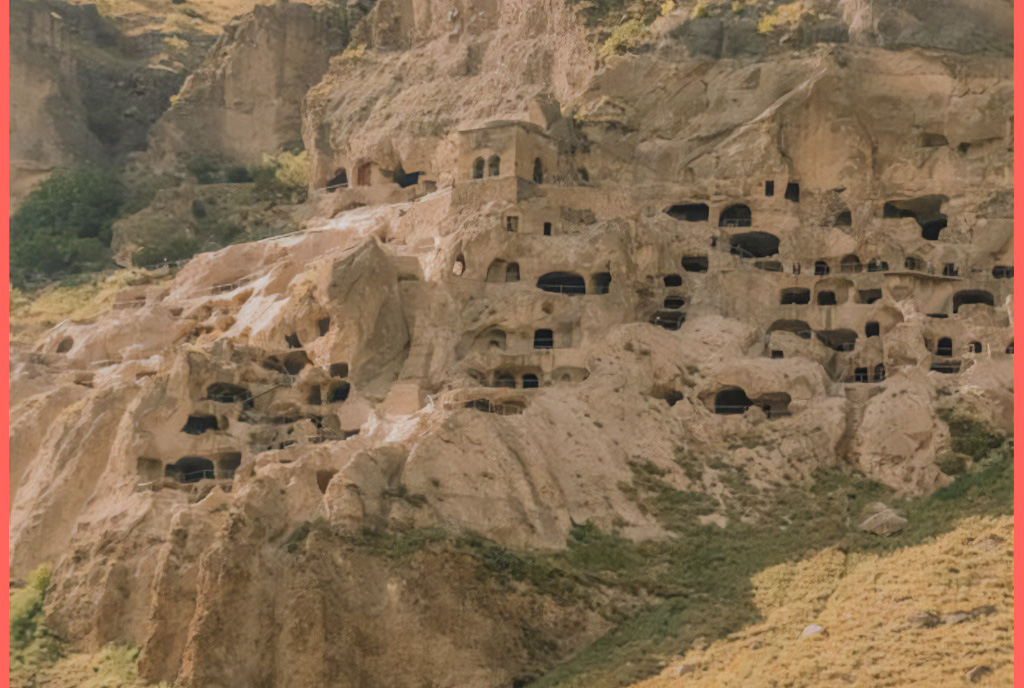


From 3,000-year-old Uplistsikhe to the 6th-century David Gareja Monastery and the long-forgotten dwellings of Samshvilde, every cave complex in Georgia sparks the imagination.
But none of them surpasses Vardzia.
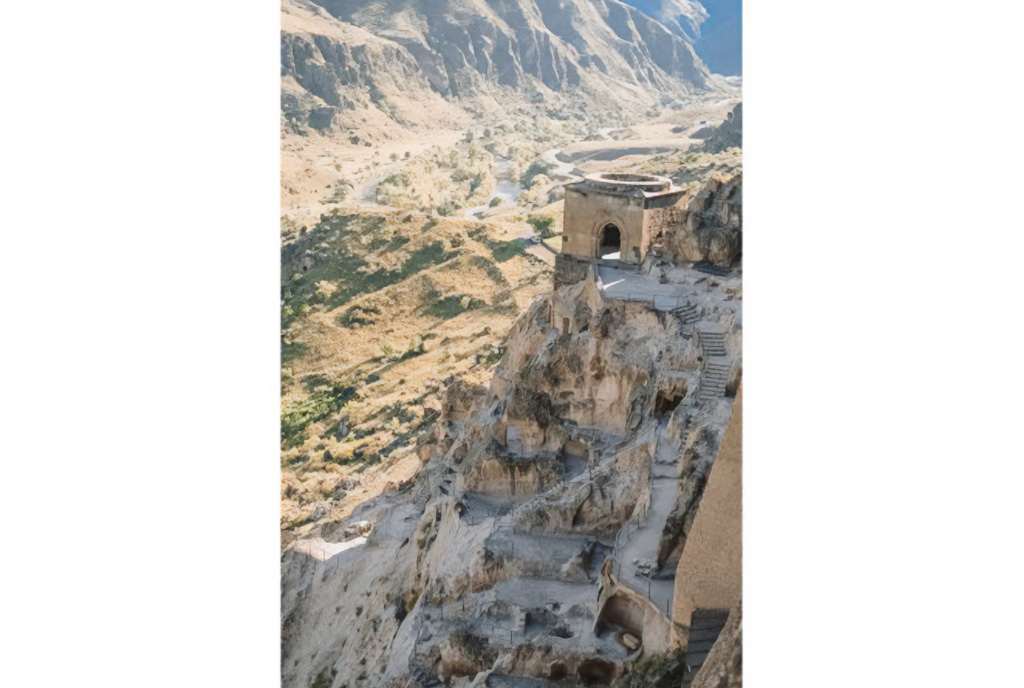
Scattered across the slopes of Erusheti, towering above a fertile valley cut by the Mtkvari River, Vardzia is Georgia's most remarkable cave city.
Partner links: booking through them supports the blog at no extra cost to you.
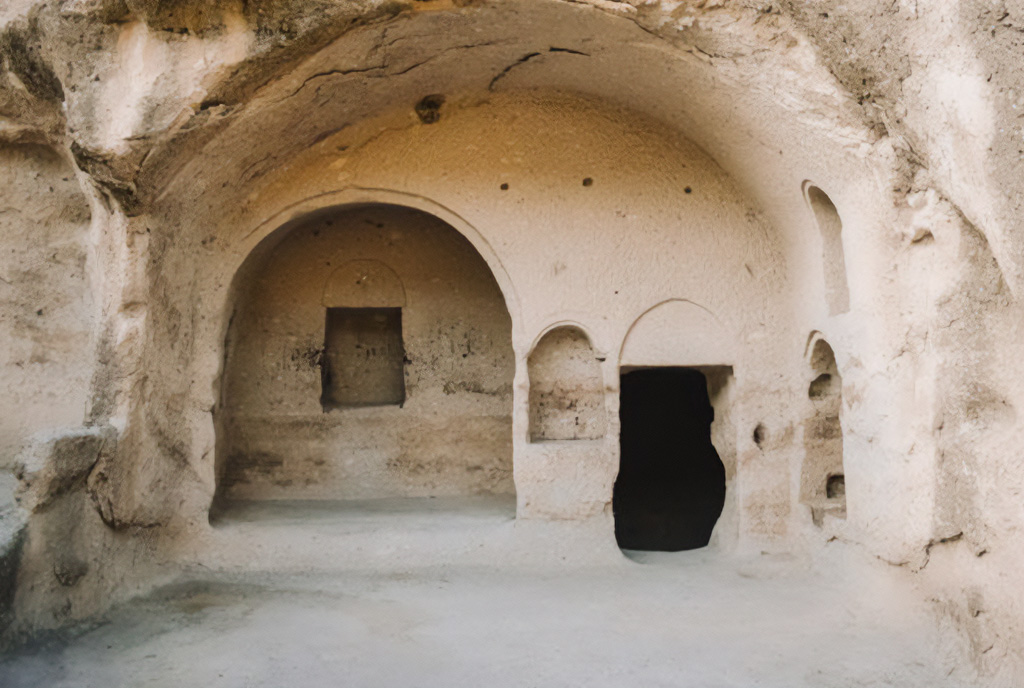
At its height, this rock-hewn city held 6,000 rooms spread across 19 levels, including 25 wine cellars, a convent, 15 chapels and a pharmacy, all coming together to form a bustling medieval city and monastery.
Secret escape tunnels and tangled dead ends
First conceived and built as a fortress in the 12th century during the reign of King George III, it was actually his daughter who brought it to life. Under her watchful eye, an intricate system of caves and chambers was carved deep into the heart of Erusheti, among them a secret escape tunnel and a maze of dead-end halls designed to confuse invaders.
Over the years it quickly grew from a modest fortress into a great monastery, a cultural hub and an offensive stronghold. Vardzia was home to around 2,000 monks, housed tens of thousands of residents and, thanks to its fertile terraces and elaborate irrigation system, it was a self-sufficient city long before that became a common thing.
At the head of it all stood Tamar the Great, a legendary monarch so fierce and powerful that she earned the title of king, Tamar Mepe. Across nearly 30 years of her rule, twice married and a woman at that, Georgia flourished politically and territorially, its power stretching across the Greater Caucasus and reaching south between present-day Ganja and Erzurum.
Literature and the arts thrived like never before, giving rise to some of Georgia's greatest figures. Among them was Shota Rustaveli, the medieval poet whose unrequited love for Tamar and epic poem "The Knight in the Panther's Skin" secured his place in history and earned him an avenue in nearly every city in the country.
As much as Vardzia flourished, its success was relatively short-lived. In 1283 the region was shaken by an earthquake that destroyed more than 70% of the city and sent its outer wall crashing down in an avalanche of biblical proportions. Left without reliable protection, most of Vardzia's residents packed up and left, leaving only the hardiest monks behind.
The monastic community held on for another 300 years, until further raids finally wiped them out.
More than 800 years after Queen Tamar's reign, a handful of monks still care for Vardzia, having returned after the collapse of the Soviet Union.
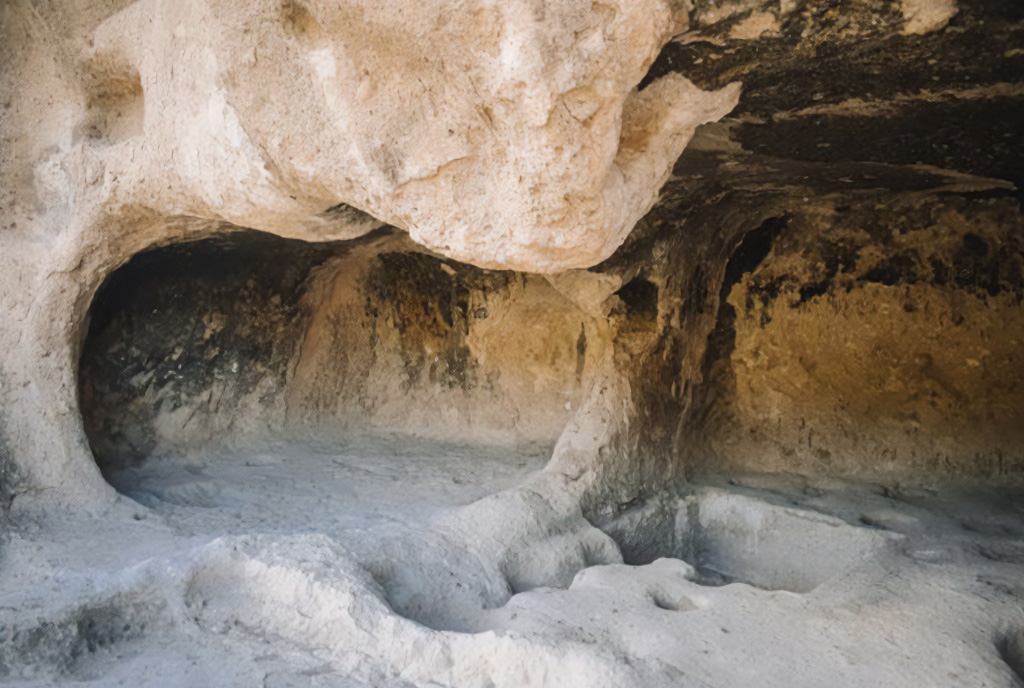
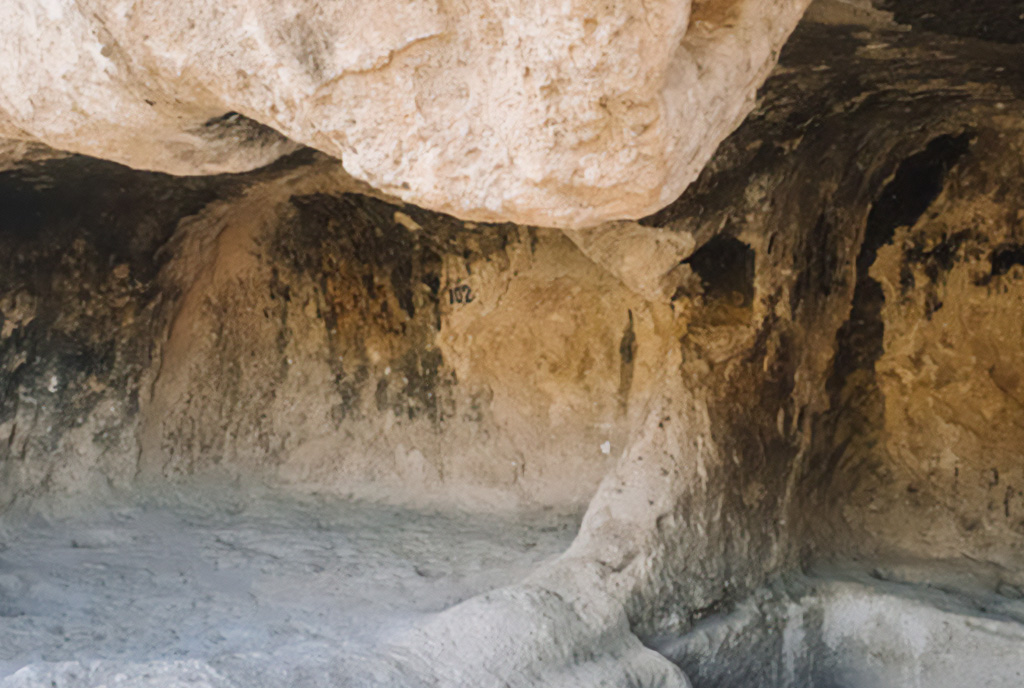
Around 500 caves have survived, including a pharmacy with its meticulously carved shelves untouched and wine cellars with qvevri (ancient winemaking vessels) still set into the ground below, as if no time had passed at all.
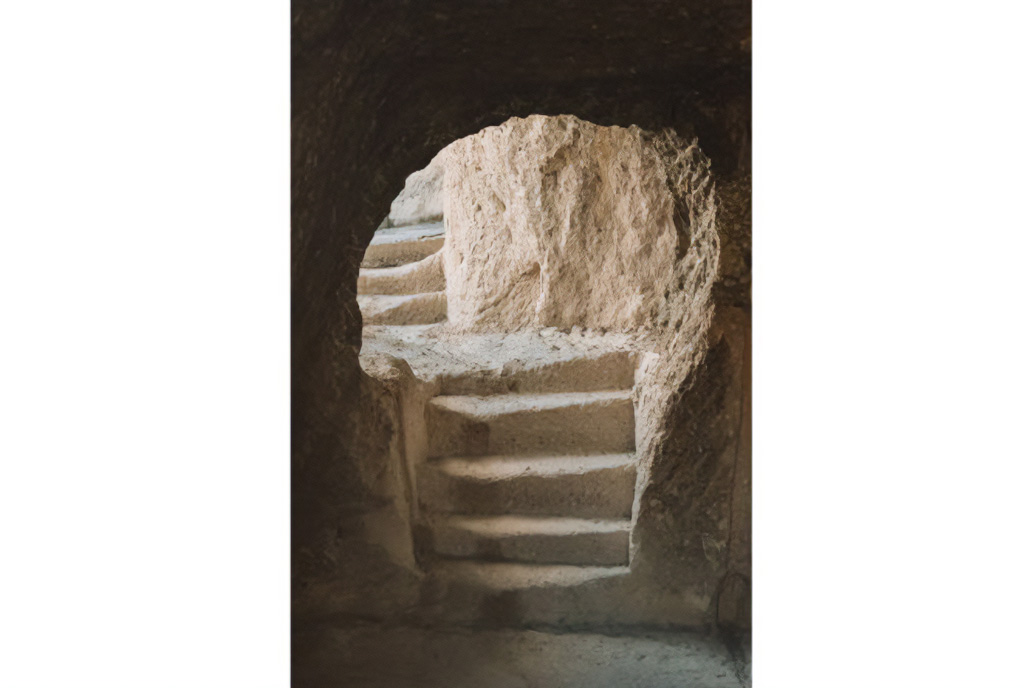
Deeper still into the mountain lies a labyrinth of untouched tunnels, some more than 600 feet long, connecting it all in an ancient web.
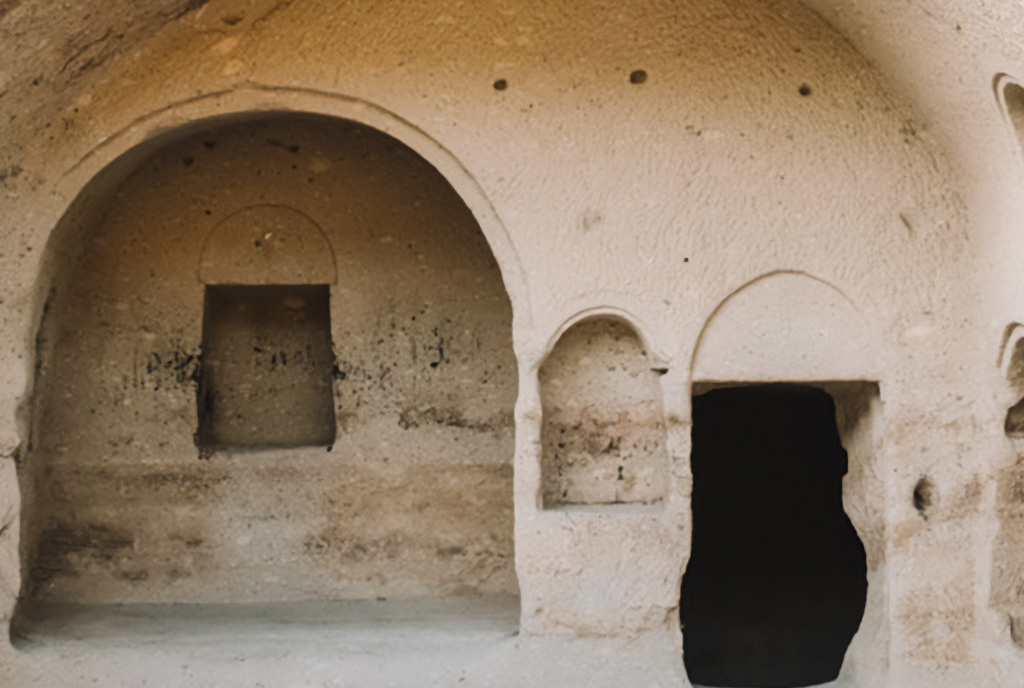
Even the worn dining hall, with its stone-carved benches and a hearth for baking, has survived.
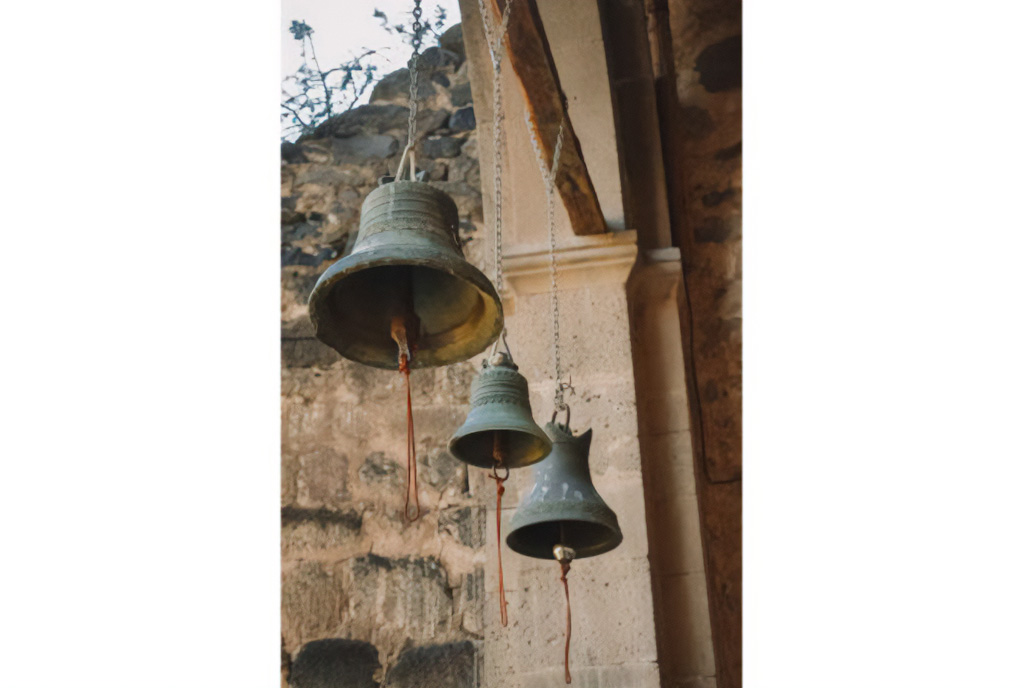
The most distinctive structure you'll come across is the massive bell tower jutting out from the upper part of the rock ledge. It retains much of its original grandeur, though you'll notice one very important missing detail that was taken during a Mongol raid, the bell.
The most striking of all is the Church of the Dormition, with its double-arched belfry impossibly carved into the mountain face. Inside you'll find spectacularly weathered frescoes, including one of only four surviving depictions of Queen Tamar.
Visitors will want to set off in search of Queen Tamar's Tears, a natural spring hidden deep in the tunnels, where you'll find a pool seemingly filled with water pouring, or weeping, from the rocks above it.
Beyond Vardzia
The surroundings have plenty to offer too. Across from Vardzia is the Vardzia cave city viewpoint. As the name suggests, it's a wonderful stop to take it all in from a distance.
Then there are the lesser-known Vanis Kvabebi (the Vani Caves), a monastery carved into the stone just a 10-minute drive from Vardzia.
Predating the site by a few hundred years, Vanis Kvabebi is almost as impressive as Vardzia itself. Energetic climbers can scale the ruins along a series of wooden stairways that lead up to a tiny white-domed church and soak in breathtaking views of the valley.
Not far from Vanis Kvabebi is Tmogvi Fortress. Towering high above the river, it's a sprawling cluster of ruins made up of a long-forgotten citadel, faded frescoes and crumbling towers.
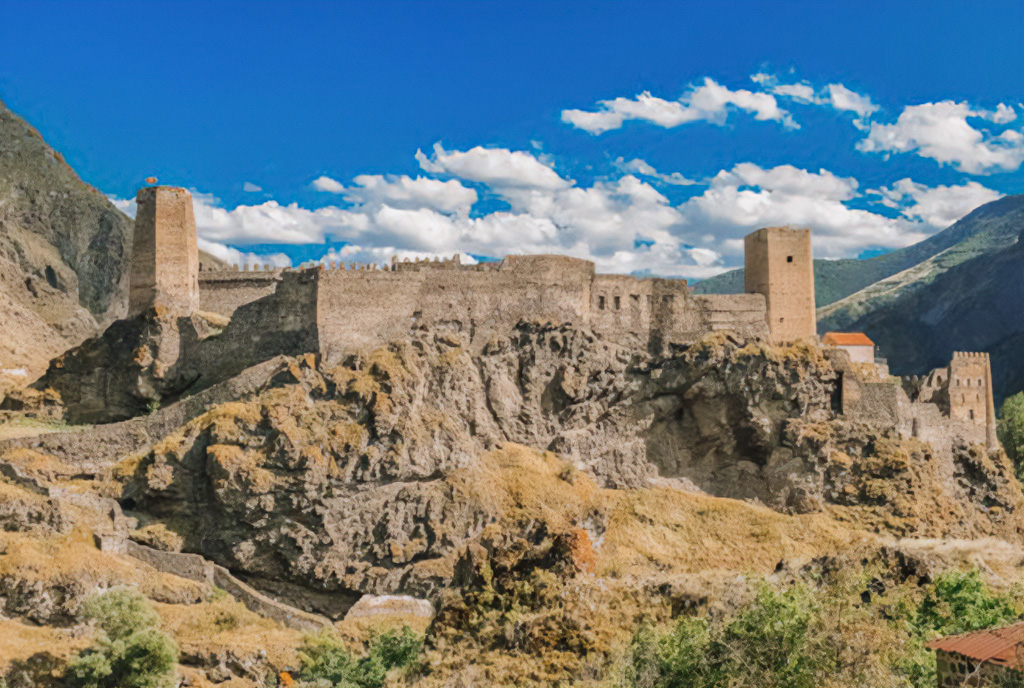
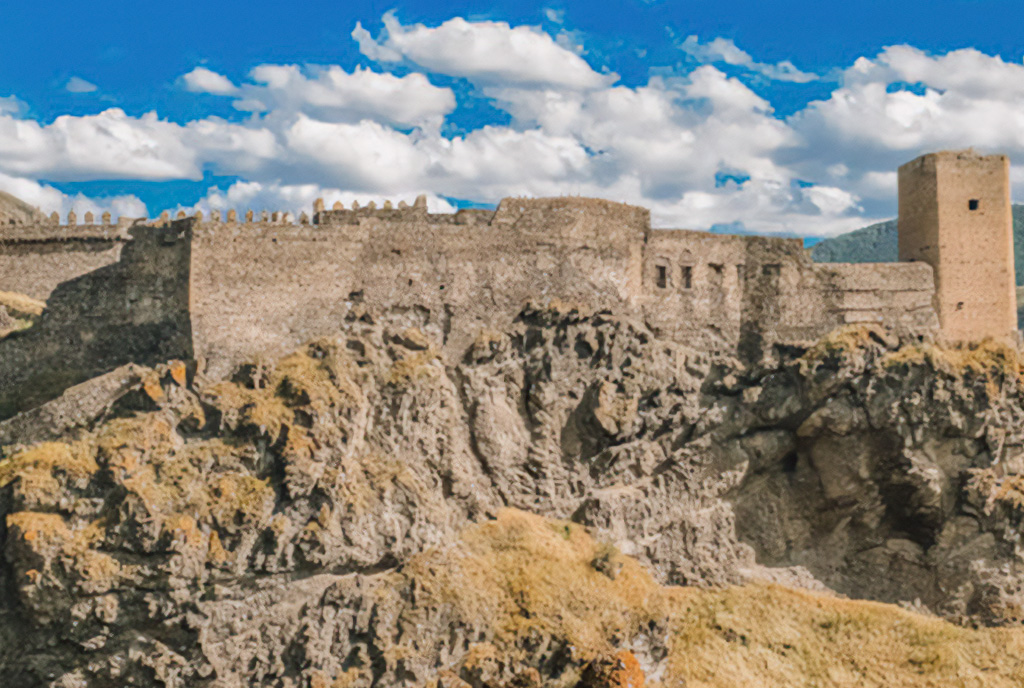
On the way back to Tbilisi you'll come to a fork in the road marked by Khertvisi Fortress, a medieval castle sprawled atop a rocky rise. Turning right will take you toward Armenia and deeper into Samtskhe-Javakheti.
Vardzia sits in Samtskhe-Javakheti, a region in southern Georgia bordering Turkey and Armenia, with a vivid palette of culture, landscape and cuisine. In the northern half of the region you'll find Borjomi, a densely forested resort town famous for its healing springs and bottled mineral water which, according to local legend, cures even the worst hangover.
And then there's Akhaltsikhe, a quiet little town dominated by Rabati Castle, a medieval fortress and a symbol of diversity, crowned by a mosque, a synagogue and an Orthodox church.
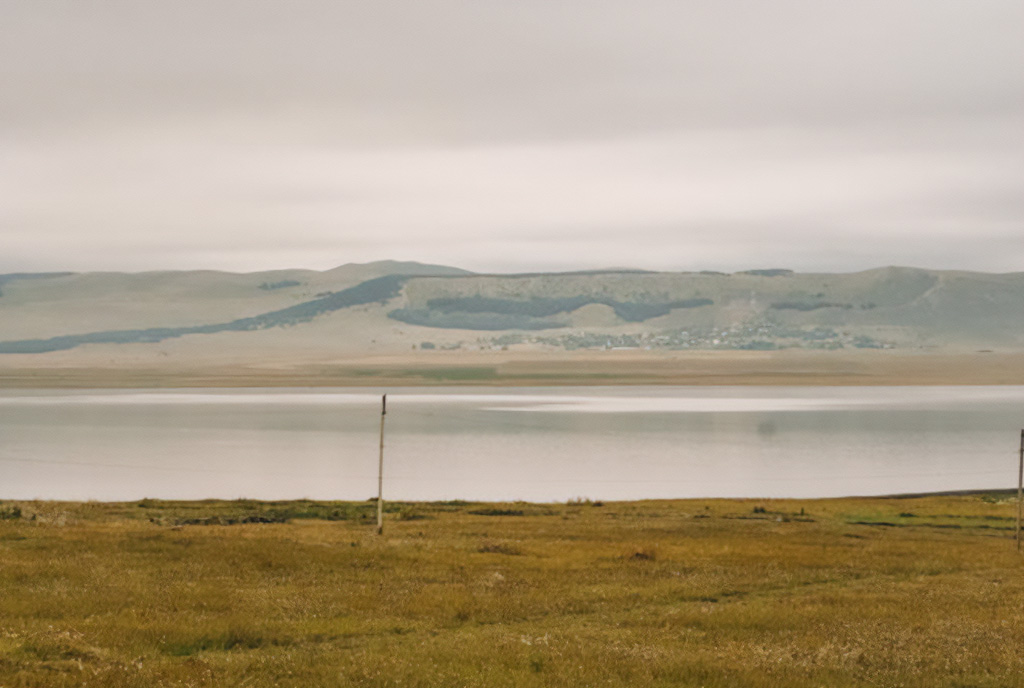
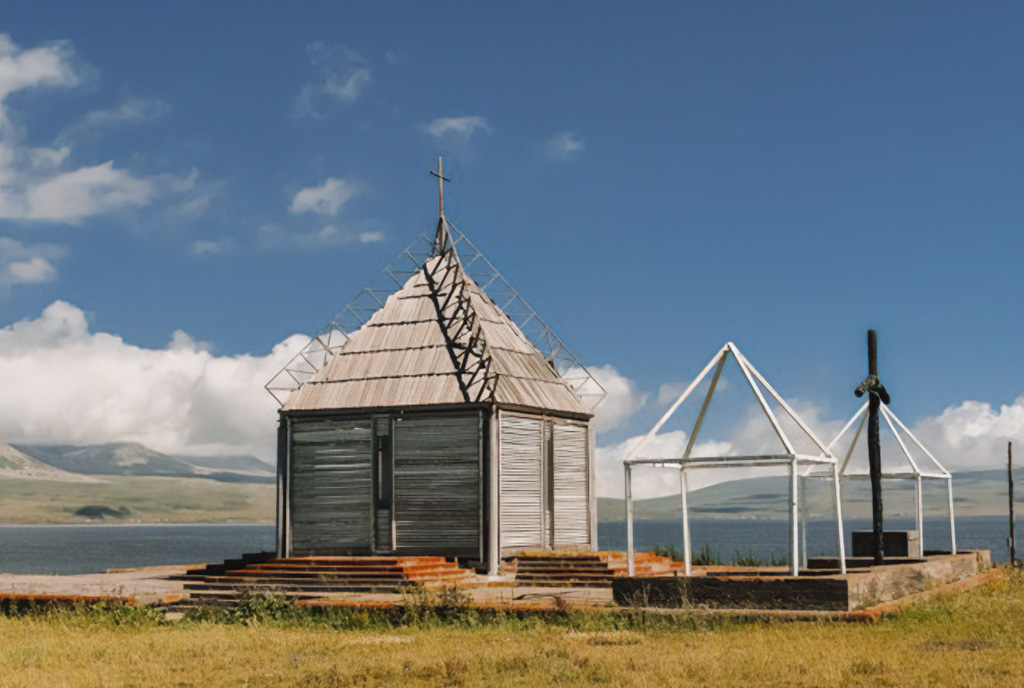
In the southeastern corner of the region you'll find Lake Paravani. The largest lake in Georgia, it's surrounded by volcanic mountains and wild, windswept terrain. On its southern shores lies Poka, a village home to St. Nino Monastery, a modest convent closely tied to the legend of St. Nino, the woman who brought Christianity to Georgia, making it the second nation in the world to adopt it after neighboring Armenia.
On the grounds you'll also find a small shop run by the nuns, who make artisan chocolates, traditional cheeses and even beer brewed in a qvevri.
The region is shaped by its culinary traditions just as much as by its cultural landmarks. Thanks to the influence of several cultures over the centuries, Samtskhe-Javakheti offers a whole range of delicious food.
High in the hills spreading out from Akhaltsikhe is Andriatsminda, a tiny village where a few local families have preserved the labor-intensive tradition of tenili, a cheese native to this region, known for its angel-hair texture.
Thought to date back to a stay by French priests in the region, you'll also find lokokina (snails), which are meant to be prepared as a juicy filling for khinkali (dumplings) or served as escargot.
Other delicacies include apokhti khinkali, made with dried meat such as goose, meskhuri shoti (Meskhetian bread) and a long-standing regional favorite, tatarberaki, tender squares of boiled dough drenched in a rich sauce of garlic, onion, butter and yogurt.
How to get there
Just over four hours from Tbilisi, a drive through the dense forests of Borjomi and fortress-studded Akhaltsikhe will bring you to Vardzia.
Choose one of the many ready-and-waiting drivers parked in Freedom Square, or take the wheel of a rental car yourself. While there are plenty of drivers happy to make it a day trip, it's best to explore this area over a couple of nights so you can truly immerse yourself in it all.